Second winery in Bolgheri, first of its kind
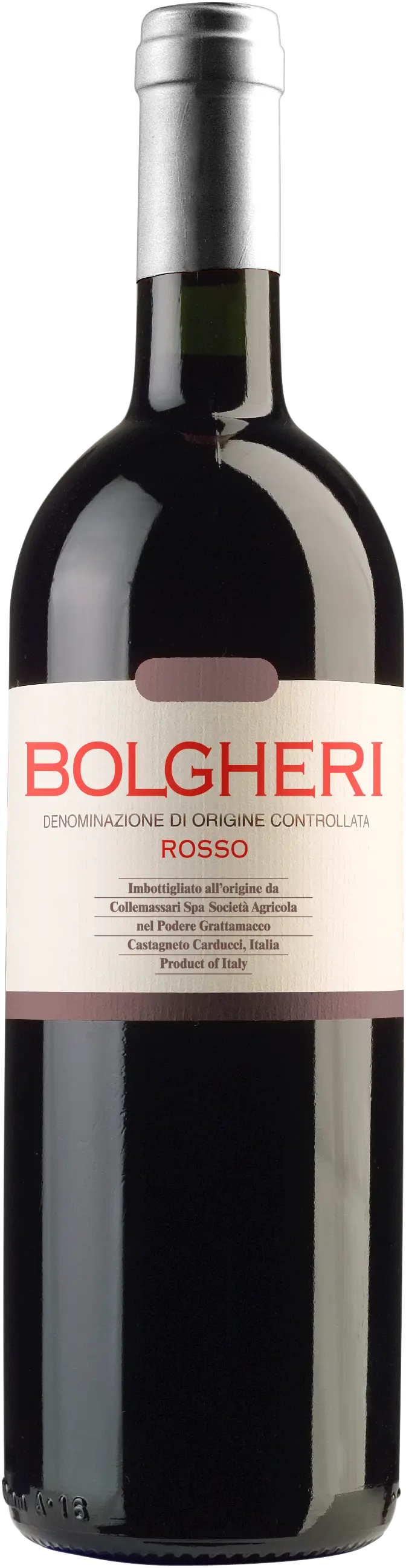
The name Grattamacco goes back to an Etruscan mineral that was once scraped off these hills — macco grattato. In 1977, hardly anyone suspected that one of Italy's most significant wineries would emerge right here, on the last hilltop north of Castagneto Carducci. Piermario Meletti Cavallari, then 34, traded a management career in Bergamo for uncultivated land on the Tuscan coastal Maremma. With neither electricity nor running water, he cleared, planted, and vinified. This made Grattamacco the second winery ever to settle in Bolgheri, after Tenuta San Guido with its Sassicaia.
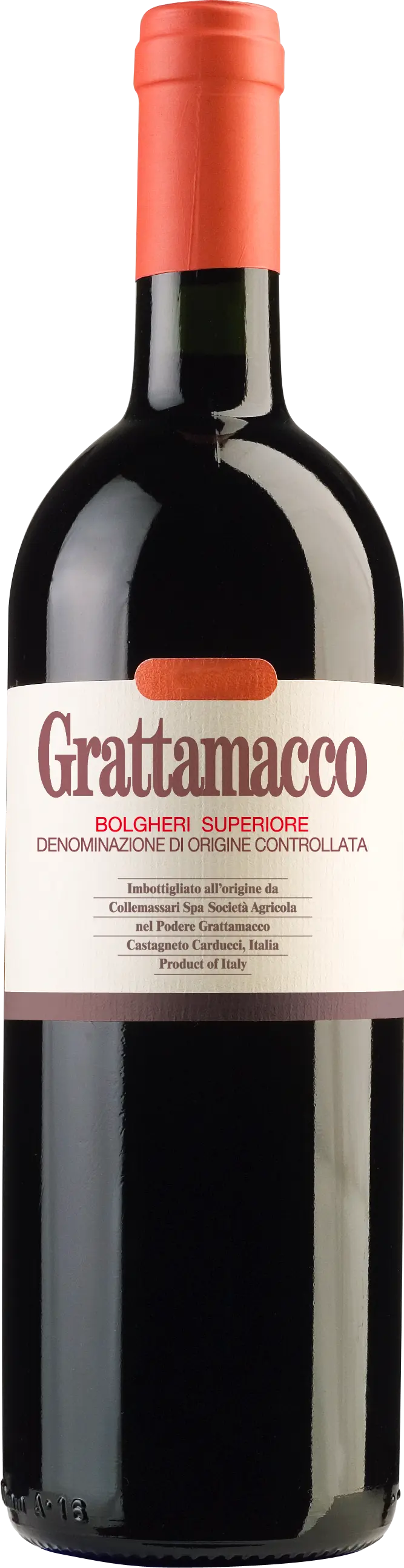
The first vintage was released in 1982, initially as a simple Vino da Tavola. In 1994, Grattamacco was the first estate ever to bottle a Bolgheri Rosso DOC, helping to make the newly founded appellation known worldwide. Under the old oak tree on the estate, Piermario Meletti Cavallari, Michele Satta, Mario Incisa della Rocchetta, as well as Piero and Lodovico Antinori gathered that year — a photo that captures the birth of the denomination. In 2002, Claudio Tipa, founder of the ColleMassari Group, took over the winery from Meletti Cavallari. The Tipa-Bertarelli family has continued to run it ever since, without breaking the character of the house.
Organic viticulture on limestone hills
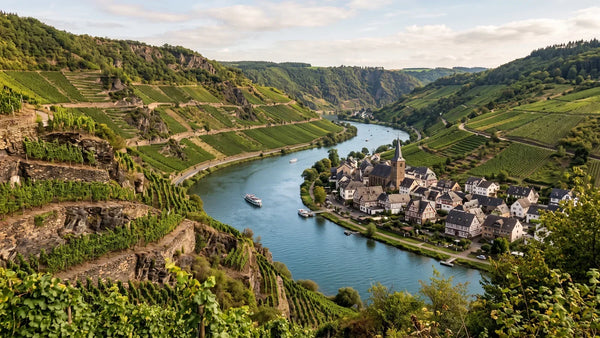
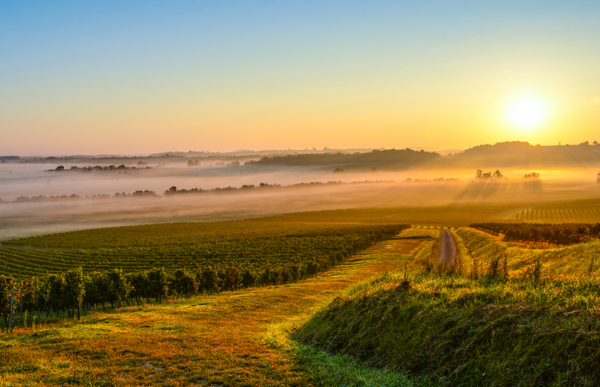
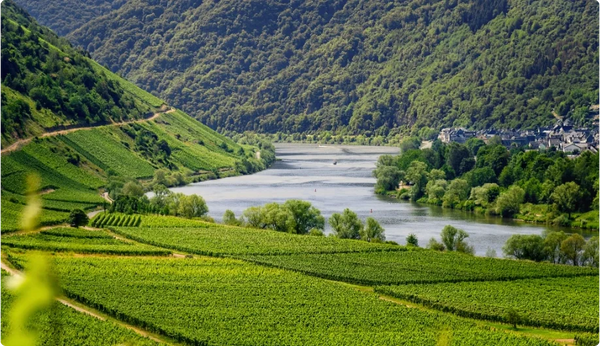
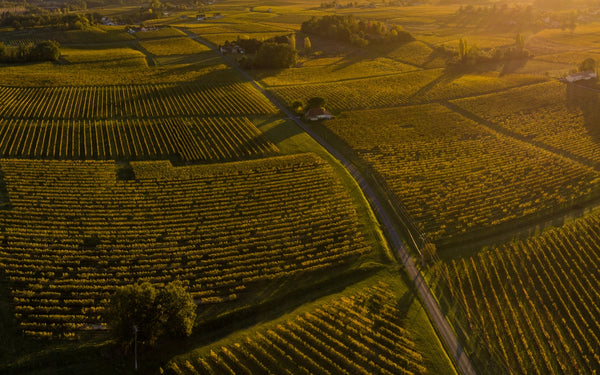
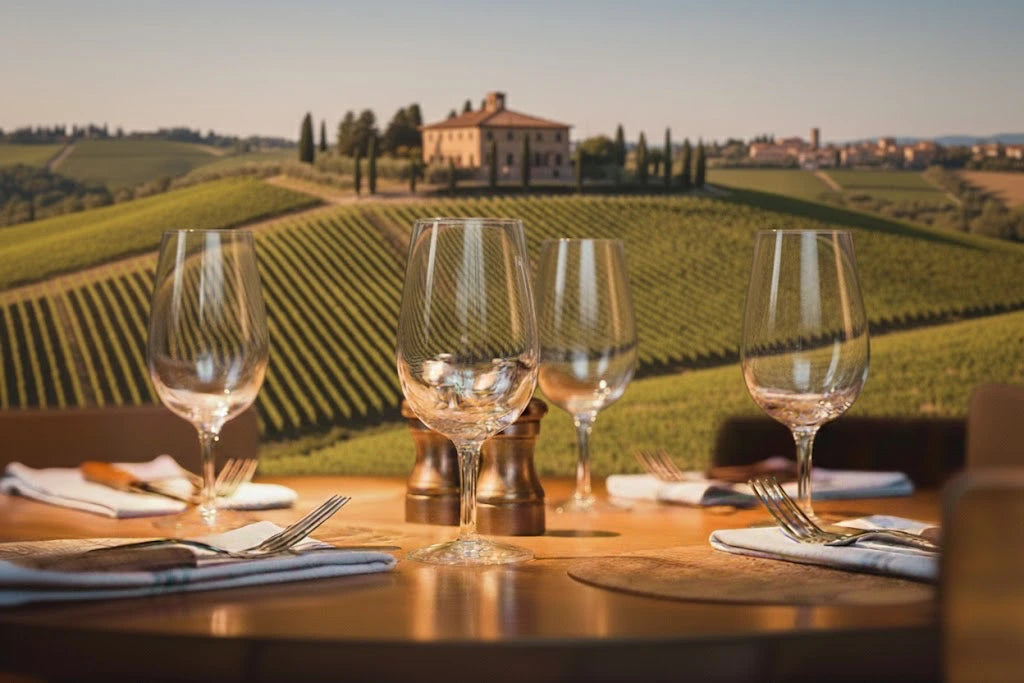
The winery now covers 80 hectares, 34 of which are planted with vines and 5 with olive groves. The rest is densely wooded hill country. The vineyards are located at an altitude of 100 to 200 meters above sea level — unusually high for Bolgheri — and are spread across various sites with different soils: sandy substrates in the lower plots, limestone and marl in the higher locations around Casa Vecchia, which was only developed in 1998. This altitude brings thermal fluctuations, cooler nights, and constant sea breezes that keep the vines dry.
As early as the late 1990s, Grattamacco switched to organic viticulture — at a time when this was still an exception in Bolgheri. Today, the farming is ICEA-certified, and herbicides and pesticides are consistently excluded. Head winemaker Luca Marrone describes the cellar philosophy as "bare winemaking": spontaneous fermentation without temperature control, without cultured yeasts, and without time constraints. The grapes are harvested by hand, the grape varieties are fermented separately in small conical oak vats, and then aged for around 18 months in barriques — some new, some used.
Sangiovese in the blend, Vermentino leading the way
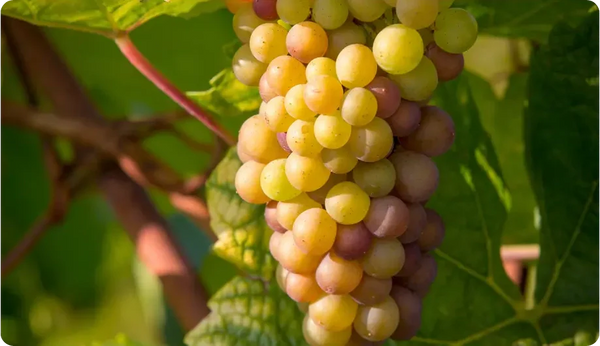
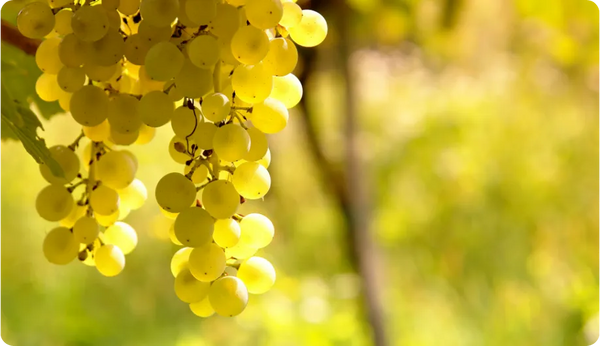
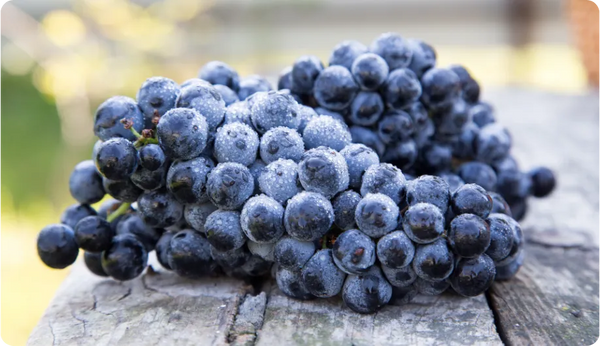
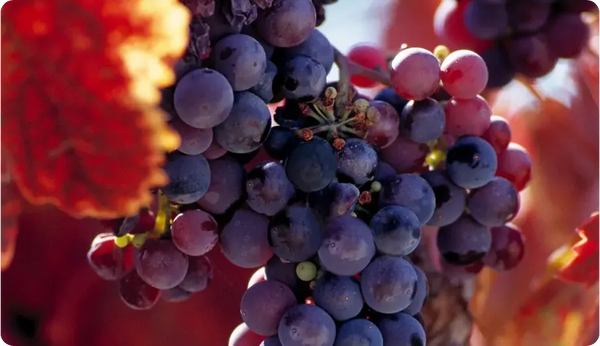
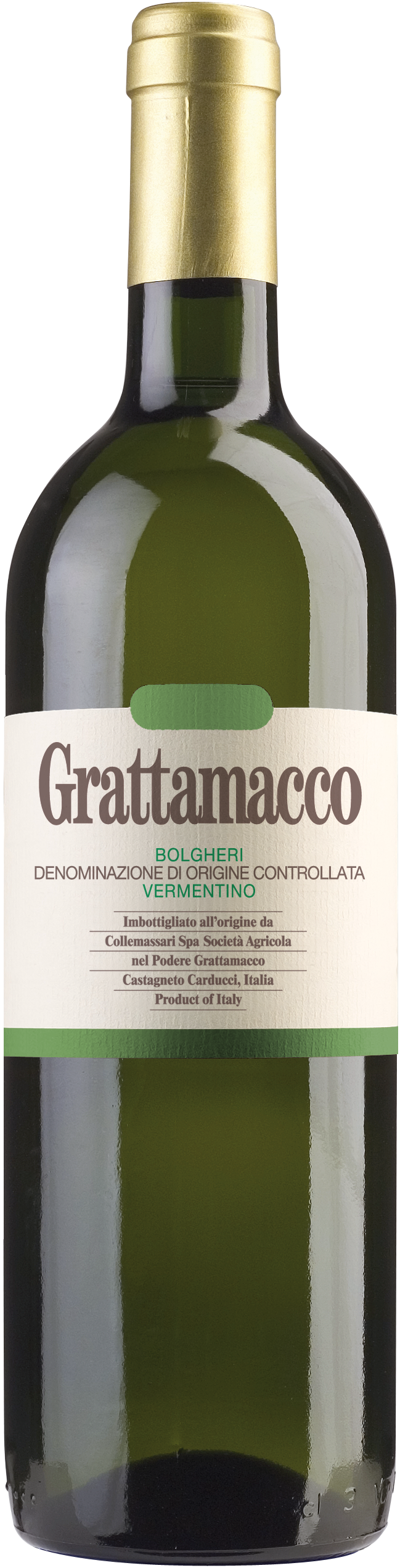
What distinguishes Grattamacco from many neighbors in Bolgheri is the decision to keep Sangiovese in the red wine. While the region switched to Bordeaux blends of Cabernet Sauvignon and Merlot at the latest with the founding of the DOC in 1994, Grattamacco insisted on the Tuscan component. Since 1995, the Bolgheri Superiore has featured a stable blend of around 65% Cabernet Sauvignon, 20% Merlot, and 15% Sangiovese — with room for adjustment depending on the vintage. Grattamacco was also the first winery in Bolgheri to plant Vermentino, on the white clay soils of the region that seem made for this variety.
The result is red wines with dark fruit, Mediterranean herbal notes, and a salty minerality that can be read directly from the soils — with tannins that provide structure without being astringent. The Vermentino Bolgheri DOC shows fresh citrus fruit, apricot, and an invigorating, slightly salty finish. Both styles reflect the location: proximity to the coast and altitude at the same time, wind and limestone, sun with cool evenings. Wines that explain Bolgheri before the region was famous — and still do today.