From the Della Gherardesca estate to the Antinori anchor point in Bolgheri
The history of Tenuta Guado al Tasso begins long before the fame of the region. Since the late 17th century, the Tuscan noble family della Gherardesca practiced viticulture on their extensive coastal estate north of Bolgheri — one of the oldest continuous viticultural histories of the entire appellation. The decisive quality boost was given by Guido Alberto della Gherardesca (1780–1854), Lord Chamberlain to Grand Duke Leopold II of Tuscany, who specifically transferred his knowledge of French viticulture in Bordeaux to the Maremma. In the 1930s, Carlotta della Gherardesca — mother of the later Marchese Piero Antinori — inherited the estate and brought it into the Antinori family. Her sister received the neighboring estate, which under her husband Mario Incisa della Rocchetta was to become world-famous as Tenuta San Guido. Thus, the two defining names of modern Bolgheri emerged from the same family heritage. It was not until the 1990s that the investments flowed that made Guado al Tasso one of the flagship wineries of the region — parallel to the official recognition of the DOC Bolgheri in 1994.
320 hectares in the amphitheater — terroir, craftsmanship, and a commitment to the site
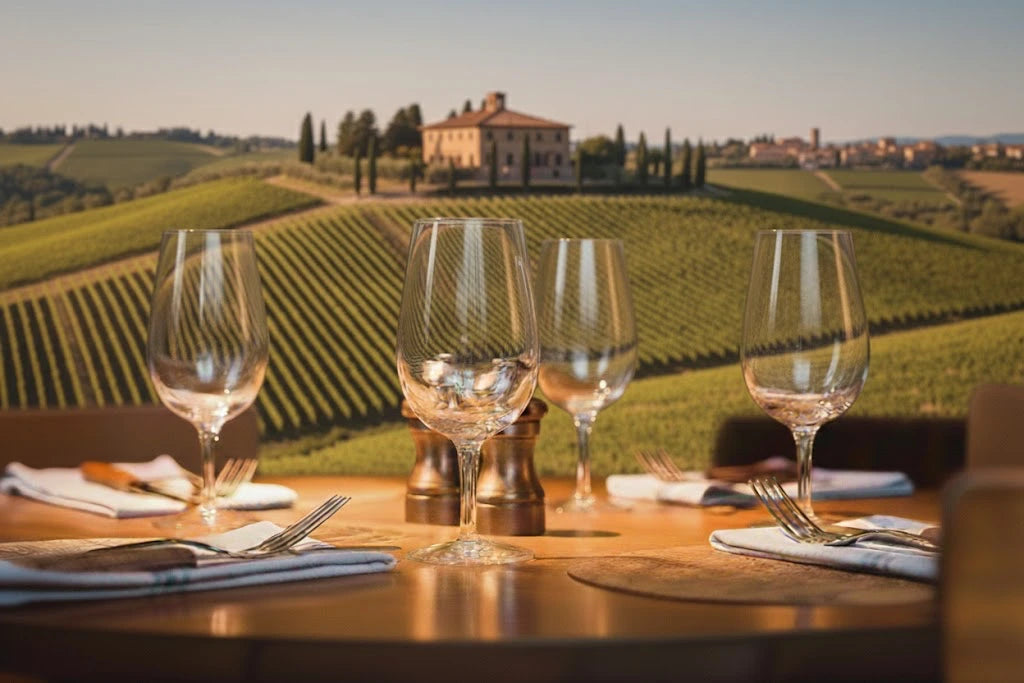
Guado al Tasso is located about 100 kilometers southwest of Florence, nestled in the so-called Bolgheri amphitheater plain: a coastal plain enclosed by gentle hills with a direct view of the Tyrrhenian Sea. The extraordinary microclimate is created by the interplay of sea breezes and the nocturnal cold air currents that flow down from the hills into the plain and cool the vineyards. This regulates the ripening of the grapes and preserves the aromatic complexity. The soils of the approximately 320 hectares of vineyards — embedded in a total area of over 1,000 hectares with olive groves, grain, and sunflower fields — range from sand-loam to clay-loam with fine-grained stone inclusions, the so-called scheletro. Main grape varieties are Cabernet Sauvignon, Merlot, Cabernet Franc, Petit Verdot, and Syrah; Vermentino is grown for white wine. In the cellar, the hand-picked and individually selected grapes are cold pre-macerated, fermented, and subsequently aged in French oak barriques, where malolactic fermentation also takes place. The Antinori family also relies on natural methods for maintaining soil health and biodiversity on the estate.
Bordeaux elegance on the Tuscan coast — the assortment
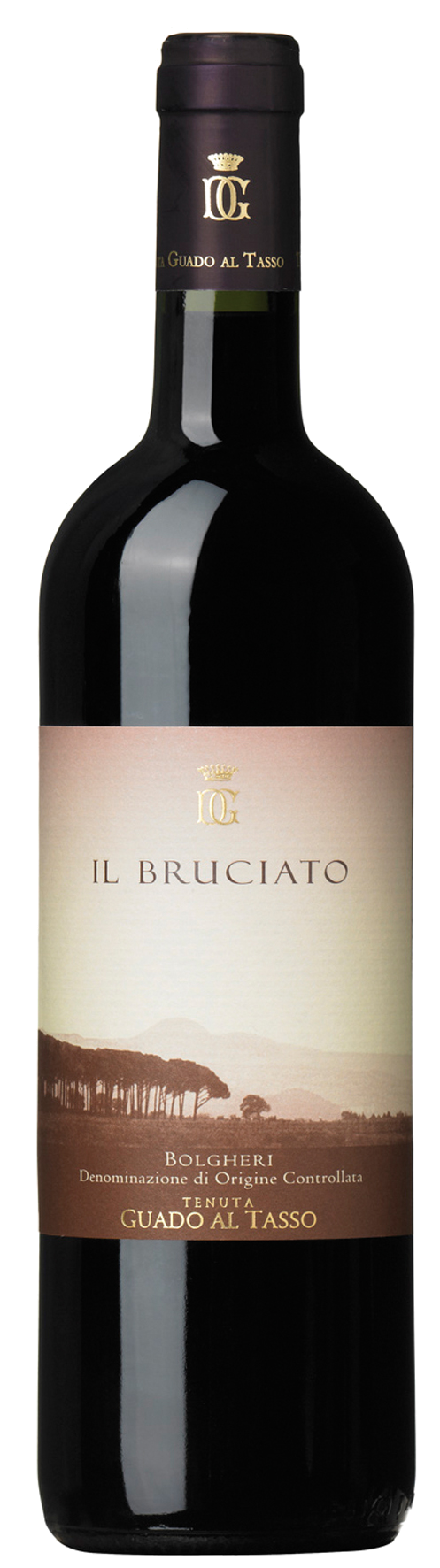
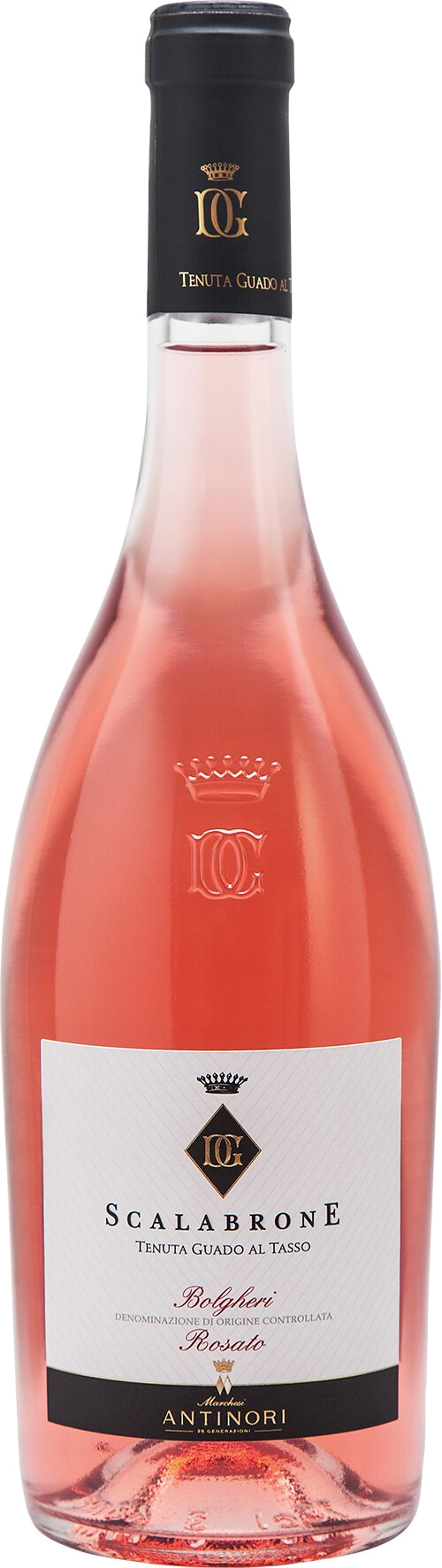
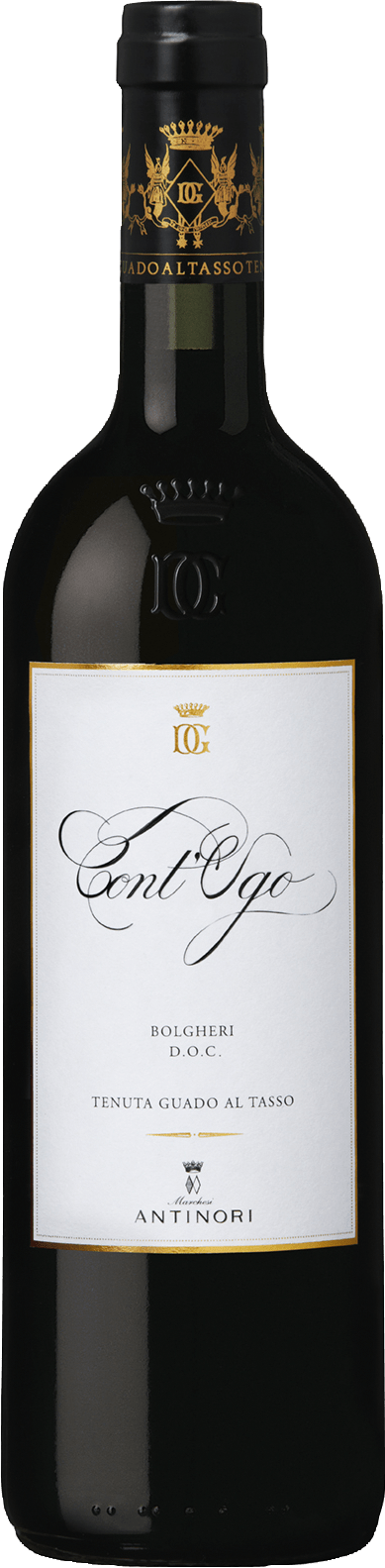
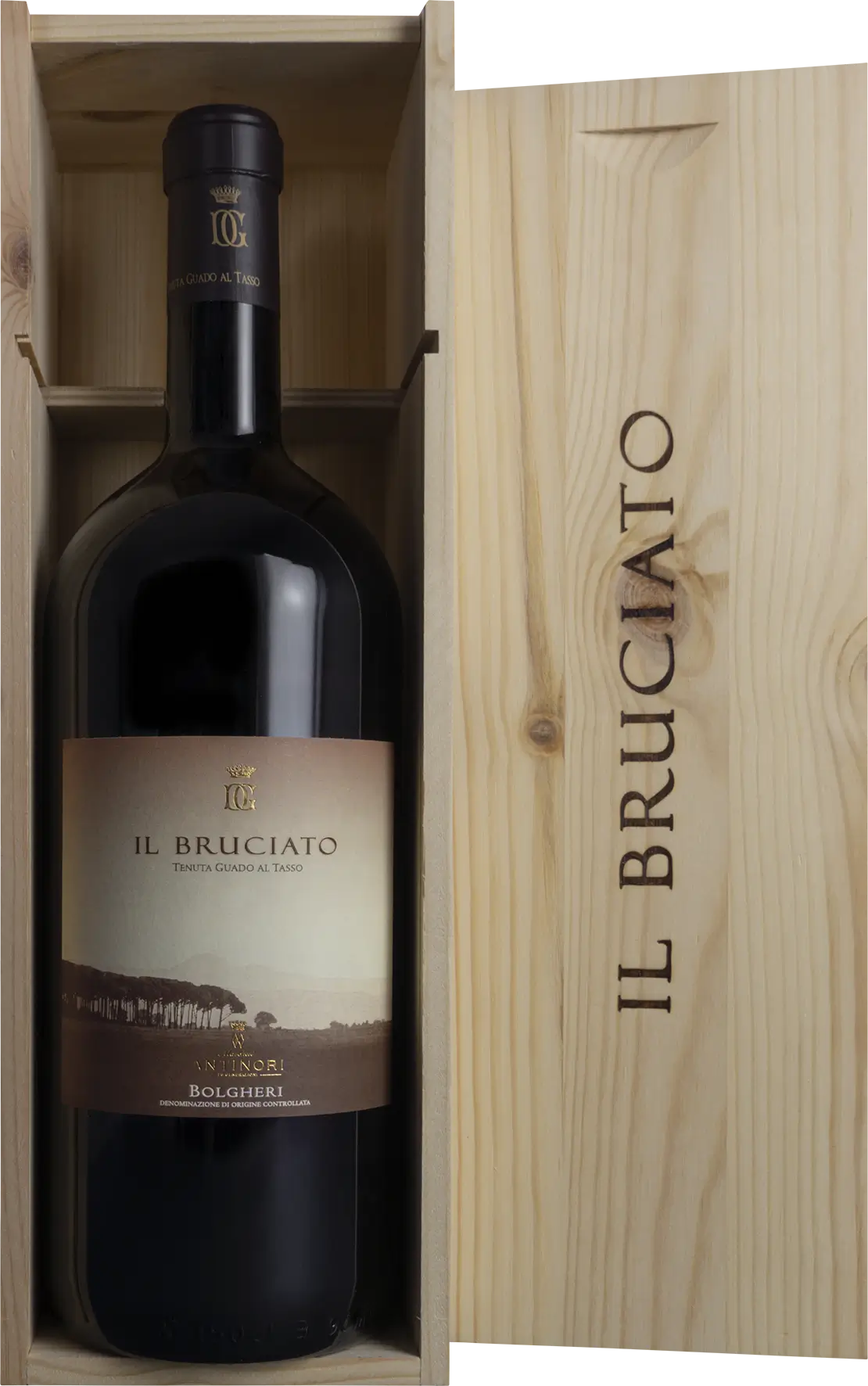
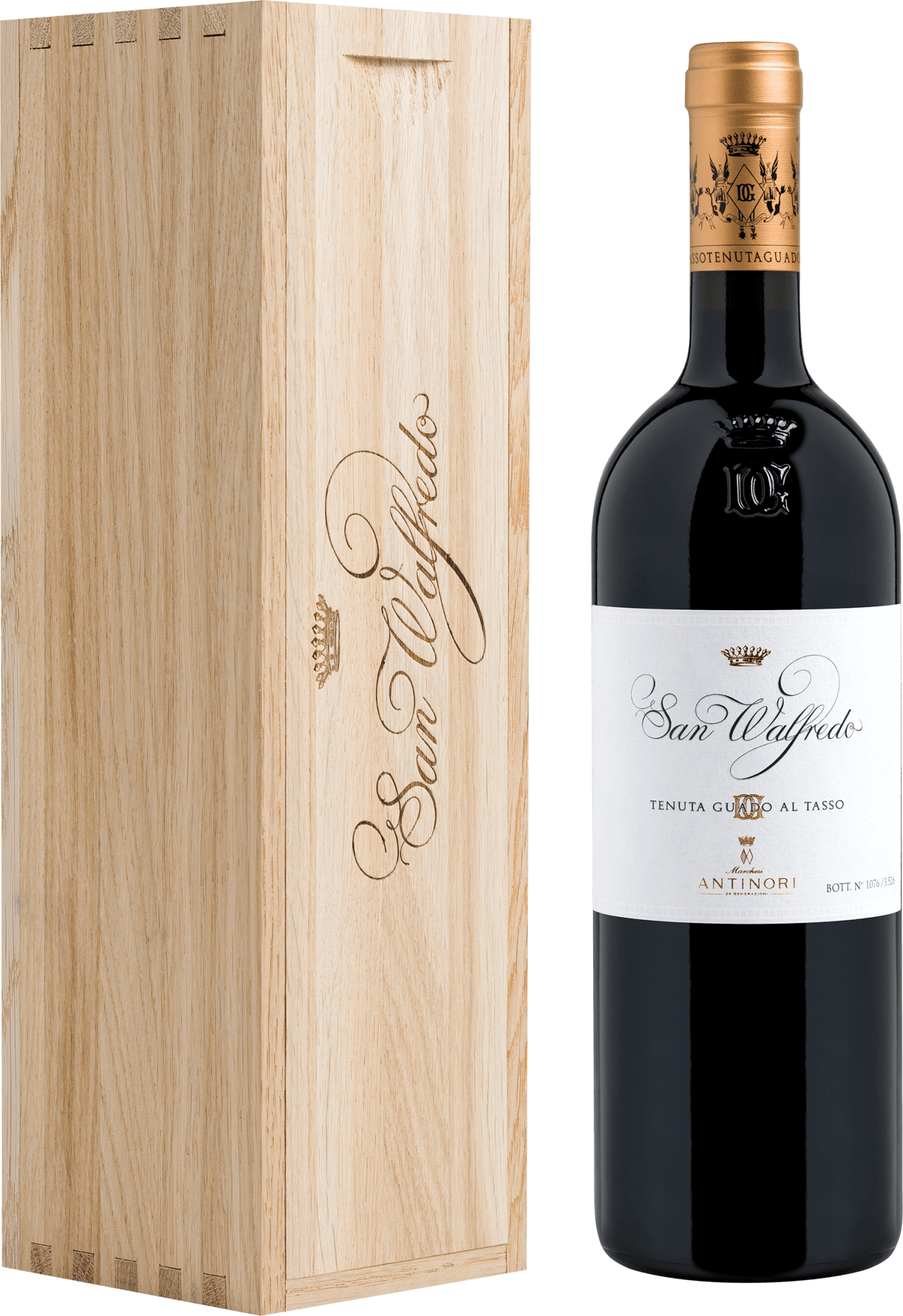
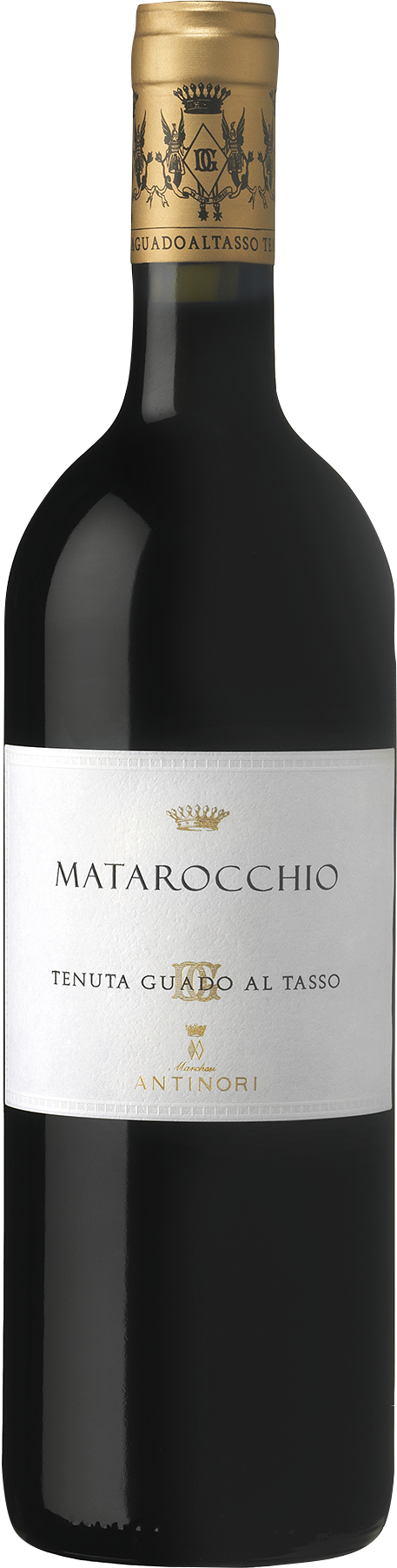
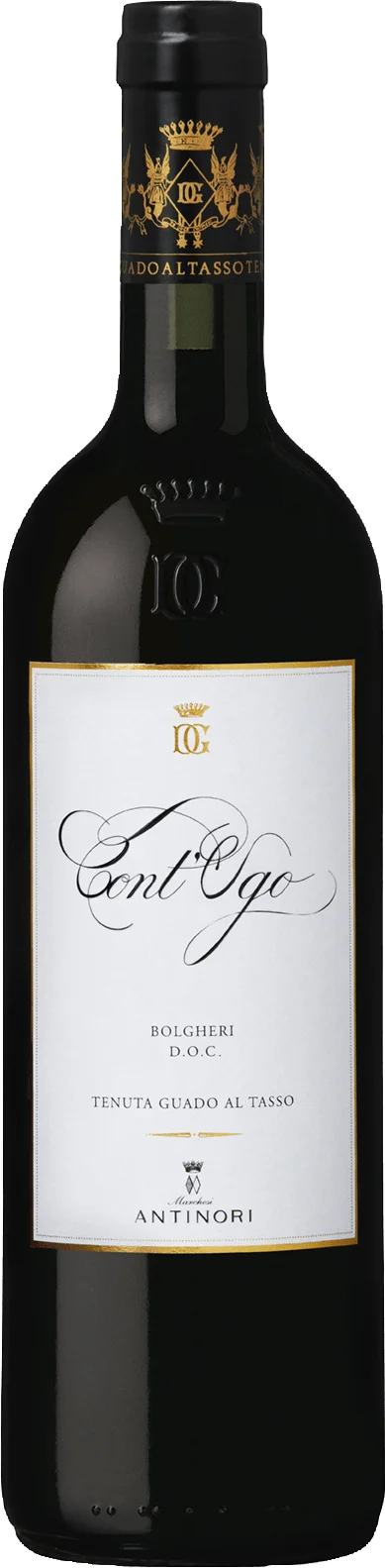
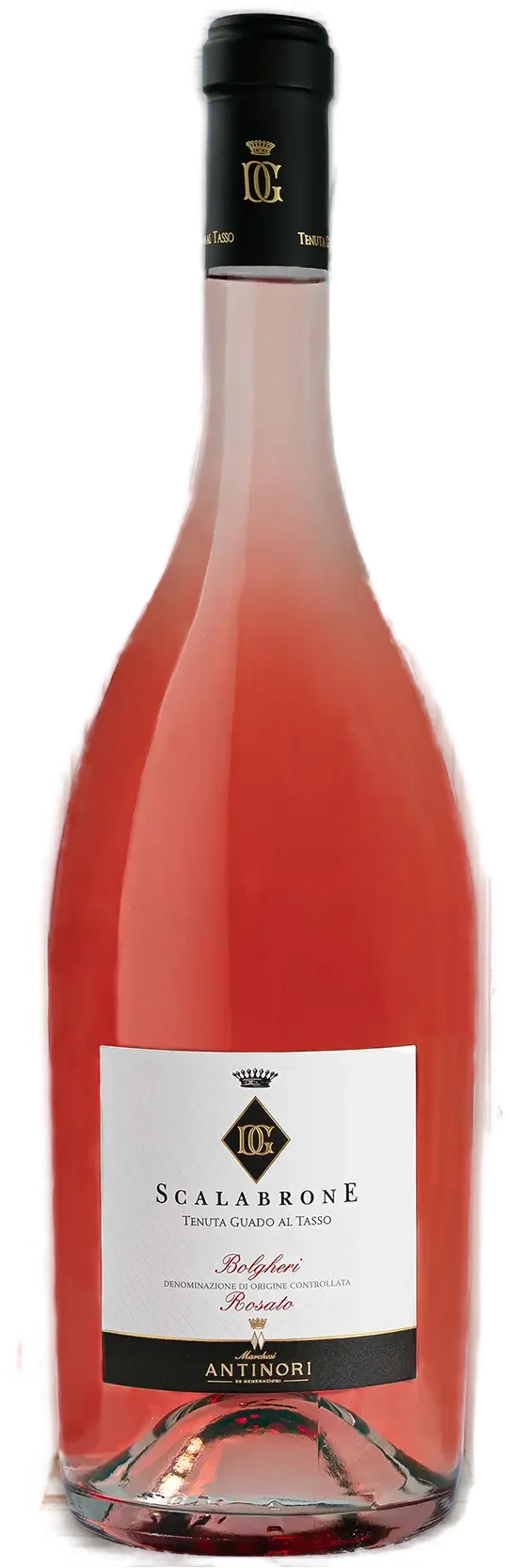
The flagship, the Guado al Tasso Bolgheri DOC Superiore, has been produced since 1990: a cuvée of Cabernet Sauvignon, Merlot, Cabernet Franc, and occasionally a small proportion of Petit Verdot, aged in new French barriques. On the label, it bears the coat of arms of the della Gherardesca with the initials DG — a conscious homage to the original family of the estate. Alongside it stands the Cont'Ugo, an accessible entry into the Bolgheri style, as well as the Scalabrone as a fresh Rosato. The most uncompromising growth of the house is the Matarocchio: a varietal Cabernet Franc from a single vineyard parcel, conceived as the maximum expression of site and grape variety. Il Bruciato completes the assortment as a characterful, early-drinkable Bolgheri DOC. What all wines have in common: the salty freshness of the sea climate, a clearly defined structure, and the courage to think Bordeaux-like grape varieties consistently on Tuscan soil — for more than three decades.