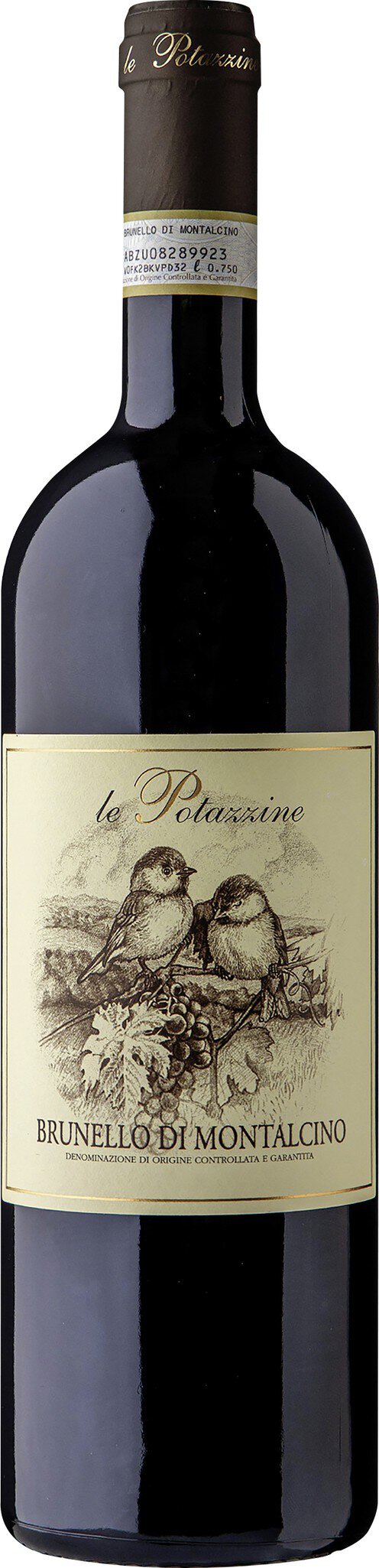
Sangiovese – Italy's most important red grape variety
If you are drinking a wine that smells of cherries, plums, and a hint of leather, with lively acidity and grippy tannins playing on the palate, then you very likely have a Sangiovese in your glass. The grape variety is the soul of Tuscan wine culture – and at the same time one of the most versatile red grapes in Italy. At Vinoscout, you can buy Sangiovese online and choose from over 140 products, from accessible everyday wines to great bottled wines and coveted rarities.
Origin and growing regions
The home of Sangiovese undoubtedly lies in Tuscany, the most important growing region for this grape variety. Here it thrives on light, calcareous soils that give it just the right balance of minerality and ripeness. The grape is vigorous and only ripens at the beginning of October – those who grant it the best site harvest powerful, characterful wines with real depth.
But Sangiovese is long since not just Tuscan. The grape variety is widespread throughout Central Italy, appears in Umbria, the Marche, and Emilia-Romagna, and has made a name for itself worldwide – you can find it today in Greece, Corsica, Switzerland, the USA, Chile, South Africa, and even Thailand. Nevertheless, Tuscany remains its spiritual home.
The great wines of Sangiovese
Sangiovese is the basis for some of the most famous Italian wine designations:
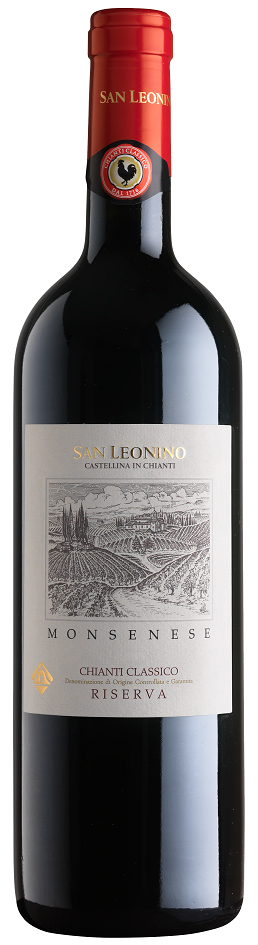
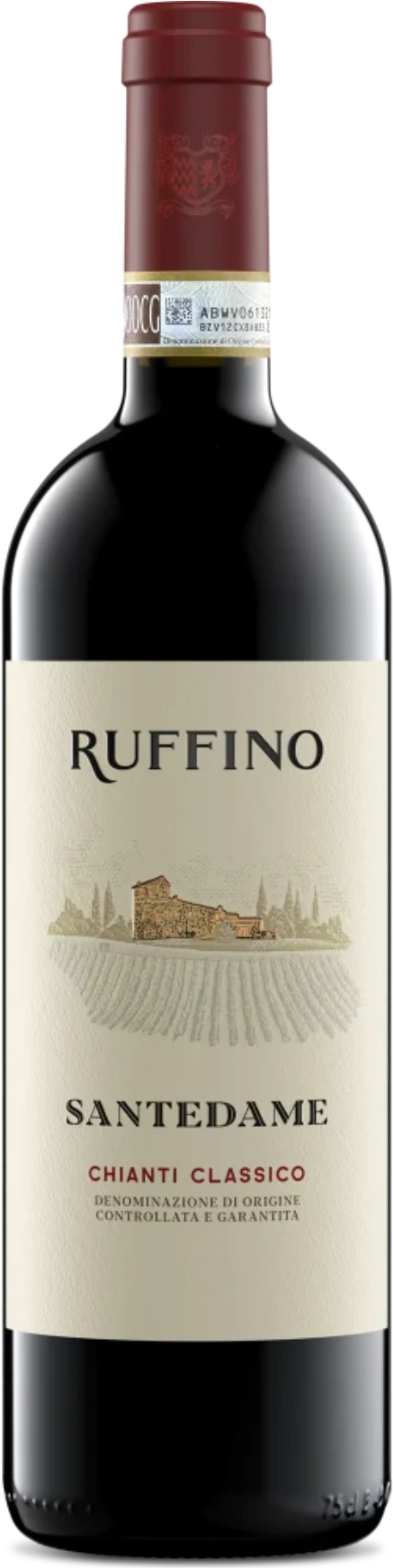
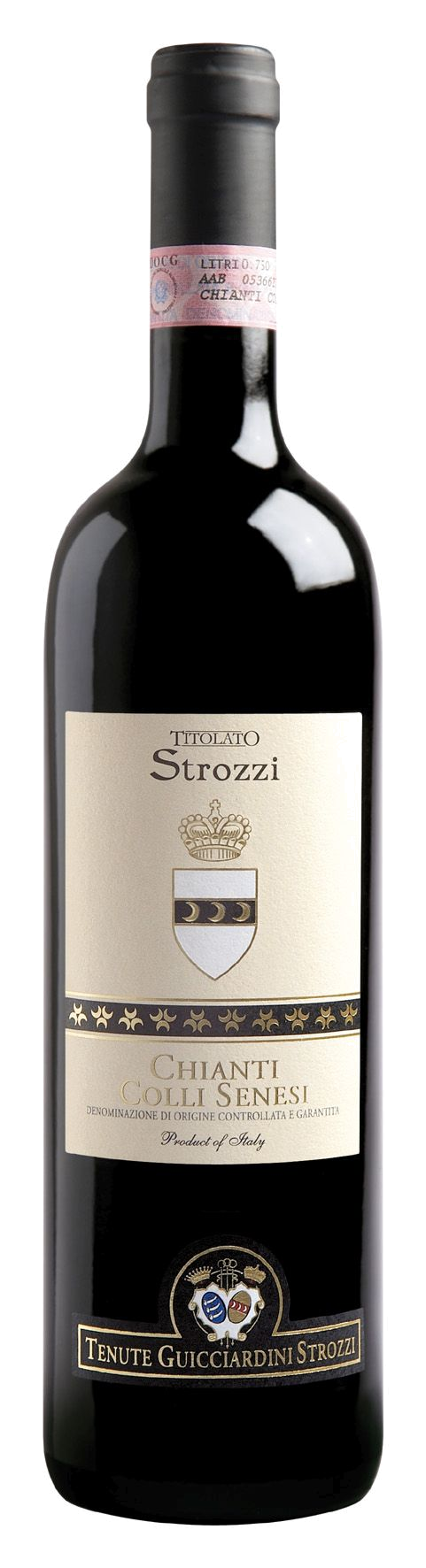
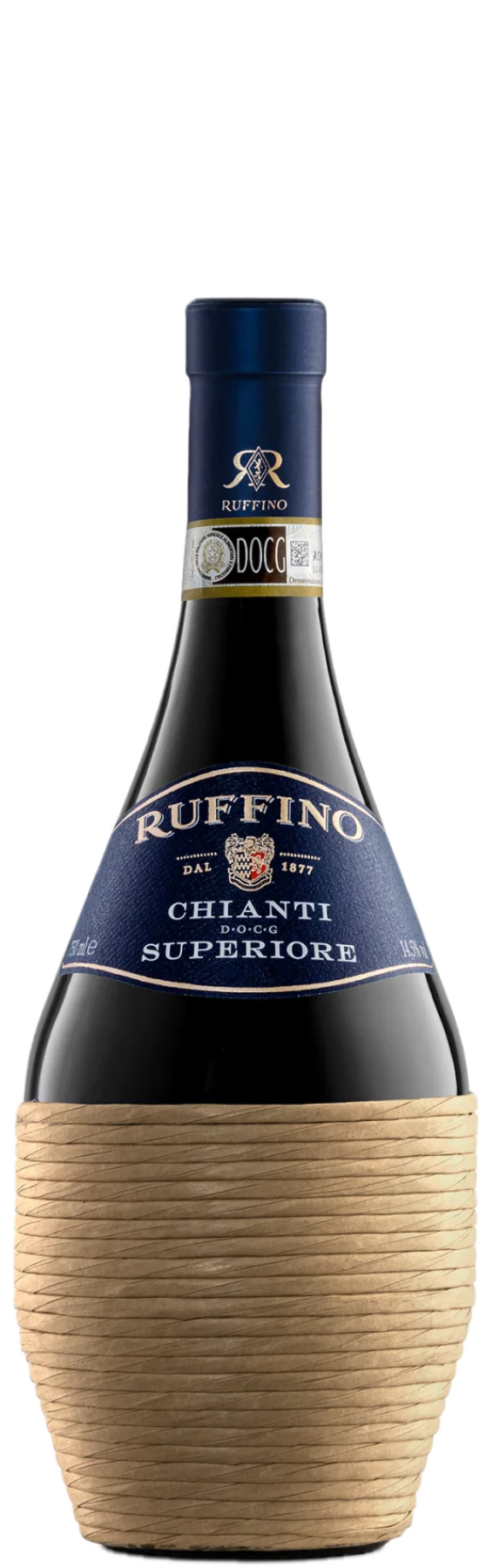
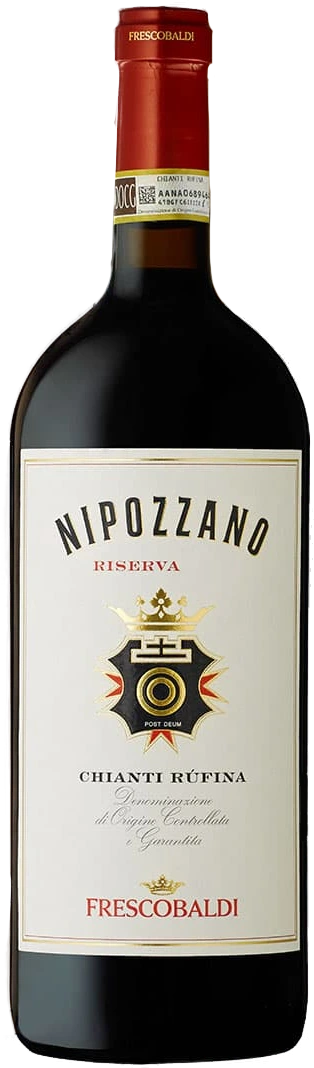
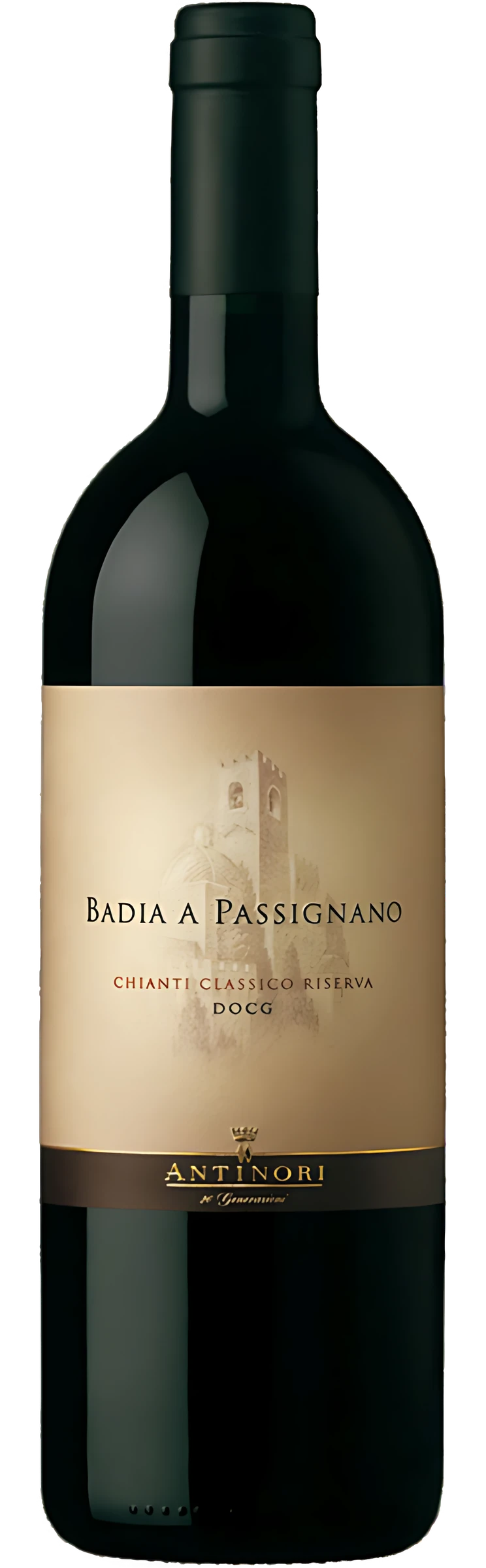
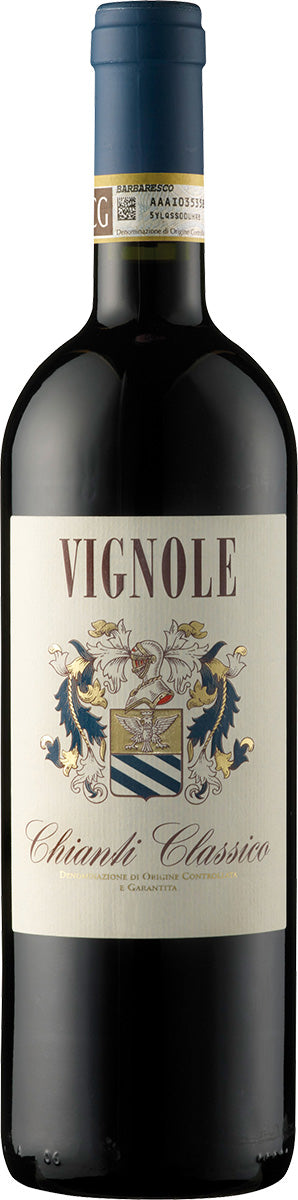
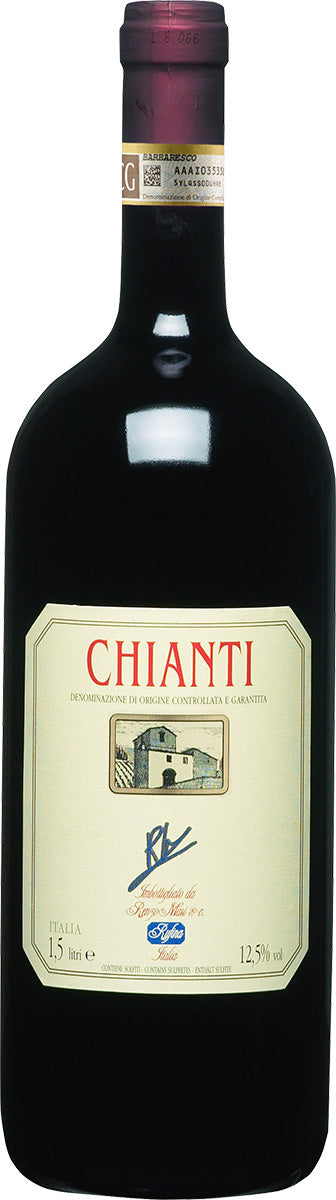
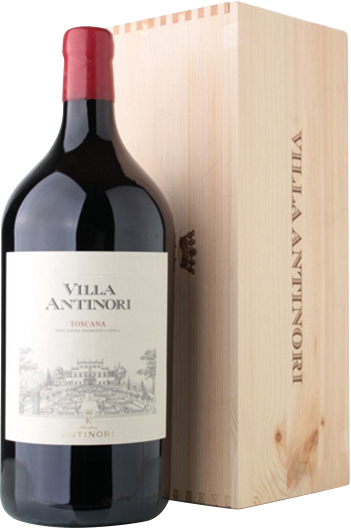
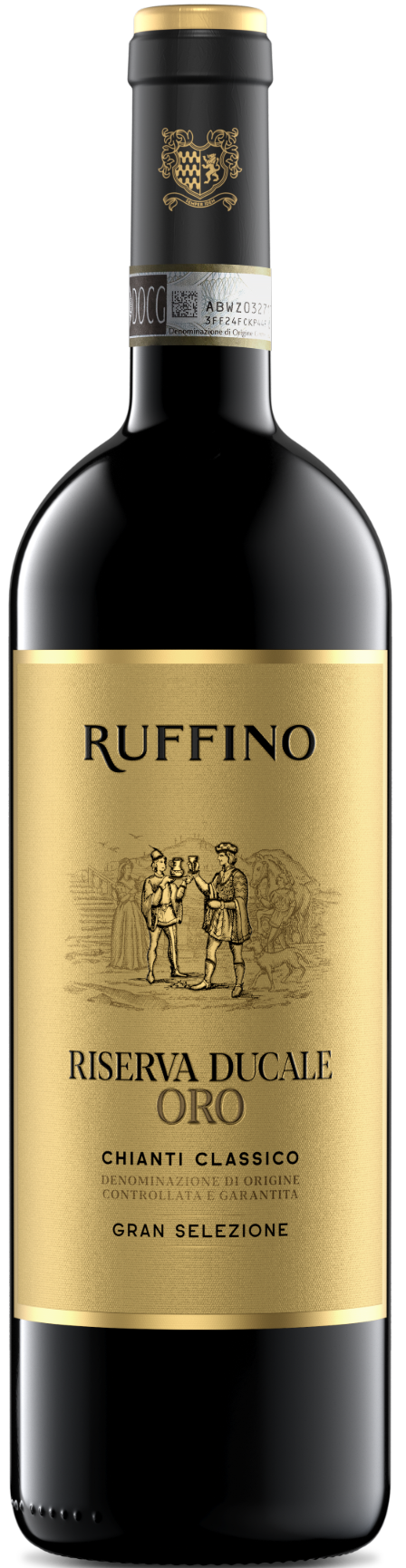
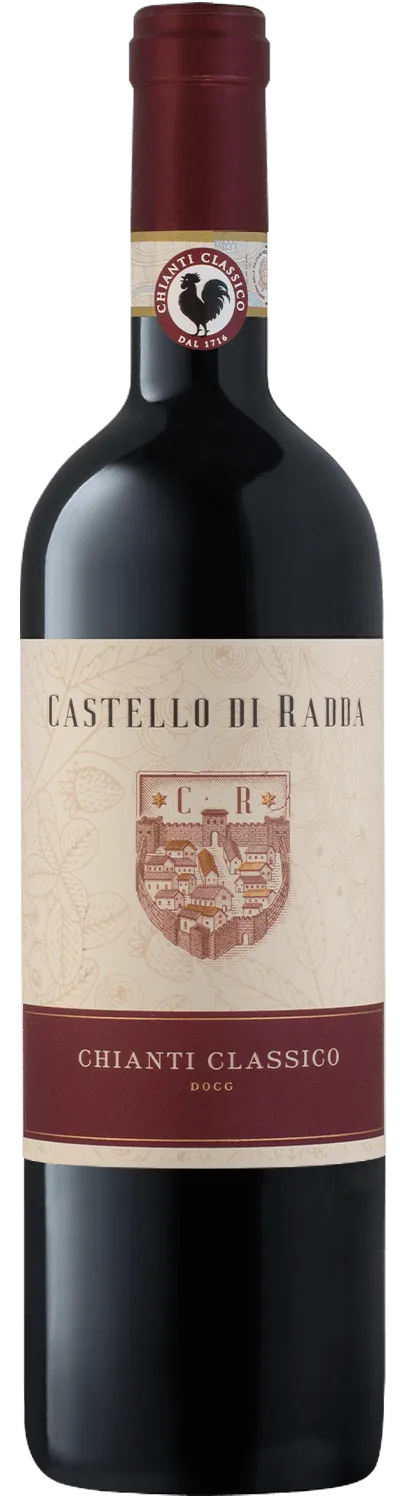
- Chianti and Chianti Classico: Arguably the most famous Sangiovese wine in the world. Chianti consists of at least 80% Sangiovese, but there are also single-varietal bottlings. The Villa Antinori Chianti Classico Riserva DOCG from the Antinori house shows how elegant and complex this category can be. You can find more about this in our Chianti category.
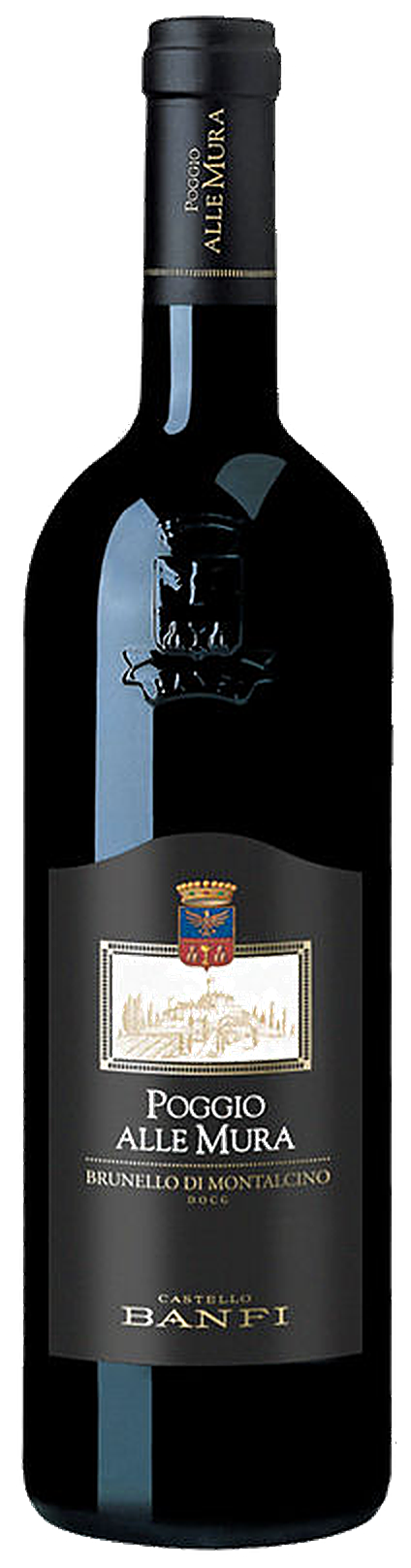
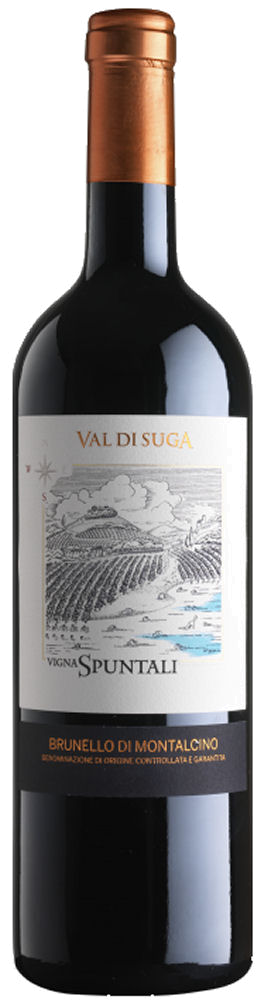
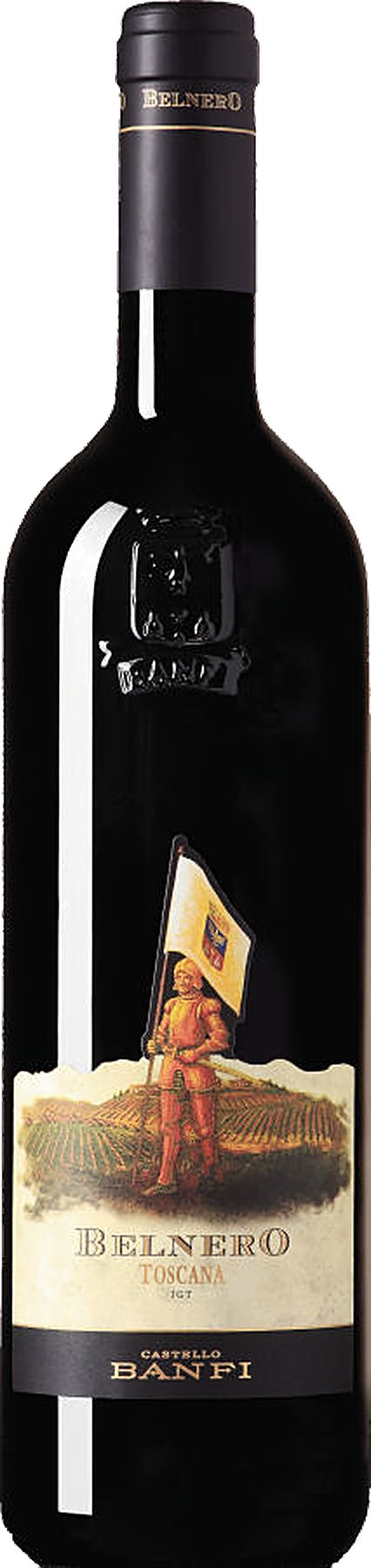
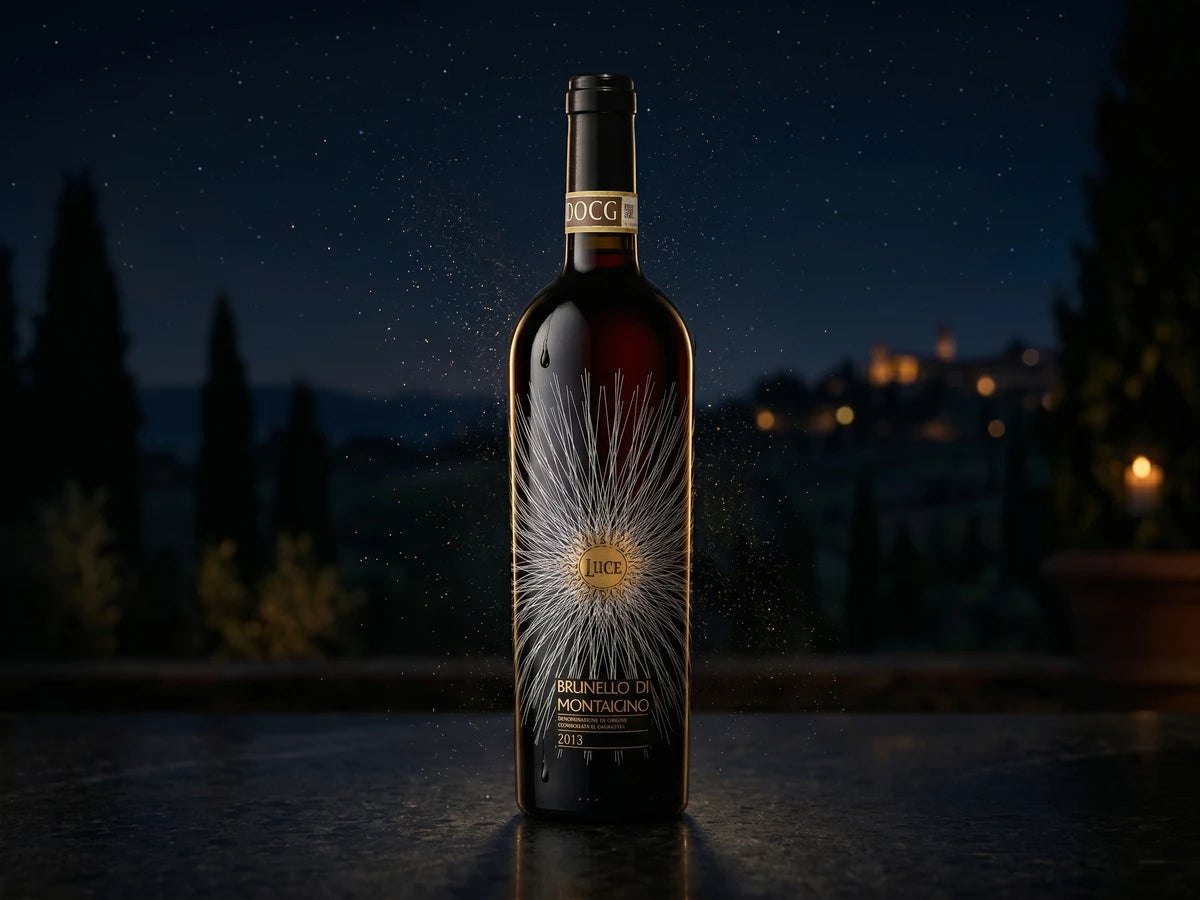
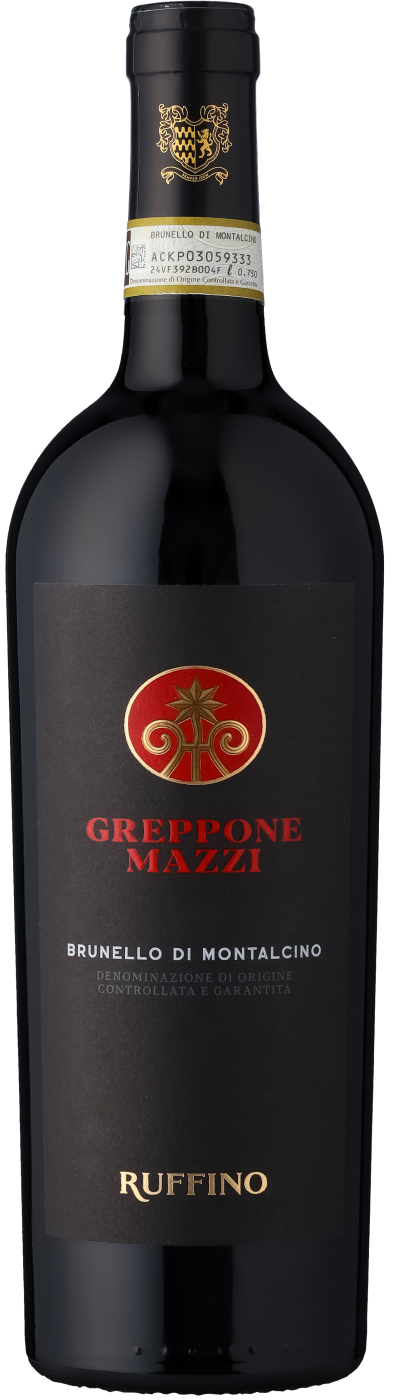
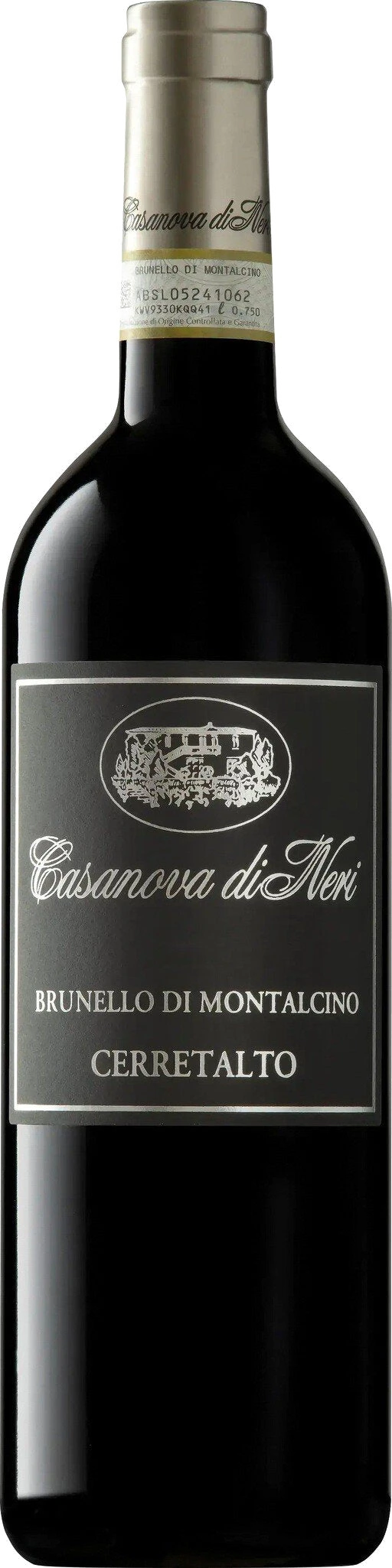
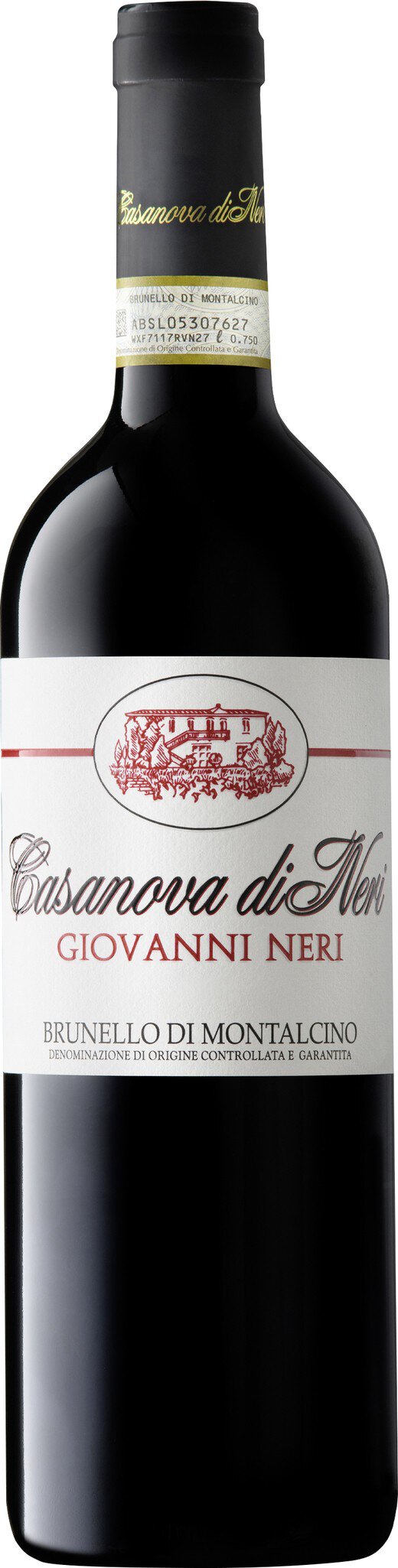
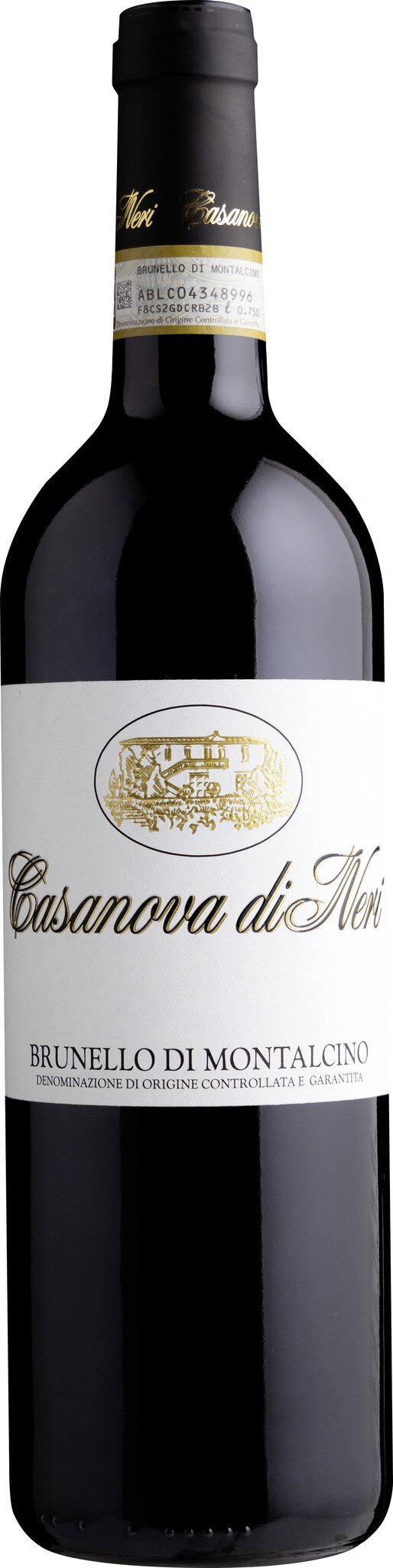
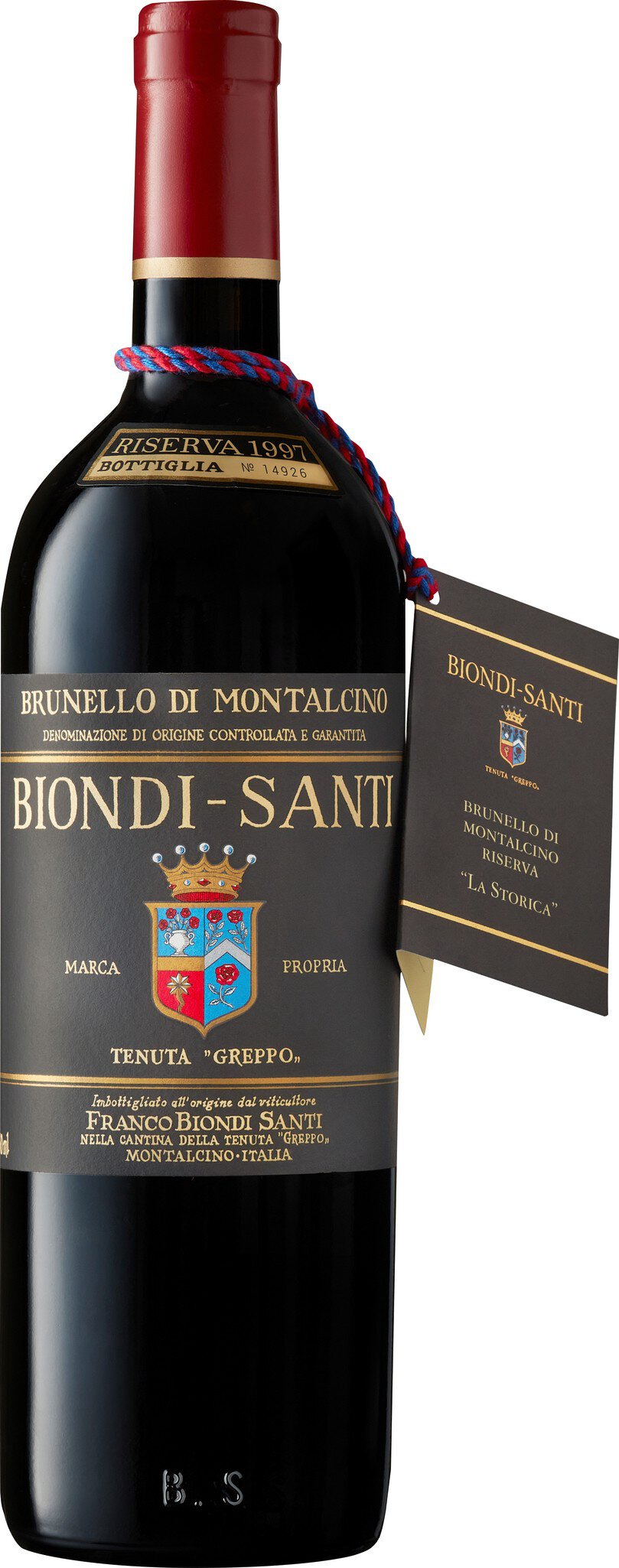
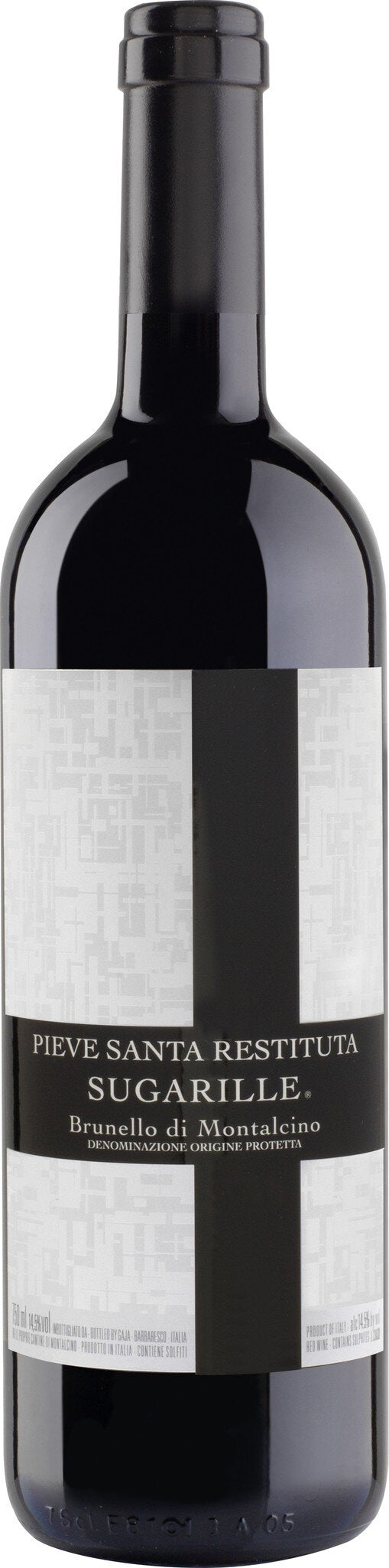
- Brunello di Montalcino: The king among Sangiovese wines. Single-varietal Sangiovese from the area around Montalcino, aged for a long time, with enormous structure and aging potential. The Castello Banfi Brunello di Montalcino DOCG is one of our best-selling wines – a classic example of this DOCG category. Those who want to dive deeper should look into our Montalcino category.
- Vino Nobile di Montepulciano: Also DOCG-certified, also Sangiovese-dominated. The Santa Caterina Vino Nobile di Montepulciano from Tenuta Tre Rose is a wonderful entry into this underrated category.
- Morellino di Scansano: Sangiovese from the Maremma, somewhat softer and more fruit-forward than its northern relatives.
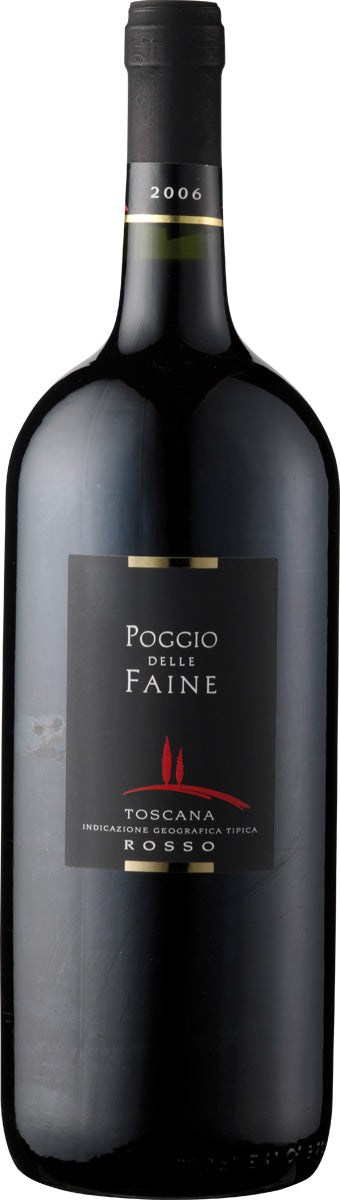
- Supertuscans: Wines that are deliberately produced outside of DOC/DOCG rules. Sangiovese is often blended here with Cabernet Sauvignon or Merlot and aged in barriques – the result is powerful, international wines with a Tuscan soul.
Flavor profile: What awaits you in the glass?
Sangiovese is not a pleasing flatterer – it is a wine with character. Typical are aromas of sour cherry, plum, and tomato, plus floral notes of violets and, with aging, a fine play of leather and tobacco. The acidity is lively, the tannins are present but never raw. Young Sangiovese wines sometimes appear edgy; with a few years of aging, they unfold a remarkable elegance.
Simpler bottlings like the San Leonino Governo all'uso Toscano focus on freshness and drinkability – an uncomplicated everyday wine from Tuscany that delivers exactly what it promises.
Food recommendations
Sangiovese is a born food companion. Its acidity makes it the ideal partner for:
- Tomato-based pasta – Bolognese, Amatriciana, Puttanesca
- Grilled and braised meat – Bistecca alla Fiorentina, game ragout, leg of lamb
- Aged hard cheeses – Parmigiano Reggiano, Pecorino Toscano
- Mushroom dishes – Risotto ai funghi, tagliatelle with porcini mushrooms
For lighter Sangiovese wines, hearty antipasti or a good salami also fit excellently.
Buying advice: Which Sangiovese suits you?
The range in our assortment is large. For an uncomplicated evening for two, we recommend accessible entry-level wines – such as the Terre di Montelusa Brindisi Riserva from Botter. Those who want to invest a little more and are looking for a classic Chianti Classico are well advised with the Antinori wine. For special occasions, it is worth taking a look at the Brunello di Montalcino from Banfi – a wine that rewards patience and still improves even after years in the cellar.
Discover our selection now and find your Sangiovese – from big names like Antinori, Banfi, and Tenuta Tre Rose to hand-picked insider tips.