From New York to Montalcino: How the Marianis reinvented a region
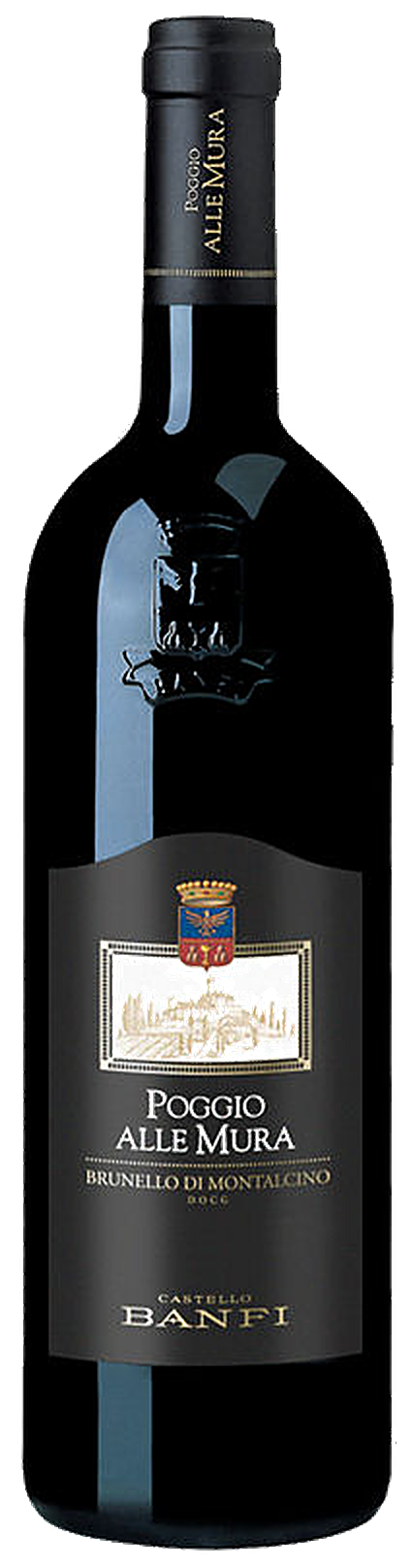
The story of Castello Banfi begins not in Tuscany, but in Manhattan. In 1919, the Mariani family founded a wine import company there, which over decades developed into one of the most important Italian wine importers in the USA. For brothers John and Harry Mariani, who led the company from 1967, the role of merchant was eventually no longer enough. In 1978, they bought land in the then economically weak south of Montalcino — an area where only a handful of winemakers were bottling Brunello at that time. From several purchased estates, a contiguous property of around 2,830 hectares was created, the heart of which is the medieval Castello di Poggio alle Mura, which the family extensively restored starting in 1983. The Marianis had taken the name Banfi from their great-aunt Teodolinda Banfi, an enthusiastic amateur winemaker in the family. Today, Cristina Mariani-May leads the winery as CEO in the third generation — a family business that has remained what it was from the beginning.
Research in the vineyard, precision in the cellar
Around 850 of the estate's 2,830 hectares are planted with vines; the rest is divided into olive groves, orchards, forests and grain fields. The vineyards are located in the south of Montalcino, between the Orcia and Ombrone rivers, on soils of limestone, clay, sand and volcanic rock — more than three dozen different subsoils that the estate uses for different wine characters. What distinguished Banfi from other large operations from the start was its commitment to research: starting in 1982, the winery worked together with the University of Milan on a systematic clonal selection of Sangiovese. Several of the officially registered Sangiovese clones today go back to this decades-long work. In the cellar, Banfi relies on the self-developed Horizon fermentation tanks, which combine stainless steel and wood, as well as on aging the Brunello in equal parts in large barrels and French oak barriques, followed by further bottle aging. Since 2007, the winery has been completely renovated and is open to visitors — the entire vinification takes place on a horizontal production line that minimizes the use of gravity. Banfi relies on renewable energy and was the first winery in the world to simultaneously receive ISO certifications for environmental management, social responsibility and customer satisfaction.
Sangiovese as the core — Tuscany in all its breadth
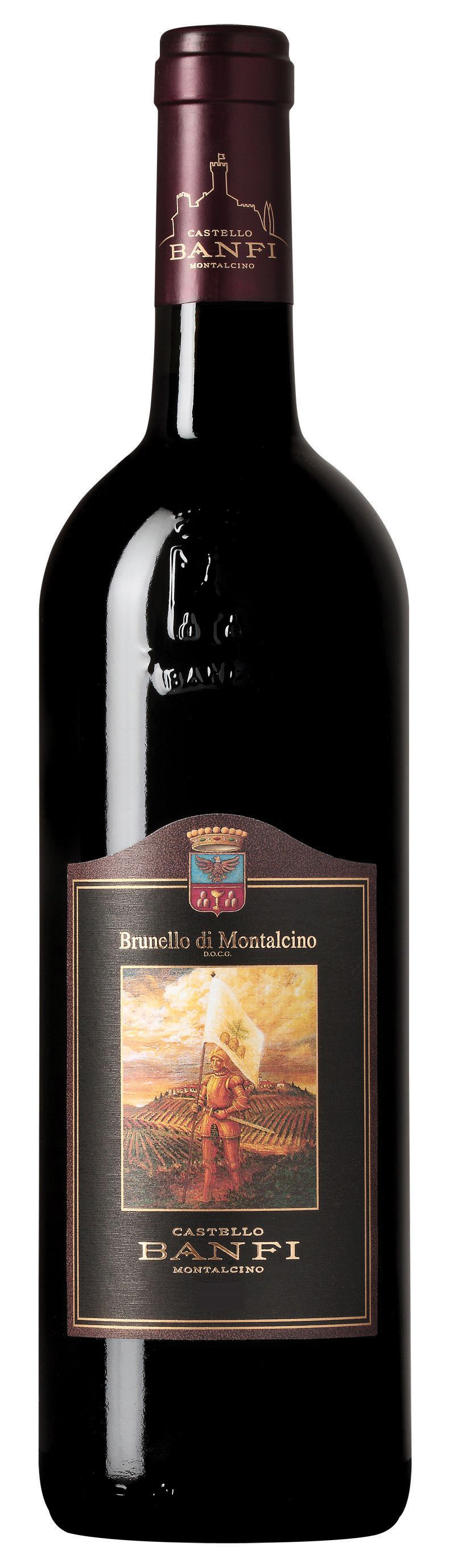
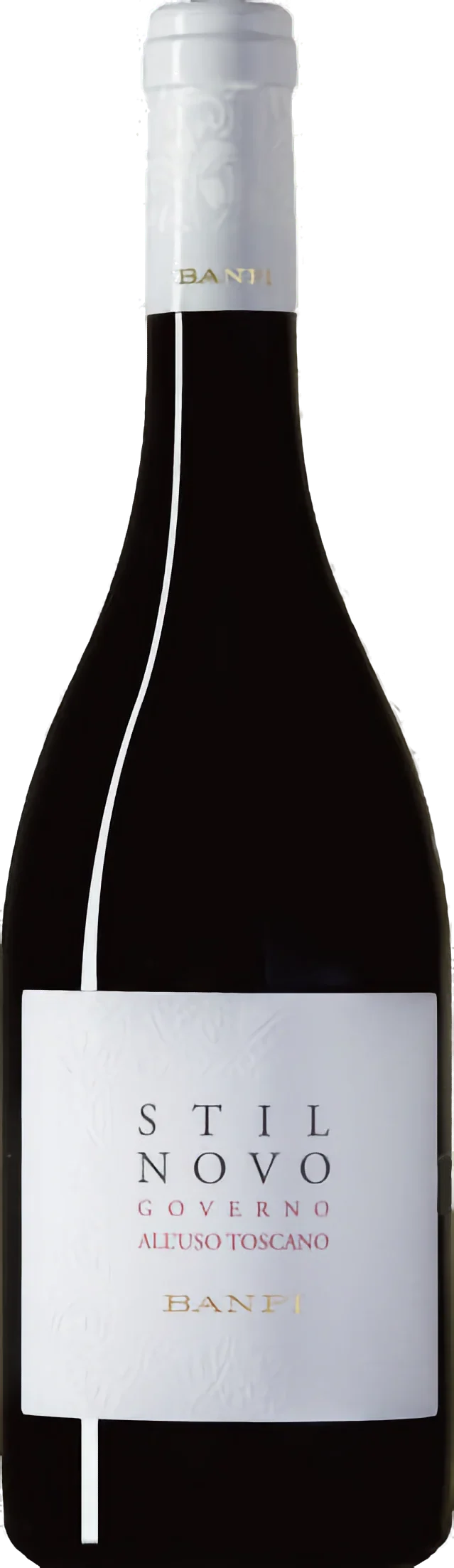
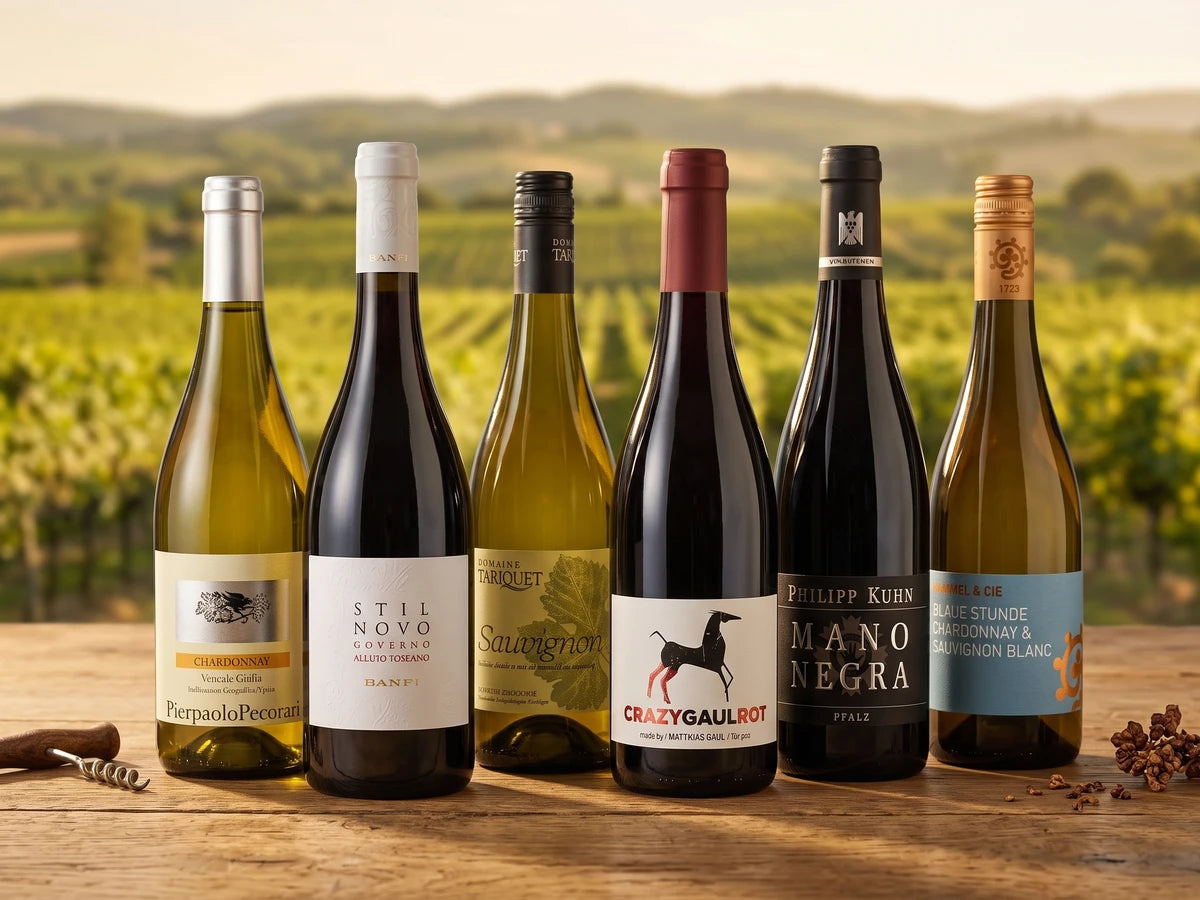
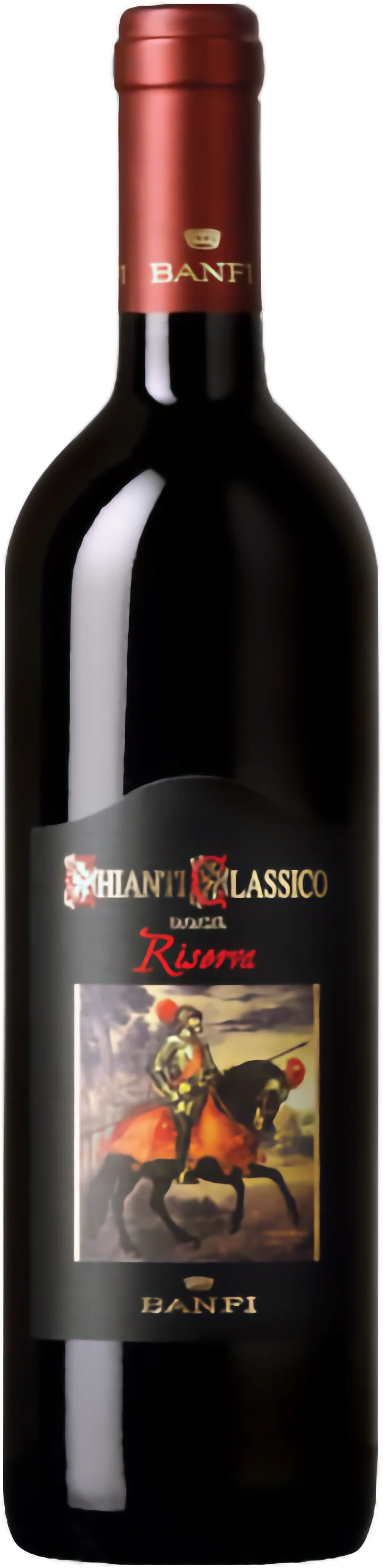
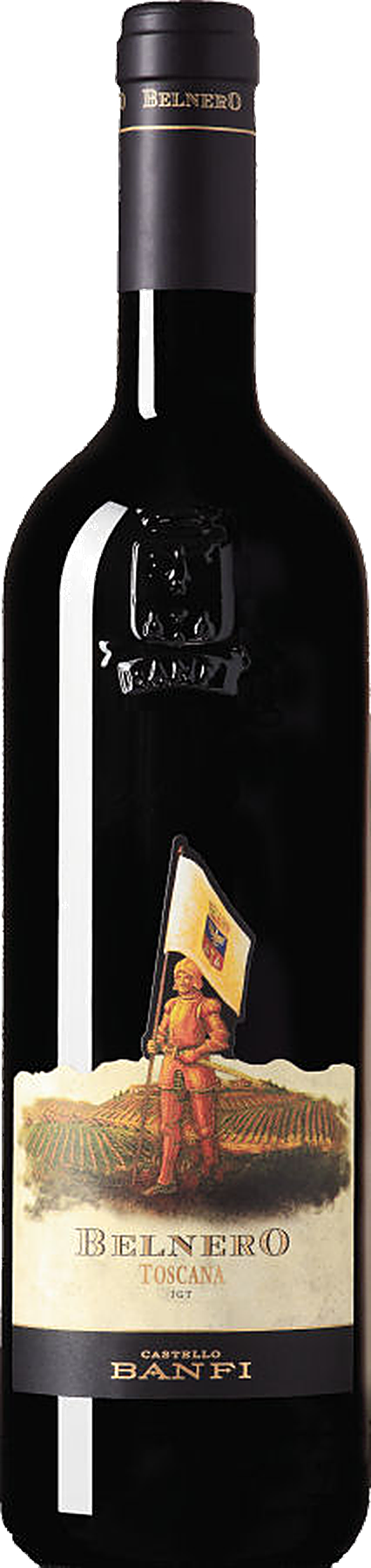
Brunello di Montalcino remains the house's flagship: a Sangiovese Grosso from southern slopes, which exemplifies the aging potential of the appellation with its velvety texture, notes of dark cherry, tobacco and herbs, and its long finish. Those who want to drink earlier will find a more accessible entry into the same terroir with the Rosso di Montalcino. In addition, Banfi has consistently expanded the Tuscan spectrum: the Chianti Classico and the Chianti Classico Riserva come from the Classico area between Florence and Siena and represent the fruit-driven, elegant side of Sangiovese. With the Belnero and the Aska Bolgheri Rosso DOC, Banfi shows that the house also has a firm grip on international grape varieties — Cabernet Sauvignon, Merlot and Syrah: structured cuvées with Tuscan character, which are characterized by their generous fruit and clear accessibility. The Stilnovo Governo all'Uso Toscano takes up a historical production technique and provides a lively, full-bodied everyday wine. The range thus extends from the easy-drinking Centine Rosso to the age-worthy Brunello — a breadth that makes Banfi one of the most versatile addresses in Tuscany.