From Pontassieve to the world: 150 years of Chianti history
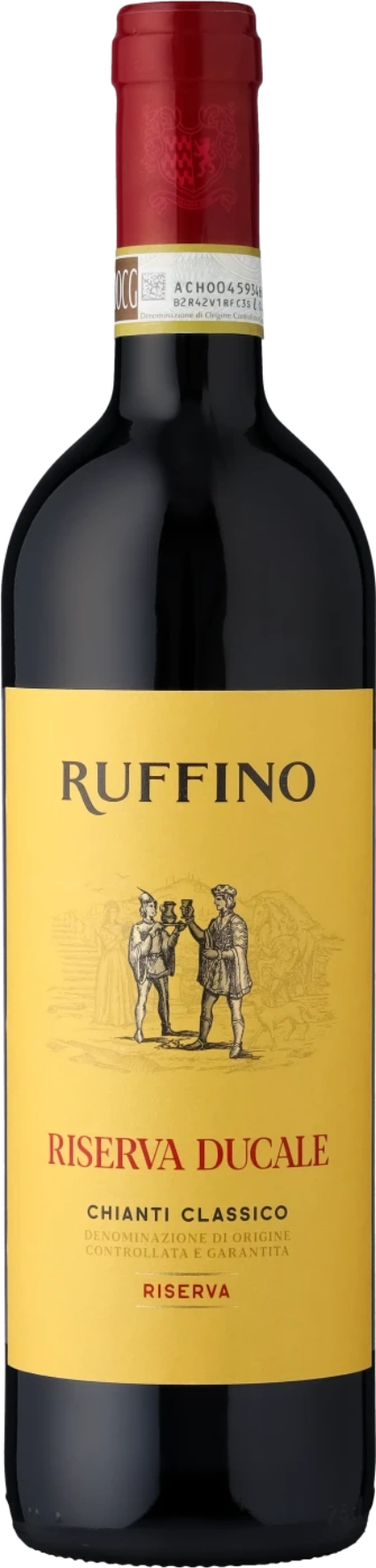
In 1877, cousins Ilario and Leopoldo Ruffino founded their winery in Pontassieve, a small town east of Florence, with a clear goal: to bring Chianti to the world as a great wine. The location was no coincidence — Pontassieve offered access to first-class vineyards, a rail connection for export, and a local glass factory. As early as 1890, the Duke of Aosta visited the winery, was convinced of the quality of the Chianti, and appointed Ruffino as the official purveyor to the Royal House of Italy — an honor that lives on directly in the name of the Riserva Ducale. In 1913, the Brescian Folonari family took over the company and continued to lead it for decades. After the split of the family business in 1999, Paolo and Marco Folonari retained the Ruffino name. Since 2011, the winery has belonged entirely to the American Constellation Brands, with cellar master Gabriele Tacconi — who has been with the company since the late 1990s — ensuring viticultural continuity.
Six estates, one claim: viticulture with a down-to-earth approach and sustainability strategy
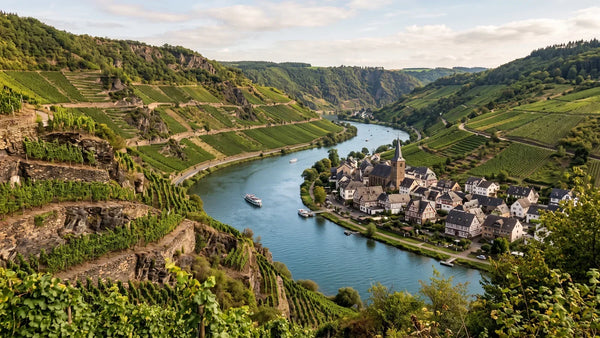
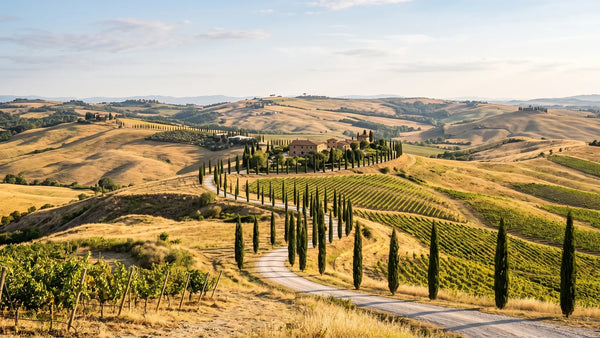
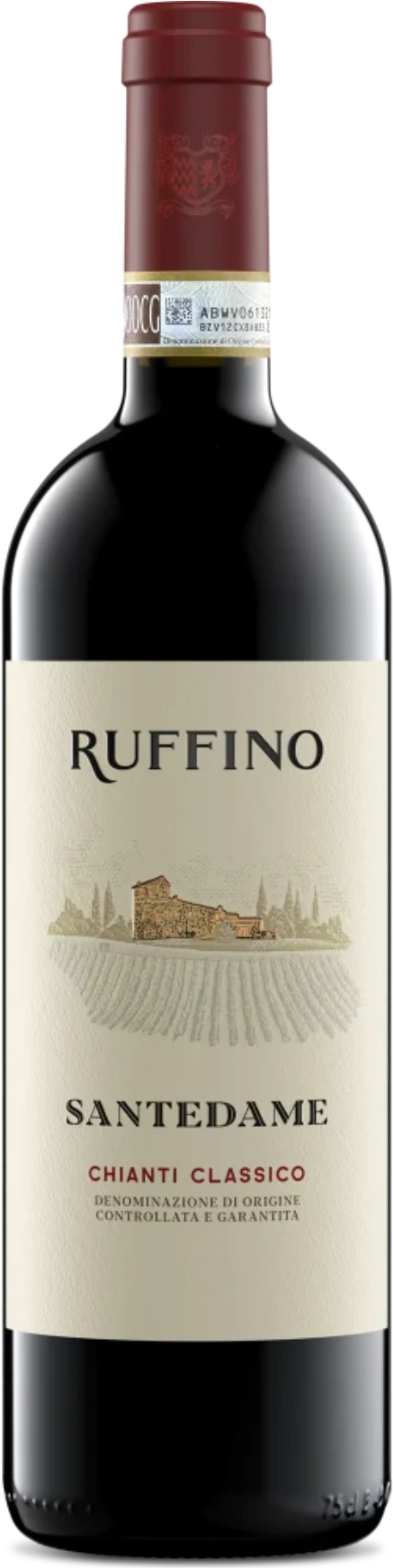
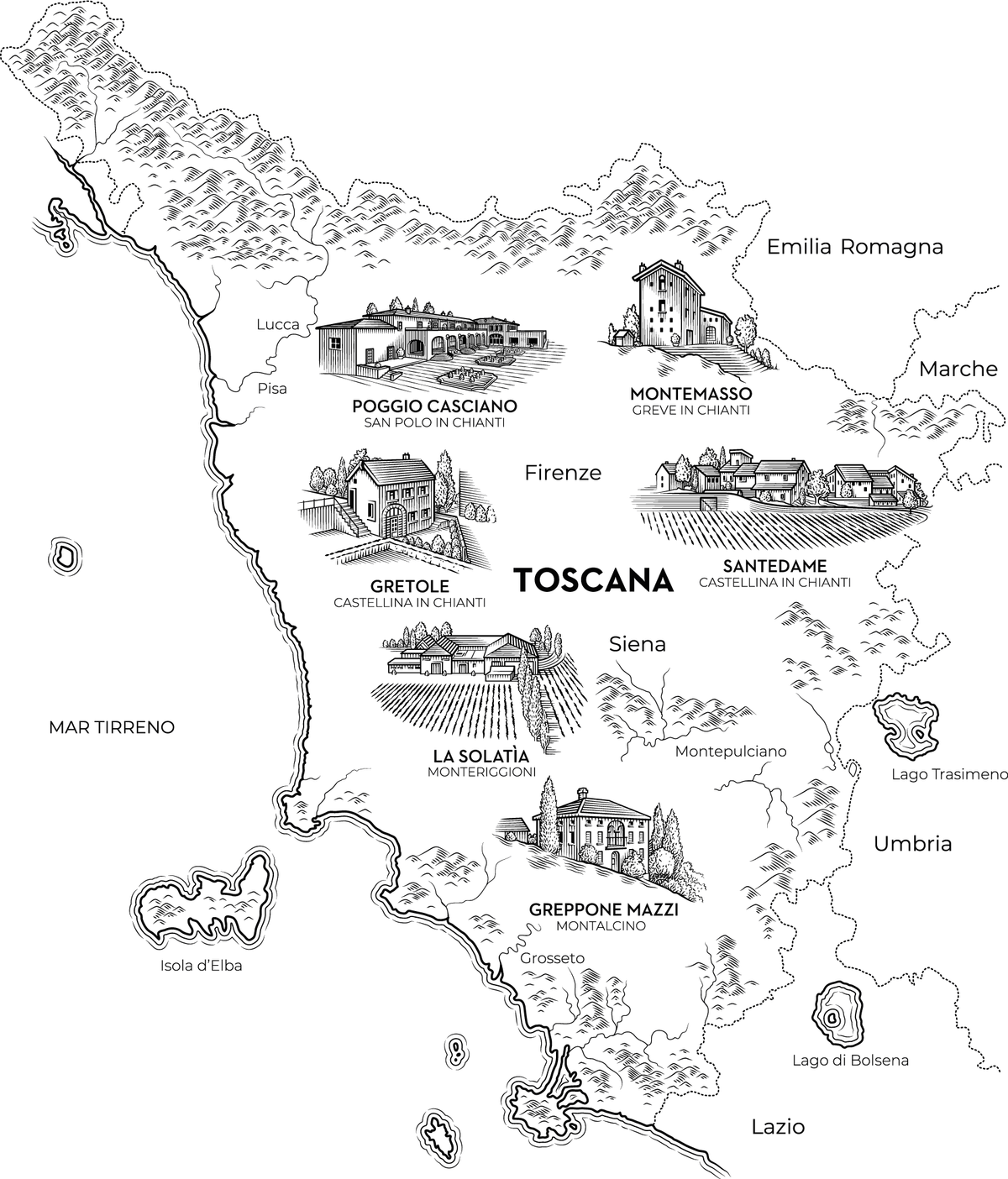
Today, Ruffino manages around 600 hectares of vineyards, distributed across six Tuscan estates: Poggio Casciano in the Chianti hills near Florence, Gretole in Castellina in Chianti Classico on typical Galestro soil, Santedame and Montemasso in Chianti Classico, Greppone Mazzi in Montalcino, and La Solatia near Monteriggioni. This geographical spread across the most important Tuscan appellations allows for a broad spectrum of styles — from light everyday Chianti to cellar-worthy Brunello. In the cellar, they work with stainless steel tanks, concrete eggs, and barriques in parallel, depending on the wine and the desired character.
Sustainability at Ruffino is not a marketing promise, but is supported by concrete programs. Since 2008, beehives have been kept at the Gretole estate to actively promote biodiversity and ecosystem health. The company holds certifications according to ISO 14001, SQNPI Qualità Sostenibile, and the "Biodiversity Friend" rating from the World Biodiversity Association. Goals for full water neutrality by 2030 and carbon neutrality by 2035 have been defined. The gradual conversion to organic farming — the Gretole, Greppone Mazzi, and Poggio Casciano estates are already included — has been consistently underway for years.
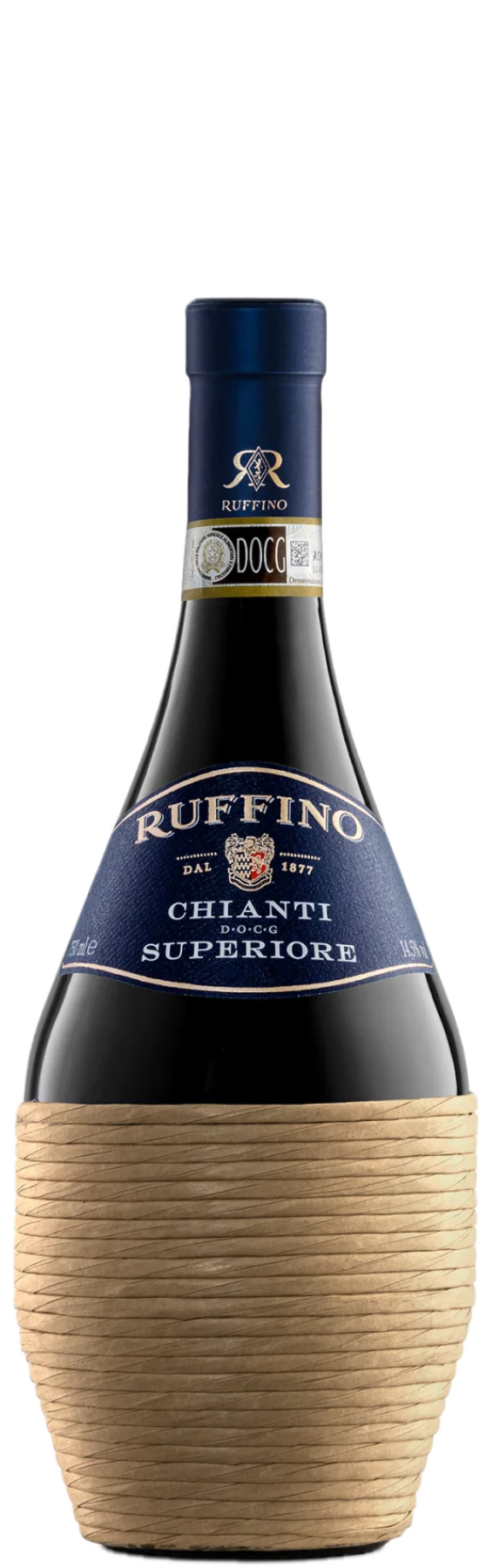
Sangiovese as the core, diversity as a strength: the assortment from the straw-covered bottle to the Riserva Ducale Oro
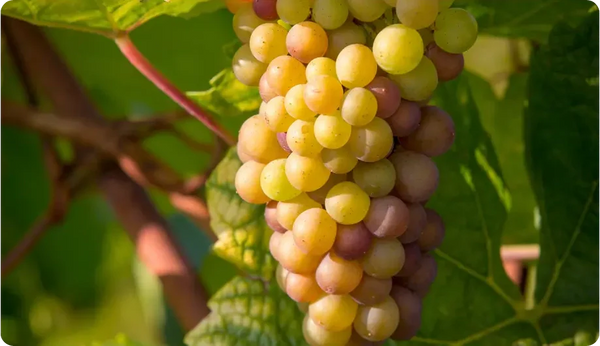
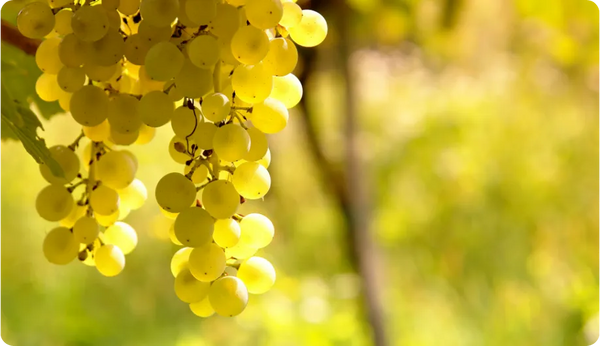
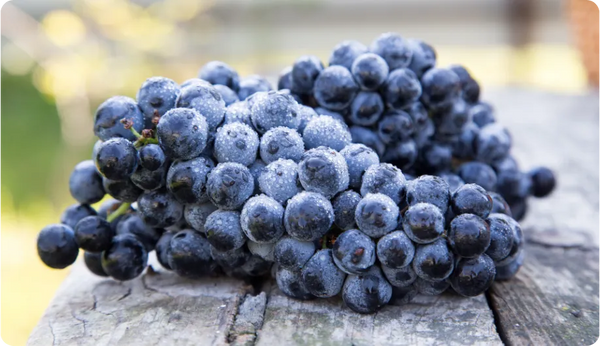
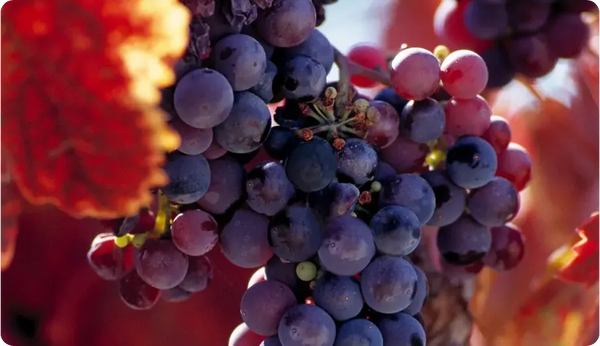
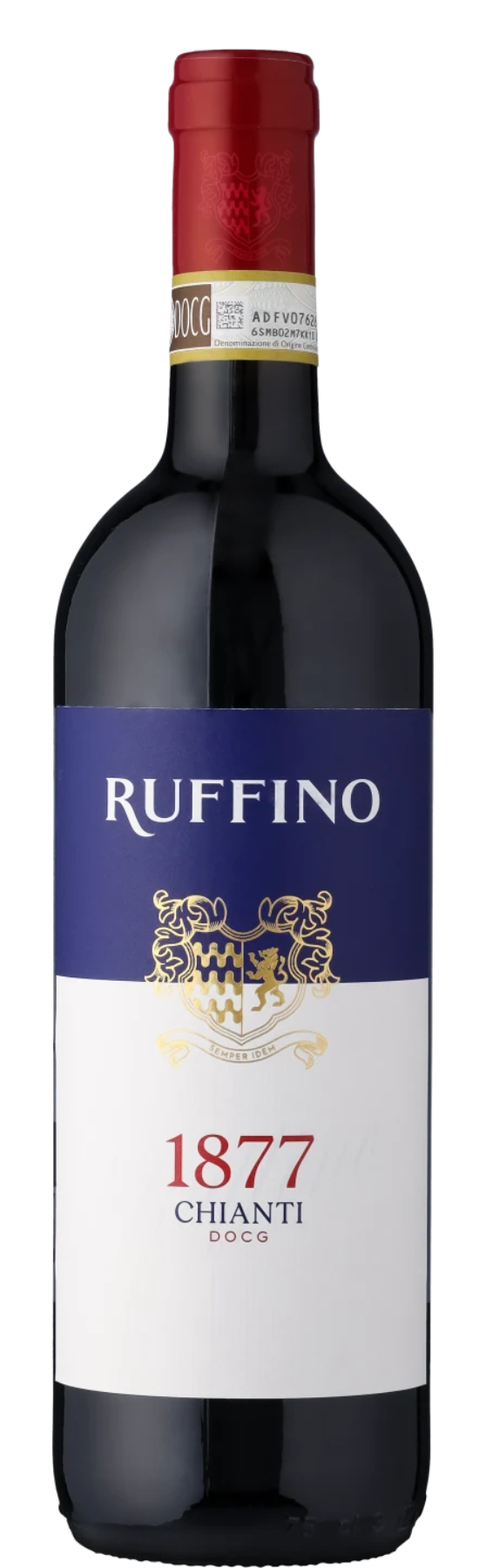
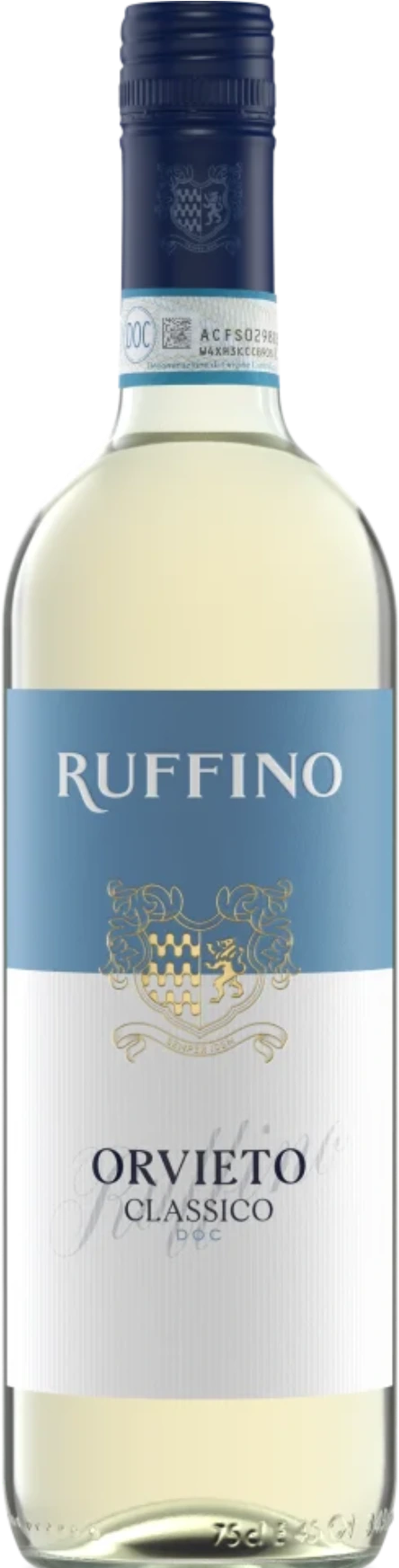
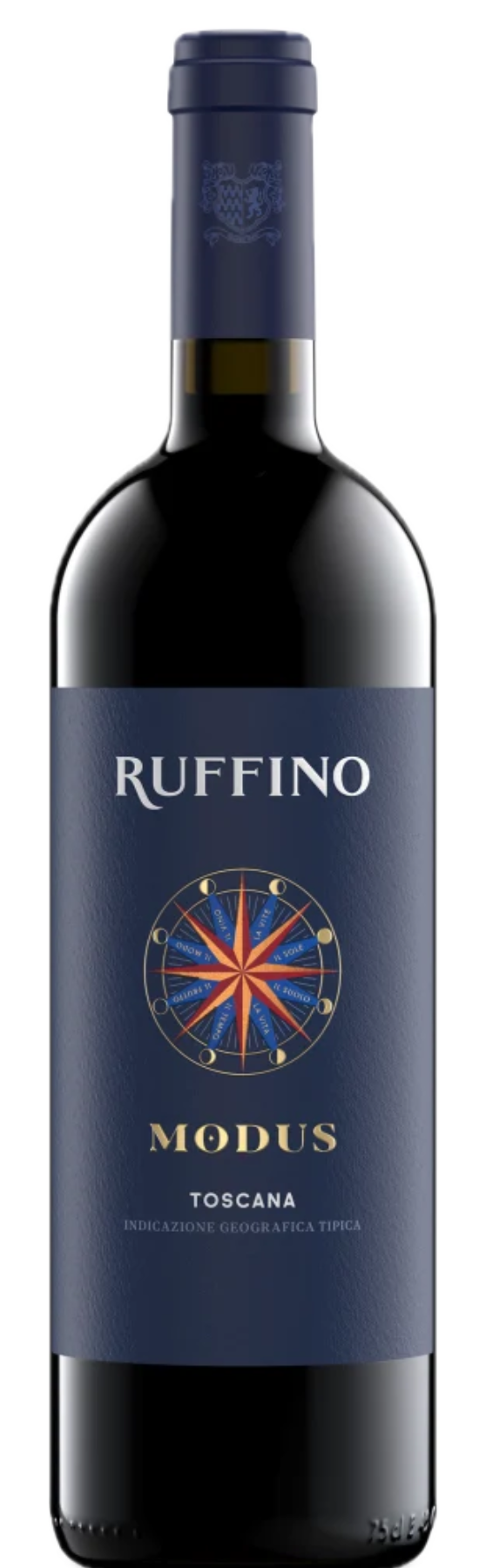
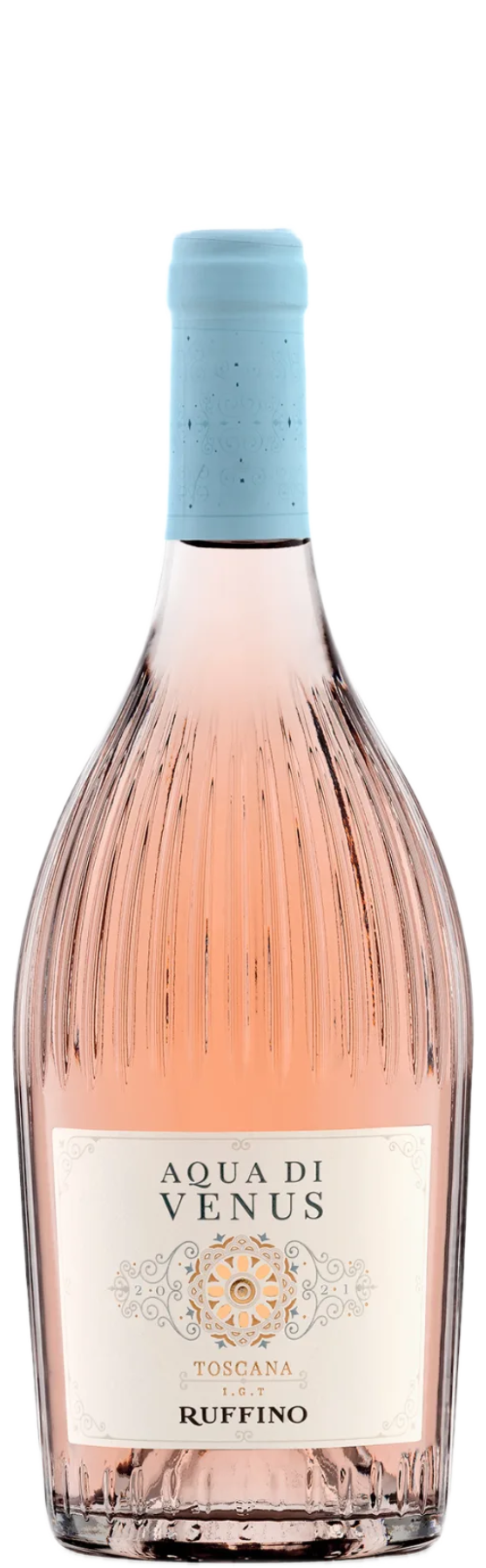
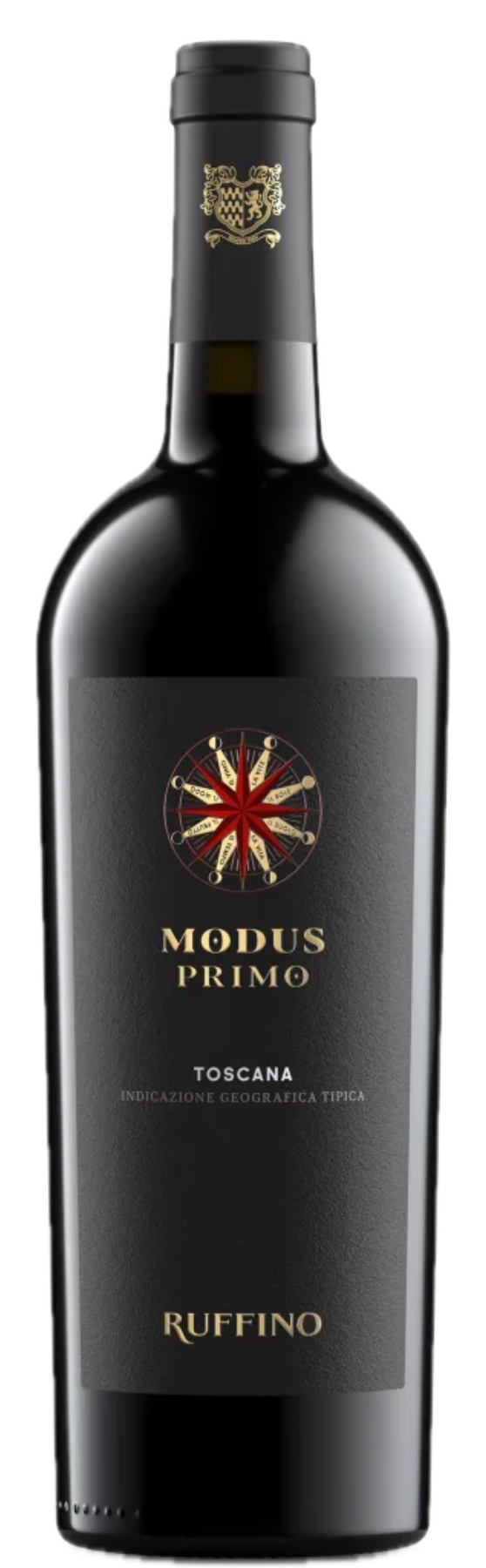
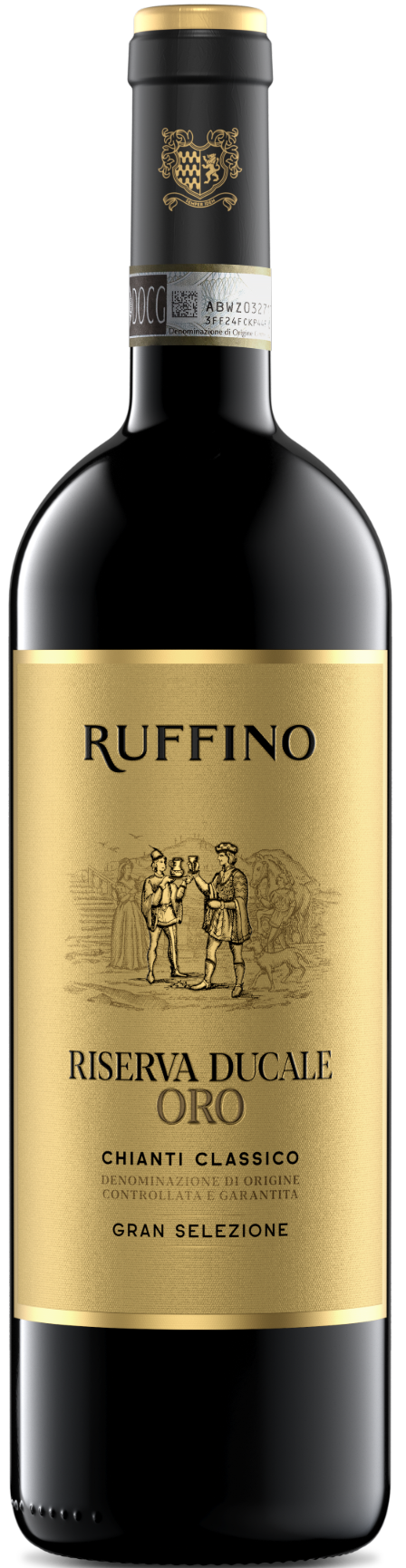
Sangiovese is the lead grape variety, but Ruffino thinks broadly about Tuscan wine diversity. The Chianti 1877 DOCG, named after the founding year and bearer of the very first DOCG label, stands for the accessible entry point: violets, red cherries, balanced acidity. The Riserva Ducale Chianti Classico DOCG provides more structure and depth, while the Riserva Ducale Oro — grown on the Galestro soils of Gretole — counts among the most complex and age-worthy wines of the house: dense fruit, fine-grained tannin, long finish. The Modus Toscana IGT combines Sangiovese with Cabernet Sauvignon and Merlot to create a powerful Supertuscan with berry and cherry fruit, vanilla, and mineral tones. For white wine and rosé lovers, the Orvieto Classico DOC and the Aqua di Venus Rosé IGT are in the assortment. The portfolio reflects what has driven Ruffino since 1877: making Tuscan origin clearly recognizable — regardless of whether it is an everyday wine or a candidate for the aging cellar.