From holiday home to boutique winery in the Lucchesia
It was supposed to be a holiday home — nothing more. When Wolfgang Reitzle and Nina Ruge acquired the historic Villa Bertolli in the hills north of Lucca in 2001, viticulture was not on their minds. But tasting the first wine from their own one-hectare slope quickly changed that: the holiday project turned into a serious venture. The listed estate was restored in every detail, the vineyard area was expanded step by step, and the estate was given a new name — Villa Santo Stefano, after a neighboring 9th-century church.
What began as a private experiment is today a clearly defined boutique winery with around 6.5 hectares of organically farmed vineyards in Pieve Santo Stefano and Arsina, northwest of Lucca. In recent years, a second cultivation area in the Maremma was added, where the focus is on Cabernet Franc, Cabernet Sauvignon, and Merlot — in 2022, the starting signal was given there for the first single-varietal Cabernet Franc.
Organic farming, barrel cellar, and respect for the terroir
The vineyards around Lucca were long considered too cool and too rainy for red wine ripening. However, the calcareous and marly soils of the region, combined with the Mediterranean influence of the nearby coast, create special conditions for wines with both structure and freshness. Villa Santo Stefano farms these sites organically certified — from the very beginning, the protection of natural resources was part of the winery's self-image.
In the cellar, the team works with modern technology: temperature-controlled fermentation in stainless steel tanks and cement containers ensures precision and expression of origin. The red wines then mature for 12 to 18 months in French oak barrels. The result is wines that preserve the fruit character of their grape varieties while absorbing the depth of the barrel aging without being dominated by it. The portfolio is complemented by an extra virgin olive oil with the DOP Lucca designation of origin — produced from olive trees that have accompanied the estate from the beginning.
Super Tuscans, Colline Lucchesi, and a Cabernet Franc named Nina
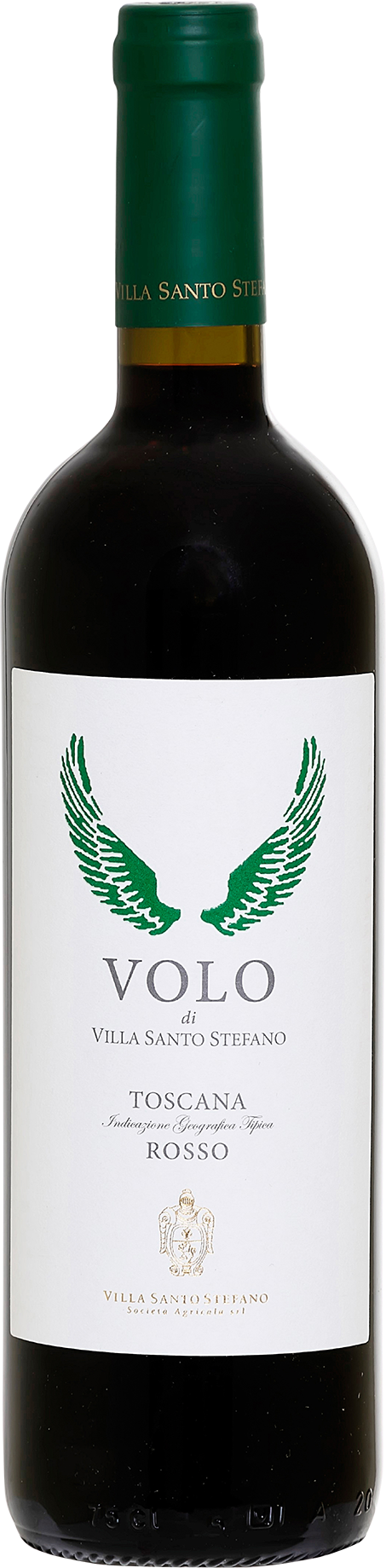
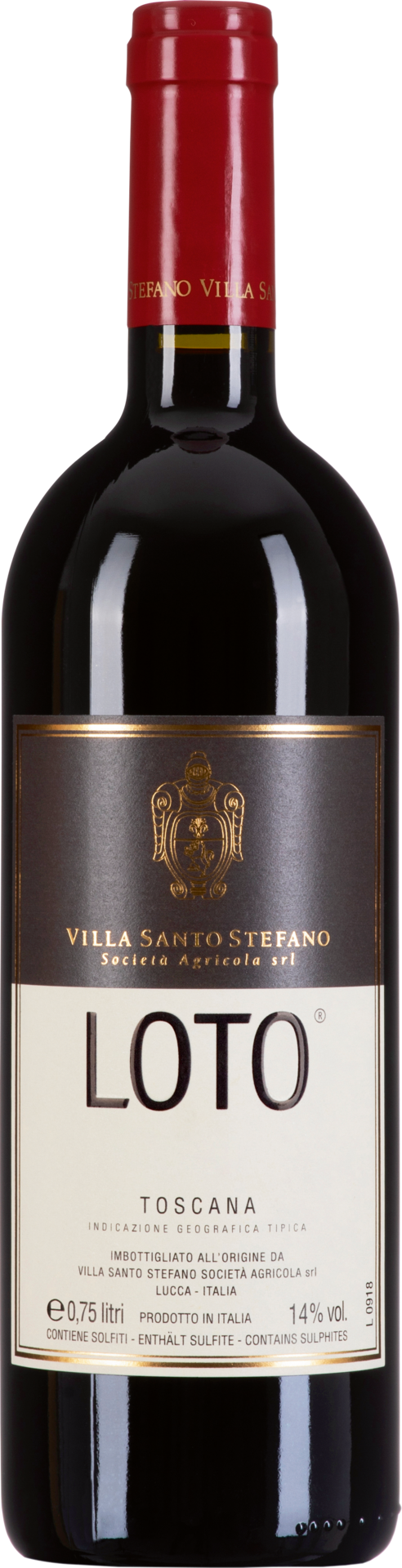
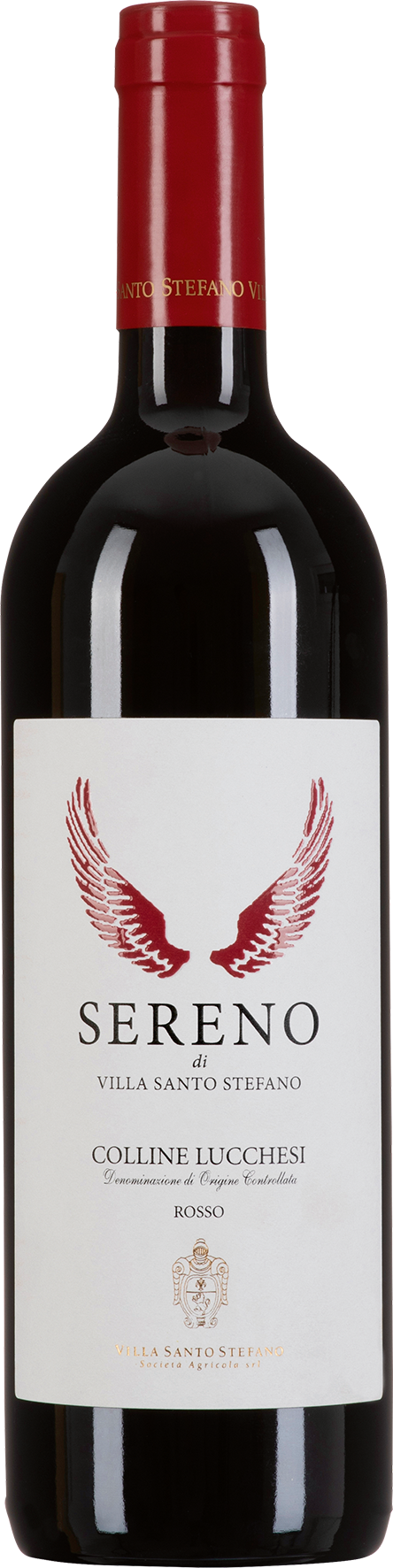
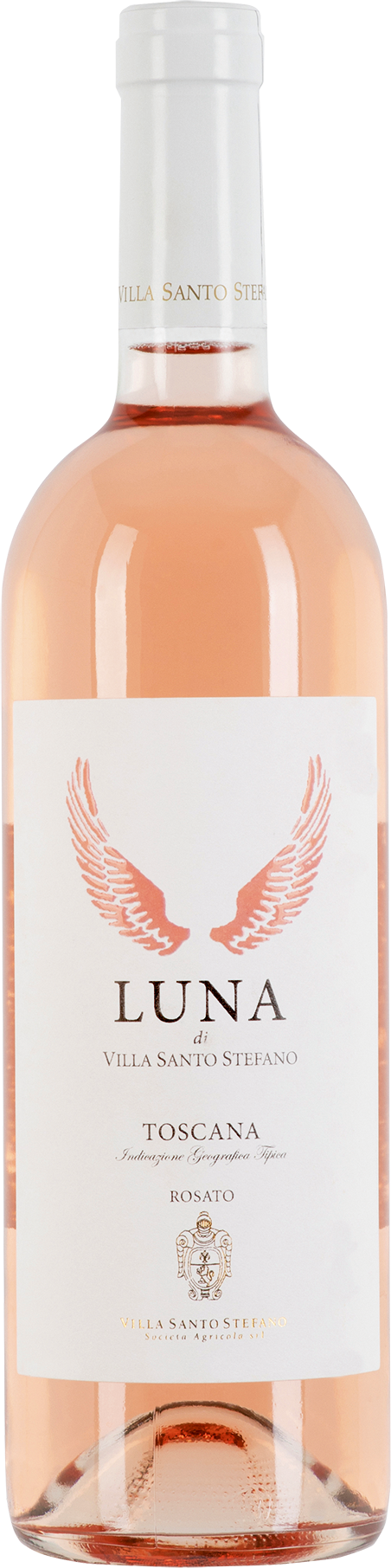
The range reflects Reitzle's strategy of seeking out and specifically developing the optimal location in Tuscany for each grape variety. At the top is the Loto, a Super Tuscan made from Cabernet Sauvignon, Merlot, and Petit Verdot: dark berry fruit, velvety tannins, chocolatey finish — the type of Bordeaux-inspired cuvée that unfolds its depth with barrel aging. The Sereno carries the DOC Colline Lucchesi and shows the cooler, more elegant side of the Lucchesia. The Volo di Villa combines Petit Verdot, Cabernet Sauvignon, and Alicante Bouschet into a straightforward red wine with clear fruit and a Mediterranean herbal edge. The Rosato Luna and the white wine Gioia made from Vermentino complete the picture of a collection that defies categorization. Newly added is the single-varietal Cabernet Franc Nina — named after the co-founder and, as an expression of the Maremma sites, consistently focused on a single grape variety. In total, around 60,000 bottles are produced per year — small enough to remain artisanal.