Tuscany · Italy
Tenuta di Biserno
Read more Read less
Tenuta di Biserno – Tuscan Maremma with a view of the sea. Located in Bibbona, the view extends as far as Corsica. Founded in 2001 by Lodovico and Piero Antinori. Ideal climate, cool breezes from the coast, soils of clay and limestone – perfect conditions for Cabernet Sauvignon, Merlot, Cabernet Franc and Petit Verdot. 70 hectares of vineyards, plus small quantities of olive oil and grappa. Here, Tuscan tradition meets visionary spirit. Maremma, as it tastes.
Filters
11 products

Falstaff Punkte 2025
Awarded by Falstaff

Robert Parker 2022
Awarded by Robert Parker

Robert Parker's Wine Advocate Punkte 2023
Awarded by Robert Parker's Wine Advocate

James Suckling 2019
Awarded by James Suckling


TEXSOM International Wine Awards 2022
Awarded by TEXSOM International Wine Awards
Falstaff 2024
Awarded by Falstaff Magazine
Antonio Galloni Bewertung 2022
Awarded by Antonio Galloni
About Tenuta di Biserno
From Ornellaia to Bibbona: A second masterpiece by the Antinoris
The history of Tenuta di Biserno begins in 1994, when Marchese Lodovico Antinori explored the hills of Bibbona in the Alta Maremma while looking for land for his then-estate, Ornellaia. What he found was too independent, too stony, and too hilly to be annexed to Ornellaia — and too good to leave behind. When Lodovico sold Ornellaia in 2002, he fell back on this terrain: 2001 saw him, his brother Marchese Piero Antinori, and their common nephew Niccolò Marzichi Lenzi found Tenuta di Biserno. The Antinori family brought not only capital but also one of Italy's oldest wine dynasties — Piero had co-invented the Supertuscan with Tignanello in 1971, and Lodovico had opened the Bolgheri chapter with Ornellaia in 1988. Biserno was their joint next step.
From the parcel-specific investigation of the area, three independent operations eventually emerged: Tenuta di Biserno, Campo di Sasso, and Collemezzano. Since 2014, Niccolò Marzichi Lenzi has led the estate operationally as managing director. In 2016, Lodovico's daughter Sophia Antinori joined and inspired another line of the house with the Sof rosé.
Parcel thinking on the coast: terroir, harvest, and cellar work
The core vineyard area of Tenuta di Biserno comprises around 40 hectares at about 90 meters above sea level — north of Bolgheri, but outside the local DOC boundaries, which is why all wines are classified as Toscana IGT. The terroir is distinctly diverse: alluvial and clay-limestone soils alternate with marine and volcanic deposits, in addition to different exposures and distances to the Tyrrhenian Sea. This diversity is not a disadvantage, but a program. Each parcel is vinified separately to preserve its own character. The harvest is done exclusively by hand, and the grapes are selected on sorting tables. In the cellar, the must ferments in temperature-controlled stainless steel tanks; maturation takes place in French barriques — for the flagship Biserno, about 15 months in new barrels, followed by further bottle aging. The vineyards are cultivated in a near-natural and sustainable manner.
Bordeaux-style cuvées with Tuscan precision
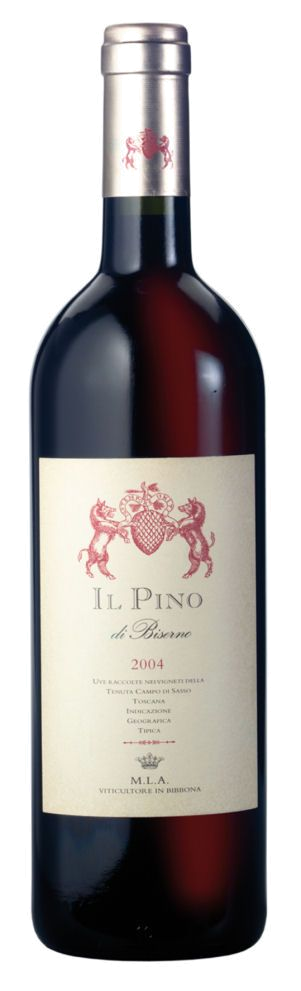
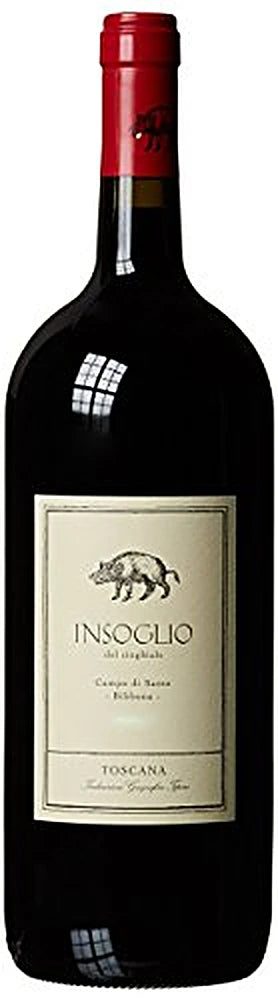
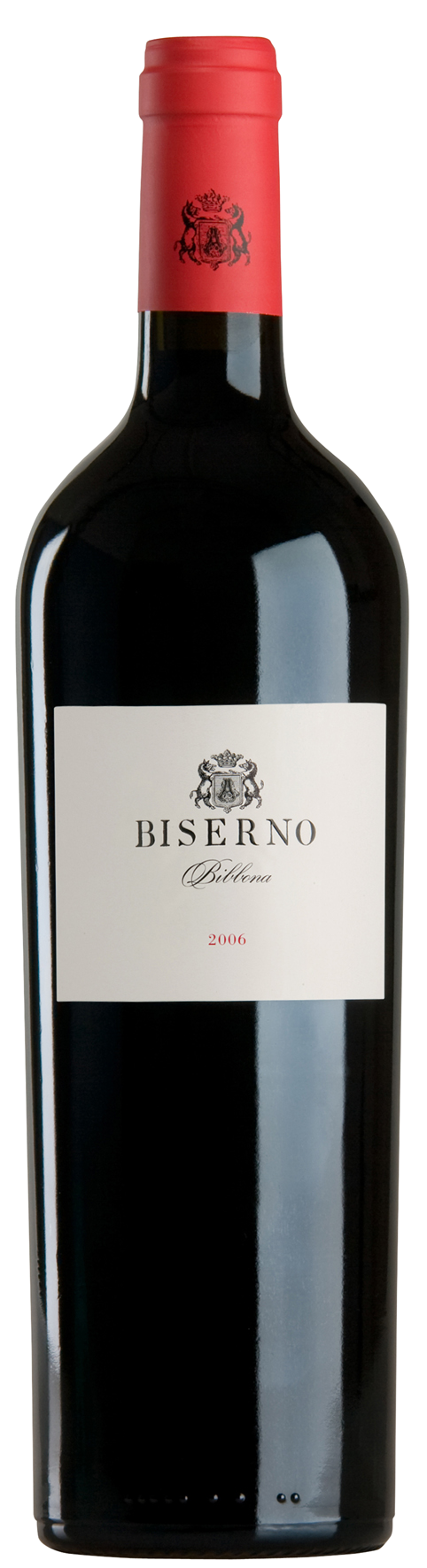
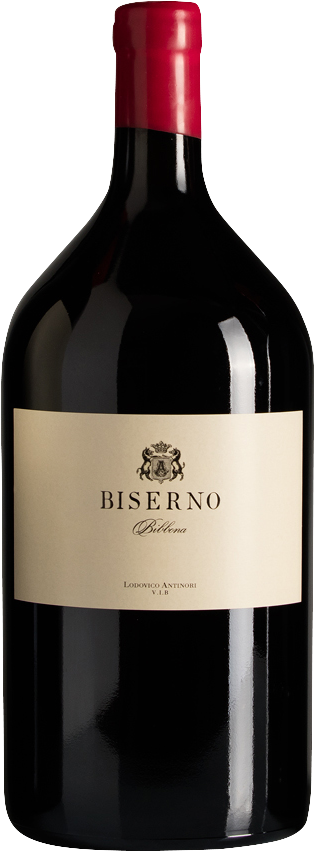
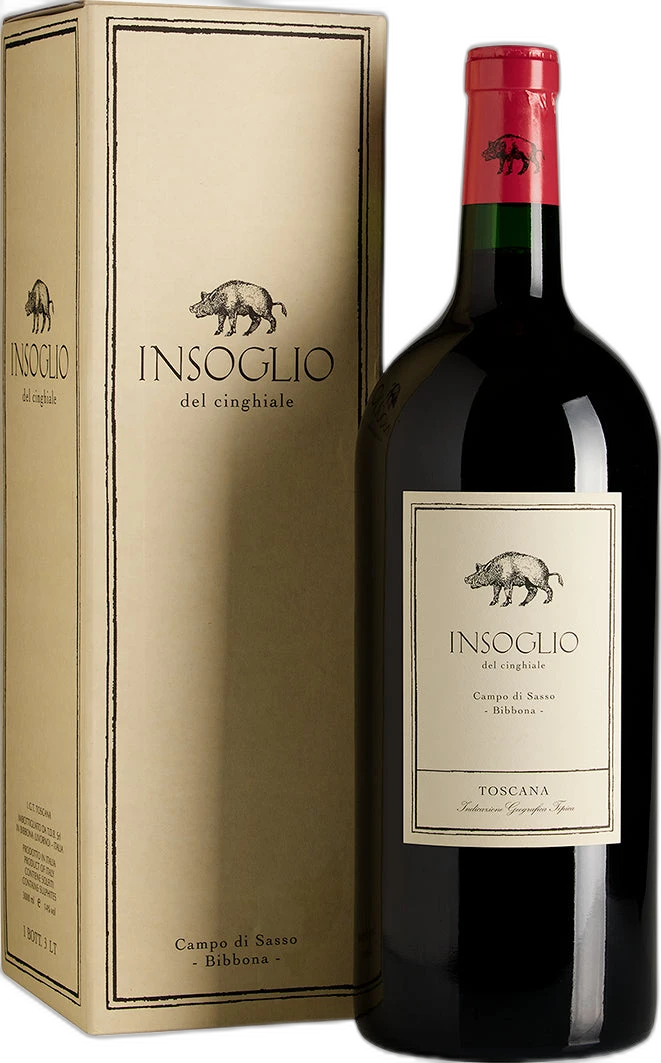
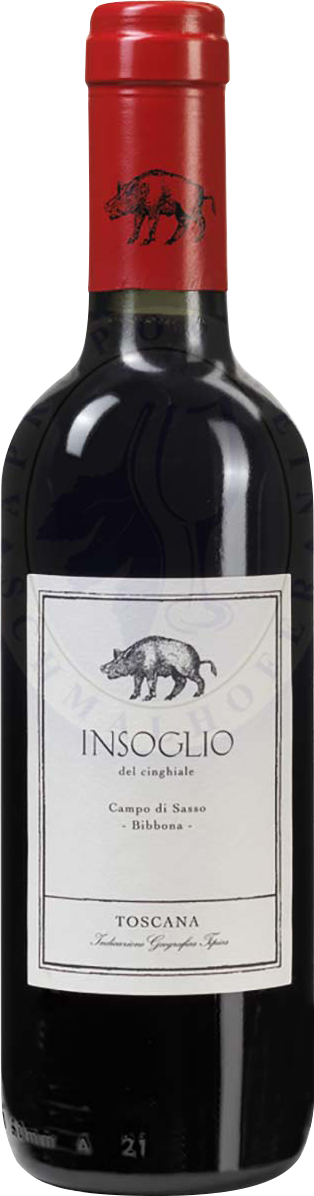
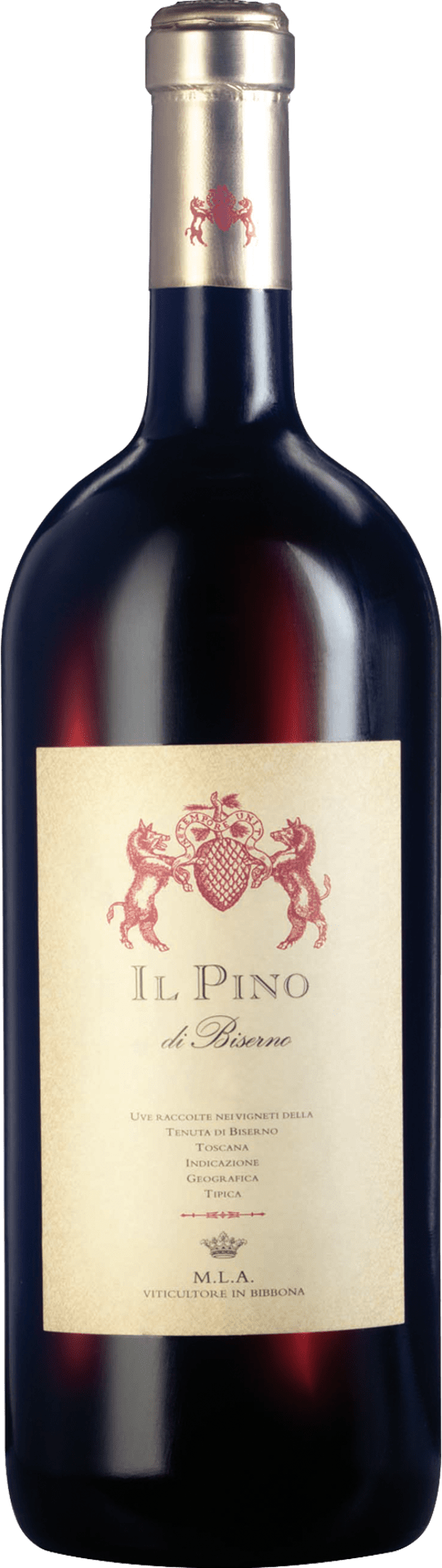
The focus is on four Bordeaux grape varieties: Cabernet Franc, Merlot, Cabernet Sauvignon, and Petit Verdot — with Cabernet Franc taking the style-defining role, a rarity in the Maremma. The cool sea breezes, the intense sun, and the mineral-rich, permeable soils result in grapes with high concentration and lively acidity at the same time. The range is clearly structured: Biserno is the house's great cuvée — dense, profound, with potential for long cellar aging. Il Pino di Biserno interprets the same terroir in a more accessible and lively way. The Insoglio del Cinghiale forms the entry into the range without sacrificing origin character. All three lines are united by the goal that Lodovico Antinori formulated from the beginning: wines that stand on equal footing with the great Bordeaux cuvées — grown on Tuscan soil.
Bibbona (LI)biserno.it
Award-winning wines
Falstaff Punkte 2025
Awarded by Falstaff
Robert Parker 2022
Awarded by Robert Parker
Robert Parker's Wine Advocate Punkte 2023
Awarded by Robert Parker's Wine Advocate
James Suckling 2019
Awarded by James Suckling
TEXSOM International Wine Awards 2022
Awarded by TEXSOM International Wine Awards
Falstaff 2024
Awarded by Falstaff Magazine
Antonio Galloni Bewertung 2022
Awarded by Antonio Galloni