Antinori

Marchesi Antinori – 26 generations of Florentine wine culture
There are wineries with a long history, and then there is Marchesi Antinori . When Giovanni di Piero Antinori joined the Florentine guild of winegrowers and merchants in 1385, he laid the foundation for one of the most enduring family businesses in the wine world. More than 26 generations later, the house is still run by the family itself – and the ambition to create outstanding wines from great vineyards has not diminished in the slightest over all these centuries.
The family's international rise began early: in 1753, they exported their first wines to England. In 1850, they acquired Tenuta Tignanello in the heart of Chianti Classico, and in 1863, four estates were consolidated under the Fattoria dei Marchesi Antinori. The Arno flood of 1966 brought the next surge of development: Marchese Piero Antinori , who had taken over the reins from his father Niccolò in 1968 at just 28 years old, responded to the devastation of the cellar with extensive modernizations – temperature-controlled stainless steel tanks were introduced and remain an integral part of the family's operations to this day.
Tignanello and the birth of the Super Tuscans
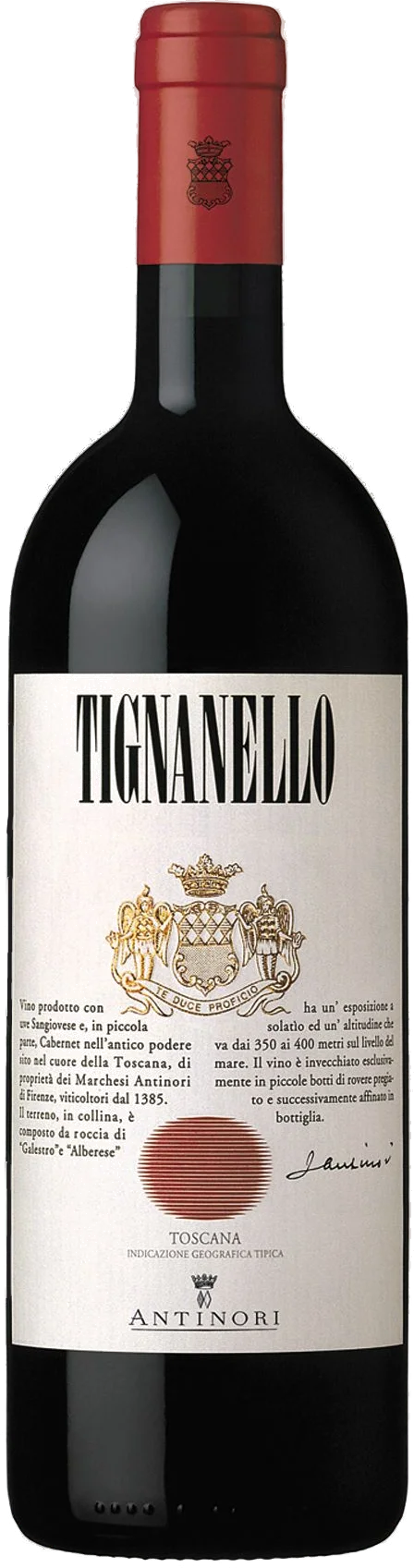
What happened at Tenuta Tignanello in 1971 fundamentally changed Italian winemaking. Together with oenologist Giacomo Tachis – whom Decanter later named "Man of the Year 2011" and who is considered the father of the Super Tuscans – and Bordeaux specialist Émile Peynaud, Piero Antinori developed a cuvée that broke with almost everything that had previously been taken for granted. Tignanello was the first Sangiovese to be aged in barriques, the first modern Tuscan red wine with Cabernet Sauvignon in the blend, and one of the first Chianti Classico wines without any white grapes in the blend.
It originated in 1970 as "Chianti Classico Riserva Vigneto Tignanello"; from 1971 onwards, it was marketed as a simple Tuscan table wine – a formal downgrade that, in practice, marked the birth of a new wine category. With the 1975 vintage, the white wine grapes disappeared from the blend for good, and since 1982 the classic composition has been in place: 85% Sangiovese, 10% Cabernet Sauvignon, and 5% Cabernet Franc . The wine is only produced in truly exceptional years; Antinori deliberately refrained from bottling it in the vintages of 1972, 1973, 1974, 1976, 1984, 1992, and 2002.
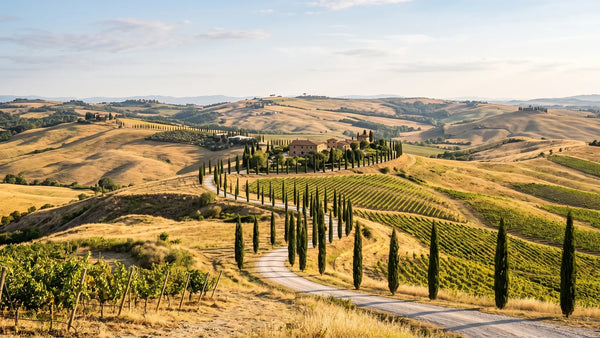
The vineyard that gives the estate its name comprises approximately 77 hectares of calcareous soil facing southwest at an altitude of 350 to 400 meters. The entire Tenuta Tignanello estate stretches across 319 hectares between the Greve and Pesa river valleys, of which about 165 hectares are planted with vines. As early as the 1970s, the estate served as a research laboratory: vine density, pruning techniques, and the selection of the Sangiovese clone foundation were consistently geared towards concentrated fruit and soft tannins.

Family, team and quality philosophy
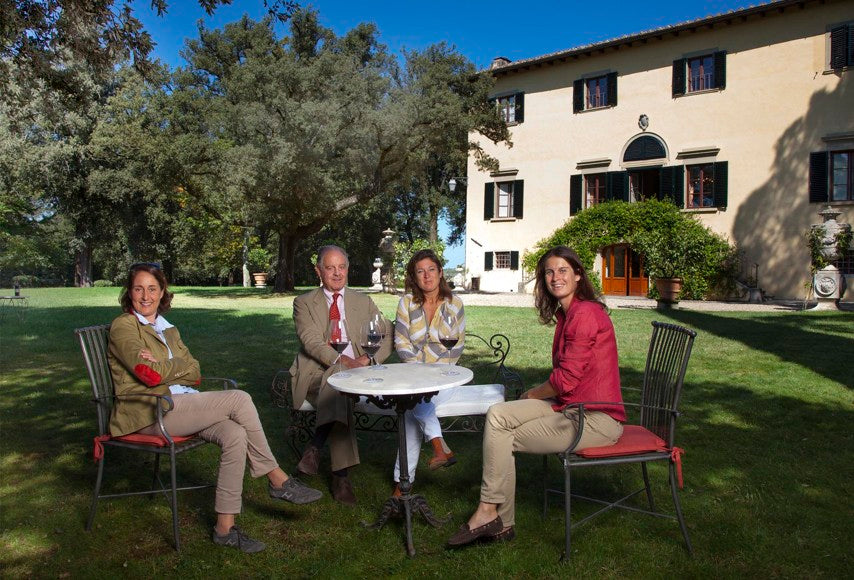
Today, Marchese Piero Antinori manages the company together with his three daughters , Albiera, Allegra, and Alessia ; Albiera Antinori has held the position of CEO since mid-2017. On the production side, Renzo Cotarella , who has served as Director of Production and Head of Oenology since 1993, has been instrumental in shaping the steadily improving quality across all the company's operations.

For quality reasons, the company works almost exclusively with grapes from its own vineyards and is a member of Primum Familiae Vini , the exclusive association of the world's leading family wineries. The family themselves summarized their philosophy as follows: making innovative and bold decisions without losing sight of tradition and terroir.
Tuscany, Umbria and beyond
The heart of the Antinori empire lies in Chianti Classico. The "Antinori nel Chianti Classico" winery in Bargino, opened in 2012 and spectacularly integrated into a hillside, was named the world's best vineyard in 2022. But the company's holdings extend far beyond Tuscany: Guado al Tasso is located in Bolgheri, and Castello della Sala, specializing in white wines, is in Umbria. In total, Antinori cultivates approximately 1,200 hectares of vineyards in Tuscany, Umbria, Piedmont, Apulia, and California.
The Antinori range at Vinoscout
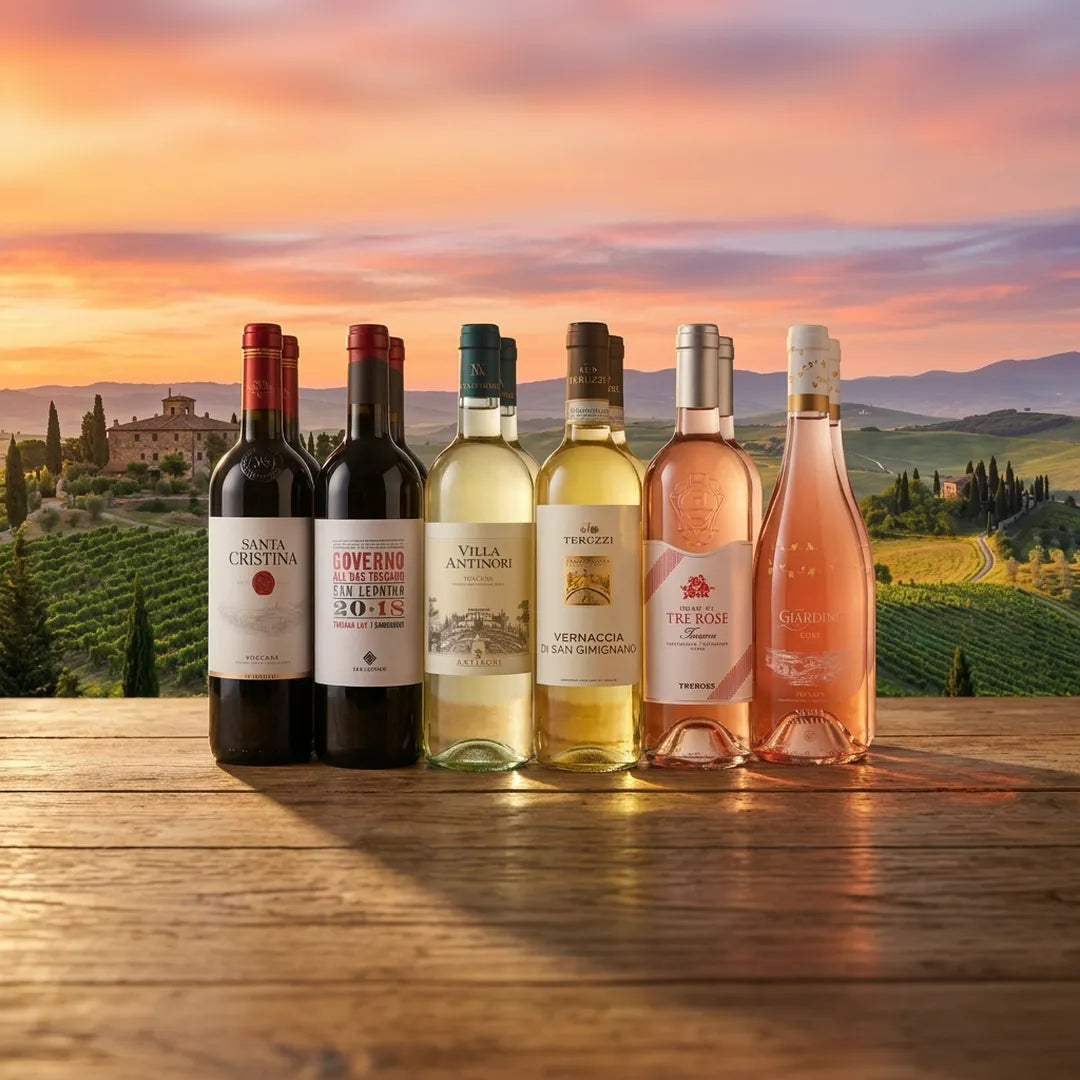
At Vinoscout you can currently find 20 wines from Marchesi Antinori, from accessible entry-level wines to collector's items:
- Tignanello Toscana IGT – the iconic Super Tuscan that invented an entire category (149.00 EUR)
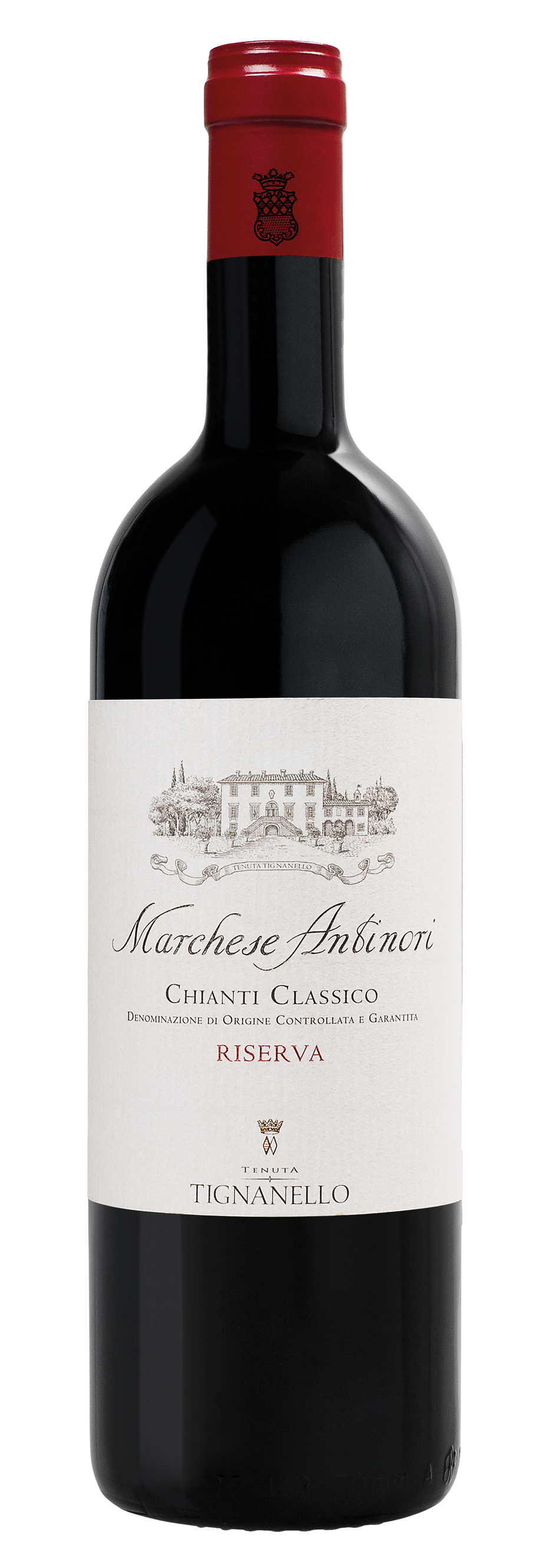
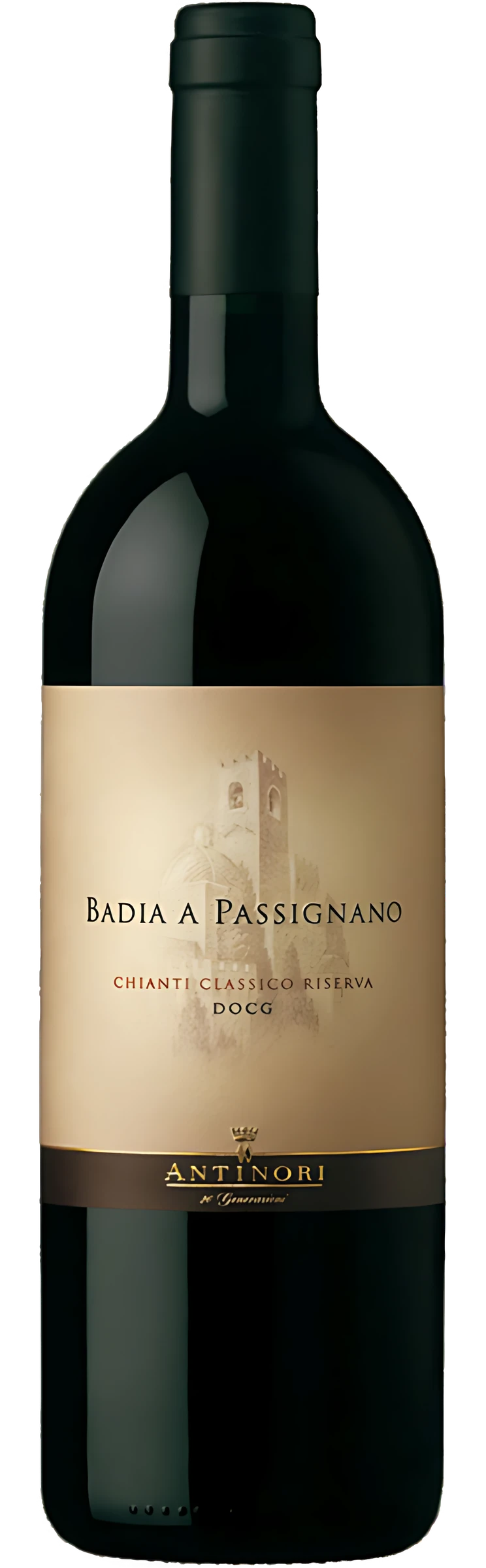
- Marchese Antinori Chianti Classico Riserva Tenute Tignanello – since the 2011 vintage, made with grapes from the Tenuta Tignanello estate, almost pure Sangiovese aged for 12 months in barriques (EUR 44.90)
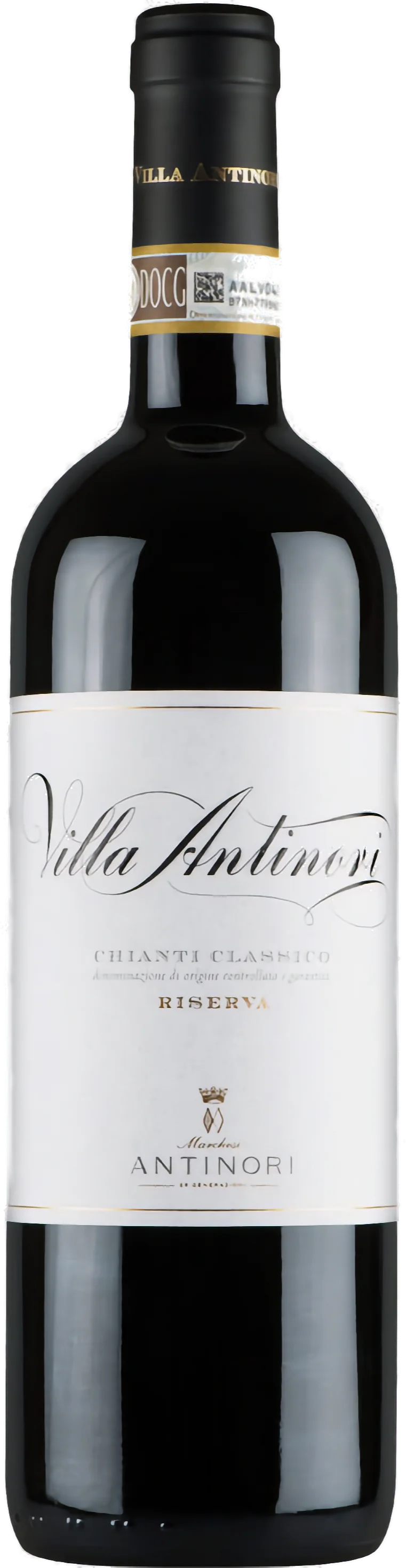
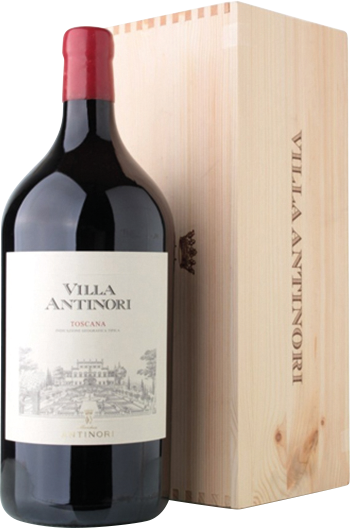
- Villa Antinori Chianti Classico Riserva DOCG – the Riserva whose first bottling dates back to 1928 (EUR 24.80)
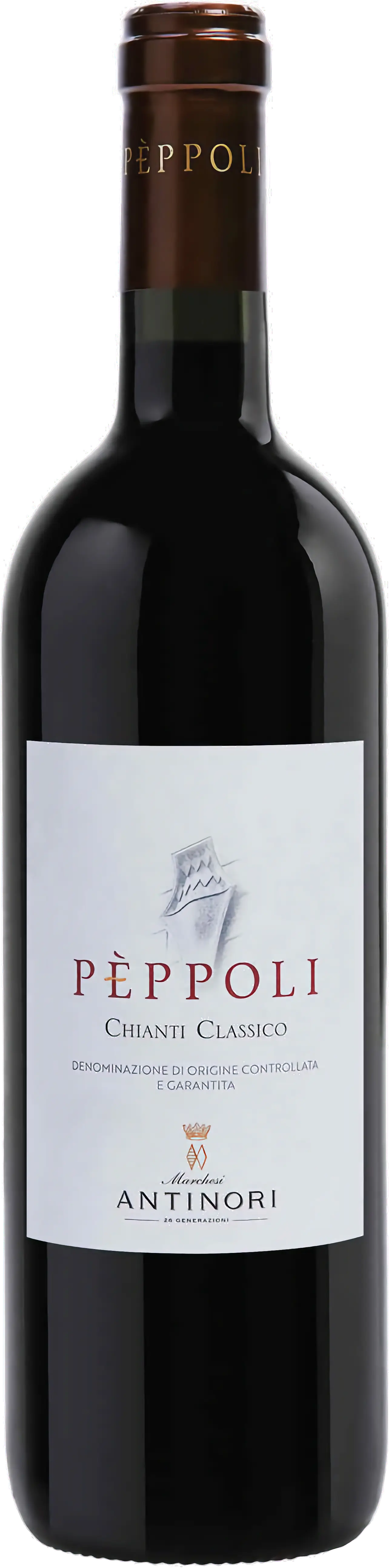
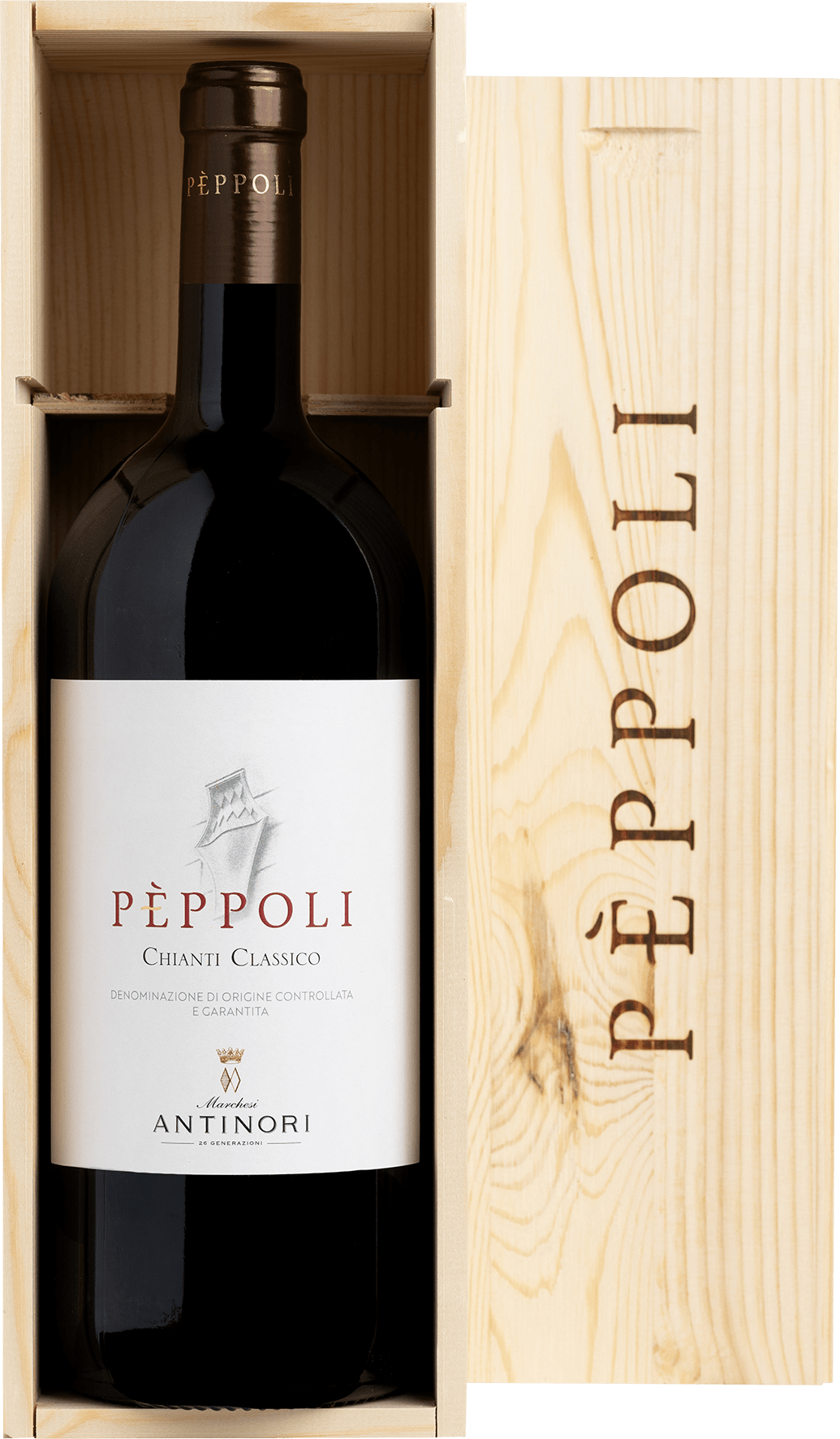
- Pèppoli Chianti Classico DOCG – a classic Tuscan Sangiovese with a fresh structure (20.16 EUR)
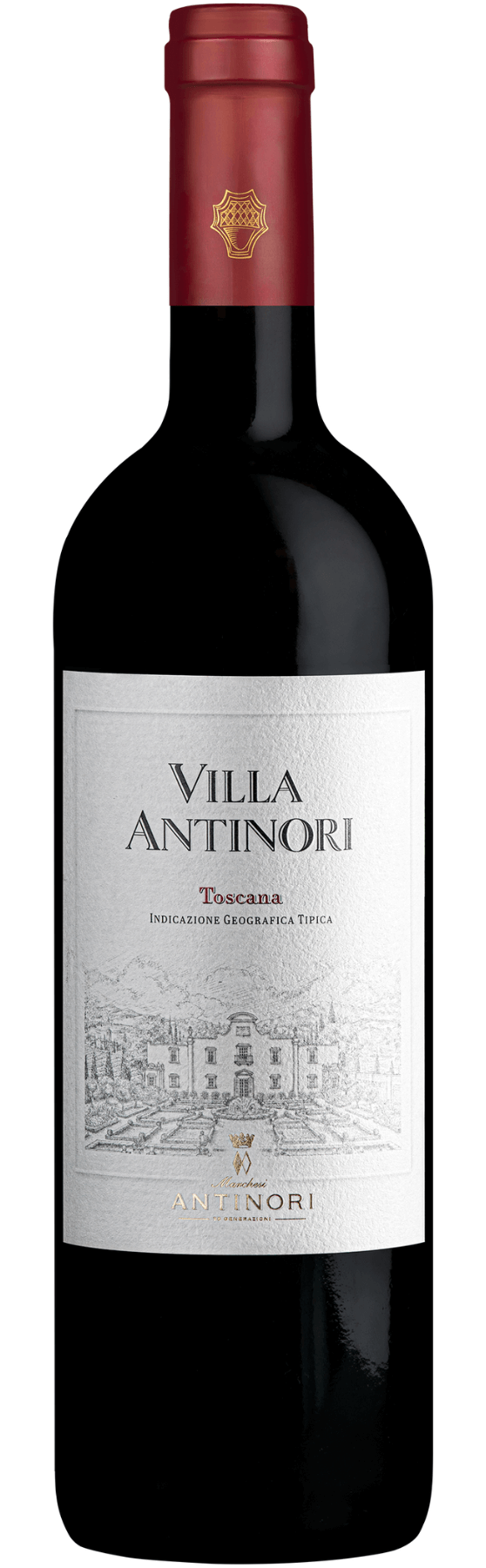
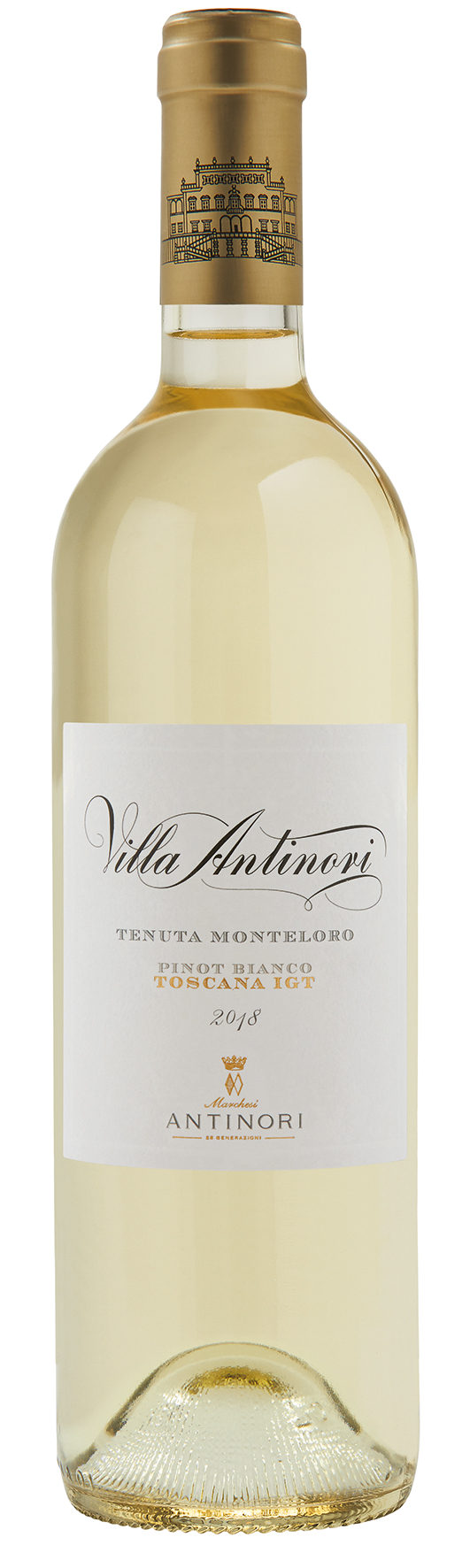
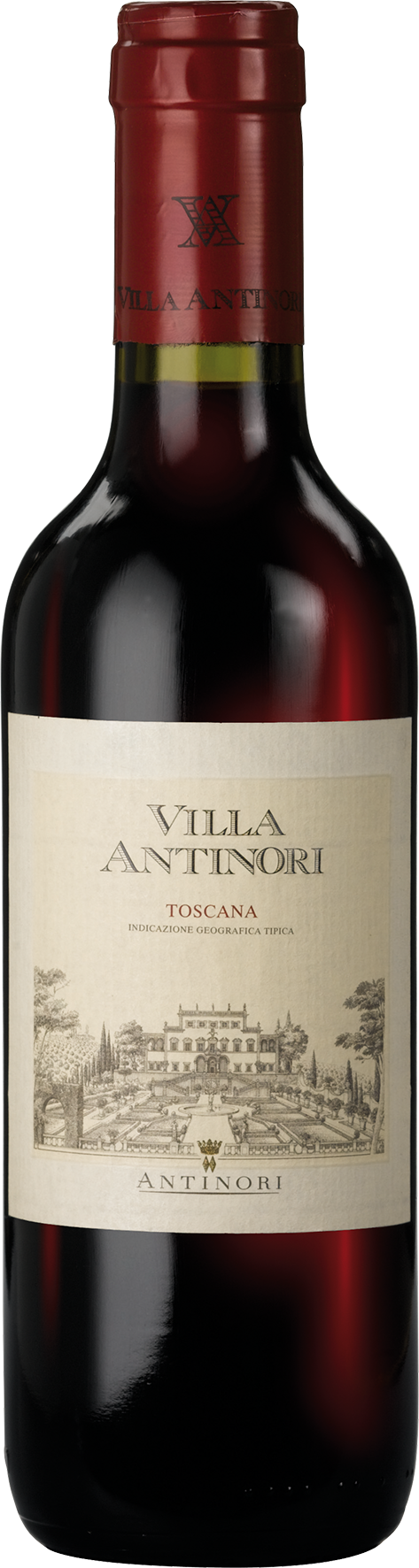
- Villa Antinori Rosso Toscana – the reliable all-rounder from Antinori (16.95 EUR)
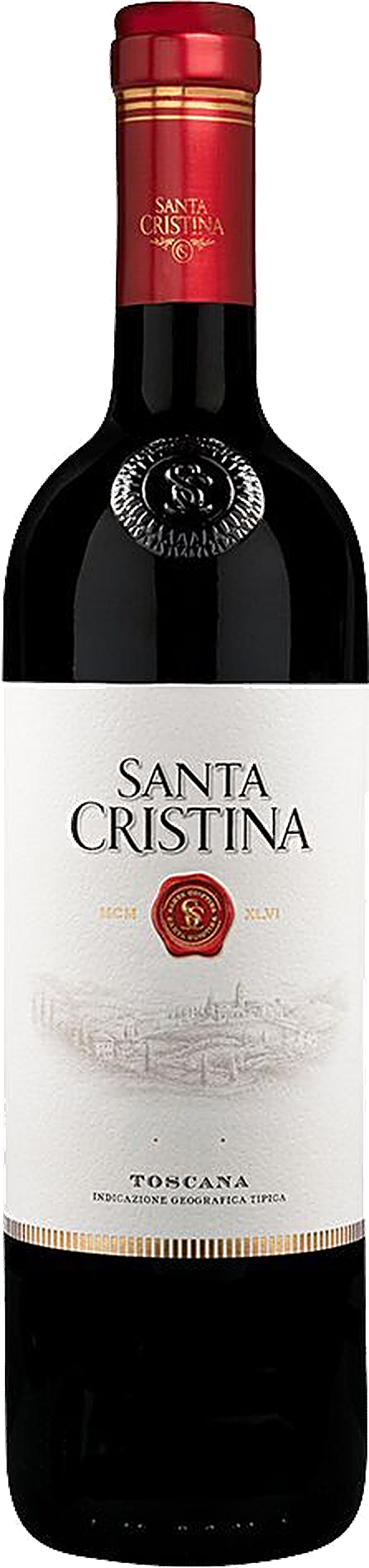
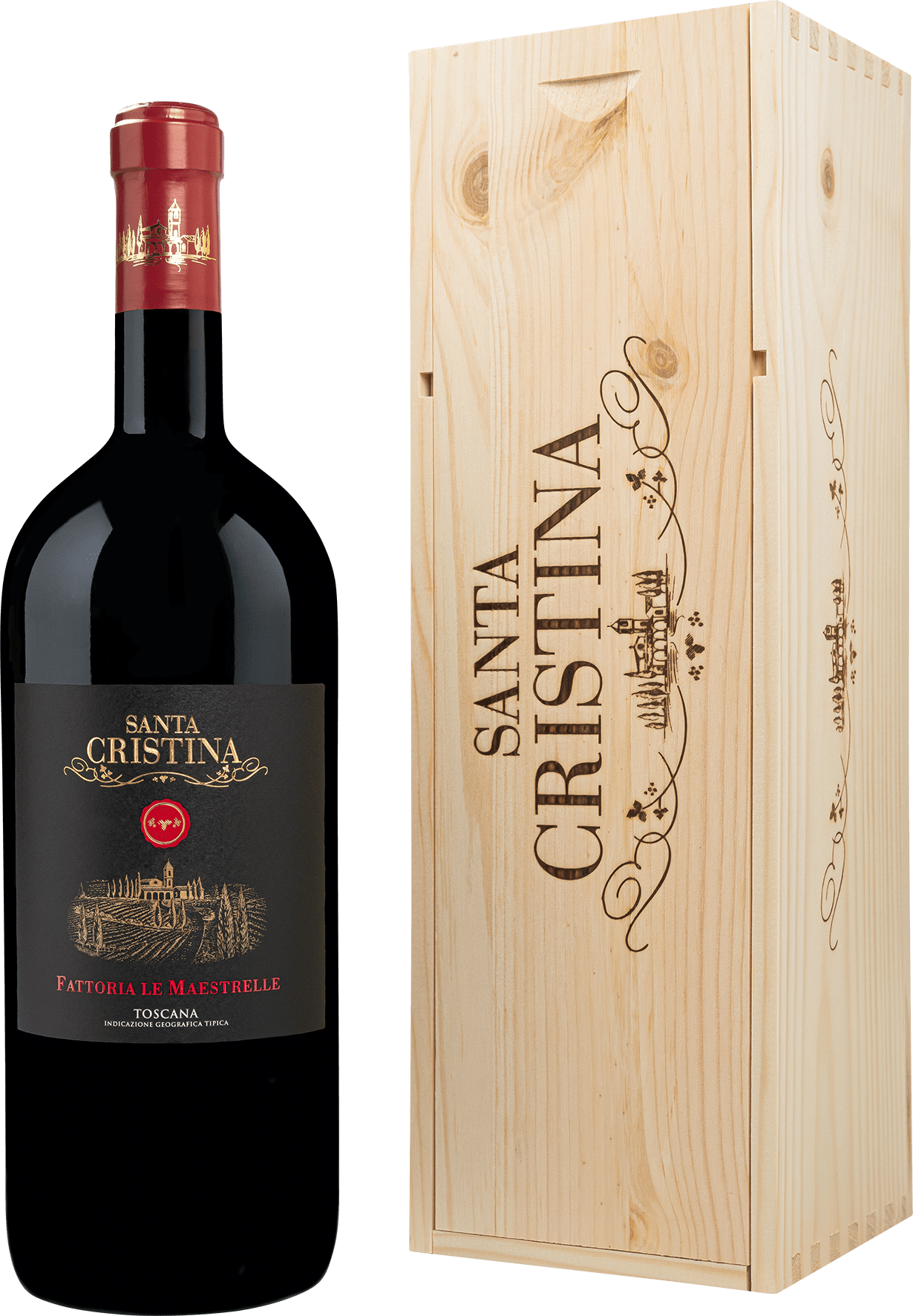
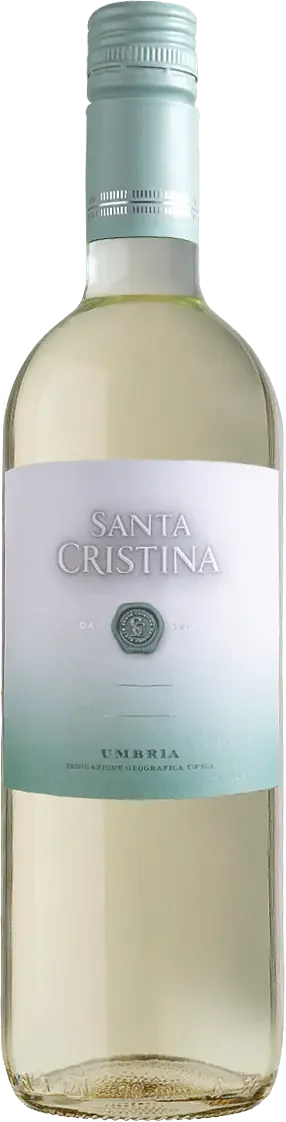
- Santa Cristina Rosso – the folk classic, which Niccolò Antinori launched back in 1946, is today a reliable everyday companion (8.20 EUR)
With a price range of 6.99 to 149.00 EUR, Antinori is one of the most versatile producers on Vinoscout – whether you are looking for an uncomplicated table companion or a bottle for the cellar that will make its grand appearance in ten years.