

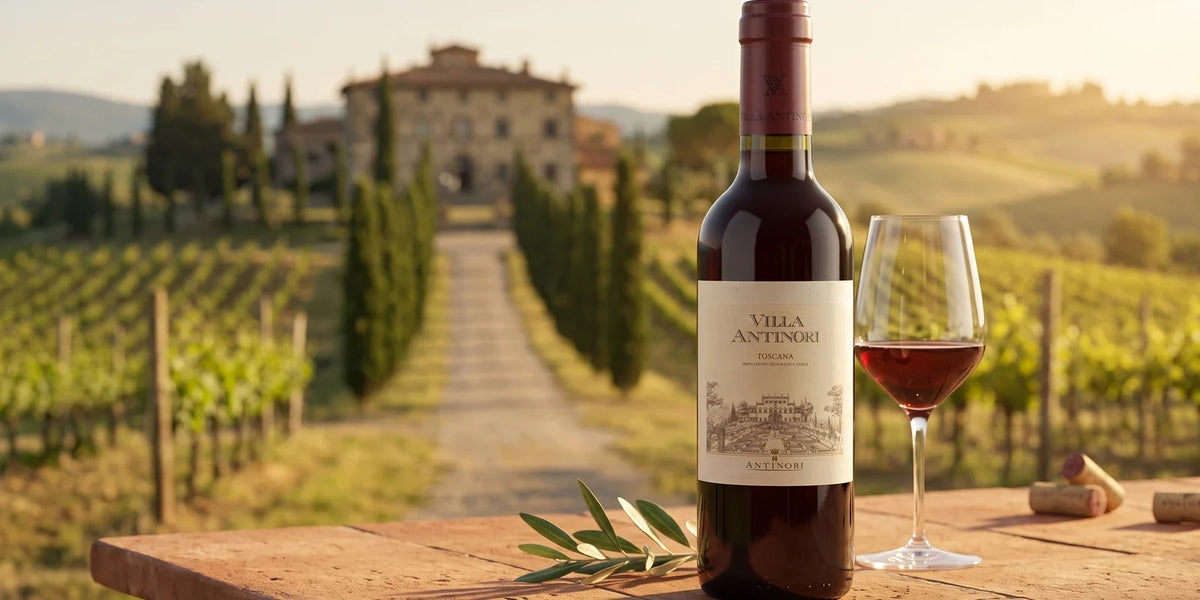
There are wineries, and then there are legends. Marchesi Antinori undoubtedly belongs to the latter category. Over 26 generations and more than 630 years, this family has shaped Italian viticulture like no other – and in the process, created one of the most famous wines in the world. We take you to Tuscany, to the Antinori family, and to the wines that have written wine history.
630 years of wine history
The story begins in the year 1385, when Giovanni di Piero Antinori joined the Guild of Winemakers and Wine Merchants in Florence. His family had previously been active in the silk and banking business – but with this step, he laid the foundation for one of the oldest wine companies in the world, which has remained in family hands without interruption to this day.
Over the centuries, 26 generations have carried on the tradition while always demonstrating the courage to innovate. Today, the three sisters Albiera, Allegra, and Alessia Antinori, daughters of the legendary Marchese Piero Antinori, lead the family business. Their motto summarizes the philosophy: tradition and innovation belong together – wine is an art that requires patience and vision across generations.
The revolution: Tignanello and the Super Tuscans
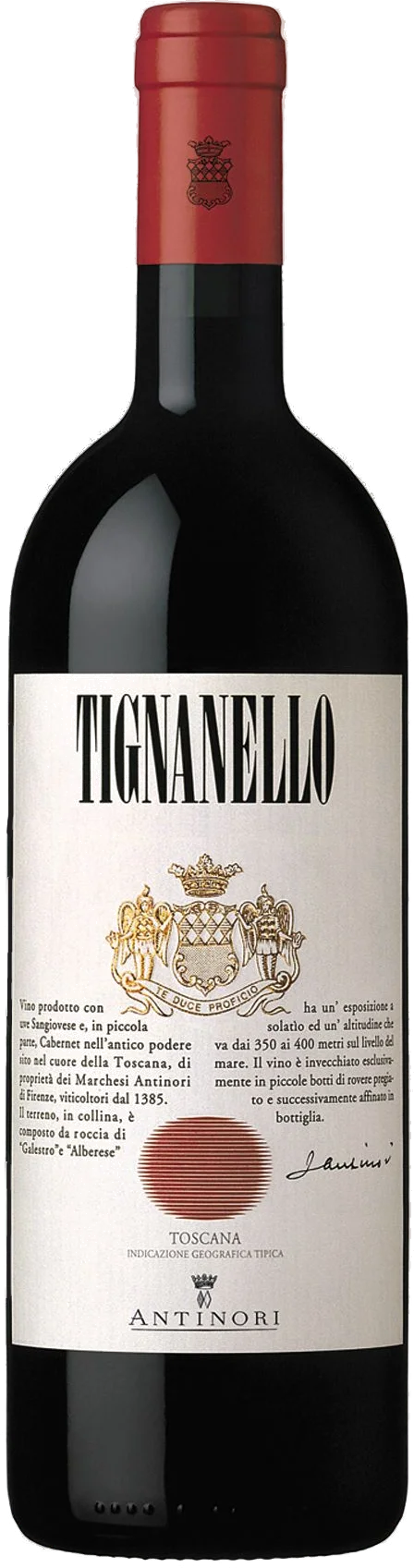
If one wine has changed the Italian wine world forever, it is Tignanello. In the 1970s, Piero Antinori dared to do something unheard of: he aged a red wine made from Sangiovese with Cabernet Sauvignon and Cabernet Franc in small barriques – and consciously bypassed the then-rigid DOC classification. First bottled in 1971, Tignanello went on sale as a supposedly simple "Vino da Tavola," but was world-class in quality.
With this, an entire movement was born: the Super Tuscans. These wines proved that Tuscany could produce world-class red wines and helped Italian viticulture out of a deep quality crisis. To this day, Tignanello is considered one of the most significant and sought-after wines in Italy – a modern classic.
From icon to everyday wine – the range
The beauty of Antinori: the stature of the house is evident in every price range. Whether a noble Chianti Classico or a charming everyday wine – the quality is always right:
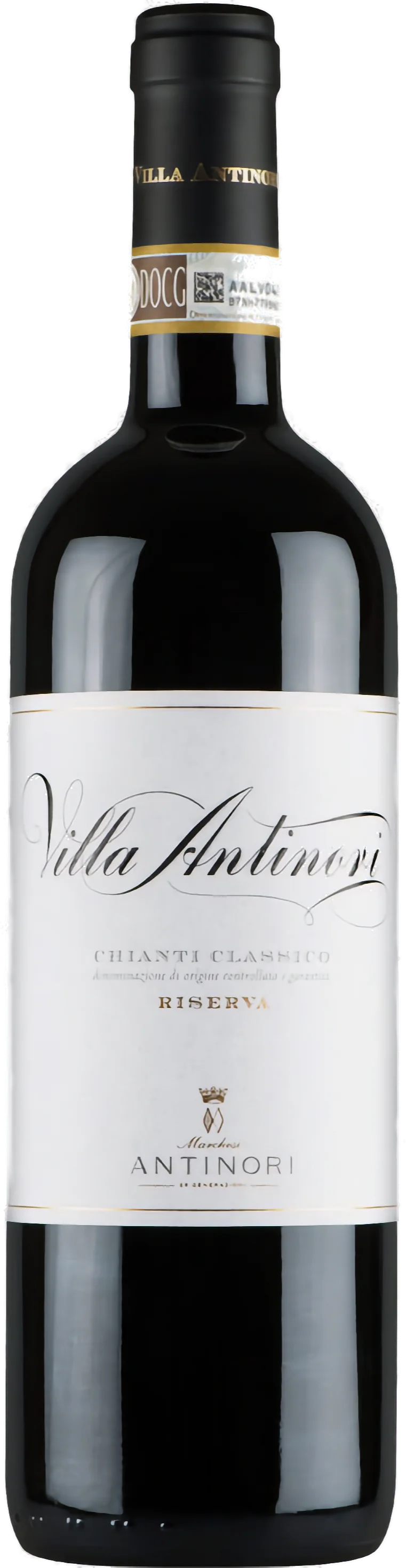
- Villa Antinori Chianti Classico Riserva – a classic, elegant Chianti with maturity and depth, a flagship for decades.
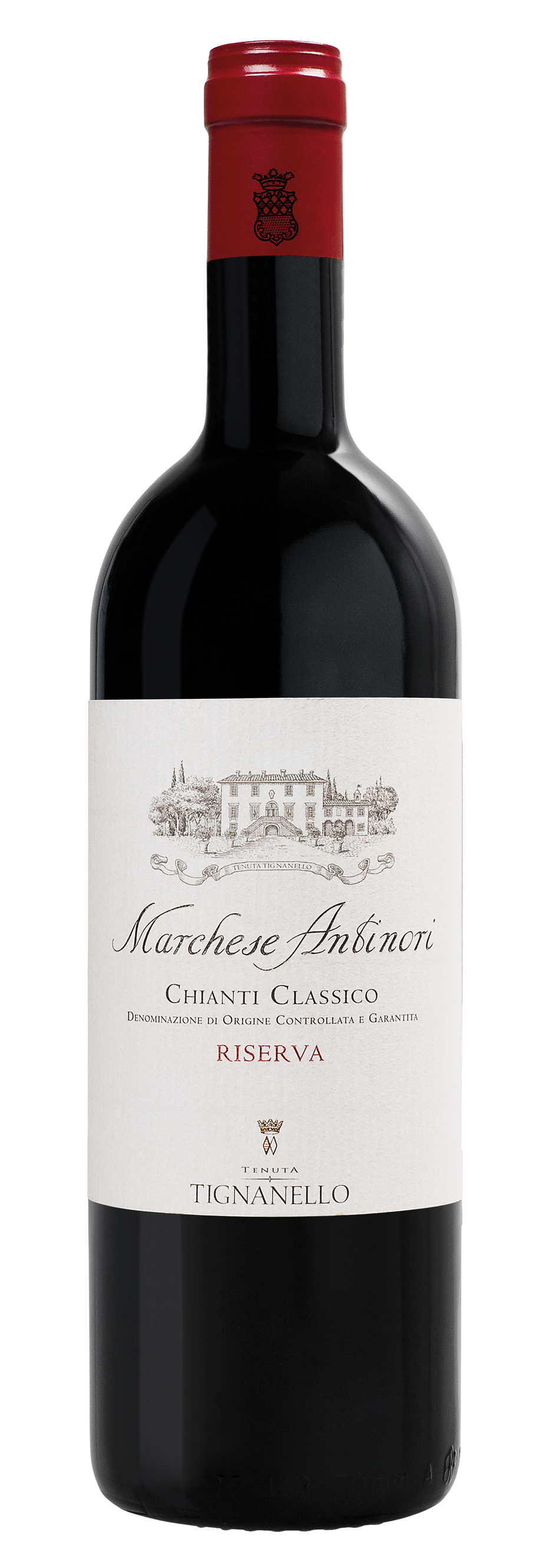
- Marchese Antinori Chianti Classico Riserva – the upscale Riserva from the Tignanello estate, powerful and long-lived.
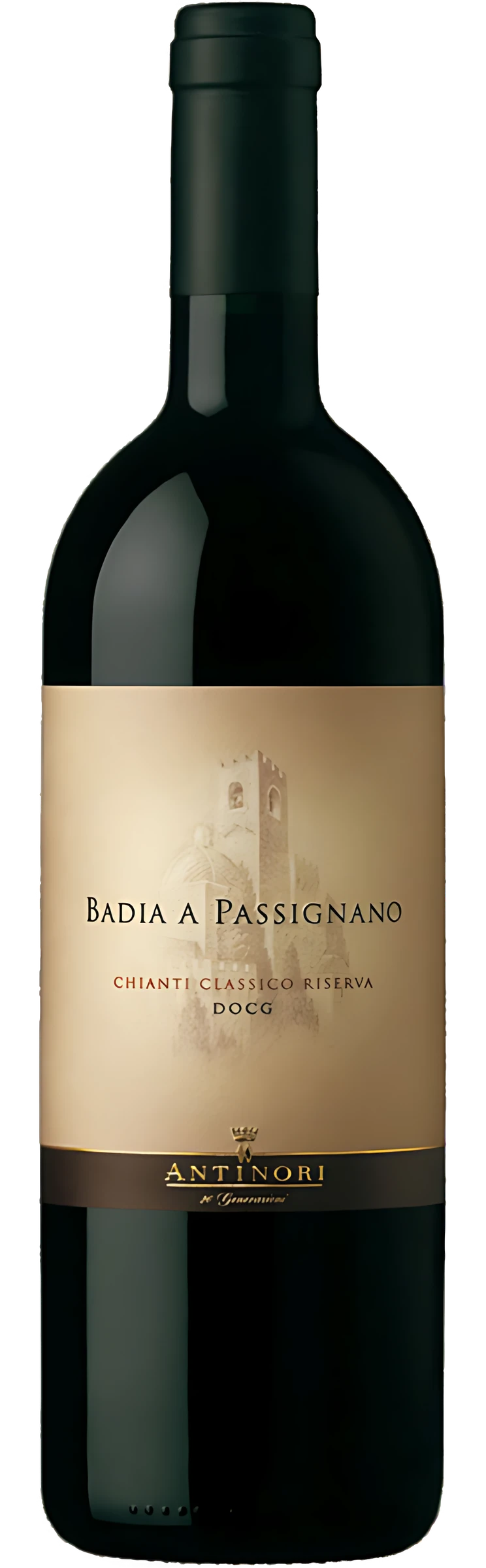
- Badia a Passignano Chianti Classico Riserva – a Chianti from the historic monastery estate, great class.
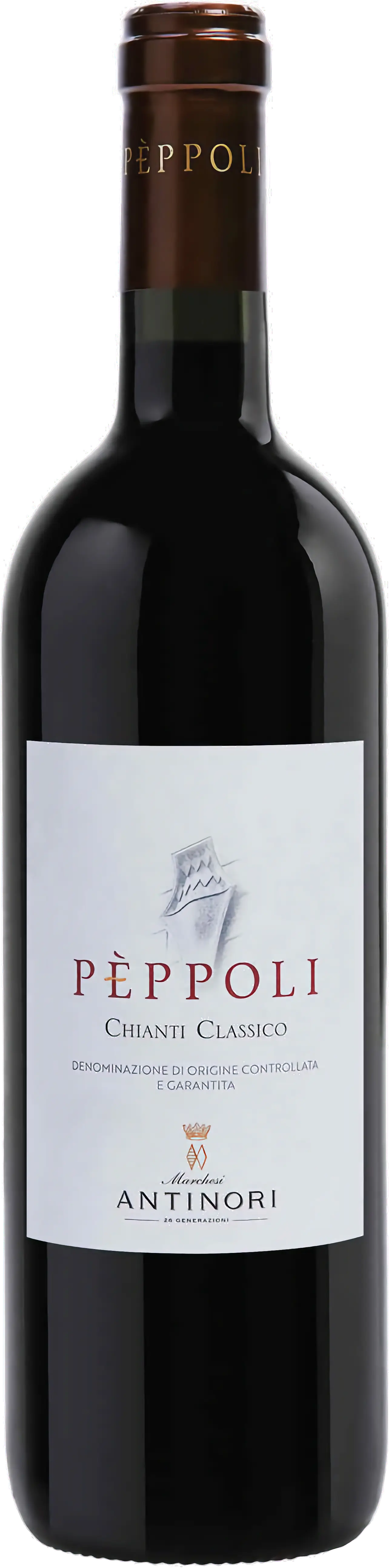
- Pèppoli Chianti Classico – the accessible, fruit-forward Chianti for every day.
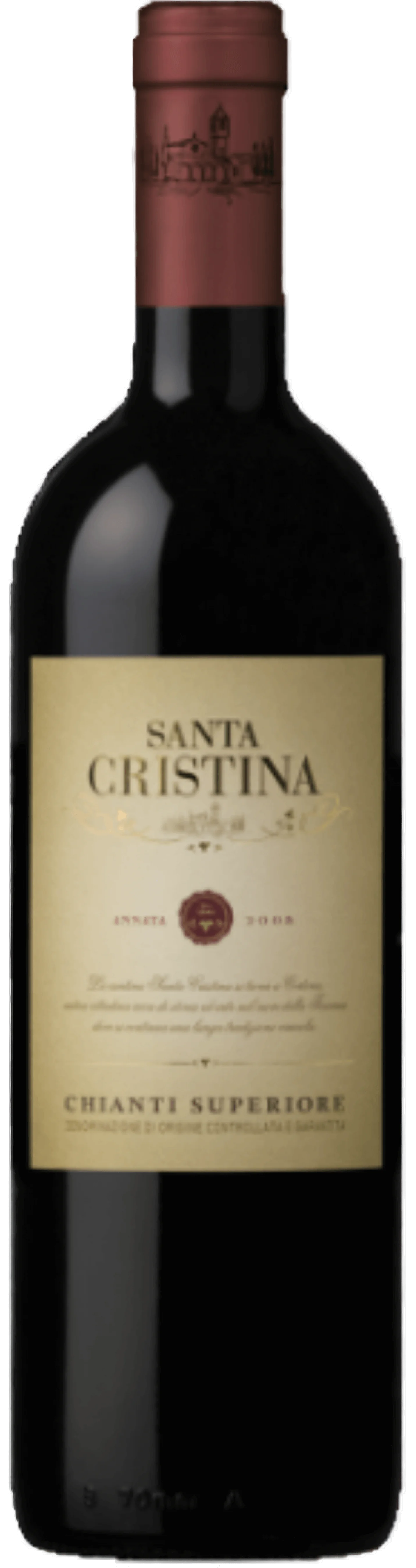
- Santa Cristina Chianti Superiore – uncomplicated, juicy, and a real price-pleasure tip.
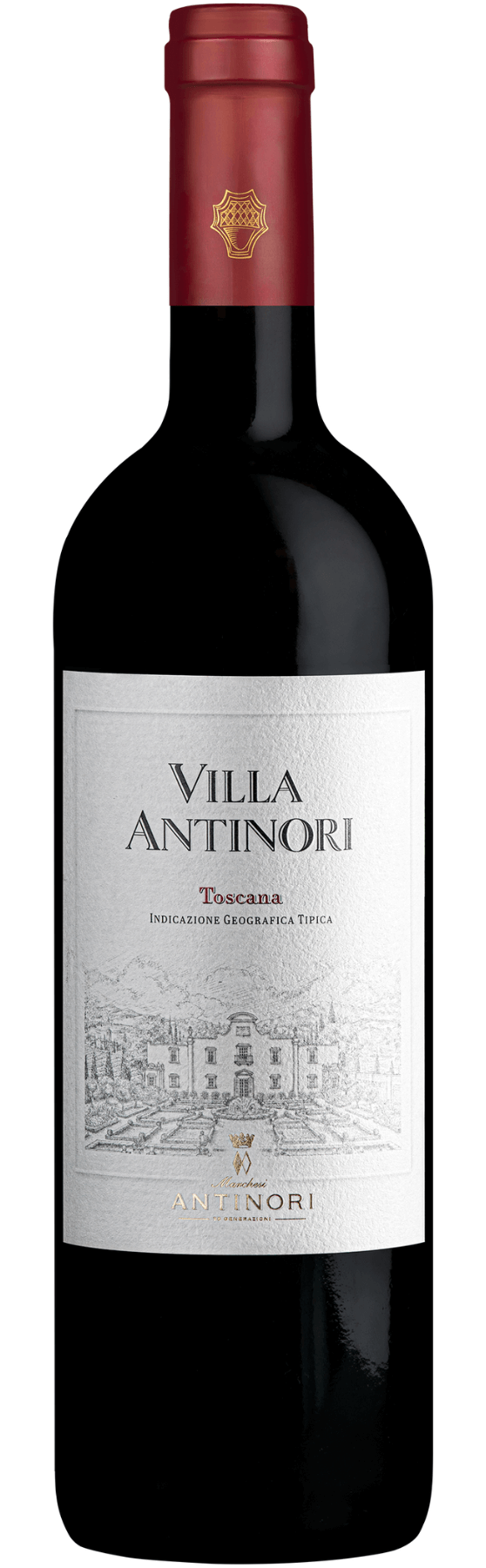
- Villa Antinori Rosso Toscana – a successful Tuscan cuvée, soft and harmonious.
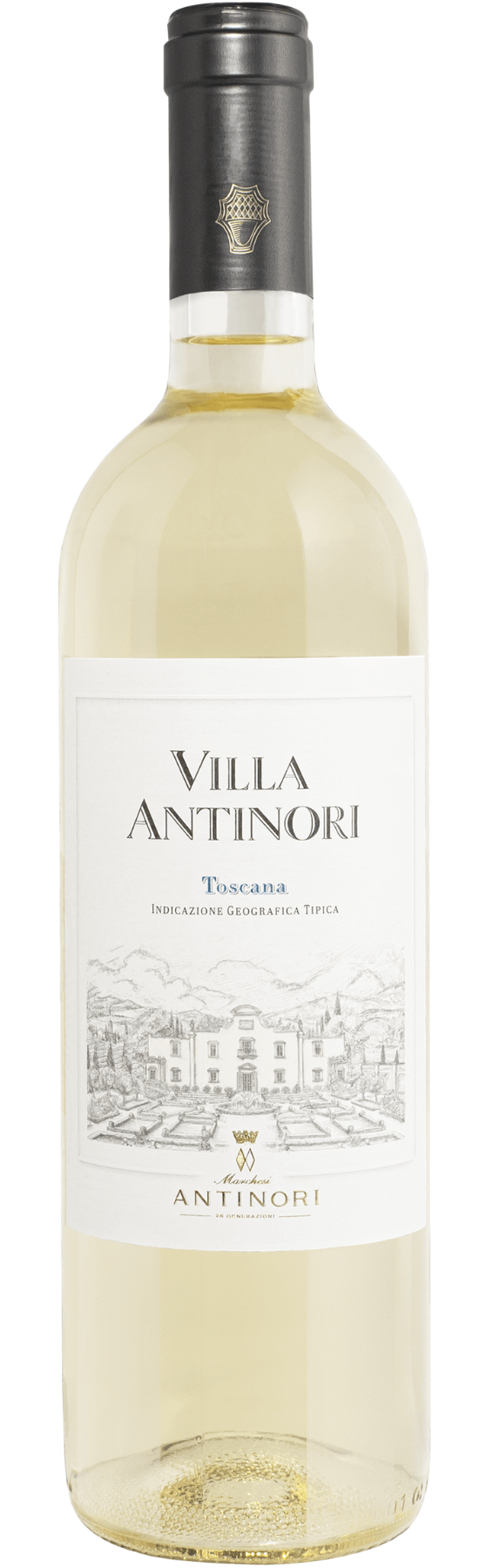
- Villa Antinori Bianco – the fresh, elegant white side of the house.
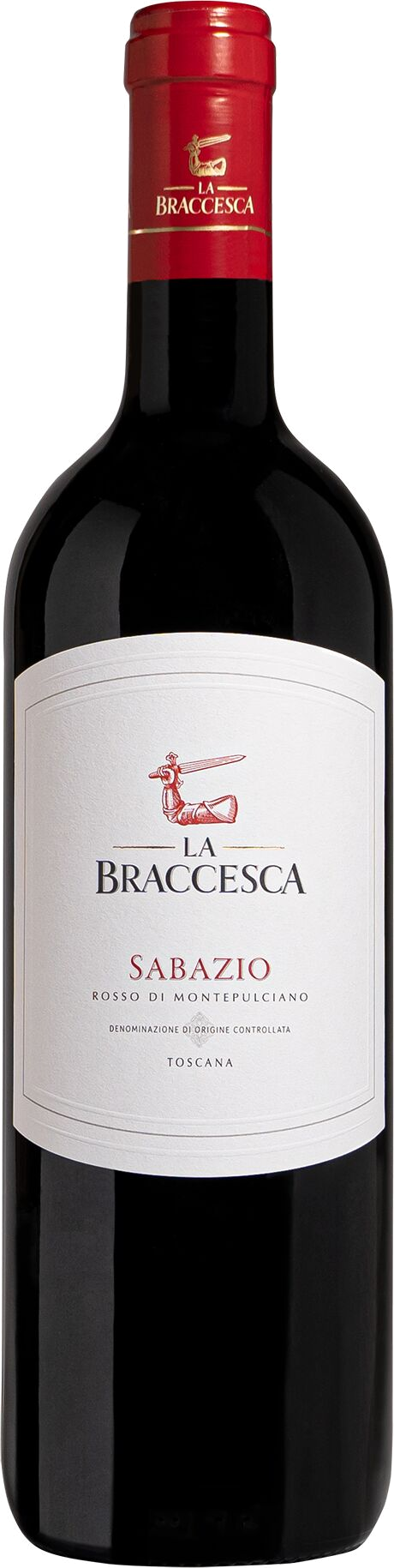
- La Braccesca Rosso di Montepulciano – a juicy Sangiovese from the Antinori estate in Montepulciano.
What actually is a "Super Tuscan"?
The term comes up again and again – but what is behind it? In the 1970s, Italian wine law was rigid: anyone wanting the coveted DOC designation had to adhere to strict guidelines, such as a high proportion of local varieties. However, winemakers like Antinori wanted to experiment with international varieties like Cabernet Sauvignon and age them in barriques. As a result, their wines fell outside the regulations – and were officially allowed to be sold only as simple "Vino da Tavola" (table wine).
The paradox: these "table wines" were among the best in the country in terms of quality and price. The international wine press dubbed them "Super Tuscans." The success was so resounding that Italy adapted its wine law and created a suitable classification with the IGT category. With Tignanello, Antinori was one of the pioneers of this movement – and has thereby raised the reputation of Italian wine to a new level worldwide.
An empire with many names
Antinori has long been more than just a single winery. The family owns numerous estates throughout Tuscany and in Umbria – from Santa Cristina to Pèppoli and Badia a Passignano, to the spectacular Antinori nel Chianti Classico winery built into the hills near Bargino. The family is also active internationally. Thus, you will encounter the name Antinori on very different labels – yet the reliability in terms of quality always remains the same.
A symbol of this ambition is the Antinori nel Chianti Classico winery near Bargino, opened in 2012: spectacularly built into the hill, with green terraces under which the wine matures. It has long been a place of pilgrimage for wine lovers and shows how serious the family is about the connection between landscape, architecture, and wine. Anyone visiting Tuscany should plan a visit.
Which Antinori is right for you?
The range can be overwhelming at first – here is a little orientation. For uncomplicated enjoyment on a normal evening, Santa Cristina and Pèppoli are ideal: juicy, accessible Chianti wines at a fair price. Those looking for a reliable all-rounder for guests are spot on with the Villa Antinori Rosso or the Villa Antinori Riserva – classics with stature. And for the special occasion, when it should be a great wine, there is no way around Tignanello or Badia a Passignano. This way, everyone finds their suitable Antinori, from everyday life to festive days.
What do the wines pair with?
The Chianti wines are born food companions for Tuscan cuisine: pasta with ragù, grilled meat, Bistecca alla Fiorentina, and aged Pecorino. The great Tignanello deserves a special piece of meat or simply your full attention in the glass. The Villa Antinori Bianco and the Santa Cristina Rosé pair well with appetizers, fish, and light Mediterranean cuisine.
Our conclusion
Marchesi Antinori is the living history of Italian wine – 26 generations that have repeatedly combined tradition and daring in new ways. From the revolutionary Tignanello to the charming Santa Cristina, you get wines here backed by six centuries of experience. If you want to experience Tuscany in a glass, Antinori is the first address.





We would love to hear what you think
What did you make of this article? Drop us a few lines — we read every comment.
Log in to join the conversation. Log in now