From hunting residence to reference of Chianti Classico
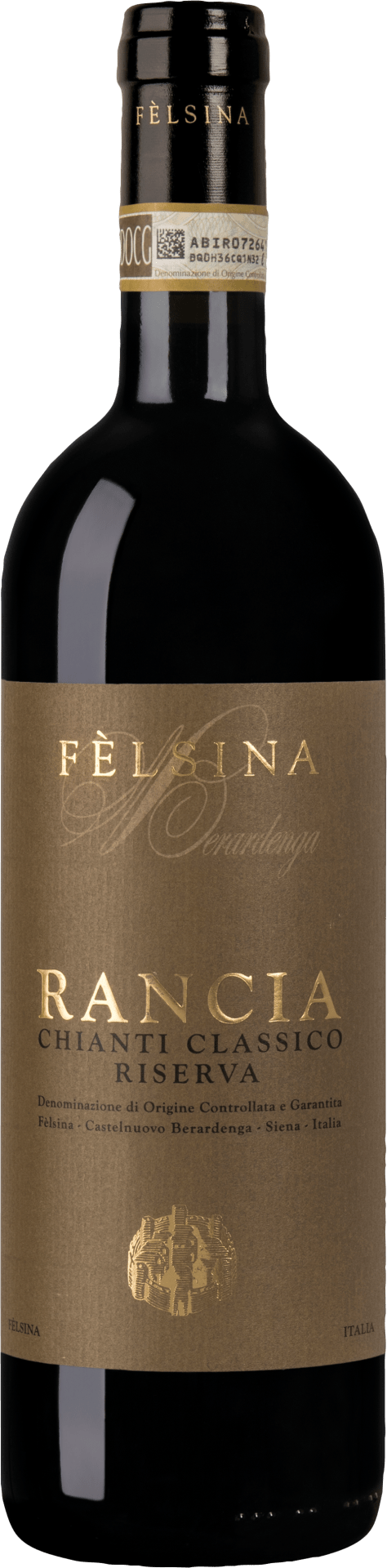
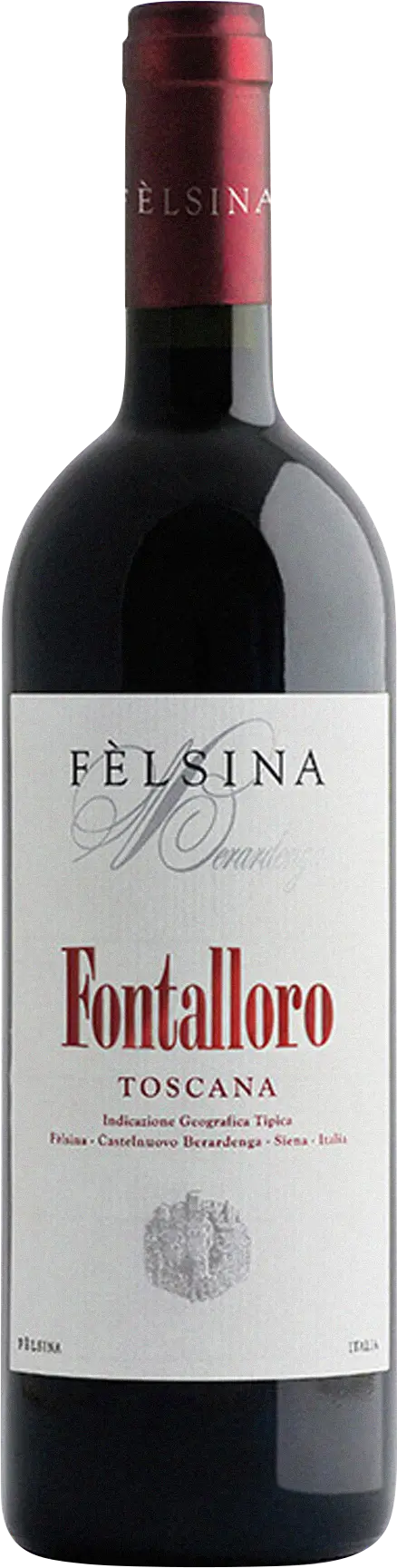
The history of Fèlsina begins in 1966, when the entrepreneur Domenico Poggiali from Emilia-Romagna acquired a former hunting estate in the southeasternmost corner of the Chianti Classico appellation. The estate near Castelnuovo Berardenga had been farmed by sharecroppers until the end of the war and counted just nine hectares of vines. Poggiali recognized the potential of the terroir, replanted using the principle of mass selection from old stocks — exclusively Sangiovese — and vinified the first Fèlsina vintage in 1967 as Chianti Classico Berardenga. In the second half of the 1970s, his son-in-law Giuseppe Mazzocolin joined: a humanist with a broad network who built up international marketing and set the course for the estate's stylistic identity. The friendship with wine critic Luigi Veronelli and the collaboration with oenologist Franco Bernabei led from 1983 to two flagship wines that define Fèlsina to this day: Rancia and Fontalloro. Today, Domenico's grandson Giovanni Poggiali and his cousin Caterina Mazzocolin run the estate together.
Sangiovese as a principle, terroir reading as a method
Fèlsina manages around 72 hectares of vineyards on a total area of several hundred hectares. The sites are located at an altitude of 320 to 420 meters, with a predominantly southwestern exposure. The soils alternate between sandstone and alberese in the higher plots and increasing clay content in the southern parts — a spectrum that gives the wines their characteristic alternation of freshness and fullness. In the vineyard, the estate relies on intensive clonal research: every plot was analyzed to determine which Sangiovese sub-variety thrives best there. This clonal biodiversity — different berry sizes, skin thicknesses, ripening gradients — is, according to Fèlsina, the main reason for the decision to produce exclusively monovarietals from Sangiovese. The harvest is done by hand, with selection already in the vineyard. In the cellar, which was built under the old estate residence into the tuff hill and expanded in the early 1970s by an underground passage to the old horse stables, the must ferments and macerates in stainless steel tanks at controlled temperatures. Depending on the quality level, the maceration time varies: 12 to 15 days for the Chianti Classico Berardenga, 16 to 20 days for Rancia and Fontalloro. Aging takes place in a combination of large Slavonian oak ovals and French barriques. Fèlsina has also been applying its terroir philosophy to its own olive oil production since 2002, in which four autochthonous varieties are processed separately.
Sangiovese in its southernmost, most powerful expression
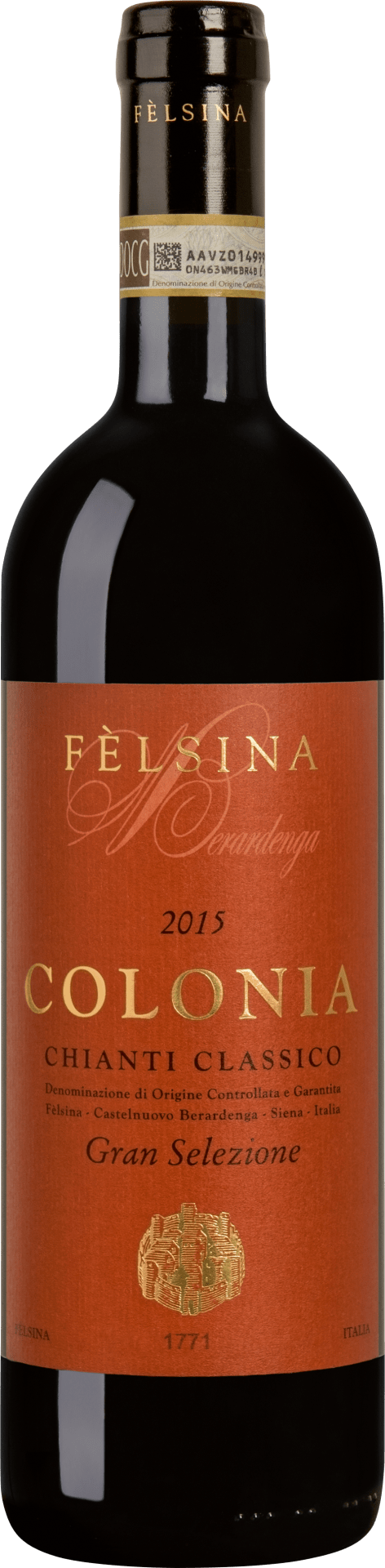
The location on the southern edge of the appellation directly shapes the Fèlsina style: the wines show more body, denser tannins, and riper fruit than their counterparts from the north of the Classico area — critics sometimes compare them stylistically to Brunello di Montalcino. The entry into the range is the Chianti Classico Berardenga: sour cherry, wild herbs, dry finish with a clear acid structure. The Riserva Rancia comes from the single vineyard of the same name on limestone and marl soils and shows more depth, spice, and structure after 18 to 20 months in French oak. The Gran Selezione Colonia marks the top of the Classico pyramid. Fontalloro, a single-varietal Sangiovese with IGT Toscana classification, is created from sites that span the borders of Chianti Classico and Colli Senesi, and matures for up to 22 months in new French oak — dark plum fruit, tobacco, long finish. Maestro Raro completes the picture as a Cabernet Sauvignon. The range goes well with Tuscan cuisine — braised wild boar, Bistecca alla Fiorentina, aged Pecorino — but can just as easily be opened with hearty stews, leg of lamb, or dark chocolate. Serving temperature: 16–18 °C.