Seven centuries of Florentine wine history
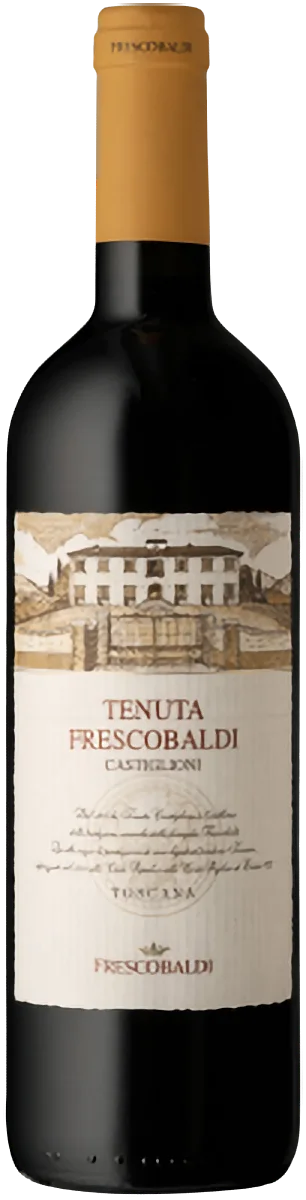
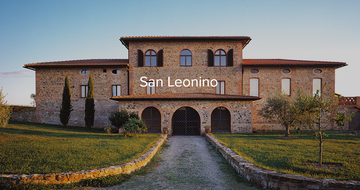
The roots of the Marchesi de' Frescobaldi date back to the early 14th century, when the Florentine noble family first produced wine at the Tenuta di Castiglioni — the house's oldest estate. Even then, their wines reached far beyond Tuscany: European royal courts were among their customers, and orders from England are still documented in the family archives today. The fact that Frescobaldi was one of the first estates in Tuscany to cultivate French grape varieties such as Cabernet Sauvignon, Merlot and Chardonnay in the 19th century shows the spirit of innovation that has accompanied the family through all thirty generations. Tiziana, Lamberto and Diana Frescobaldi lead the house today as the 30th generation — with the same ambition: to take traditions seriously without forgoing further development.
Every estate, its own terroir – and a clear stance on nature
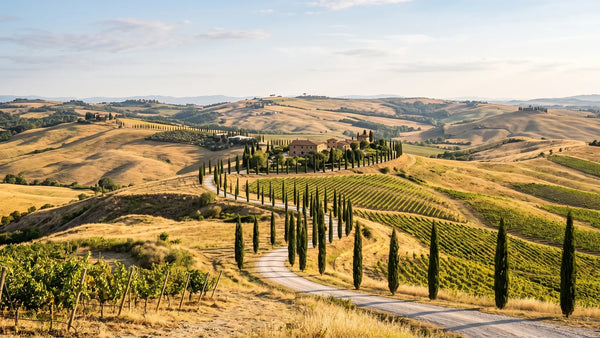
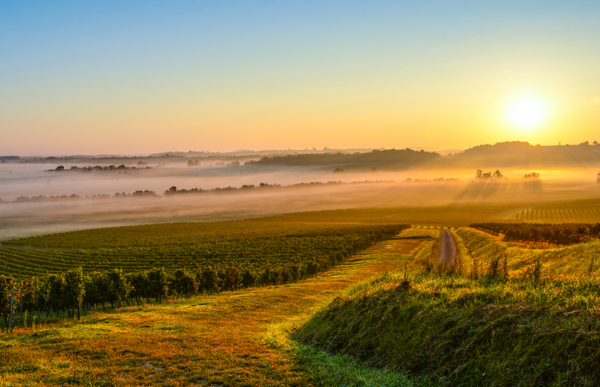
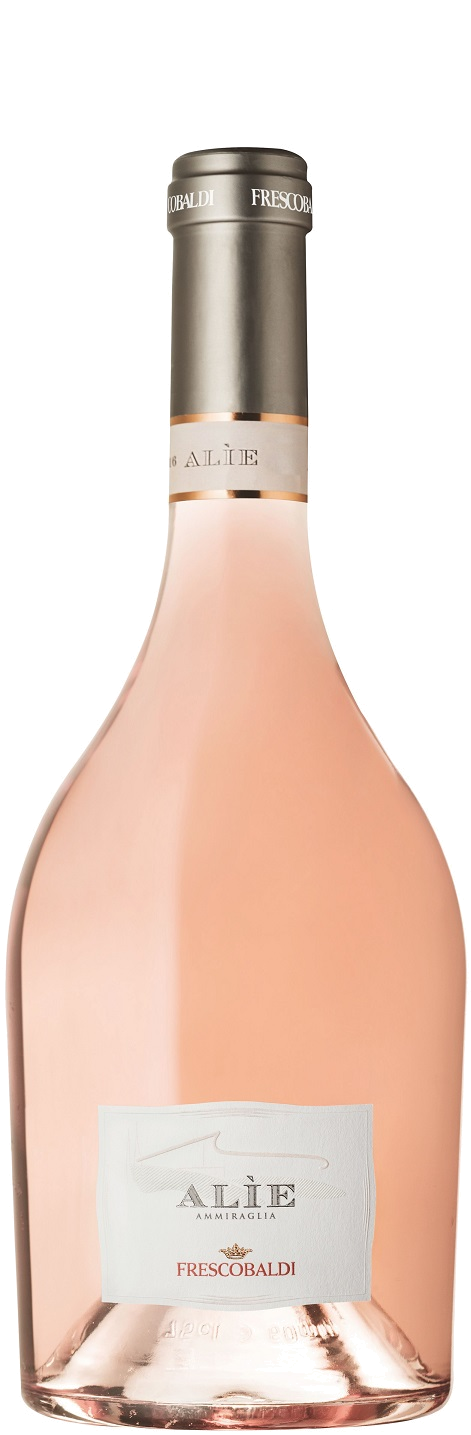
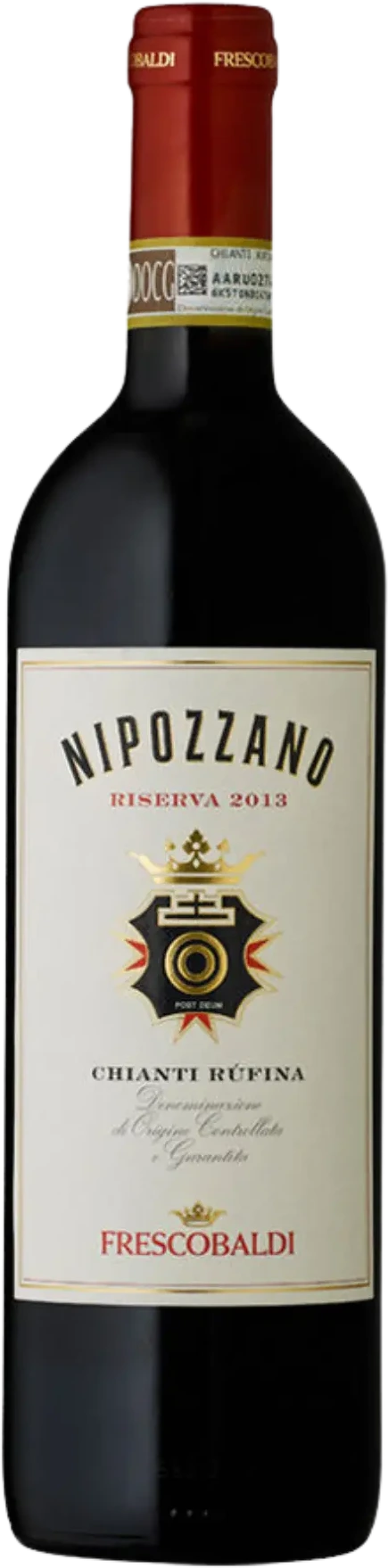
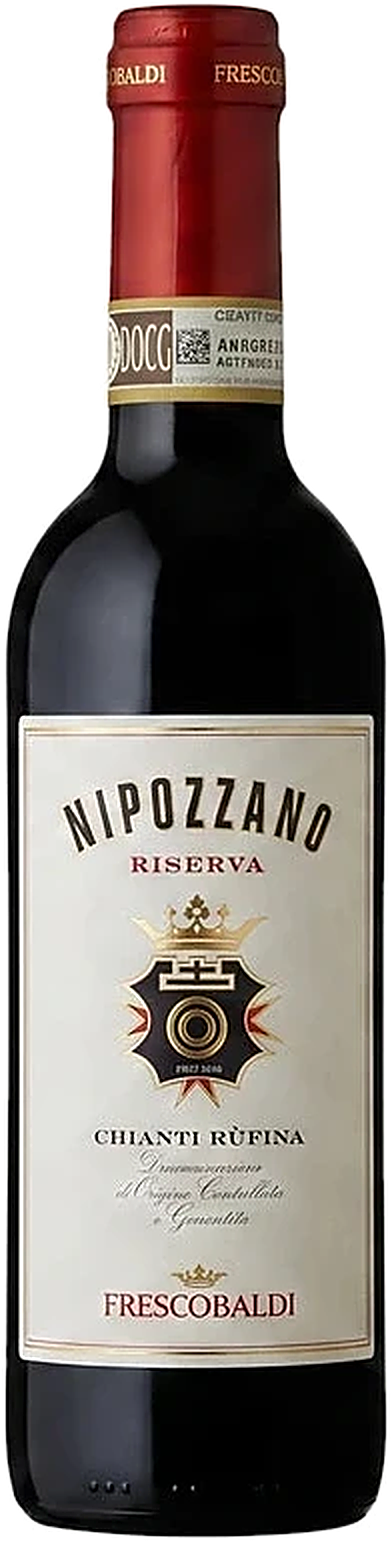
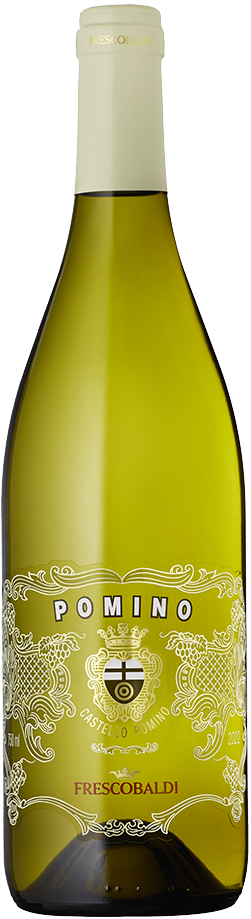
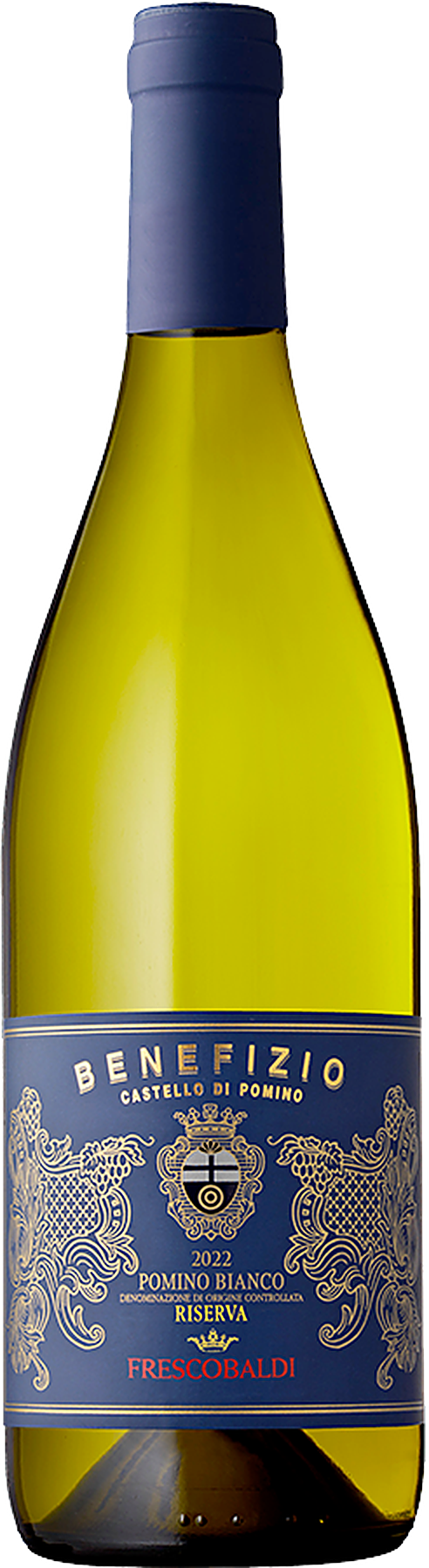
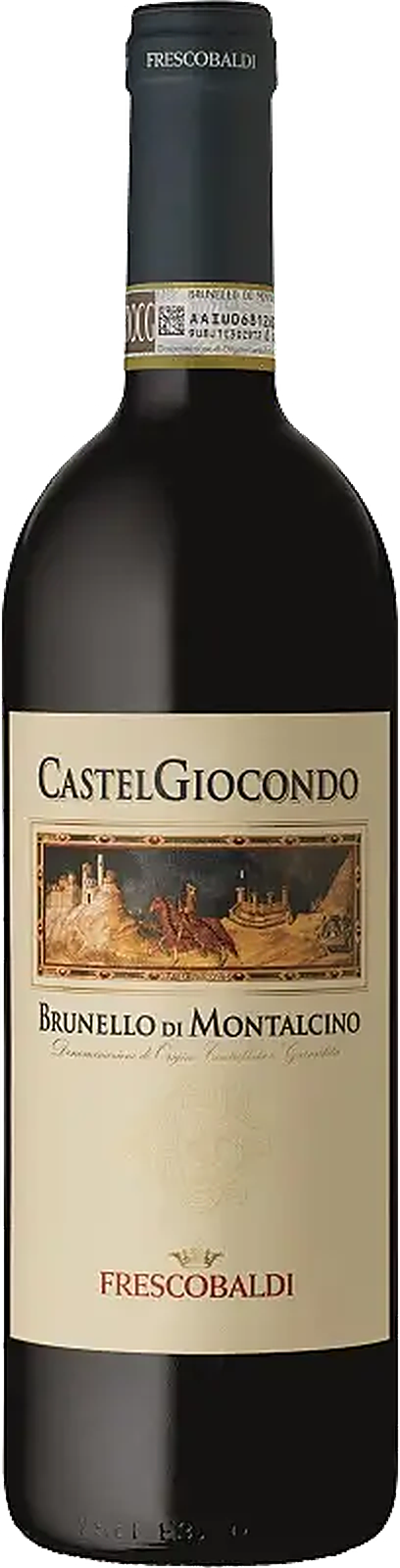
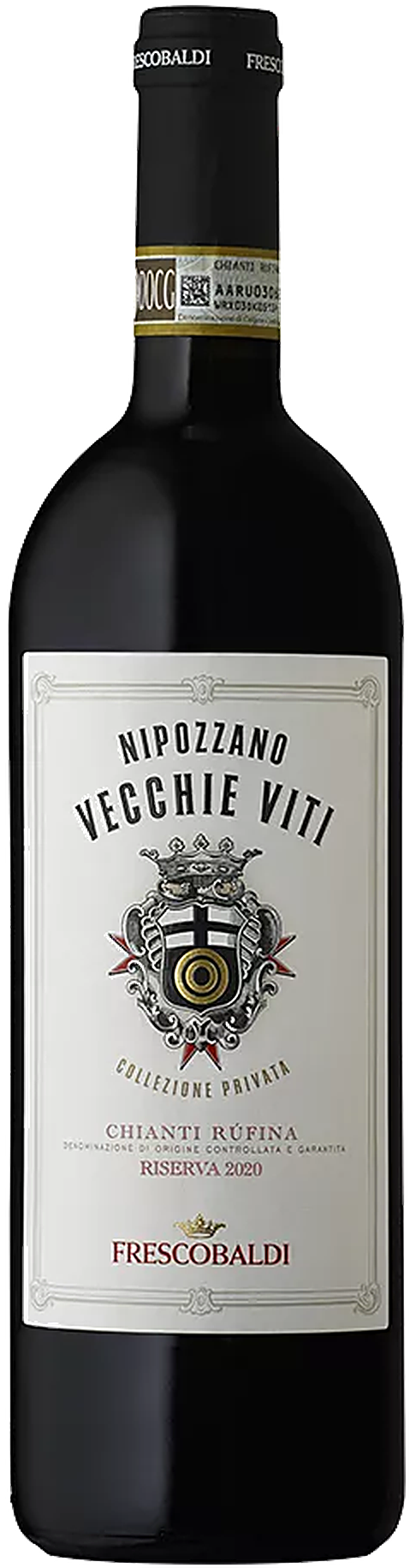
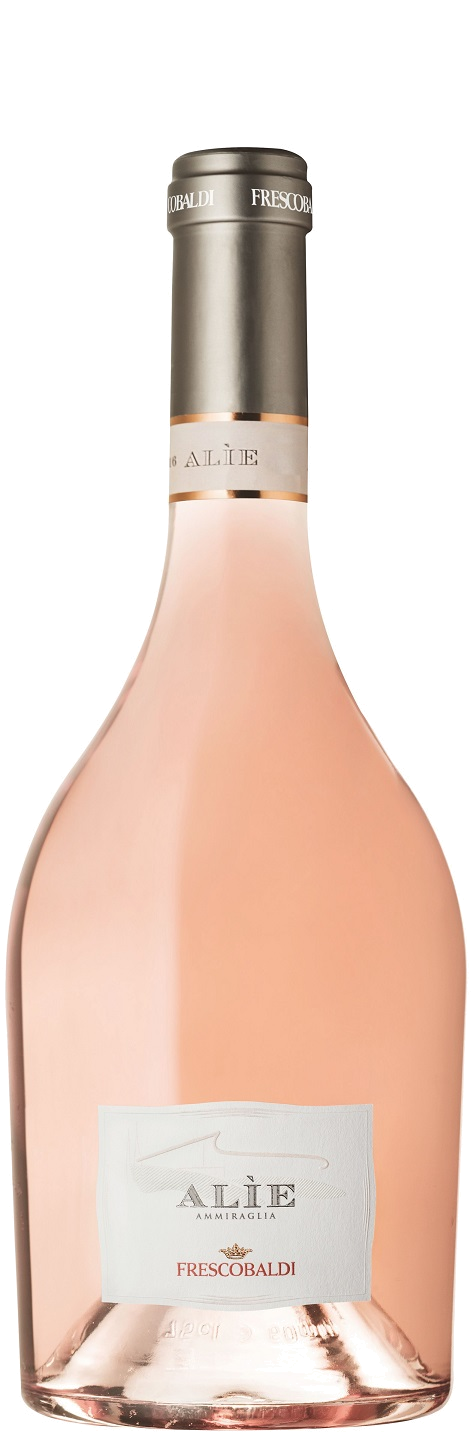
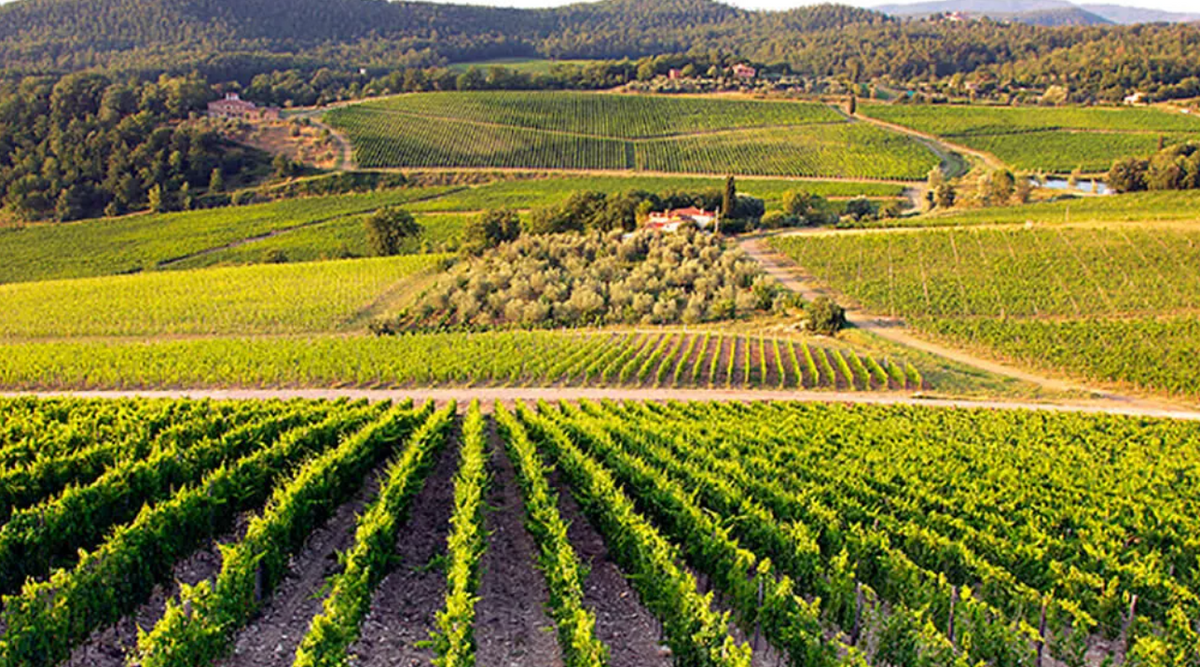
The backbone of the Frescobaldi philosophy is the conviction that wine is inseparably linked to the place of its origin. Therefore, each of the estates is managed independently — with its own oenology team, its own style and its own terroir profile. The range is broad: Castello di Nipozzano is located on the hills of Chianti Rufina on the slopes of the Arno Valley, where sand, limestone and clay marl form the basis for structured Sangiovese wines. Castello di Pomino is located in mountainous areas at altitudes of up to 700 meters, with cool summers and snow in winter — here, white wines are in the foreground, whose Chardonnay plots were planted as early as 1855. Tenuta Castelgiocondo in the Brunello area of Montalcino stands for long-lived red wines with depth, and Tenuta Ammiraglia in the southern Tuscan Maremma for Mediterranean lightness.
Sustainability is not a marketing term here, but has been officially certified since 2012: all estates carry the AgriQualità award of the Tuscany region for ecologically compatible management methods. Castello Nipozzano and Castello Pomino were also the first Tuscan estates with PEFC certification for sustainable forest management. On the production side, Frescobaldi relies on lighter bottles, which save around 350 tons of CO₂ per year compared to conventional models.
From accessible Chianti to Brunello – Tuscany in all its breadth
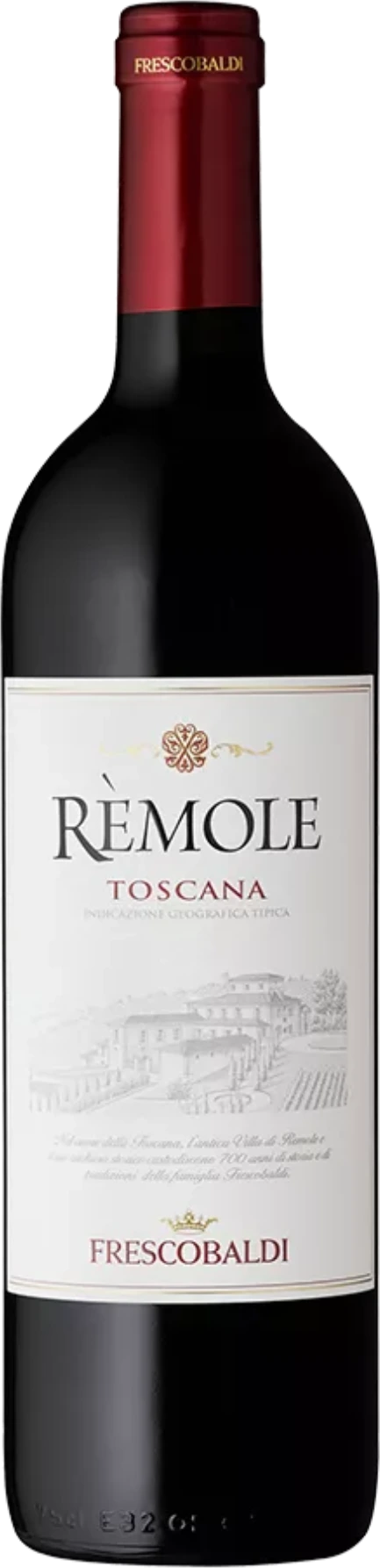
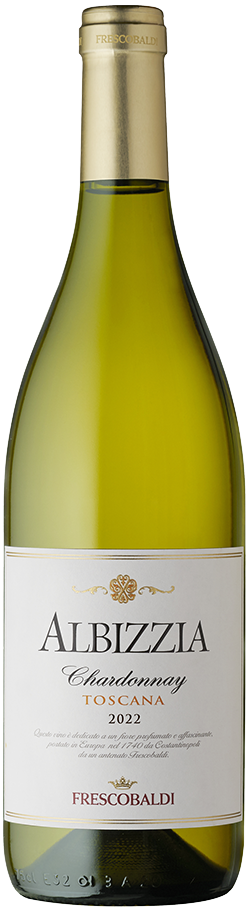
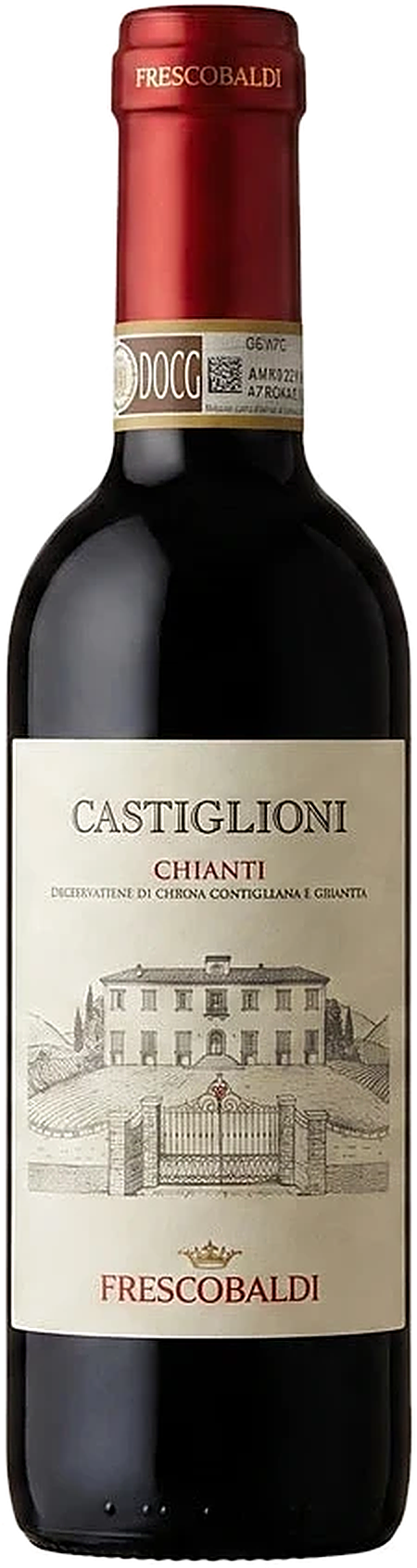
What holds the Frescobaldi range together is not a uniform wine style, but the opposite: the consistent terroir loyalty of each individual estate. A Castelgiocondo Brunello di Montalcino DOCG, aged for long maturation, shares the same family signature as an accessible Castiglioni Chianti DOCG or an Albizzia Chardonnay from Tuscany — and yet differs fundamentally from them. In addition to the classic Tuscan grape varieties Sangiovese and Vernaccia, international varieties play a firm role: Chardonnay, Cabernet Sauvignon and Merlot have been rooted in cultivation for generations. Castello di Pomino holds a special position here: its Benefizio Riserva was the first white wine in Italy to be aged in barriques in 1973 — a milestone that helped write the rise of Tuscan white wine culture. Those who drink Frescobaldi move between Tuscan classicism and self-confident modernity — both clearly bear the signature of a family that has been in the business long enough to know what time does to a wine.