Founded with a clear ambition: Radda as good as possible
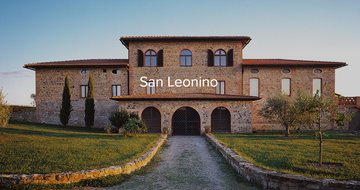
Castello di Radda was established in 2003 – not out of a long family tradition, but from a conscious decision. The Beretta family, owners of the Agricole Gussalli Beretta Group, chose Radda in Chianti as their location because they recognized the potential for exceptional Sangiovese right here. The building itself is not a historic castle, but a structure designed by architect Spartaco Mori made of light-colored Tuscan natural stone – modern in its layout, yet deeply rooted in the landscape. The cellar was dug into the hard rock of Radda: naturally cool, without technical air conditioning, with a minimal visible footprint on the surface.
Radda in Chianti is one of the nine municipalities of the DOCG and is considered one of the coolest sites in the entire growing region. The continental climate with significant day-night temperature fluctuations, the low-clay, lime- and stone-rich soils, and the hillside location between 350 and 450 meters altitude shape the character of the wines from the very beginning.
Certified organic, artisanal, without detours
In 2017, Castello di Radda began the transition to organic farming; by 2020, the entire estate with its 40 hectares of vineyards was fully certified organic. Since then, all vineyards – divided into sites in Radda and in Gaiole in Chianti (Vertine) – have been cultivated without synthetic agents. Low yields, consistent hand-harvesting, parcel-specific vinification: every parcel is aged separately and remains separated until the assemblage, so that the signature of each individual piece is preserved.
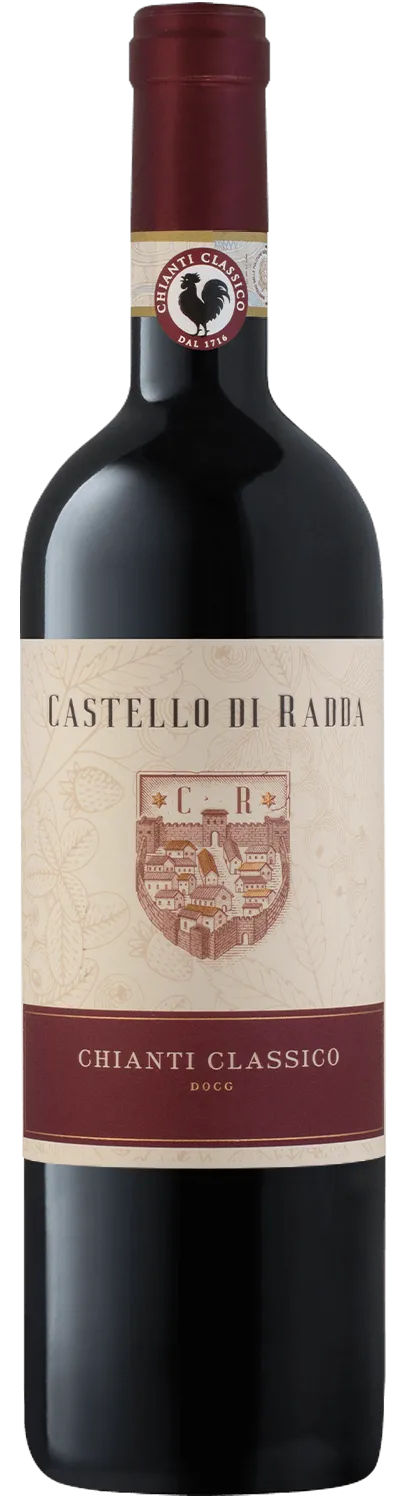
In the cellar, the house relies on long, gentle maceration in steel tanks – the maceration phases last up to a month. Maturation takes place in large wooden barrels of up to 60 hectoliters as well as in 500-liter tonneaux; you will look in vain for international barriques. The house's Chianti Classico wines consistently avoid softening international grape varieties such as Merlot or Cabernet, even though the DOCG regulations would allow up to 20 percent foreign varieties. In addition to the dominant Sangiovese, at most the indigenous varieties Canaiolo and Colorino are used.
Sangiovese that tastes like Radda
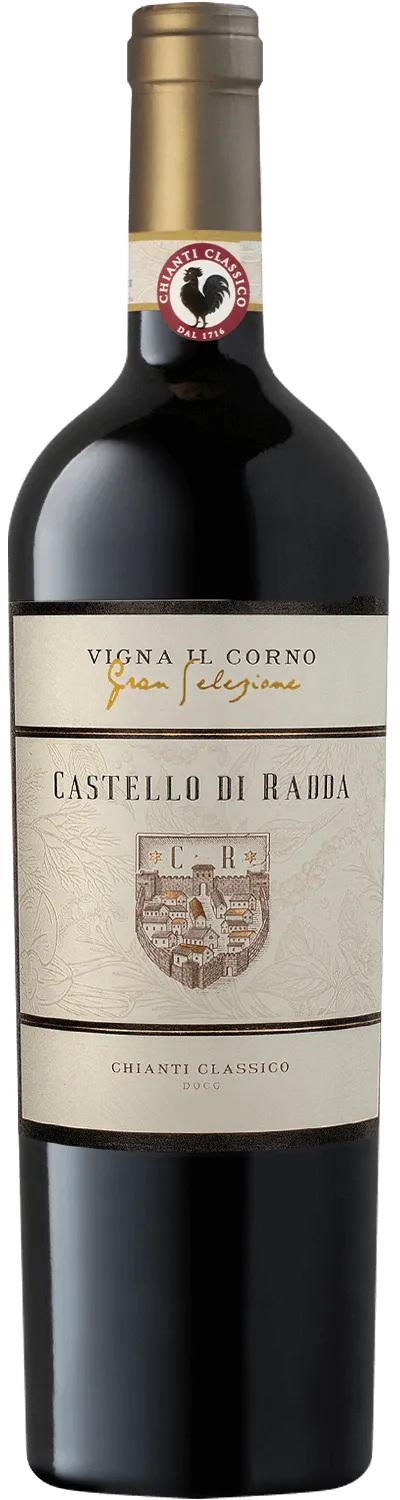
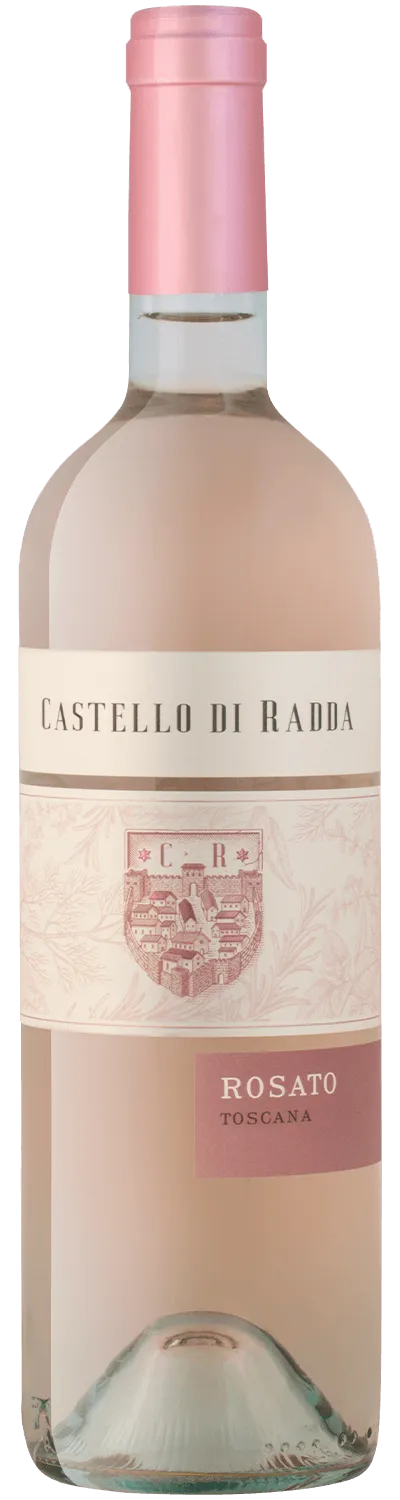
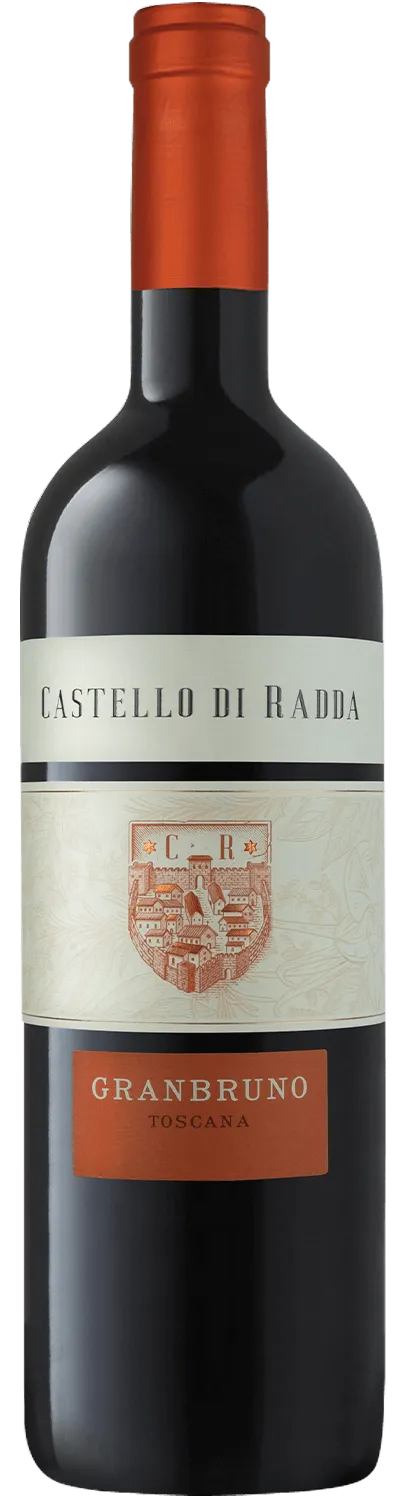
The range extends from the Chianti Classico DOCG to the Riserva and the Gran Selezione Vigna il Corno – the single-vineyard wine from the eponymous parcel. In addition, there is the Granbruno as an IGT cuvée, a Rosato made from Sangiovese, and a Vin Santo Occhio di Pernice. The wines share a common style: vibrant acidity, fine-grained tannins, floral and spicy aromas that clearly ring of Sangiovese and the cool Radda terroir – not international appeal, but origin that shows in the glass. Serving temperature: 16–18 °C. The Chianti Classico wines pair well with Bistecca alla Fiorentina, wild boar sauce on wide noodles, aged Pecorino, or a hearty tomato sugo with Tuscan herbs.