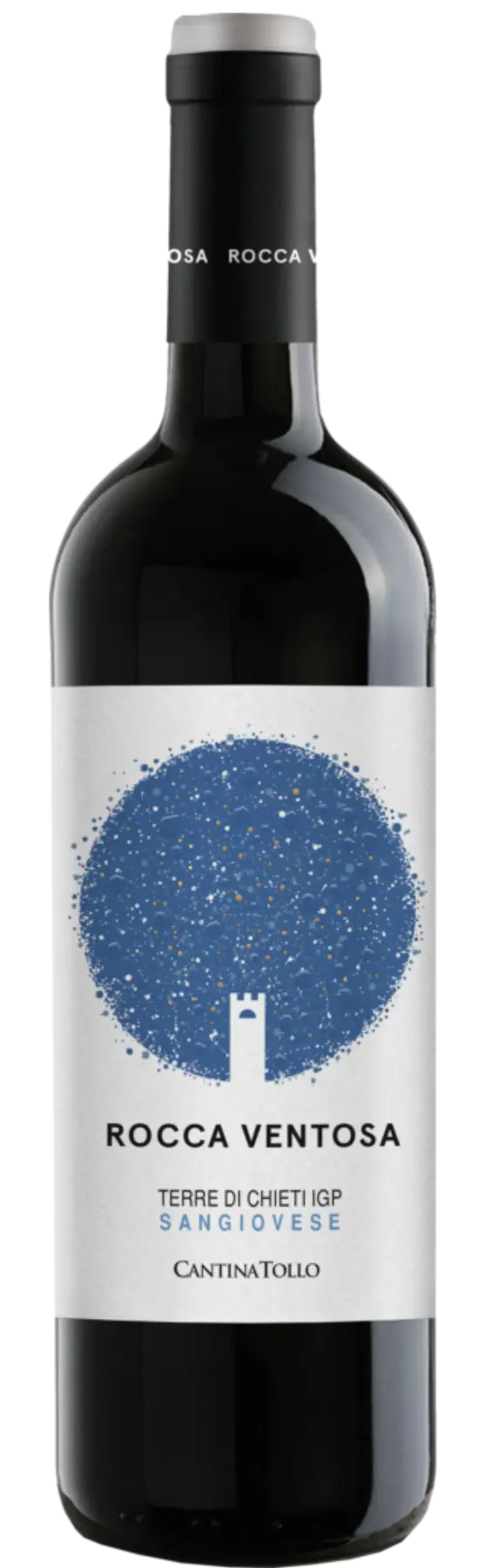
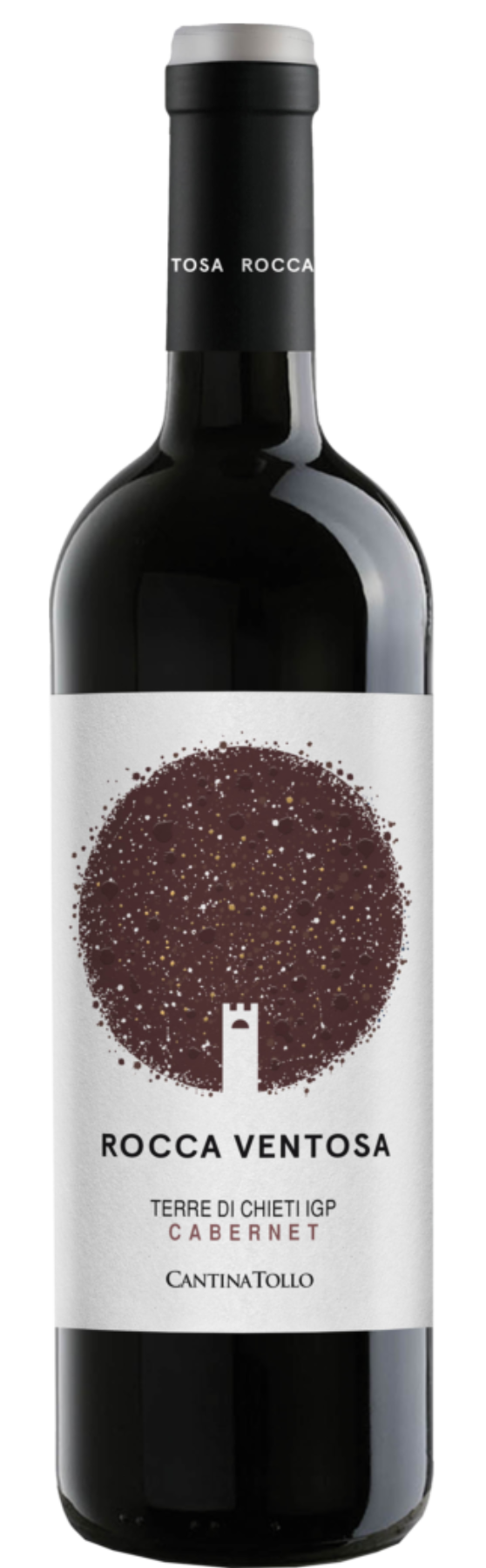
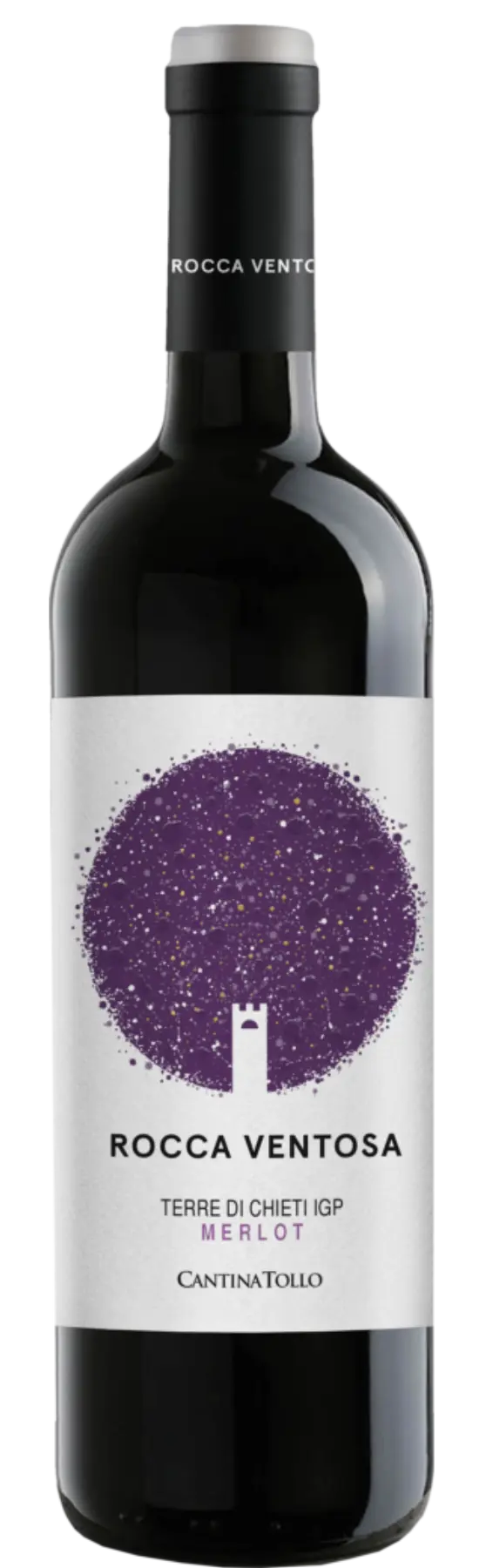
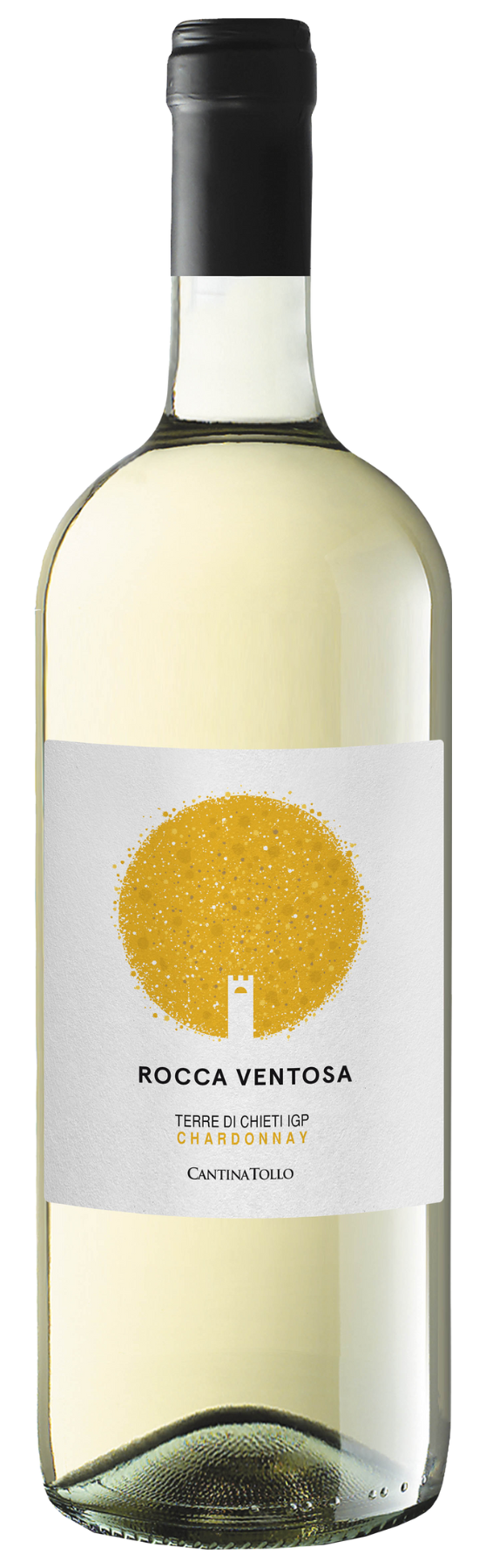
1960: A cooperative against rural exodus
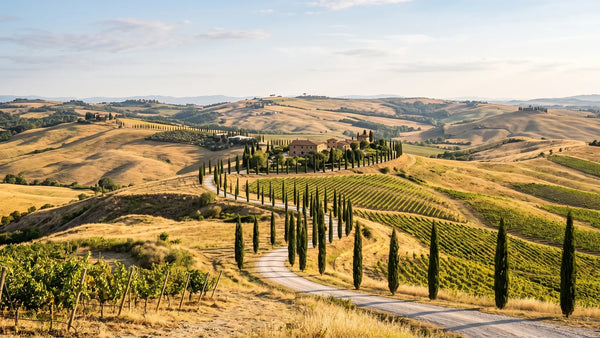
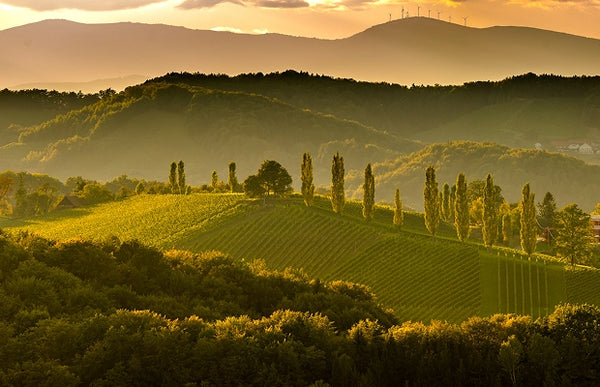
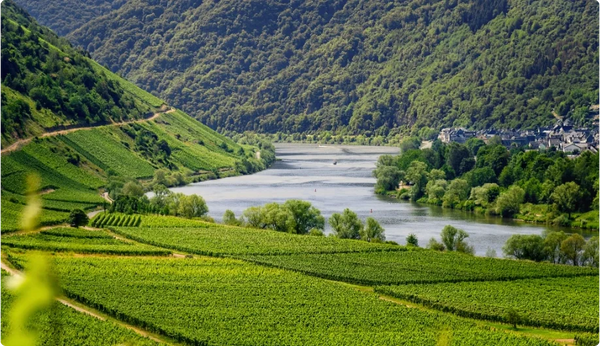
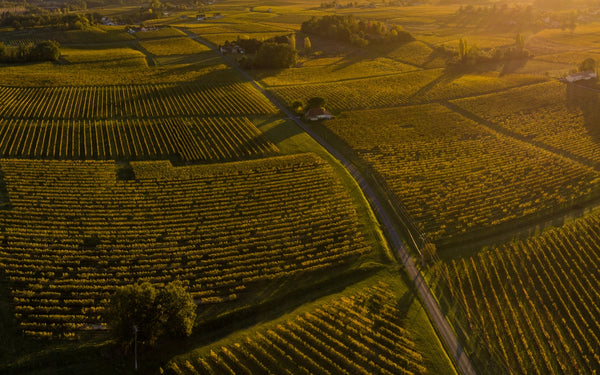
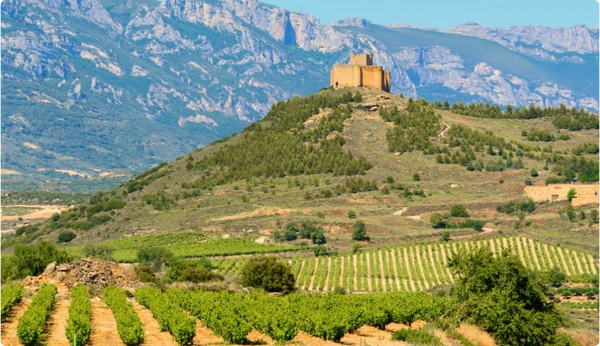
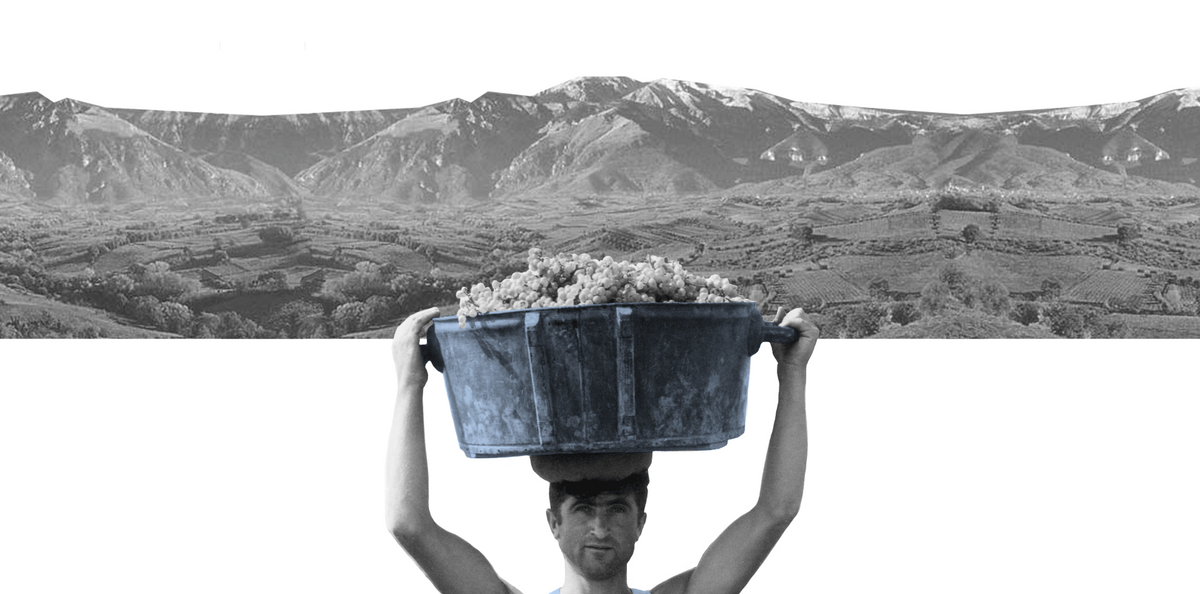
When the Abruzzo region was marked by migration after the Second World War and entire villages were emptying, some winemaker families remained in Tollo. In 1960, they founded Cantina Tollo together — not just as an economic project, but as a collective act to save a wine-growing region. Tollo is located in the province of Chieti, about 20 kilometers from Pescara, on a hill between the Adriatic coast and the Maiella massif of the Apennines. This geographical location — sea air meets mountain climate — still shapes the character of the wines today. The self-help cooperative of that time has become one of Italy's best-known cooperatives, which today unites around 700 member families who together cultivate around 2,500 hectares of vineyards.
In the 1960s and 70s, Cantina Tollo played a leading role in the development of modern viticulture in the Abruzzo. In 2004, the group founded Feudo Antico — on the site of an ancient Roman villa — an independent winery with a focus on the Tullum DOCG, one of the smallest and youngest denominations in Italy. Since 2019, Auramadre has also been part of the group, a 200-hectare project with a focus on biodynamic cultivation from several regions.
Quality instead of kilos: the Vigneto Avanzato model
The heart of the working method is the Vigneto Avanzato program, which the cooperative has been operating for more than two decades: instead of paying based on the weight delivered, members receive remuneration based on the cultivated hectare area. The model systematically sets incentives for quality instead of quantity and stabilizes the income of the grower families even in difficult vintages. Satellite monitoring, soil mapping and precision viticulture are part of this approach.
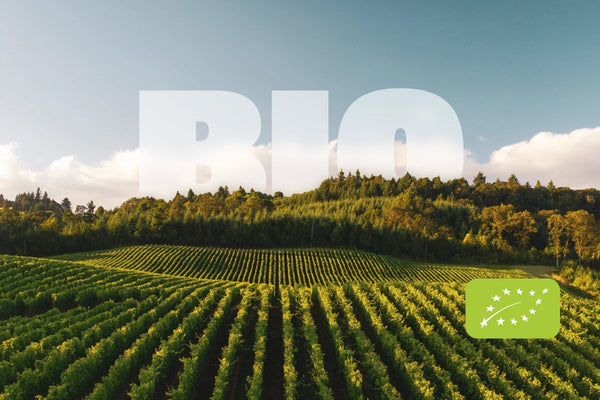
Sustainability is not just a commitment on the label: Cantina Tollo began organic farming as early as the 1990s — at a time when this was hardly a topic in the region. In 2022, the cooperative received the Equalitas certification, which evaluates ecological, economic and social sustainability standards along the entire production chain. In addition, there is the ISO 14001 certification for environmental management and a vegan certification for the organic wine line since 2016. Research is also part of their self-image: in cooperation with the Experimental Institute for Viticulture in Conegliano, Cantina Tollo pushed ahead with the rediscovery of the almost forgotten autochthonous grape variety Maiolica and planted the first vines in Tollo in 2019.
Montepulciano as the core, variety as the program
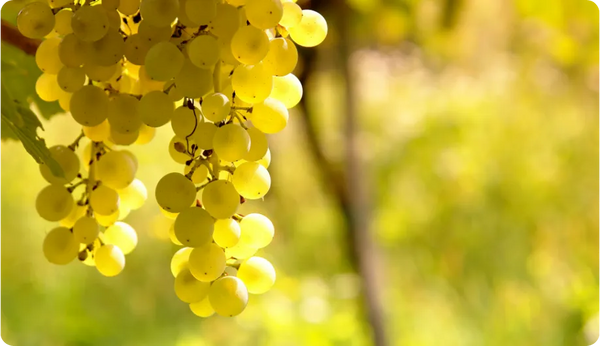
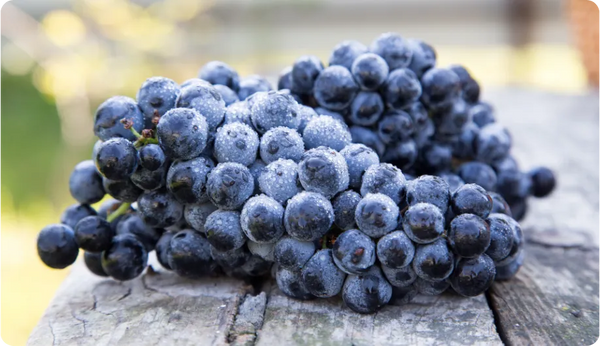
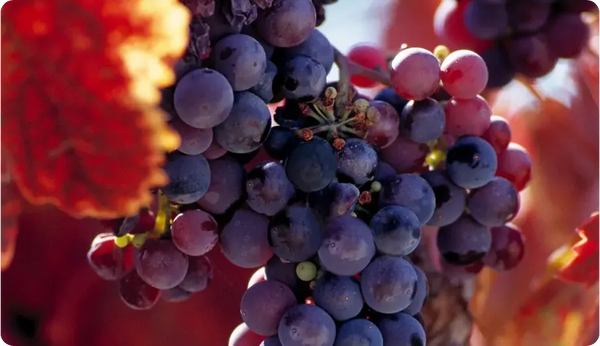
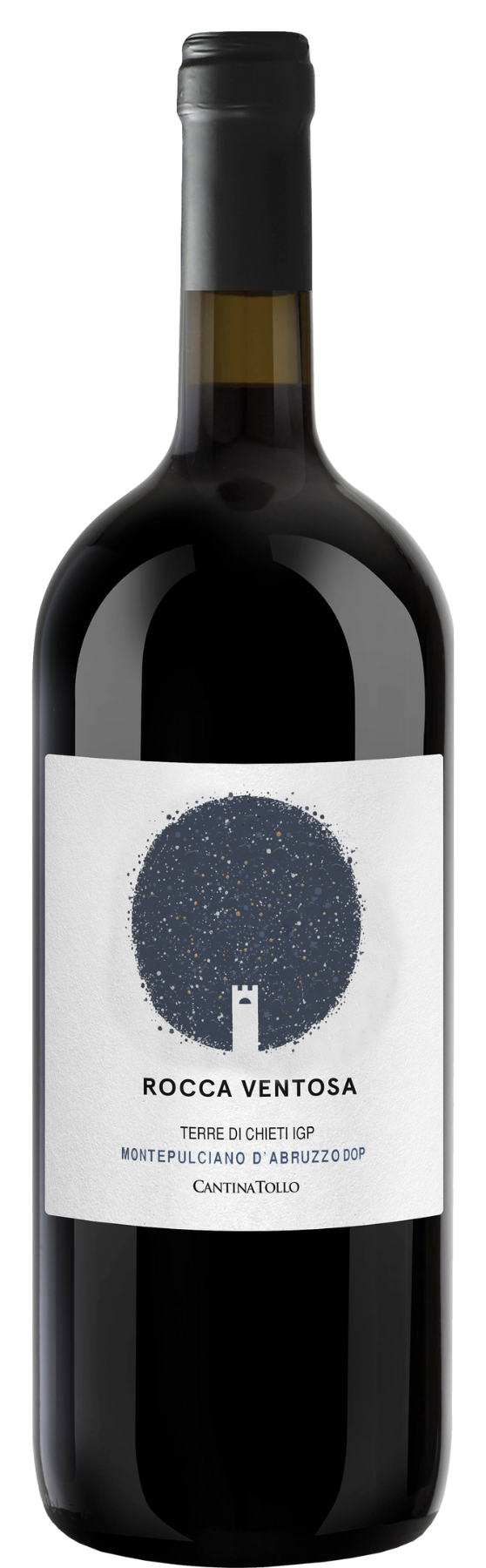
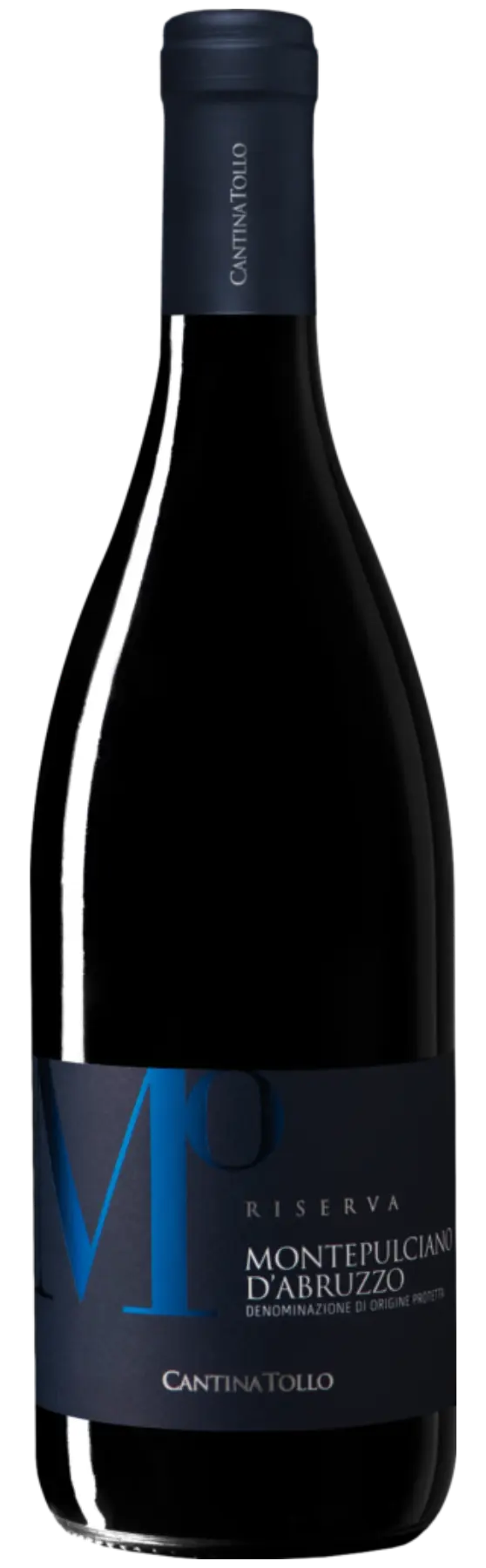
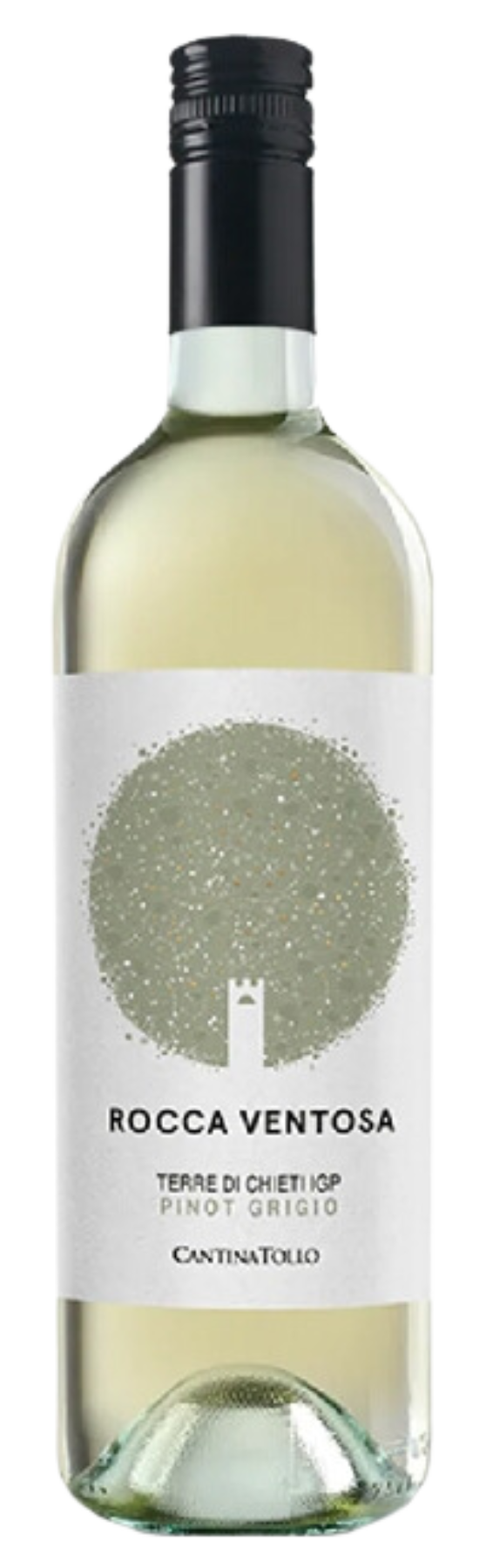
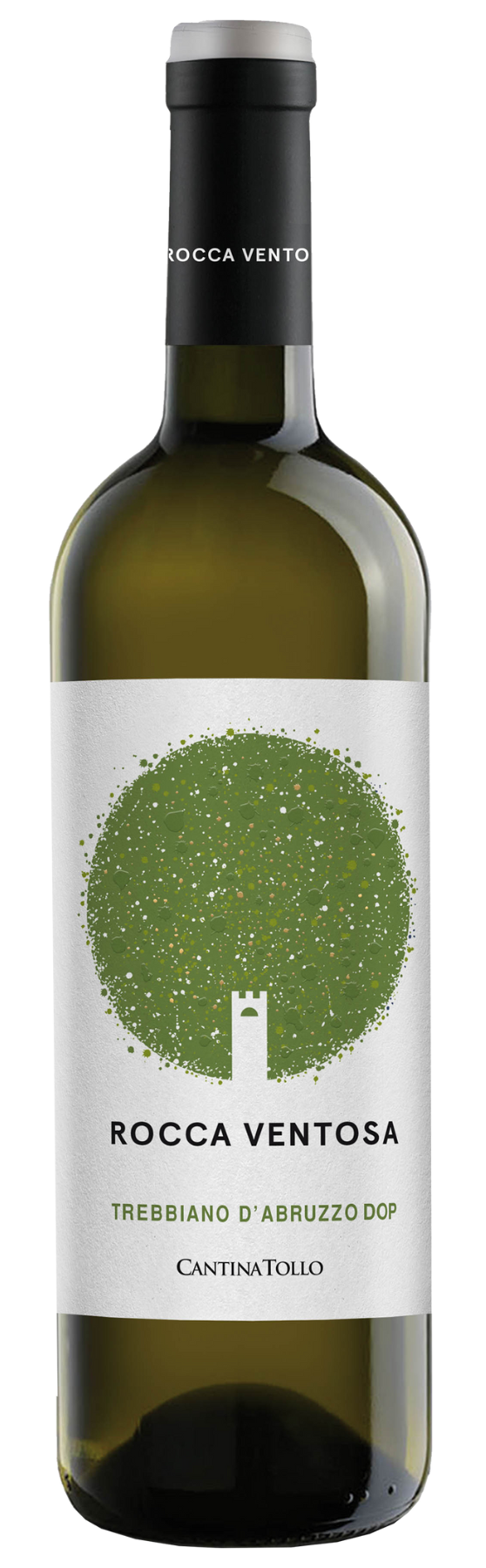
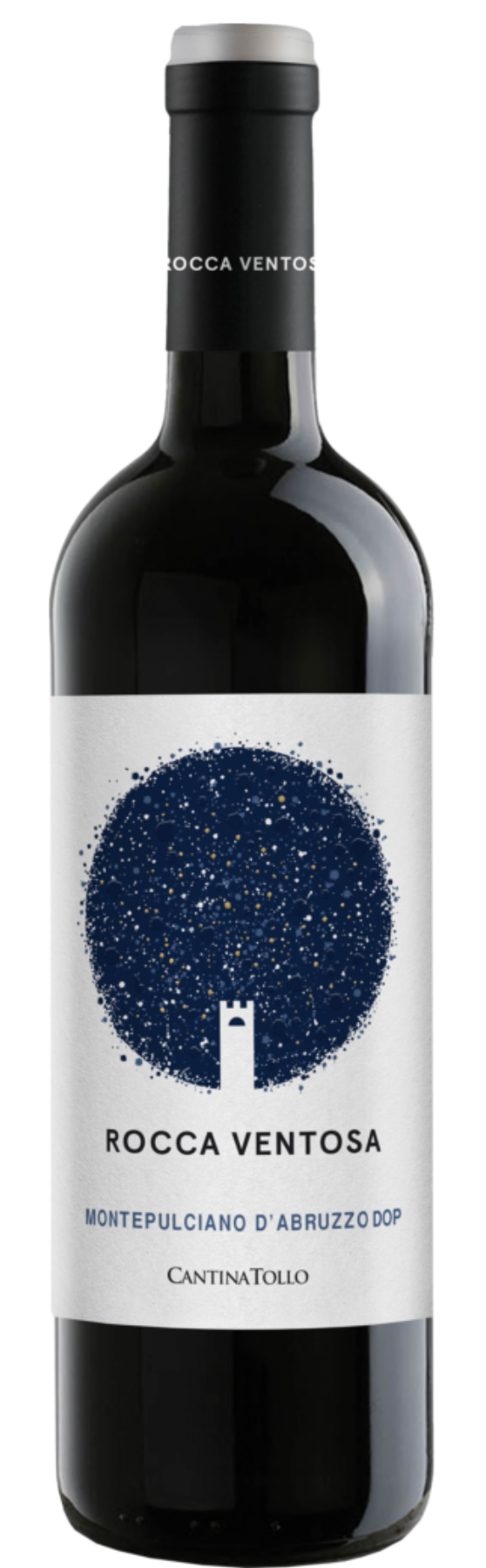
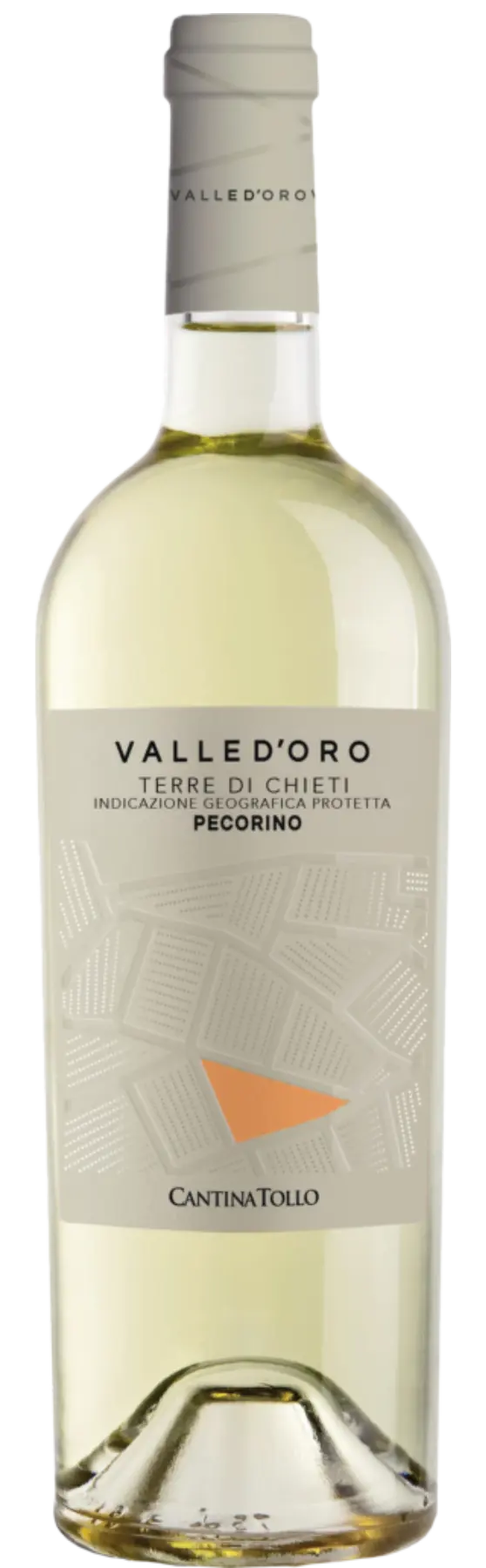
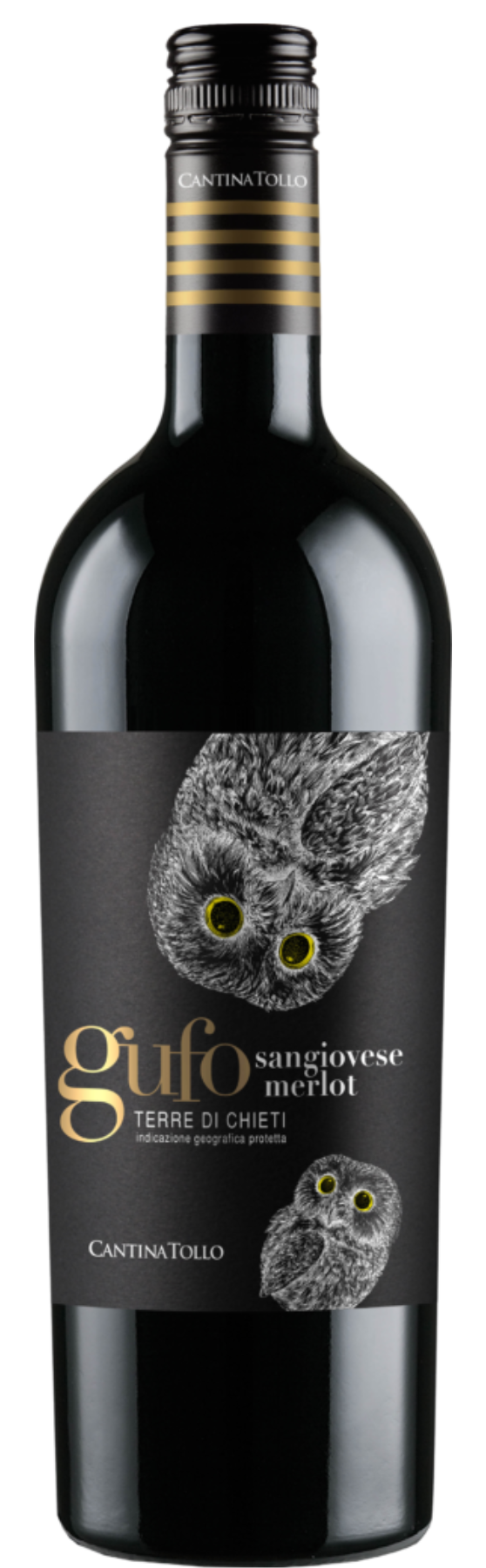
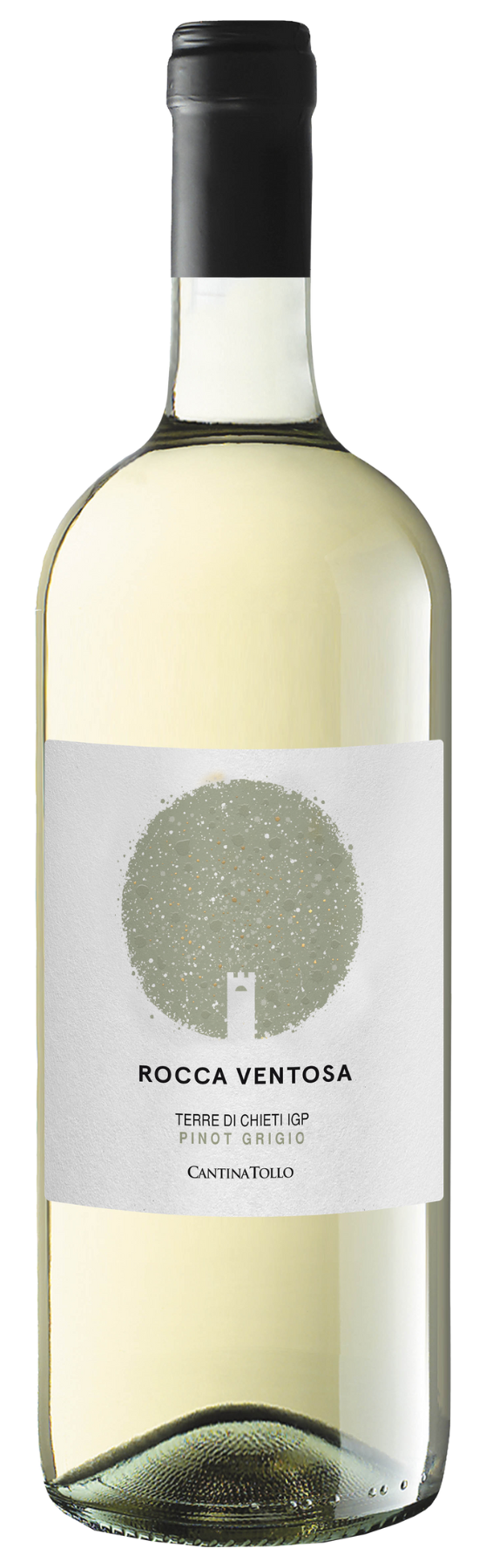
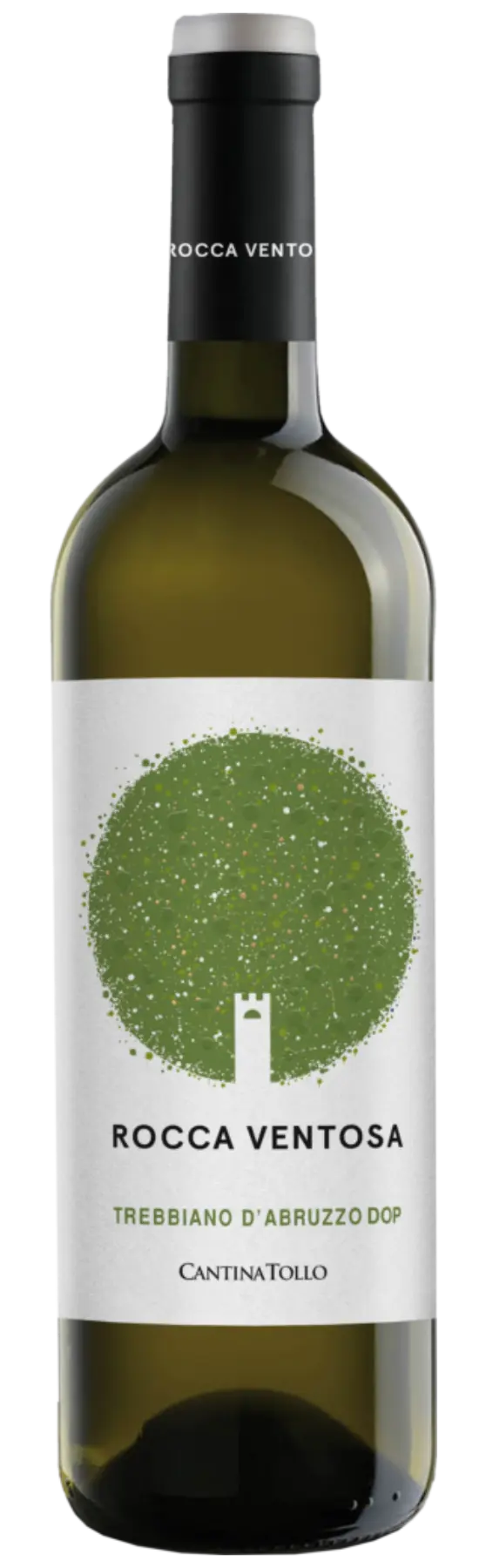
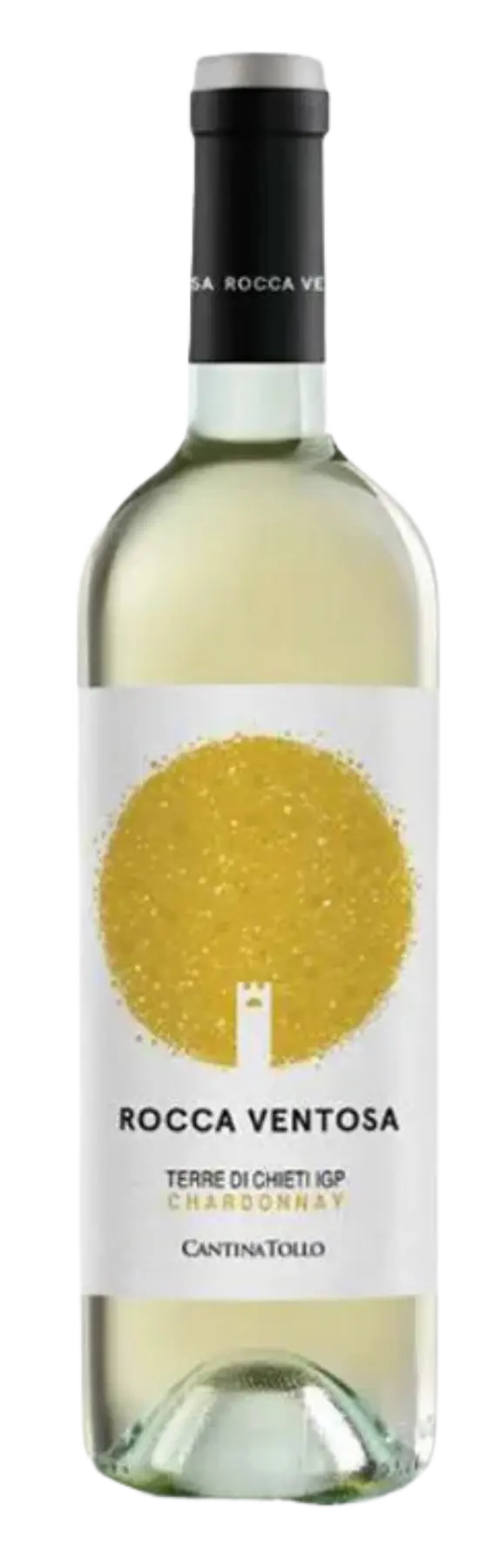
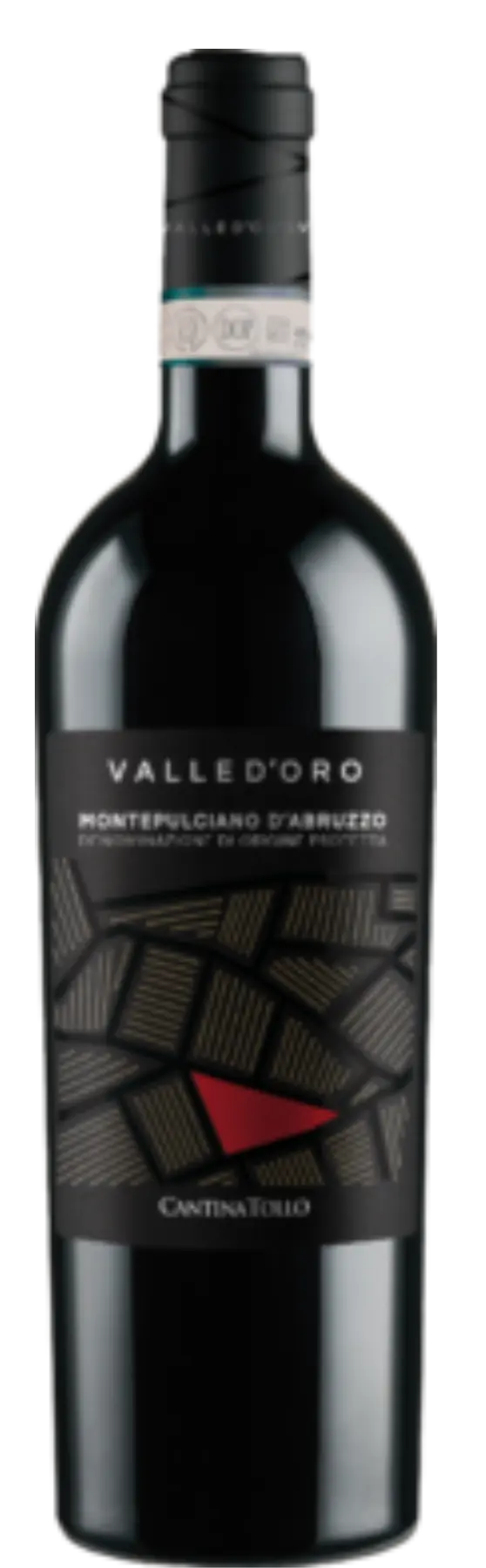
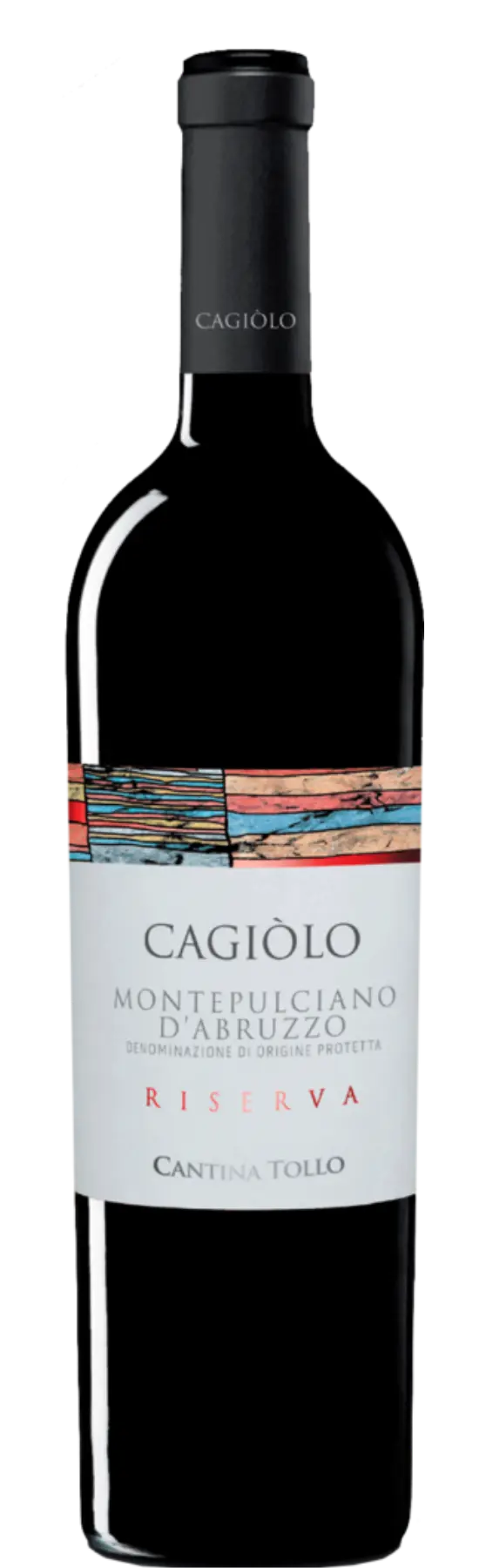
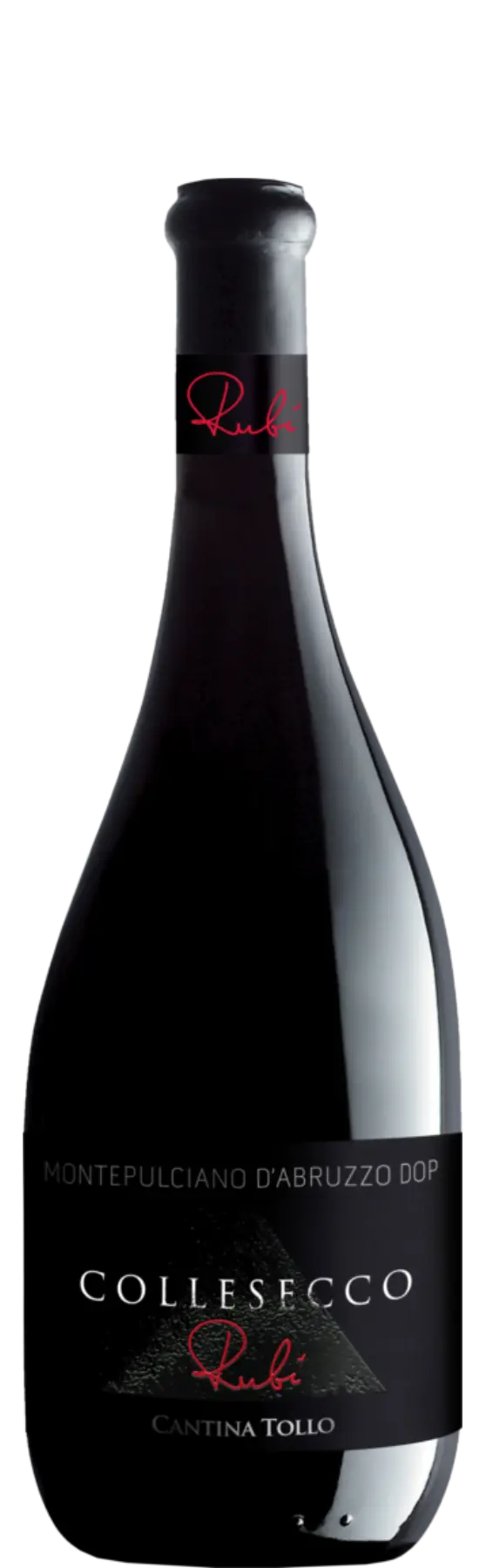
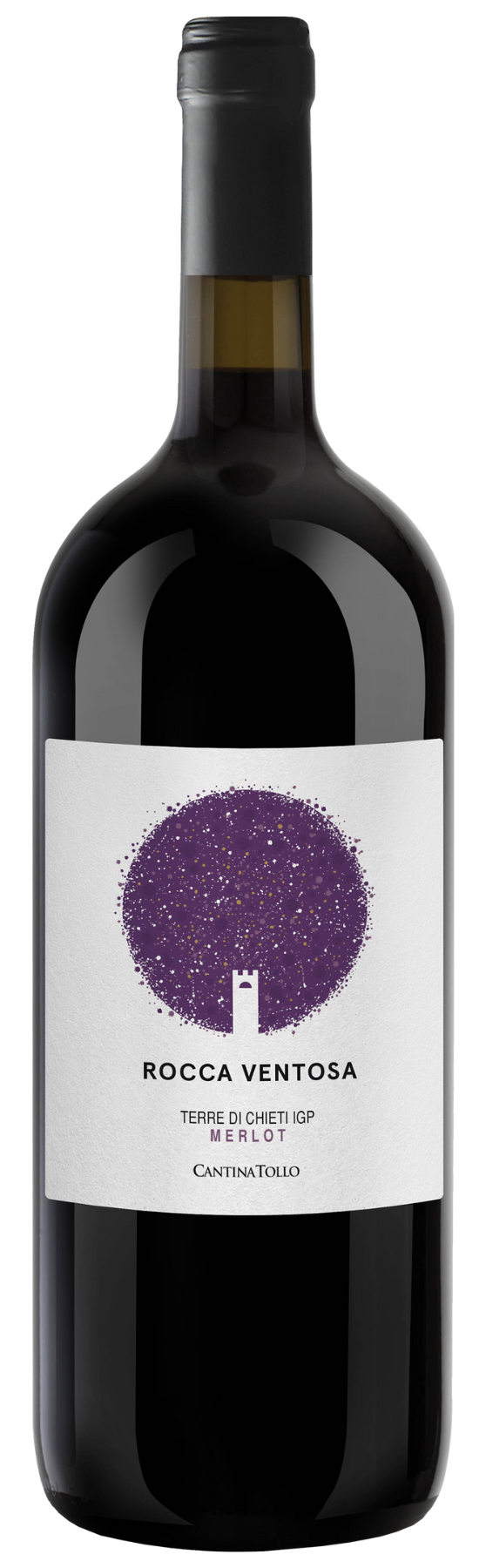
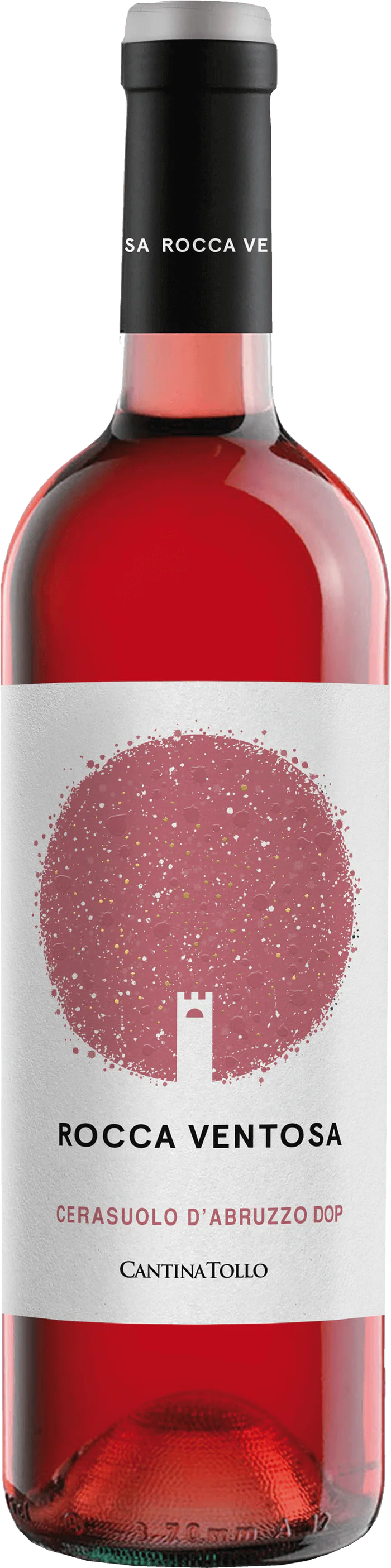
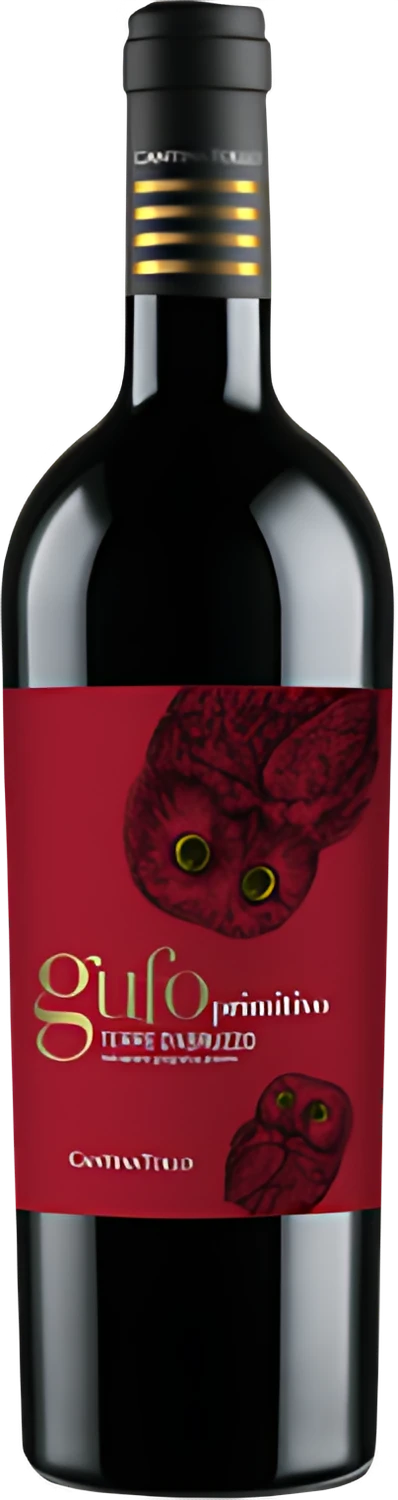
The range is based on the classic grape varieties of the Abruzzo: Montepulciano d'Abruzzo as a powerful red wine base, plus Cerasuolo d'Abruzzo as a characterful rosé, Trebbiano and Chardonnay for the white lines as well as Pecorino and Passerina as autochthonous white wine varieties. The hills between the Adriatic and the Apennines provide the climatic conditions: mild summers, distinct day-night temperature fluctuations, loamy-calcareous soils with good aeration — all conducive to ripeness and freshness in the glass. Within the range, the lines span a wide arc: from accessible everyday wines like the Colle Secco to the aged Riserva wines like Cagiolo and Mo, which bring more cellar time and depth. The wines are exported to over 40 countries.