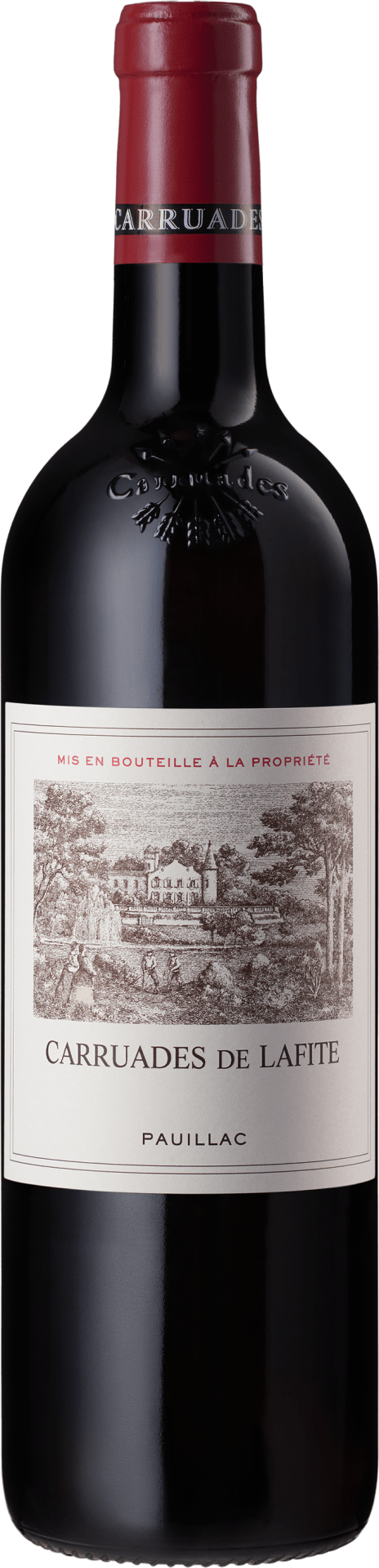
Cabernet Franc at Vinoscout: Elegance between Bordeaux, the Loire, and Tuscany
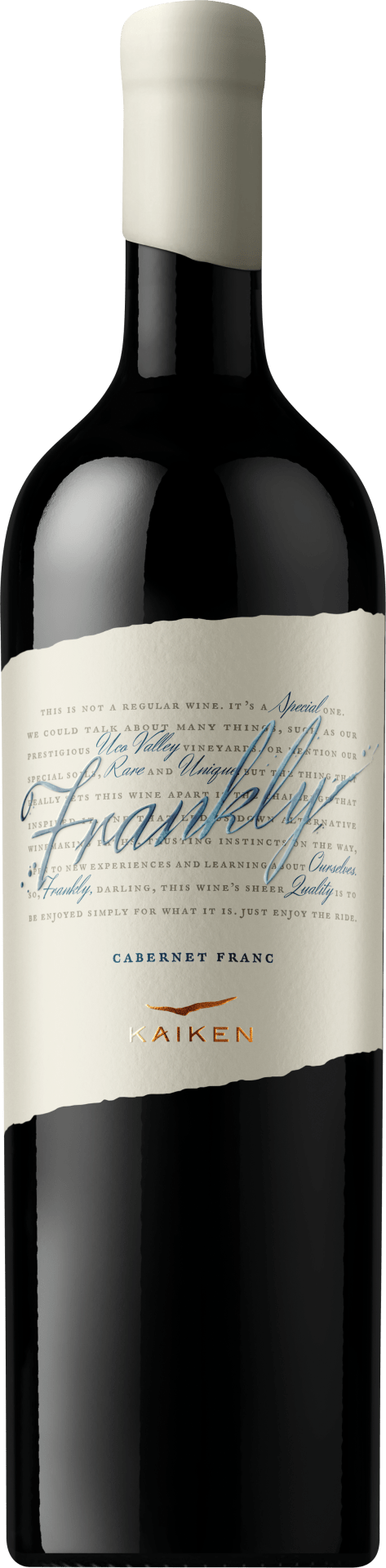
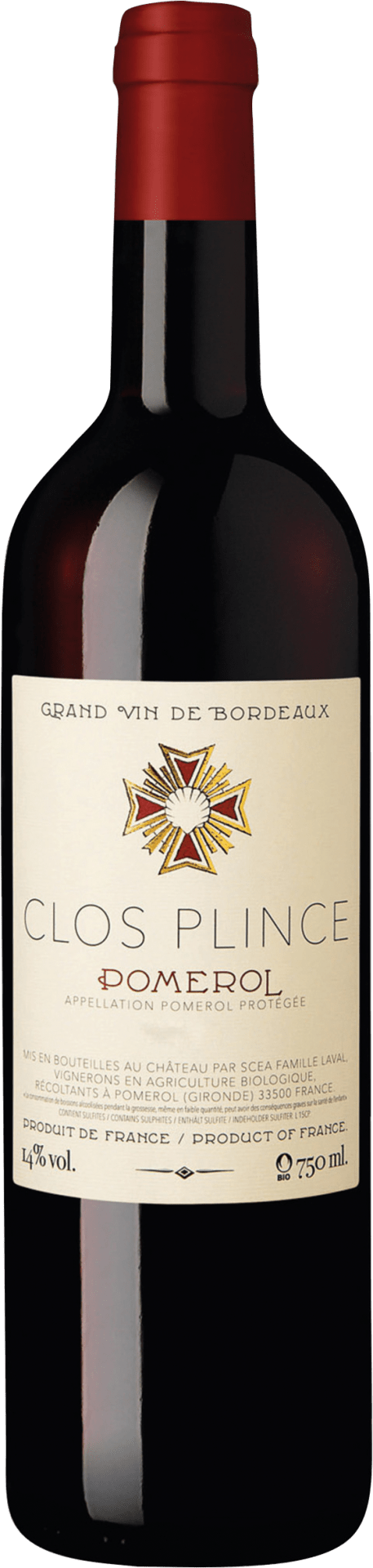
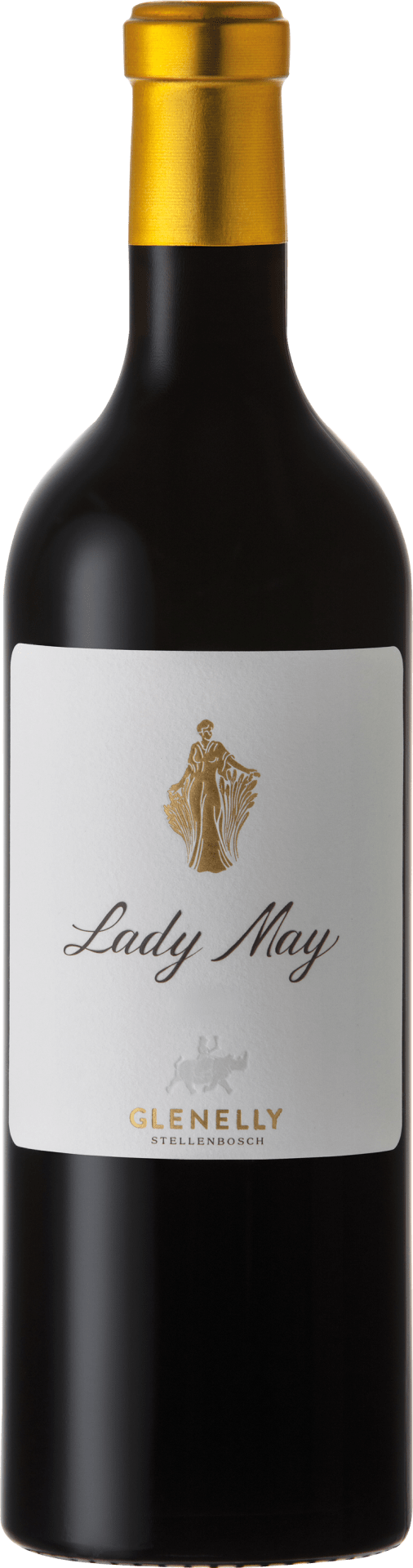
This collection brings together over 100 wines that feature Cabernet Franc as the main variety or as a defining part of the blend. Most come from France and Italy, with additional wines from the United States, South Africa, Austria, and Argentina. The spectrum ranges from uncomplicated red wine to Bordeaux classics aged in barriques.
Style & Taste
Cabernet Franc is a red grape variety with a leaner body and fresher acidity than its relative, Cabernet Sauvignon. In the glass, it displays red fruits such as raspberry and strawberry. These are joined by notes of violets, bell pepper, and a hint of tobacco. The tannins are usually finer than those of many other red wines.
The style is primarily determined by the aging process. In steel tanks, the wine remains fruity, taut, and straightforward. In barriques, it gains spice, more structure, and a darker fruit profile. The climate also shapes it: cooler sites emphasize freshness and herbal notes, while warmer regions produce riper, fuller wines.
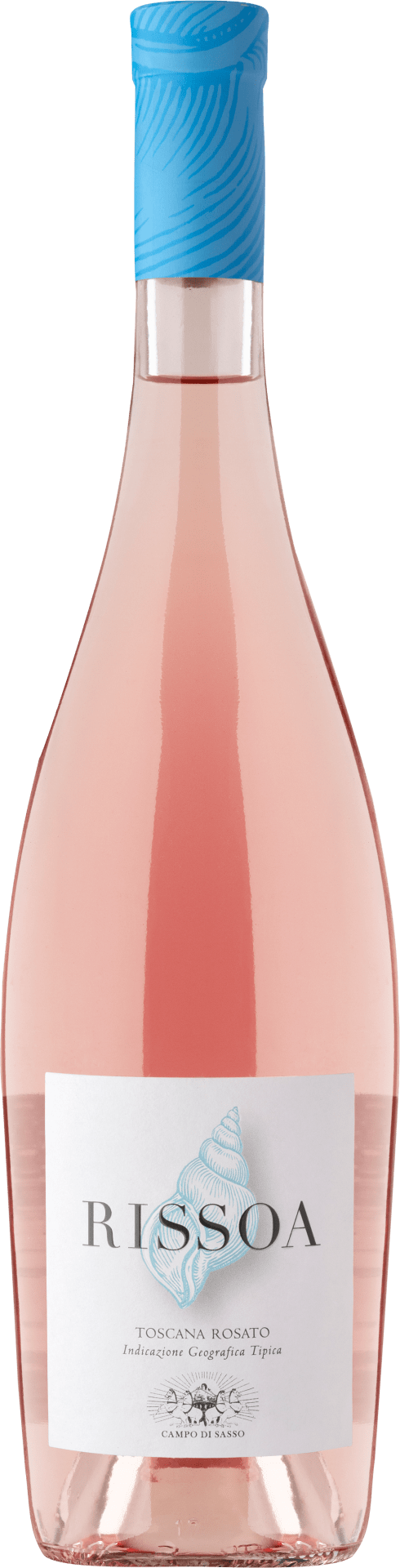
In addition to the red wines, the collection includes individual rosé wines, Champagnes, and grappa. The alcohol content ranges between 11 and 45% vol. Most wines are dry, while the sparkling wines are produced as Brut.
Which Cabernet Franc suits whom
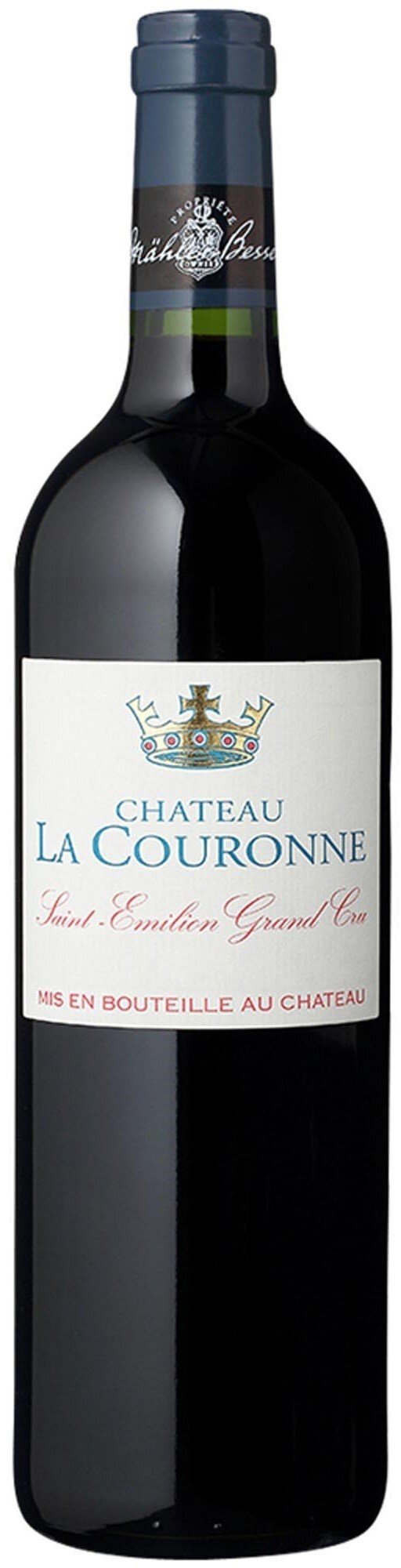
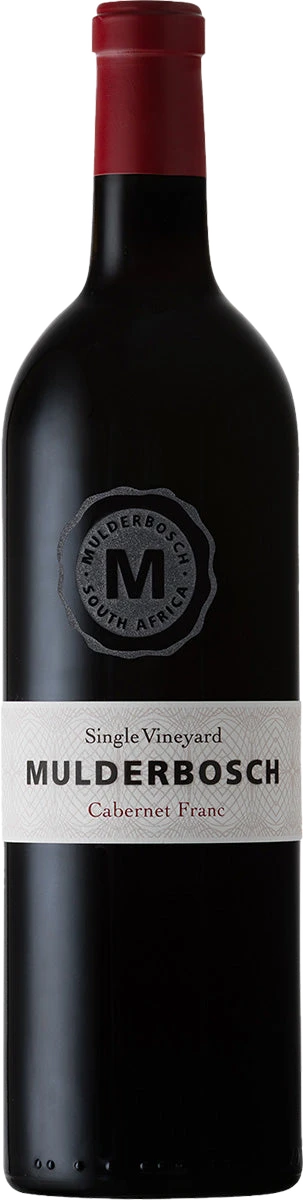
Entry-level (under €50): This level is suitable if you want to get to know Cabernet Franc or are looking for a reliable red wine for everyday enjoyment. About a third of the assortment is in this category. Origins range from Bordeaux to Tuscany and Burgenland, all the way to the Loire Valley. The designations include Qualitätswein, AOC, and IGT. Aging takes place in steel tanks or barriques, with individual products also using bottle fermentation. Producers such as Seegut Lentsch, Mulderbosch, Château La Couronne, and Petra define this level.
Mid-range (€50–€175): This level is aimed at those who want more origin and depth in their glass. About a third of the assortment belongs here. The focus is on Bordeaux, Margaux, Tuscany, and South Australia. The wines carry AOC, AOP, or IGT designations. Both barriques and steel tanks are represented. Names like Château Gombaude-Guillot, Henschke, Château Malescot Saint-Exupéry, and Château Branaire-Ducru stand for this class.
Premium (from €175): This level is intended for special occasions, gifts, and collectors. About a third of the assortment is in this category. The wines come from Bordeaux, Saint-Émilion, Tuscany, and the Napa Valley. The designations are AOC, DOC, and IGT. Aging usually takes place in barriques or wood. Producers such as Ornellaia, Biserno, Château Quintus, and Silver Oak Cellars define this level.
Origin & Subcategories
France is the home of Cabernet Franc. In Bordeaux, it is part of classic blends; in the Loire, it often takes center stage. The France collection bundles these wines, and the selection from Bordeaux can be found separately.
Italy is the second major origin. In Tuscany, including Bolgheri, powerful wines with Cabernet Franc are created. Browse through Italy, Tuscany, and Bolgheri.
Other countries show different facets of the variety. From the United States come wines from the Napa Valley, from South Africa those from the Western Cape and Stellenbosch. Additionally, there is Austria with Burgenland and Argentina. The matching collections are United States, South Africa, Austria, Burgenland, and Argentina. About 7% of the assortment comes from organic farming.
Pairs with
Cabernet Franc pairs well with meat, especially beef, lamb, and game. Grilled and braised dishes also harmonize well with the fruit and fine tannins. Herbs and spices in the dish pick up on the wine's spicy notes.
The variety also works well with cheese, especially hard cheese. For a social evening, the entry-level and mid-range wines are suitable. The premium wines belong on the table when you are planning a special meal.