From "Vuilplasie" to Stellenbosch icon
Mulderbosch began in 1989 with an unlikely story: Larry Jacobs and Mike Dobrovic bought a dilapidated fruit farm in the Polkadraai Hills on the western edge of Stellenbosch, which in Afrikaans is simply called "Vuilplasie" – dirty little farm. Behind the name lies a piece of land that had lain fallow for almost a century, without any experience in viticulture. The two founders got started, clearing, planting, and building a cellar. Jacobs chose the name Mulderbosch in honor of his co-founder Frederick Mulder, who died young. The first 1992 vintage immediately garnered international attention – a start that set the winery on a development path from which it has not deviated since.
After several changes of ownership – Hydro Holdings in 1996, the Californian investment vehicle Terroir Capital of Charles Banks in 2011 – Mulderbosch has belonged to the investor group Third Leaf Wines since the end of 2018. Each change brought new cellar masters and impulses without diluting the identity of the winery. Since mid-2020, Henry Kotzé has been responsible for winemaking; he grew up in Stellenbosch, studied oenology there, and knows the region's single vineyards from decades of practice.
Terroir, craftsmanship, and certifications
The vineyards are located in the Stellenboschkloof valley, about 14 kilometers from False Bay. The Atlantic sends cool afternoon winds that slow down ripening and preserve the acidity structure of the grapes. Among the vines, one encounters a mosaic of Malmesbury shale, Table Mountain sandstone, sand duplex, and weathered granite – soils that give each vine its own possibility of expression. Meticulous handpicking and consistent canopy management are standard in the vineyard.
In the cellar, Mulderbosch works with temperature-controlled stainless steel tanks as well as 500-liter wooden barrels for selected wines. In addition, the winery sources grapes from a small circle of carefully selected partner winemakers who share the same philosophy: returning soils to balance, leaving most of the work to nature. Mulderbosch is IPW and WIETA accredited – two South African certifications for viticulture. Practically all wines bear the "Wine of Origin Stellenbosch" seal. In addition, there is an active commitment within the framework of the Biodiversity and Wine Initiative (BWI), which protects and renatures natural habitats in the overlap area of the Cape region.
Chenin Blanc, Cabernet Franc, and the principle of terroir loyalty
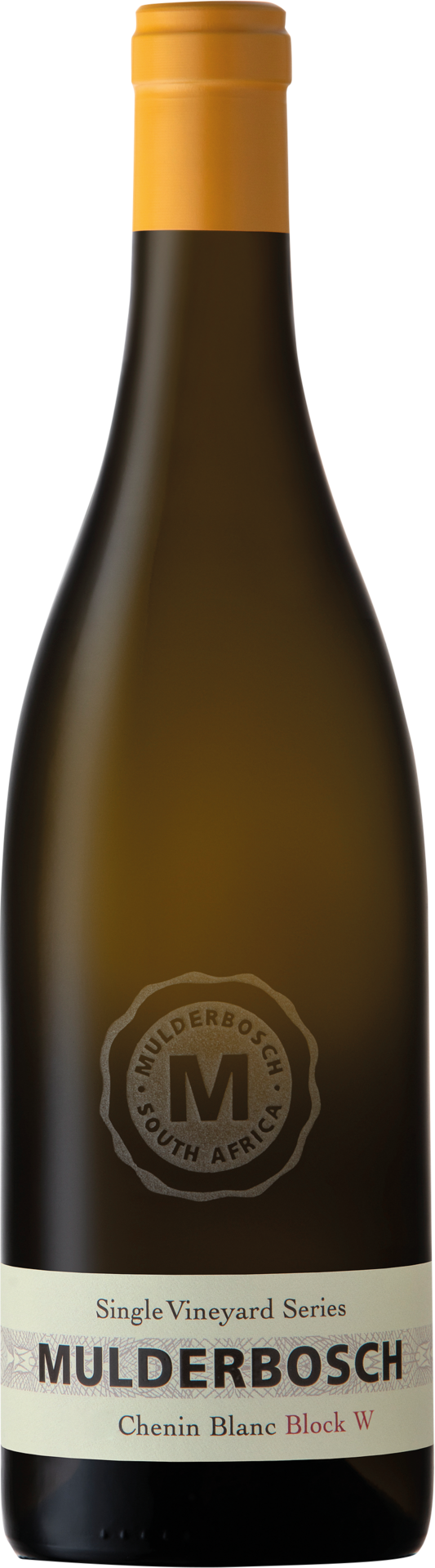
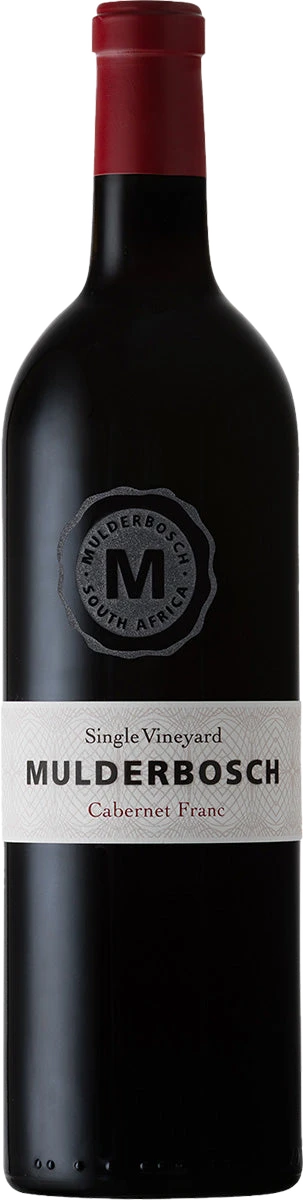
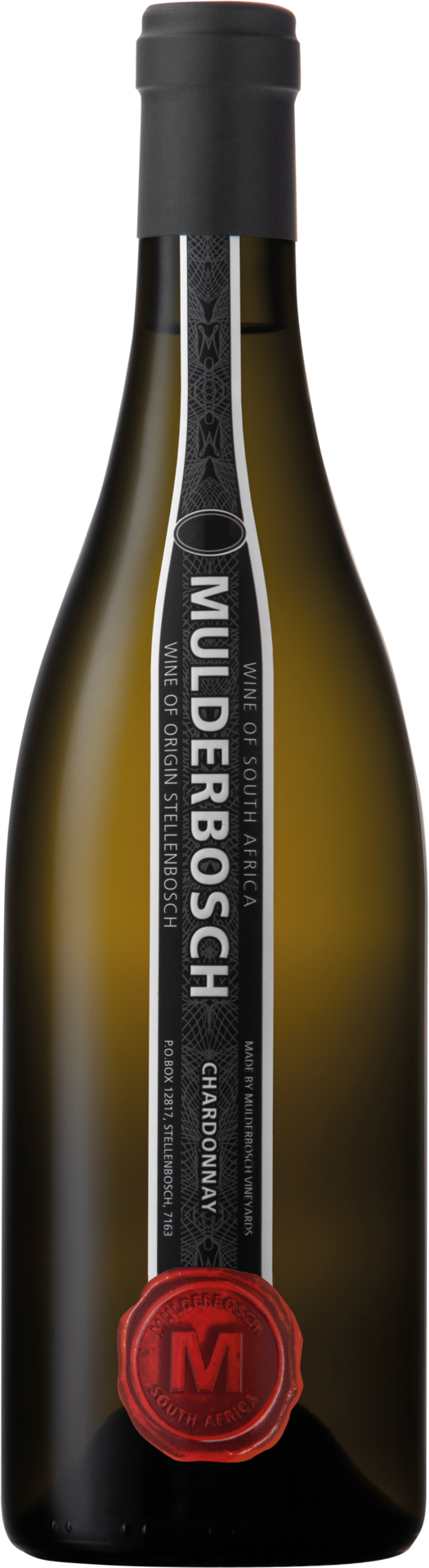
The Mulderbosch range spans from Chenin Blanc and Chardonnay to Cabernet Franc and Bordeaux cuvées. The Chenin Blanc deserves special attention: Mulderbosch was one of the first wineries in the Cape to recognize the potential of this grape variety and was already aging it in barriques in the 1990s. The "Steen op Hout" line is exemplary of this – Steen is the historical South African name for Chenin Blanc, "op Hout" refers to the wood aging. With the "Old Vine Steen op Hout," grapes from old vines are added, which provide a more concentrated, deeper fruit. The Chardonnay is fermented and aged in barrels, the Cabernet Franc shows the cooler, herbal-floral side of this Bordeaux grape variety, as Stellenbosch masters it well. The "Estate Blend" summarizes the house's skill as a cuvée. All wines are produced vegan.