From Pauillac to the foot of the Simonsberg: the story of May de Lencquesaing
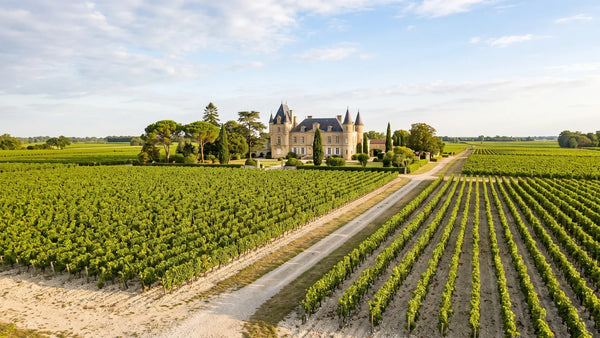
The land on which Glenelly Estate stands today has a long history with France. Simon van der Stel, Governor of the Cape region, granted the property in Ida's Valley to the French Huguenot François Villon in 1682. A good 320 years later, another Frenchwoman continued this legacy: May-Eliane de Lencquesaing, long-time owner of Château Pichon Longueville Comtesse de Lalande, a Grand Cru Classé from Pauillac, bought the estate in 2003 — at the age of 78. She had managed the Bordeaux estate for three decades, brought it to international renown, and received the Decanter Woman of the Year Award in 1994. In 2007, she sold Pichon Lalande to Champagne Louis Roederer in order to dedicate herself entirely to Glenelly.
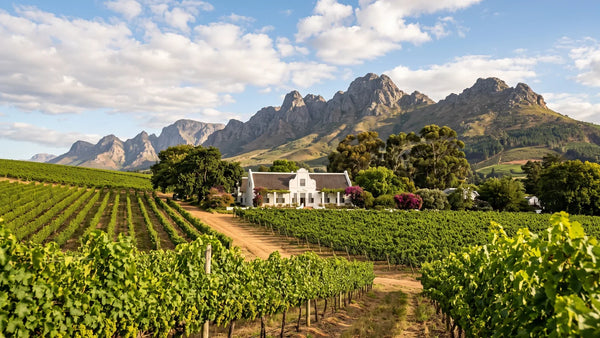
This was not a spontaneous decision: after years of searching for the right terroir outside of France, she chose the east-facing slopes at the foot of the Simonsberg in the Simonsberg-Stellenbosch ward. In 2004, she had the existing orchards replaced by vineyards — based on in-depth soil and climate studies. The first Glenelly vintage followed in 2008. Today, her grandson Nick Bureau leads the winery into the next generation together with cellar master Dirk van Zyl.
Gravity instead of pumps: working methods in the vineyard and cellar
The 123-hectare estate is located in a natural amphitheater setting with various slope orientations and altitudes between 150 and 400 meters. The predominantly east-facing plots receive gentle morning light — which slows down ripening and preserves the natural acid structure of the grapes. The soils consist of weathered yellow granite (locally called Oakleaf), which ensures small-berried, concentrated fruit. Around 60 of the total hectares are planted, with the rest reserved for olive groves, indigenous fynbos, and biodiversity areas.
In the cellar, Glenelly relies on minimal intervention: spontaneous fermentation with wild yeasts, no acidification, careful hand-picking and sorting. The winery, completed in 2009, was designed as a four-story gravity cellar — grapes and must are moved exclusively by gravity, without mechanical pumps. The building is half-embedded into an old quarry, so it is only exposed to the mild morning light. Solar panels, water recycling, and a nearly closed water cycle complement the concept. Since 2018, individual plots (including Chardonnay and Merlot) have also been farmed organically, and an active program for the restoration of indigenous fynbos vegetation is replacing invasive tree species throughout the entire operation.
Bordeaux heritage, South African expression: the range
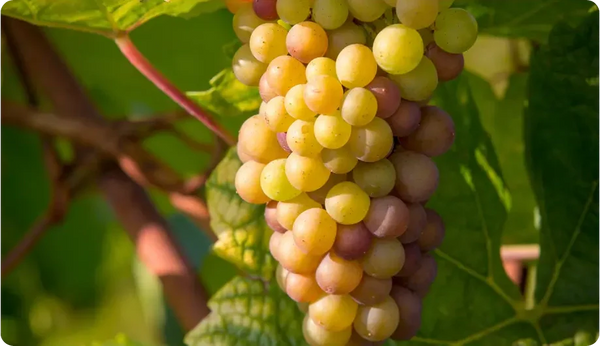
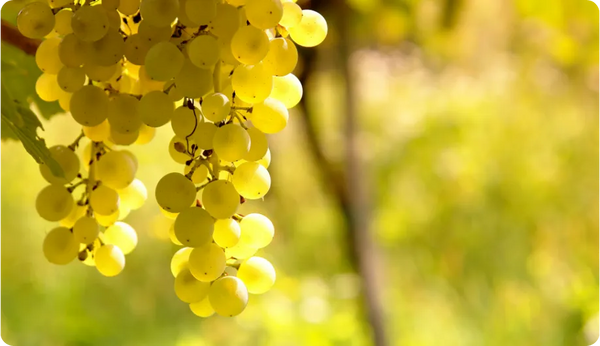
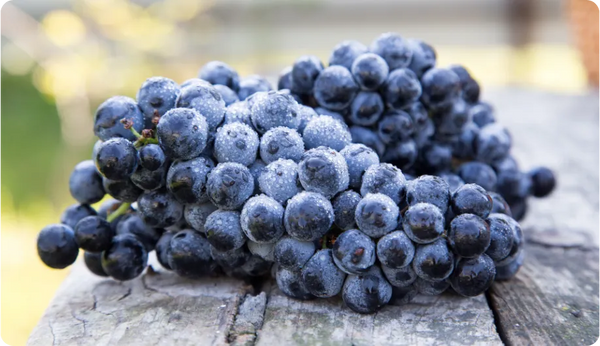
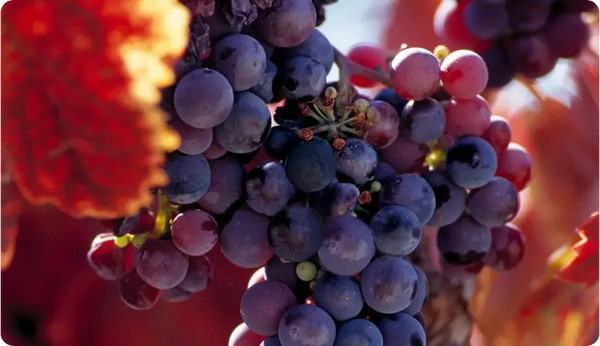
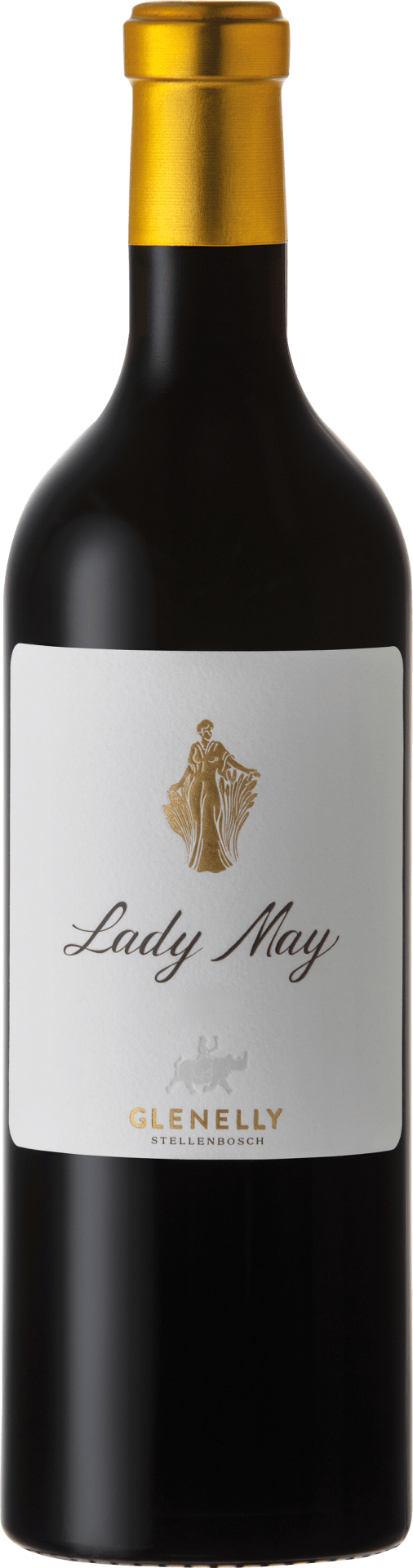
The range is divided into three lines. The flagship Lady May is a Cabernet Sauvignon-dominated Bordeaux blend, aged in French oak barrels from renowned cooperages — with a long maturation period in the cellar. The Estate Reserve line includes a matured Bordeaux blend as well as an aged Chardonnay: wines with structure and depth that are nevertheless accessible. The third line, the Glass Collection, is dedicated to May de Lencquesaing's passion for historical glass — unaged, varietal wines with a focus on fruit expression and freshness. The main varieties grown are Cabernet Sauvignon, Syrah, Merlot, and Chardonnay, supplemented by Petit Verdot. The hillside location and the granite soil terroir shape a style that combines Bordeaux structure with the sun-warmth of Stellenbosch: taut acidity, dense tannins, and a long, precise finish.