From pilgrim house to the heart of Pomerol
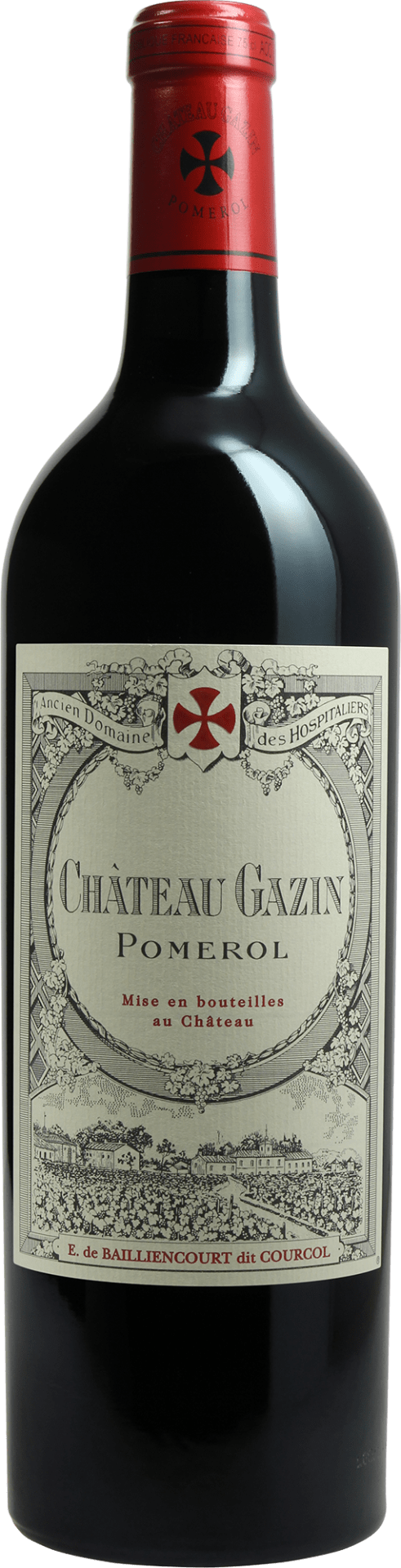
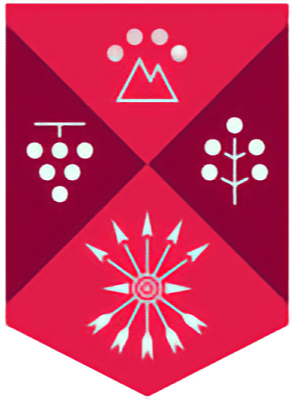
The history of Château Gazin dates back to the 12th century: on the current winery site, the Knights of the Order of St. John built a hospital that offered protection to pilgrims on their way to Santiago de Compostela. This origin is not a museum detail — it is still visible today in the name of the second wine, L'Hospitalet de Gazin, and in the estate's coat of arms. After the French Revolution, the property changed hands several times until Louis Soualle, the great-grandfather of the current owners, acquired Château Gazin in 1918. Since then, the estate has been managed by the de Bailliencourt dit Courcol family — one of the oldest noble families from the northern French Artois, whose history dates back to the Battle of Bouvines in 1214. Today, Nicolas and Christophe de Bailliencourt manage the estate, which, with around 26 hectares, is one of the largest in the appellation.
A vineyard in one piece — with blue clay at its core
The vineyard lies as a contiguous area on the upper terrace of the Pomerol plateau, in the northeast of the appellation, right next to Château Pétrus. The soil consists of Günzian gravel on the surface, with blue and green clay containing iron oxides underneath — so-called smectites, which give the soil a natural water-retention capacity and thus ensure consistent supply to the vines even in dry years. The altitude reaches up to 40.5 meters, the highest point in Pomerol. The grape variety portfolio reflects the appellation: 90% Merlot, supplemented by 7% Cabernet Sauvignon and 3% Cabernet Franc, with an average vine age of 35 years — the oldest vines date back to 1942.
In the vineyard, the estate relies on traditional methods: soil cultivation by plowing instead of herbicides, cover cropping, exclusive hand-harvesting, and targeted measures to protect biodiversity. The winery holds the HVE-3 certification (Haute Valeur Environnementale), the highest level of the French sustainability label. Fermentation takes place in small concrete vats, followed by malolactic fermentation in barrels. The wine then matures for about 18 months in French barriques, about 50% of which are new oak.
Pomerol in its most serious form
What Gazin shows in the glass is the classic signature of the Right Bank: dark plum, black cherry, and a spicy depth that is co-shaped by the iron content of the soil. The tannins are ripe and dense without appearing harsh — the texture velvety, the finish long. Due to the high Merlot content and aging in wood, the wines develop additional complexity over time: cedar wood, tobacco, and a slightly mineral line come to the fore. With wild boar, braised lamb shank, or a strong Comté, Gazin is a classic choice — serving temperature around 17–18 °C. The second wine, L'Hospitalet de Gazin, adopts the same style and offers a more accessible entry into the world of this house.