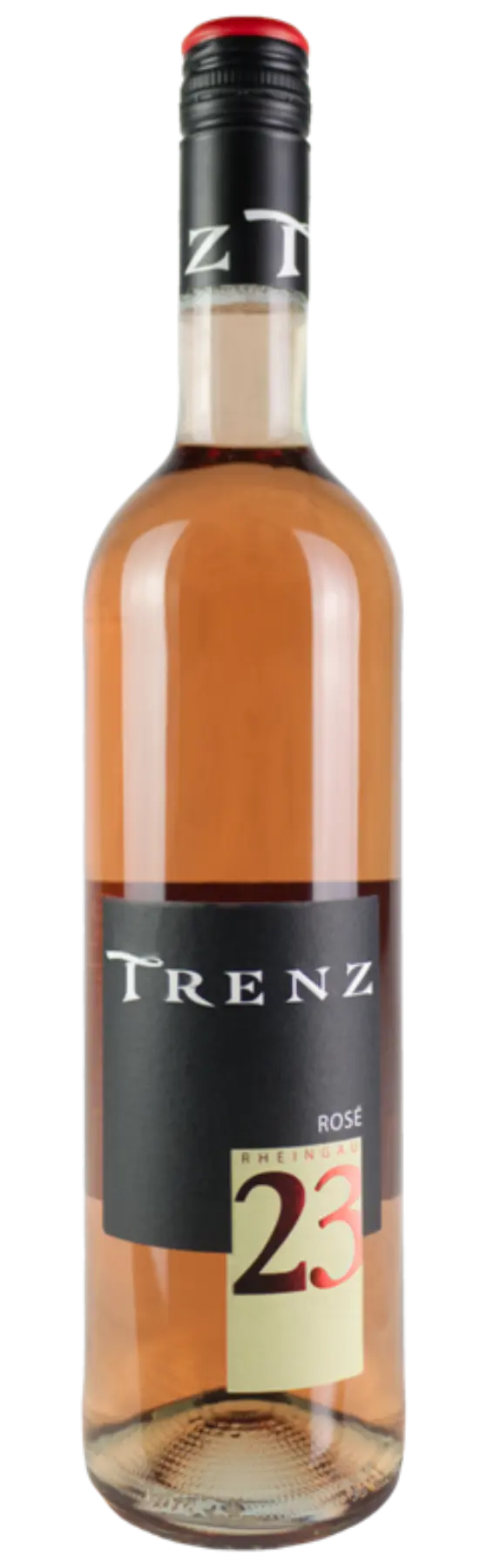
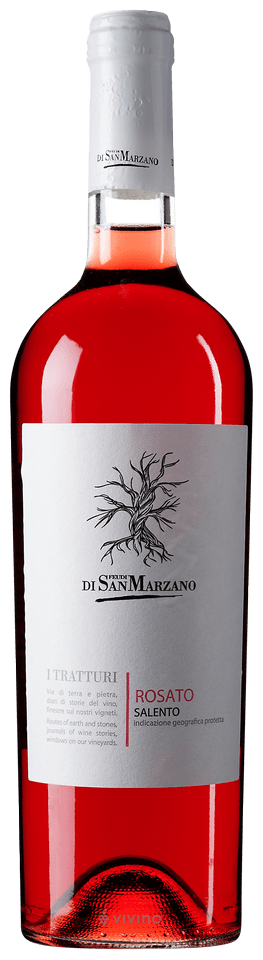
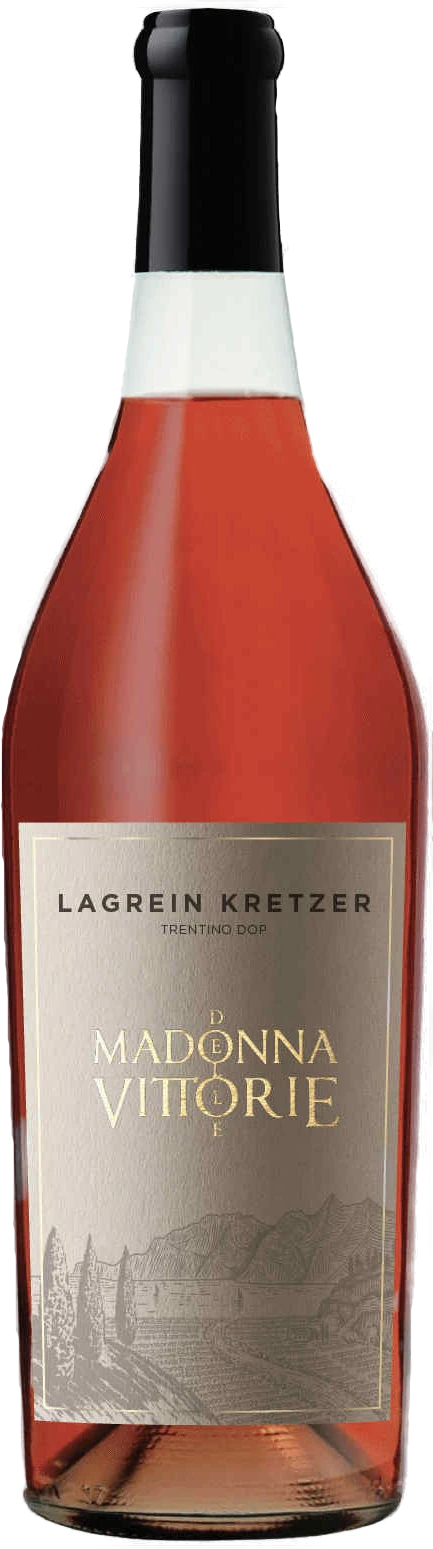
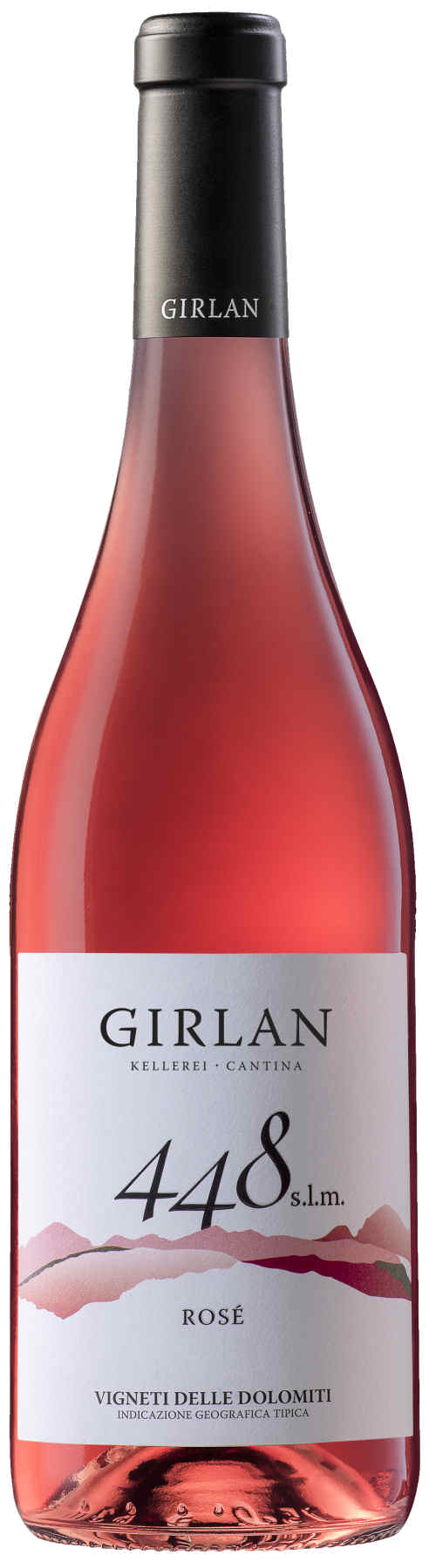
Rosé wine: over 250 bottles between Provence elegance and Mediterranean fruit
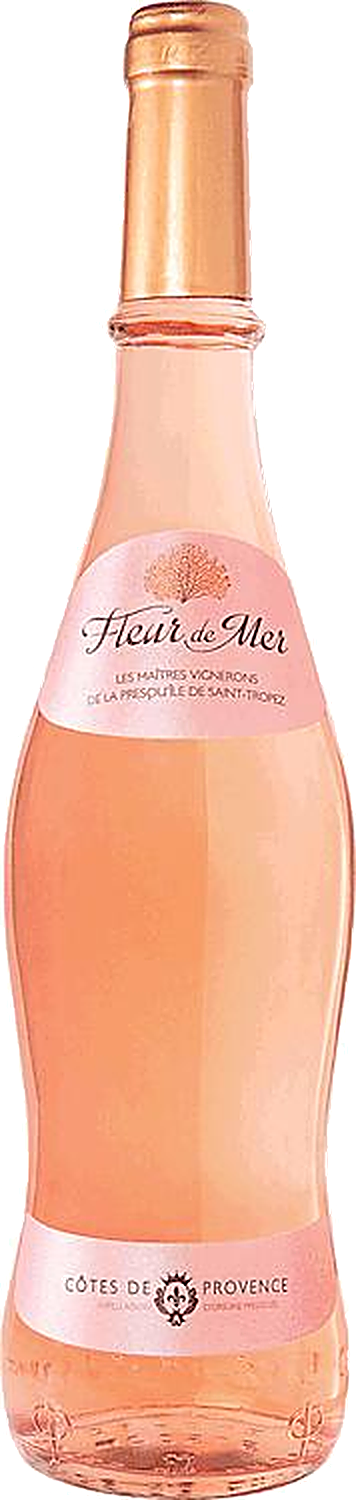
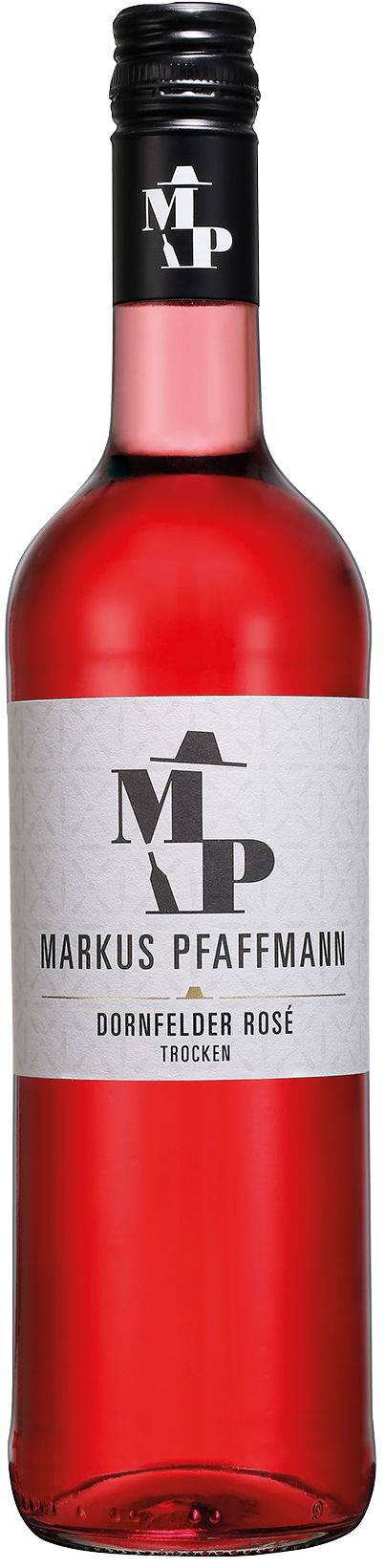
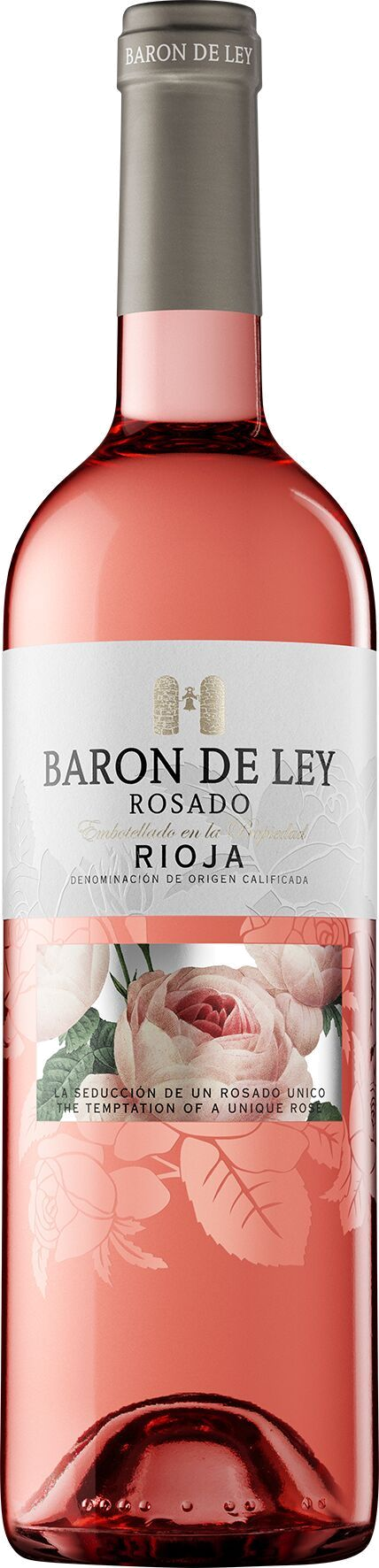
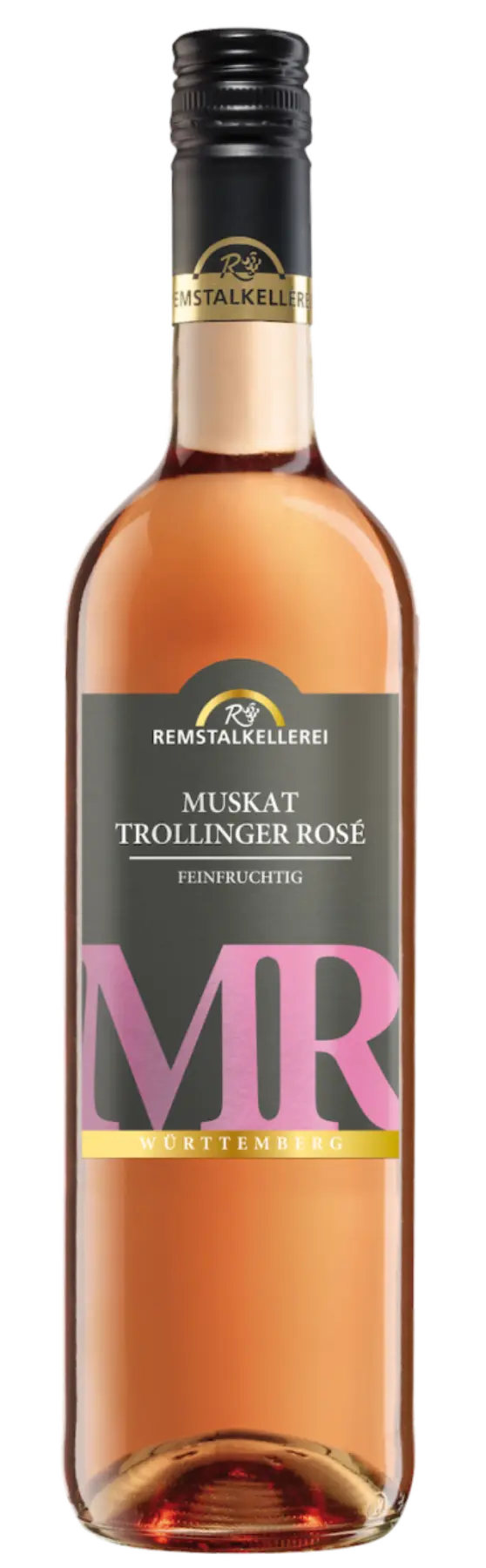
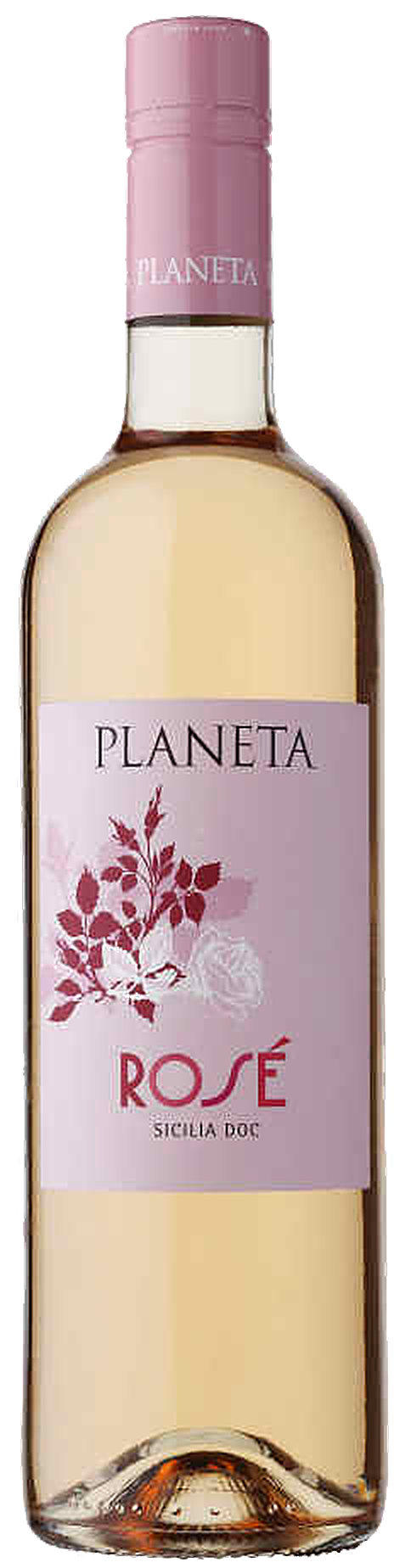
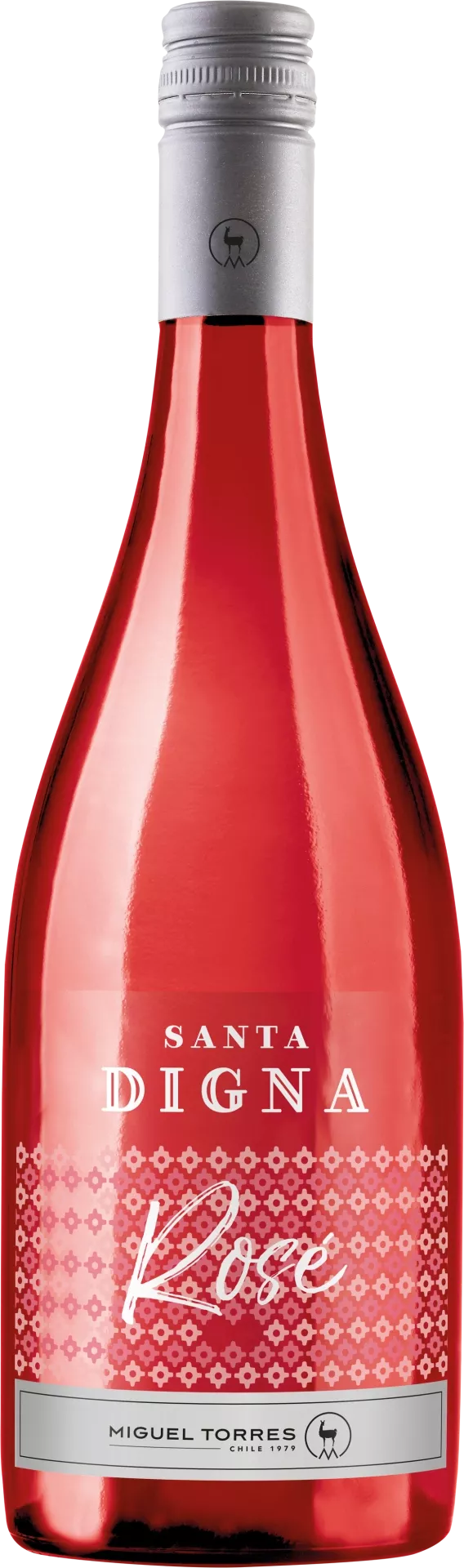
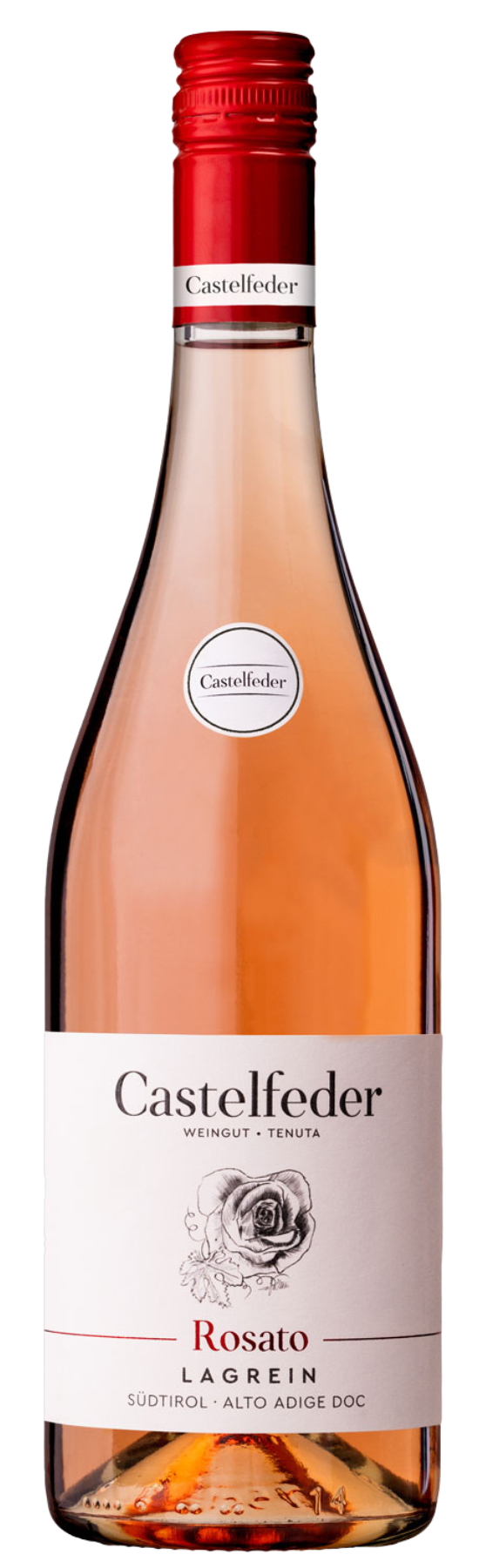
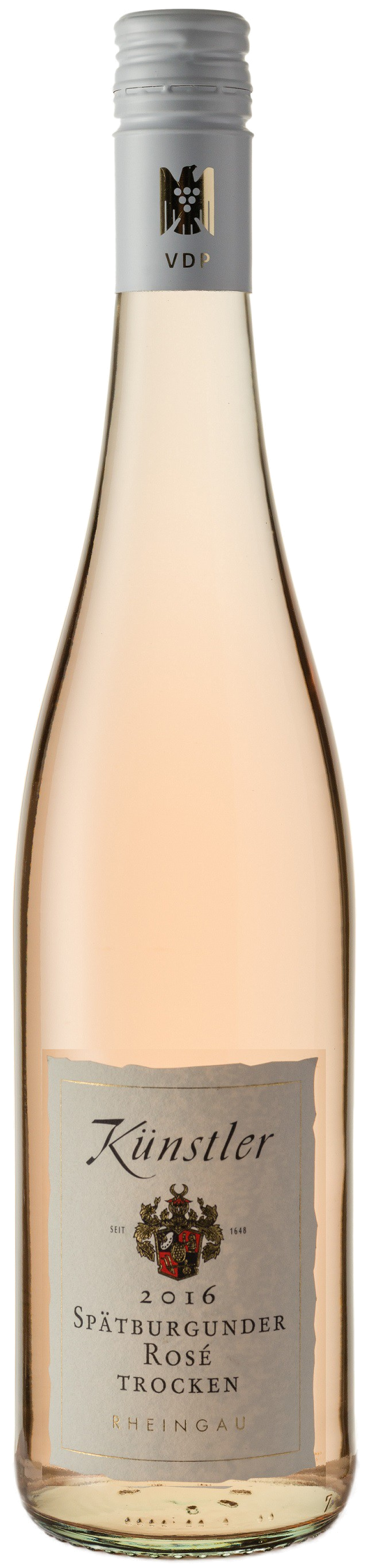
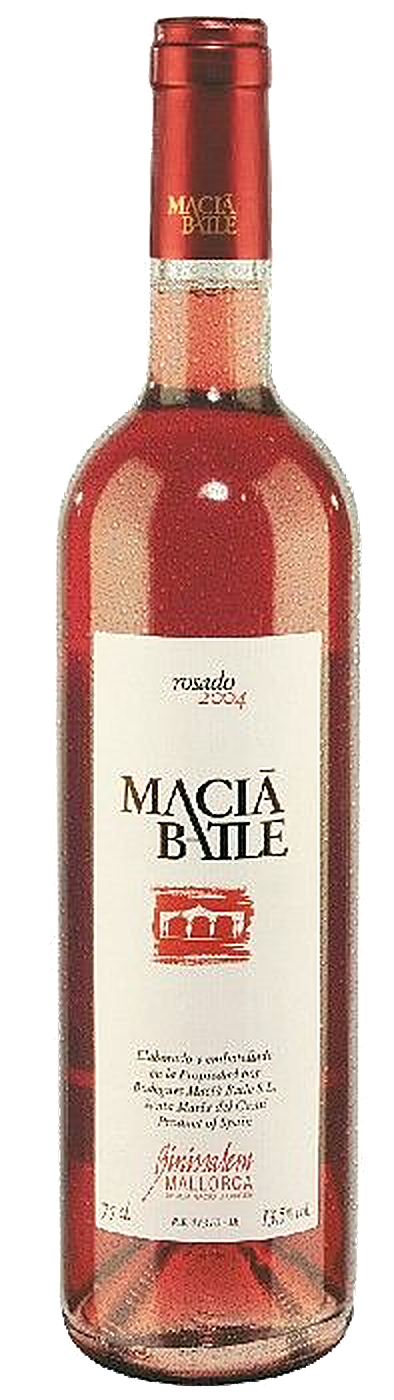
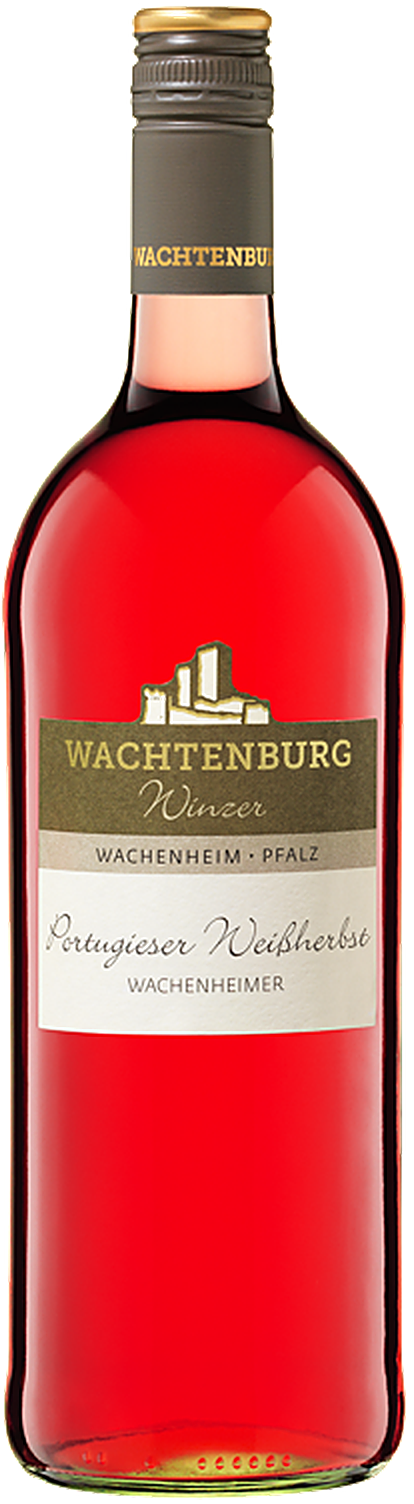
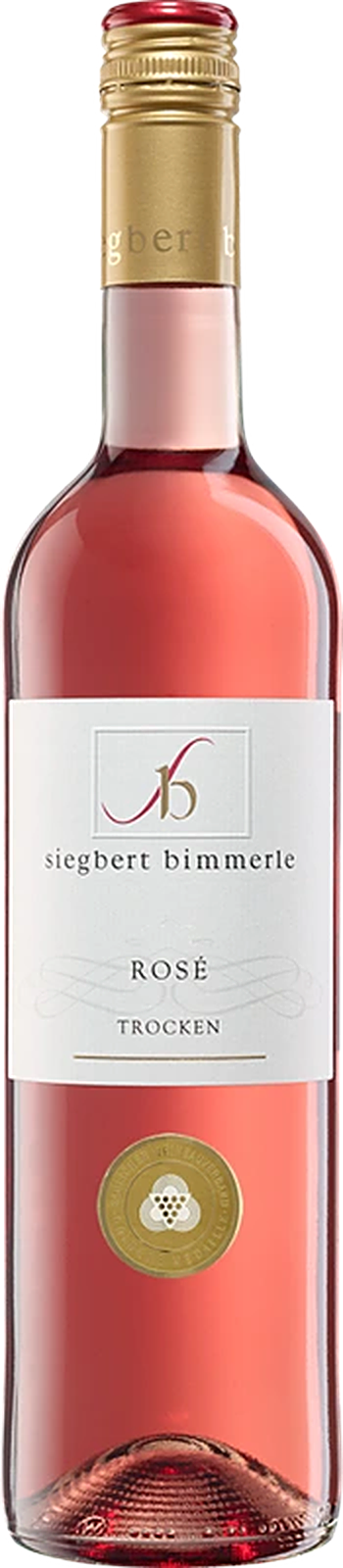
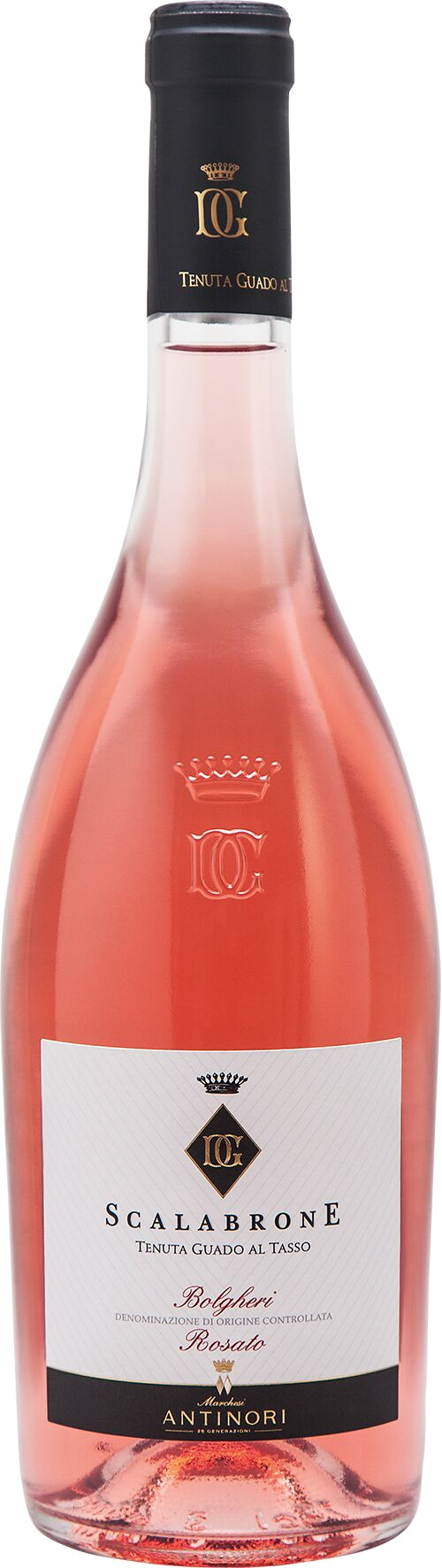
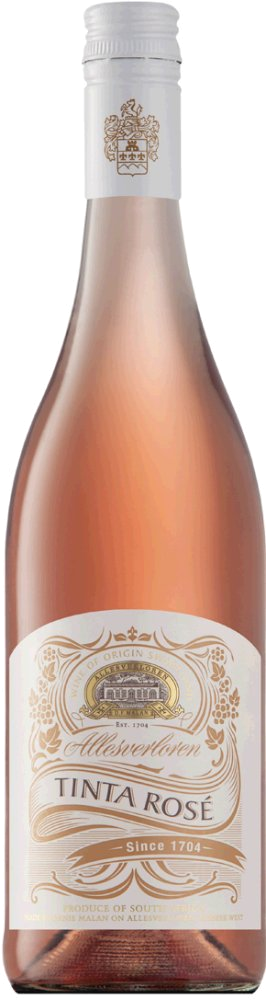
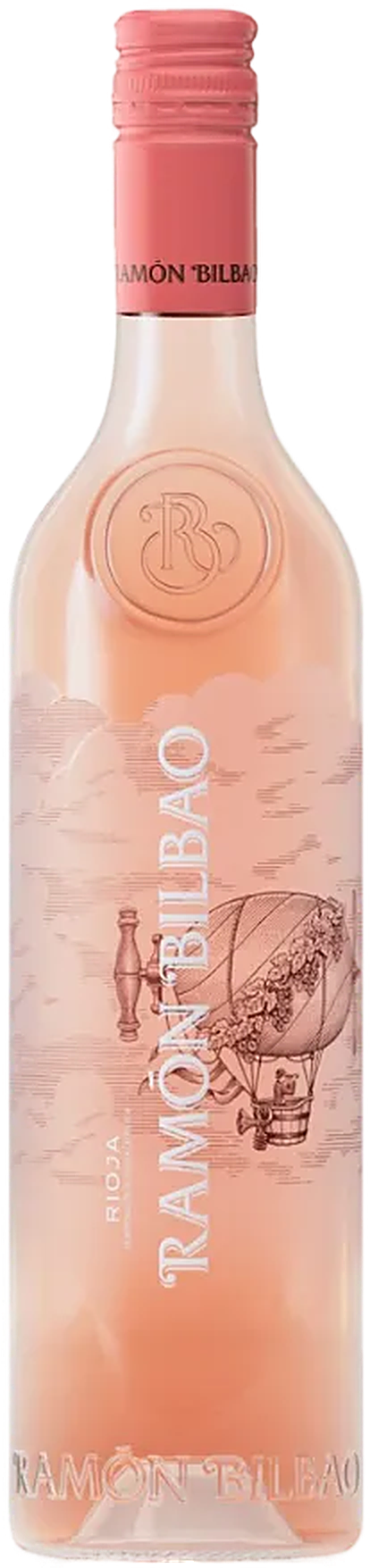
This selection gathers over 250 rosé wines from France, Italy, Germany, Spain, South Africa, and Austria. The core is formed by Provence and the Languedoc-Roussillon with their pale, dry style, supplemented by more powerful rosé wines from the Pfalz, Rheinhessen, Tuscany, and Rioja. Those who look will find every price and style level here, from light aperitif rosé to single-vineyard cuvées.
Tasting & Serving
Rosé wine is usually made from red grape varieties such as Grenache, Syrah, or Pinot Noir, whose mash remains in contact with the must for only a short time. This results in colors ranging from pale salmon pink, as is typical for Provence, to deep raspberry red, as known from Rioja or Tuscany. In terms of taste, the spectrum ranges from dry to Off-Dry and Semi-Dry to Brut and Extra Brut, with occasional Luscious bottlings at the edge of the assortment.
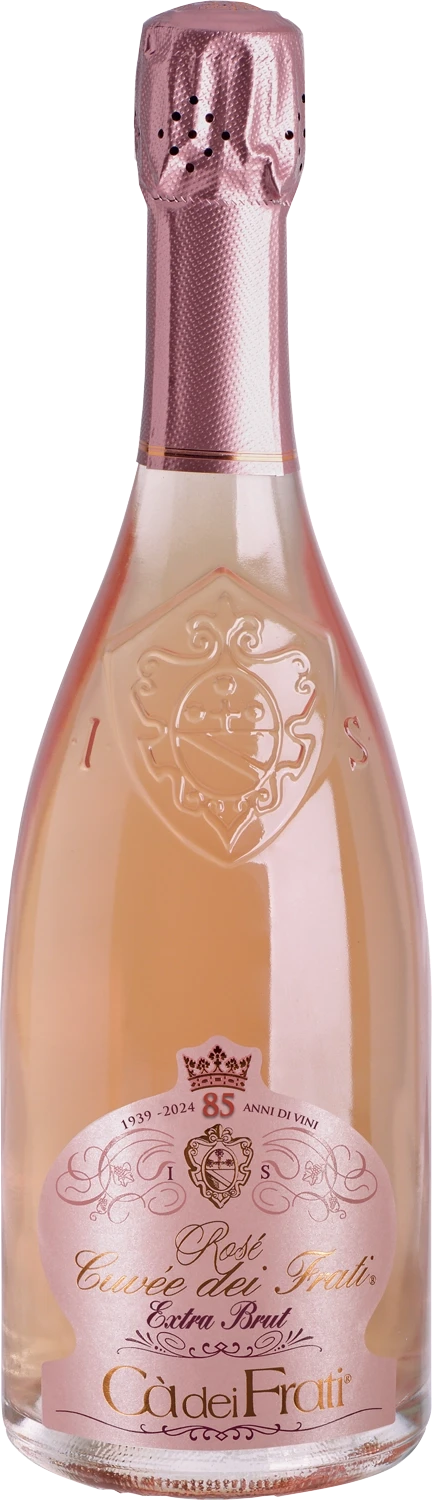
Maturation significantly shapes body and texture. Stainless steel and concrete tanks preserve fresh fruit and invigorating acidity, as shown by many wines from the Languedoc-Roussillon. Wood and barrique bring more structure and a creamier impression, while bottle fermentation ensures fine perlage in sparkling rosés. The alcohol content ranges between 9.5 and 19.5% vol, depending on style and maturation.
Which rosé wine suits whom
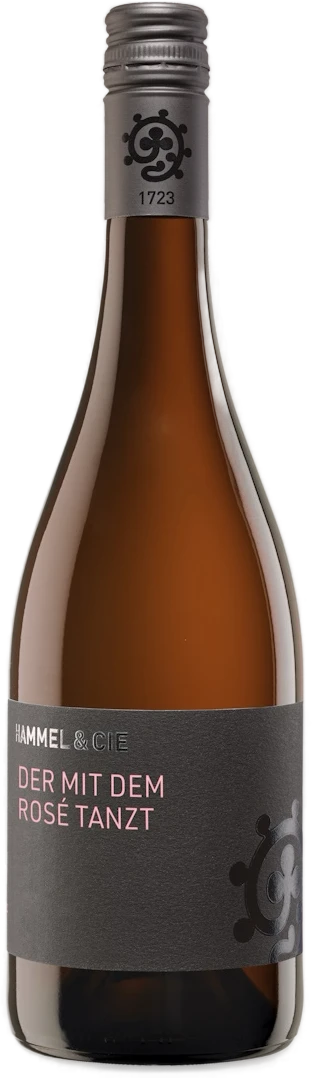
Entry level (under €10): Around a third of the assortment is suitable for uncomplicated everyday life. Accessible wines from the Pfalz, Languedoc-Roussillon, the Loire Valley, and Rioja dominate here with designations such as Qualitätswein, IGP, and DOC, mostly aged in stainless steel or concrete tanks. Producers such as Weingut Hammel & Cie, Winzer Sommerach, Dr. Köhler, and Torres stand for a drinkable, straightforward style.
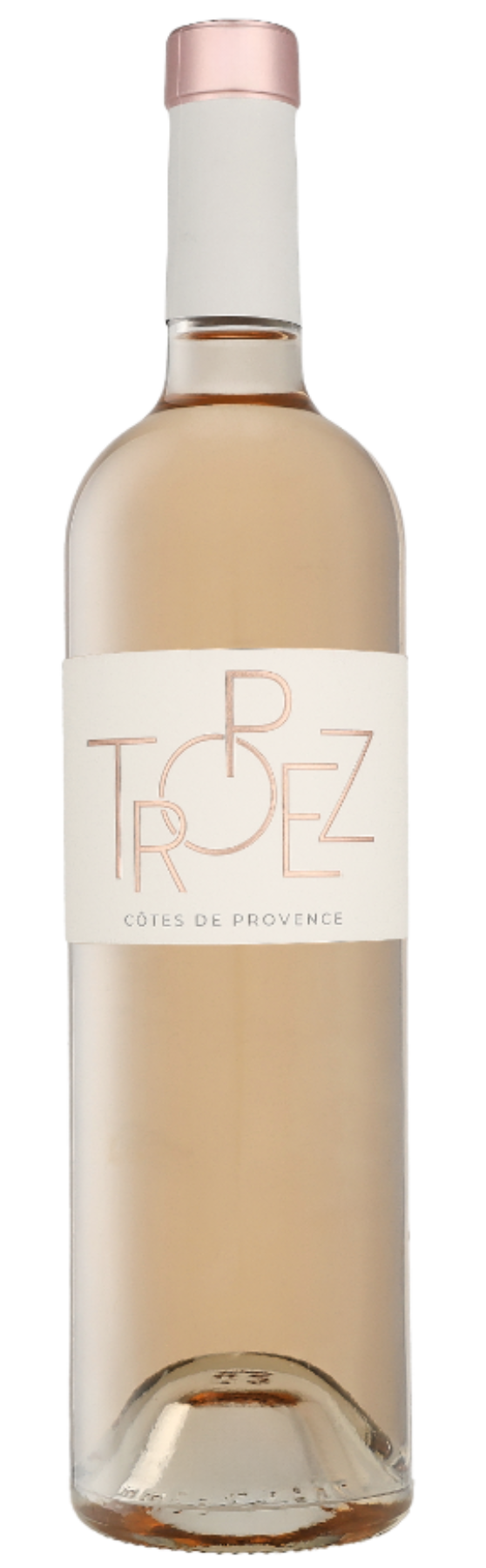
Mid-range (€10–15): Around a quarter of the assortment shows a more distinct regional character, ideal for the table with guests. Provence, Veneto, Languedoc-Roussillon, and Franschhoek define this level with AOC and DOC wines, partly aged in wooden barrels. Domaine Lafage, E. Guigal, Domaine Tropez, and Kloster Pforta provide wines here with a recognizable profile and more depth.
Origin & Subcategories
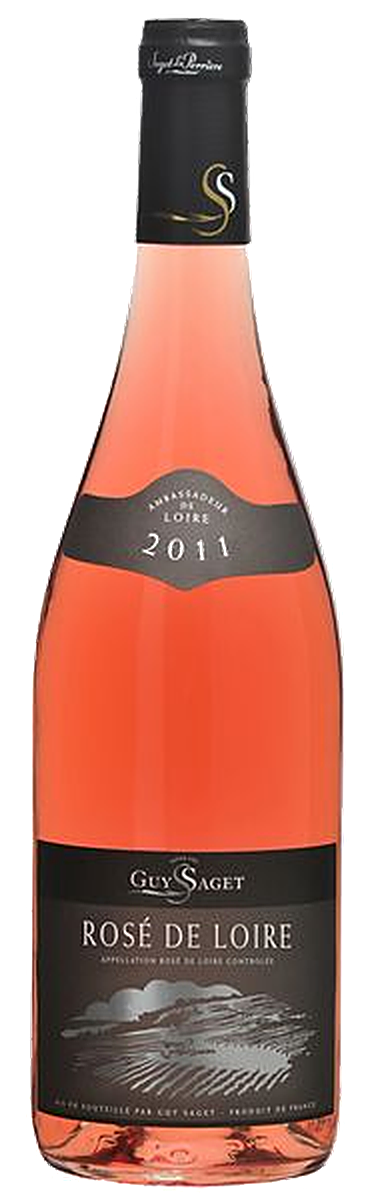
The selection comes from six countries: France, Germany, Italy, Spain, South Africa, and Austria. Within France, Provence and the Languedoc-Roussillon are the style-defining regions, while in Germany, the Pfalz and Rheinhessen determine the rosé style. Rioja stands for the Spanish and Tuscany for the Italian contribution to the assortment.
Those who want to continue searching specifically will find more depth in the neighboring collections: by country in France, Germany, Italy, and Spain, by region in Provence and Languedoc, as well as by grape variety in Grenache, Pinot Noir, Cabernet Sauvignon, and Merlot. About 9% of the wines come from organic farming.
Pairs with
Dry, mineral rosés from Provence accompany seafood, fish, and antipasti. Fruitier styles from Spain or Italy pair with tapas, pasta, and salad, while more powerful German rosés harmonize well with poultry. Brut and Extra Brut versions are classically suitable as an aperitif for social gatherings.