From 1851 to today: Eichstetten's oldest winery reimagined
When Friedrich Kiefer founded a winery in the middle of Eichstetten at the Kaiserstuhl in 1851, he was a teacher by profession — and came from the Markgräflerland, meaning he knew the Baden wine culture as an outsider. It was precisely this unbiased perspective that shaped the business from the very beginning. His son Fritz took over in 1886, and the estate remained in family hands until no direct successor could be found in 2008. The fact that the winery did not disappear into other hands or the anonymity of a corporation is thanks to Martin Schmidt: A graduate engineer for viticulture and oenology from Geisenheim, he had already been managing the business as operations manager since 2003 — and took it over as co-owner on January 1, 2008, together with his wife Helen, a graduate ecotrophologist. They moved with their family into the old manor house in the center of Eichstetten, where the history of the house remains visible to this day.
In 2013, the Schmidts expanded their commitment: they additionally took over the organic winery Schmidt, which Martin's parents had founded in Eichstetten in 1987, and have continued to run it as an independent organic operation ever since. Two wineries, one family, one place — for the Schmidts, the Kaiserstuhl is not a backdrop, but home.
Courage for clarity: Viticulture in a nature reserve, quality as a priority
The Kaiserstuhl is not just any wine-growing region. The soils alternate in small areas between volcanic weathered rock, loess, and loam; the climate is among the warmest in Germany, with an almost Mediterranean record of sunshine hours. These conditions require precise work — and that is exactly how the management team formulates its claim: passion, authenticity, and responsibility. Together with long-standing contract vintners, many of whom have been supplying their grapes to the winery for generations, over 100 hectares of vineyards are cultivated around Eichstetten. All vineyards are located within a few kilometers of the winery in the Eichstetter Herrenbuck site — regionality not as a promise, but as a fact.
The Kaiserstuhl is a nature reserve — partly because vintners like the Schmidts actively contribute to the maintenance of the local flora and fauna with their viticulture. This includes terraces, small-scale plots, and the preservation of biodiversity. At the same time, there is intensive investment in the cellar and vineyard to ensure quality through craftsmanship — without it ending in academic heaviness.
Pinot as a core competence, cuvées with attitude
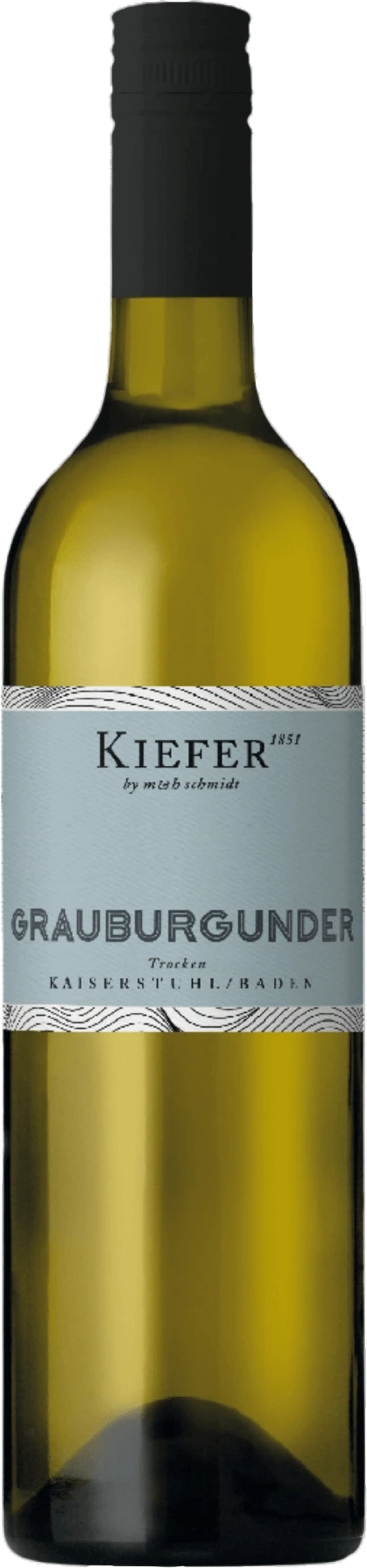
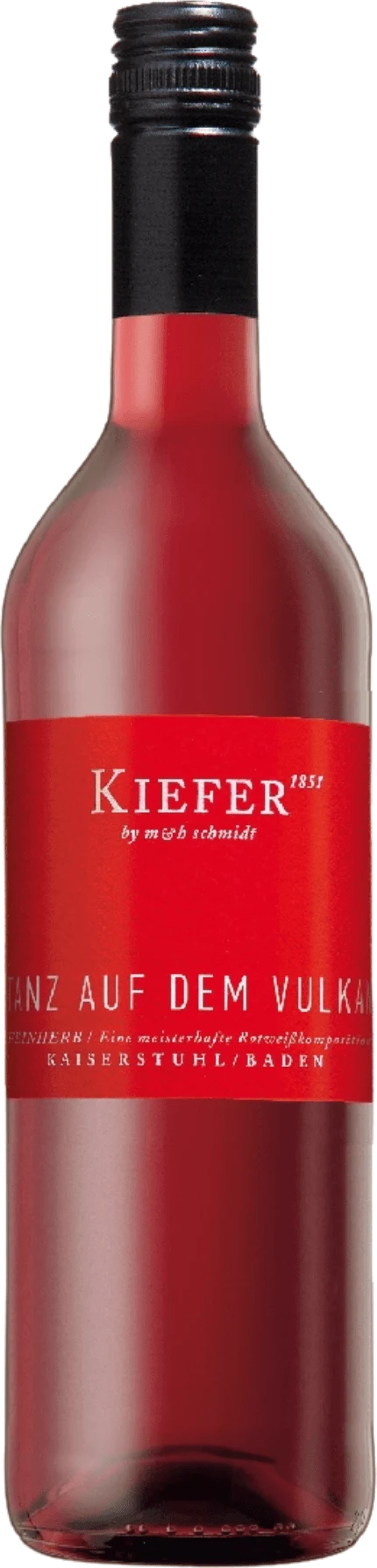
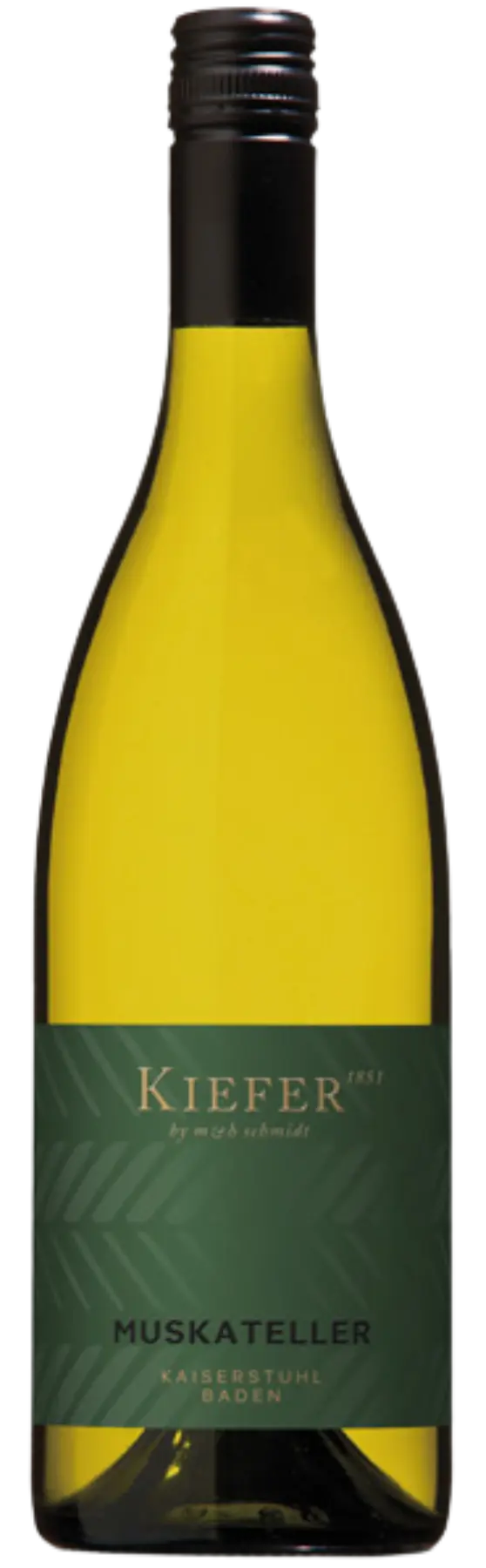
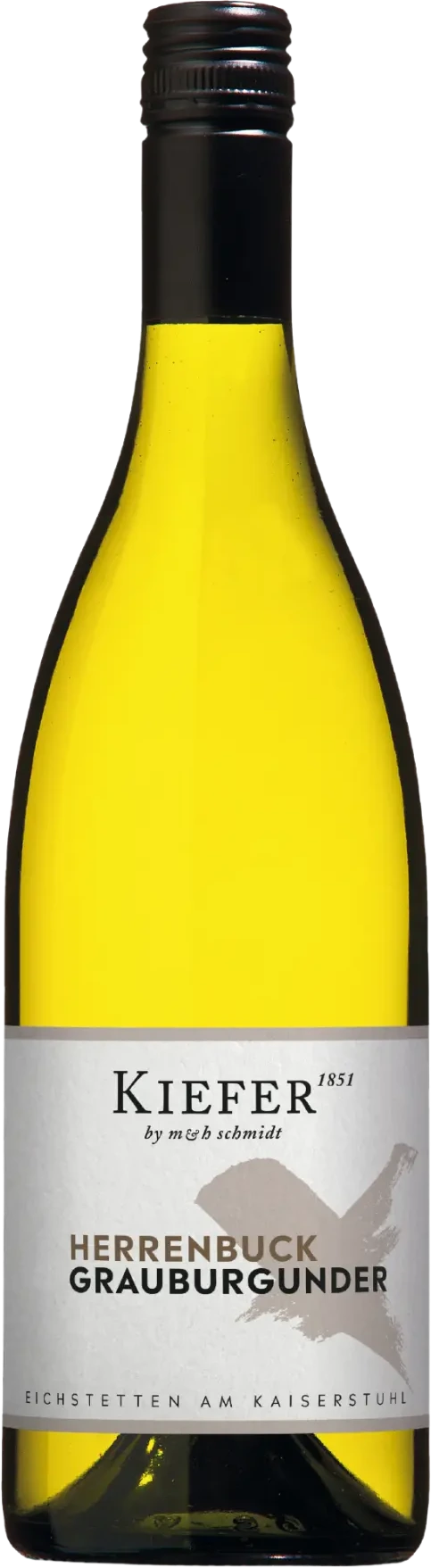
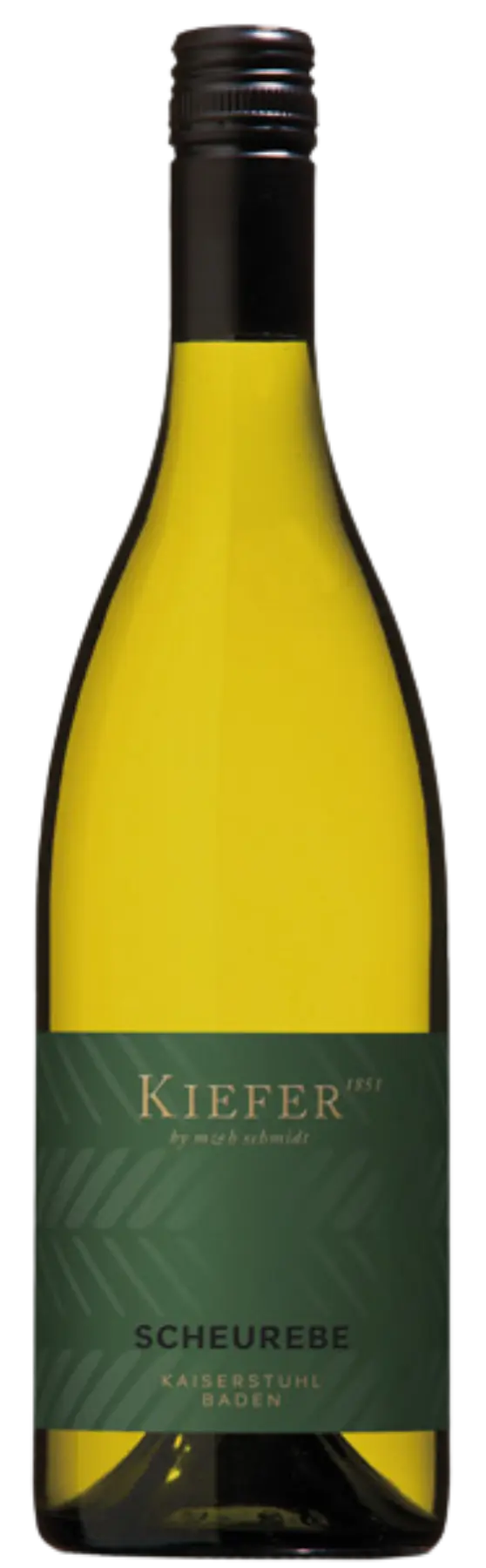
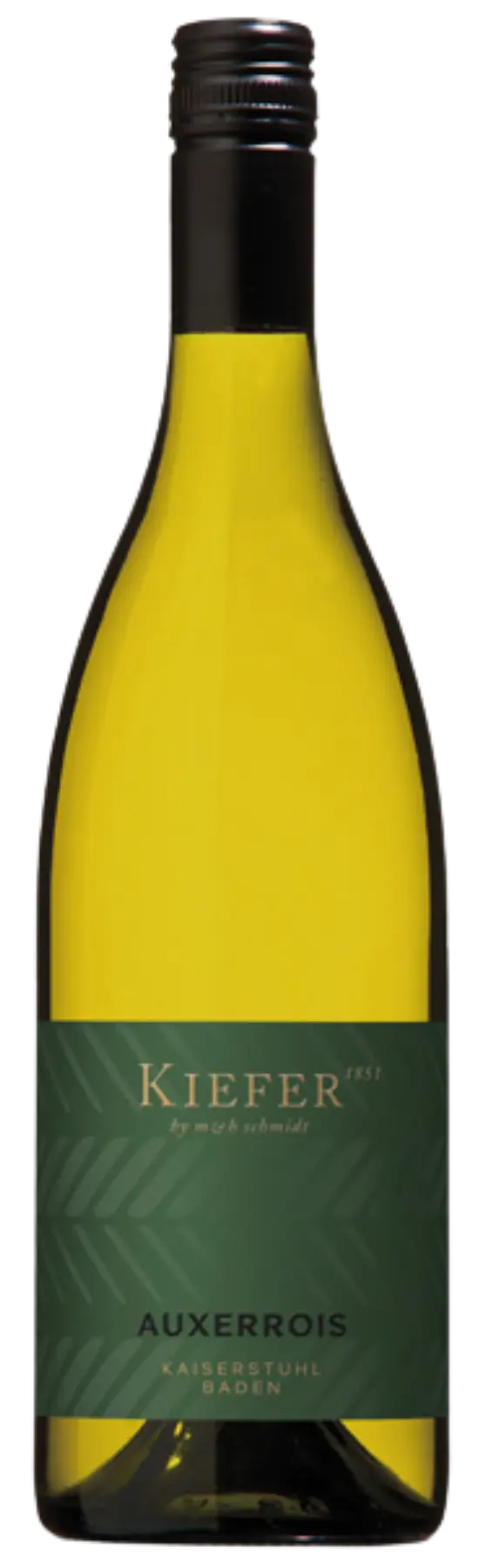
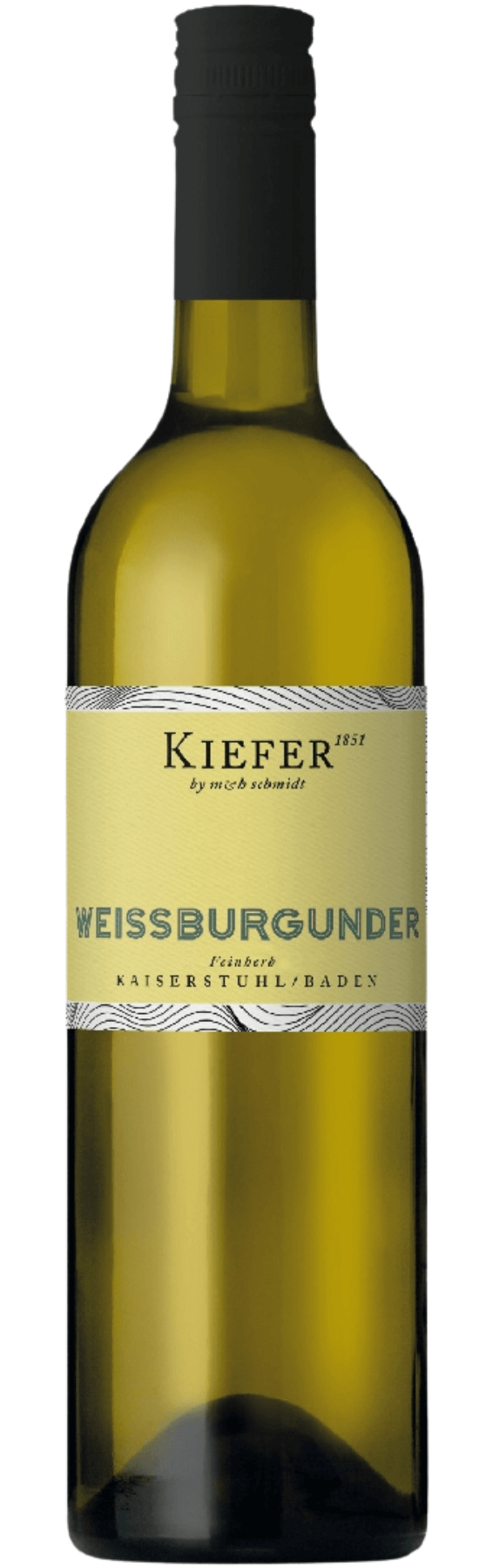
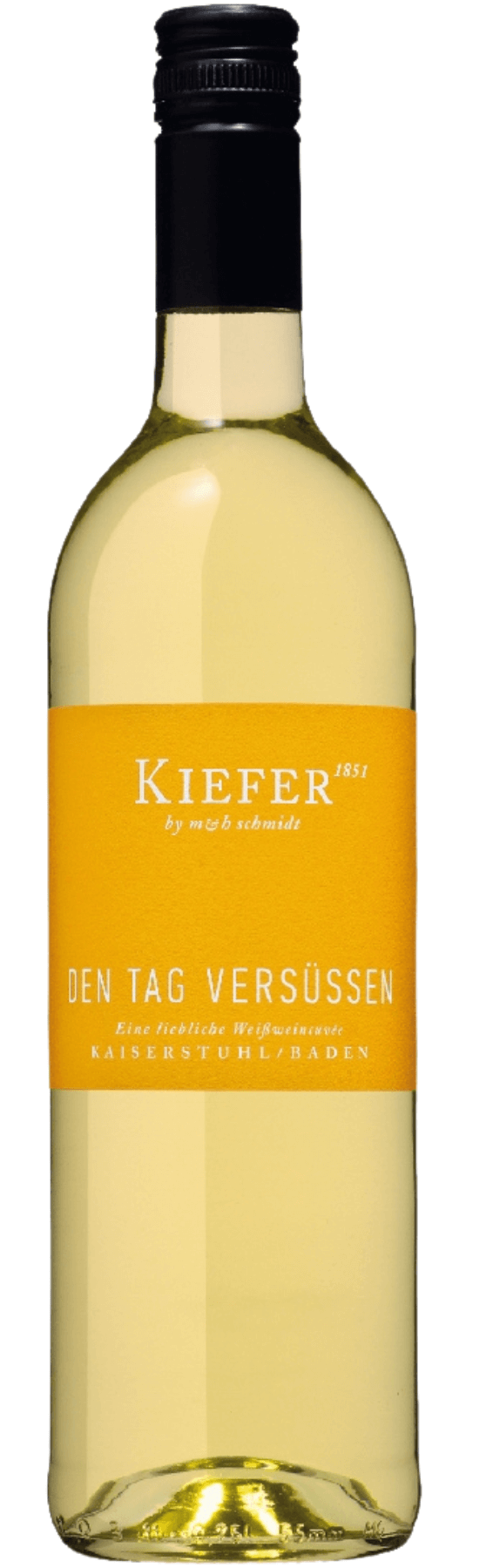
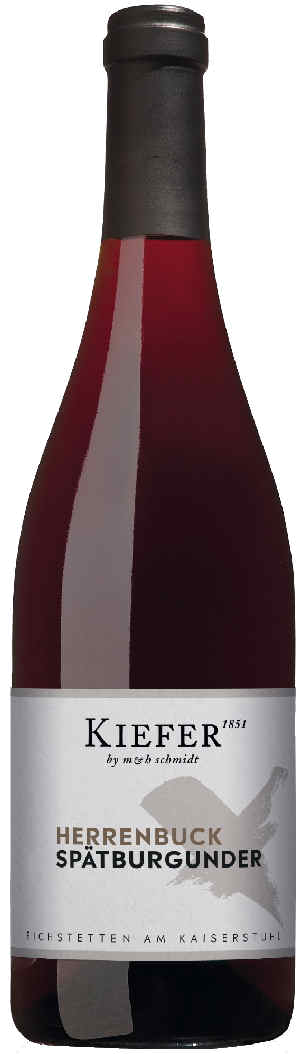
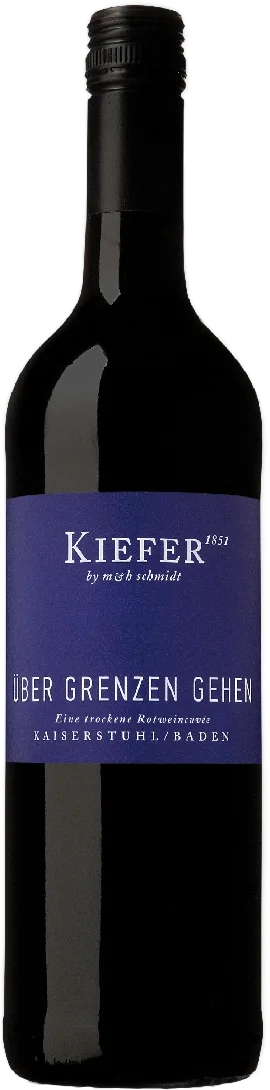
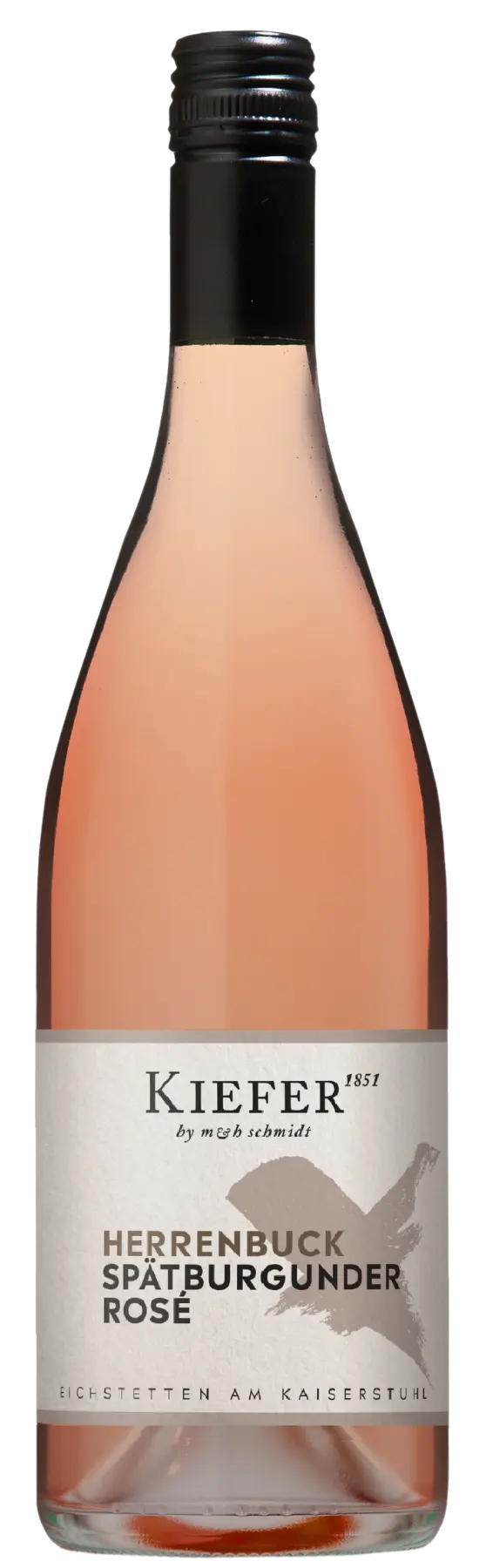
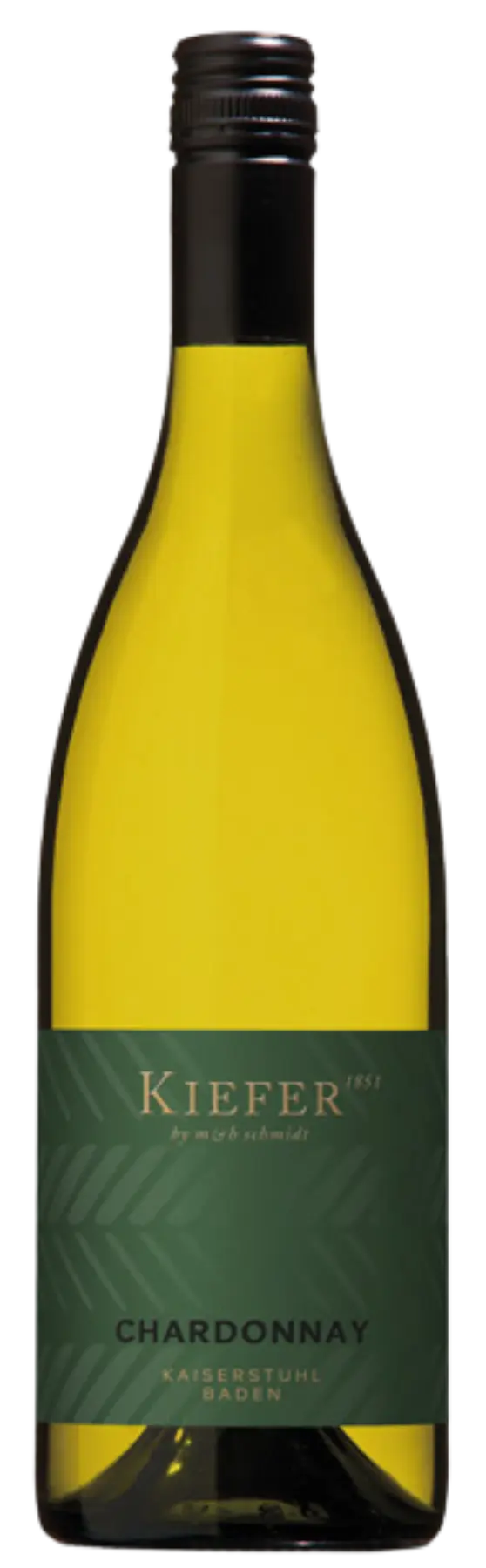
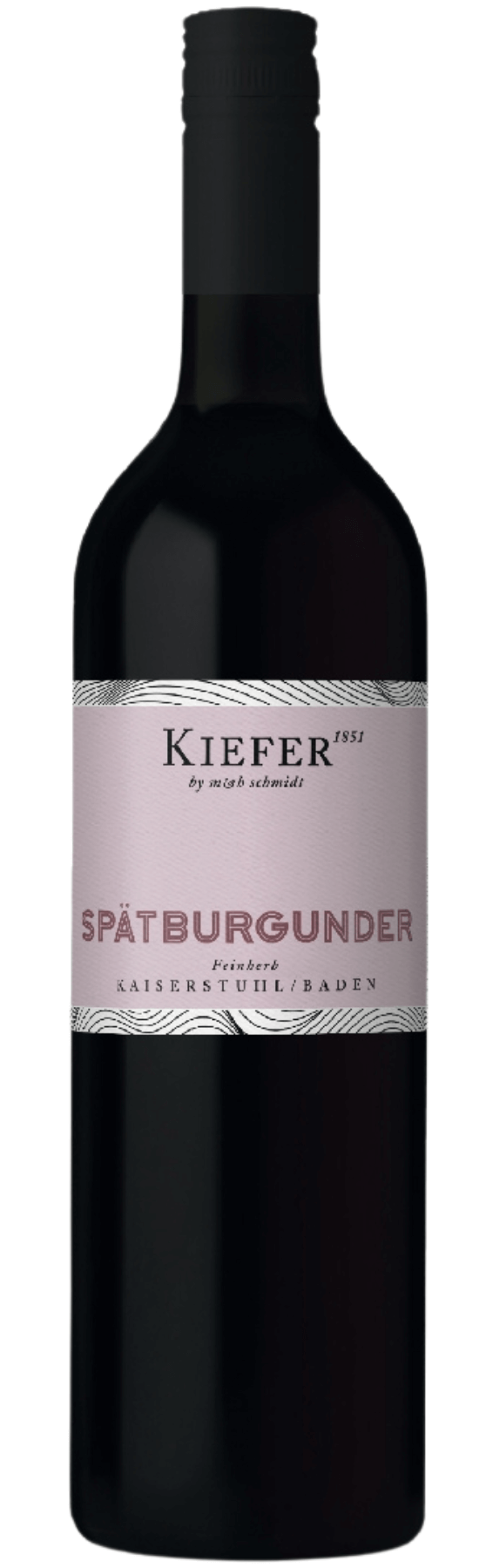
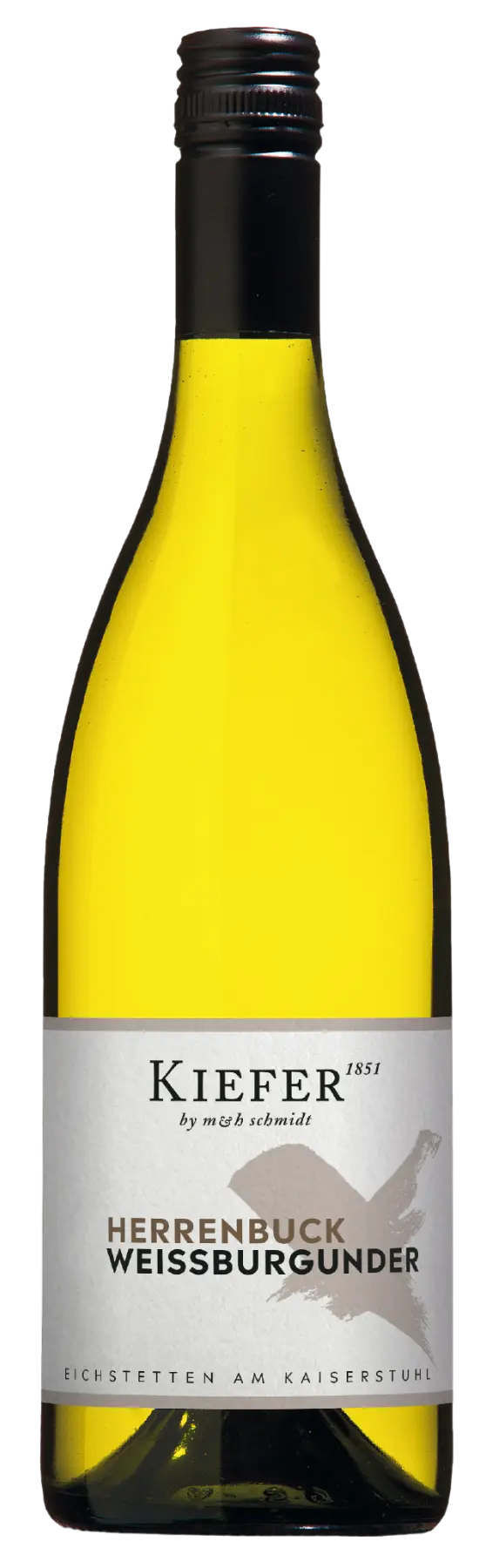
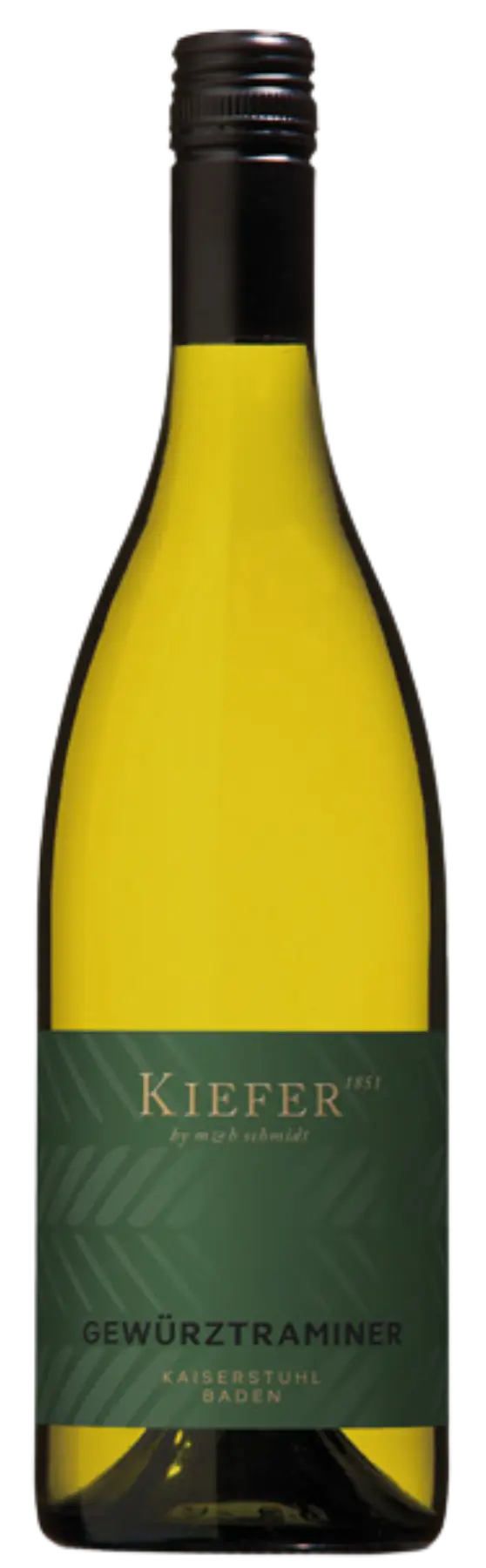
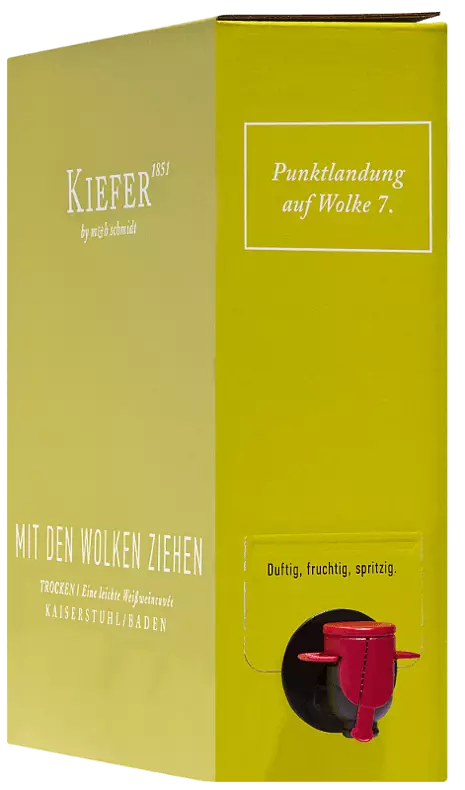
The Kiefer range reflects the strengths of the Kaiserstuhl: Pinot Gris, Pinot Blanc, and Pinot Noir form the backbone, supplemented by Chardonnay, Auxerrois, Gewürztraminer, Riesling, Sauvignon Blanc, and fungus-resistant varieties. The entry-level line «Freche Kaiserstühler» stands for accessible, drinkable wines with a clear fruit profile. The single-vineyard wines from the Herrenbuck — such as the Chardonnay or the Pinot Gris Kabinett — show what the volcanic soil extracts from the Pinot grapes: substance, texture, length. Alongside this exists a second world: cuvées with narrative names like «Mit den Wolken ziehen» or «Den Tag versüßen», which specifically address what they do in the glass — dry or medium-sweet, white or red, for an evening during the week just as much as for a table with guests. The winery's appearance, consistently renewed in 2008 — motto «Wine / Style / Performance» — is not a marketing ornament, but a program: wines that appeal and convince without trying to impress.