Born from the hardship of the winegrowers: the Remstalkellerei since 1940
The starting signal was given in 1940 in Schnait: After a devastating frost that had destroyed the grapes of the 1939 vintage and driven the restaurateurs out of marketing, 21 winegrowers' cooperatives joined together to form the Remstalkellerei. The idea was simple and pragmatic — to press the grapes themselves in the future and market them together. That this emergency community would become one of the largest cooperative wineries in Germany was not foreseeable at the time. Today, the Remstalkellerei is based in Weinstadt-Beutelsbach, in the heart of the valley of the same name east of Stuttgart — a city that grew together in 1975 from the traditional wine towns of Beutelsbach, Endersbach, Großheppach, Schnait, and Strümpfelbach, and whose history is inseparably linked to viticulture.
Cooperative as a craft: vineyard, cellar, and the principle of many shoulders
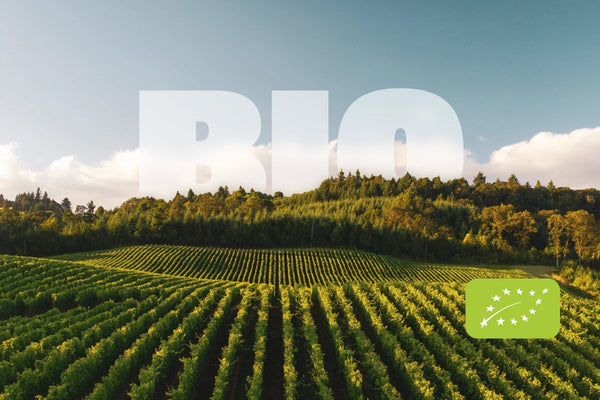
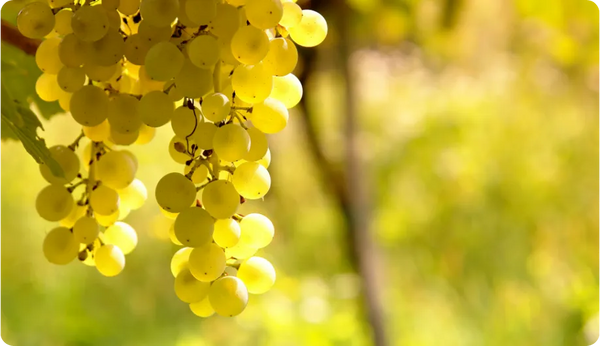
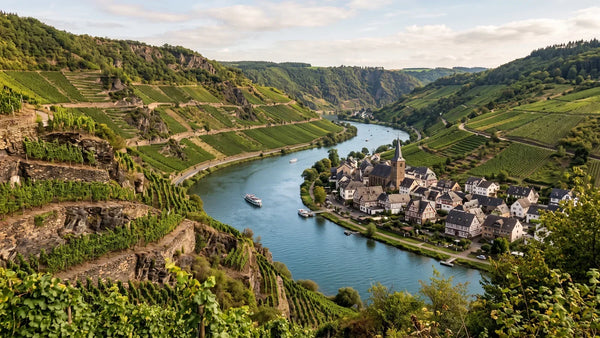
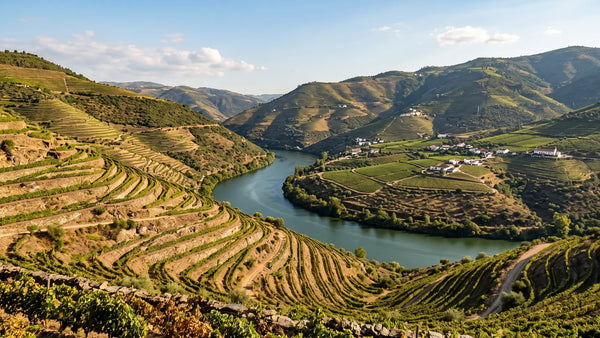
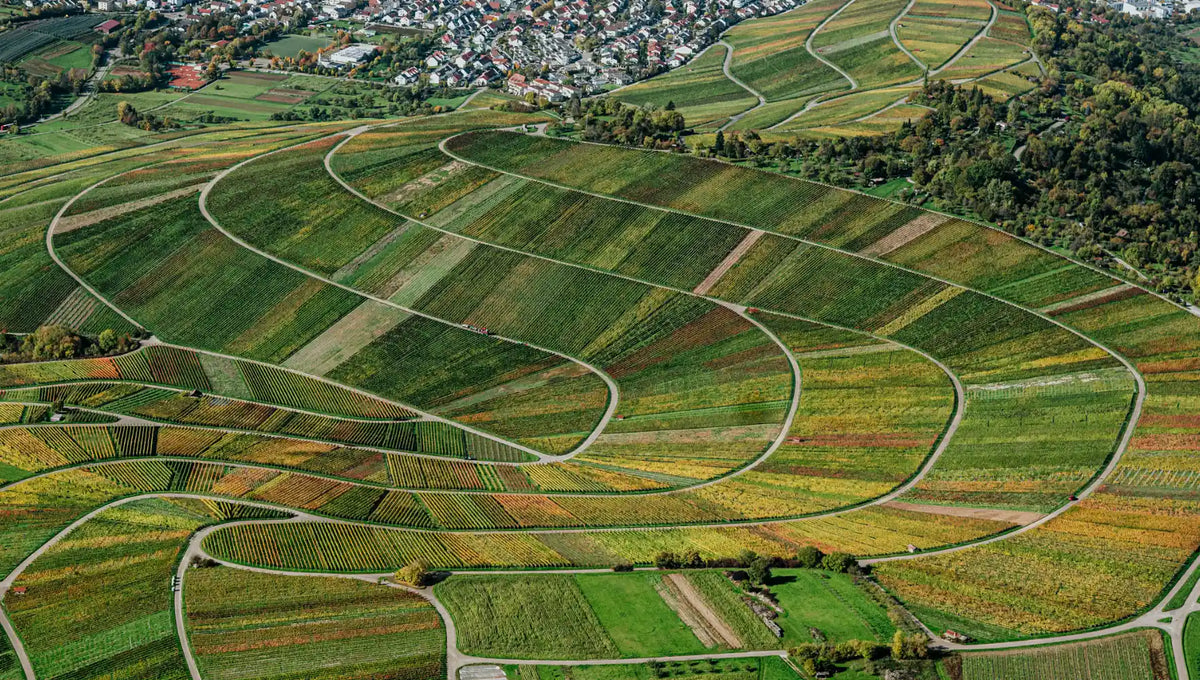
The winegrowers of the nine local cooperatives that belong to the Remstalkellerei cultivate around 610 hectares of vineyards — more than 75 percent of the total cultivation area of the Remstal. What a single winegrower would have to shoulder alone, the cooperative distributes among many: viticultural advice, pressing, aging, marketing. The sites are concentrated in the Remstal-Stuttgart winegrowing region, where heavy Keuper weathering soils, colorful marl, and reed sandstone characterize the terroir. Due to the somewhat higher altitude, the grapes are harvested later than elsewhere in the region — more time on the vine means more fruit aromas and structure in the finished wine.
In the cellar, tradition and modernity combine. The heart is the largest wooden barrel cellar in Württemberg, in which selected wines mature and develop depth. In addition, the winery works with modern technology that ensures gentle processing and the preservation of varietal-typical aromas. The interplay of artisanal experience and current cellar technology is the declared self-image of the cooperative.
Between Trollinger and Muskattrollinger: the range of the Remstal in its full breadth
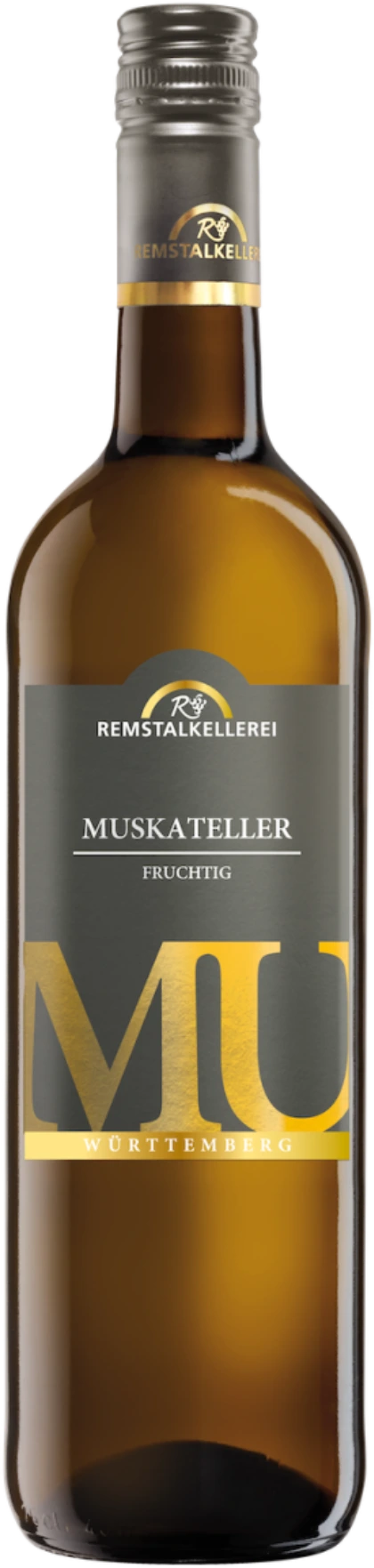
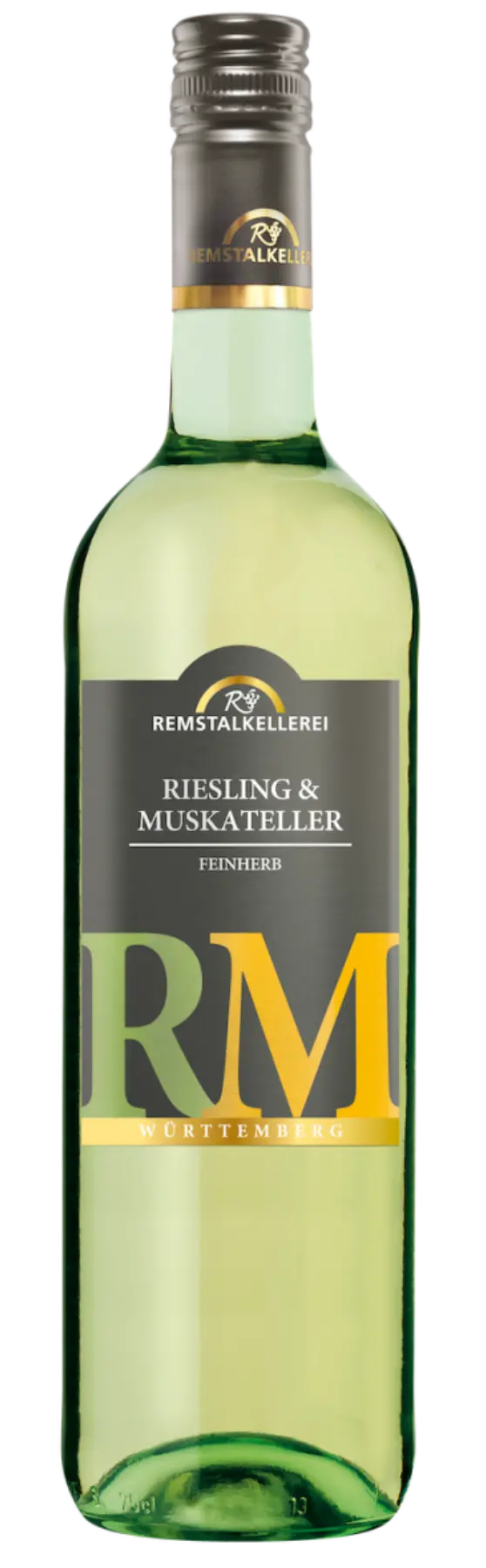
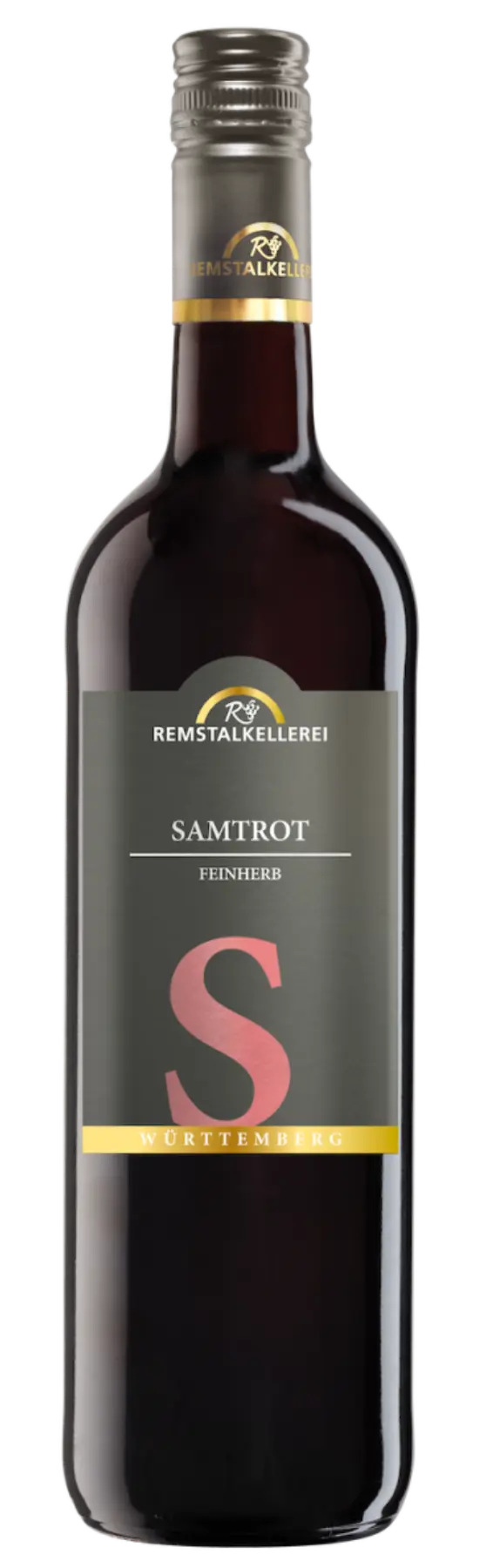
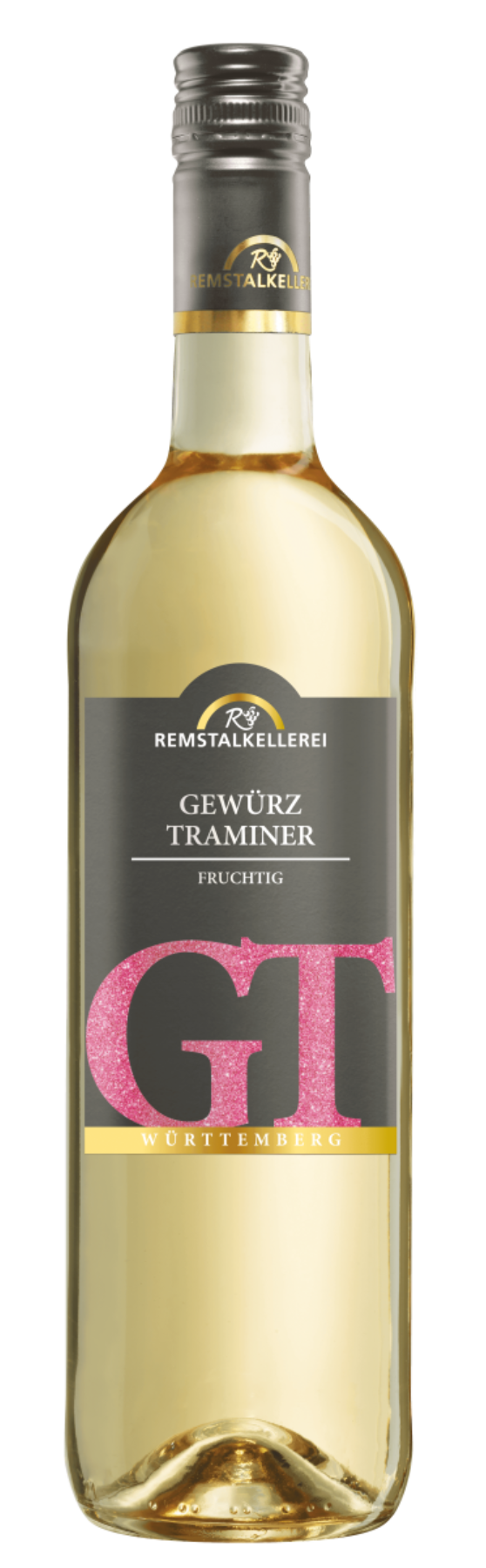
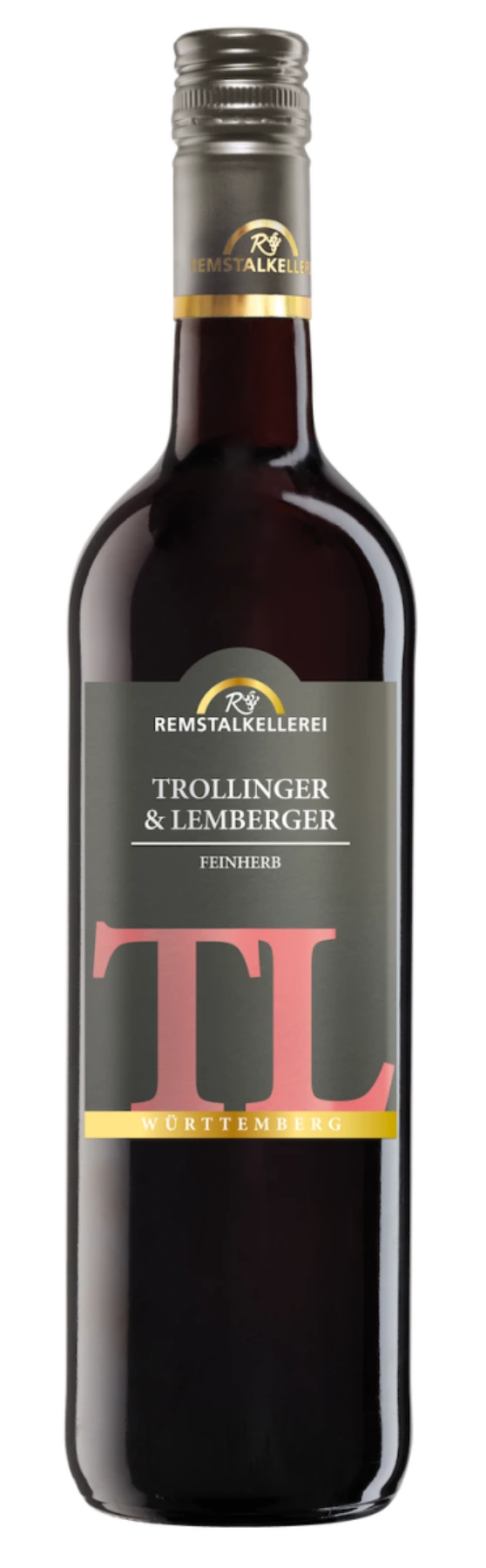
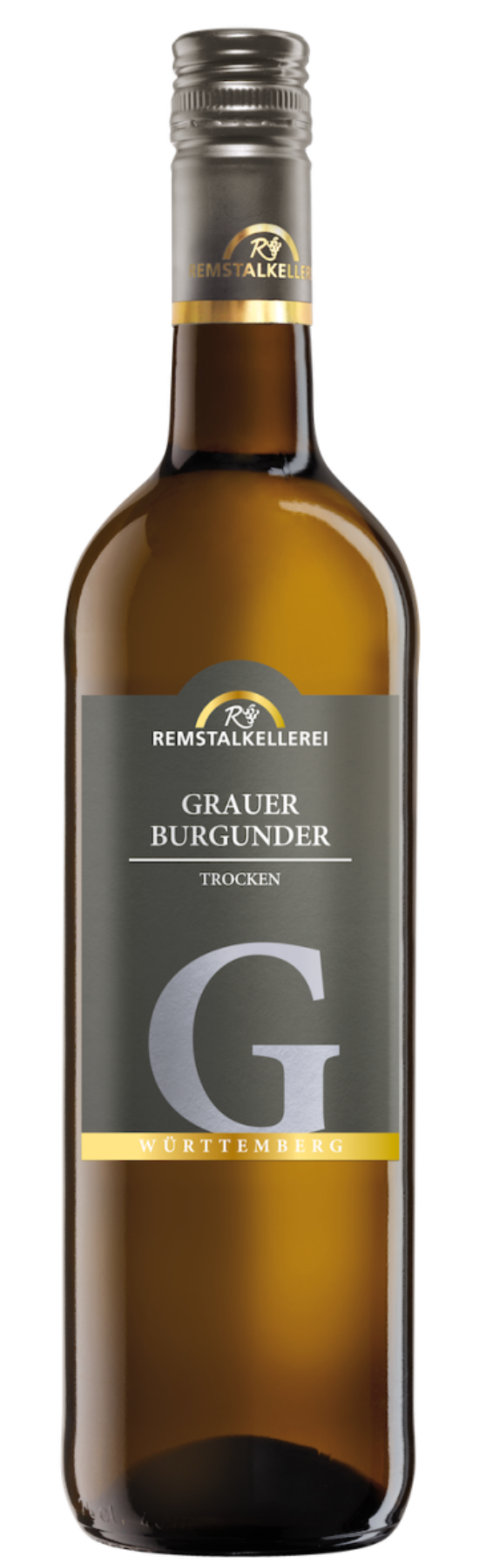
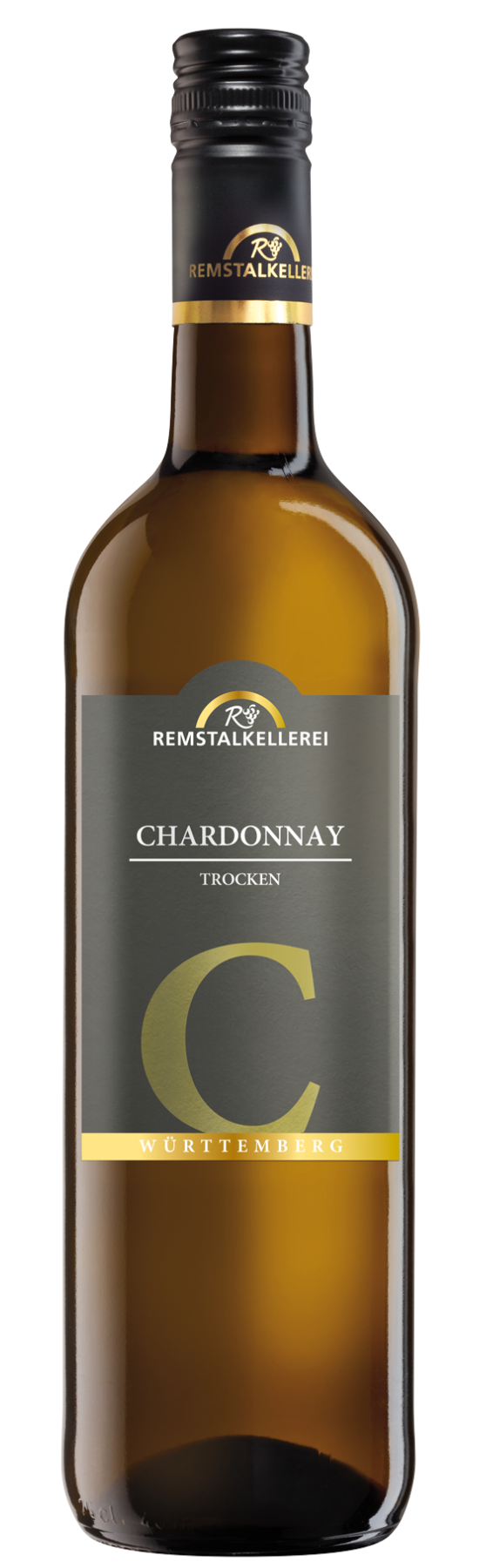
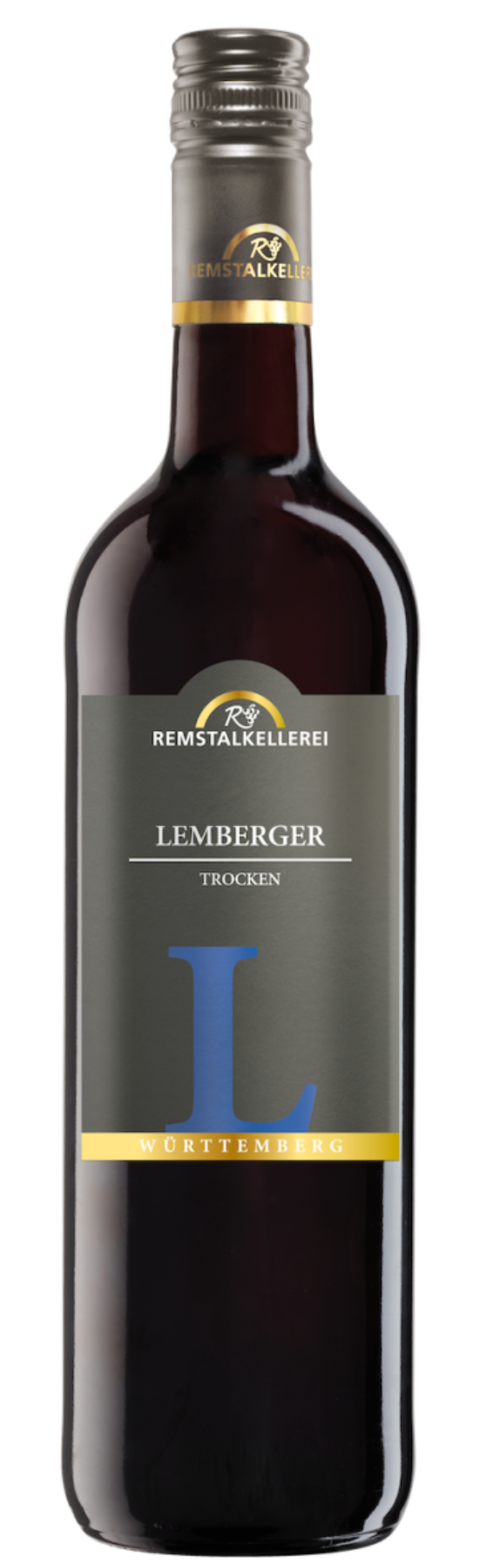
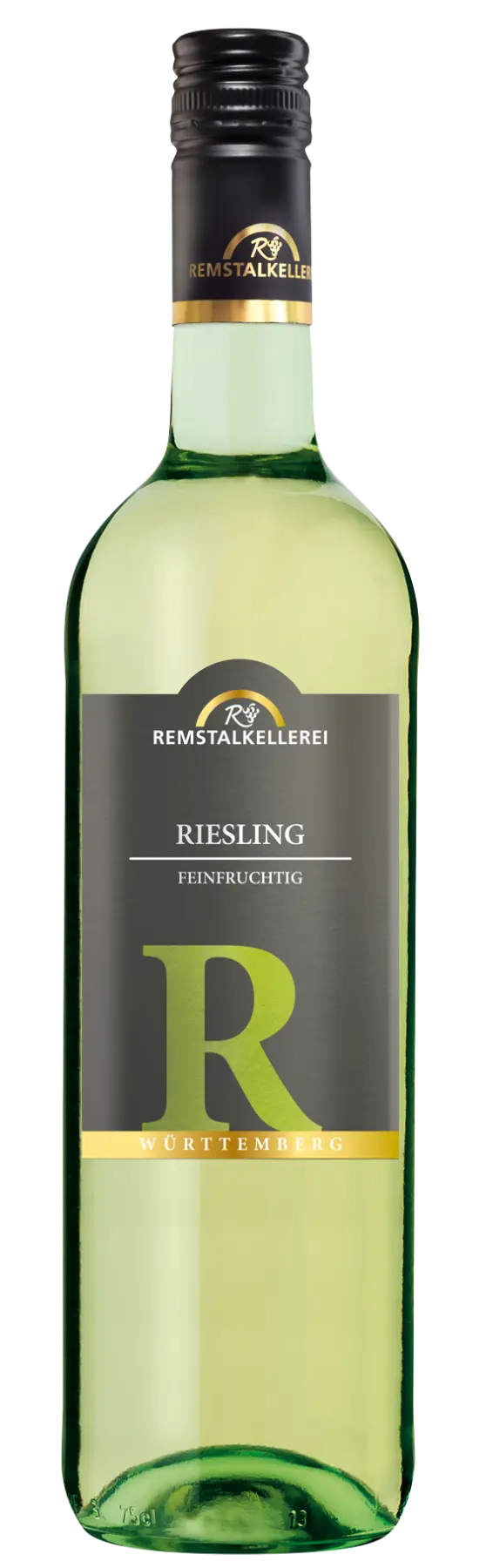
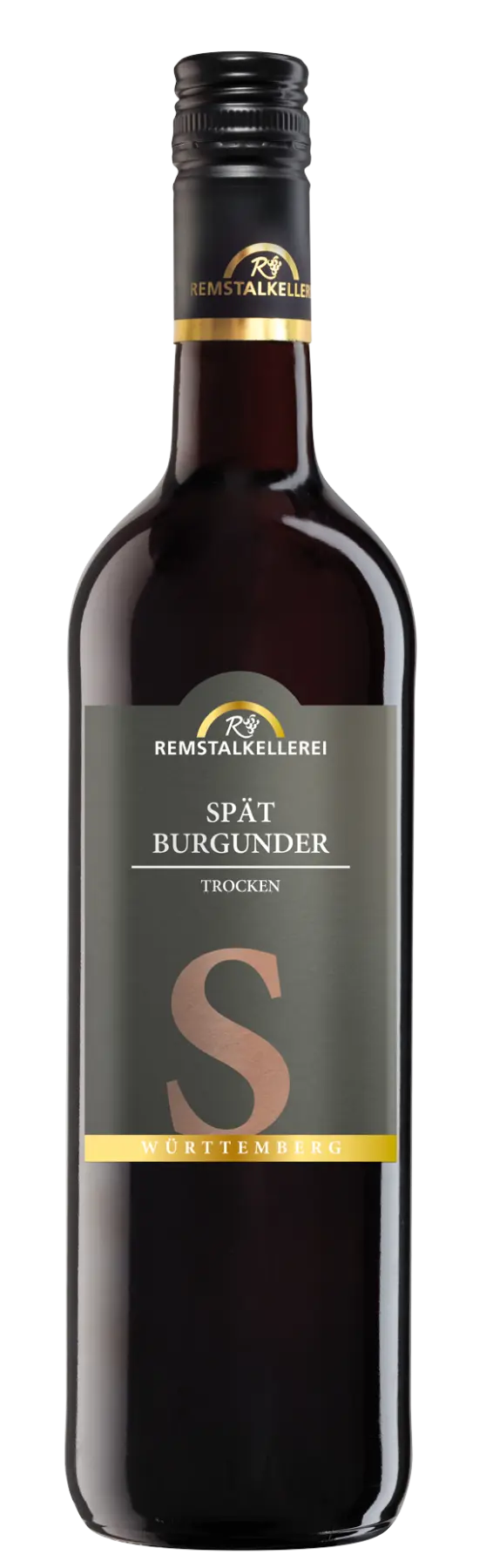
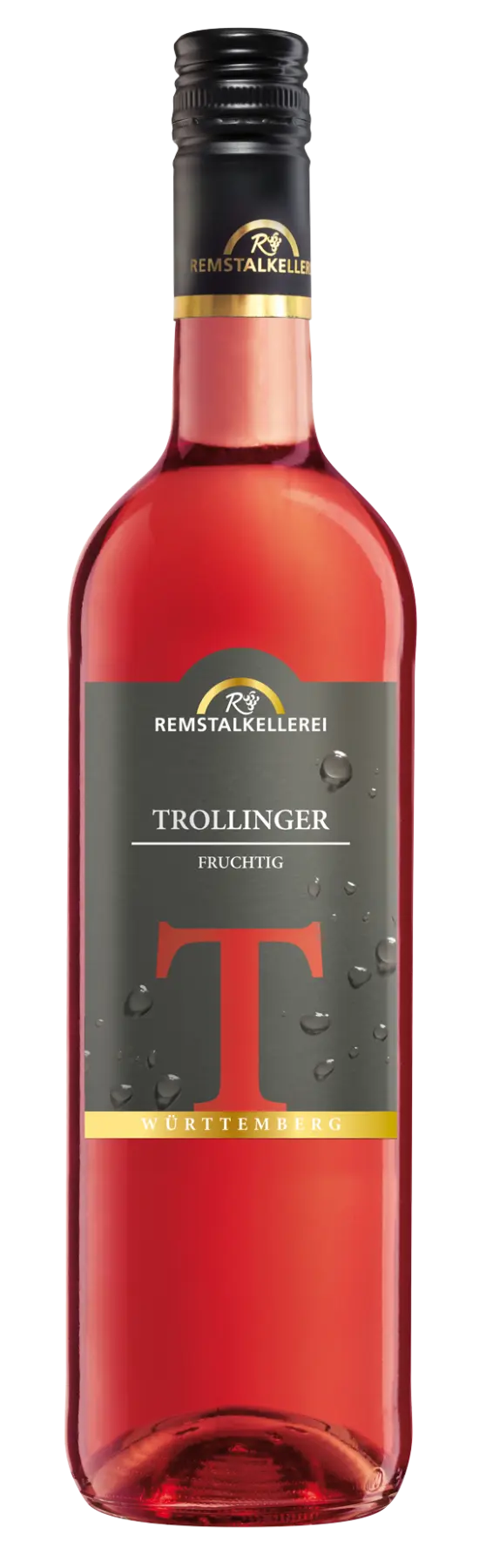
Around 70 percent of the annual production of six to seven million liters is accounted for by red wine — this reflects the character of Württemberg as a distinct red wine region. Trollinger and Lemberger are among the classics of the house; the Lemberger brings structure and spicy depth to the Keuper-marl soils. For white wine, the cool Remstal climate and the mineral soils provide the basis for Rieslings with a lively acid structure as well as for Pinot Gris and Chardonnay with finesse. Added to this are aromatic varieties such as Gewürztraminer and Muscat with a clear fruit profile.
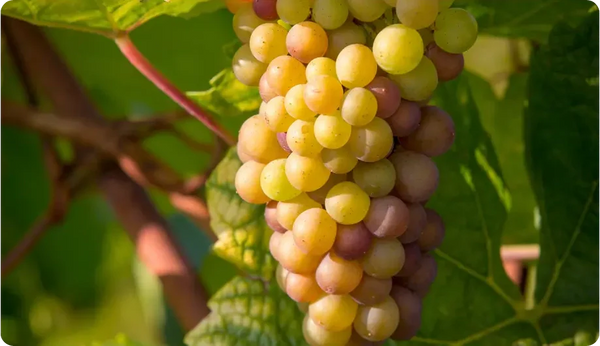
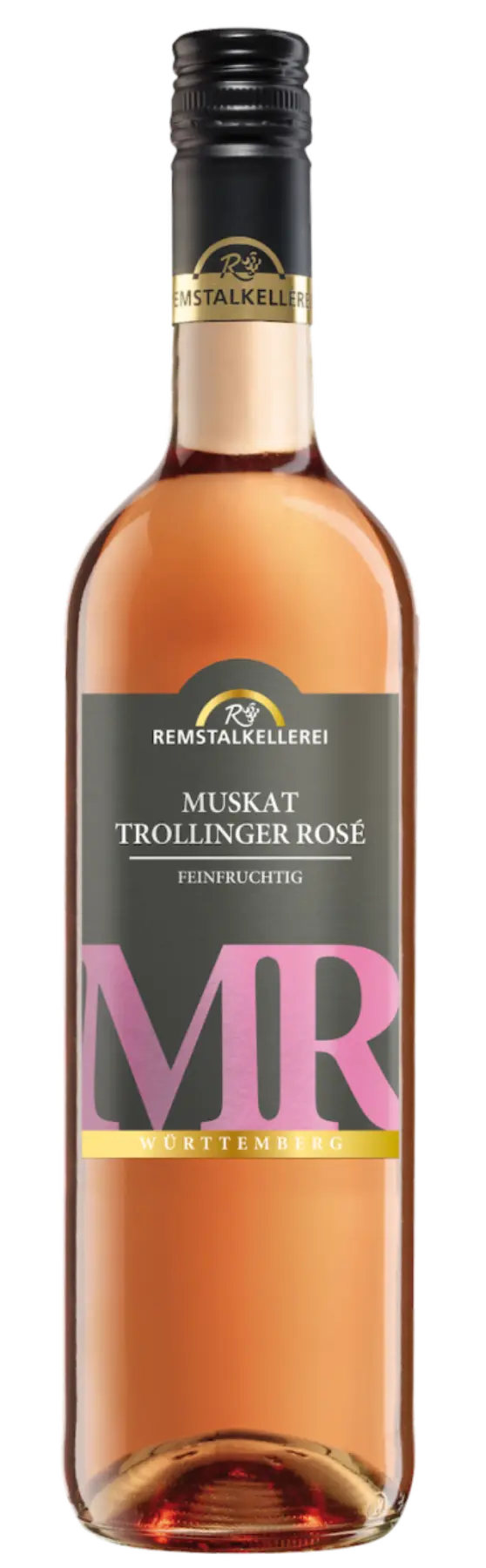
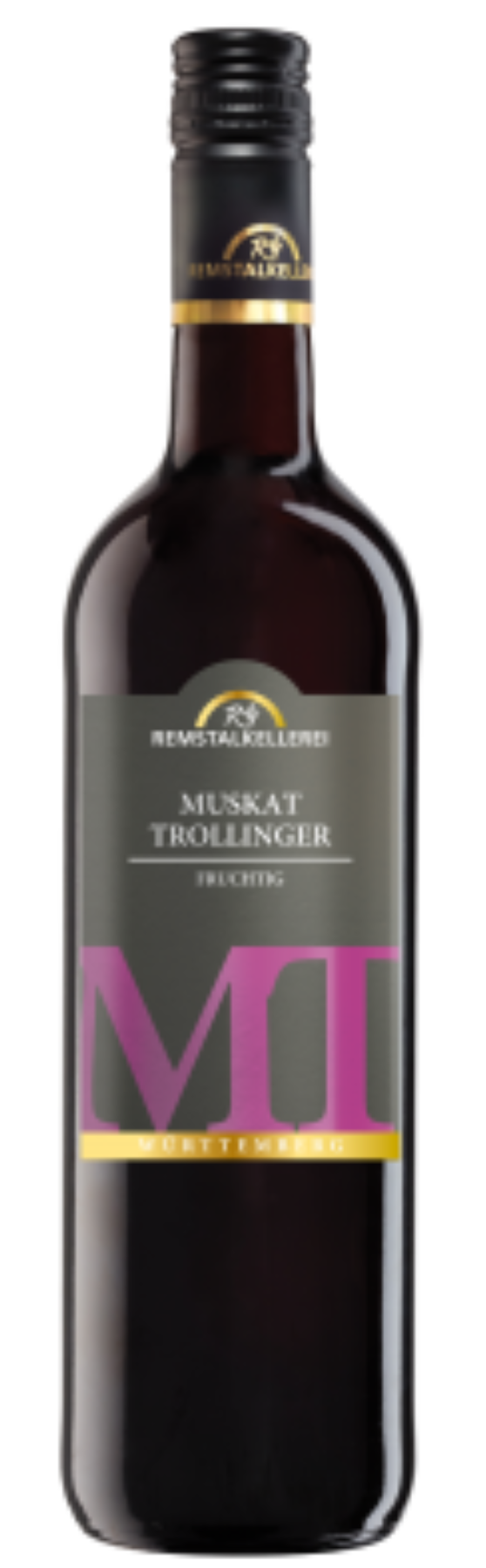
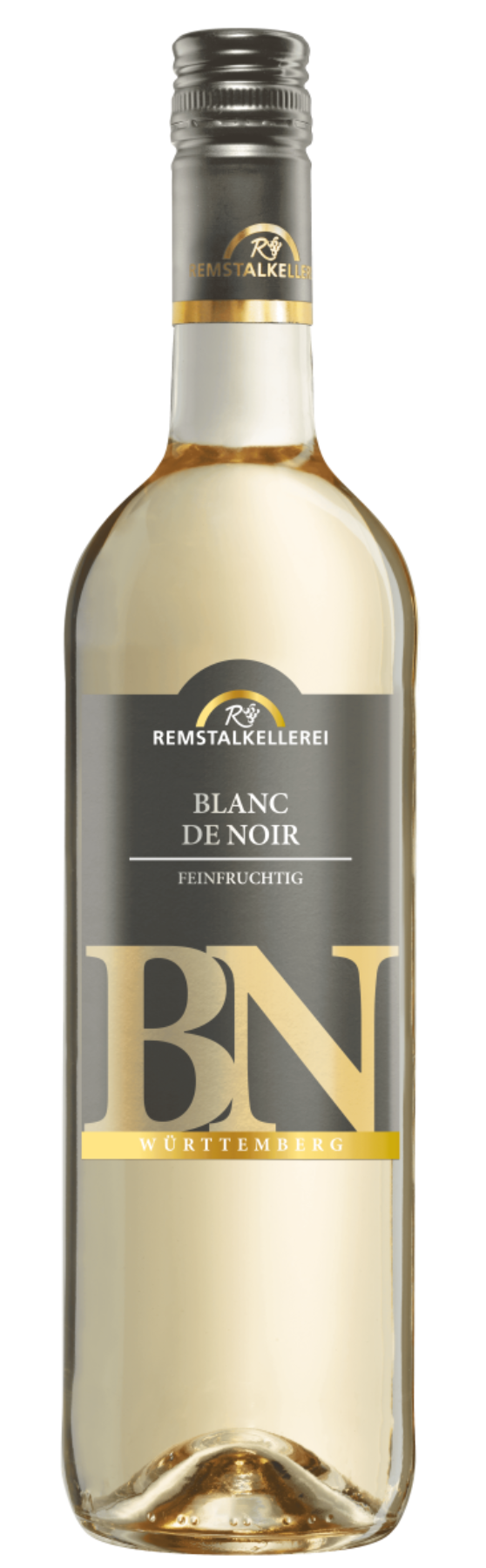
A real specialty is the Muskattrollinger: a mutation of the classic Trollinger that was discovered by the Remstalkellerei and further developed into a variety — fruity, light, with a characteristic nutmeg note. Anyone looking for a varietal Blanc de Noir will also find it in the program here. The range thus extends from cooperative everyday wines to wines that have attracted attention in the professional world — including awards at the International Wine Prize Mundus Vini and state awards from the Württemberg Winegrowers' Association.