In Johannisberg since 1670: A winemaking family with depth
When the Spätlese was discovered in Johannisberg in 1775, the Trenz family were long past being newcomers — the family has been growing wine there since 1670, making them one of the oldest winemaking dynasties in the Rheingau. Michael Trenz has been running the estate since 1998, taking it over at the age of 21 as a trained viticulture technician. Under his direction, the family winery developed noticeably: 2005 saw its first listing in Lufthansa First Class, and in 2008, Gault&Millau named the estate the Discovery of the Year — awards that point to consistent cellar work rather than short-term staging. Today, the estate supplies the Federal Chancellery and the Federal Foreign Office, among others.
Quartzite rock, west wind, and hand-picking: What sets the tone in Johannisberg
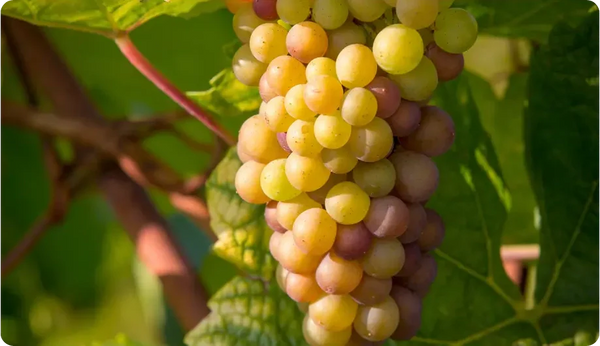
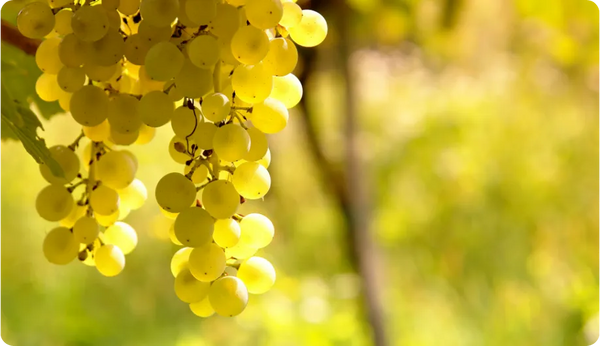
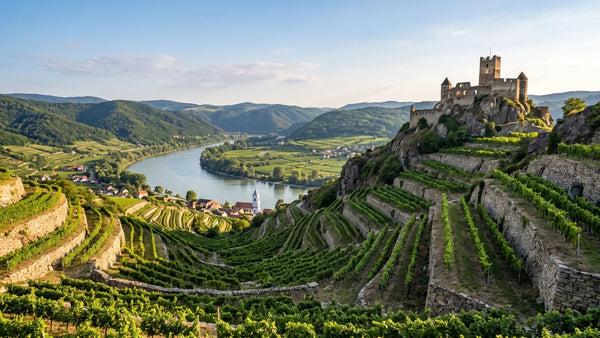
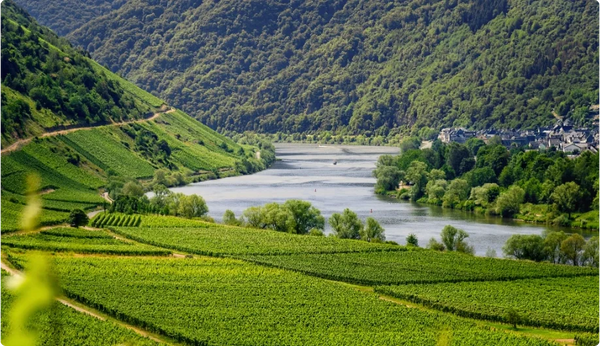
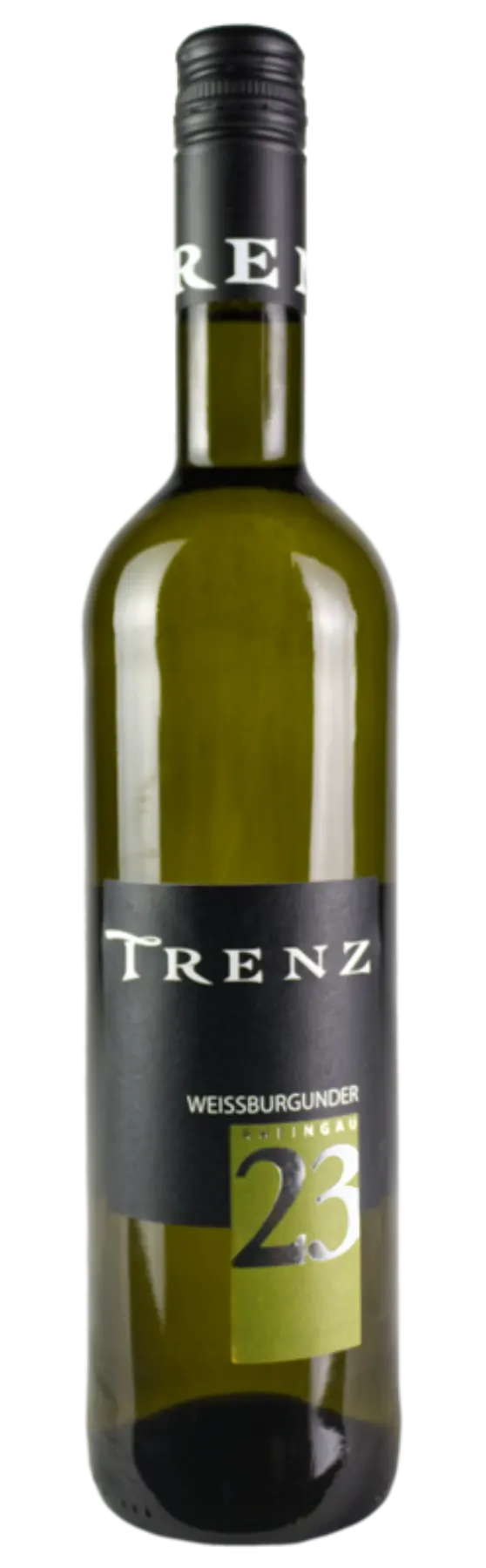
Trenz cultivates just under 15 hectares of vineyards around Johannisberg, the majority on stone-rich Taunus quartzite soils with just ten centimeters of humus cover. This barrenness forces the roots deep into the rock and gives the wines their characteristic minerality. In addition, constant west winds ensure that the grapes dry off quickly after rain and arrive at the harvest in perfect health. Harvesting is done late and selectively by hand; strict yield limitation increases extract and must weight. In the cellar, Trenz works in a controlled and classic manner: Riesling and Pinot Blanc are fermented at controlled temperatures to preserve fruit aromas, while the Pinot Noir is aged entirely in wood.
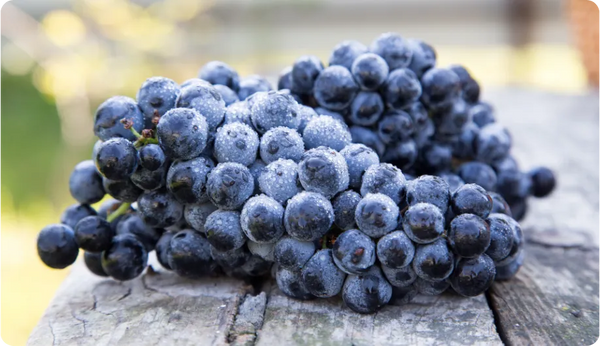
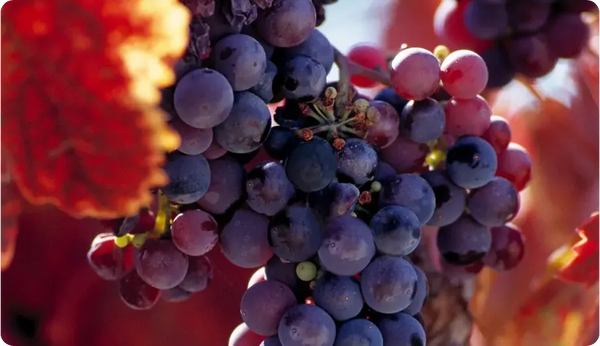
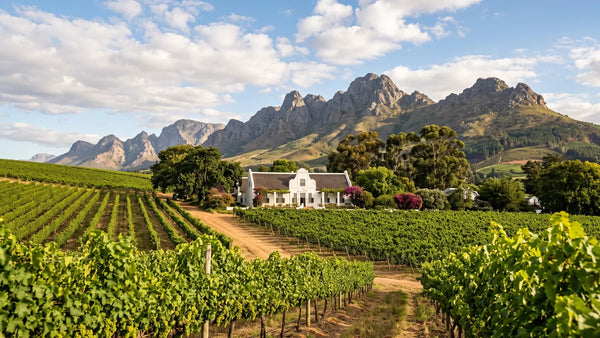
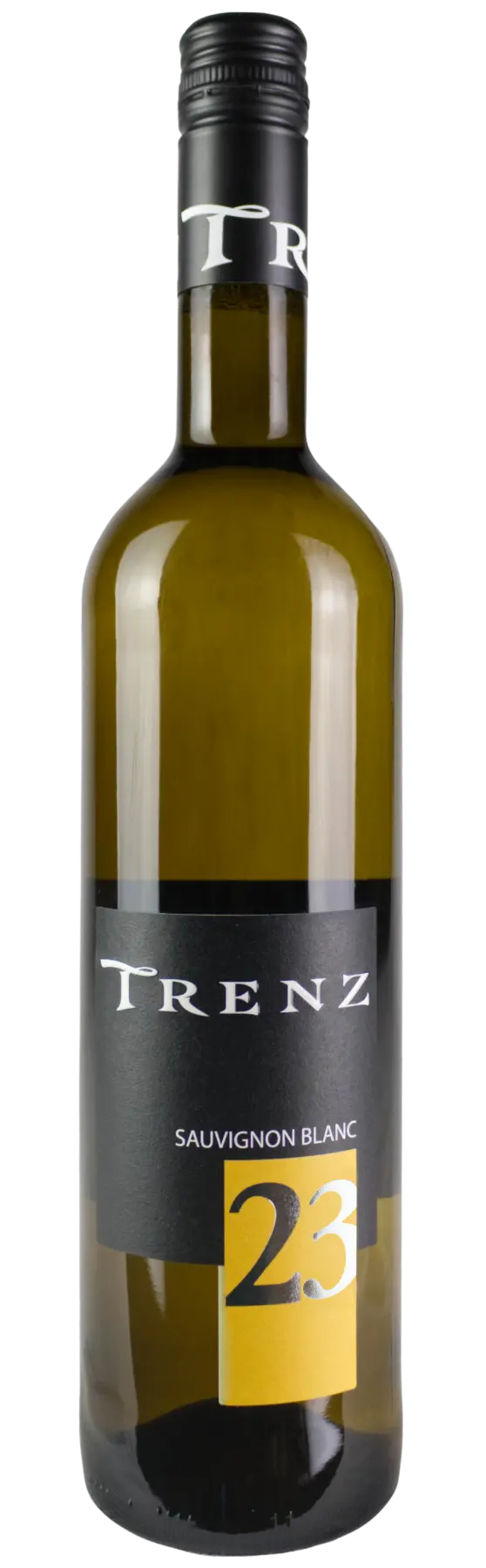
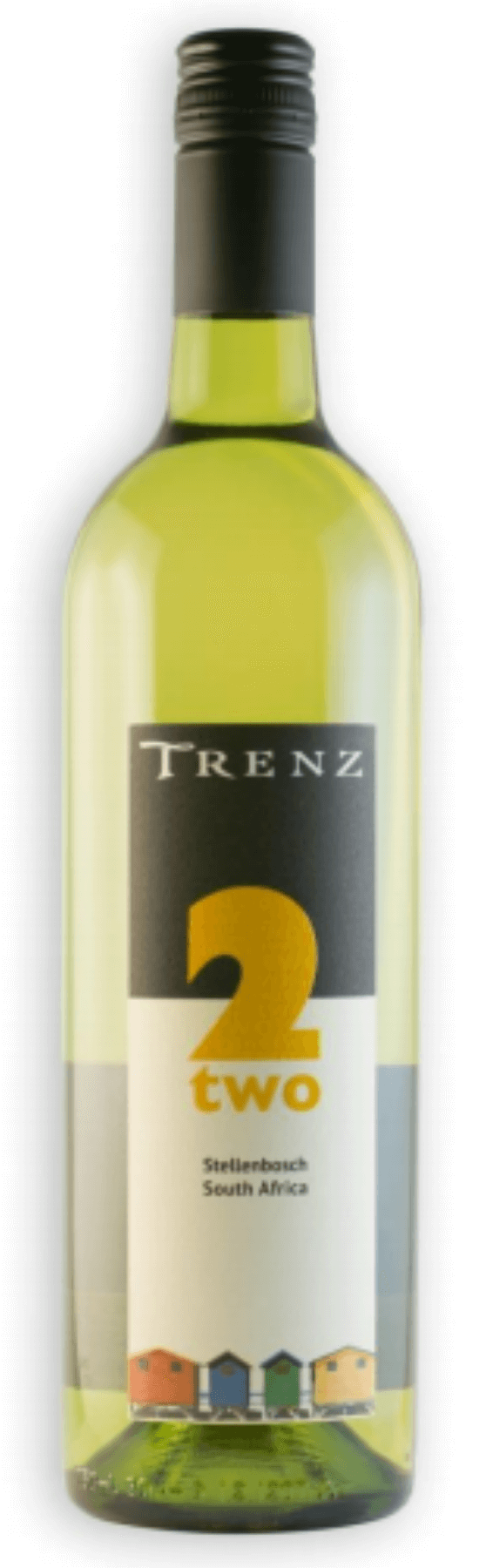
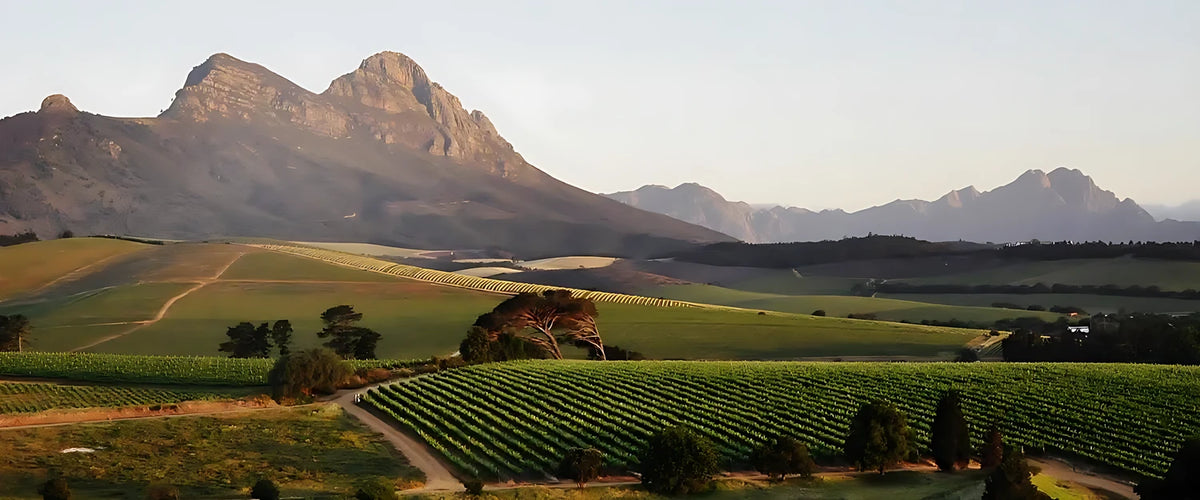
Since 2002, a second playground has been added: two hectares in Stellenbosch, South Africa, where Michael Trenz travels annually for the harvest. From Shiraz, Merlot, Malbec, and Petit Verdot, spicy red wine cuvées aged in barriques are created there under the name Trenz 2two — supplemented since the 2014 vintage by a white version made from 100% Sauvignon Blanc.
Riesling as the core, 2two as the counterpoint: The Trenz range
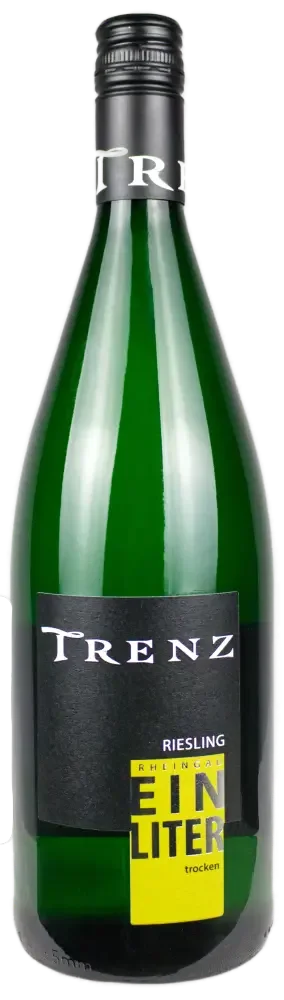
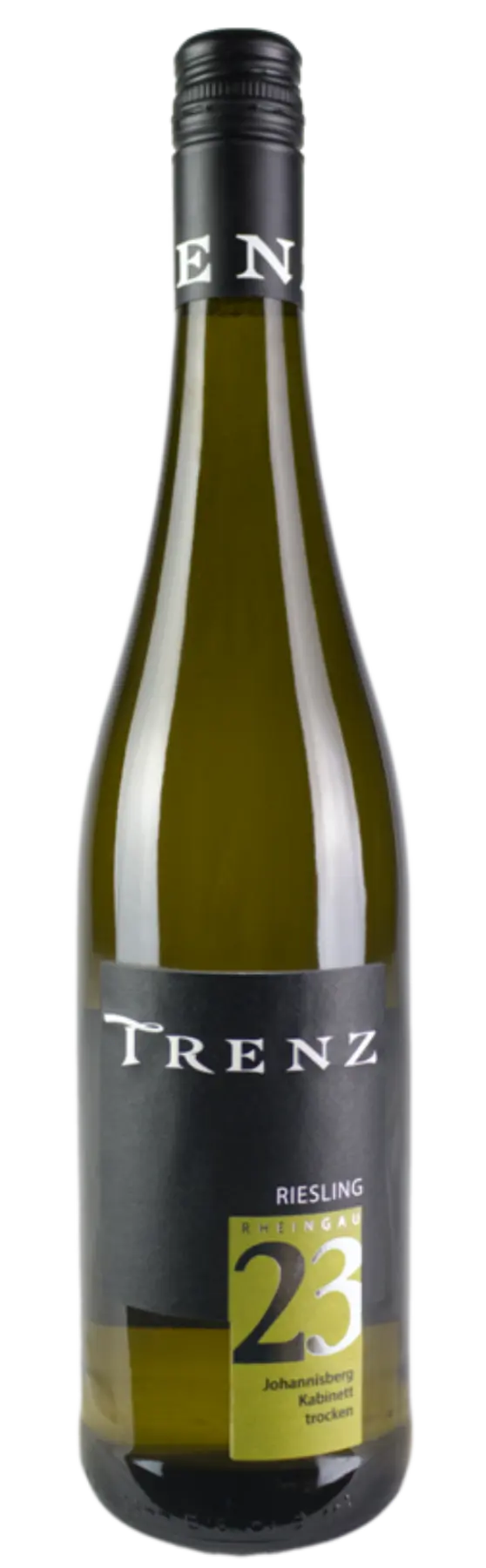
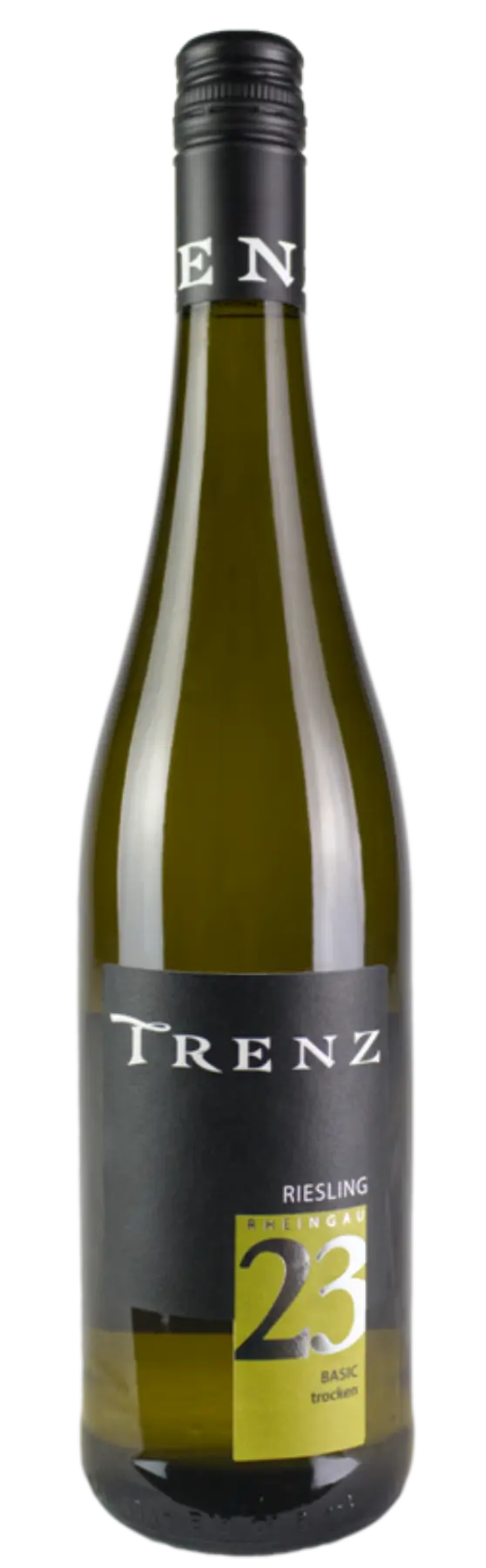
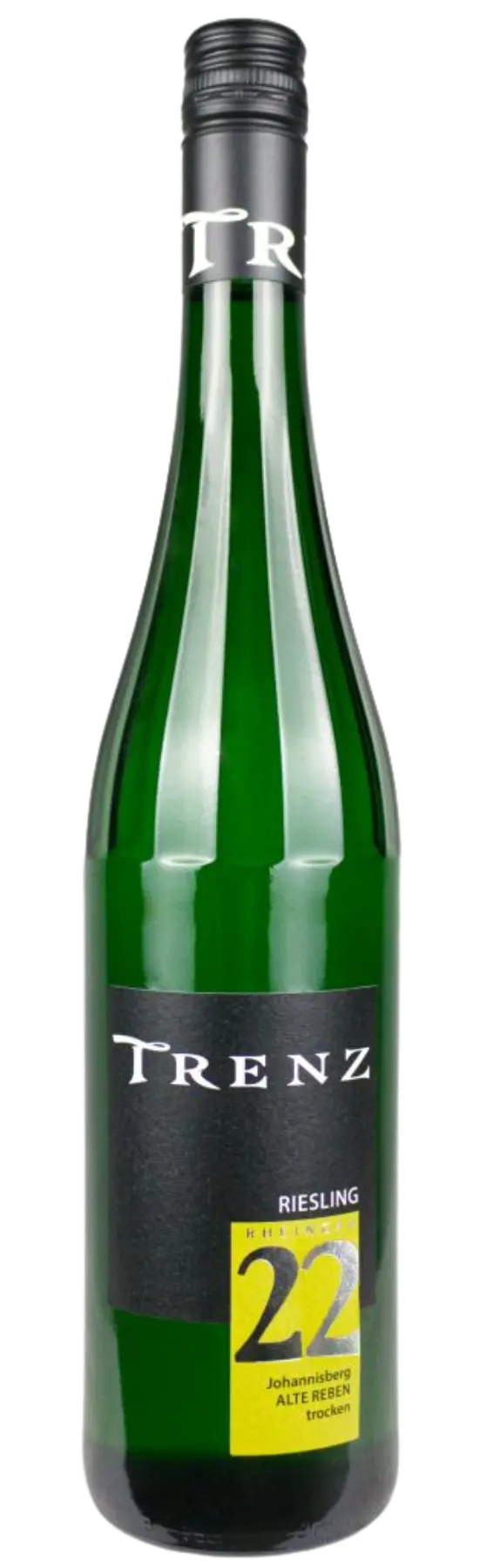
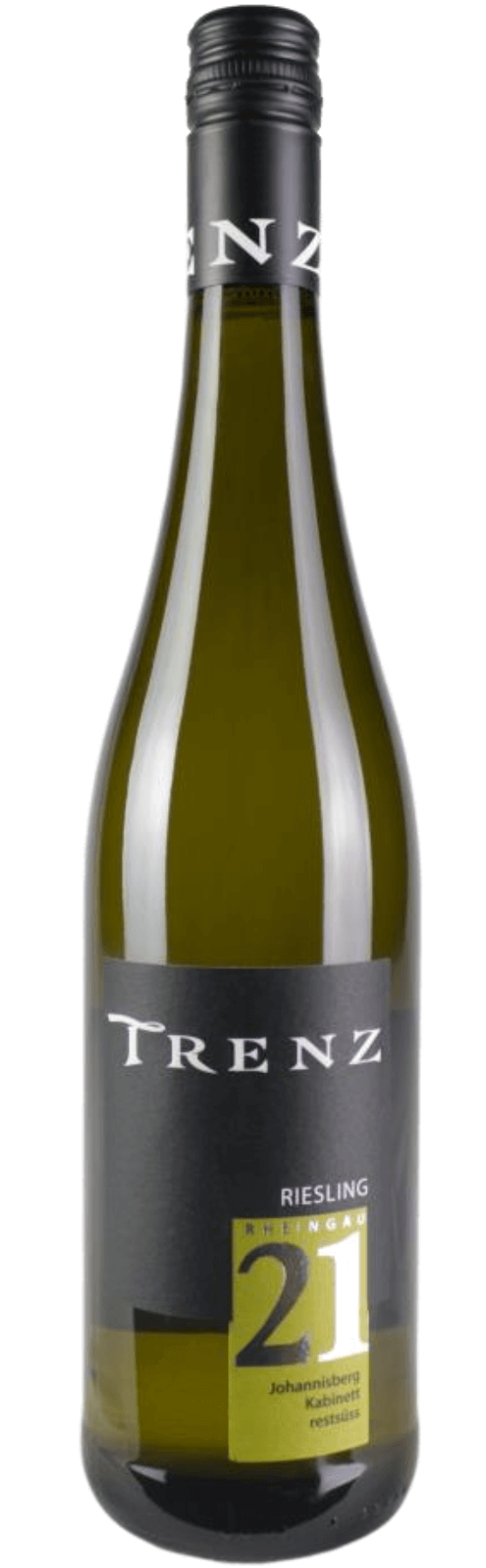
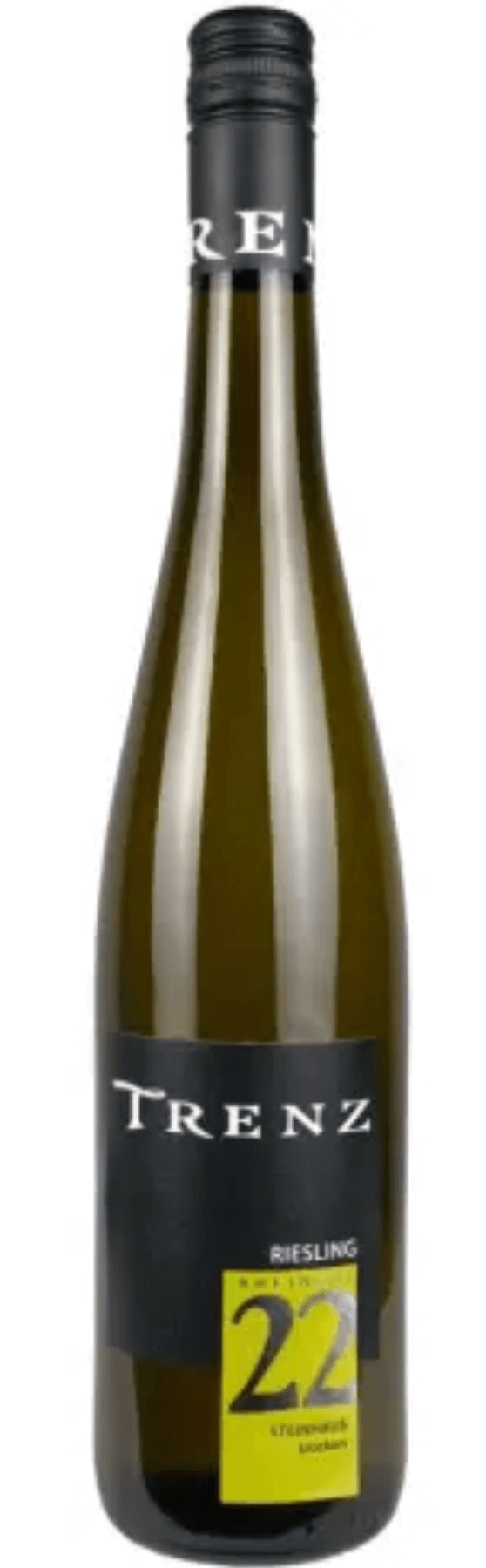
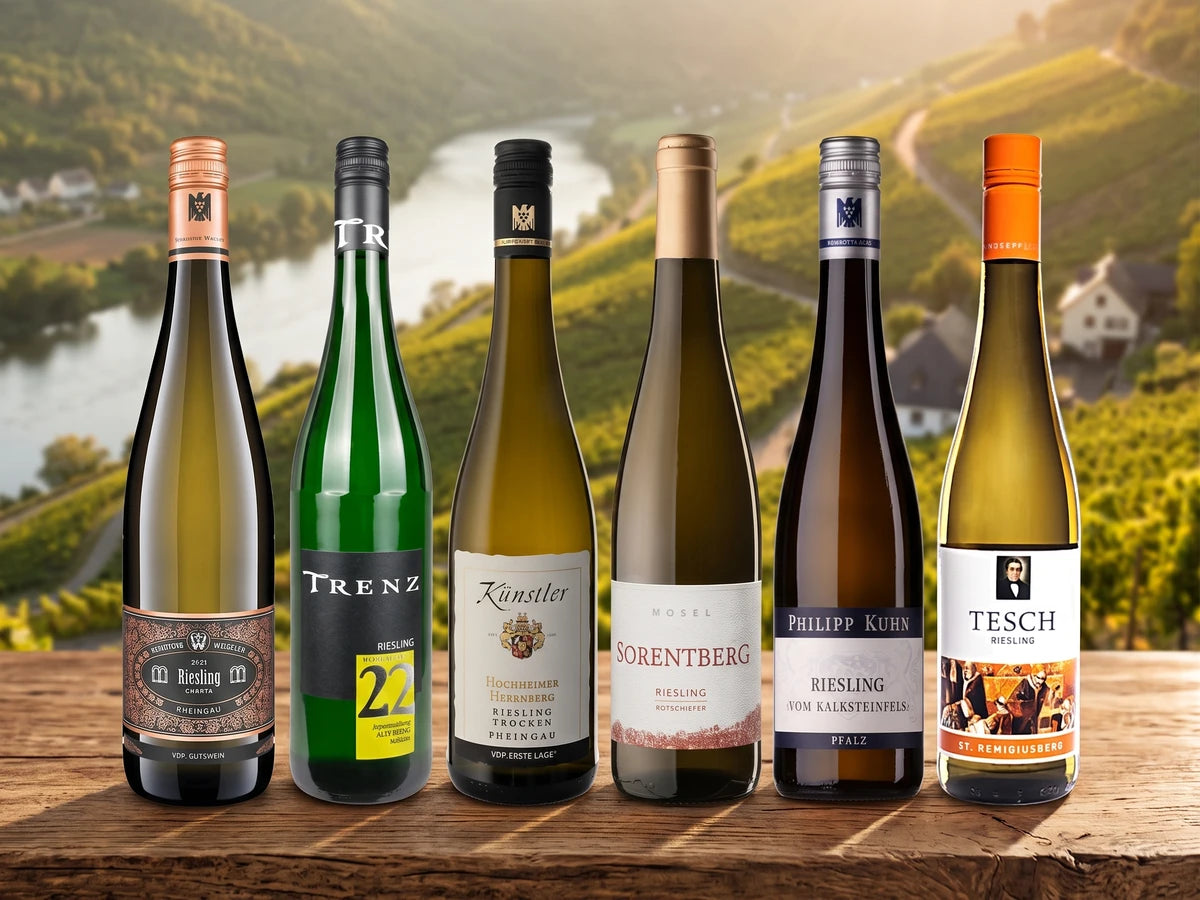
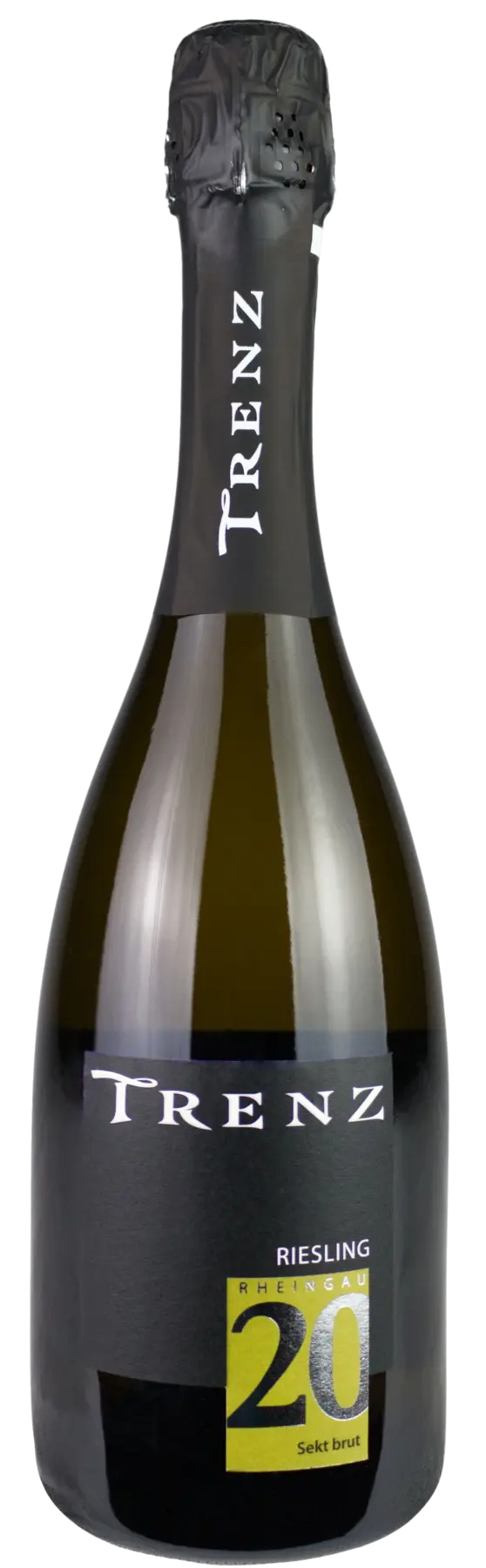
The heart of the portfolio remains the Riesling in all its forms — from the fresh estate Riesling to the Johannisberger Kabinett and the old-vine Riesling, which is pressed from vines over 50 years old. These old vines provide more complex, deeply rooted wines with a longer development line. The top sites Johannisberger Hölle — a southwest-facing steep slope with up to 30 percent incline, first mentioned around 1180 — and the Johannisberger Vogelsang stand for Rieslings with clear fruit, lively acidity, and a mineral finish. Anyone wishing to explore the range away from the Rheingau will find in the Trenz 2two Sauvignon Blanc a wine that translates the house's signature into a different climate: concentrated, spicy, with Cape character instead of slate minerality.