Since 1641 in Oestrich: A family line that shapes the Rheingau
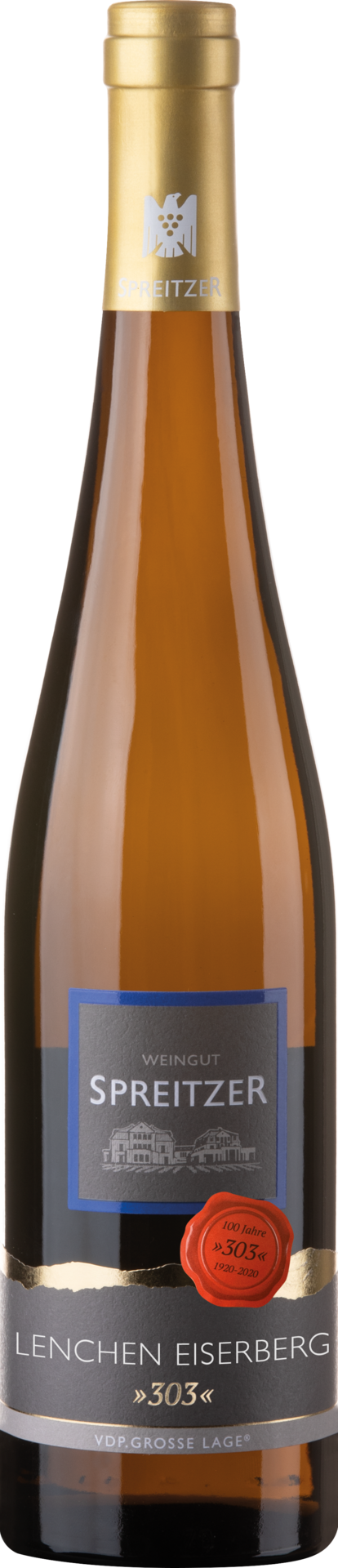
The Josef Spreitzer winery is one of the oldest wine-growing businesses in Oestrich-Winkel. The first documented roots reach back to the year 1641. Over generations, the business remained in family hands: Josef Spreitzer, namesake of today's estate, was the grandson of the founder of the Heinrich Spreitzer line and initially estate manager at the Hess winery — where he harvested a legendary Trockenbeerenauslese with 303 degrees Oechsle in 1920, a record must weight in the Rheingau until 2003. After the Second World War, Bernhard Spreitzer took the helm, expanded the business, and opened up international markets. In 1983, he received the State Honorary Award as best winemaker of the year. Since 1997, his sons Andreas and Bernd Spreitzer have been running the estate together: Andreas as cellar master and head of field operations, Bernd as commercial director and meticulous taster. The winery has been a member of the VDP since 1999 and is part of the Rheingau Charta, which protects Riesling as a cultural asset of the region.
Greened vine rows, gravity in the cellar
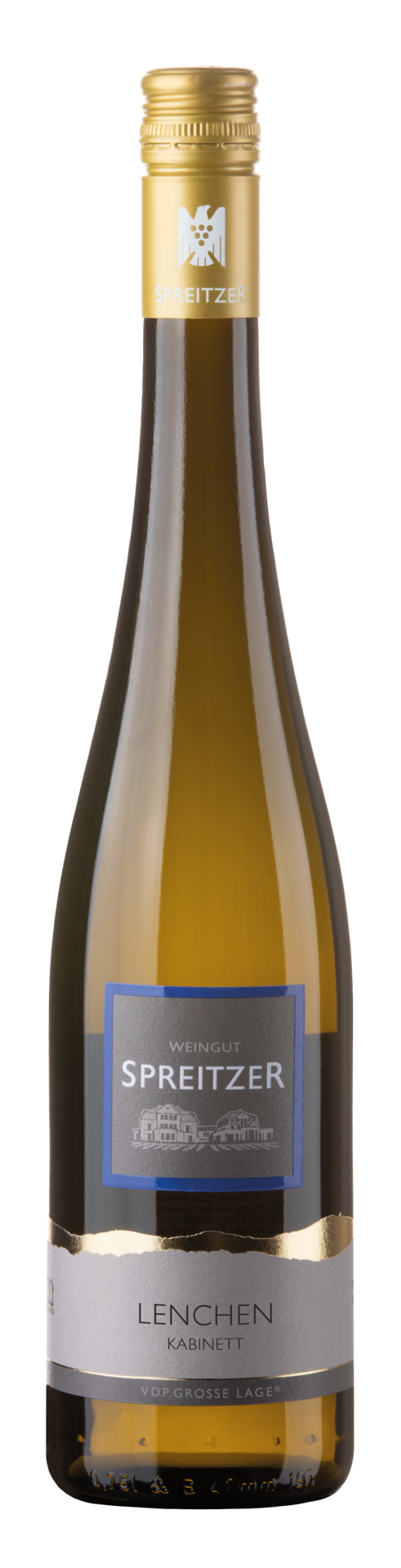
The family currently cultivates around 35 hectares, distributed across first-class sites in Oestrich, Winkel, Hattenheim, and Hallgarten — including several VDP.Grosse Lagen such as Doosberg, Lenchen, Rosengarten, Sankt Nikolaus, Wisselbrunnen, Schönhell, and Jesuitengarten. The soils alternate between deep loam, loess, clay, and quartzite veins. Around 95 percent of the vineyard area is planted with Riesling, the rest with Pinot Noir.
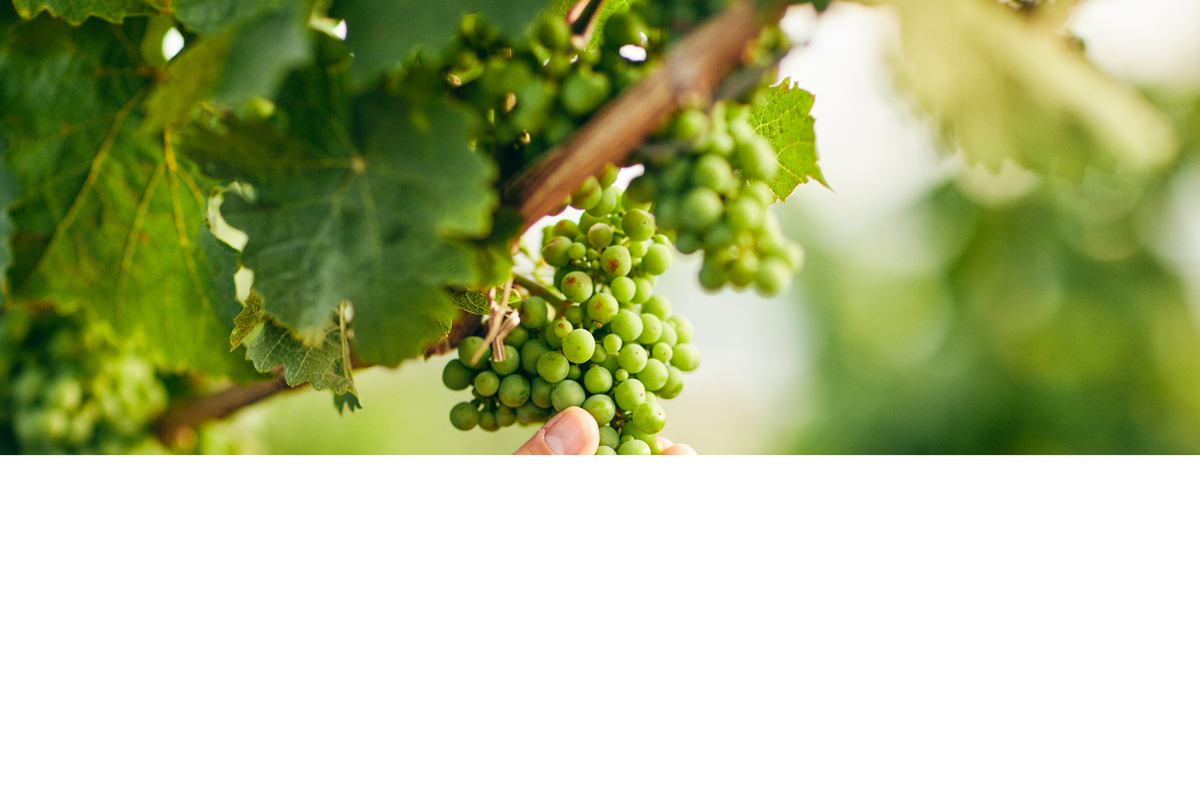
In the vineyard, every second vine row is greened; in winter, grain is sown to regulate the microclimate. The vines are deliberately pruned low to limit yields per vine and promote physiological maturity. Harvesting is done exclusively by hand. In the cellar — a vaulted cellar from 1743 that is still in operation today — the winery relies on gravity instead of pumps: a gentle aging process that protects the fruit of the grapes. Fermentation takes place slowly in wooden barrels or in temperature-controlled stainless steel tanks, depending on the wine.
Filigree and concentrated at the same time: the Spreitzer style
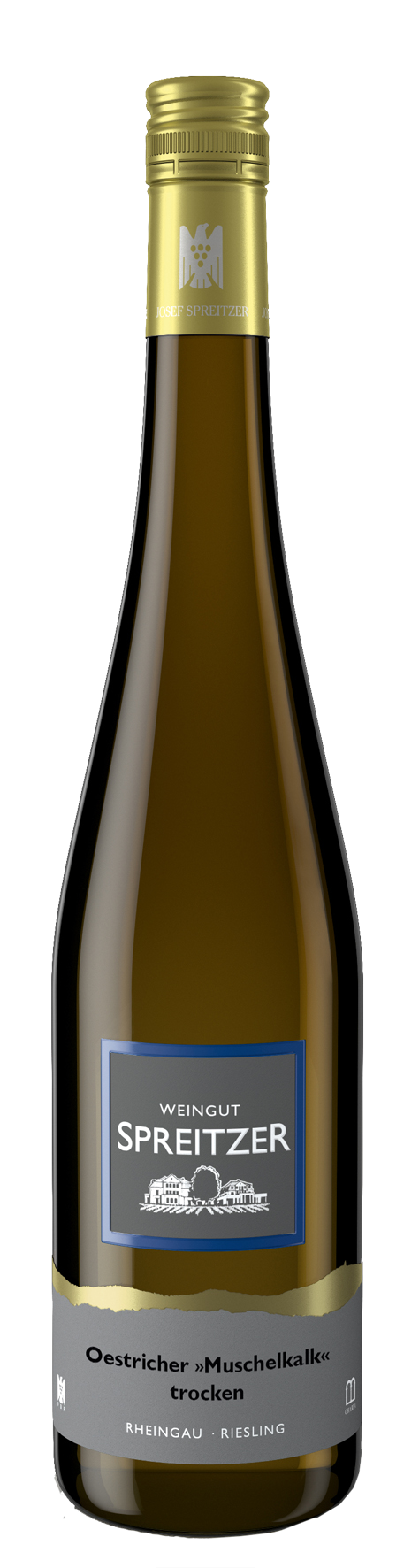
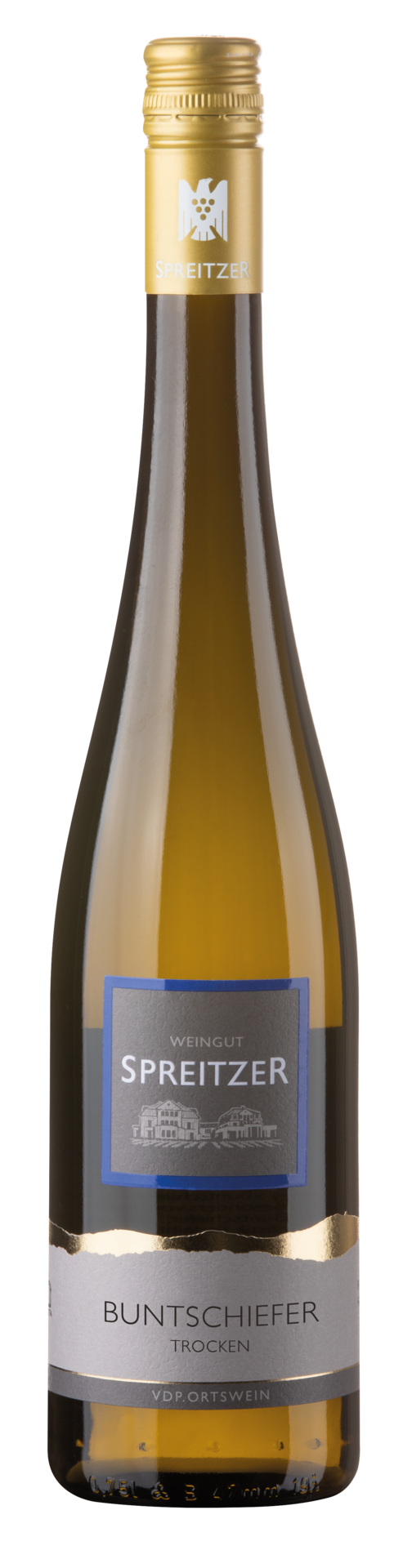
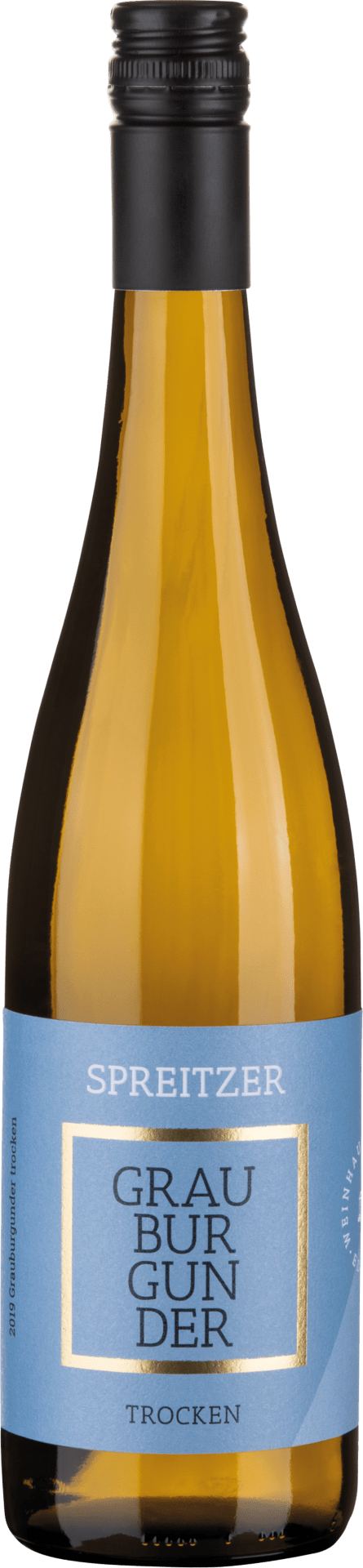
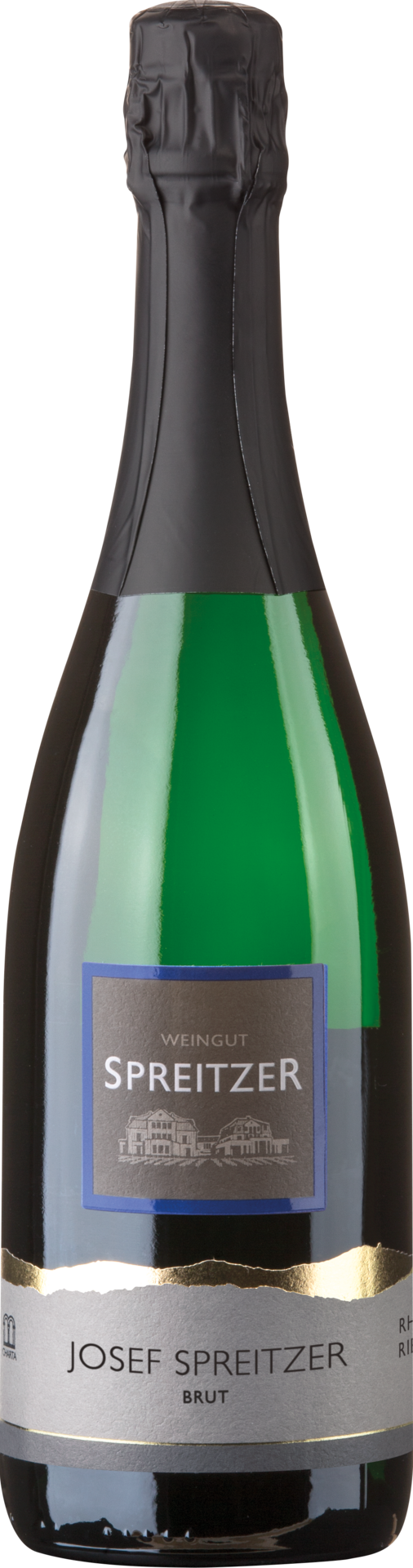
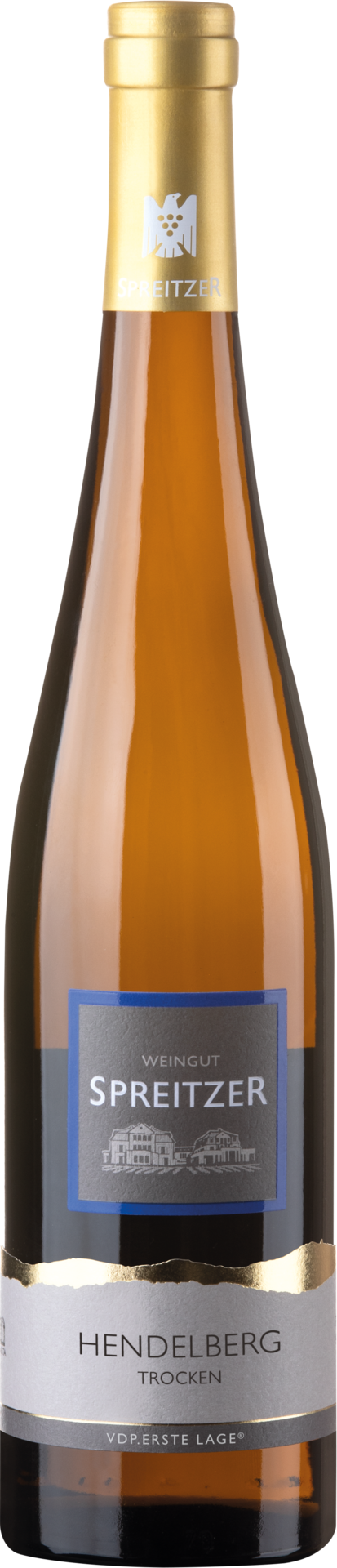
What distinguishes the wines from Spreitzer can best be described with a quote from Bernd Spreitzer himself: "Our wines should be filigree and concentrated at the same time — a tightrope walk." Clear fruit, lively acidity, fine minerality, and an alcohol level that preserves lightness without sacrificing depth — that is the signature of the estate. The Grosse Gewächse from the Doosberg and the Lenchen-Rosengarten are considered the most precise dry Rieslings in the region. The Hallgartener Hendelberg, as the highest-altitude single vineyard of the estate, brings a sparse, purist minerality into the glass. The Wisselbrunnen wines from Hattenheim convince with a fresh, terroir-accentuated character. The range is complemented by a Charta Riesling traditionally aged in large wooden barrels with long aging potential, as well as a Riesling Sekt Brut and white wines from Chardonnay, Pinot Blanc, and Pinot Gris. The spectrum ranges from the accessible estate wine to the storable Grosse Gewächs — and reflects the entire breadth of the Rheingau terroir.