Nine centuries of viticulture in the heart of the Rheingau
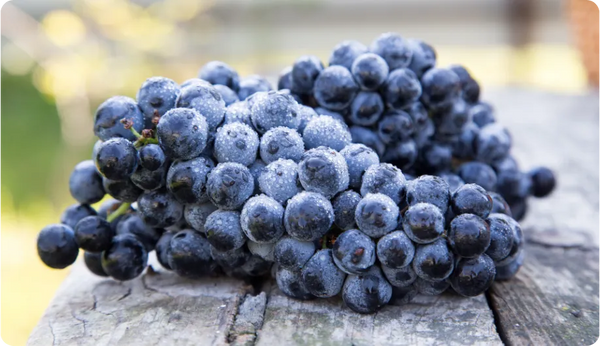
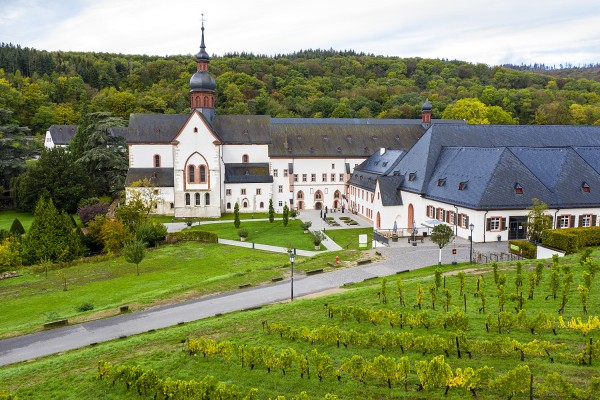
Kloster Eberbach was founded in 1136 as the first daughter monastery on the right bank of the Rhine of the Burgundian mother monastery Clairvaux. The Cistercian monks brought not only their monastic rule from Burgundy, but also the Pinot Noir vine — cultivated in the Rheingau as Spätburgunder. As early as the Middle Ages, they opened up steep, previously fallow slopes for viticulture, laying the foundation for some of Germany's most significant vineyards. By the 15th century, Kloster Eberbach was already considered the largest winery in Germany; the cultivated areas extended from the Rheingau to the Nahe, the Middle Rhine, and the Bergstraße.
After secularization in 1803, the winery first passed into the possession of the Duke of Nassau, then into that of the Kingdom of Prussia. It has belonged to the state of Hesse since 1945. Today, it operates as Hessische Staatsweingüter Kloster Eberbach GmbH and is a member of the VDP — Association of German Prädikat Wine Estates. Within the historic walls of the monastery, wine rarities from several centuries are stored; the oldest bottle stocks date back to the year 1706.
Viticulture between steep slate slopes and the medieval Cabinet cellar
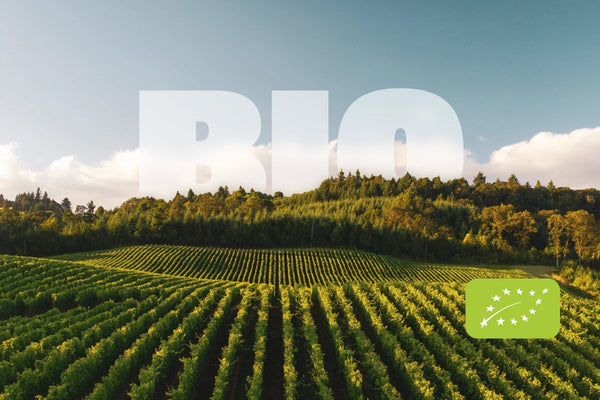
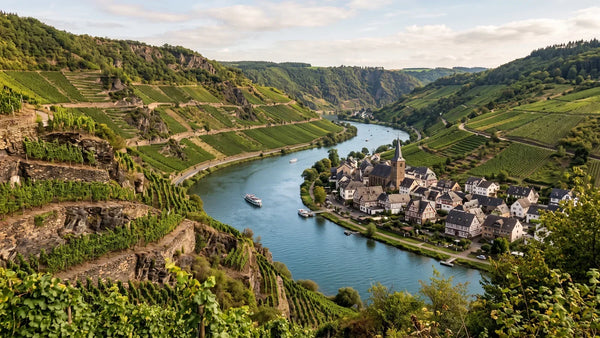
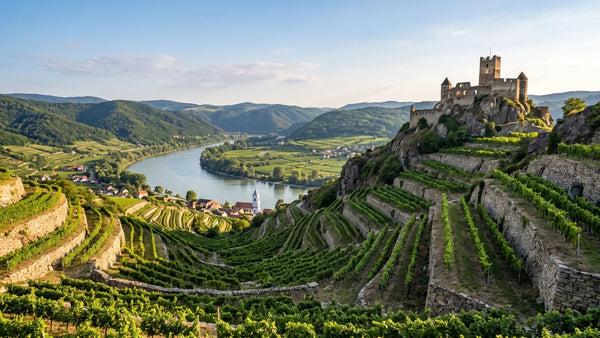
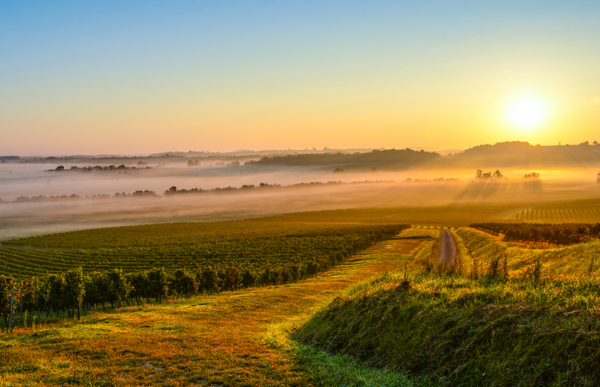
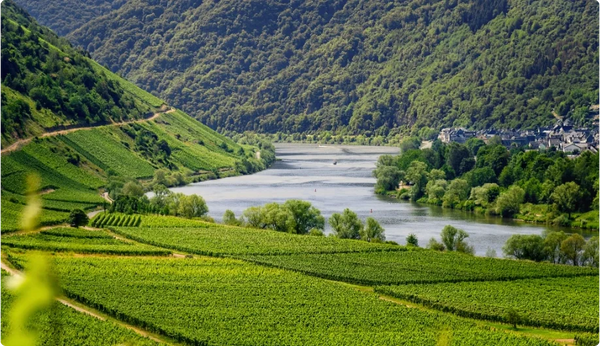
The winery manages around 200 hectares of vineyards, including over 50 hectares of steep slopes, many with a gradient of up to 65%. In sites such as the Assmannshäuser Höllenberg or the Rüdesheimer Berg, the use of machinery is hardly possible — hand-picking remains mandatory. Insecticides are completely avoided; extensive greening, stone mounds, and targeted biodiversity measures characterize vineyard maintenance. At the same time, the winery relies on fungus-resistant PIWI grape varieties, whose need for plant protection is up to 80% lower than that of classic varieties.
In the cellar, gentle processing is the priority: soft pressing, careful vinification, and — for the top wines — maturation in the historic Cabinet cellar. The Cabinet cellars in Assmannshausen and at the Steinberg are the home of the hand-picked top wines from the best parcels of the Grosse Lagen; this is where both dry icons and luscious rarities with long aging potential are created.
Riesling, Spätburgunder, and the great sites: Steinberg, Höllenberg, Marcobrunn
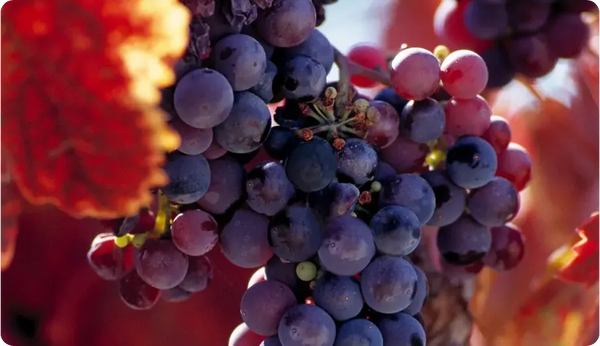
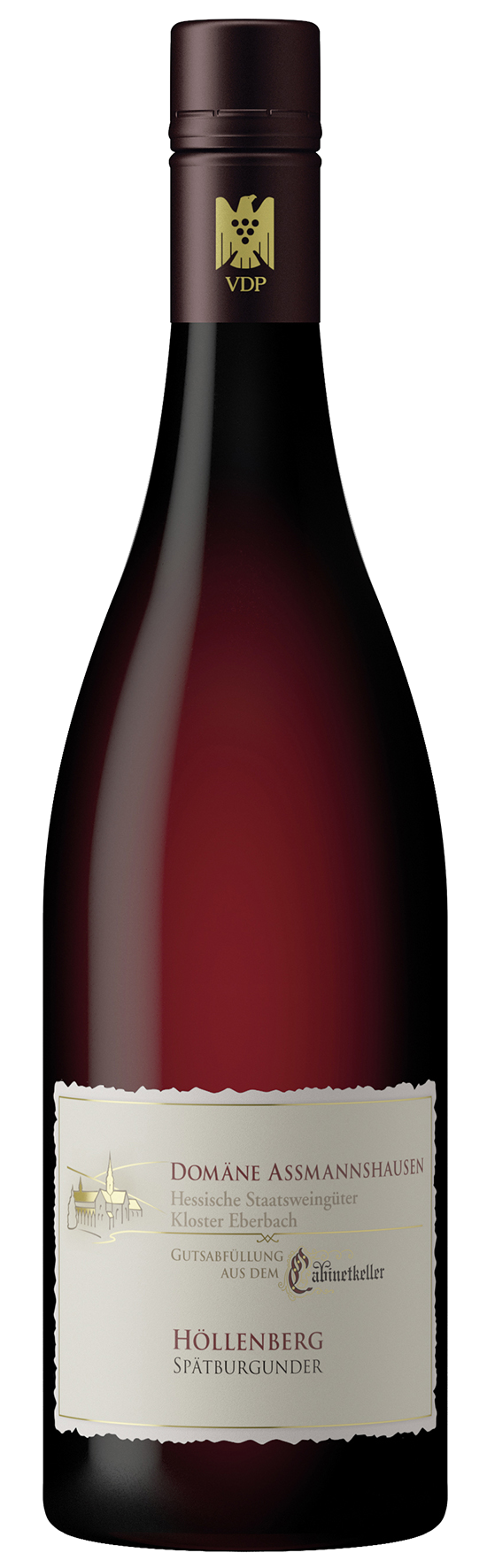
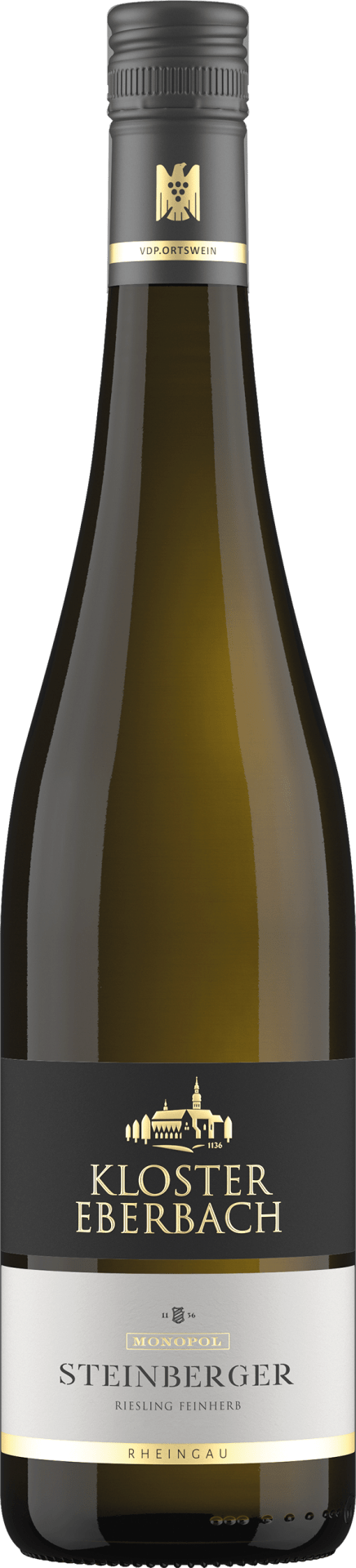
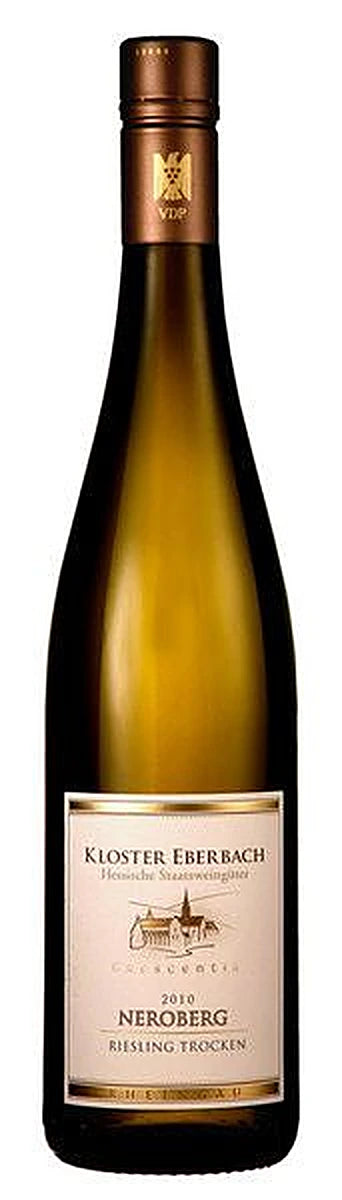
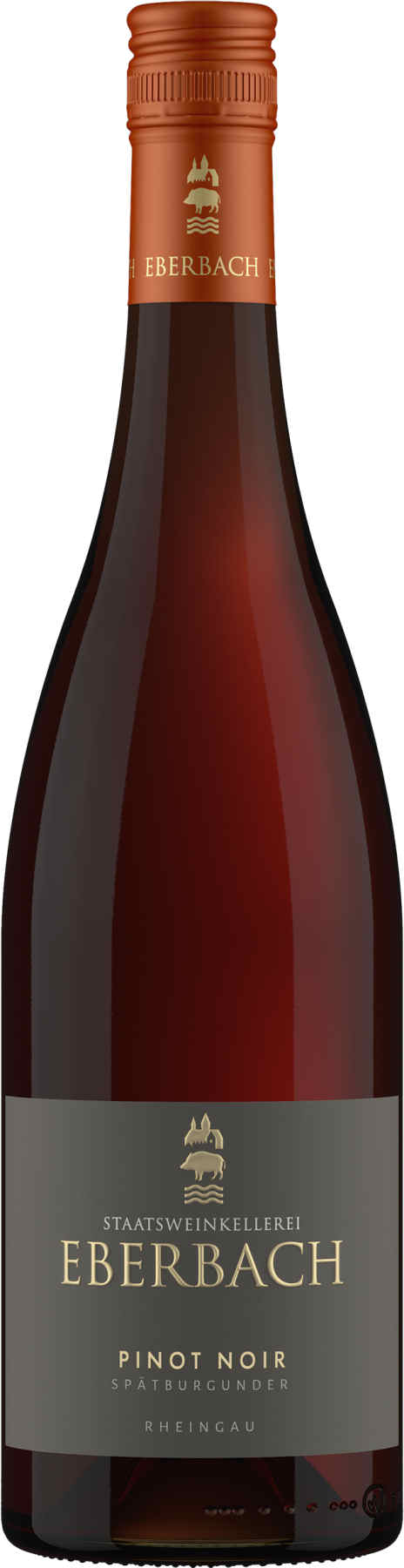
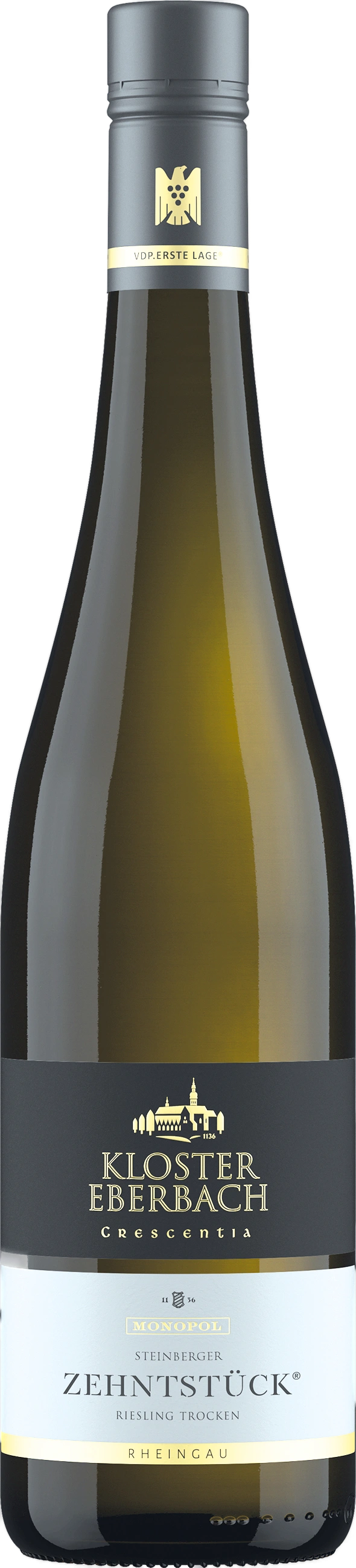
The lead grape variety is Riesling, supplemented by Spätburgunder, Pinot Blanc, and Pinot Gris. The heart of the Riesling domain is the Steinberg near Hattenheim — in the sole possession of the monastery since 1239, enclosed by the Cistercians according to the Burgundian model with a wall about three kilometers long. The soils of Taunus slate, loess-loam, and quartzite shape a Riesling with density, minerality, and long development. In contrast, there is the Assmannshäuser Höllenberg: a steep slope in a pure southern exposure, soil of violet phyllite slate, planted almost exclusively with Spätburgunder since the 19th century. Here, a Pinot Noir is created with red fruit, finely structured acidity, and considerable aging potential — maturation in traditional wooden barrels is standard.
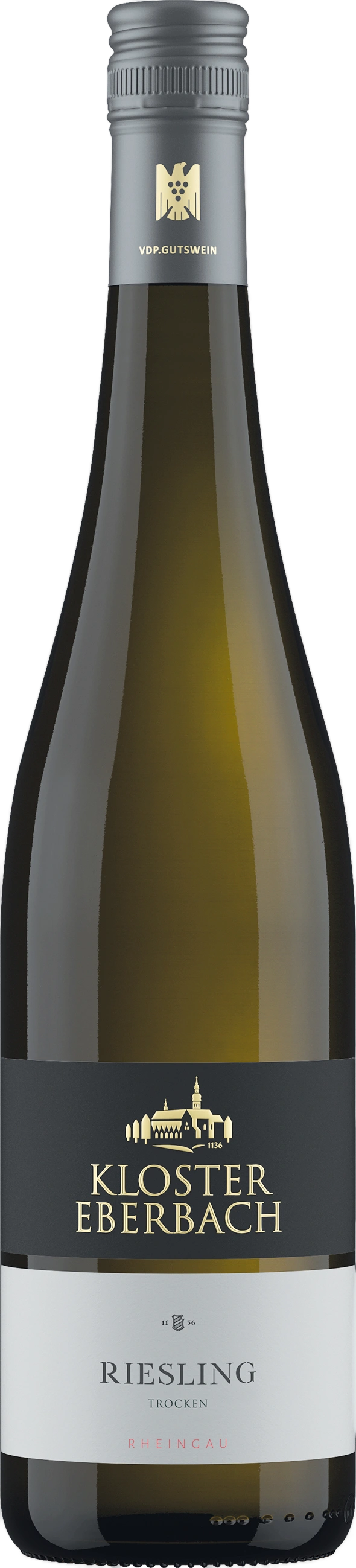
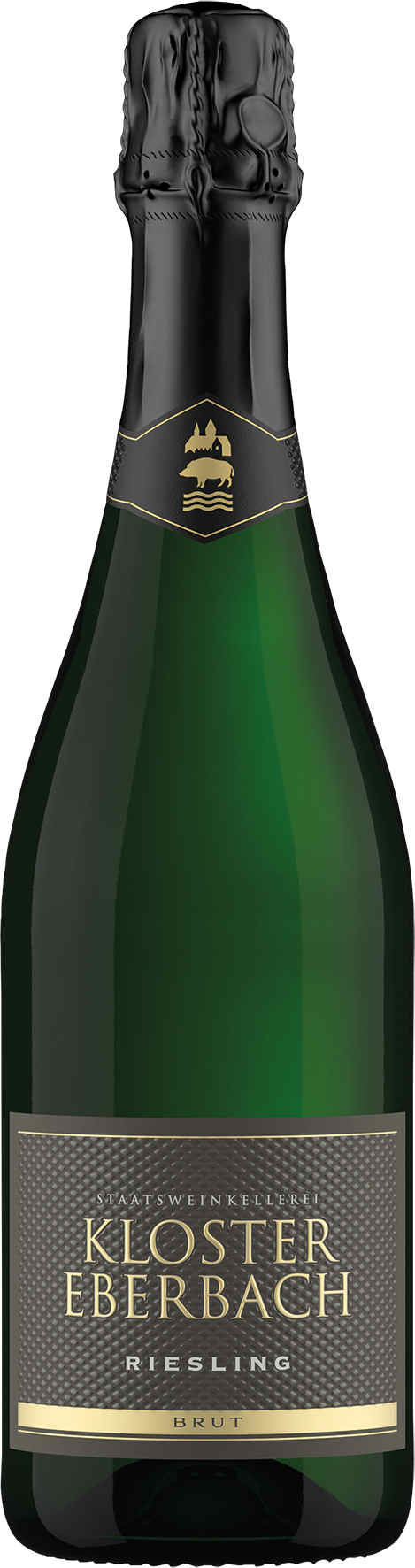
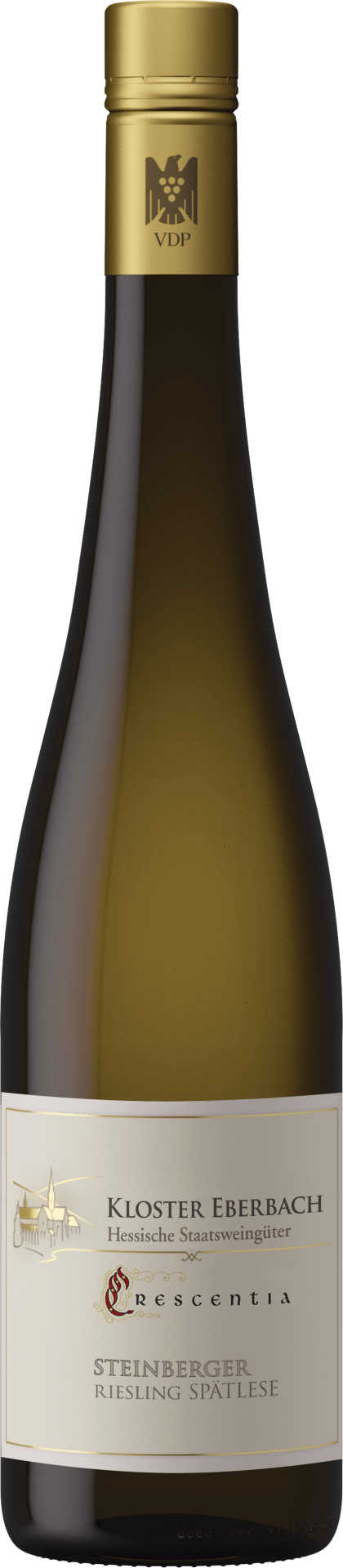
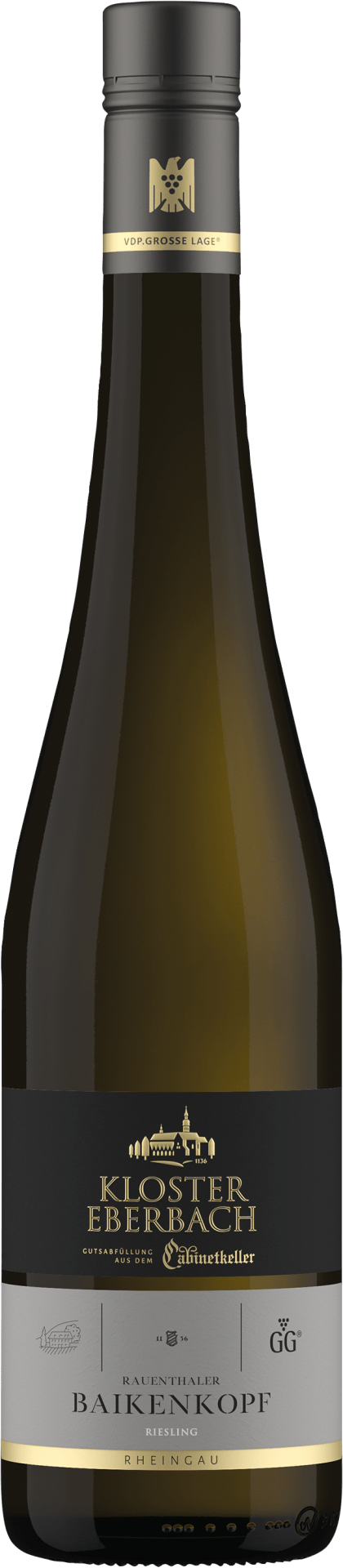
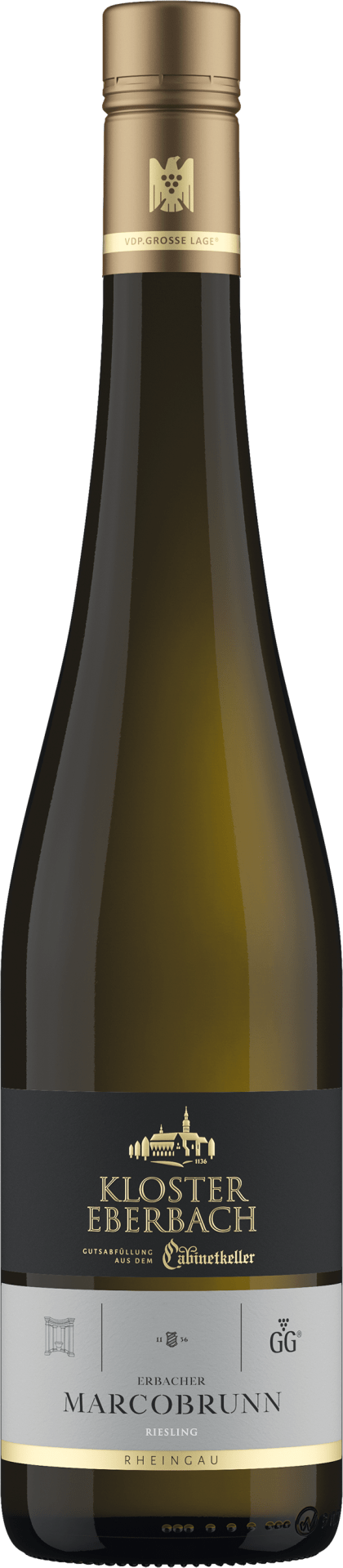
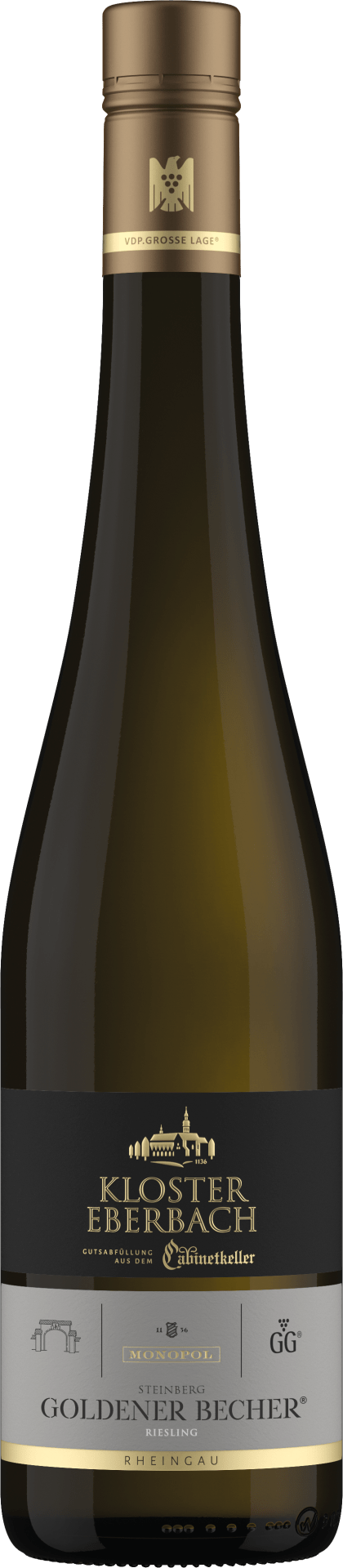
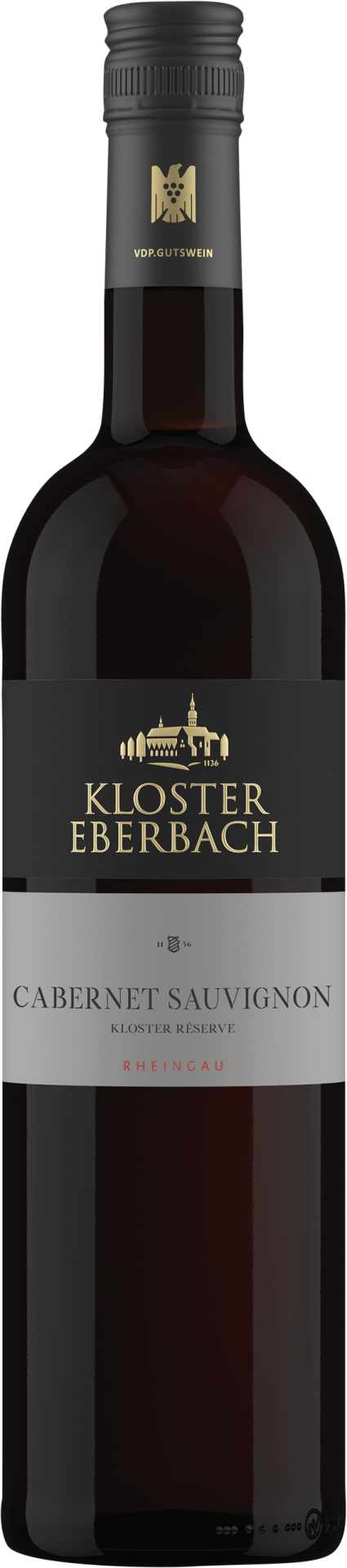
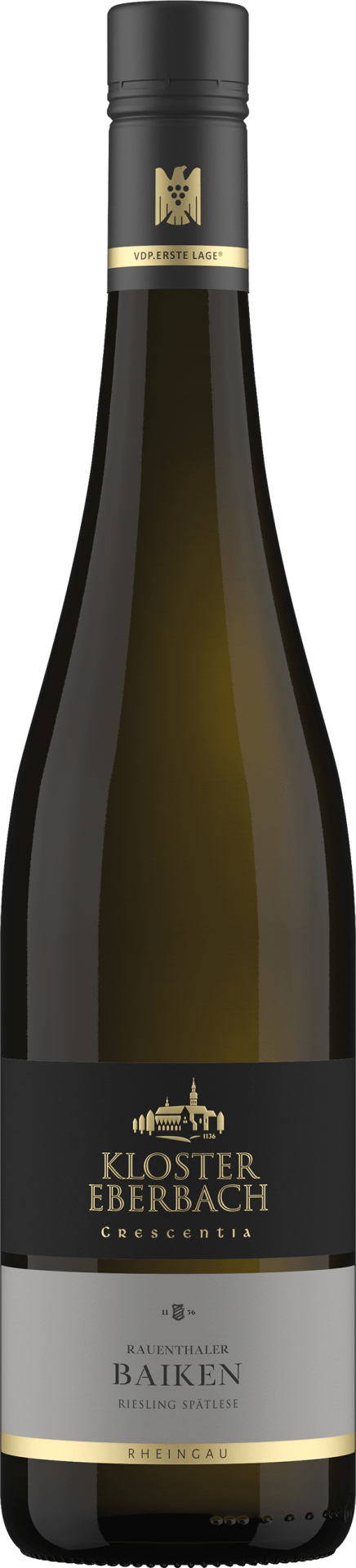
The range extends from the accessible estate wine to the Grosses Gewächs from the Cabinet cellar: the Rheingau Riesling dry and the Riesling off-dry form the entry level, the Crescentia wines from individual top sites the next level, and the VDP Grosses Gewächs from sites such as Höllenberg, Steinberg, or Erbach Marcobrunn the pinnacle of the range. Anyone who drinks the wines of Kloster Eberbach holds almost 900 years of Rhenish viticulture in their glass.