
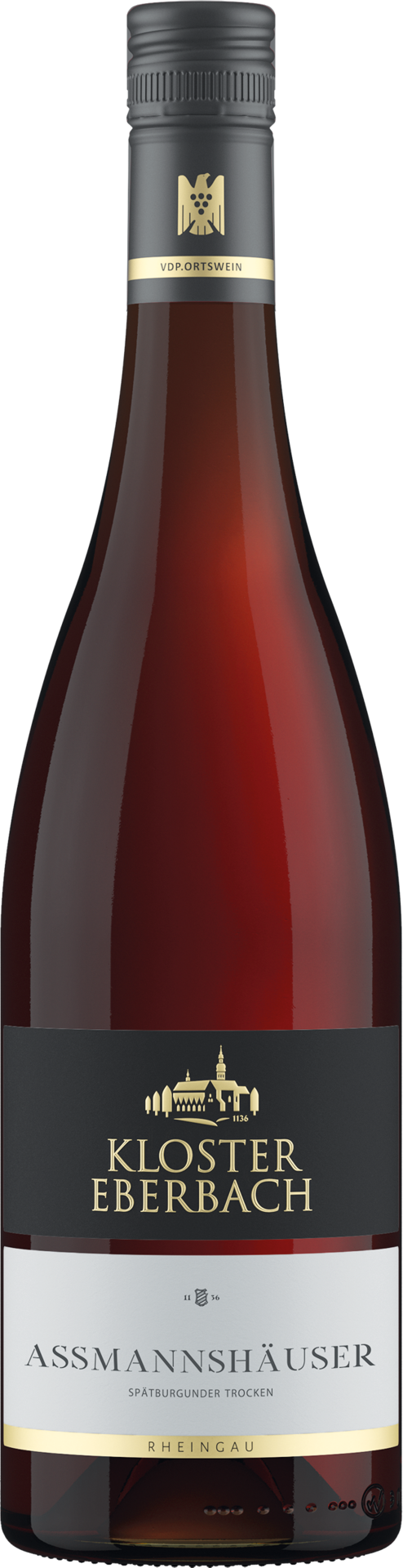
Assmannshäuser Spätburgunder

Assmannshäuser Spätburgunder
Nutritional values per 100 ml
Legal & trade information
Review this product
Log in to review this product.
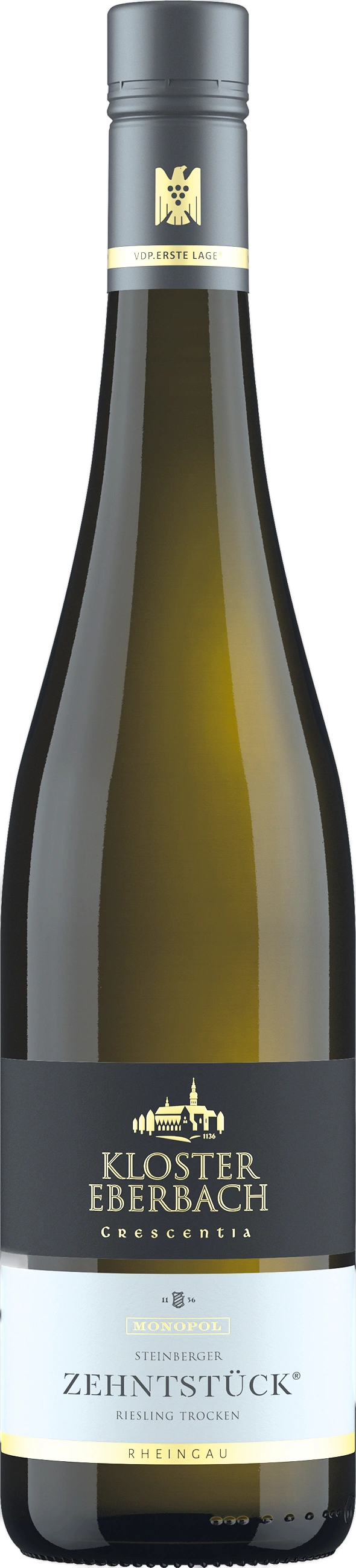
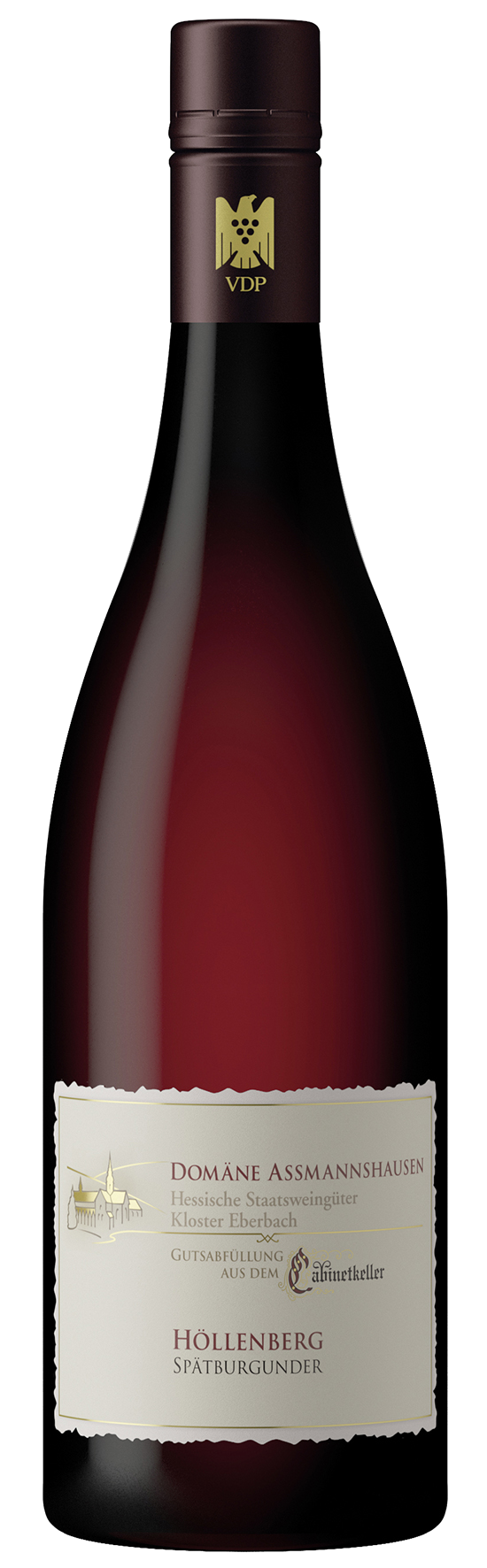
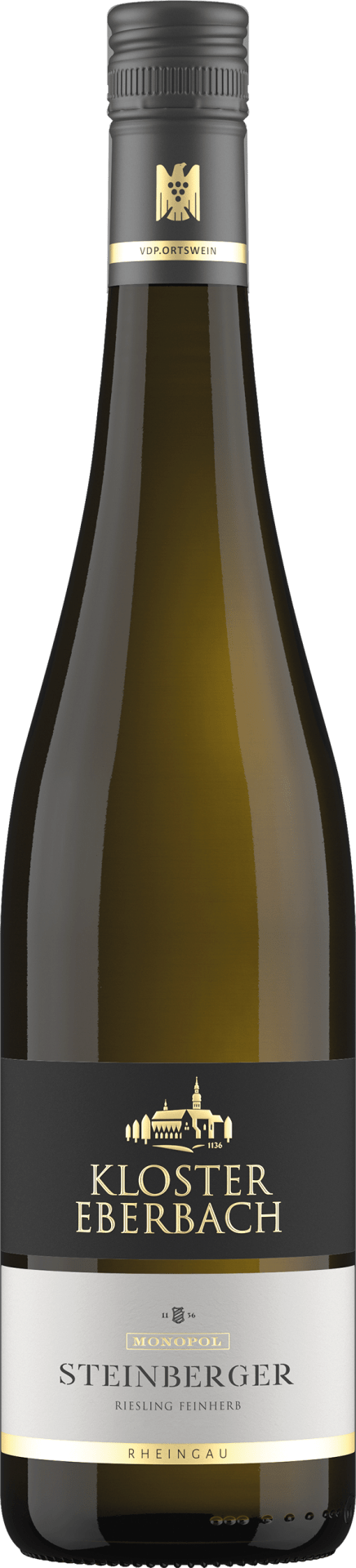
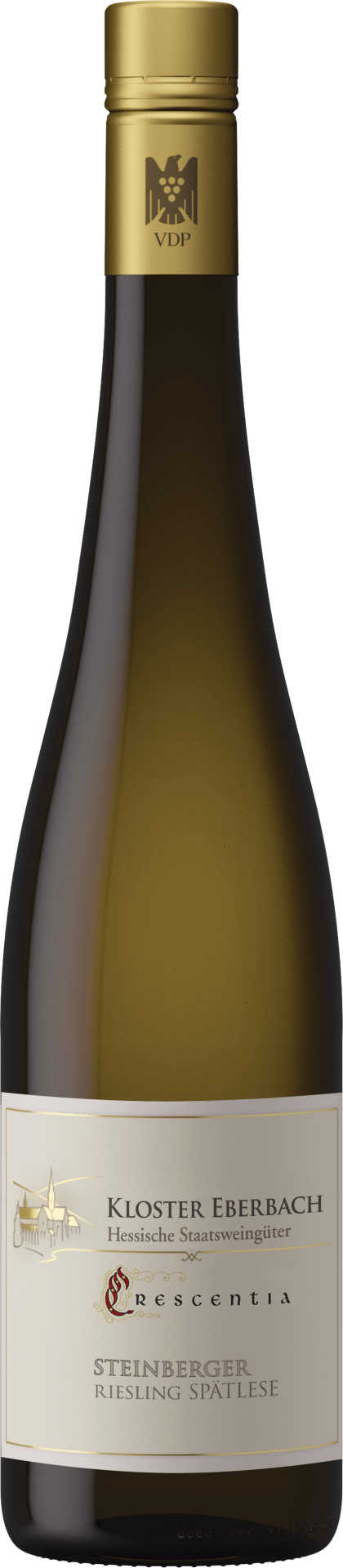
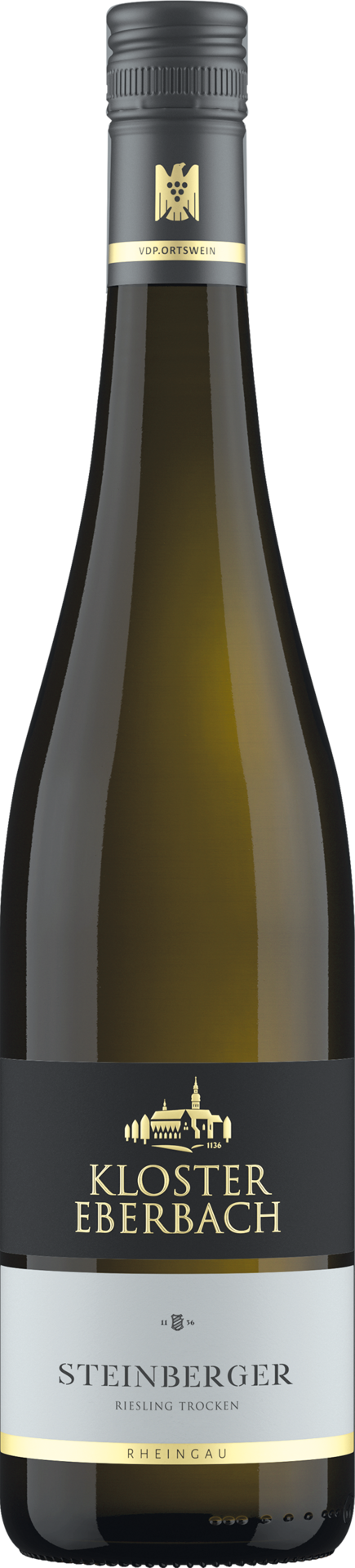
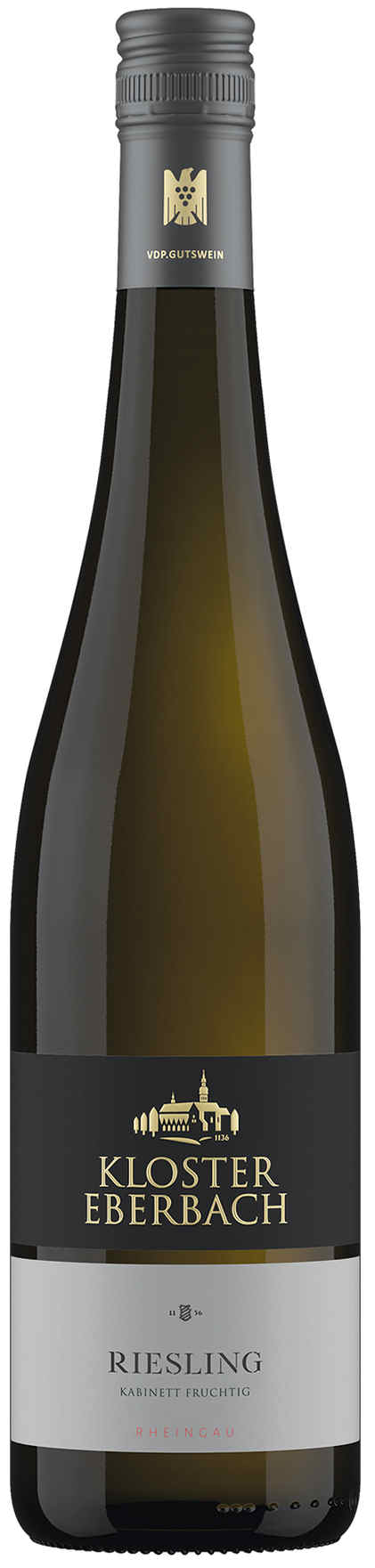
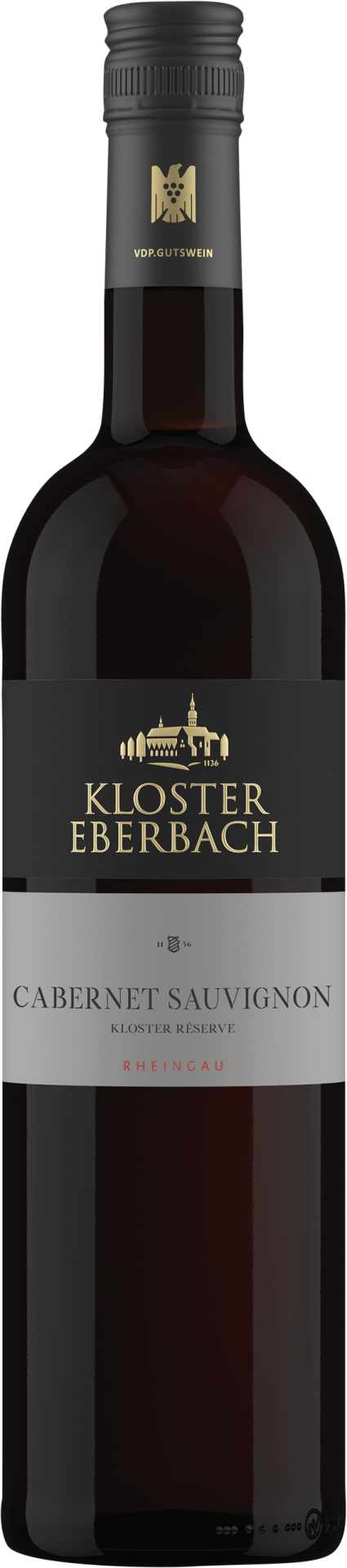
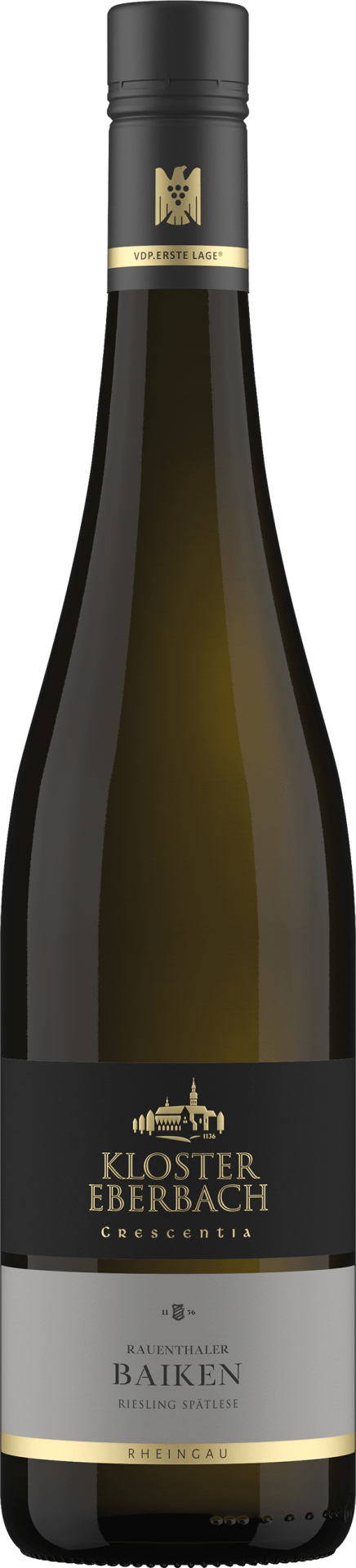
The German winery Kloster Eberbach is located in Eltville am Rhein, near Wiesbaden, in the Rheingau region. Founded in 1969, it is owned by the state of Hesse, and the managing director is Dieter Greiner. Kloster Eberbach has a total vineyard area of 247 hectares, characterized by quartzite, loess, loam, and marl soils, as well as weathered slate. Among the grape varieties cultivated are Pinot Noir, Riesling, and Spätburgunder (Pinot Noir). The winery's best vineyard sites include Steinberg and Rauenthaler Baiken. Kloster Eberbach produces approximately 1.9 million bottles of wine annually.
Eltville/Rheinkloster-eberbach.de
More from Kloster Eberbach
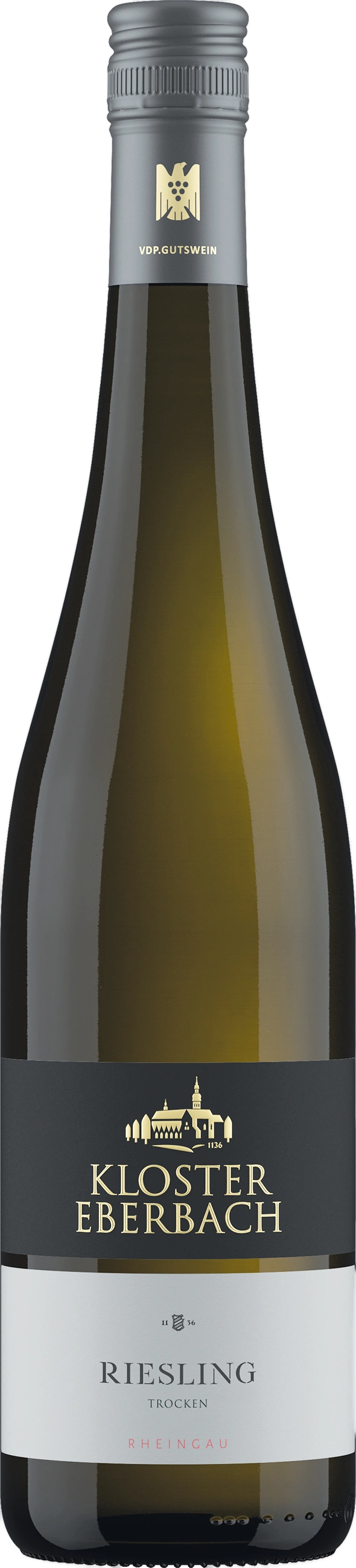
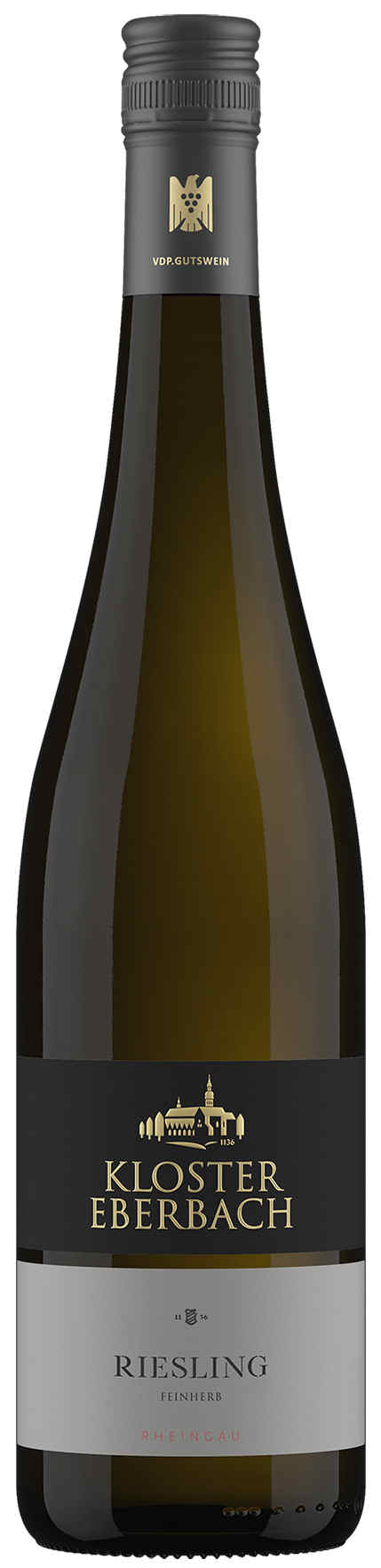

Lagen-Cup Weiß 2024
Awarded by Gourmet Worlds / Gourmet Worlds Cup

VINUM Deutscher Rotweinpreis 2023
Awarded by Vinum



Kritiker-Bewertung 2020
Awarded by Kritiker (Hawesko)
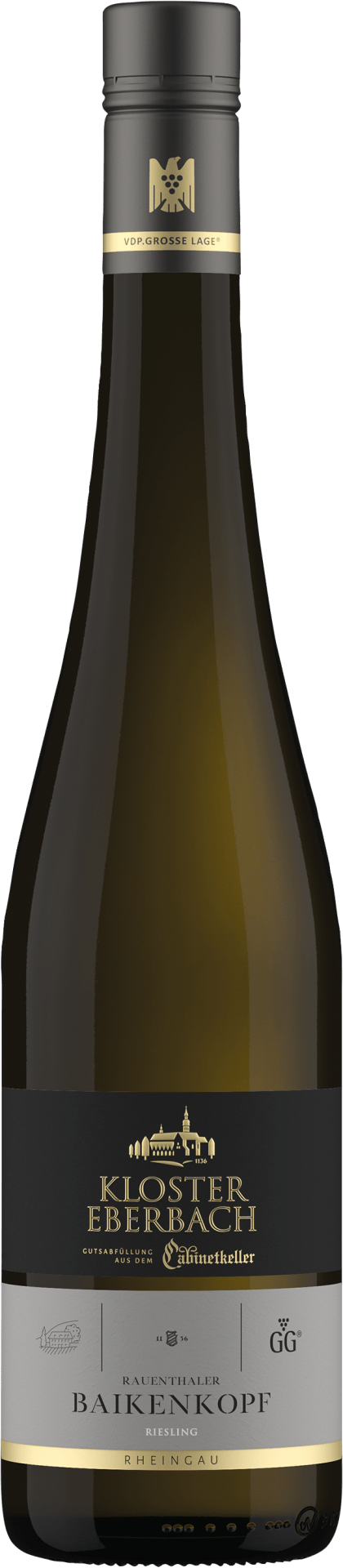
Goldmedaille 2021
Awarded by Mundus Vini
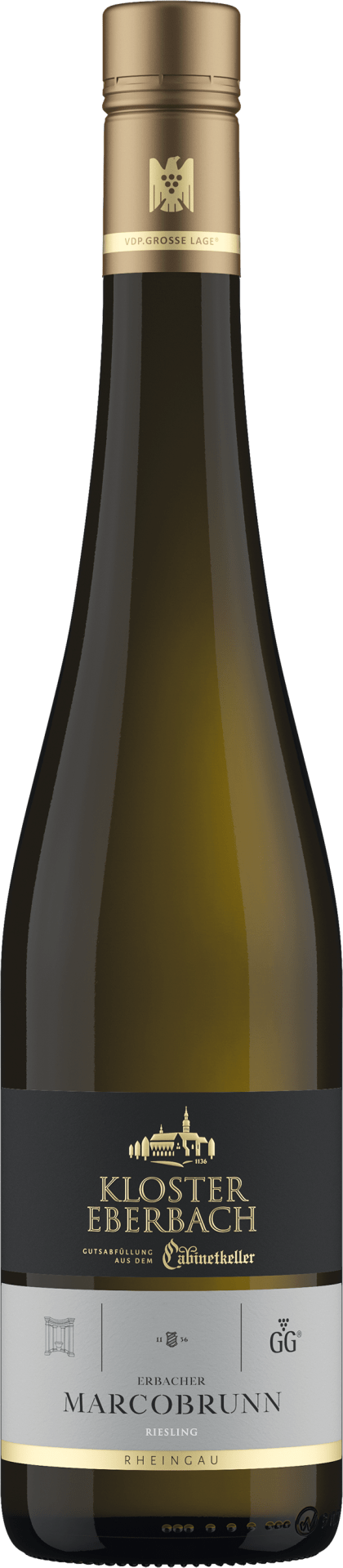
Falstaff Bewertung 2023
Awarded by Falstaff
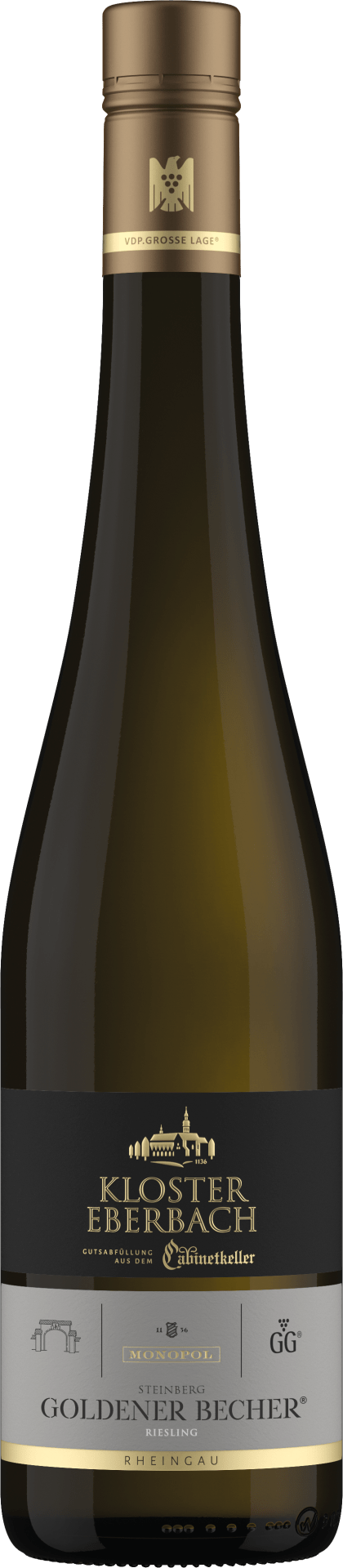
Lagen-Cup Weiß 2024
Awarded by Lagen-Cup
LagenCup Rot 2023
Awarded by Berlin Wine Cups




Meiningers Rotweinpreis 2020
Awarded by Meiningers Publishing House


Only Good News!
Promise!
Only Good News!
Promise!
Similar products
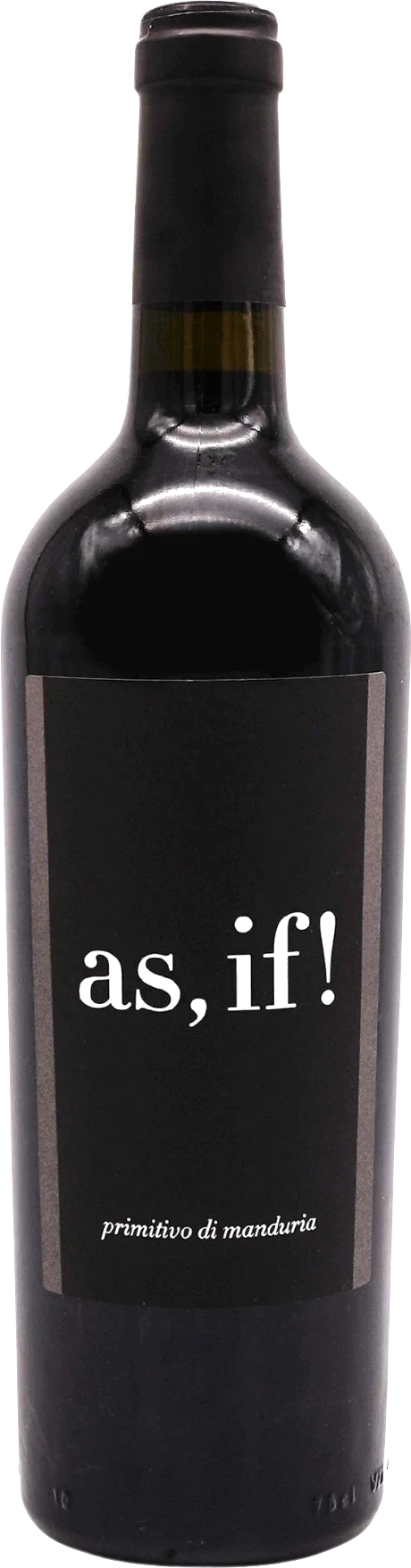
New Zealand International Wine Show Gold 2020
Awarded by New Zealand International Wine Show
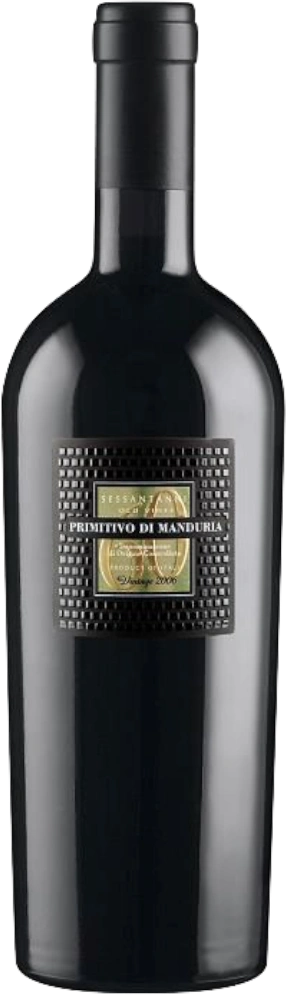
Mundus Vini Gold
Awarded by Mundus Vini
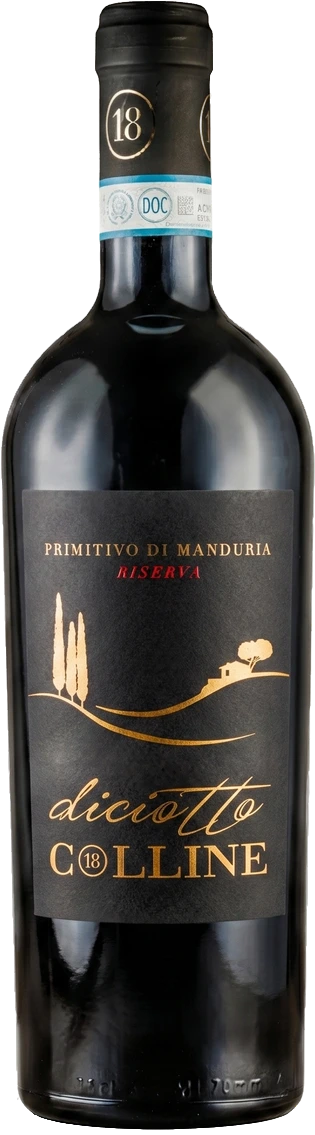
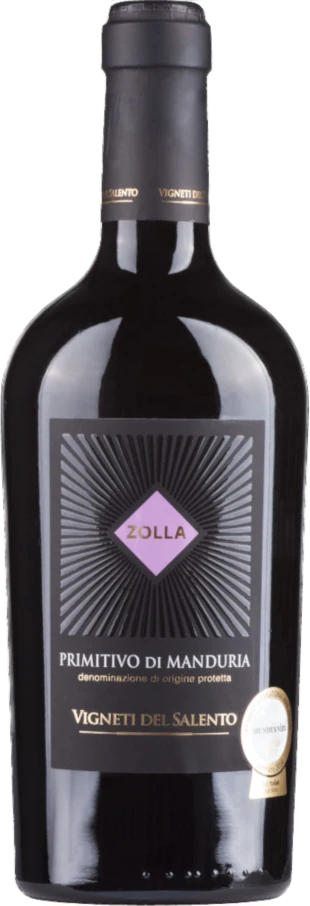
MundusVini 2025 Goldmedaille
Awarded by Mundus Vini
Berlin Goldmedaille 2024
Awarded by Berlin Wine Trophy/Berliner Weintrophy