Rheingau · Germany
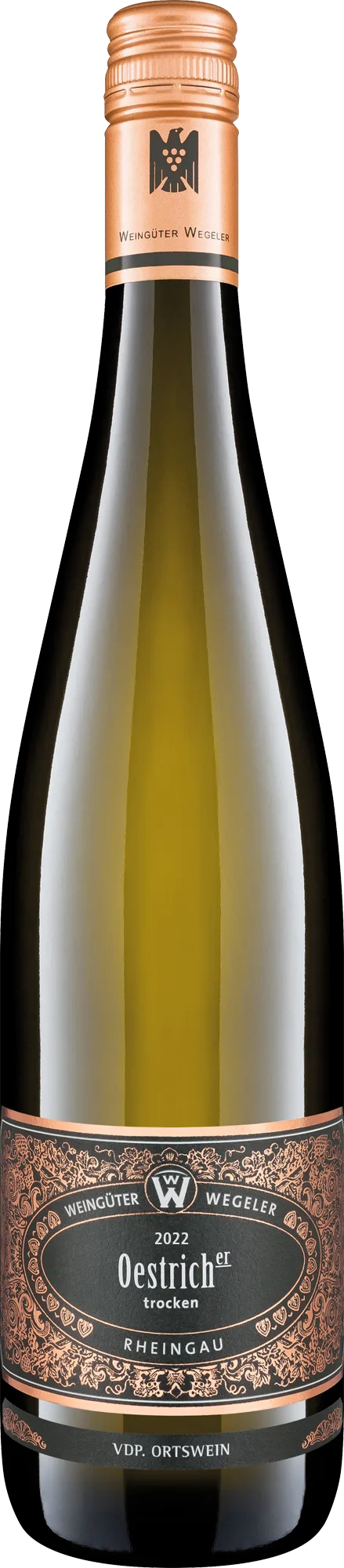
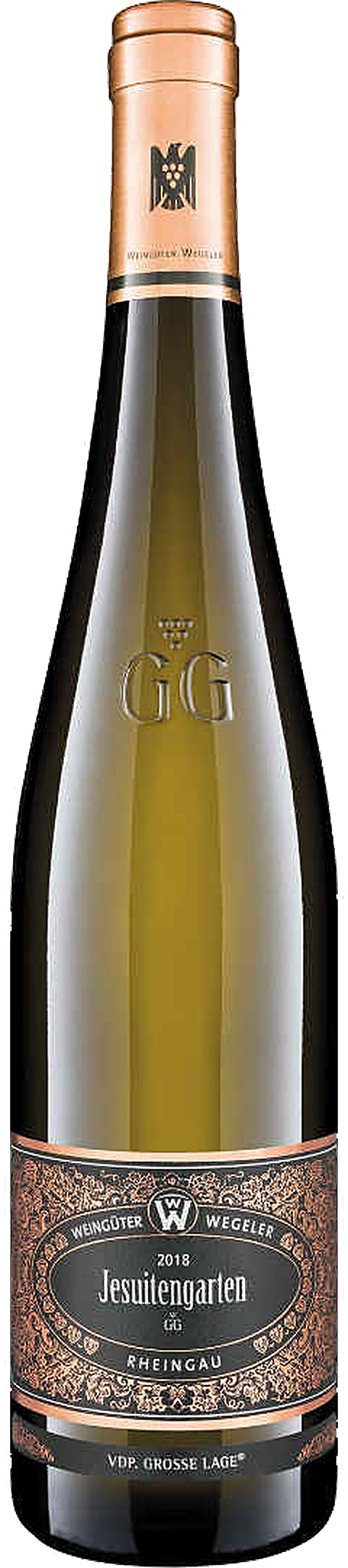
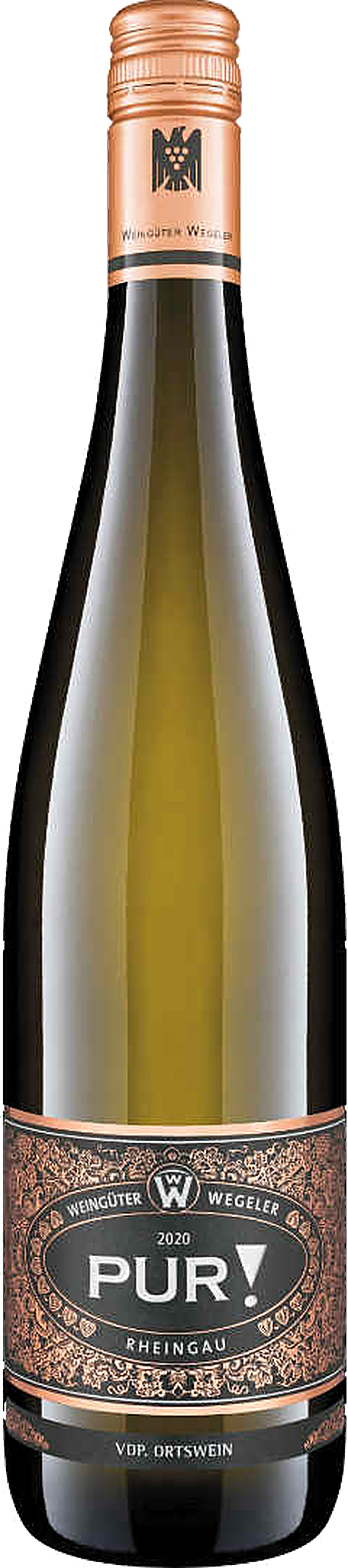
Weingüter Geheimrat J. Wegeler
Read more Read less
Discover one of Germany's most renowned wine dynasties with the Geheimrat J. Wegeler wineries! For over 140 years, these family-run estates have stood for the highest quality and unmistakable elegance. In the legendary vineyards of the Rheingau and Mosel regions, they create wines that will captivate you with their finesse and character. The wineries masterfully combine tradition with innovation – from classic Rieslings to modern cuvées. Each wine tells the story of its privileged location and centuries of winemaking expertise. Experience German wine culture at its finest and let yourself be enchanted by the passion of this exceptional winemaking family – for yourself and for special moments!

Filters
19 products

Falstaff Wine Guide 2024/2025
Awarded by Falstaff

Falstaff Weinguide 2022
Awarded by Falstaff
Wein-Plus.eu 2018
Awarded by Wein-Plus.eu
James Suckling 2023
Awarded by James Suckling
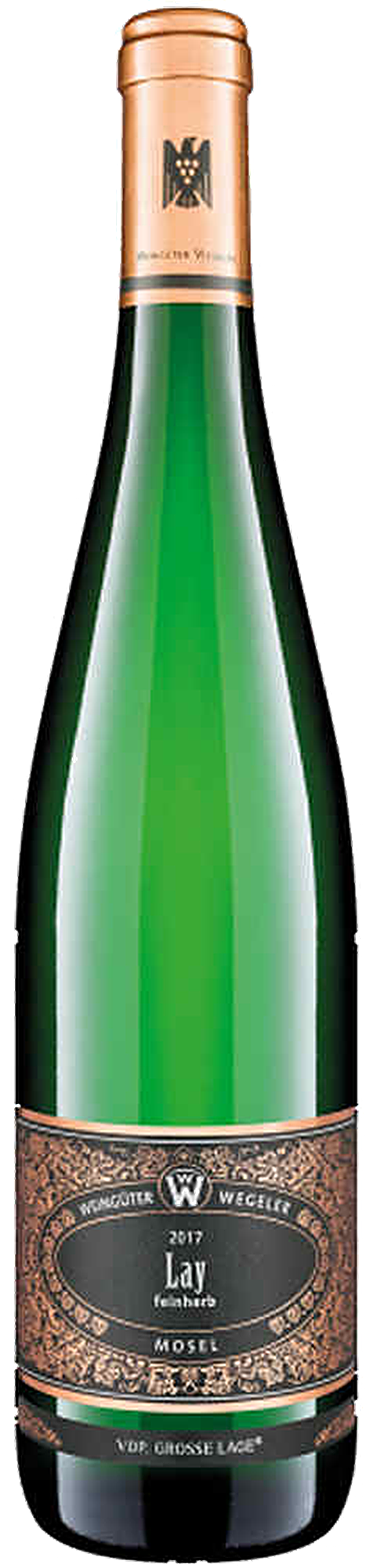
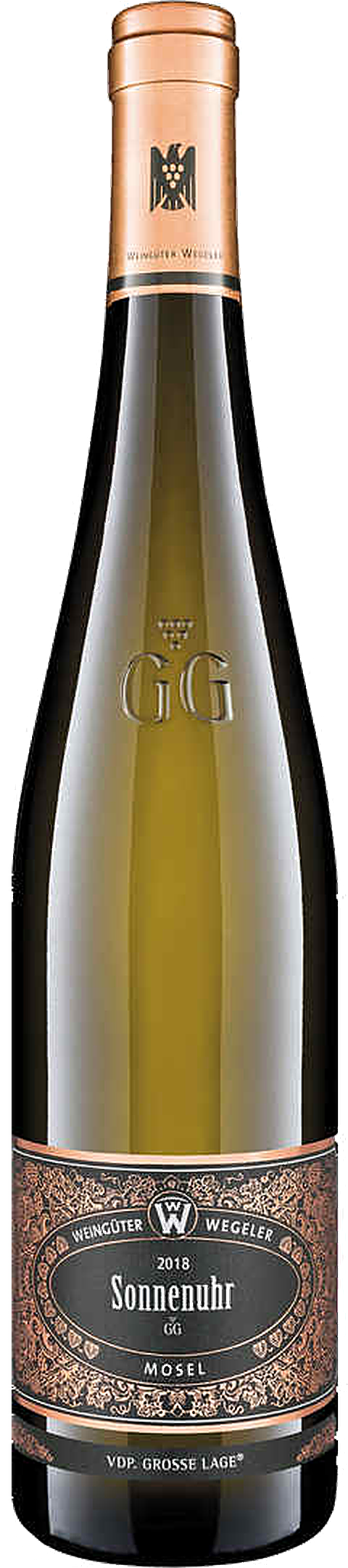
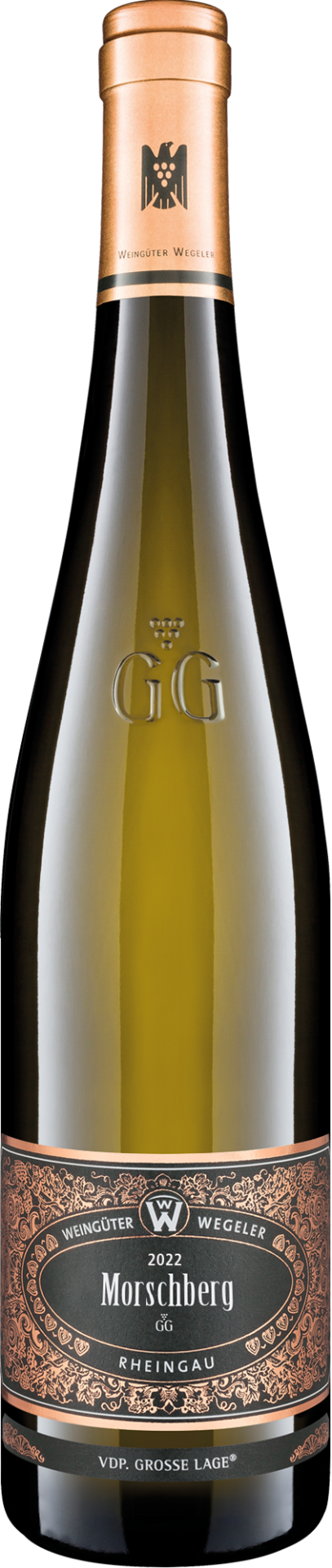
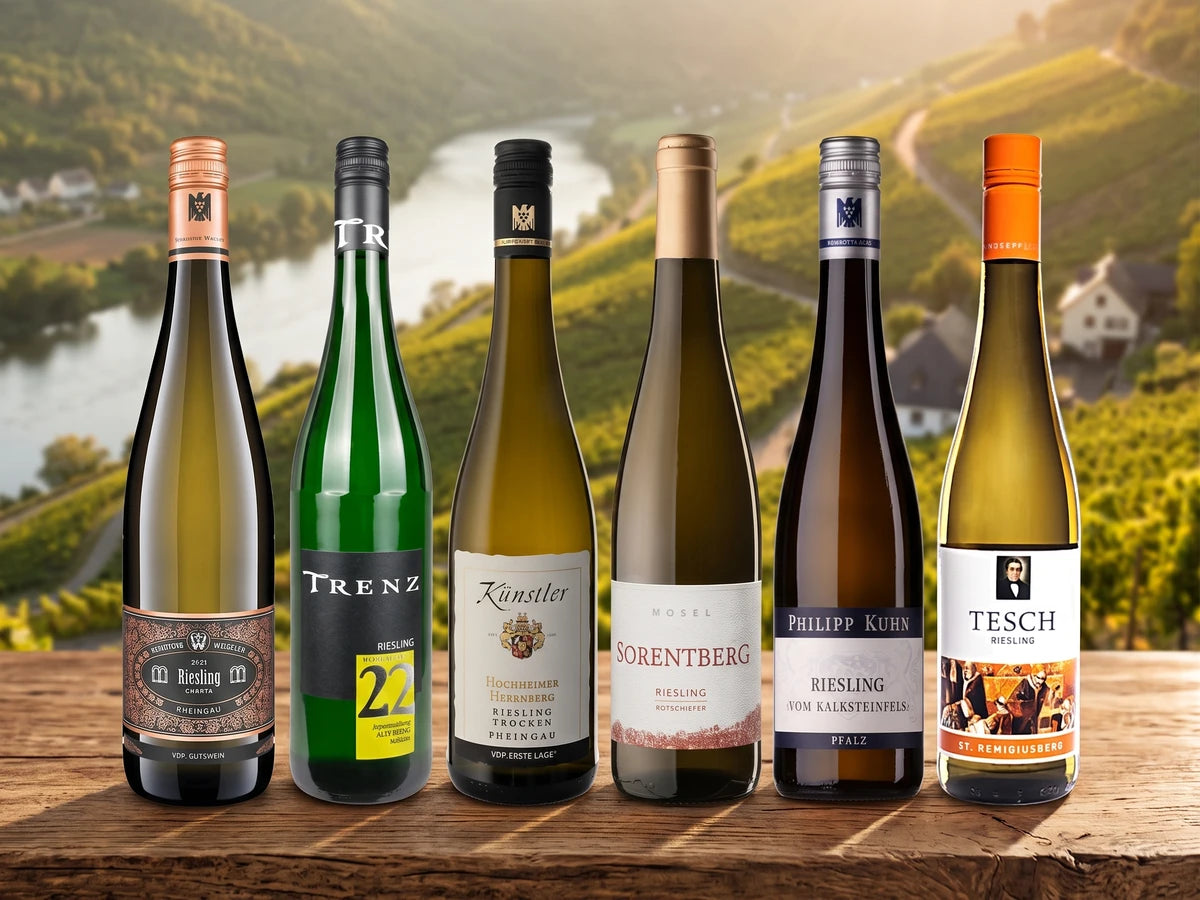
About Weingüter Geheimrat J. Wegeler
From the Deinhard sparkling wine cellar to the Grand Cru sites of the Rheingau
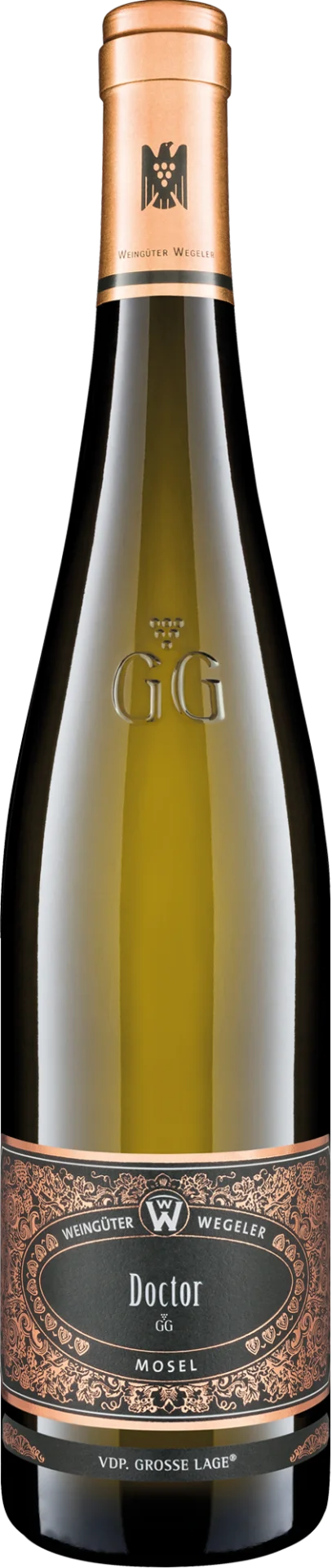
The history of the Geheimrat J. Wegeler wineries began in 1861, when Julius Wegeler married the daughter of sparkling wine cellar owner August Deinhard and took over the management of the company after his father-in-law's death. As a businessman and merchant, he thought in long time horizons from the very beginning: to become independent of external suppliers and to control his own top sites, he first acquired vineyards in the Rheingau in 1882 — around Oestrich-Winkel and Rüdesheim. The manor house on Friedensplatz in Oestrich-Winkel, then as now the administrative seat of the winery, remains in family ownership to this day. 1900 saw the second major step: Wegeler bought significant parts of the Bernkasteler Doctor on the Mosel, one of the most famous single vineyards in Germany. In 1902 and 1903, he had a press house built there that was constructed according to the principle of gravity — wine flowed from the upper floor through the production stages downwards, without pumps or physical stress. Julius Wegeler was also the first president of the German Winegrowers' Association, which underscores his influence far beyond his own business.
Manual labor, gravity, and the primacy of the site
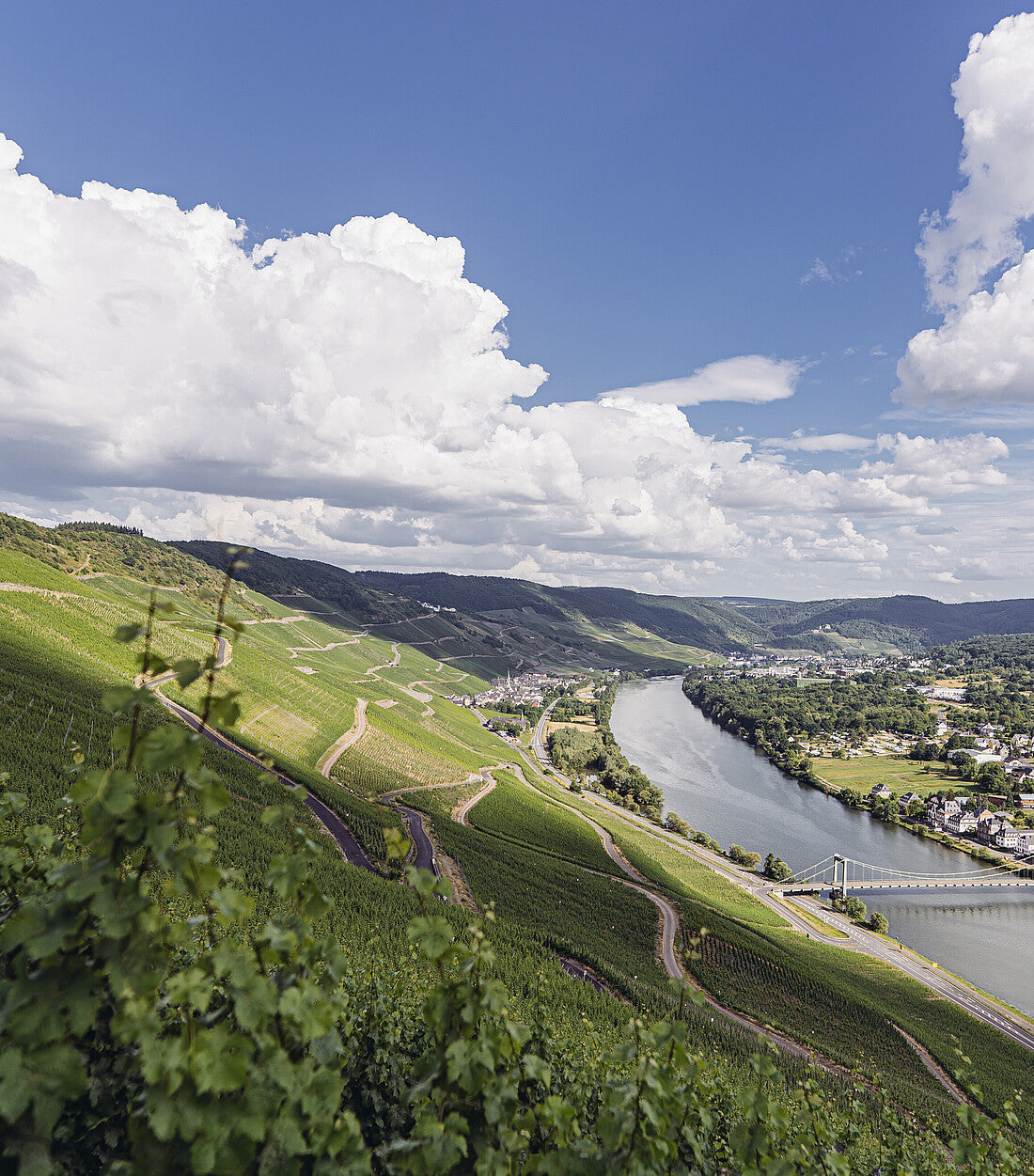
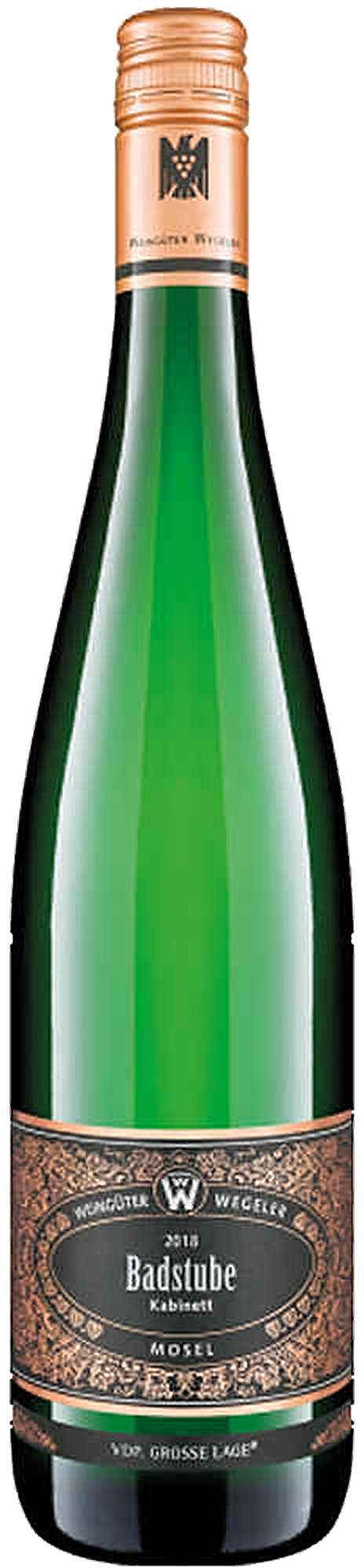
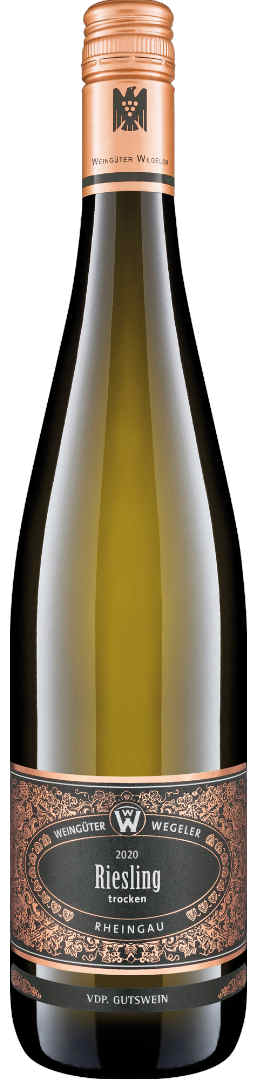
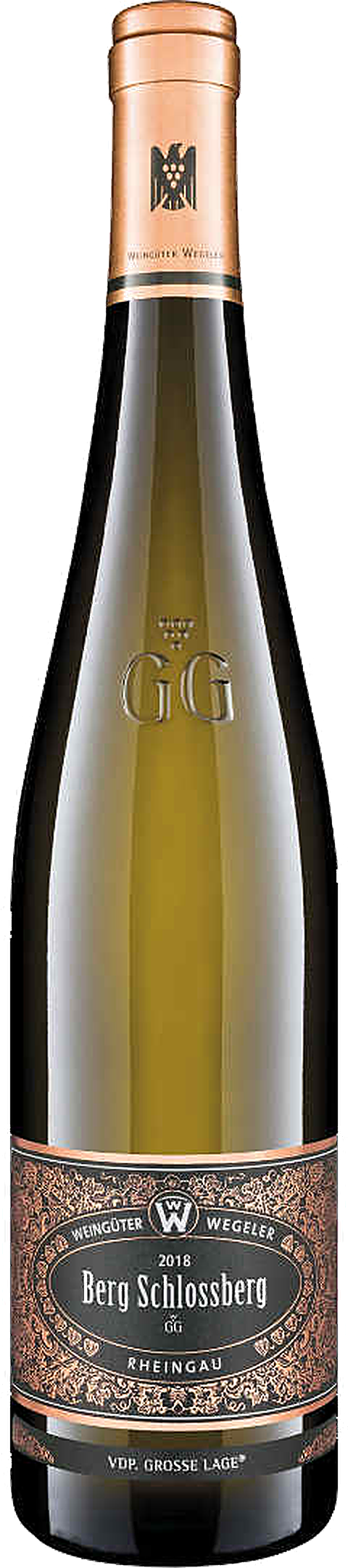
Both estates — Oestrich in the Rheingau and Bernkastel on the Mosel — work deliberately independently of each other. This ensures the typicality of the respective origin and prevents one regional style from overshadowing the other. What connects both: exclusively Riesling, consistent manual harvesting, and strict control of all production steps in their own cellar. The grapes are harvested selectively by hand, and winemaking takes place in both large wooden barrels and stainless steel tanks — depending on the site and the desired style. In the Rheingau, the property extends over about 41 hectares between Rüdesheim and Oestrich-Winkel, including sites such as Rüdesheimer Berg Schlossberg, Oestricher Lenchen, and Winkeler Jesuitengarten. On the Mosel, Wegeler cultivates about 12 hectares of steep slopes in Bernkastel, Graach, and Wehlen, on loamy, quartz-rich, or slate-rich soils. As a founding member of the VDP, the winery follows the association's strict quality pyramid — from estate wines to Erste Lagen to the Grosses Gewächs at the top.
Riesling as an attitude — from the vineyard cuvée to the Grosses Gewächs
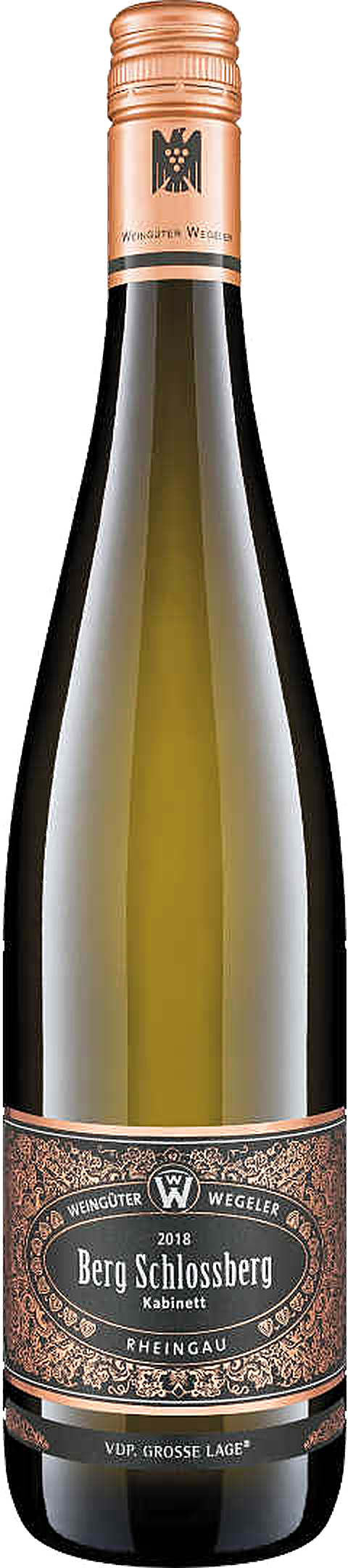
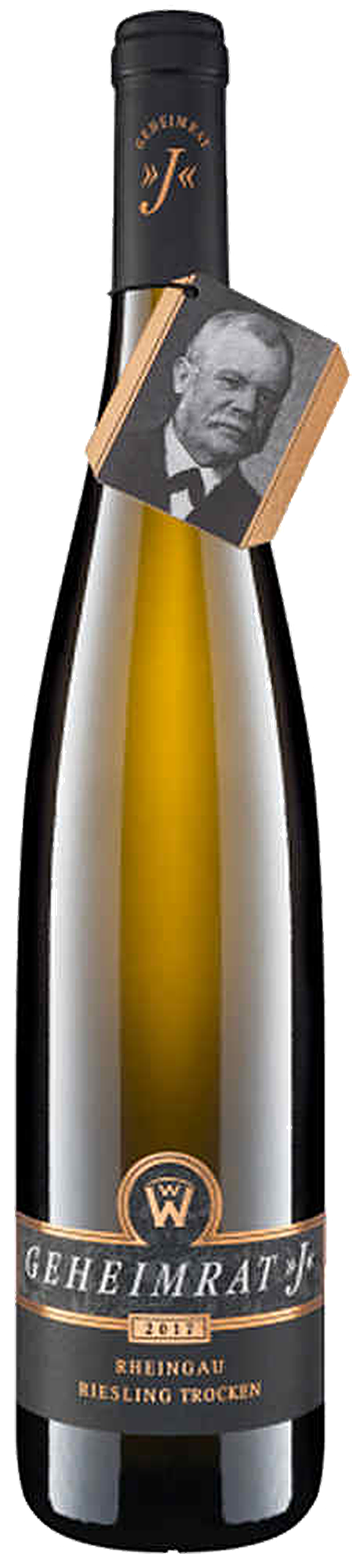
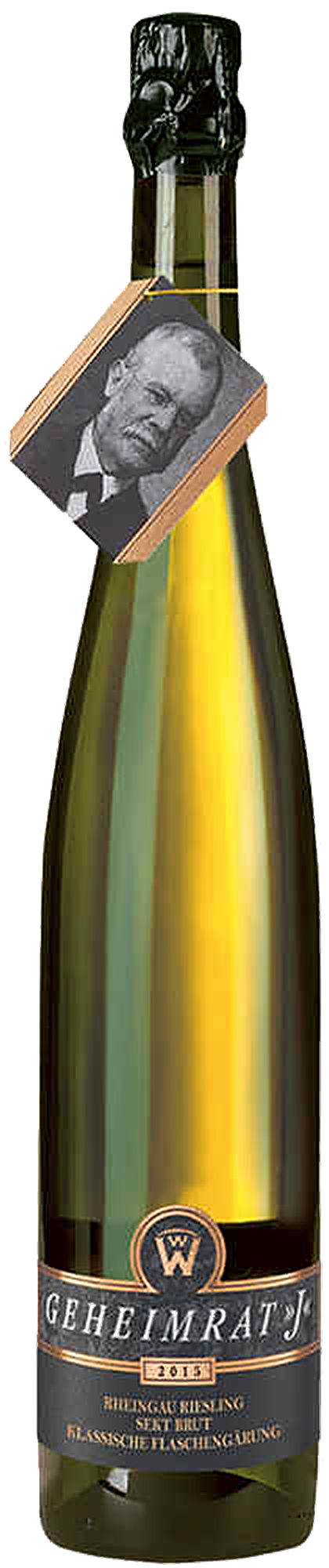
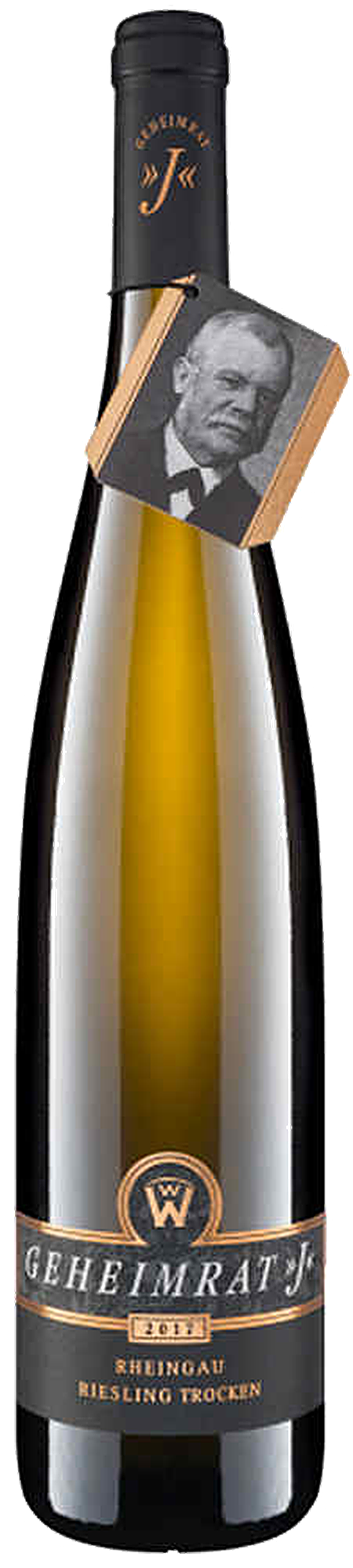
Wegeler's range is consistently focused on Riesling — in all styles and degrees of ripeness that the grape variety allows. The Grosses Gewächs, for example from the Rüdesheimer Berg Schlossberg or the Bernkasteler Doctor, stand for dry, site-expressive wines with clear minerality that can be read from the respective soils: slate on the Mosel, quartzite and loess in the Rheingau. In addition, Prädikat wines such as Kabinett and Spätlese show that elegance and fruit are not opposites. The flagship of the house is the "Geheimrat J" Riesling — a cuvée from up to 15 different Grand Cru sites of the Rheingau, which is only produced in particularly good vintages and is considered one of the first dry premium brand wines in Germany. The portfolio is complemented by a sparkling wine of the same name, which is also based on Riesling. Those who know Wegeler's wines recognize in them the founder's leitmotif: quality not as a promise, but as a result of craftsmanship.
Oestrich-Winkelwegeler.com
Award-winning wines
Falstaff Wine Guide 2024/2025
Awarded by Falstaff
Falstaff Weinguide 2022
Awarded by Falstaff
Wein-Plus.eu 2018
Awarded by Wein-Plus.eu
James Suckling 2023
Awarded by James Suckling
What our customers say
Price/performance ratio ok. My enthusiasm, however, is in line with the alcohol content - it does not trigger any enthusiasm. I actually ALWAYS pay attention to the alcohol content and never buy below 12.5%. Unfortunately, I did not see ANY alcohol % information in your wine selection. The Riesling taste is actually very weakly developed.