Barone Statti: Three centuries on the same soil
The history of the Statti family does not begin with a wine cellar, but with a military campaign. In the 15th century, Albanian soldiers named Stath came to Southern Italy to support King Alfonso V of Aragon during the "Revolt of the Barons". As a reward, they received lands in what is now Lamezia Terme — the foundation of a noble family that acquired the title of Baron in the 17th century and has been cultivating the same soil ever since. Since the year 1700, the family has lived on their 500 hectares in the plain of Lamezia Terme and has helped shape the agriculture of Calabria over generations. The family business in its current form is run by brothers Alberto and Antonio Statti, who took over the winery in the 1990s and consistently developed it towards quality and international visibility.
Setteventi: Viticulture between two seas and seven winds
The heart of the operation is the Tenuta Lenti in the Piana di Lamezia Terme — a total area of 500 hectares, where around 90 employees work. Of this, 100 hectares are vineyards, 300 hectares are centuries-old olive groves of the Carolea variety, and 50 hectares are citrus orchards; in addition, there is dairy farming. The vineyards bear the name Setteventi — named after the strong sea winds that circulate here between the Tyrrhenian and Ionian Seas. This natural ventilation system protects the vines from fungal diseases and enables integrated pest management. The subsoil of red clay, sand, and gravel inclusions stores the heat of the Calabrian sun during the day and releases it again at night.
Alberto and Antonio Statti are convinced that a good wine is created in the vineyard, not in the cellar. Consequently, they have invested consistently in vine training: trellis training allows for optimal sun exposure, the harvest begins at the end of August and continues until mid-October, depending on the variety. In the cellar, the winery works with experienced Sicilian oenologists. For energy, Statti relies on biogas and renewable sources. The vineyard is fertilized with its own manure — a closed cycle that links viticulture, olive cultivation, and livestock farming on the same estate.
Gaglioppo, Greco and the return of the old varieties
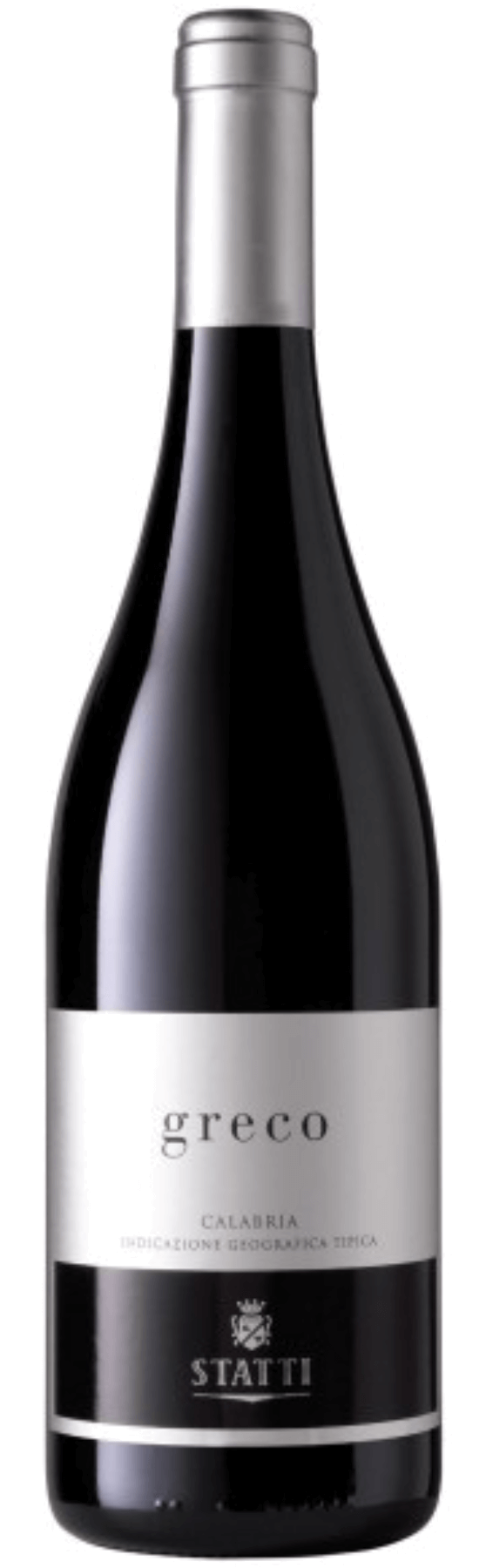
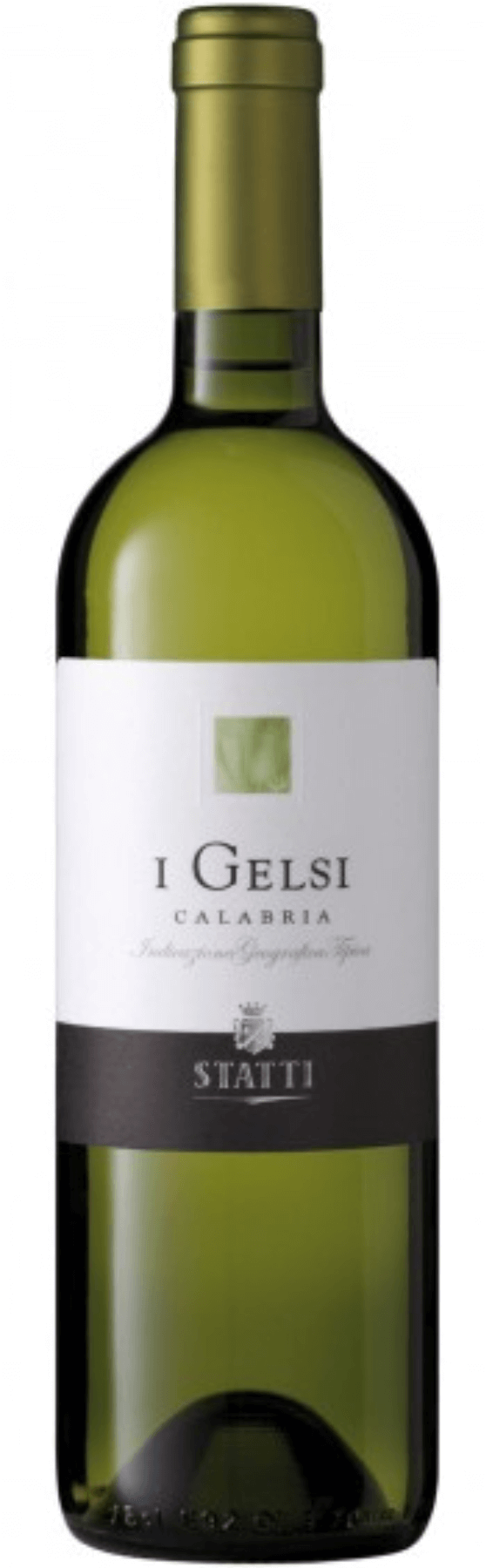
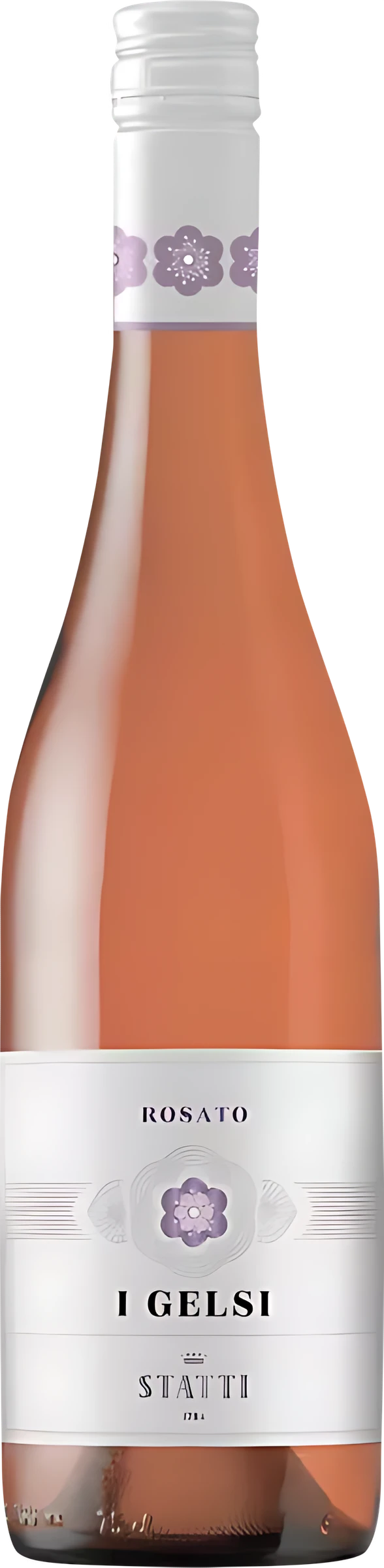
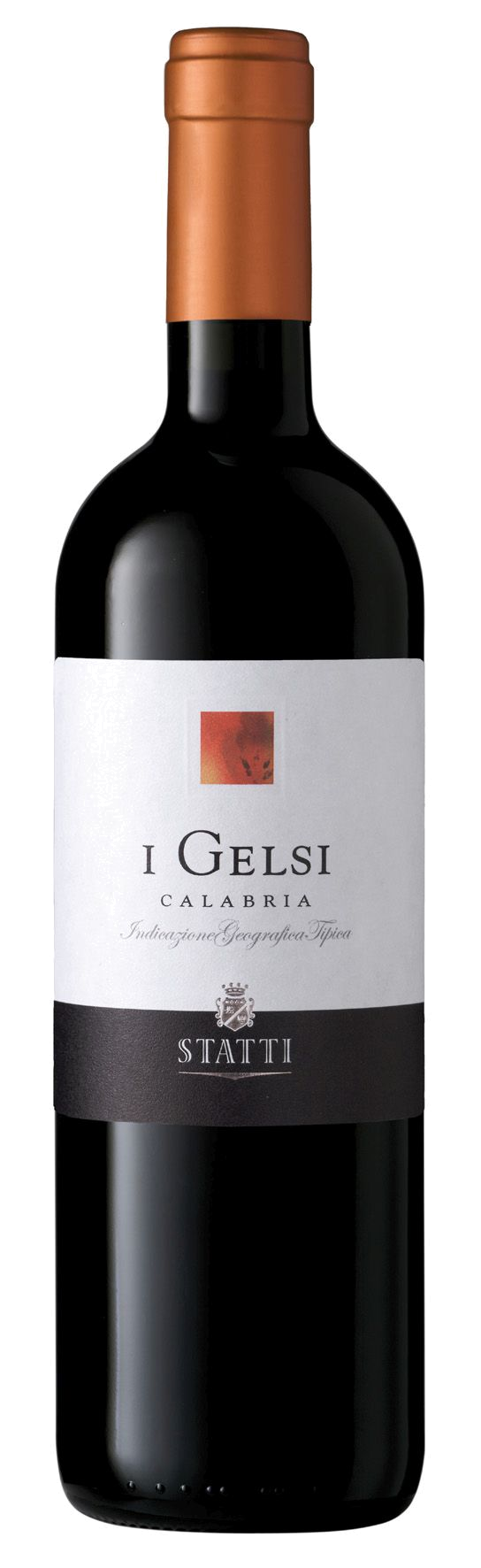
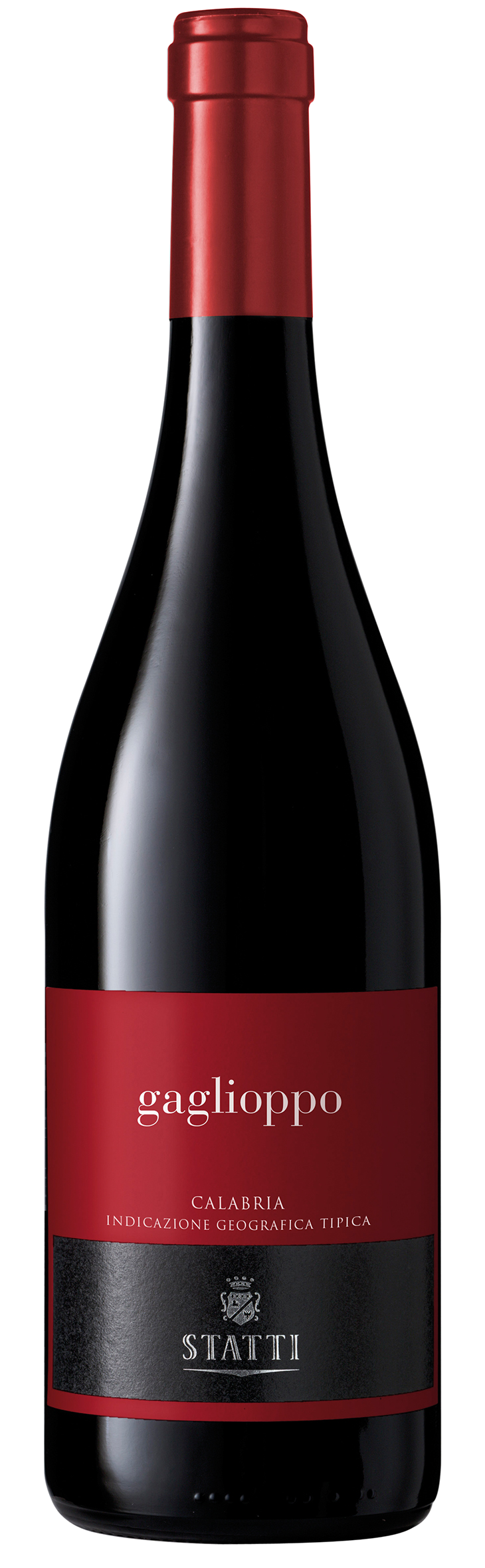
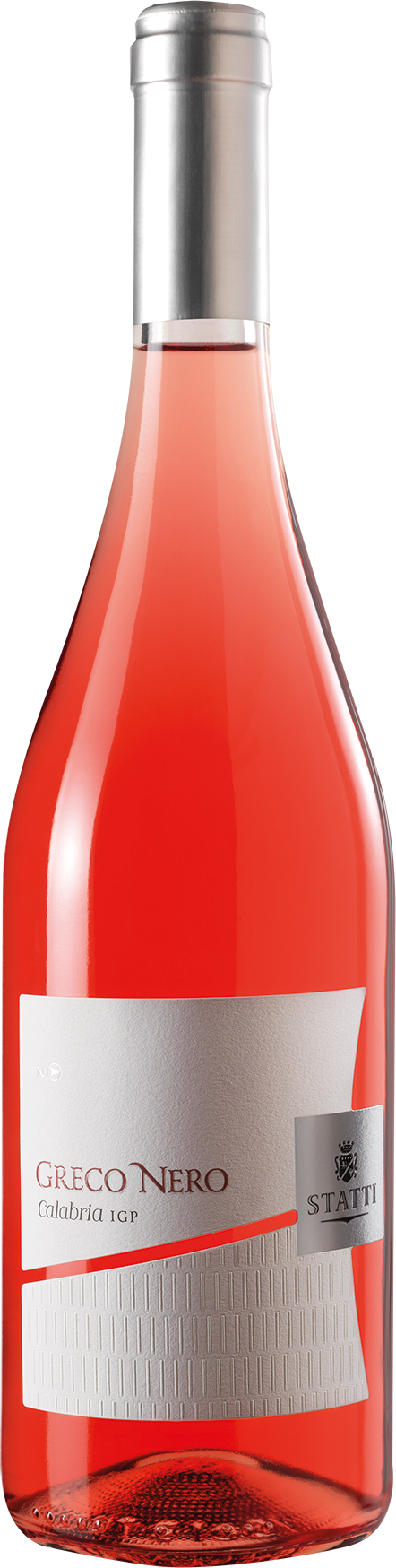
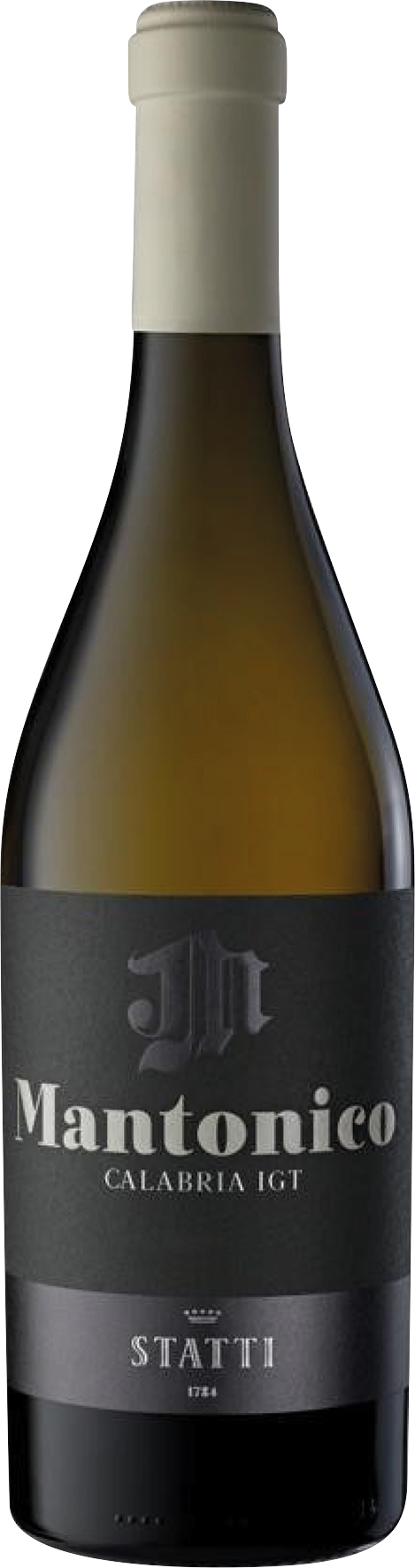
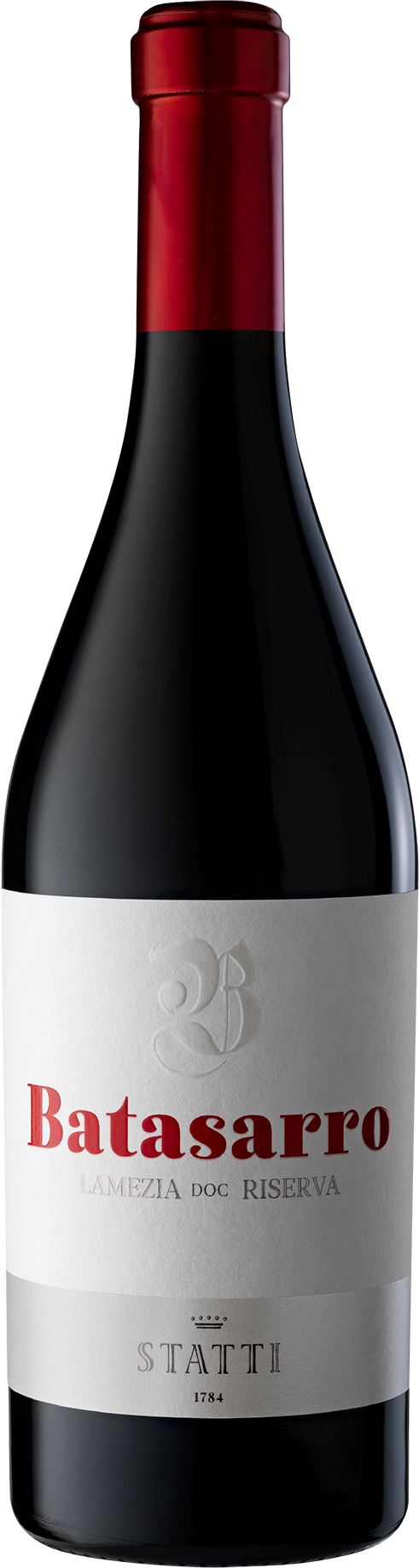
The Statti range focuses on autochthonous grape varieties: Gaglioppo, Greco Bianco, Greco Nero, Mantonico, and Magliocco — all varieties that were brought to the region by Greek settlers more than two thousand years ago and form the backbone of the DOC Lamezia as well as the IGT Calabria. The Batasarro Rosso Lamezia DOC Riserva, a single-varietal Gaglioppo, matures for 18 months in oak barrels and another 12 months in the bottle — structured, full of character, with a long finish. The I Gelsi line combines white, rosé, and red and shows the range of the Calabrian terroir in a more accessible form. In addition, there are single-varietal bottlings of Gaglioppo, Greco Bianco, and Greco Nero as well as the Cauro Calabria IGT. Those who drink Statti wines do not get a polished South Italy cliché, but wines with mineral tension, Mediterranean herbal spice, and the unmistakable character of a region that has long been in the shadows — and is currently in the process of changing that.