From Cirò Marina to the world: How a coastal winery redefined Calabria
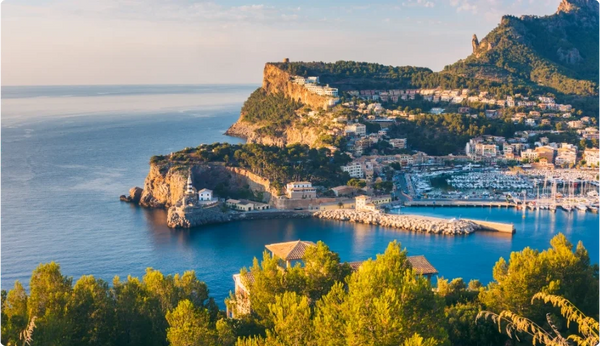
The history of Librandi begins on the Ionian coast of Calabria, in Cirò Marina — a small town in the province of Crotone that has been practicing viticulture since ancient times. Founded in 1950 by Antonio and Nicodemo Librandi, the business started as a small winery and grew over the decades into one of the most influential names in Southern Italian viticulture. Today, the third and fourth generations run the winery together: Raffaele, Paolo, Francesco, and Teresa Librandi are responsible for the vineyards, the cellar, and marketing. Wine expert Hugh Johnson described Librandi as a "top producer and pioneer in the utilization of Calabrian grape varieties" — an assessment that aptly describes the family's self-image.
Antonio and Nicodemo Librandi laid the foundation for their international breakthrough in the early 1980s when they consciously invested in international grape varieties such as Cabernet Sauvignon, Chardonnay, and Sauvignon Blanc — at a time when Calabria played almost no role in the wine trade. At the end of the 1980s, Gravello was created, a cuvée of Gaglioppo and Cabernet Sauvignon that immediately became the winery's flagship and made Calabria visible on the international stage for the first time. Since 1988, Librandi has been a regular award winner in the Gambero Rosso with the coveted Tre Bicchieri.
Terroir between the Ionian Sea and the Sila Mountains — and a research project for forgotten varieties
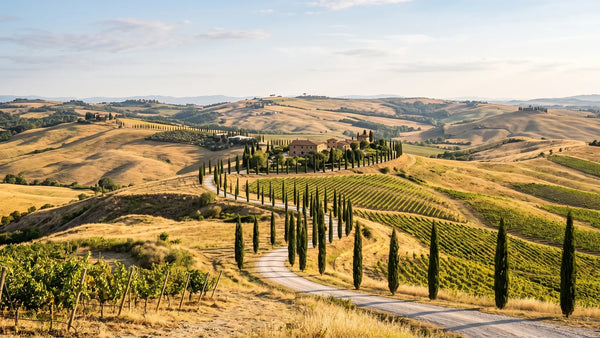
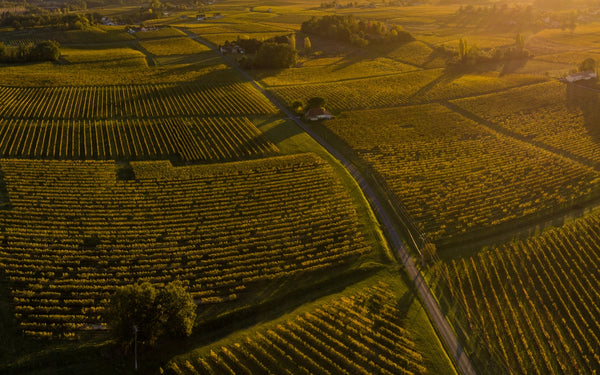
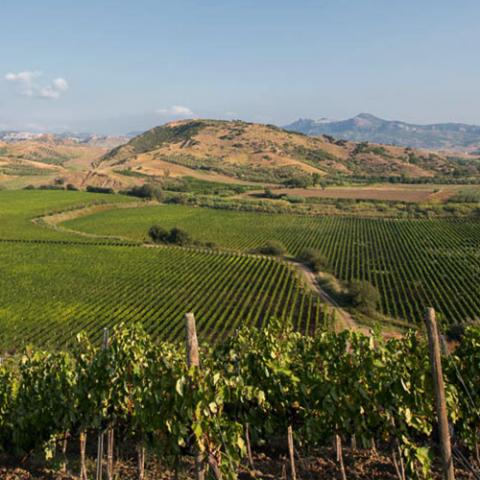
Today, the winery manages 232 hectares of vineyards as well as around 80 hectares of olive groves, distributed across several estates around Cirò Marina. The geographical location between the Ionian coast and the Sila Mountains creates a natural temperature balance: during the day, the sea brings warmth and light, while at night, the cool katabatic winds from the Sila provide freshness and aromatic tension. The soils are calcareous-loamy and well-drained — a substrate that gives the autochthonous varieties Gaglioppo, Magliocco, and Mantonico structure and depth.
A special chapter is the Rosaneti estate in the Val di Neto, which Librandi has developed into a research winery in collaboration with the University of Milan. Since the early 1990s, forgotten Calabrian grape varieties have been systematically studied, selected, and replanted there — work that picks up on the region's viticultural history, which dates back to the Magna Graecia era. The winery is certified according to the 3E-Equalitas standard (Environmental, Ethical, Economic) and works with oenologist Donato Lanati, who has been a consultant since 1998 and teaches at the universities of Turin and Florence.
Gaglioppo, Greco Bianco, and the path to the "Super Calabrian"
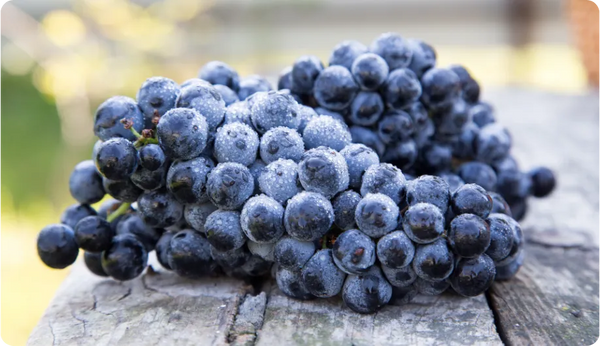
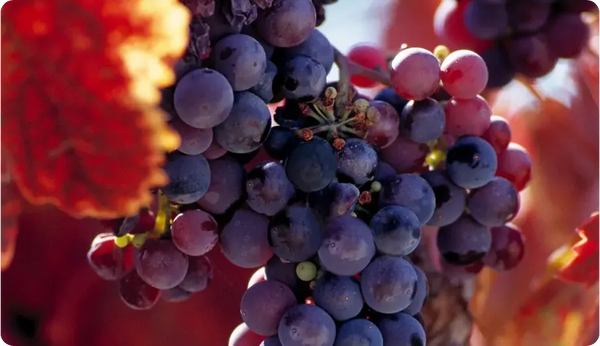
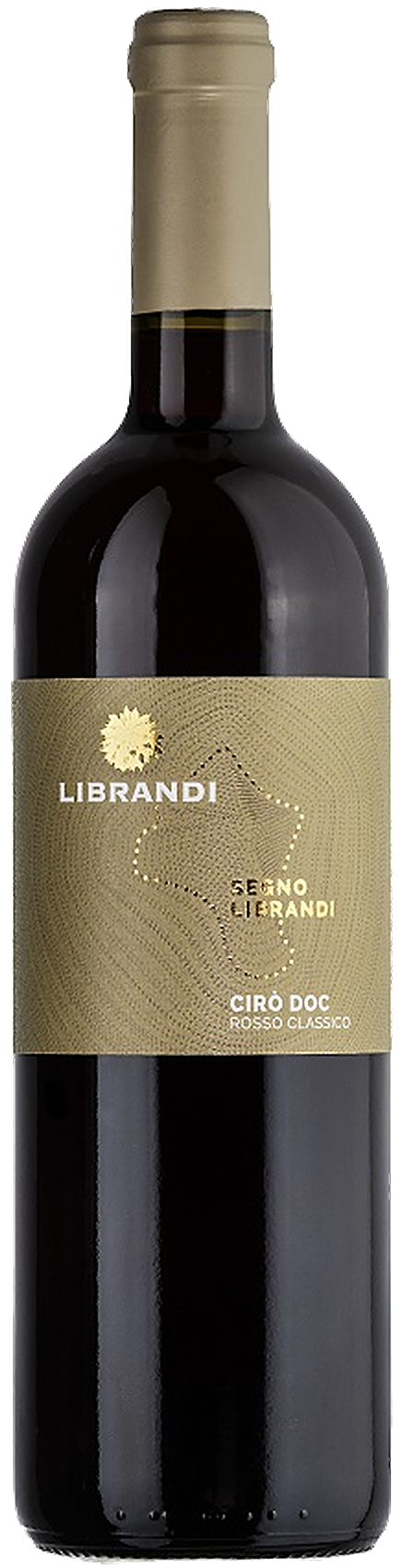
Librandi's range spans a wide arc: from the classic Cirò Rosso DOC and Cirò Bianco DOC, which show the daily face of Calabria, to structured Riserva wines like the Duca Sanfelice Cirò Rosso Classico Superiore Riserva and the IGT wines from the Val di Neto. The Cirò Rosso — based on Gaglioppo — is powerful, spicy, and endowed with an independence that makes it hard to confuse with other red wines in a blind tasting. In the white wines, Greco Bianco brings freshness and a mineral line that suits the coastal location.
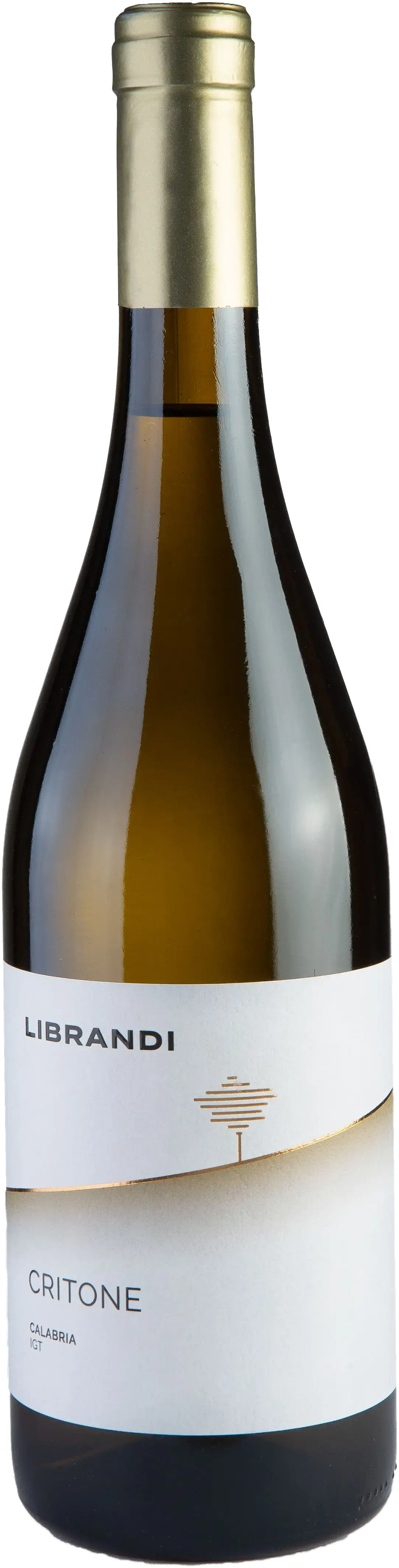
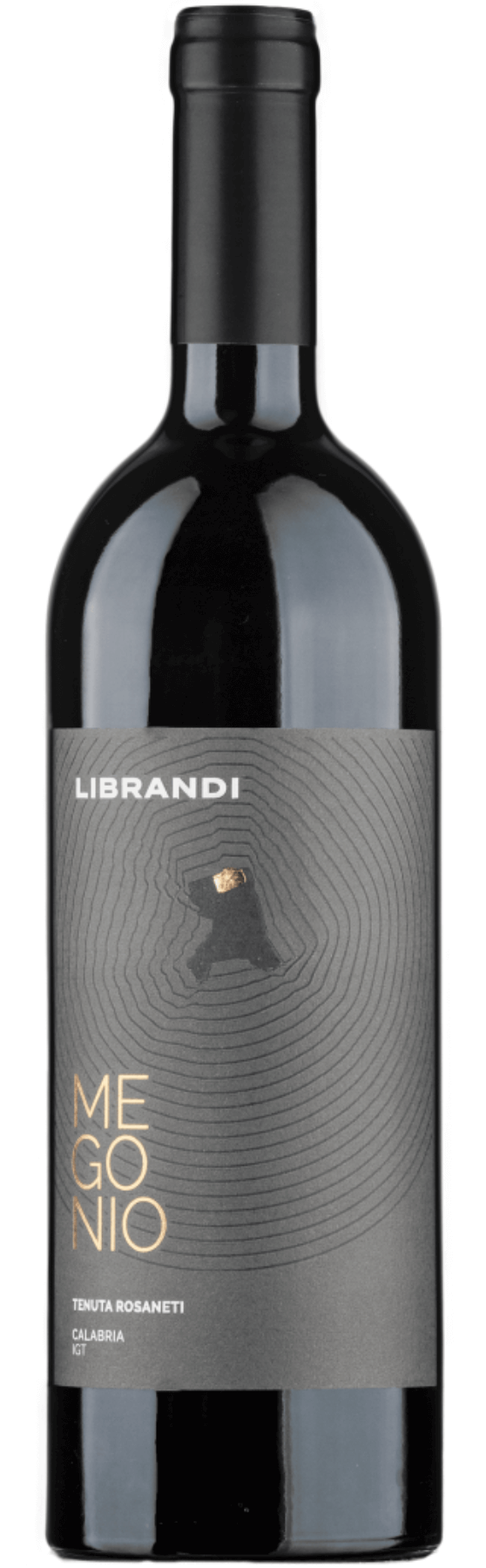
The Val di Neto wines deserve special attention: Gravello combines Gaglioppo and Cabernet Sauvignon into a wine that the family itself describes as a bridge between two worlds — local depth and international expressive strength. Magno Megonio is vinified as a single-varietal Magliocco, hand-harvested, and fermented in temperature-controlled tanks. Critone, a cuvée of Chardonnay and Sauvignon Blanc, shows how convincingly coastal sites can shape Calabrian white wines. All wines are produced exclusively from their own grapes — no purchased fruit, consistent origin.