From Andreas Jordan to the century-old winery of the Mittelhaardt
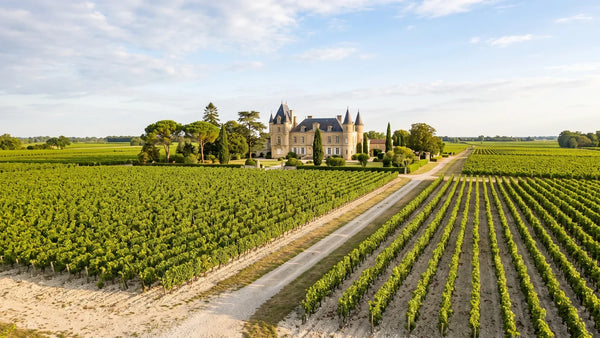
The roots of Bassermann-Jordan go back to 1718, when the Jordan family began viticulture in the Palatinate. The decisive step was taken by Andreas Jordan (1775–1848): After the early death of his parents, he took over the estate and focused early on Riesling as the lead grape variety. With knowledge from his studies and observations in the Rheingau, he refined the harvest time, single-varietal pressing, and vineyard hierarchy — methods that helped found modern German quality viticulture. In 1816, he acquired the Ketschauer Hof in Deidesheim, a former aristocratic residence that has since formed the center of the estate. Incidentally, the legendary comet wine of the 1811 vintage still comes from the cellar — the winery has kept bottles from every vintage since 1880.
In 2002, the Niederberger entrepreneurial group took over the operation; today, Jana Niederberger runs the estate. As a founding member of the VDP, Bassermann-Jordan works according to its strict quality standards — with consequences that extend into the vineyard and the cellar.
Biodynamics, sandstone vaults, and spontaneous fermentation
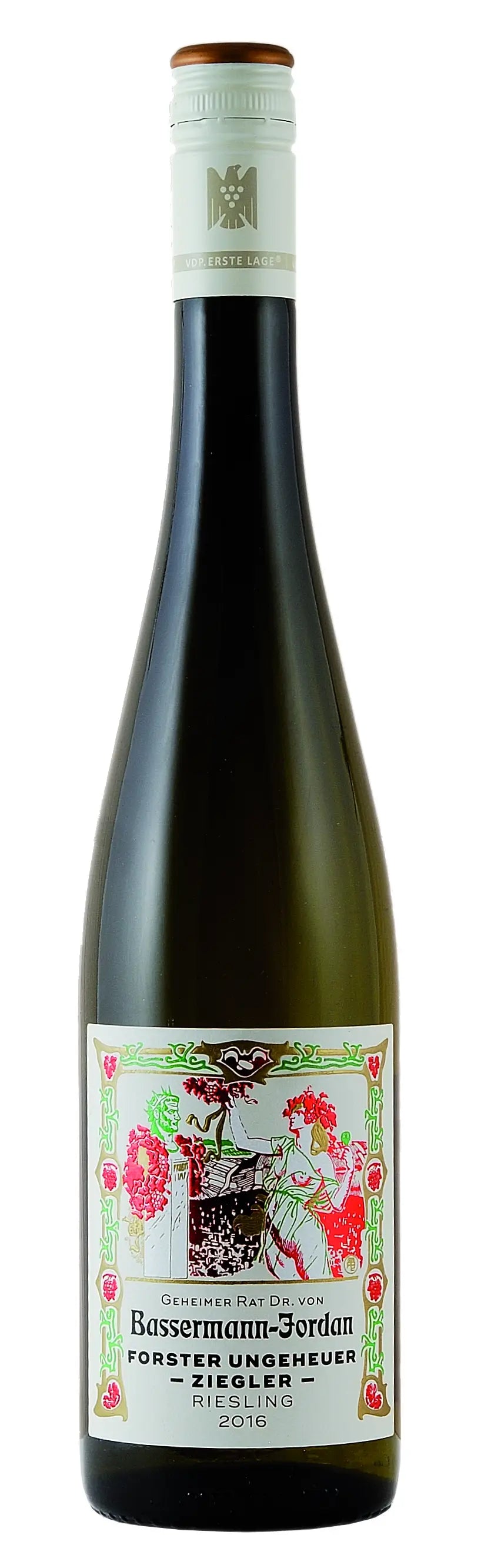
On around 49 hectares of vineyard area, distributed over 20 individual sites in Forst, Deidesheim, and Ruppertsberg, the vines grow on one of the most geologically diverse subsoils in the Palatinate: variegated sandstone with porphyry, loess, and basalt weathering soils — each site with its own fingerprint in the glass. More than 30 percent of the areas are classified as VDP Grosse Lagen, including the Forster Kirchenstück, the Forster Pechstein, the Forster Ungeheuer, the Deidesheimer Kalkofen, and the Ruppertsberger Reiterpfad.
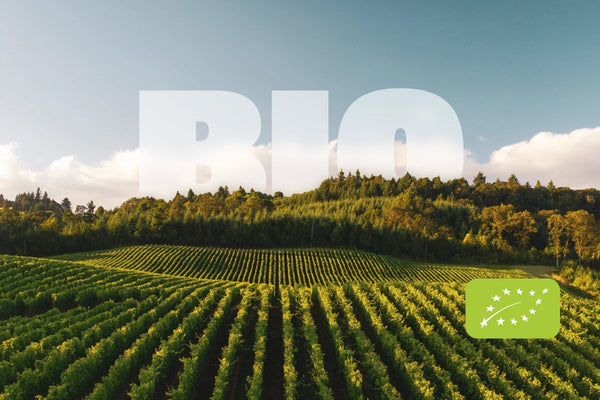
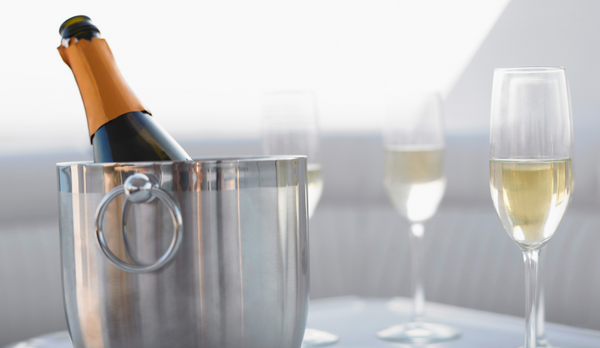
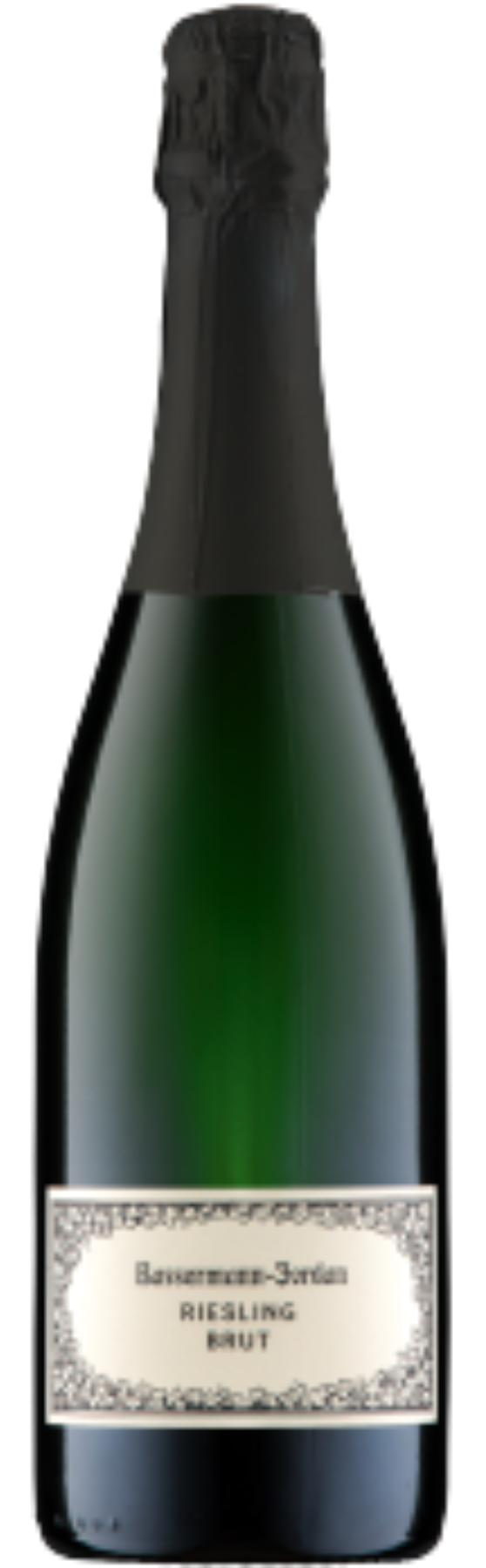
In the vineyard, biodynamic cultivation is the foundation: careful hand-picking, organic plant protection, use of natural preparations. In the cellar, the team works with natural vineyard yeasts that trigger spontaneous fermentation. The quality wines mature on the fine lees for as long as possible, which gives them creaminess and depth. For traditional aging, there is the historic sandstone vault under the Ketschauer Hof, where wines mature in wooden barrels; in parallel, a modern cellar facility enables fruit-driven aging variants without artificial additives. The sparkling wine is produced using traditional bottle fermentation.
Riesling as the core, Pinot as a supplement
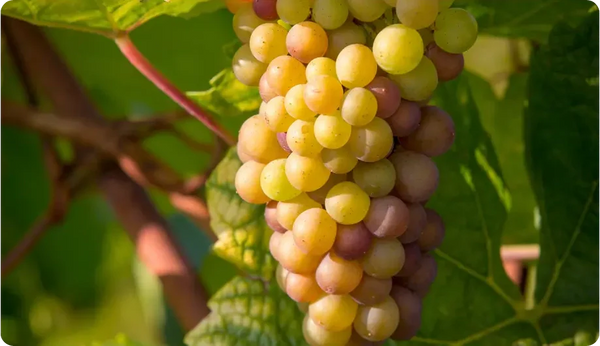
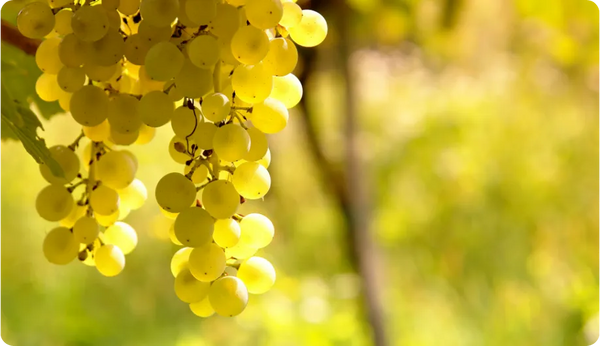
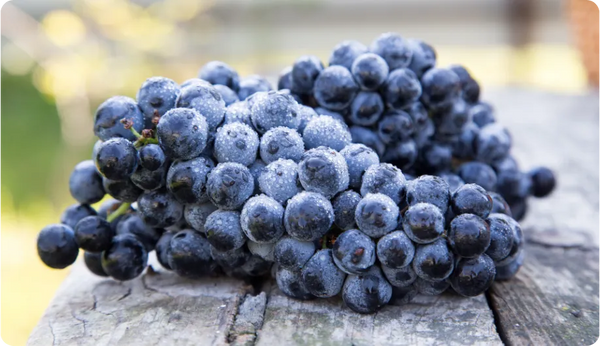
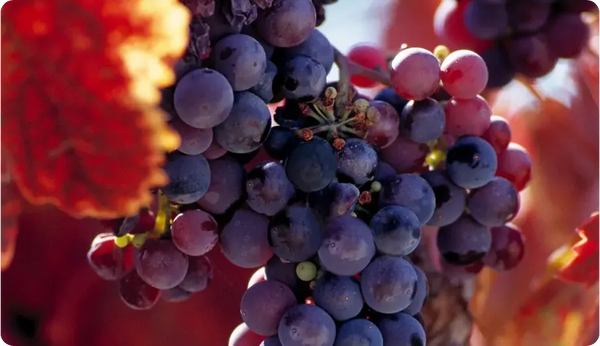
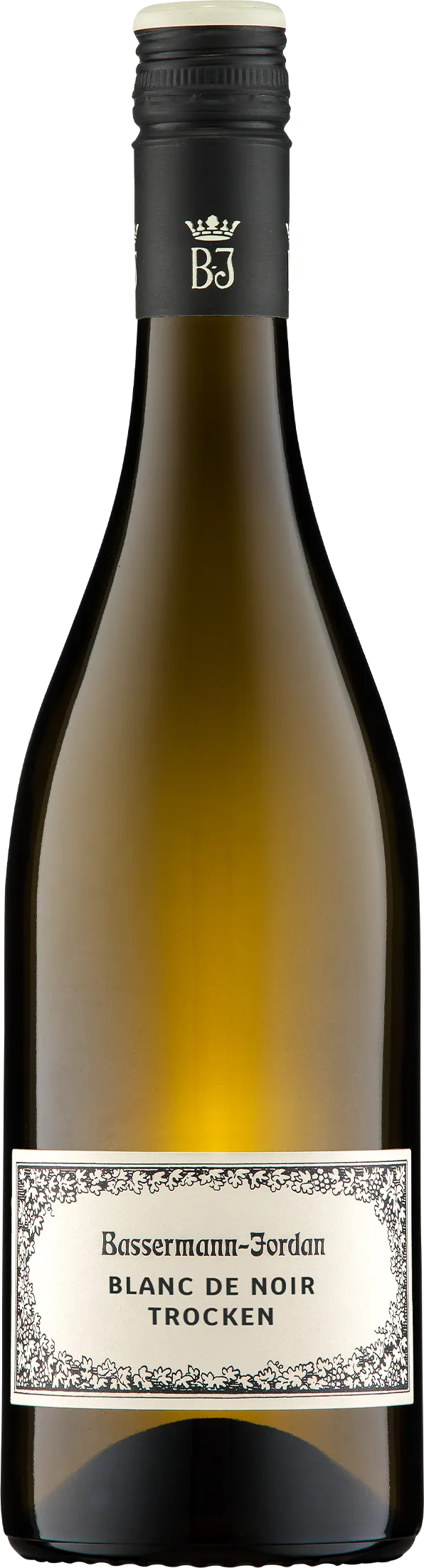
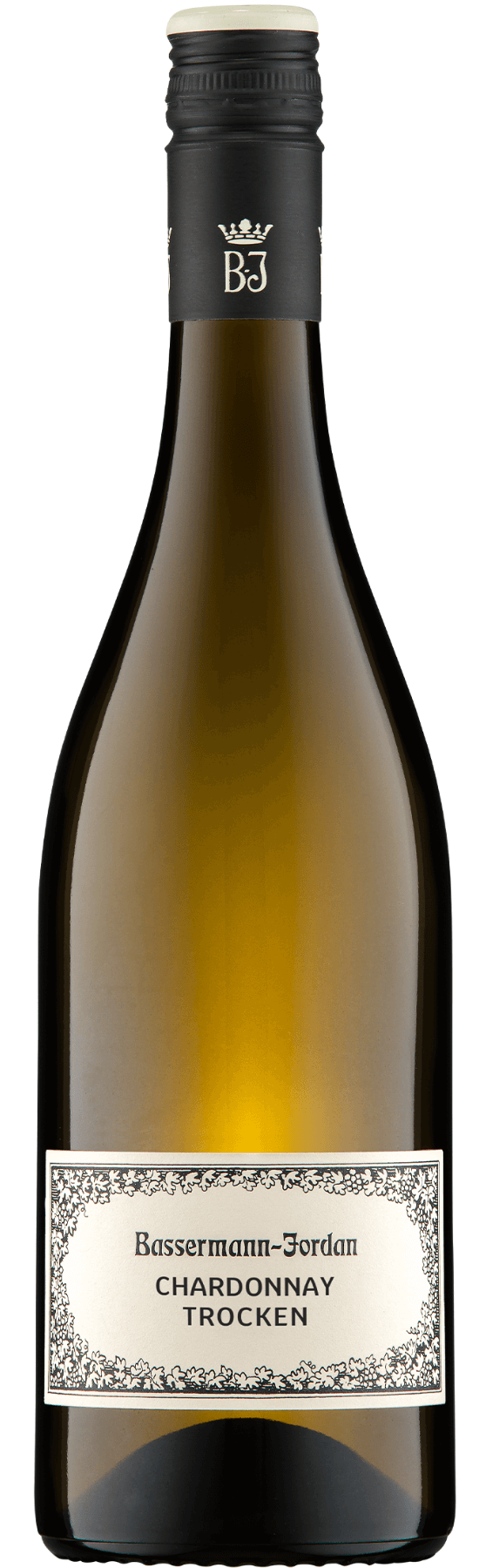
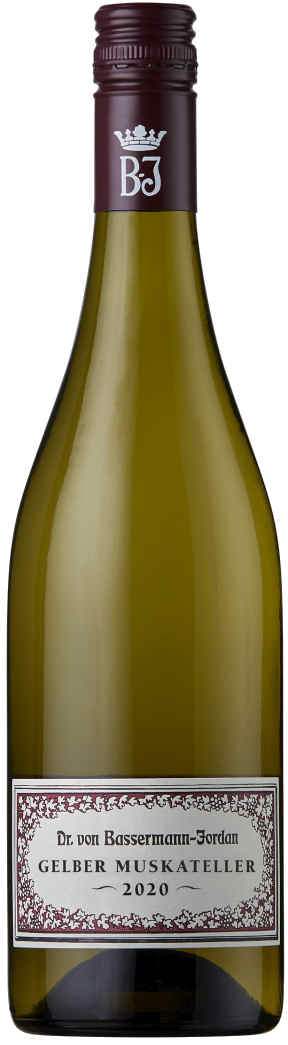
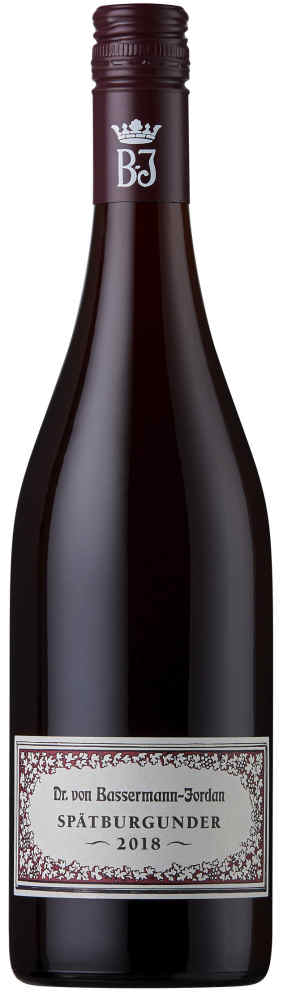
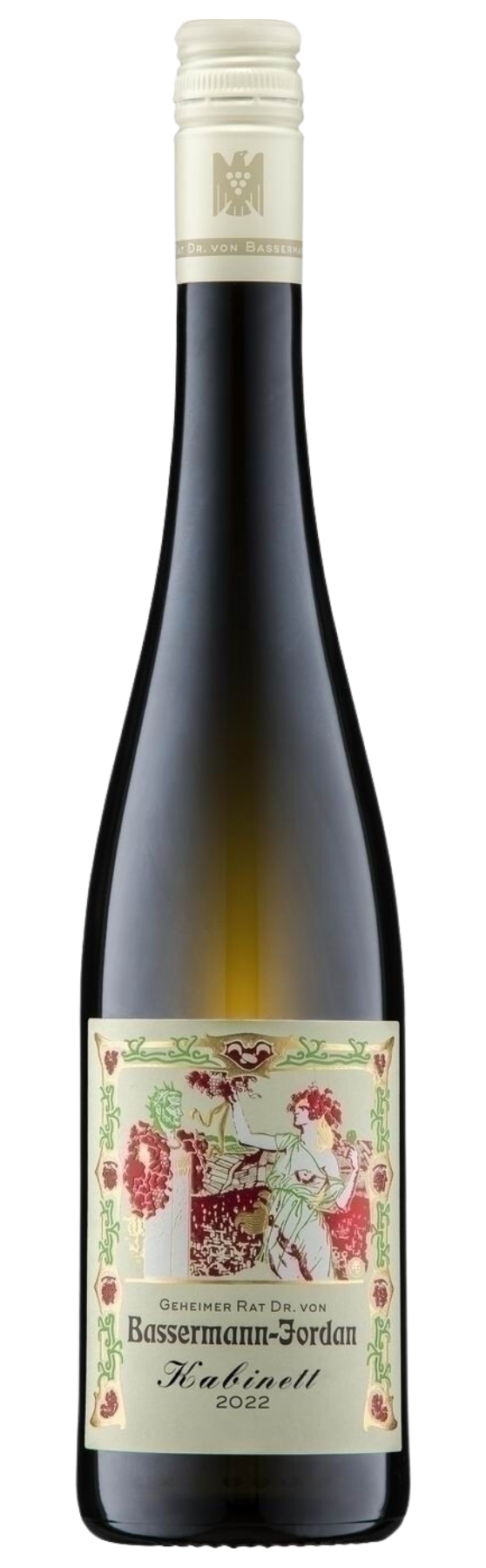
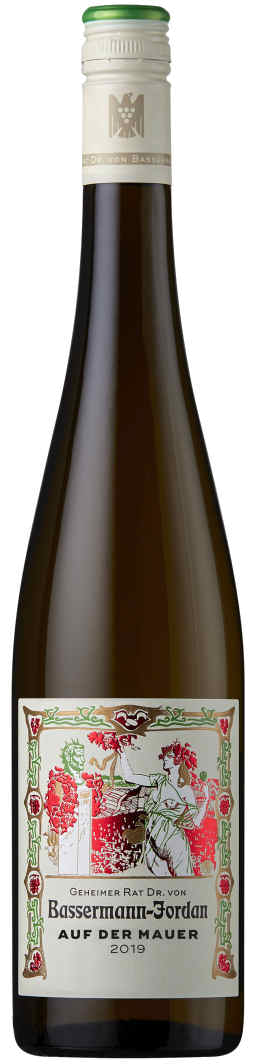
Around 85 percent of the vineyard area is planted with Riesling — this reflects the conviction that the Mittelhaardt is one of the best Riesling terroirs in the world. Depending on the location, the style ranges from mineral-tight and site-specific to fine-fruity and accessible. The majority of the wines are aged dry and show distinct aging potential. The range is supplemented by Pinot Blanc, Pinot Gris, Chardonnay, Yellow Muscat, Pinot Noir, and a Blanc de Noir — a range that extends from uncomplicated local wine to the Grosses Gewächs. The Riesling Brut sparkling wine from bottle fermentation completes the picture of a house that consistently carries depth and craftsmanship across all categories.