Since 1579 in Traisen: Viticulture as family history
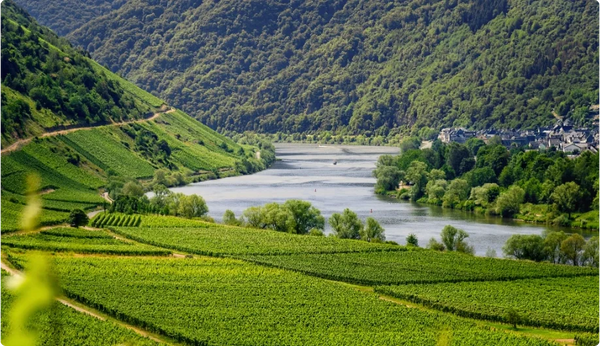
When a family has been rooted in a place since the 16th century, it shapes not only the people but also the wine. The Beisiegels have lived in Traisen, a small wine-growing village on the middle Nahe in Rhineland-Palatinate, since 1579. What began back then as a mixed operation of viticulture and agriculture has developed over generations into a pure winery. Gradually, the family discontinued agricultural side production to dedicate themselves entirely to viticulture. The decisive step toward their own identity was taken in 1959 with the first bottling — a date that is still considered a benchmark in the cellar today.
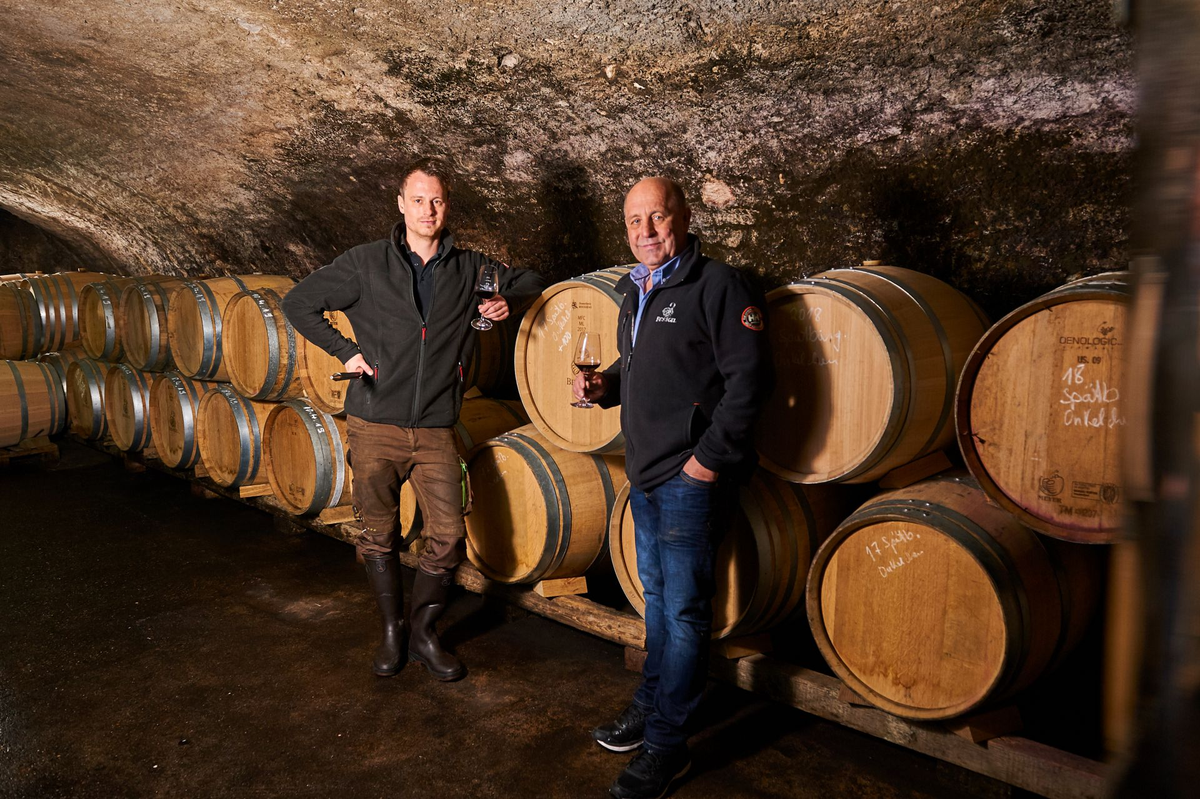
Today, Walter and Alexander Beisiegel manage the winery in the fourth generation. Alexander, who professionally leads the estate, brings an academic background to the work — and yet the winery remains what it has always been: a genuine family business that makes its decisions not according to market trends, but according to the needs of the vines and the soil.
Manual labor, patience, and respect for the Rotenfels soil
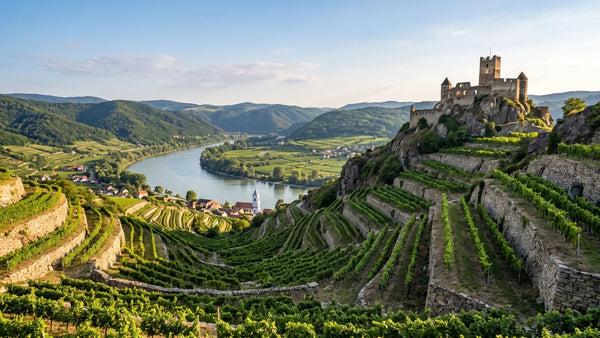
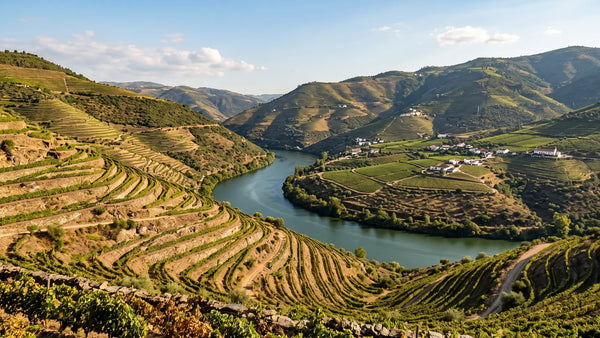
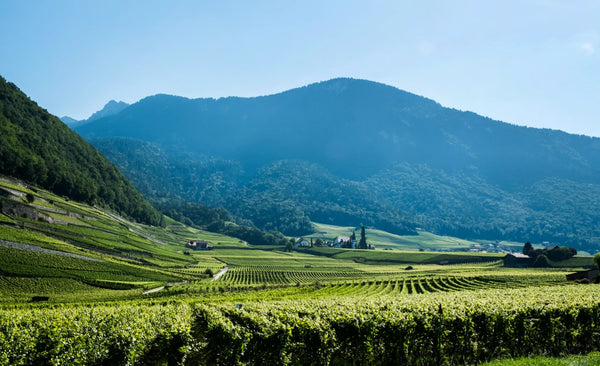
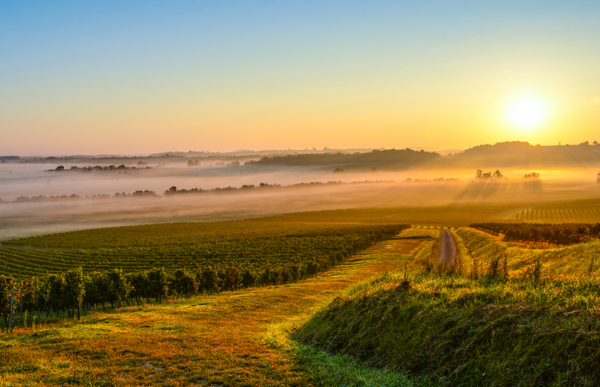
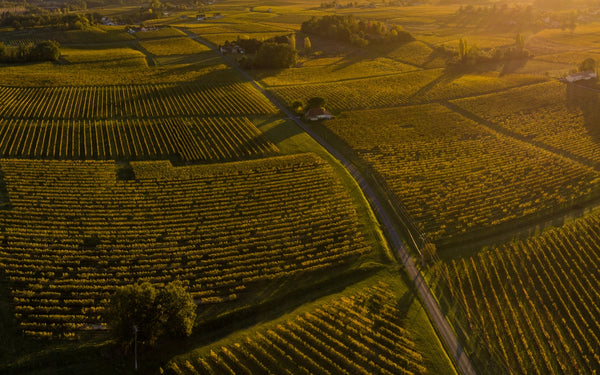
On 13 hectares of vineyards in the Traisen and Norheim sites, the Beisiegels work according to a principle they formulate themselves: guide the vine, consciously reduce yields, and focus on quality instead of quantity. No calendar dictates the rhythm — every wine gets the time it needs. In the vineyard, this means a lot of manual labor: machines take over the rough work, the fine-tuning is then carefully done by hand. Aggressive chemicals have no place on these areas.
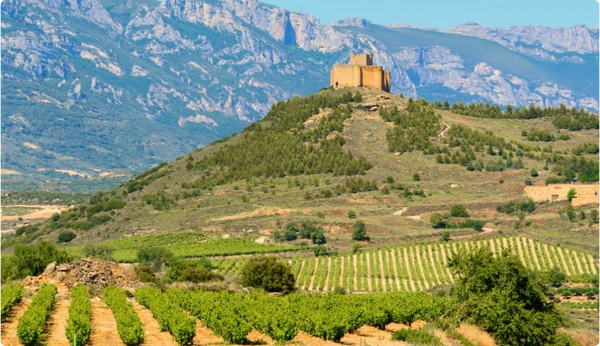
What makes the Traisen sites so special is their geology. Porphyry and melaporphyry soils — volcanic weathered rocks that are rare in this combination — shape the subsoil around the Rotenfels. This mineral-rich base gives the vines an extraordinary foundation for growth and is transferred directly to the wine: a distinct minerality, which is often noticeable in Riesling as an almost salty spice in the finish. In the cellar, the winery relies on patience instead of intervention — manual labor and patient cellar work with the clear goal of filling long-lived wines with real aging potential into the bottle.
Riesling at the core, variety in the assortment
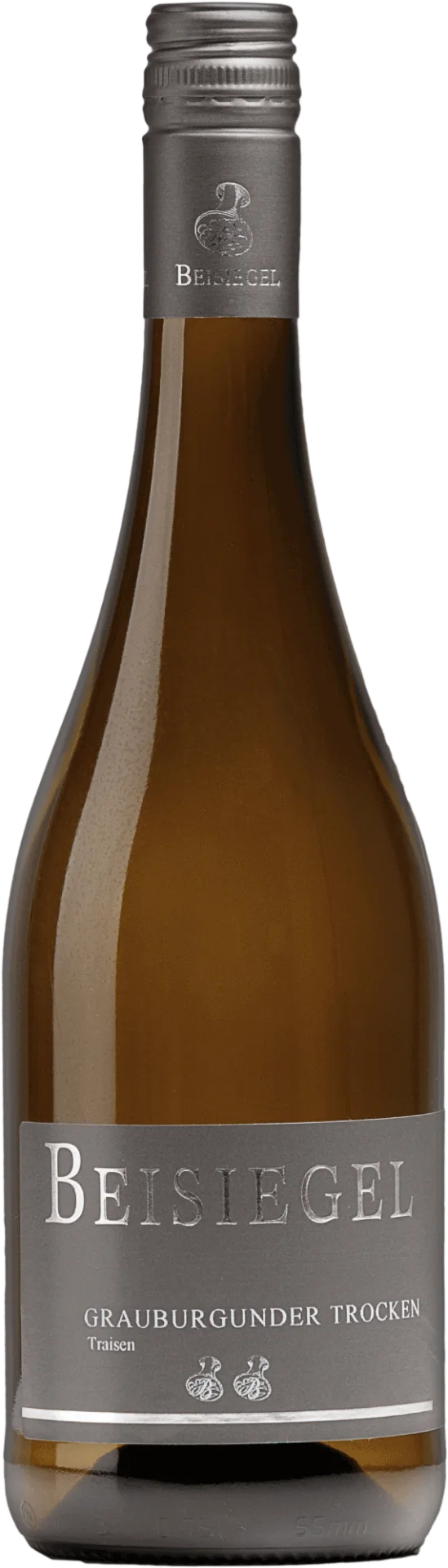
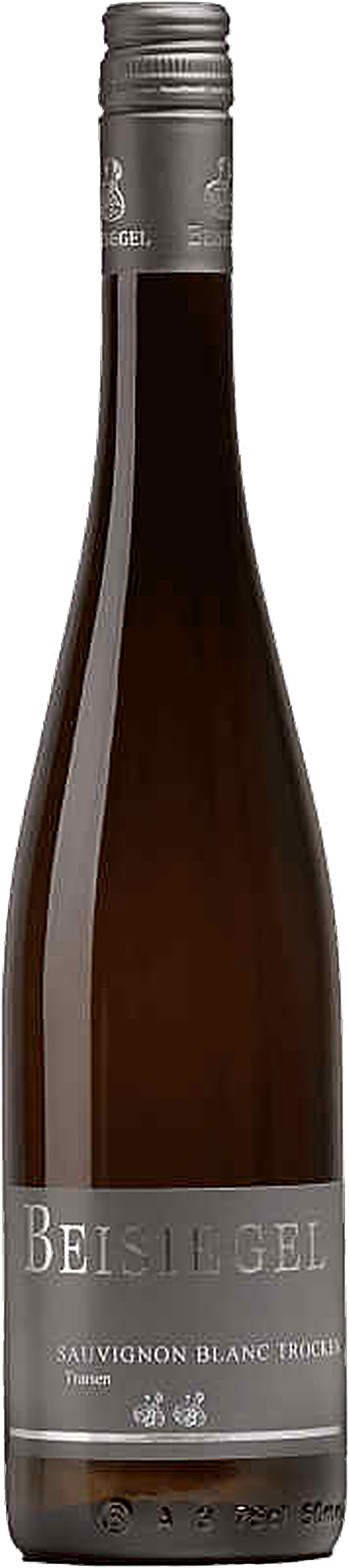
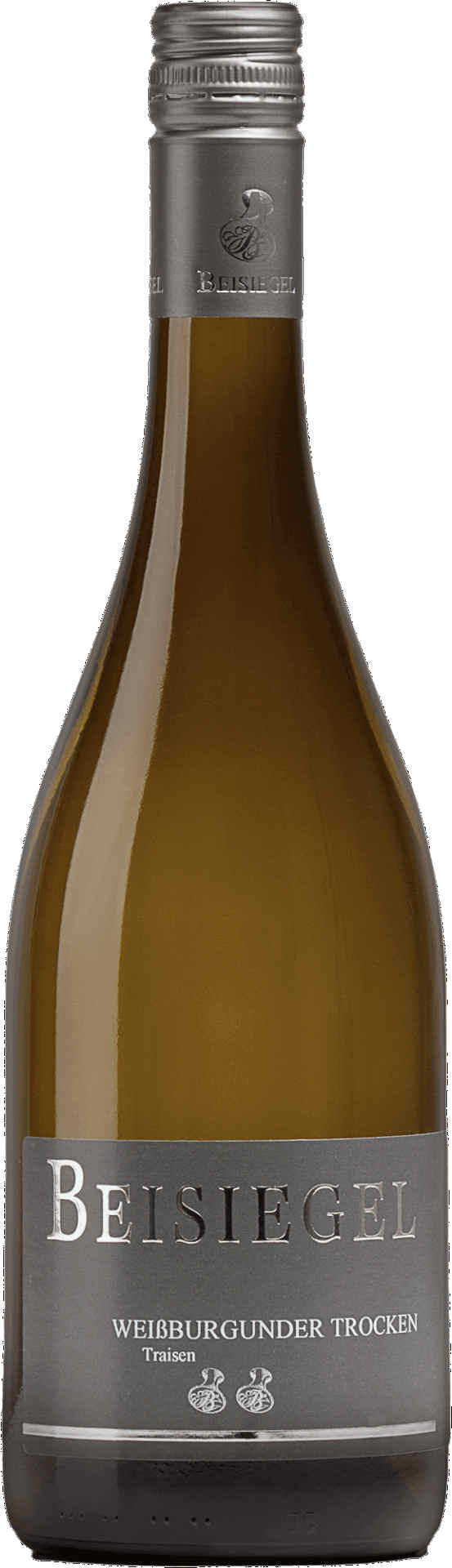
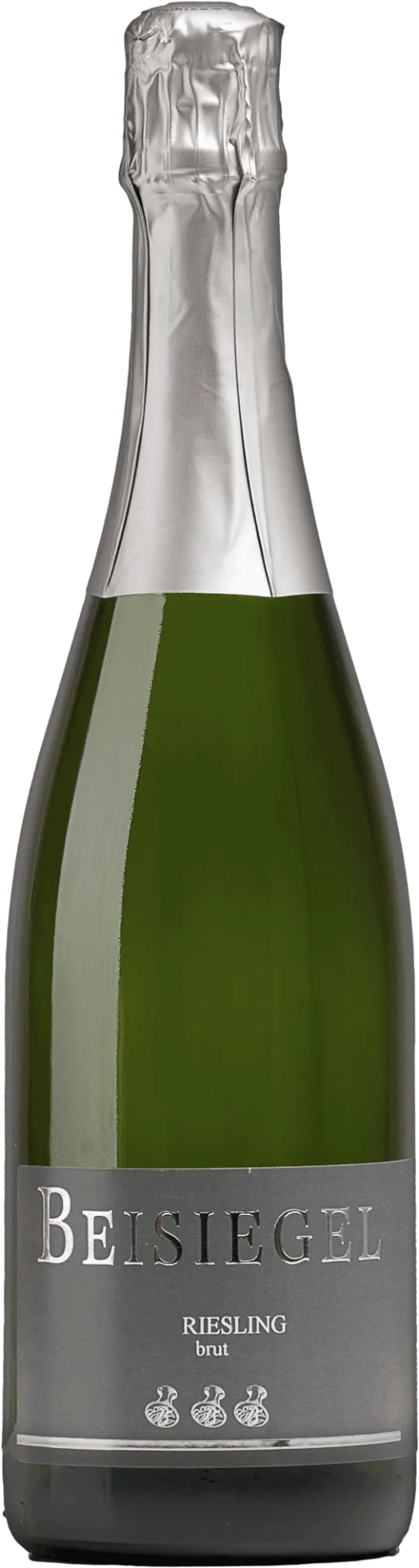
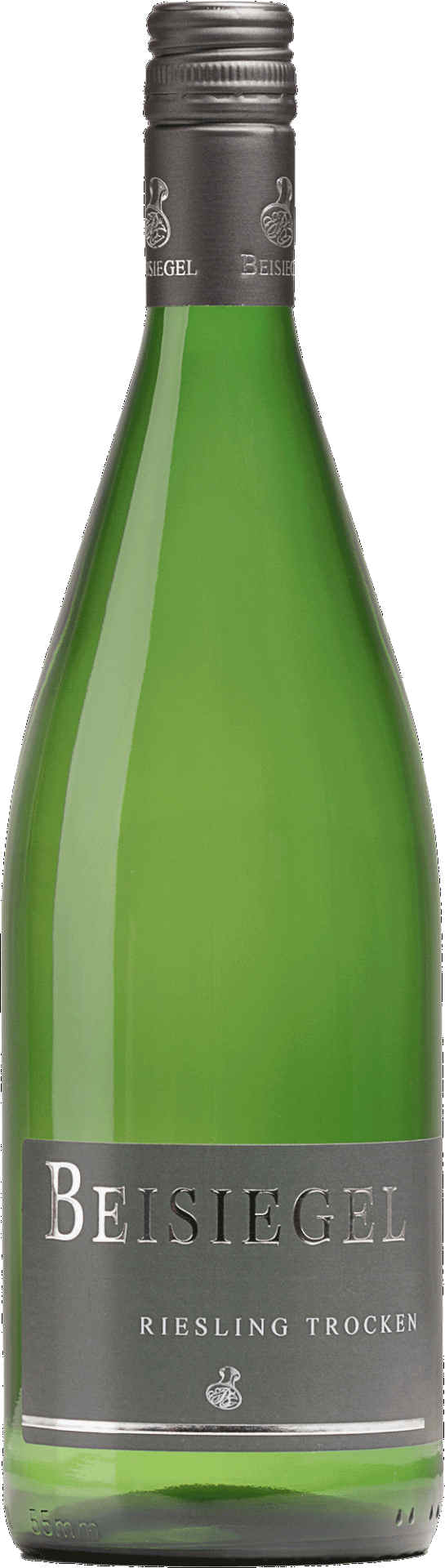
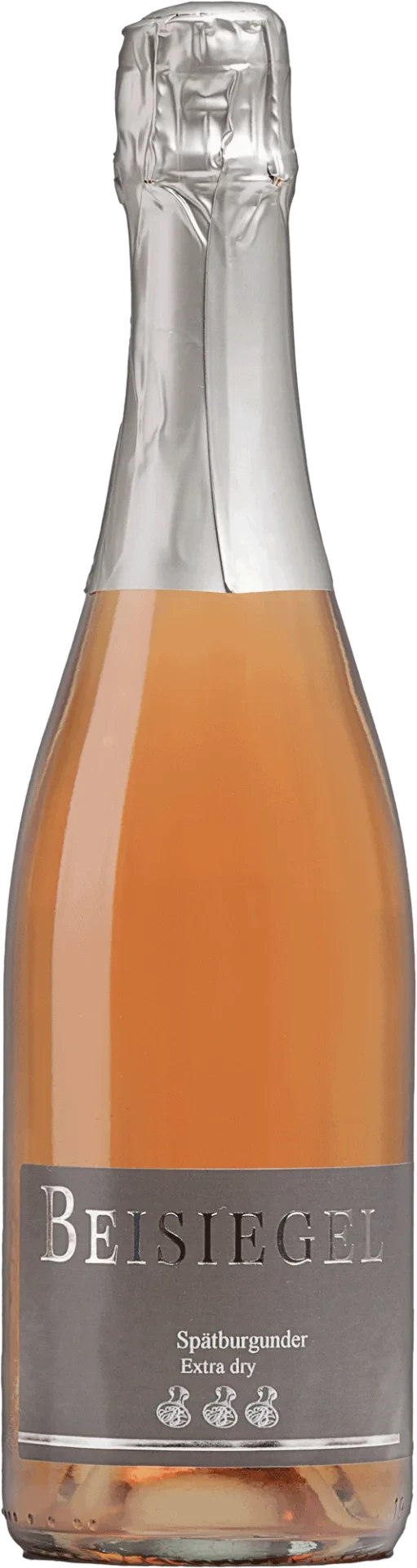
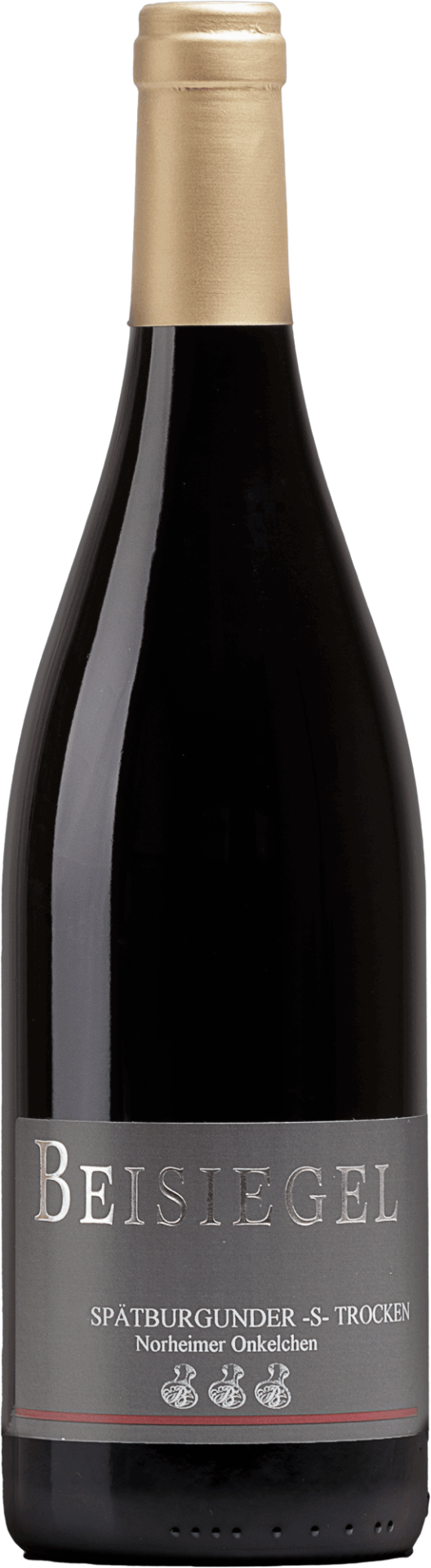
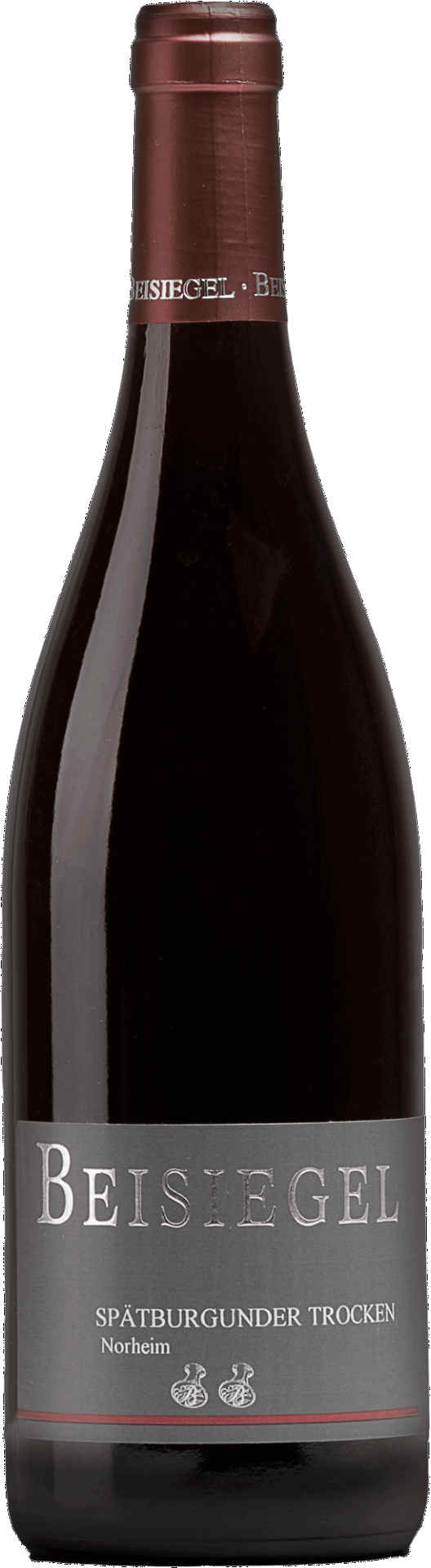
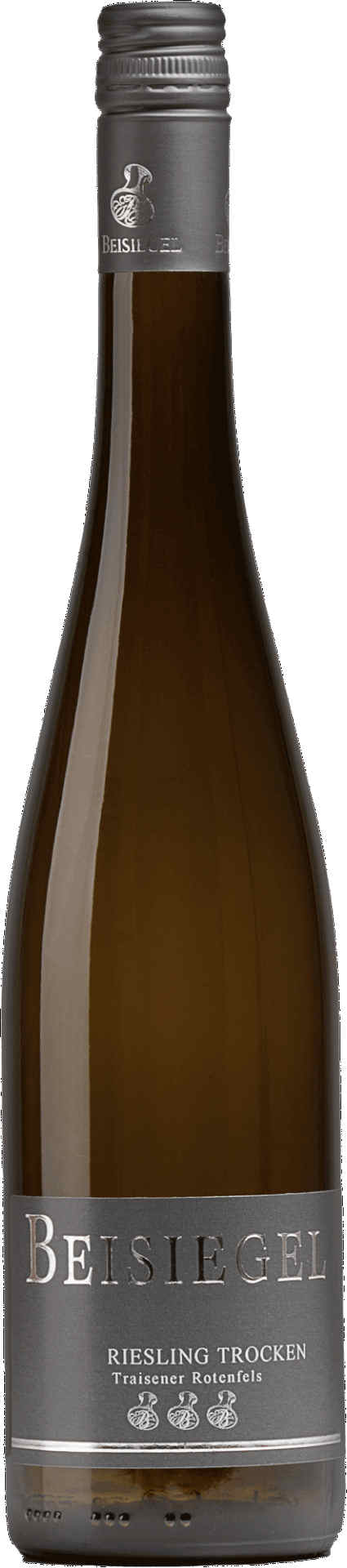
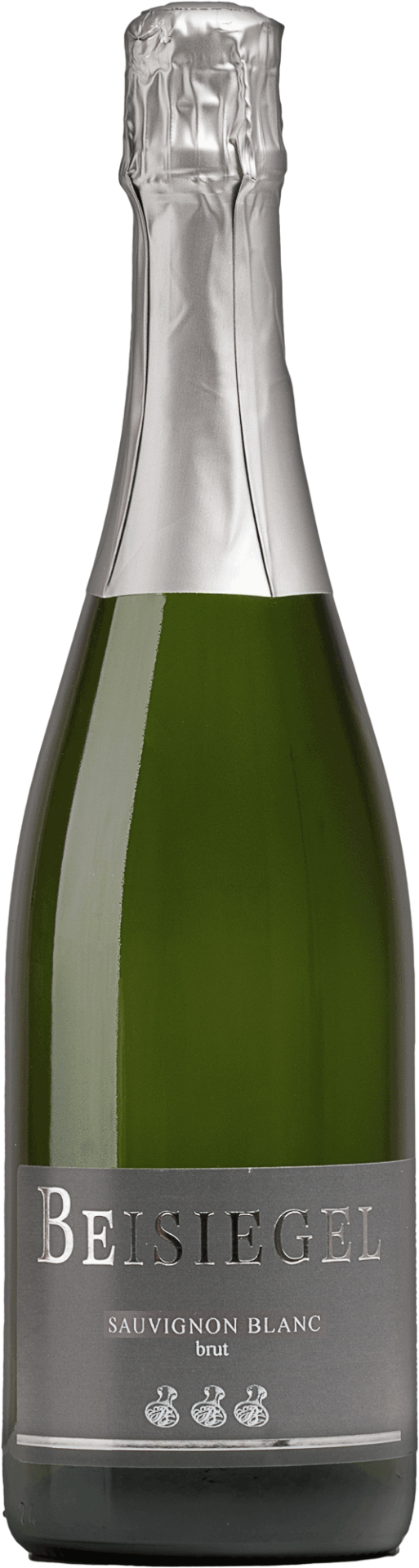
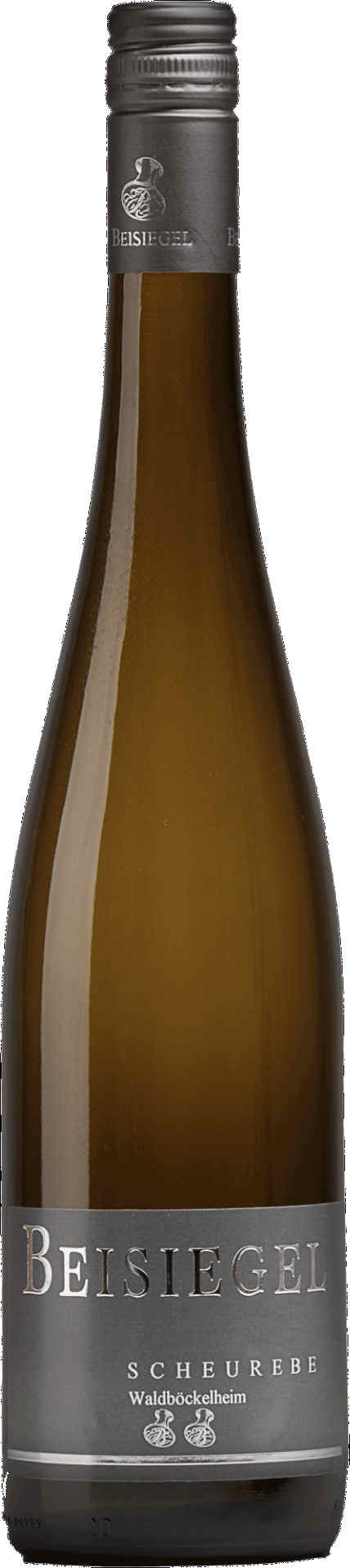
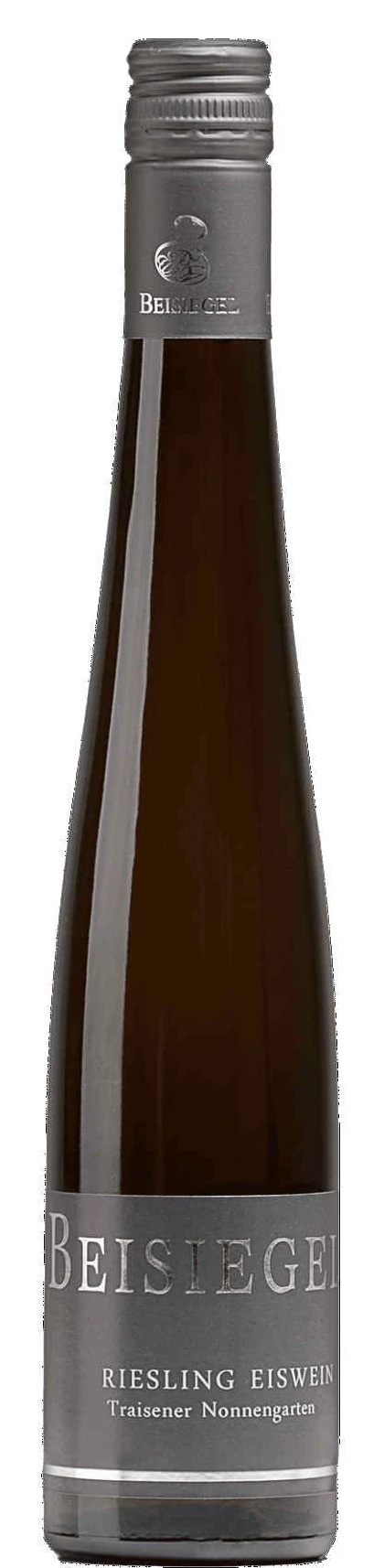
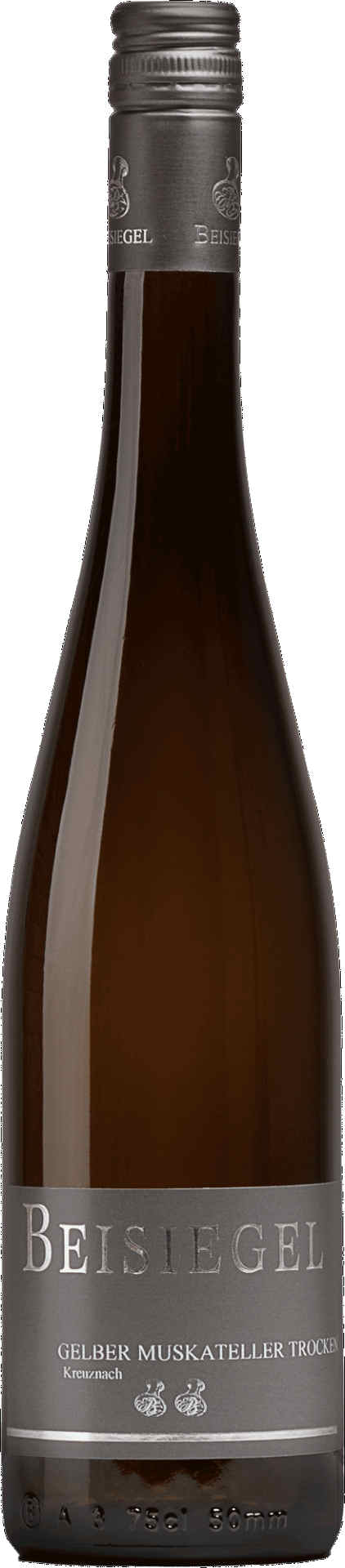
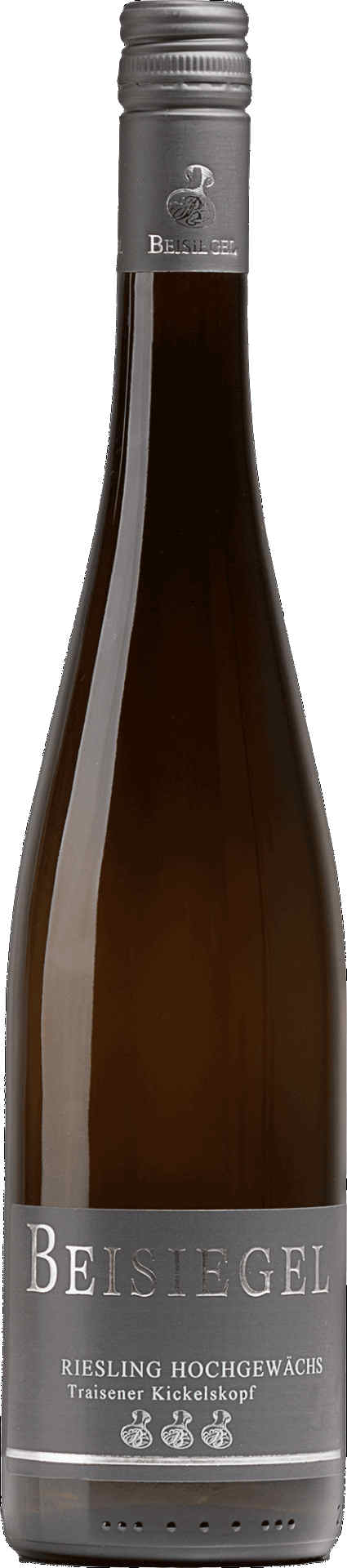
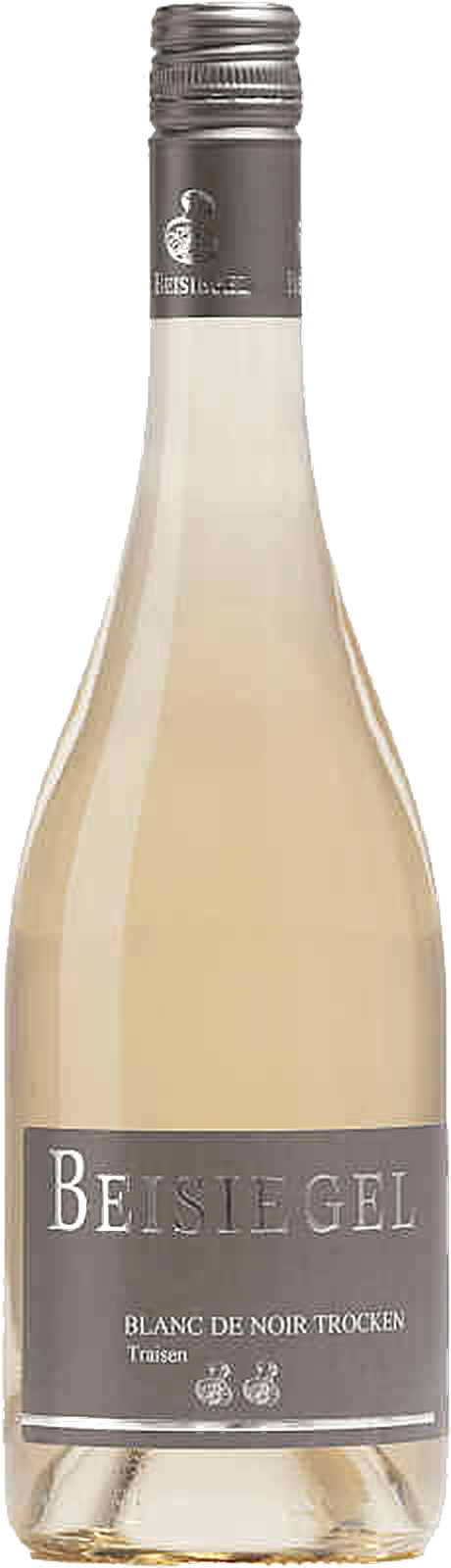
The focus is clearly on Riesling — in the steep slopes around the Traisener Kickelskopf and the Norheim sites, wines are created with the typical slate and porphyry minerality of the Nahe. Anyone who knows Beisiegel knows this style: firm acid structure, clear fruit, a long mineral pull in the finish. In addition, the assortment shows real breadth: Pinot Gris, Pinot Blanc, Yellow Muscat, and Scheurebe represent the white classics, while the Pinot Noir from the Norheimer Onkelchen represents the red side of the house. The winery also shows its experimental side with a skin-fermented Orange Wine from Pinot Gris — and with a Riesling Sekt Brut, which brings the fruity Nahe character into the glass as perlage.
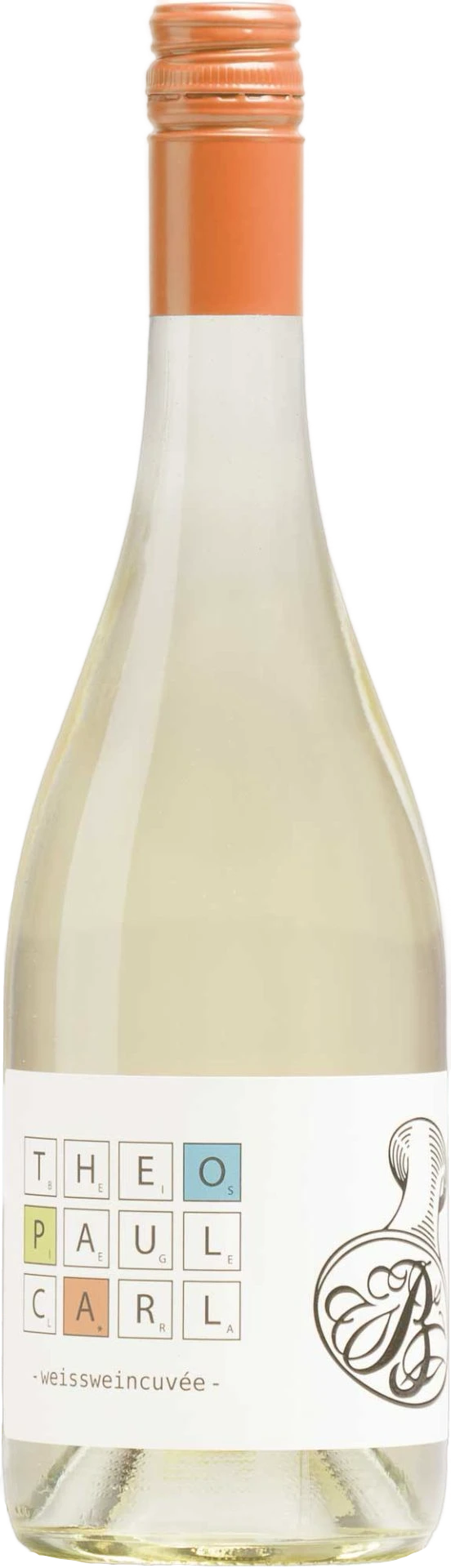
Gault Millau rated the winery with two grapes in 2023, and the Vinum Guide issued a recommendation in the same year — a solid classification for a family winery of this size. Dry estate wines like the Riesling or the white cuvée Drei Brüder are best drunk within two to four years. Site-specific bottlings and Spätlese wines from good vintages continue to develop without problems for five to eight years.