Over 800 years in one hand: Germany's oldest family winery
What began around the year 1200 as documented vineyard ownership by the Dalberg family is today Germany's oldest winery in continuous family hands. The Wallhäuser Felseneck — today one of the most renowned sites on the Nahe — appears in a document as early as 1219, at that time still referred to as "Breitwiesen". For centuries, the property remained in the family until it passed to the Princely House of Salm-Salm through marriage in 1911. Business and living quarters are still located in the historical Wallhausen Castle, whose vaulted cellar is around 450 years old.
Today, Felix Prinz zu Salm-Salm, a graduate engineer for viticulture and oenology from Geisenheim University, runs the estate in the 32nd generation — together with his wife Victoria, who has been responsible for sales and marketing since 2015. His father, Michael Prinz zu Salm-Salm, was President of the Association of German Prädikat Wine Estates (VDP) from 1990 to 2007, to which the winery has belonged as a long-standing member.
Ecological pioneer on the Nahe: Green slate, healthy vines, no compromise
As early as 1988, Michael Prinz zu Salm-Salm converted the winery to organic farming — at a time when this was still an exception on the Nahe. Since then, work has been carried out without chemical-synthetic pesticides and mineral fertilizers. Year-round cover cropping provides the soils with nitrogen in a natural way; additional nutrients come exclusively from organic fertilization. The winery also holds the Fair'n Green certification for sustainable management.
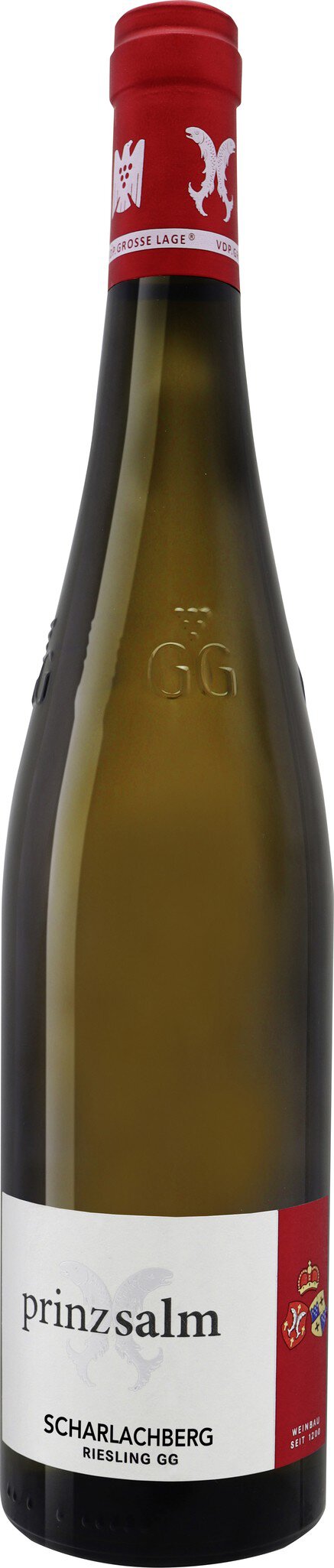
The heart of the Nahe vineyards is the terroir around Wallhausen and Dalberg: Green slate — also called Dalberg slate — is openly exposed there and is a geological rarity that only exists in this narrow valley. In Wallhausen itself, Rotliegend and quartzite dominate. In Bingen, the calcareous Kirchberg and the Scharlachberg, colored bright red by the mineral hematite, are added. The Wallhausen sites are located at an altitude of over 300 meters; cool air currents from the Hunsrück ensure that the grapes ripen slowly and aromatically even in warm years.
Riesling from slate — and more: The range from the local wine to the Grosse Lage
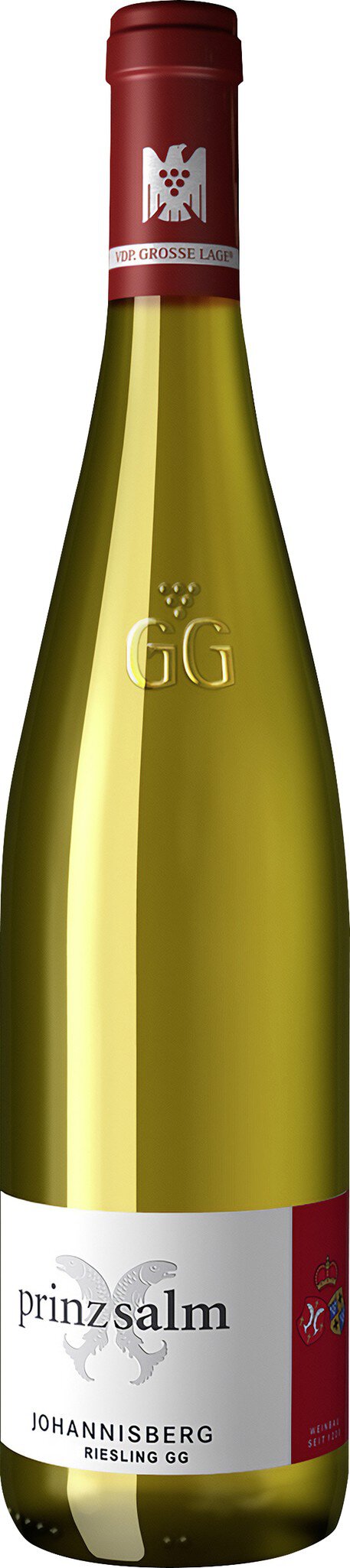
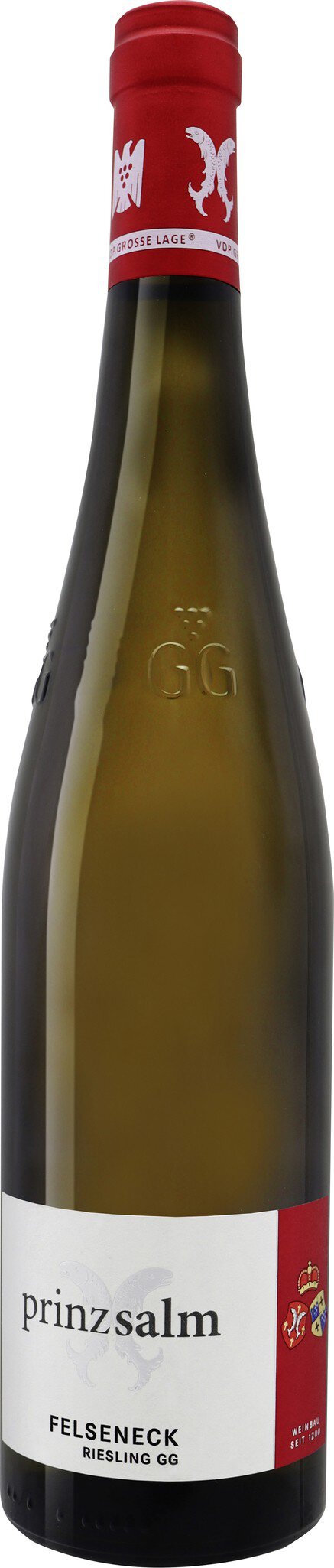
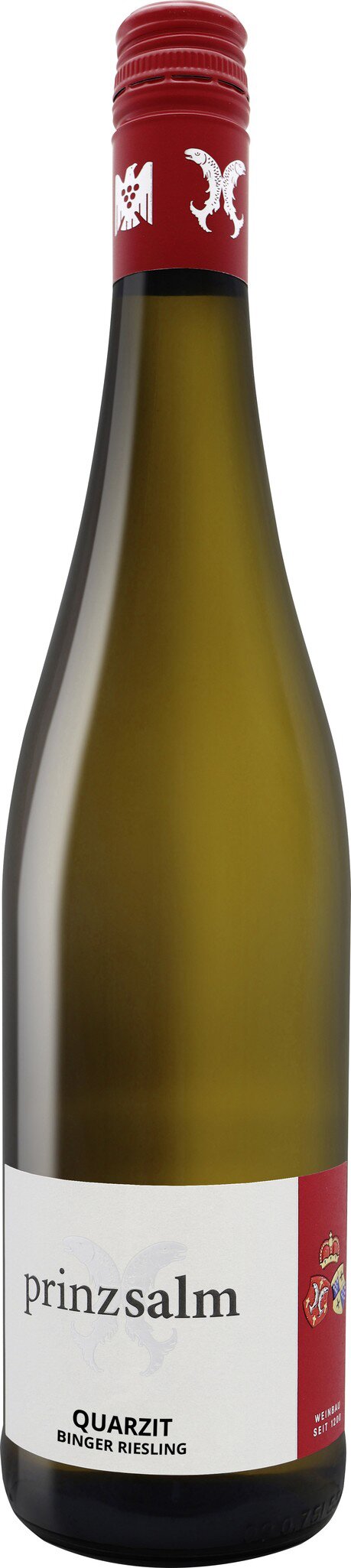
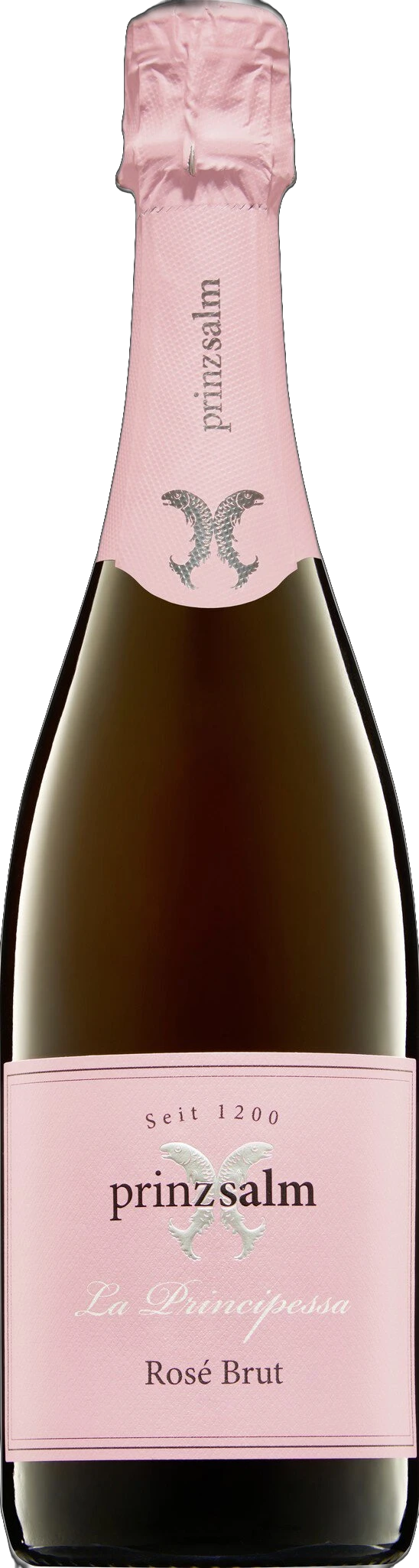
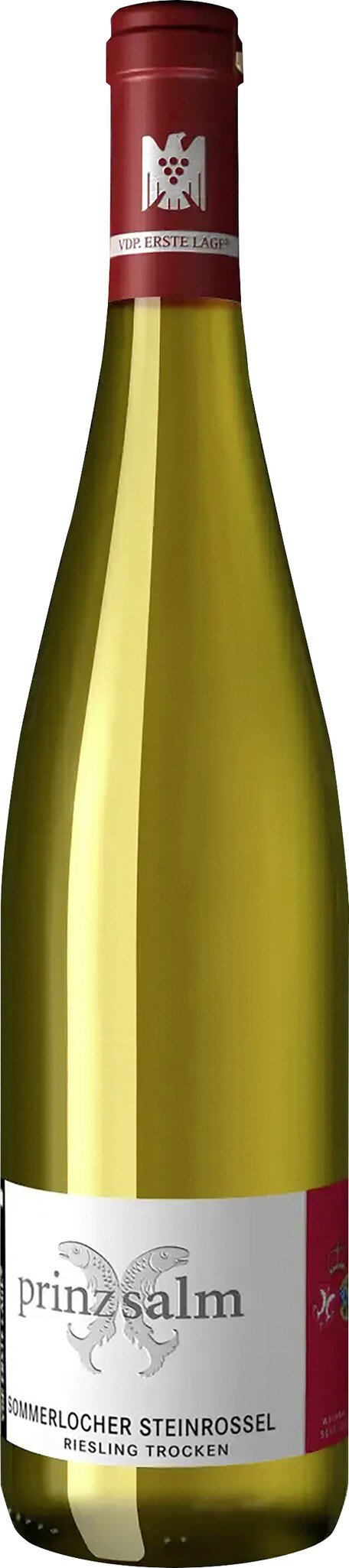
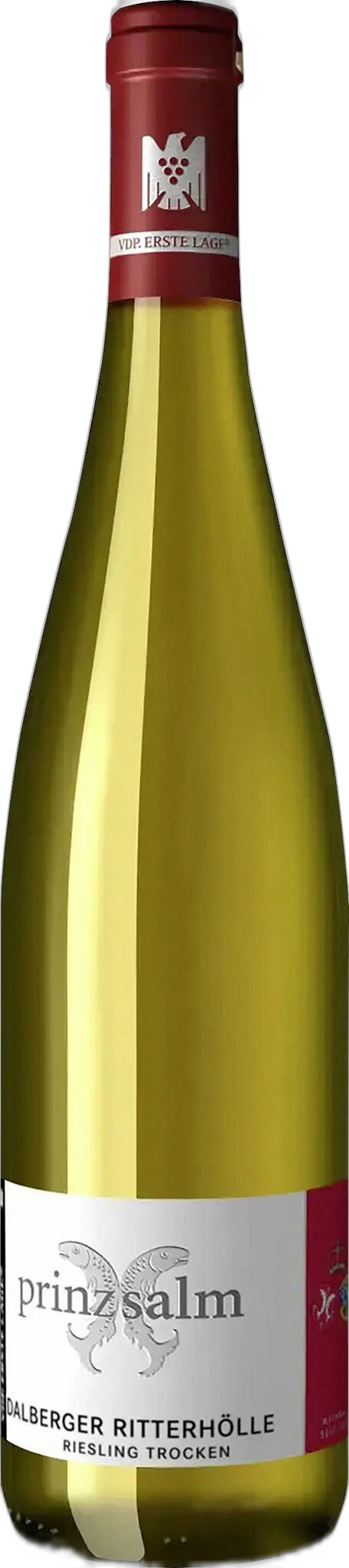
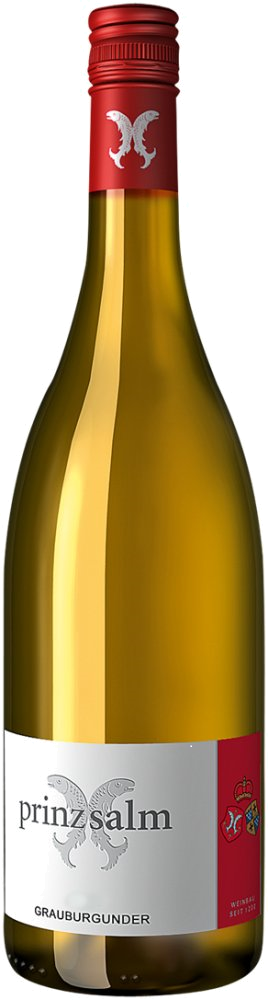
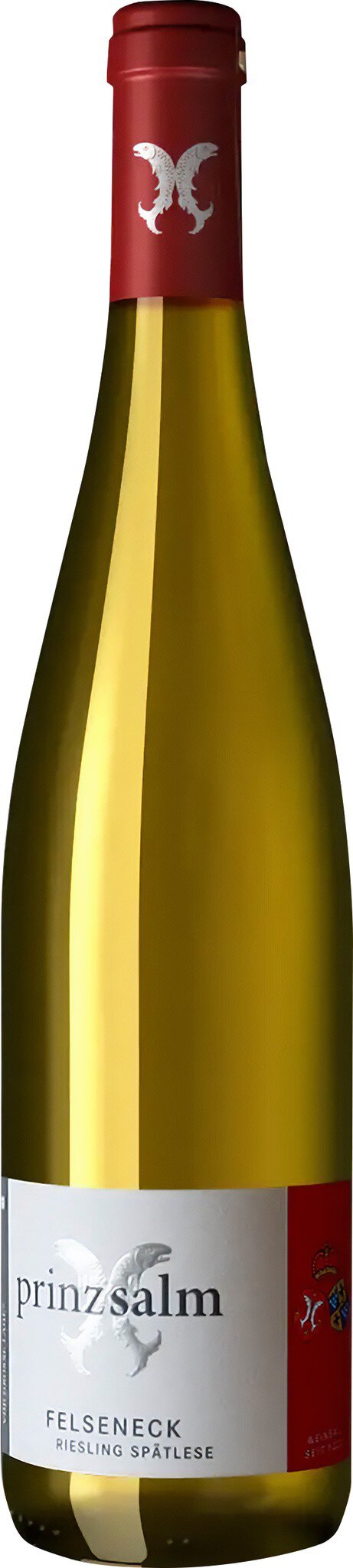
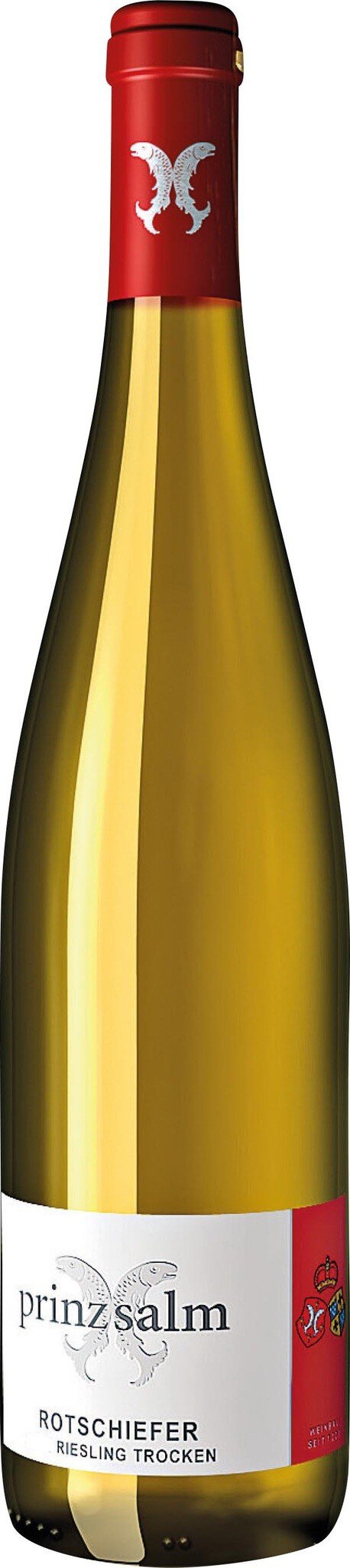
Riesling accounts for around two-thirds of production and is at the center of the range. Felix Prinz zu Salm-Salm describes the style of his site-specific Rieslings as lean and delicate — wines that show the character of the soil, not mask it. The green slate shapes the Rieslings from Felseneck and Dalberger Ritterhölle with cool minerality and clear structure; the Johannisberg in Wallhausen, as a VDP.Grosse Lage, provides more powerful, profound interpretations. The portfolio is complemented by Pinot Blanc, Pinot Gris, and Pinot Noir, as well as two sparkling wines produced using traditional bottle fermentation — the Brut Nature sparkling wine "Der Wildgraf" and the cuvée "La Principessa".
The VDP classification system — from local wines to Erste Lagen to the Große Gewächse — runs consistently through the entire range and makes the origin of every bottle directly readable. Anyone who tastes the wines from Prinz Salm side-by-side understands why one and the same grape variety speaks two completely different languages on green and red slate.