From the Nahe to the world: four generations of Dönnhoff
The first documentary evidence of the Dönnhoff family as winegrowers in Oberhausen an der Nahe dates back to 1761 — but the tradition goes back even further, to at least 1750. The foundation for today's winery was laid by Hermann Dönnhoff, who was already bottling his best wines independently and marketing them under vineyard designations in the 1920s. His son Hermann jr. built the press house in 1936, developed the now legendary monopoly site Oberhäuser Brücke, and received the State Honorary Award for exceptional viticultural achievements in 1953.
Helmut Dönnhoff, who took over responsibility in 1971 after his oenology studies in Geisenheim, took the decisive step into the international top tier. In a Nahe valley that was dominated by Müller-Thurgau and Silvaner at the time, he consistently focused on Riesling and expanded the vineyard area from three and a half to around 28 hectares — site by site, parcel by parcel. With Cornelius Dönnhoff, the fourth generation has been running the winery since 2007: he completed stays abroad, initially took over the vineyard and cellar, and today bears overall responsibility.
Site focus, soil depth, and working without ideology
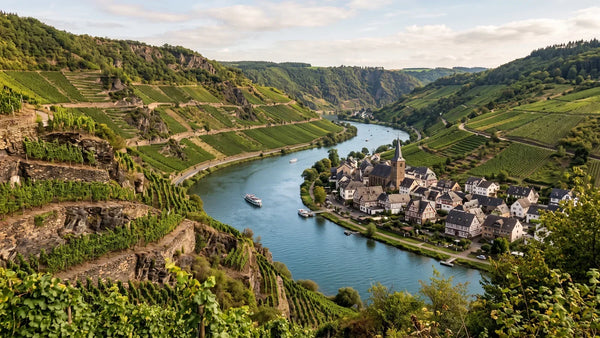
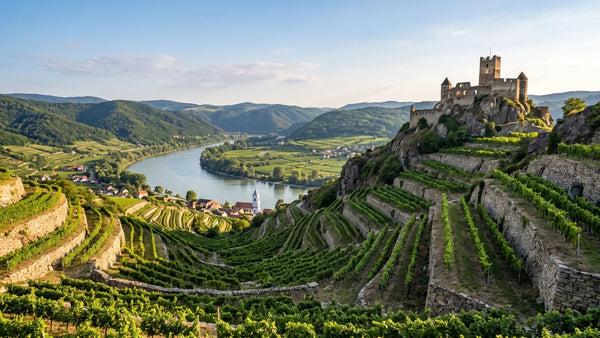
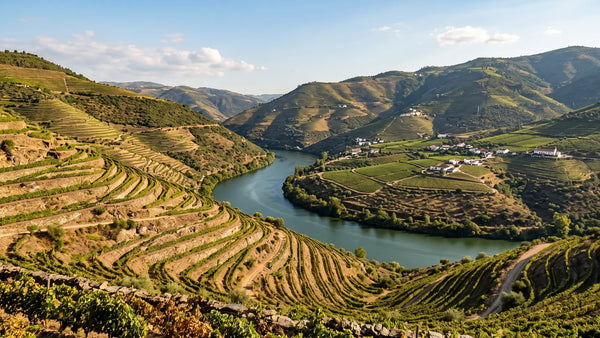
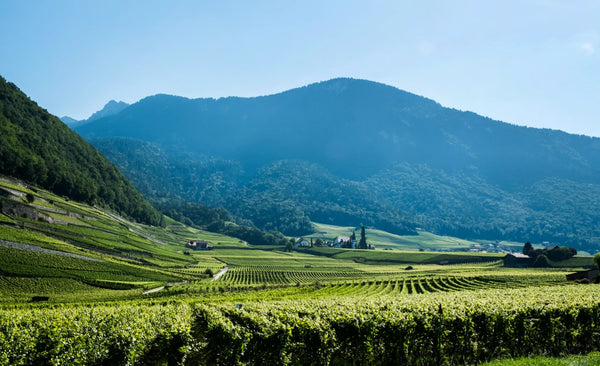
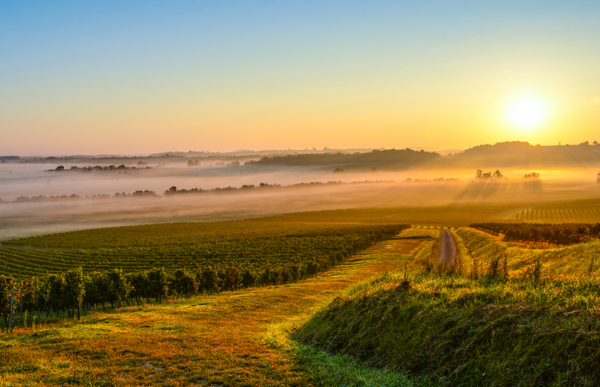
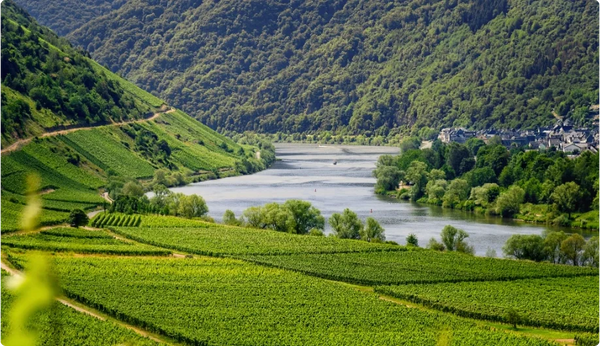
The property today extends from Bad Kreuznach via Norheim, Niederhausen, and Oberhausen to Schloßböckelheim — and covers an extraordinary range of rock types for Germany: red sandstone, gray slate, porphyry, and melaphyre volcanic weathering, gravelly loess loam. The VDP classifies ten of these sites as Grosses Lage (Grand Cru). The vines — between 15 and 65 years old, 80 percent Riesling — grow in a climatically favored valley that is protected from cold fronts by the Hunsrück, Taunus, and North Palatine Uplands.
The working philosophy of the Dönnhoffs can be summarized in one of Helmut's sentences: the basis for extraordinary wines are extraordinary vineyards. In the cellar, this results in consistent restraint: selective harvesting at the optimal time of ripeness, gentle processing, aging in classic oak barrels and stainless steel tanks — without biodynamic dogma, but with a deep connection to nature. Cornelius Dönnhoff puts it this way: responsibility for the vineyards on the middle Nahe, in the spirit of the landscape as well as wine culture.
Riesling as a benchmark — and Burgundy varieties on equal footing
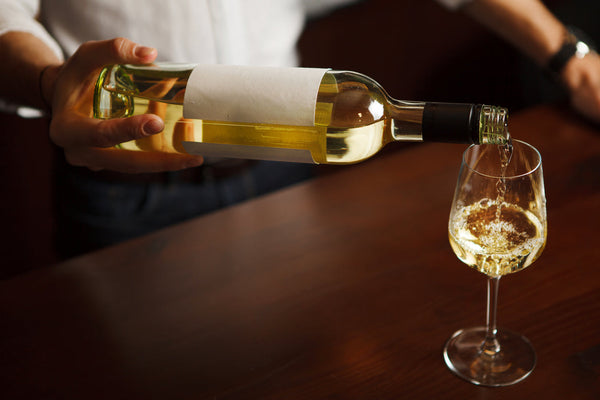
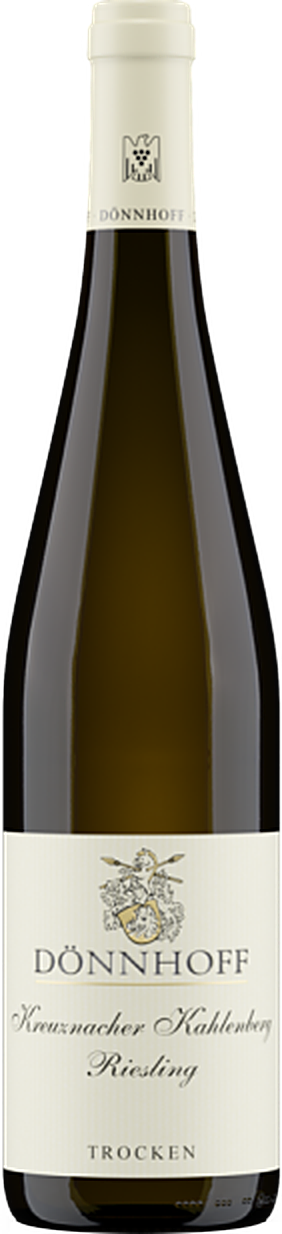
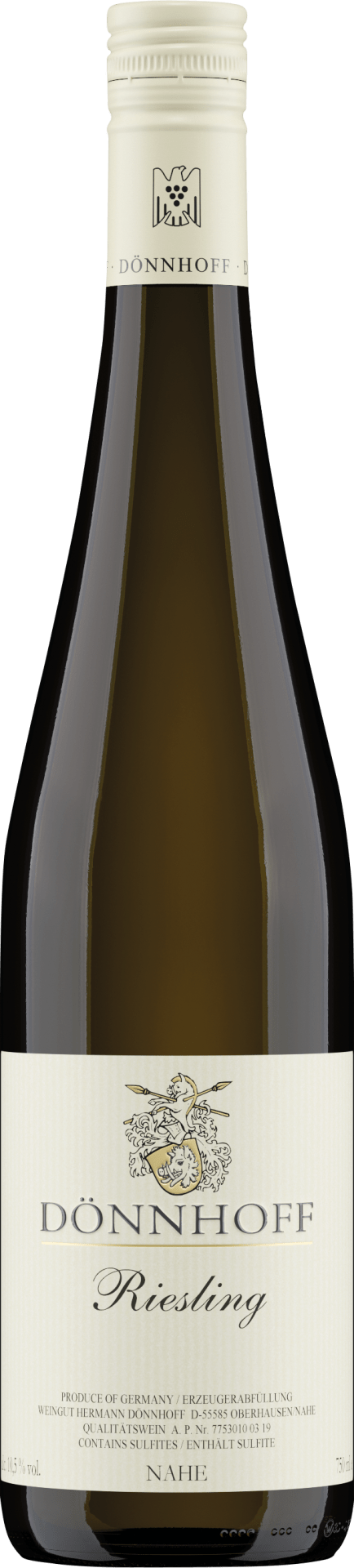
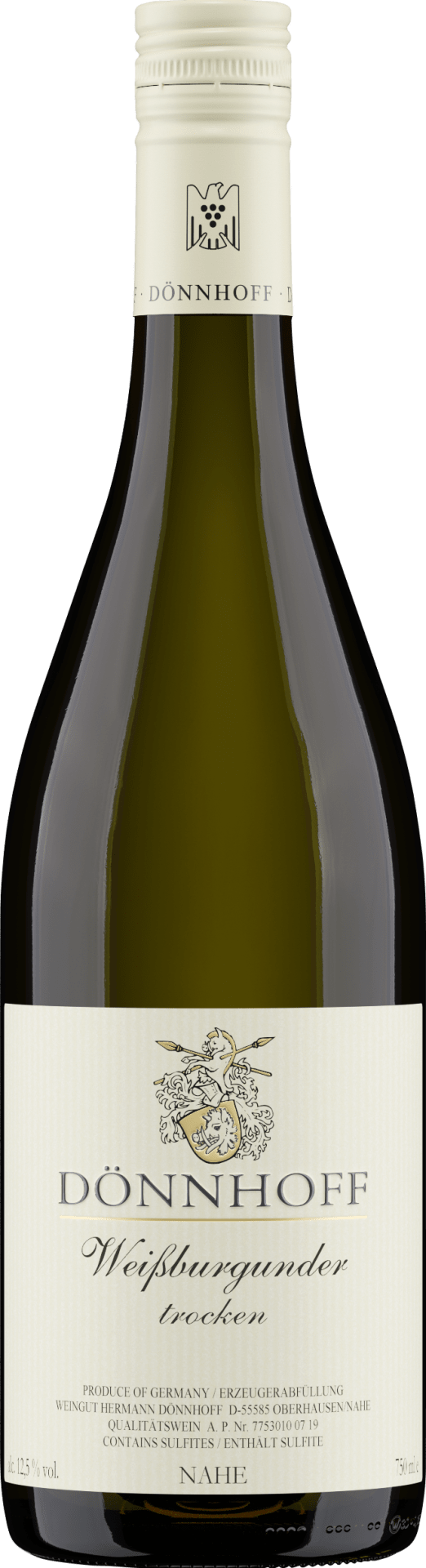
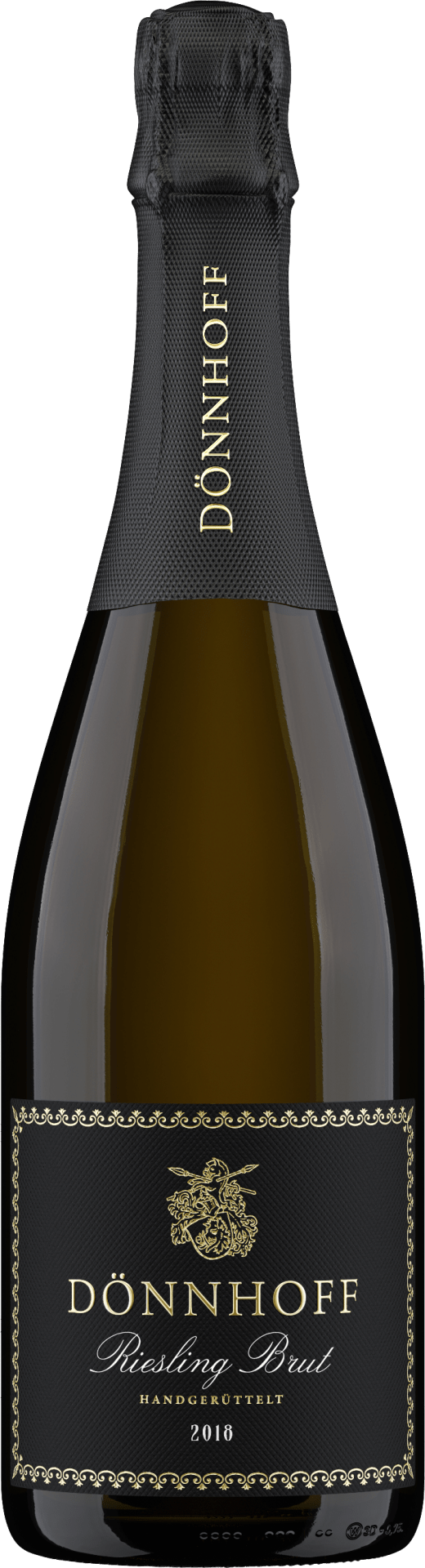
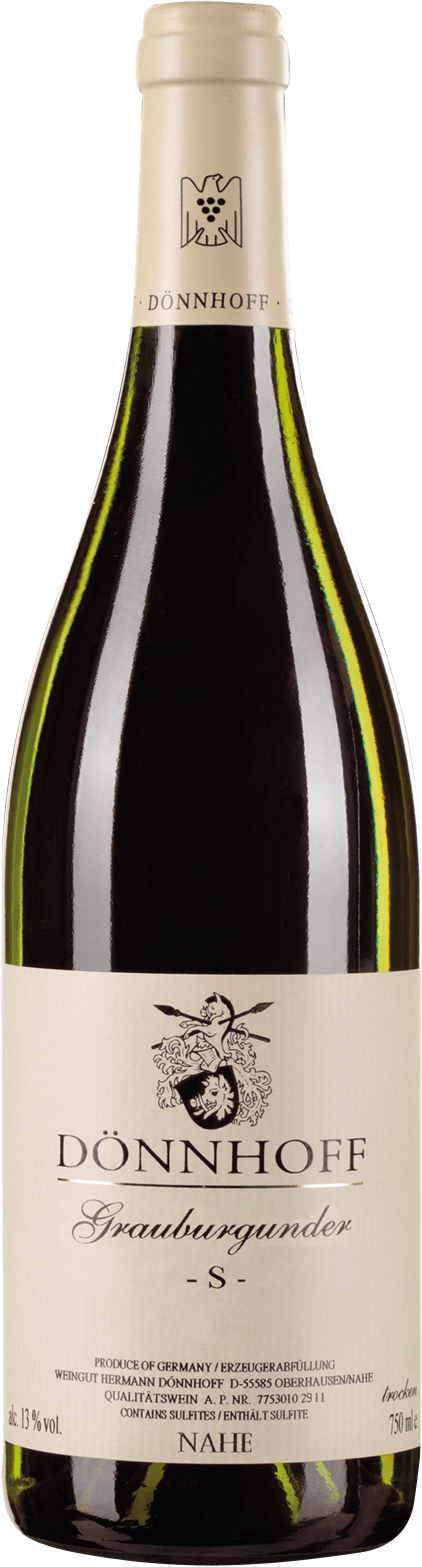
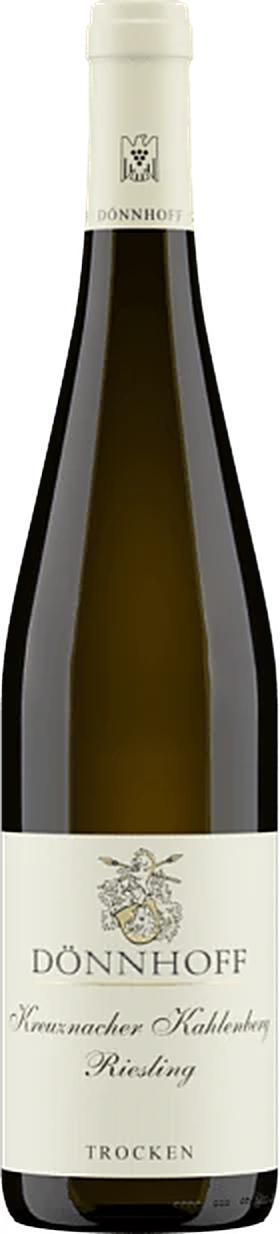
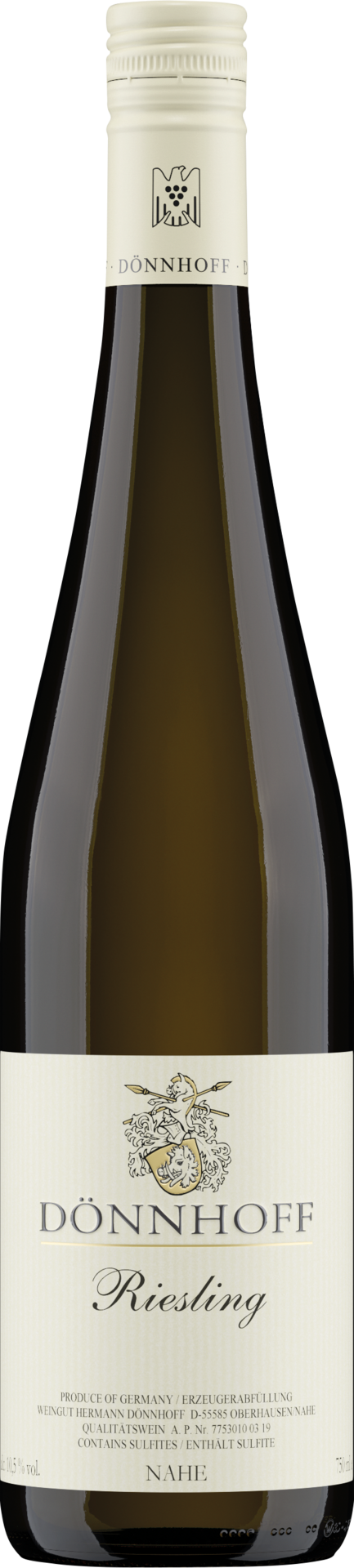
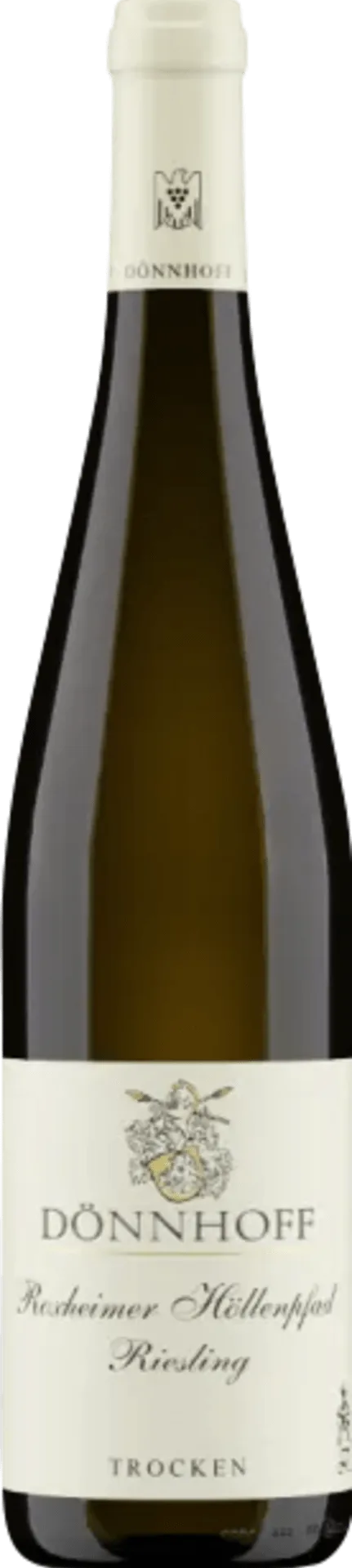
Around 80 percent of the cultivated area is devoted to Riesling, the remaining 20 percent to Weißburgunder and Grauburgunder. The Rieslings from the Grosses Lagen — above all Niederhäuser Hermannshöhle, Oberhäuser Brücke, and Schloßböckelheimer Felsenberg — stand for mineral tension, clearly defined fruit, and an aging potential that spans decades. In the Vinoscout range, in addition to the classic steep-slope Rieslings, you will also find Chardonnay aged in large wooden barrels (Stückfass) as well as Grauburgunder and Weißburgunder, which show that Dönnhoff approaches the Burgundy varieties with the same precision as the Riesling. Serving temperature for the dry white wines: 10–12 °C. Site-specific Grosses Gewächs wines like the Kahlenberg or the Höllenpfad benefit from several years of bottle aging.