More than 200 years of Nahe — and world-class since 1995
The Fröhlich family has been growing wine in the village of Bockenau on the middle Nahe for over two centuries. The estate bears its current double name because Tim's parents, Karin Schäfer and Hans Fröhlich, brought two independent family businesses into the marriage and merged them — two generations of experience became one address. It was Karin and Hans who raised the estate to a new level with consistent quality work and built up an extraordinary vineyard portfolio. Tim Fröhlich has held primary responsibility since 1995; his admission to the VDP.Nahe followed in 2001. Today, Tim and his wife Nicole manage the business, supported by Tim's sister Meike and her partner Mats Genheimer — the estate remains what it has always been: a family business where every hand counts.
Steep slopes, slate, spontaneous fermentation — no compromise in the vineyard or cellar
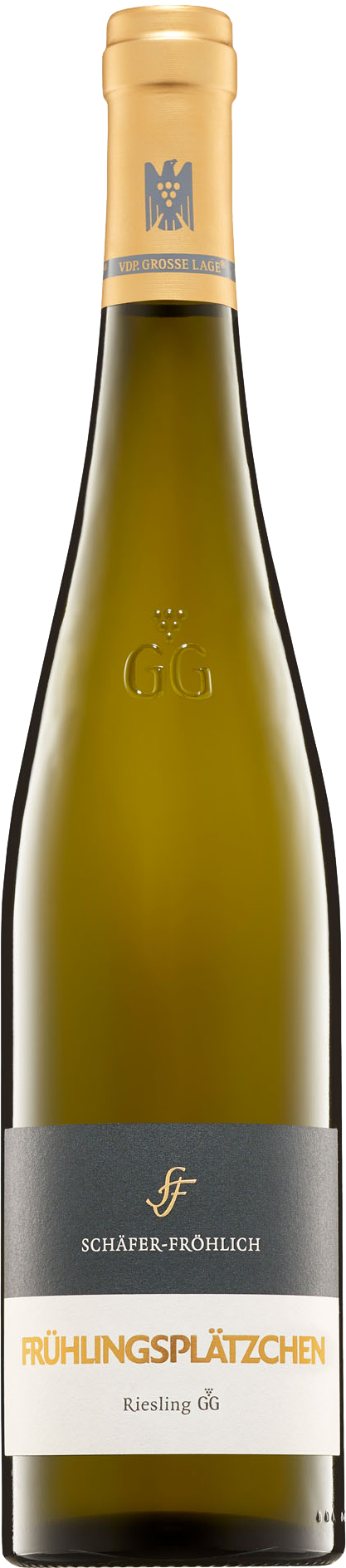
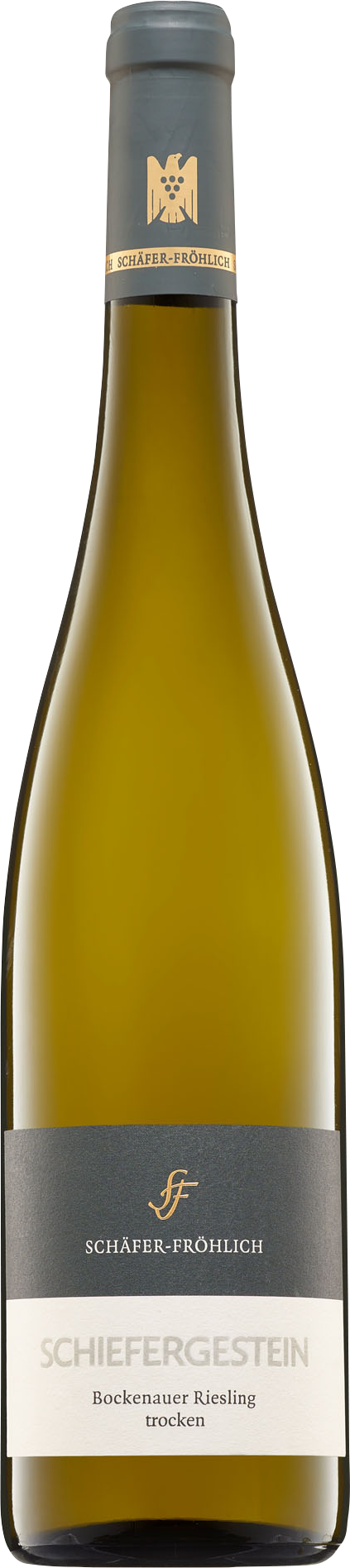
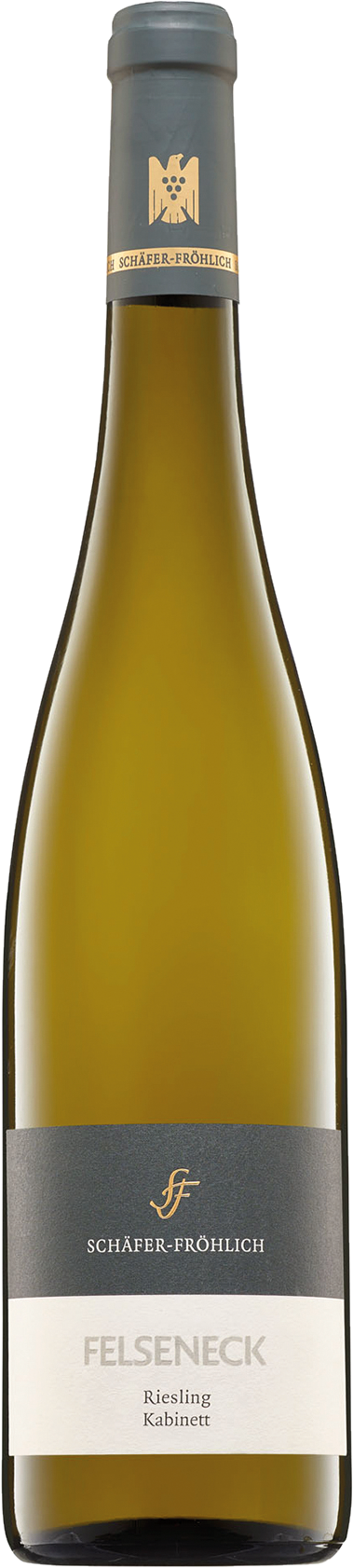
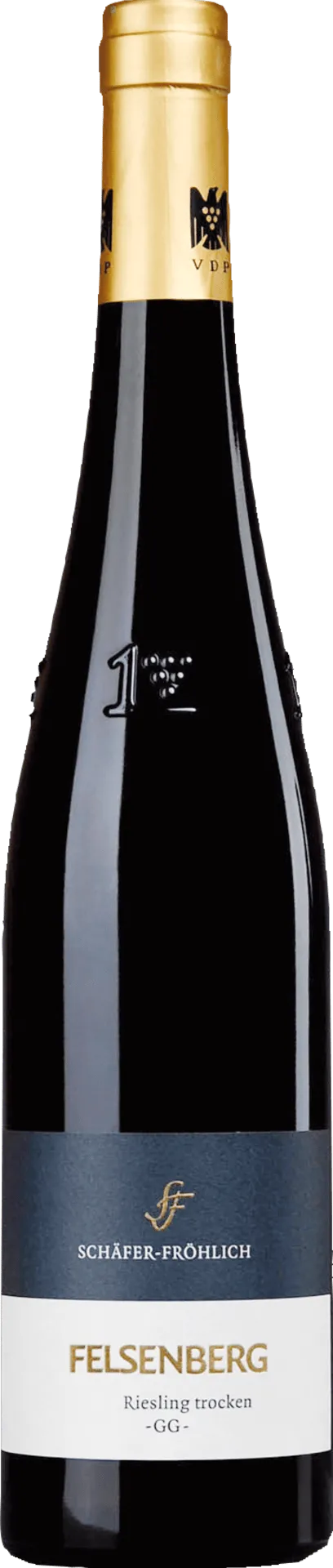
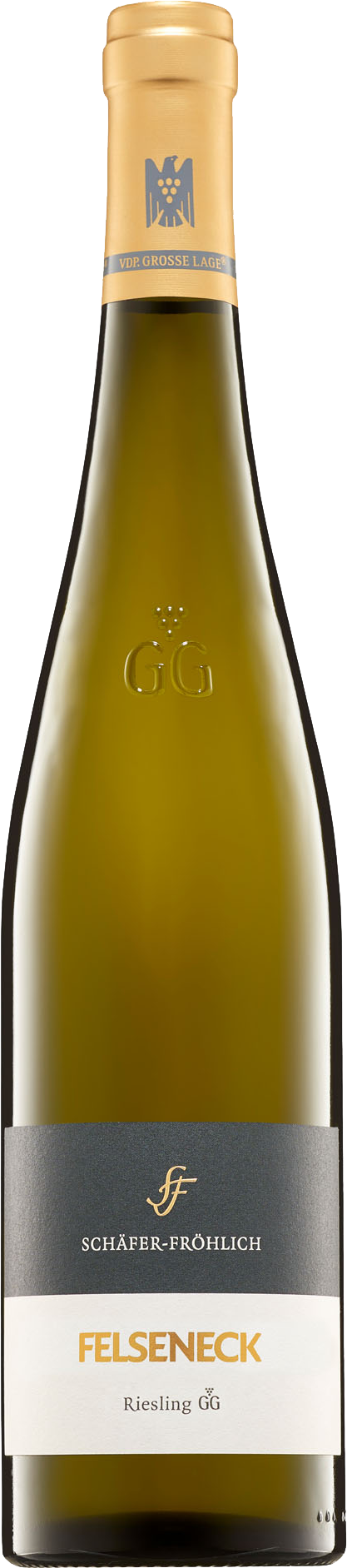
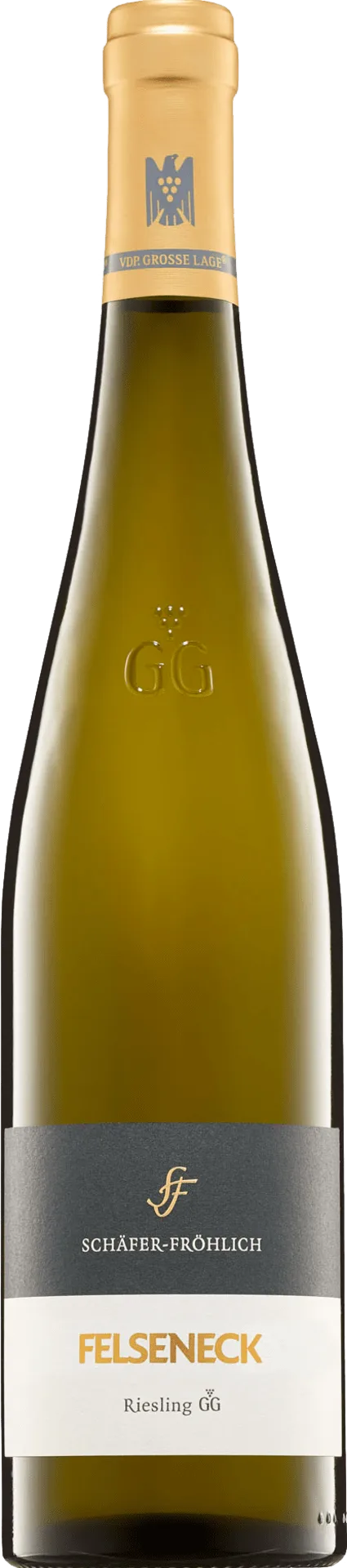
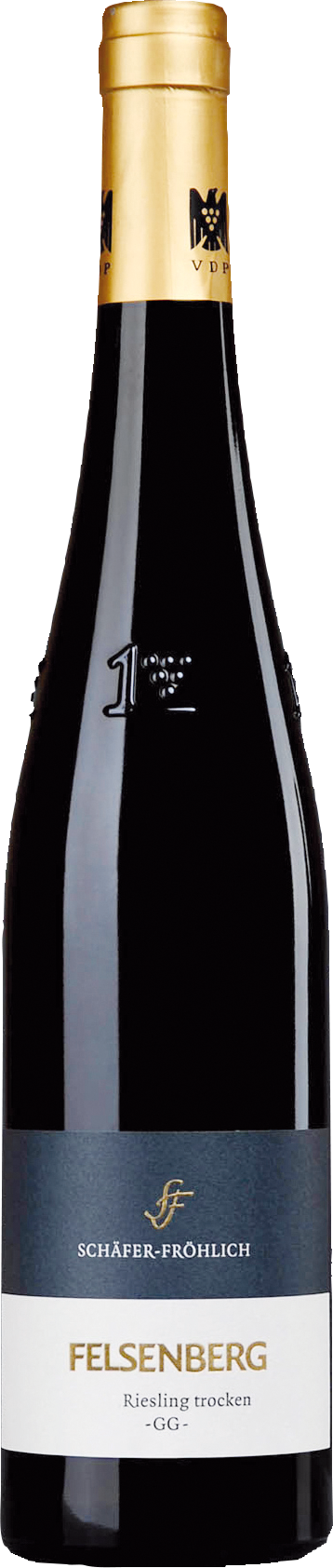
The winery cultivates around 21 hectares, distributed across six VDP.Grosse Lagen (Grand Cru sites) on the middle Nahe. All plots are located on steep slopes on barren, rocky ground: blue Devonian slate and quartzite in the Bockenauer Felseneck, porphyry volcanic weathered soils in the Schlossböckelheimer Felsenberg and in the Kupfergrube, slate soils in the Monzinger Halenberg and Frühlingsplätzchen. Bockenauer Stromberg and Felseneck are monopoly sites — exclusively family-owned. 85 percent of the vineyard area is planted with Riesling, the rest with Pinot varieties. Work in the vineyard is manual all year round: careful canopy management, consistent yield reduction, hand-picking with sorting at the table. In the cellar, Tim Fröhlich relies on spontaneous fermentation or self-selected wild yeasts from the estate wine upwards — minimal intervention, no use of fining agents. The goal is to transfer the character of each individual site into the bottle as directly as possible.
Precise, mineral, age-worthy — Rieslings with a clear signature
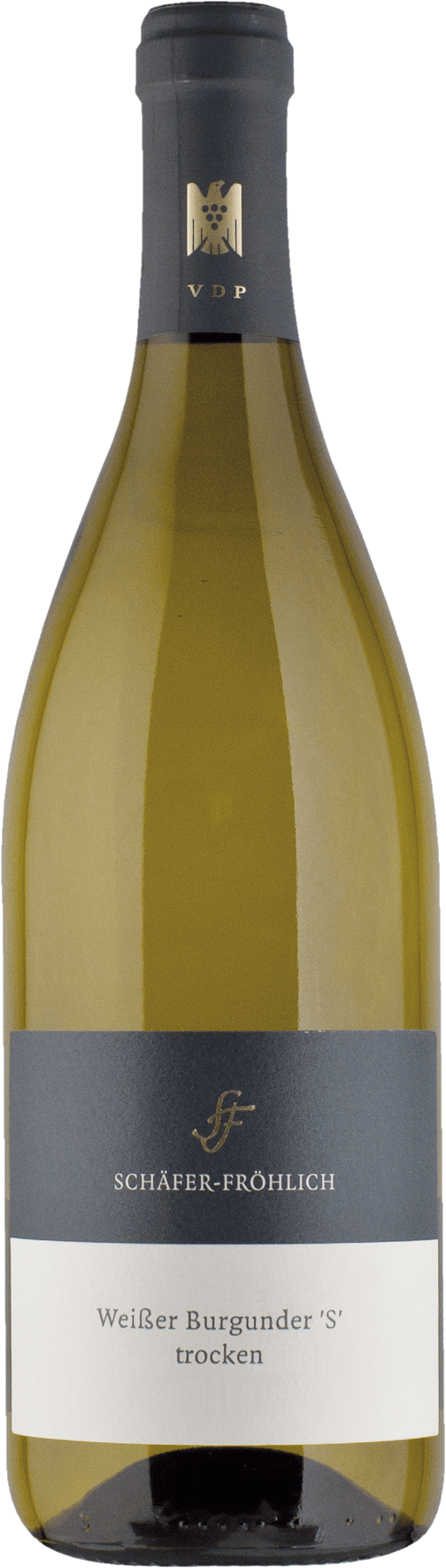
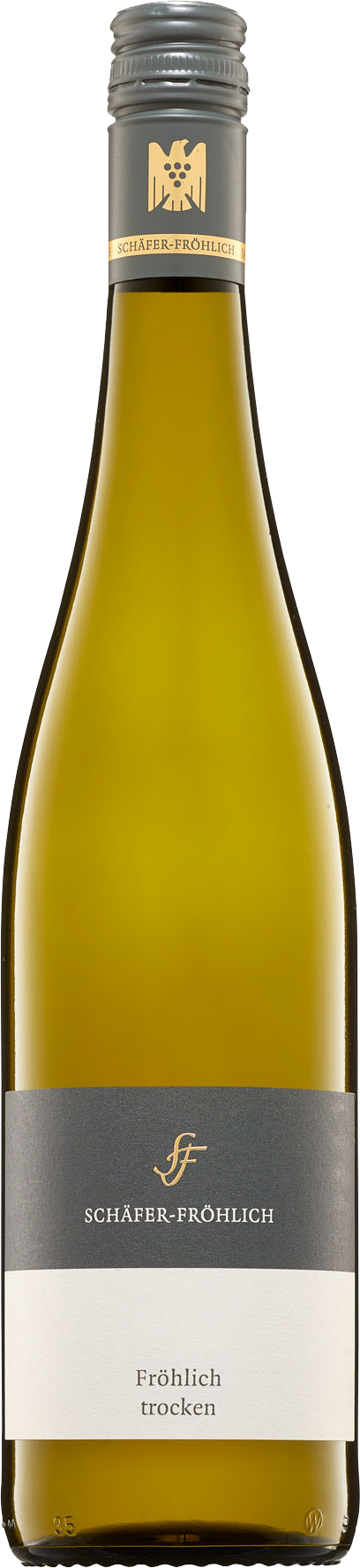
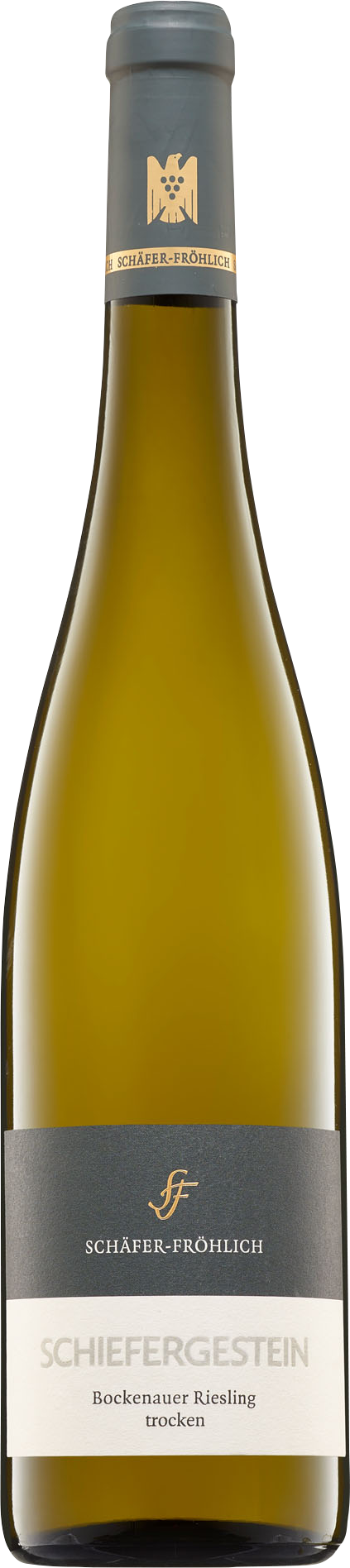
The dry Rieslings from Schäfer-Fröhlich carry the soils on which they grow as a sensory fingerprint: the wines from the volcanic Stromberg show profound, salty minerality, those from the slate Felseneck show multi-layered herbal spice and fine acid structure, the Schlossböckelheim sites Felsenberg and Kupfergrube bring cool herbal notes and dense extract. In their youth, the Grosses Gewächs wines can be characterized by a smoky wildness — this is intentional, not a flaw. With air or a few years of cellar aging, they open up into complex, precise wines with pronounced aging potential. In addition to the Riesling Grosses Gewächs, Pinot Blanc and other Pinot varieties are part of the range. Those who drink the wines young should decant generously; those who wait will experience how the sites only fully explain themselves over time.