Buy white wine online – Riesling, Burgundy, and the world beyond
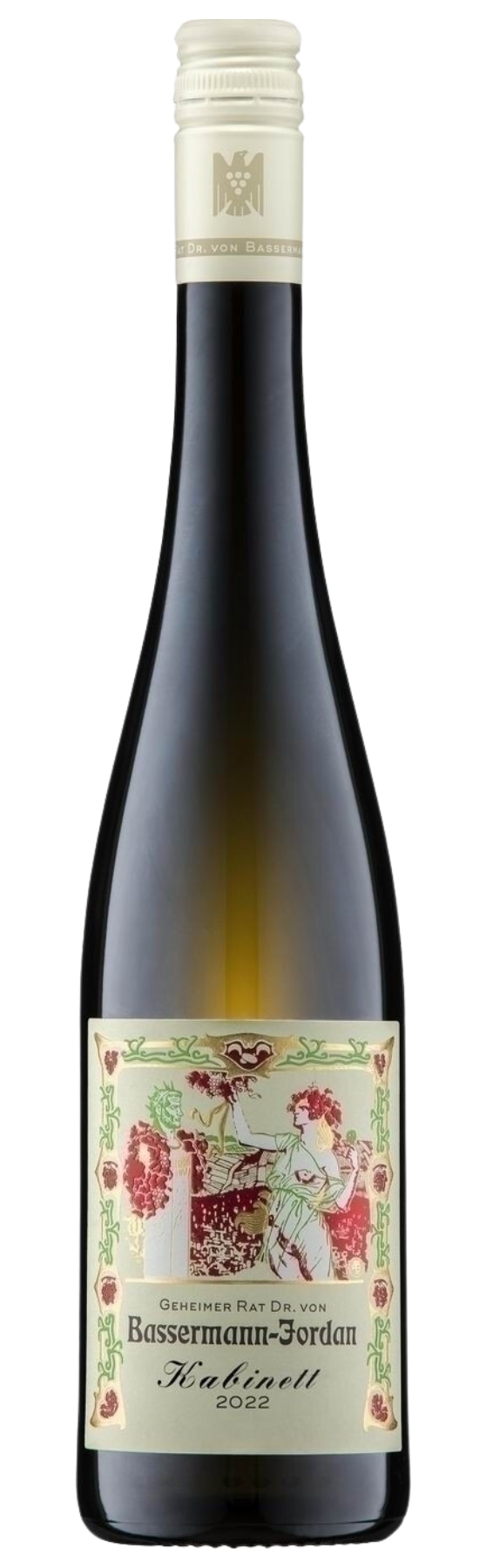
Around 1,900 white wines from over 450 producers are available for you to choose from, and unlike red wine, the focus is clearly on Germany: almost every second white wine in our range comes from German growing regions. In addition, there are Italy, France, and Austria – and with South Africa and Spain, two origins that are often surprising in terms of price.
How white wine is made
White wine is generally made from light-colored grapes that are pressed immediately after harvest. Only the juice is then fermented, without the skins – which is why it lacks the color and strong tannins of red wine. What remains is the interplay of fruit, acidity, and, depending on the style, some residual sugar.
By the way: White wine can also be made from red grapes, as long as the juice does not come into contact with the skins. The Blanc de Noirs is exactly that.
The defining grape varieties
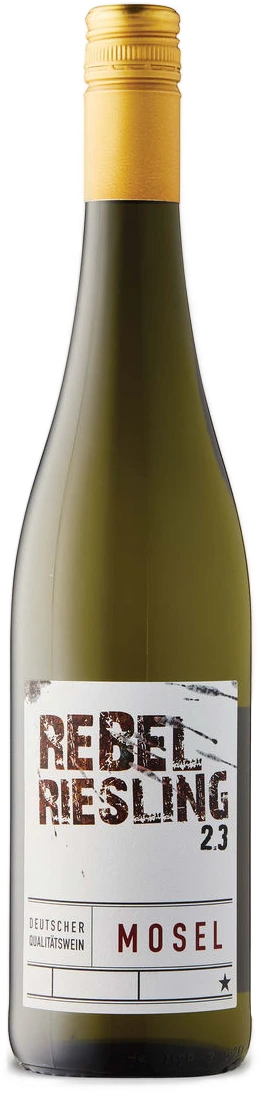
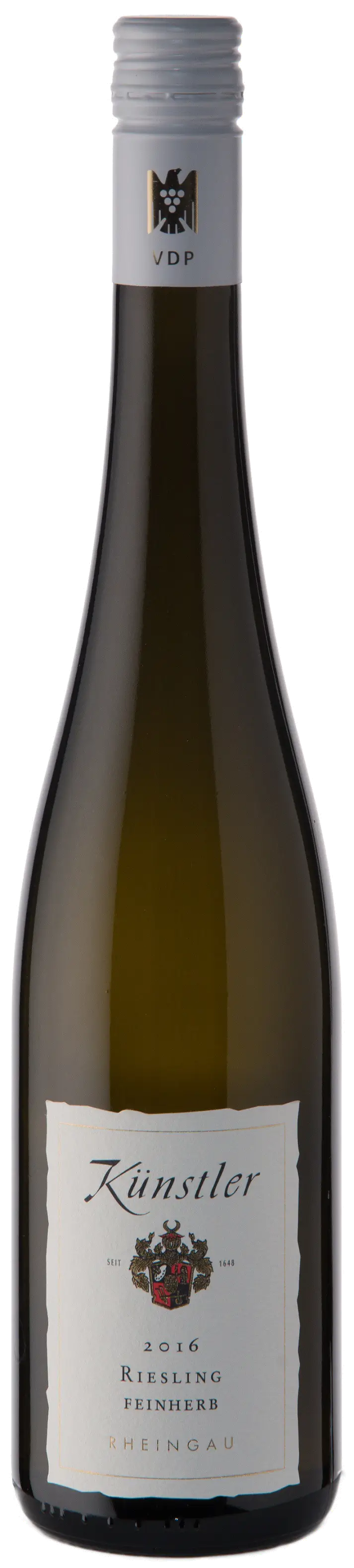
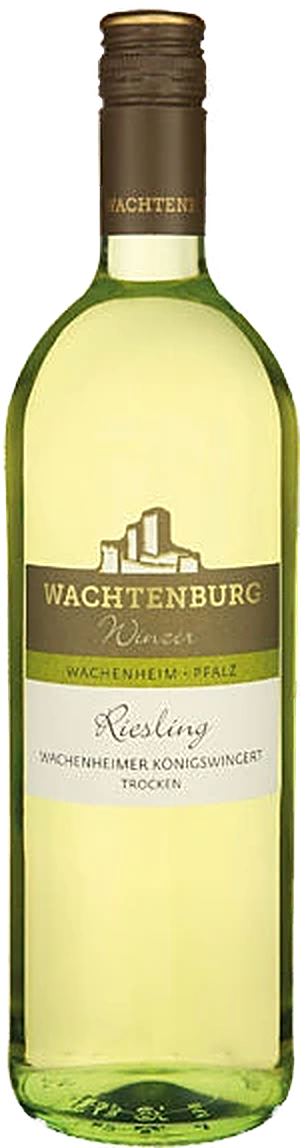
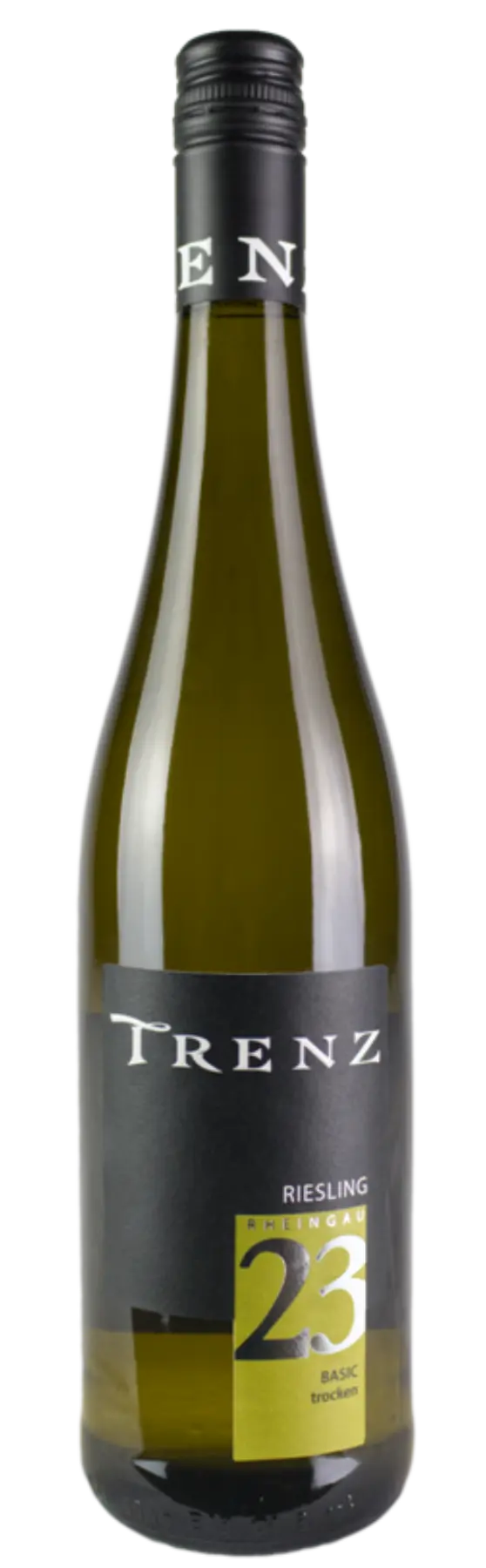
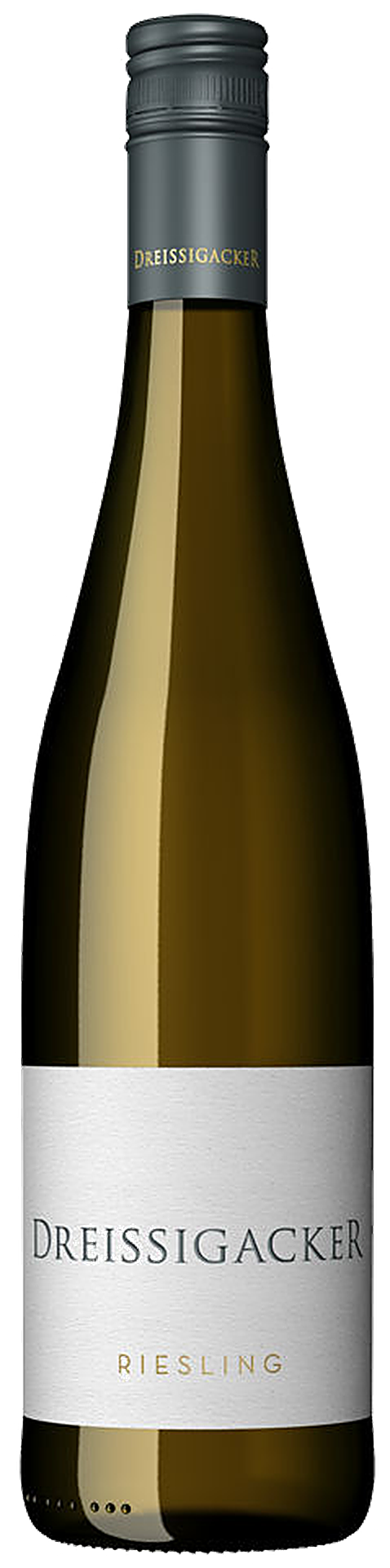
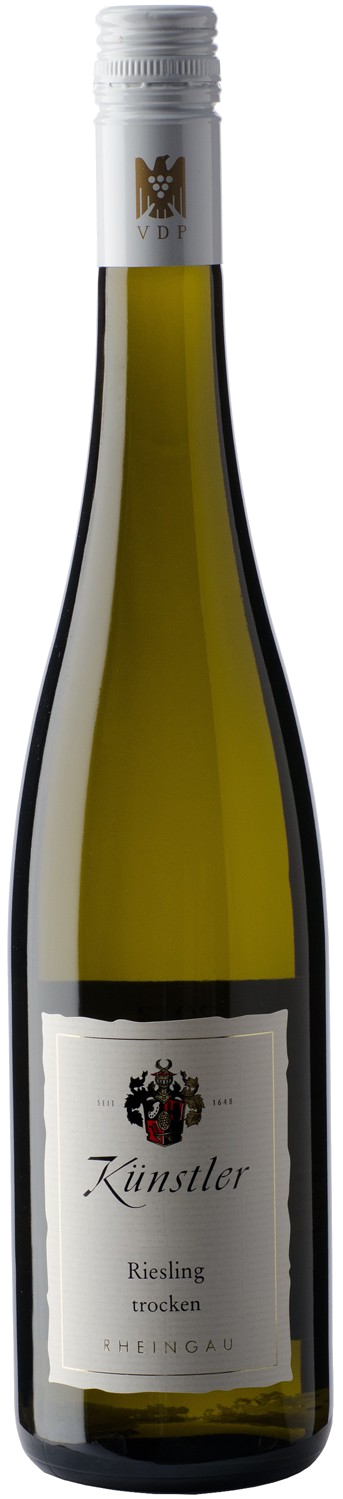
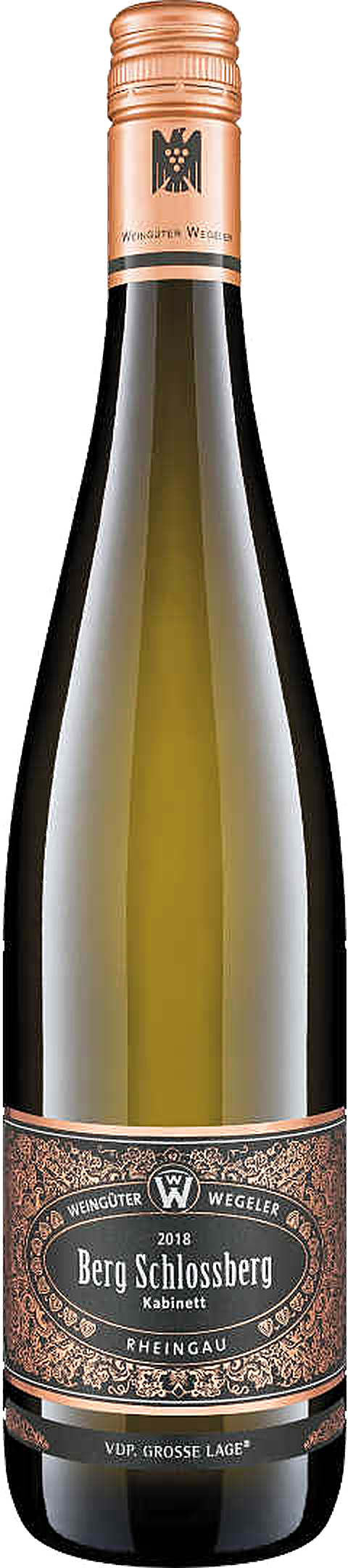
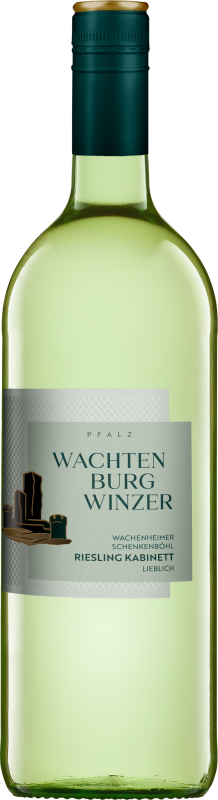
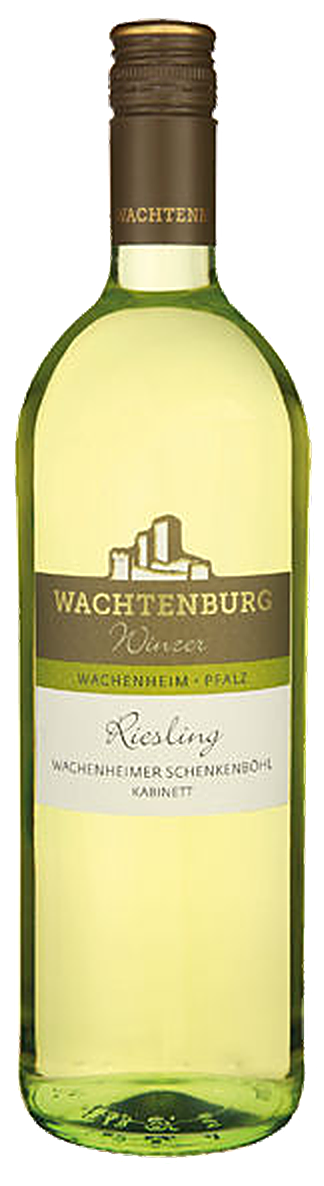
- Riesling – the most important variety in our range. Lively acidity, apple, peach, and citrus, from bone-dry to Luscious.
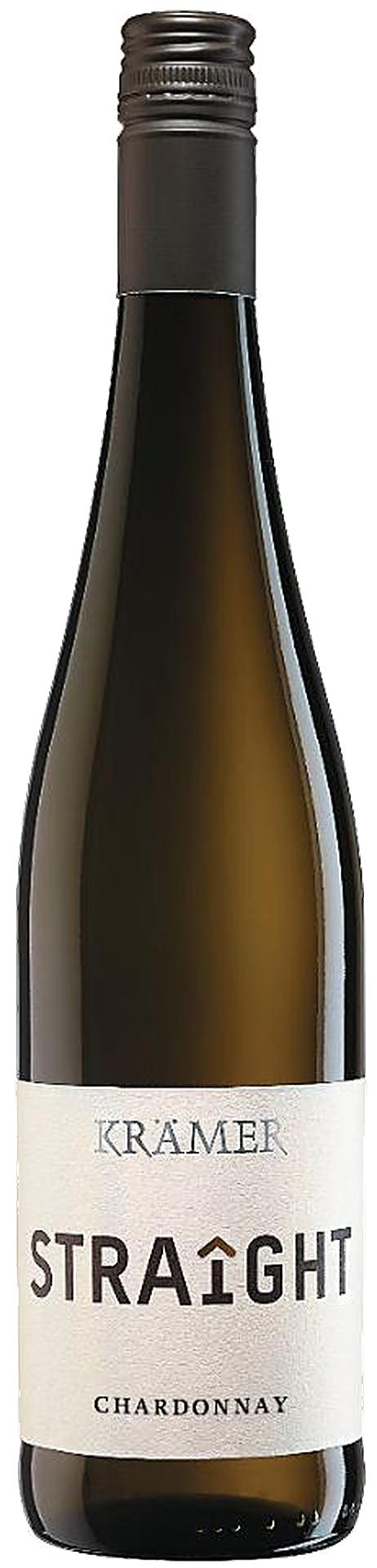
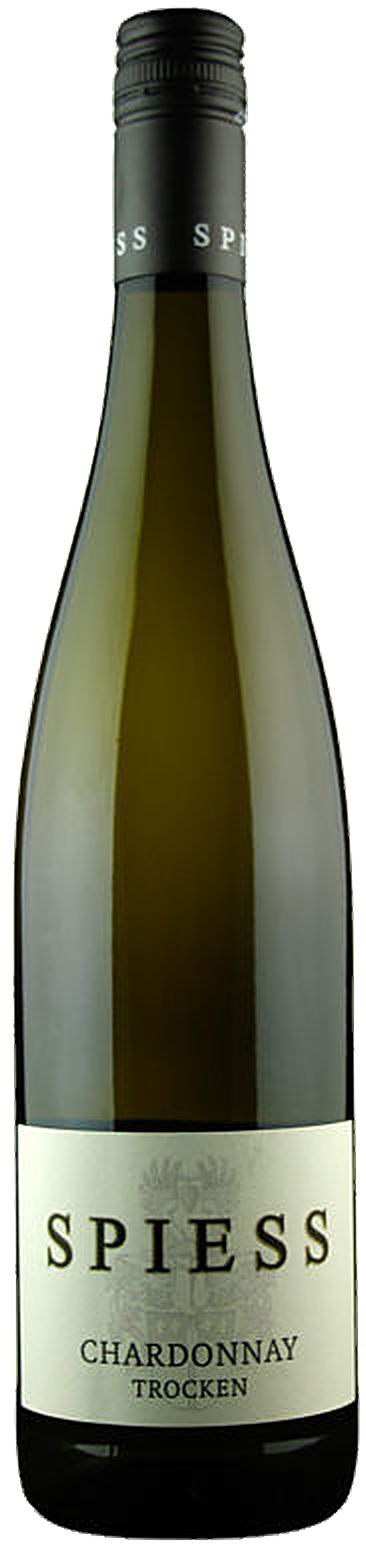
- Chardonnay – more versatile than any other: fresh and lean in a steel tank, creamy and nutty in wood.
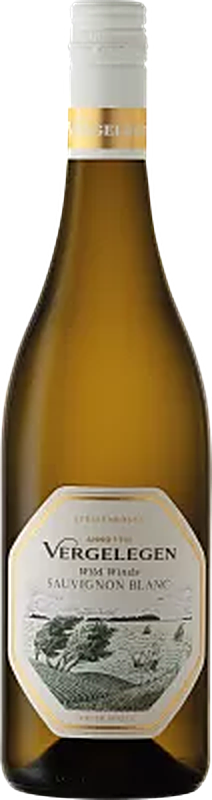
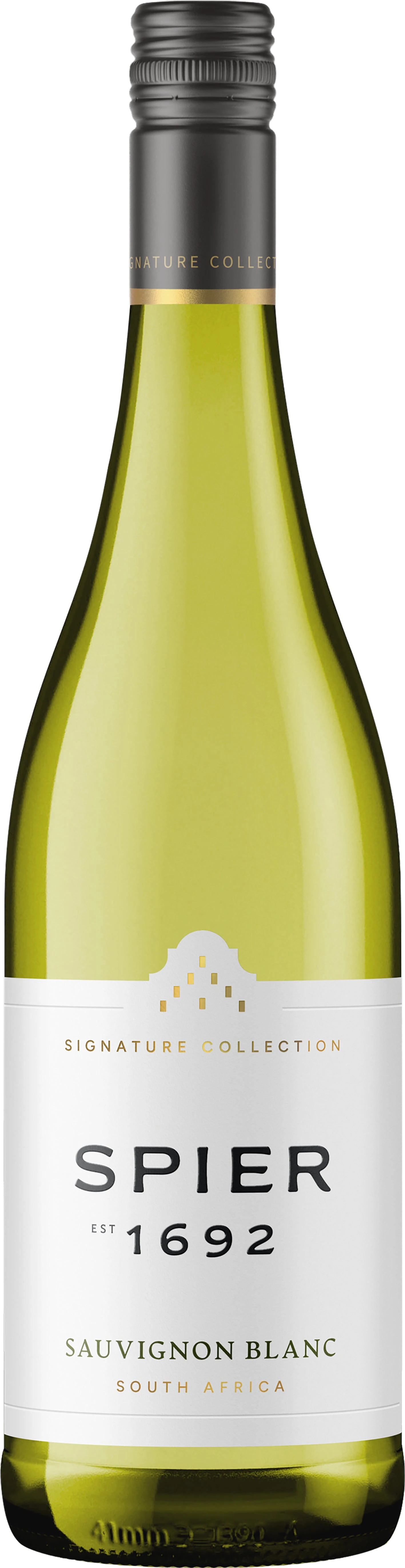
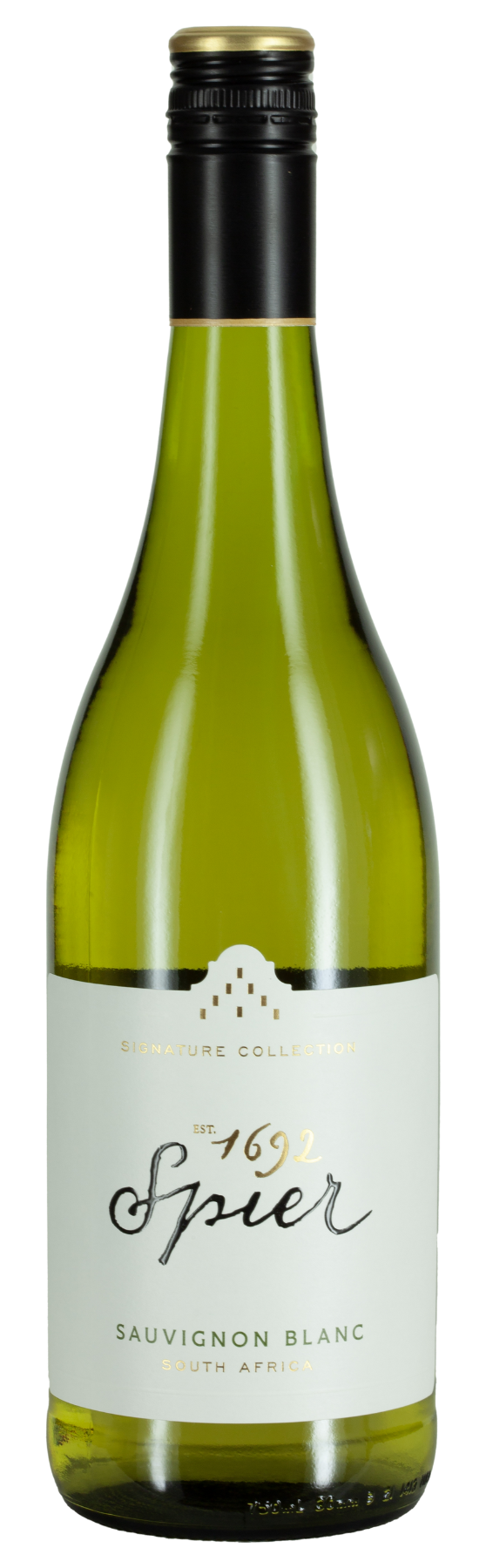
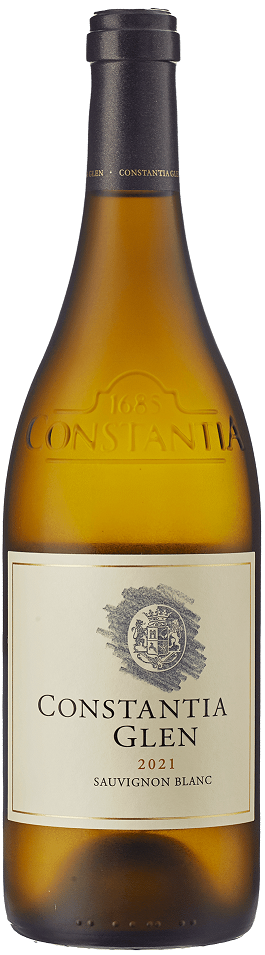
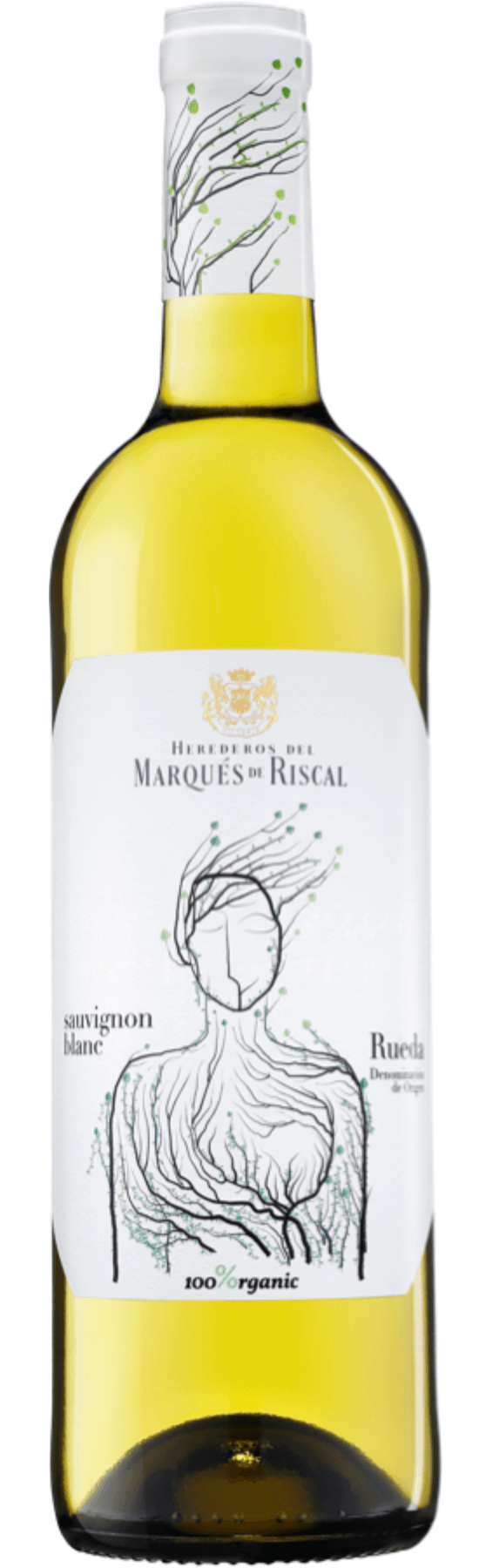
- Sauvignon Blanc – distinctively green and spicy, with gooseberry, elderflower, and freshly cut grass.
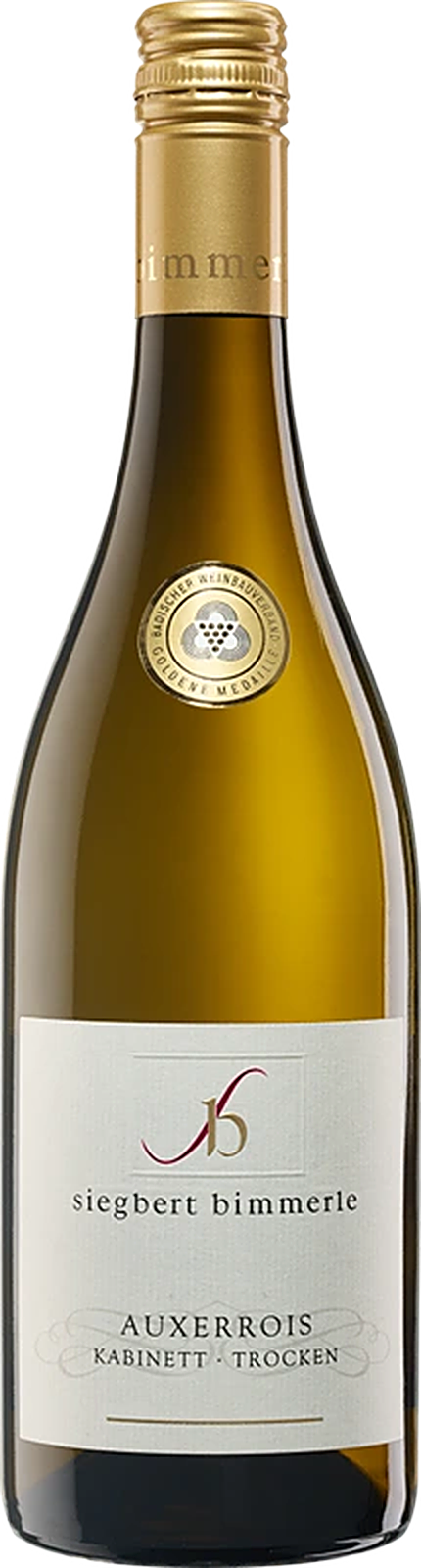
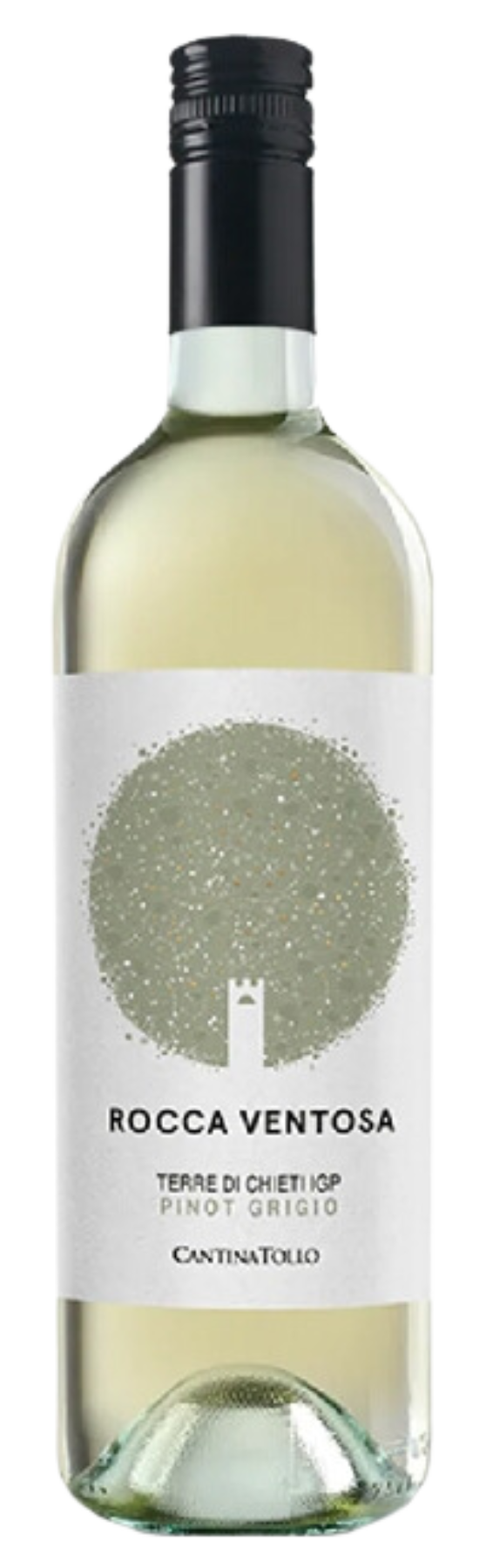
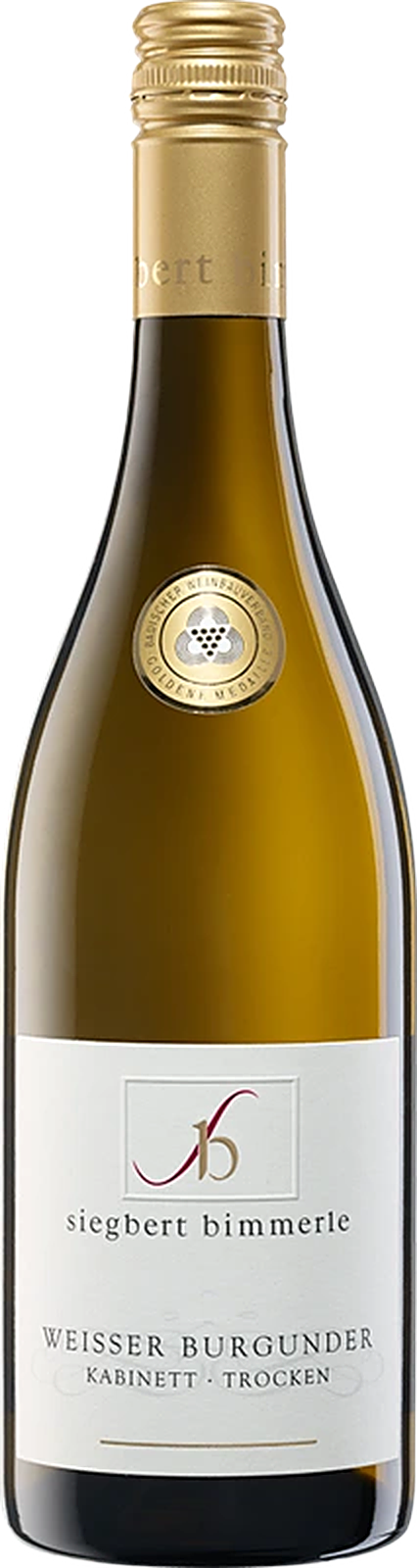
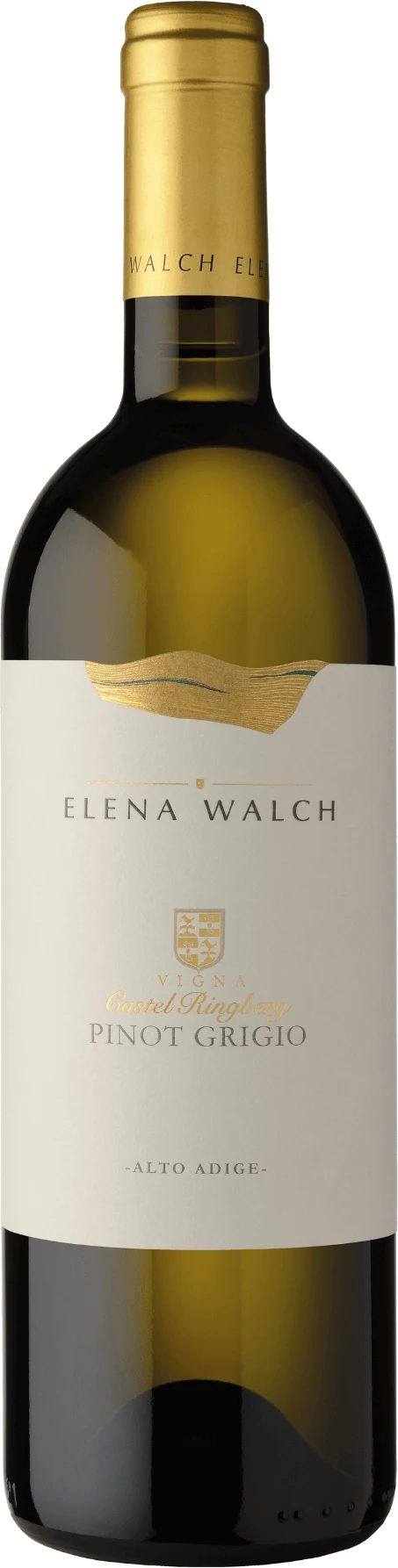
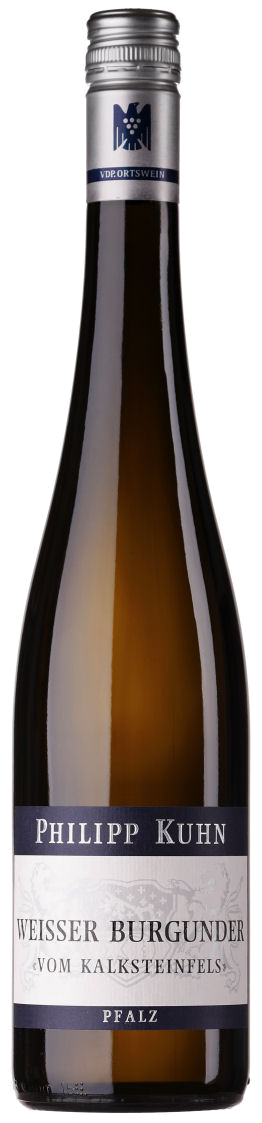
- Weißburgunder and Grauburgunder – the relaxed all-rounders: mild in acidity, with pear, nut, and a touch of melt.
- Grüner Veltliner – Austria's flagship, with a typical peppery note.
Dry, off-dry, or sweet?
The information on the label refers to the residual sugar that remains in the wine after fermentation. Dry does not automatically mean tart: a Riesling with lively acidity can seem completely lean despite some residual sugar, while a low-acid wine can taste sweet even with little sugar. The ratio is decisive, not the numerical value alone. If you are unsure, "off-dry" is a good entry point – the category lies exactly in between.
Where our white wines come from
Germany accounts for the largest part of the range – no coincidence, because cooler growing regions play to their strengths with white wine: the grapes ripen more slowly, retain their acidity, and develop fine aromas instead of pure power. Riesling from the Mosel, Palatinate, or Rheinhessen is the best example of this.
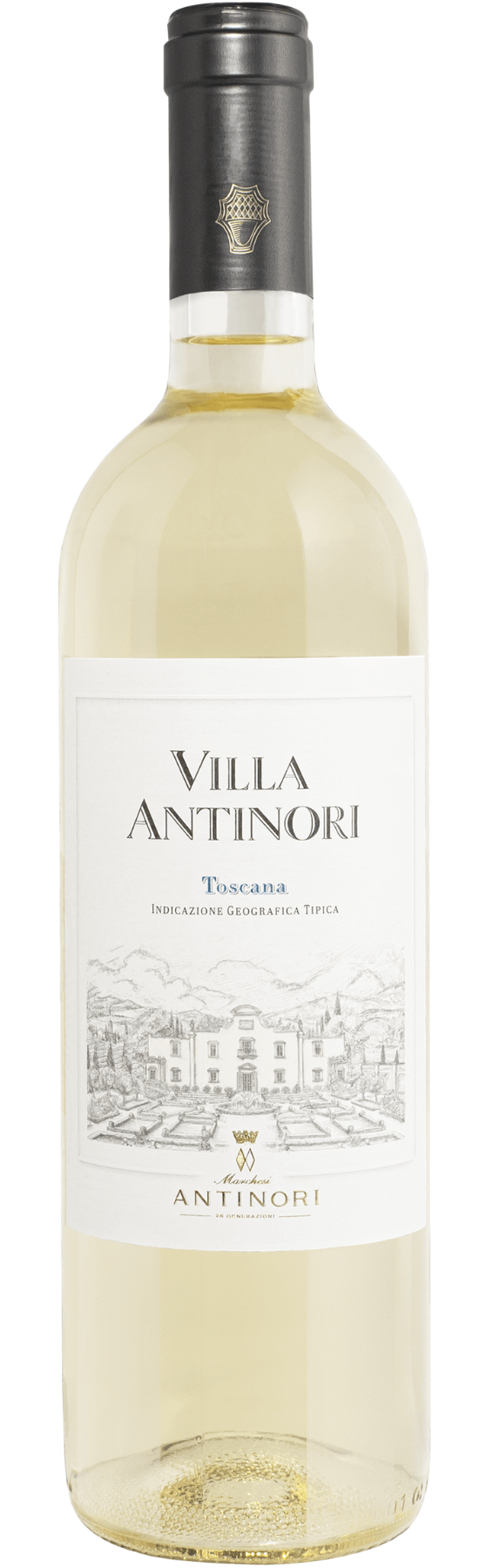
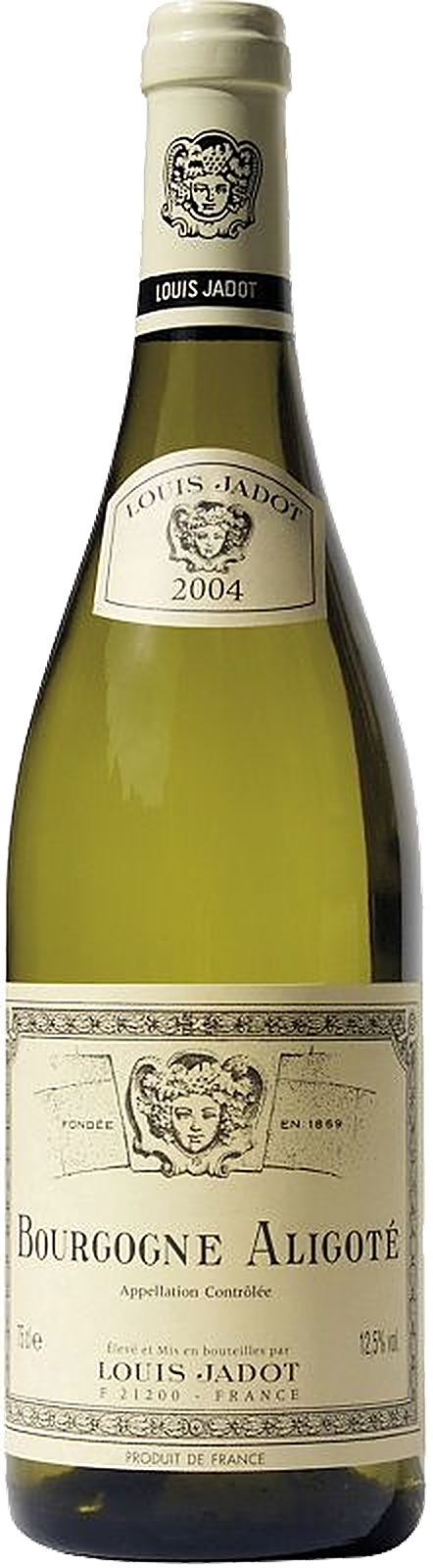
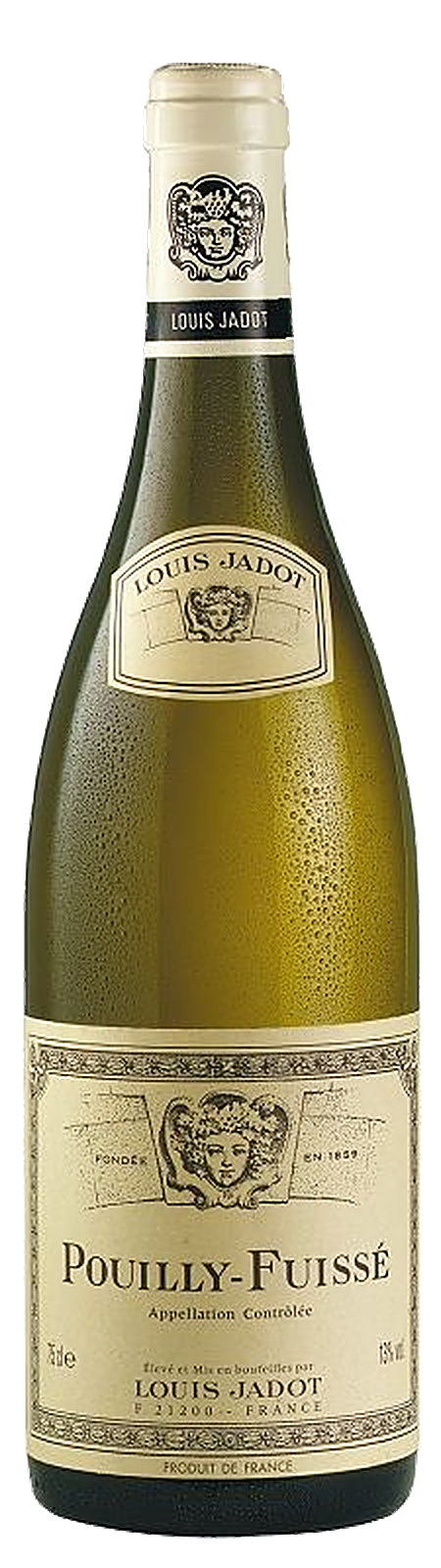
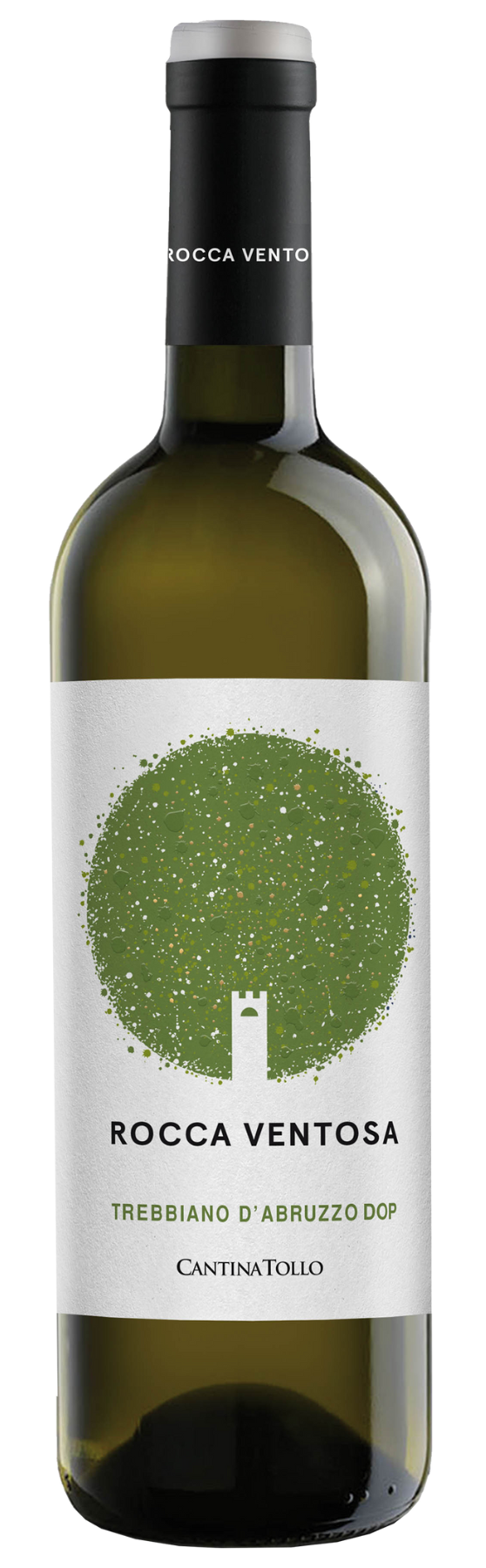
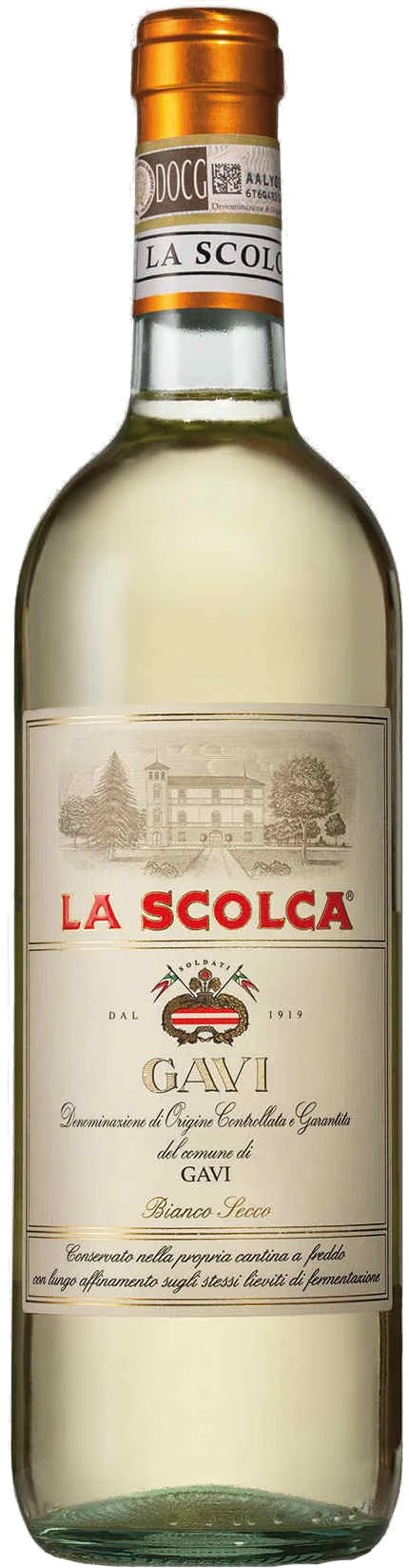
In addition, you will find Italian white wines that are made for food, French Burgundies and Loire wines, Austrian Veltliners and Rieslings, as well as Chenin Blanc and Chardonnay from the Cape – the latter often with a price-to-pleasure ratio that is hard to find in Europe.
The right temperature
White wine is often served too cold. At six degrees straight from the fridge, the aromas disappear almost completely; seven to ten degrees are suitable for light, fresh wines, ten to thirteen degrees for full-bodied Chardonnays and aged Rieslings. Feel free to take the bottle out of the fridge a few minutes before you pour – the difference is significant.