From wine taster to family empire: Cecchi since 1893
In 1893, Luigi Cecchi began in the hills of Chianti Classico — not as a winemaker, but as a professional wine taster and consultant for surrounding estates. From this analytical starting position, he developed a sense for quality that he translated into his own brand around 1900 together with his son Cesare: the Casa Vinicola Luigi Cecchi e Figli. By the 1930s, the Cecchi name had already achieved international renown. In the 1970s, the third generation built a modern cellar in Castellina in Chianti — in the heart of the Chianti Classico area, which remains the family's headquarters to this day. Since 2004, brothers Cesare and Andrea Cecchi have led the company as the fourth generation, with Andrea Cecchi as president.
Expansion proceeded gradually and with caution. In the 1960s, Villa Cerna was added as the first external estate, located north of Siena on hillsides between 200 and just under 300 meters in altitude. At the end of the 1980s, San Gimignano followed for the Vernaccia, and the Val delle Rose estate in the Maremma for the Morellino di Scansano. Later, vineyards in Montalcino and the Tenuta Alzatura in Montefalco, Umbria, were added. With the acquisition of Villa Rosa in 2014, Cecchi consciously returned to the core area of the house for the production of Chianti Classico Gran Selezione.
Wastewater treatment and organic certification in the company
Around 385 hectares of vineyards, six estates. Cecchi was the first winery in Tuscany to install its own wastewater treatment plant: water is recycled and energy is saved. There are now three such plants in operation, distributed across the most important estates. Several operations are already organically certified. Andrea Cecchi summarizes the house's philosophy in a simple phrase: good land produces good wine. At Cecchi, terroir is therefore not used as a marketing term, but as a work mandate — with the goal of working out and making legible the different personalities of the respective sites.
Sangiovese as the common thread — from Castellina to the Maremma
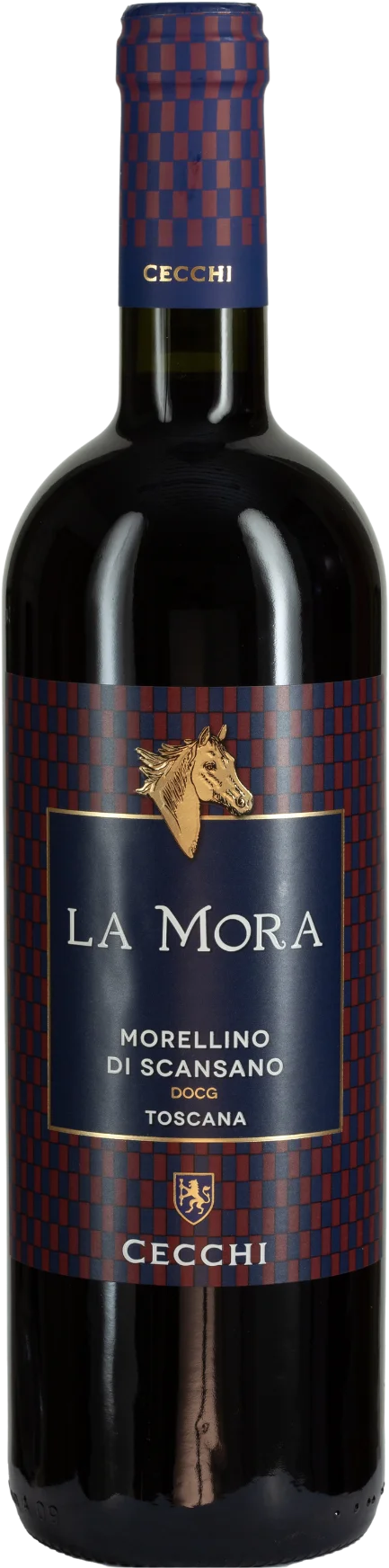
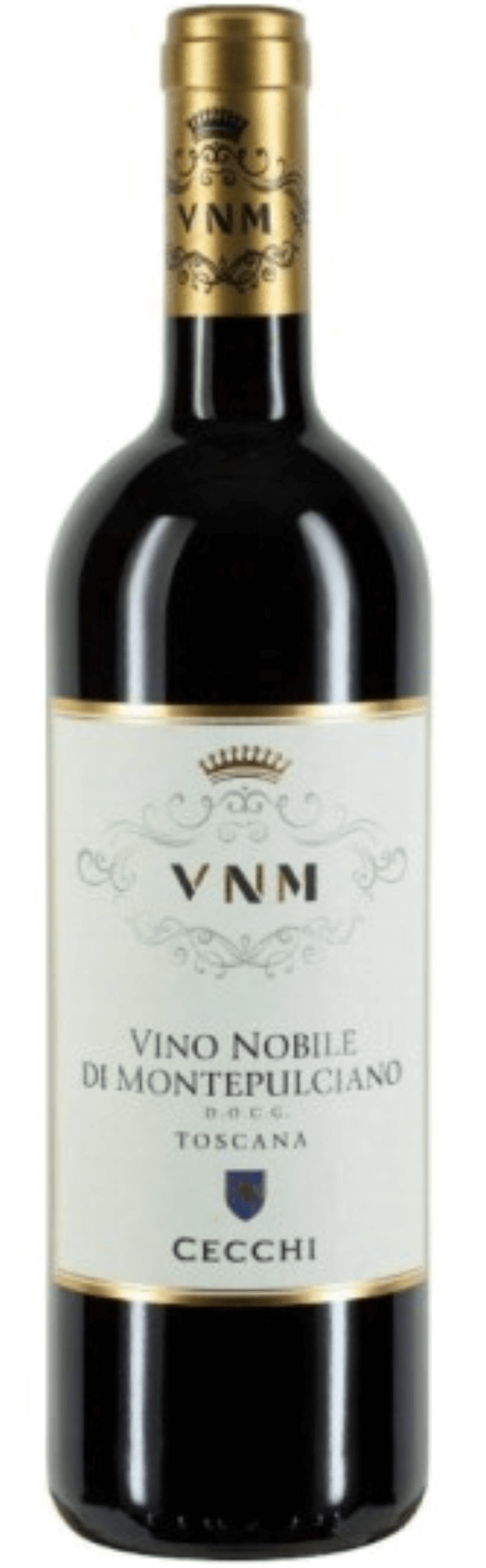
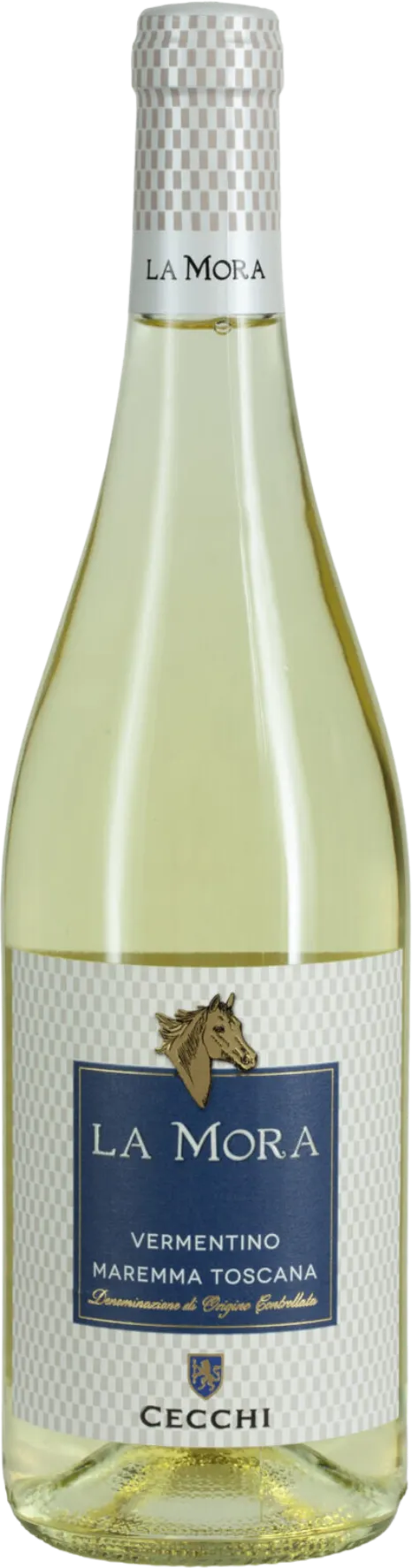
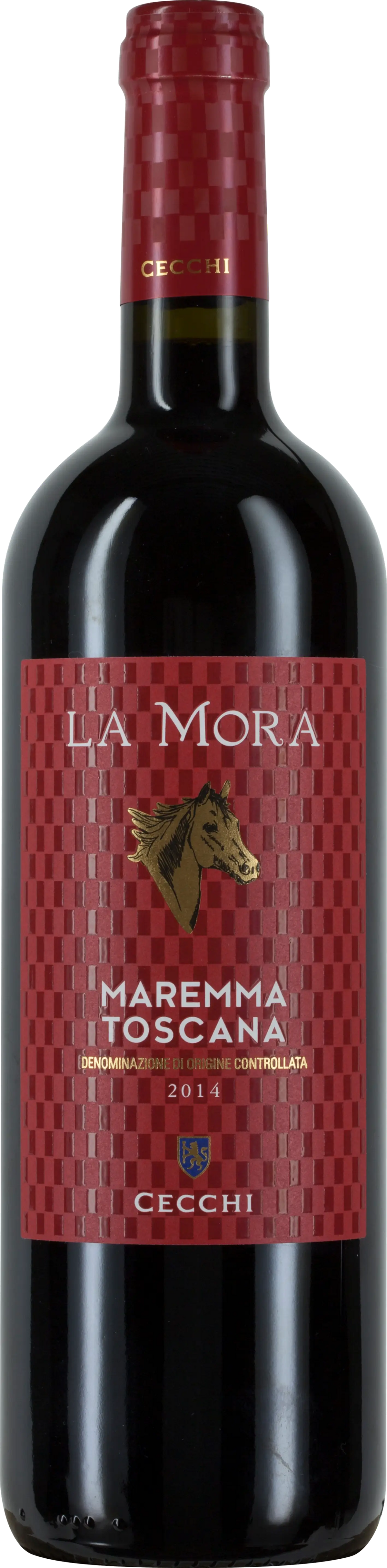
Sangiovese is the heart grape of the house: as Chianti Classico from Villa Cerna and Villa Rosa, as Vino Nobile di Montepulciano, and as Morellino di Scansano from the Maremma. The La Mora line bundles the wines from the more southern growing areas — accessible and fruit-forward, with a clear reference to their origin. The Morellino di Scansano stands for the Mediterranean face of the house: warmer red fruit, soft tannins, a hint of macchia. The Rosso Maremma Toscana DOC shows the same character in a slightly lighter form. In addition, there is the La Mora Vermentino with a salty-citrus-fresh structure and the typical light bitter note on the finish — one of the most characteristic white wines of the region. Those who delve deeper into the assortment will find a Sangiovese on volcanic tuff soil with the Vino Nobile di Montepulciano: tighter tannin structure, more spice, longer finish. Drinking temperature for the red wines: 16–18 °C, the Vermentino well chilled at 10–12 °C.