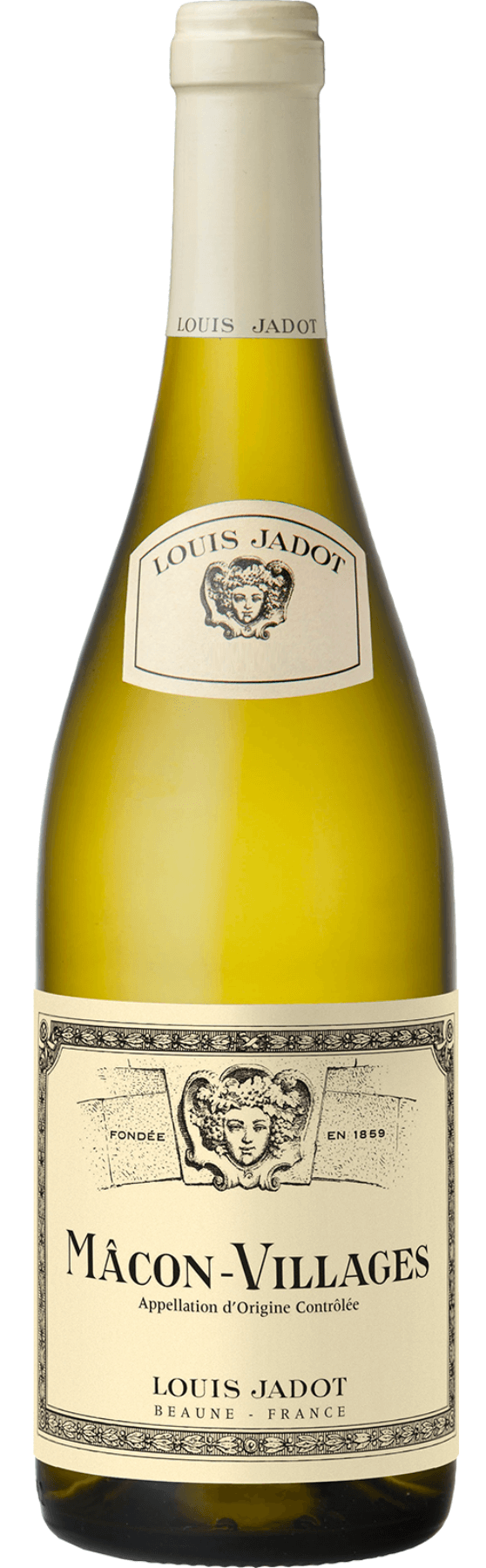
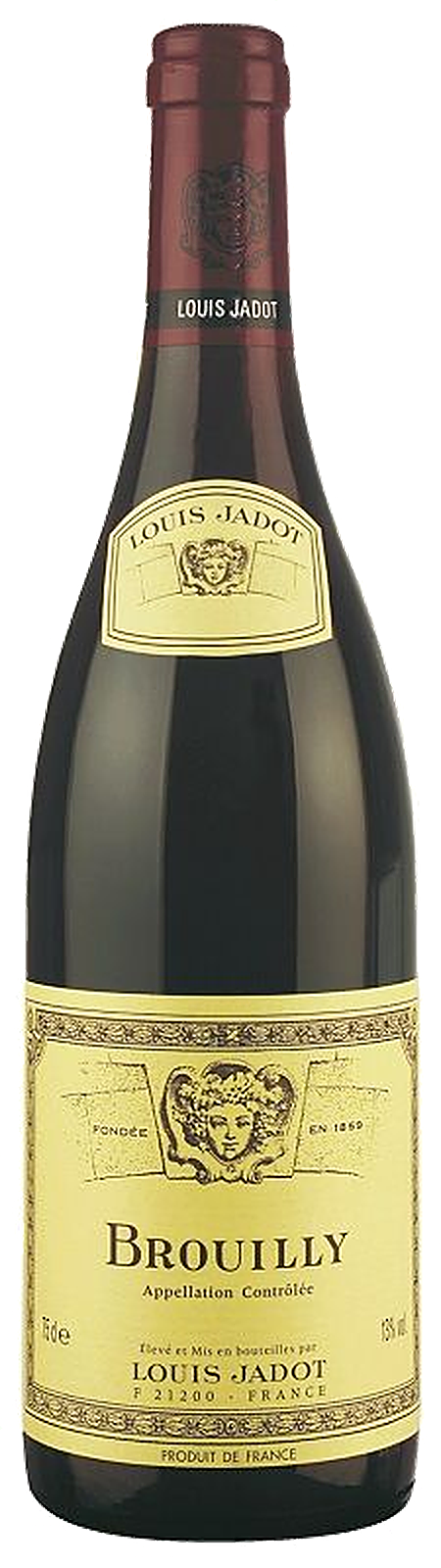
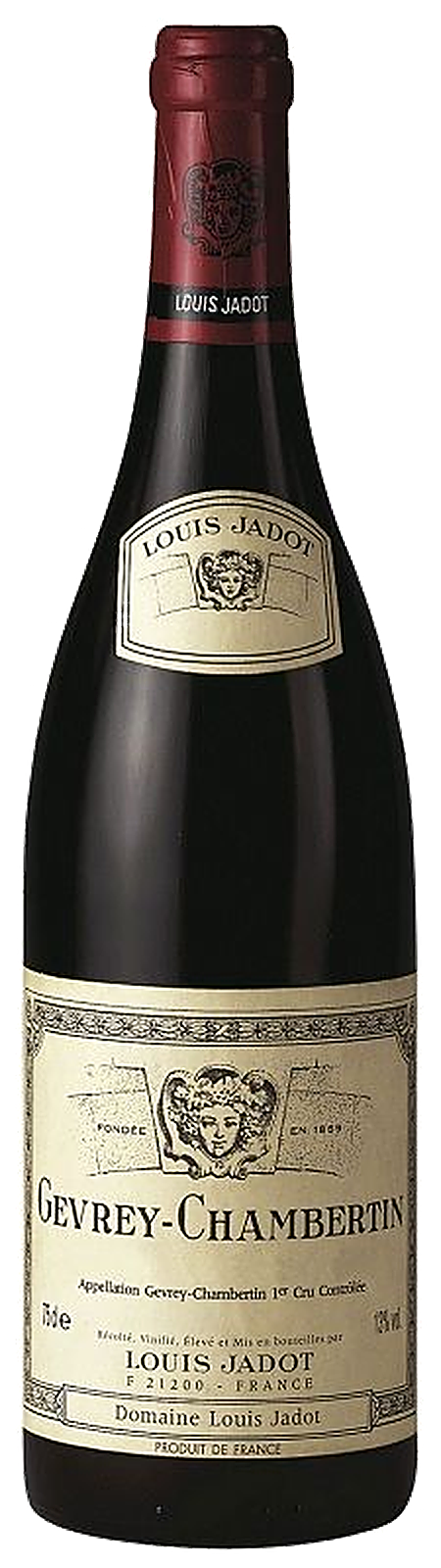
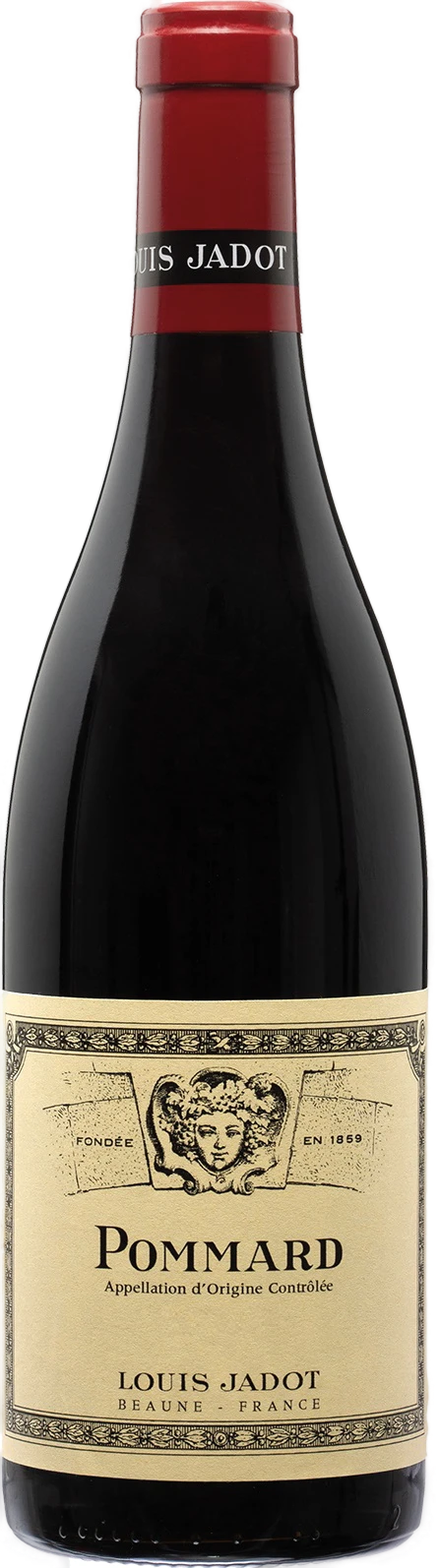
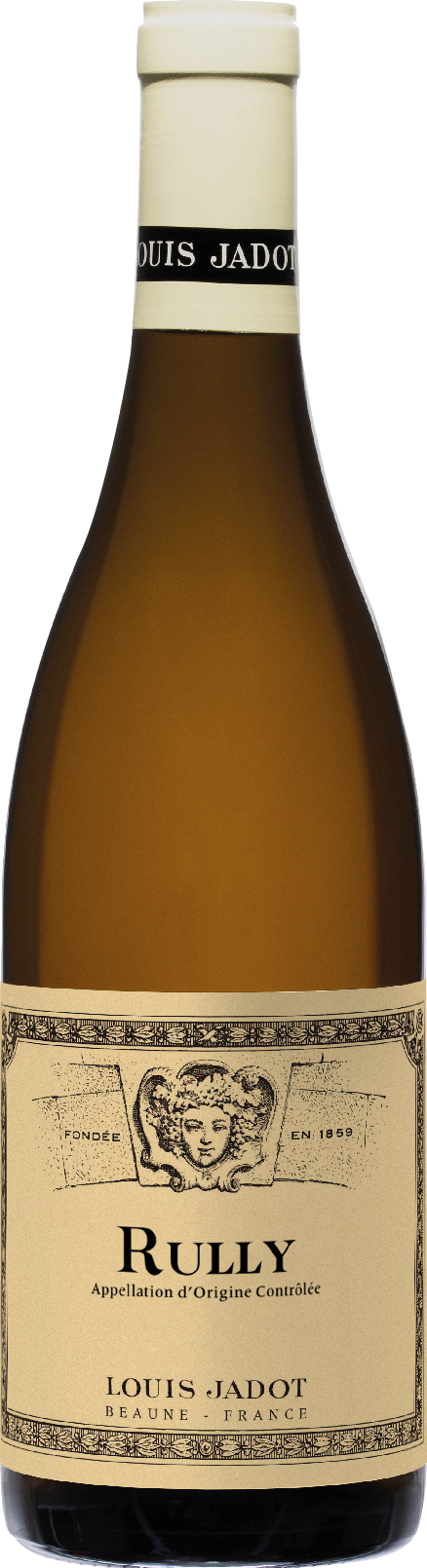
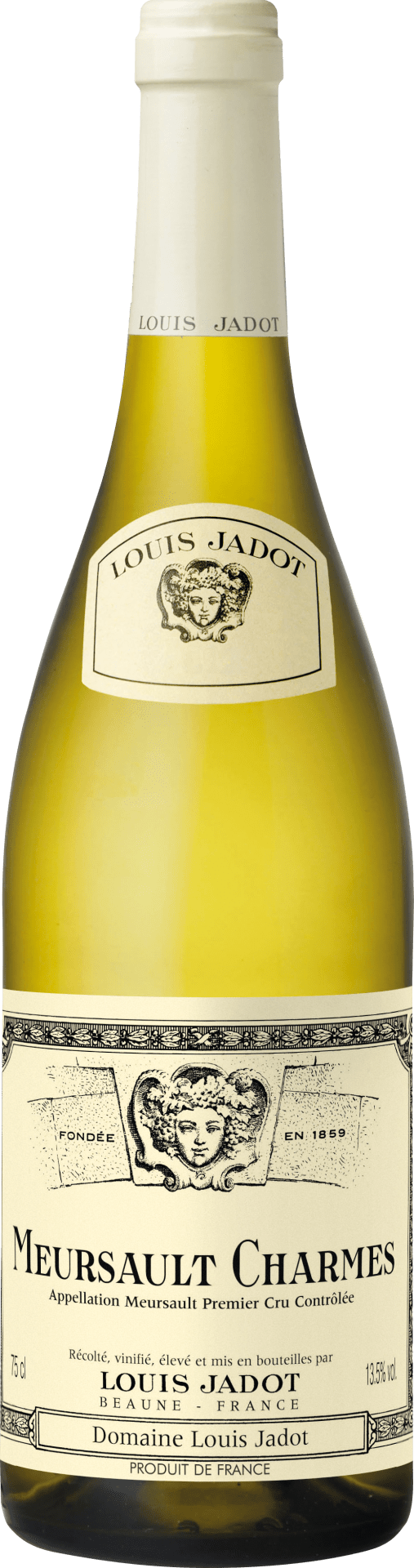
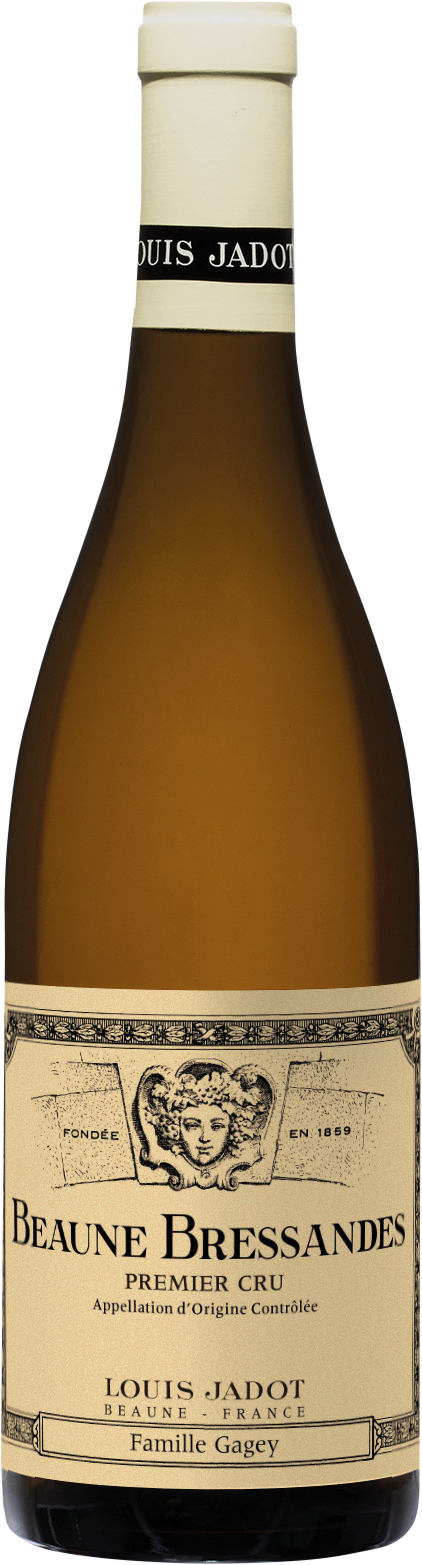
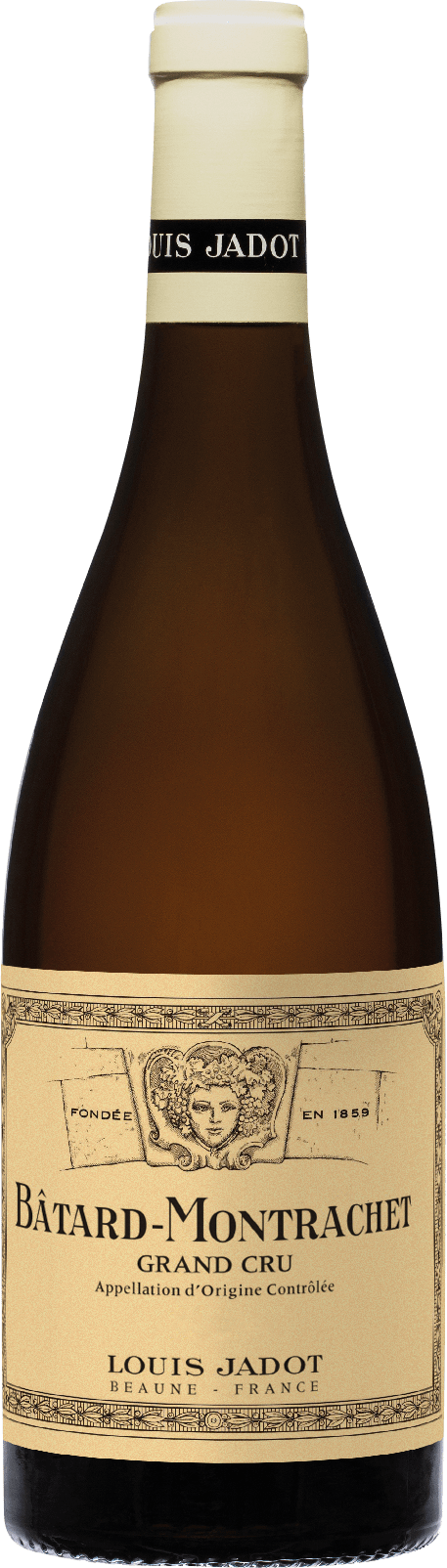
From Beaune to the world: 200 years of Maison Louis Jadot
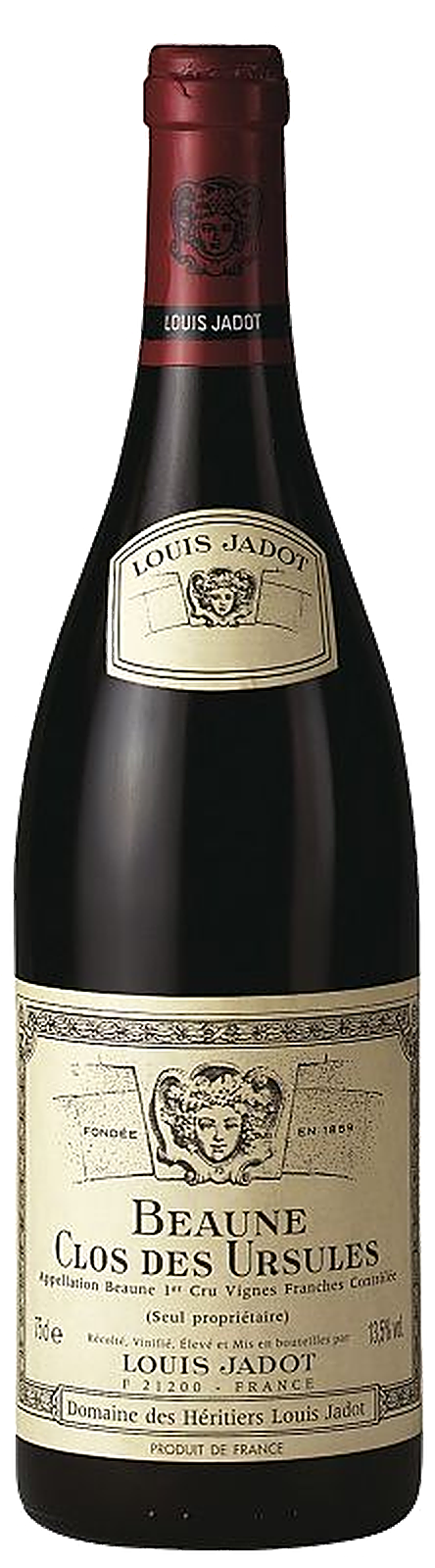
The history of the house does not begin with the founding of a company, but with a vineyard: in 1826, the Jadot family acquired the Beaune Premier Cru Clos des Ursules — a site that the house still holds as a monopoly today. It was not until 33 years later, in 1859, that Louis Henry Denis Jadot officially founded the négociant house that bears his name in Beaune by taking over the respected firm Lemaire-Fouleux. The family originally came from Belgium and had been rooted in Beaune since the end of the 18th century.
The following generation expanded the export business and reinvested the proceeds in the acquisition of further Premier and Grand Cru sites. The decisive modernization boost came from André Gagey, who joined as a deputy in 1954 and led the house for over three decades. He transformed Jadot from a pure négociant into a serious producer in its own right. His son Pierre-Henry Gagey took over the presidency in 1991 and led the house until 2022. Today, operational management lies with Thibault Gagey, the third generation of this winemaking family. Since 1985, Maison Louis Jadot has belonged to the American Kopf family, who are also behind the US importer Kobrand — however, the leadership has deliberately remained in Burgundian hands.
Négociant and Domaine in one: Craftsmanship with a clear philosophy
Louis Jadot occupies a dual role in Burgundy that is rarely implemented so consistently in detail: the house is both a producer in its own right with around 270 hectares of vineyards in the Côte d'Or, the Mâconnais, and Beaujolais, and a classic négociant house. The decisive difference compared to many competitors: Jadot buys exclusively grapes from long-standing partner winemakers — no finished wines — and vinifies more than 80 percent of the négociant bottlings itself in Beaune. Cellar work is therefore part of the core craft, not post-processing.
For over 42 years, cellar master Jacques Lardière shaped the style of the house: he consistently reduced yields in the vineyard, extended maceration times, and opted for minimal intervention work early on. Since 2013, Frédéric Barnier has continued this line — spontaneous fermentation with wild yeasts where possible, gentle extraction, aging in oak barrels without excessive use of wood. In 1996, Jadot founded its own cooperage, Cadus, together with Tonnellerie Vicard to produce Burgundian oak barrels according to its own standards. The entire range carries exclusively AOC classifications.
Classic style, broad spectrum: What defines the wines of Jadot
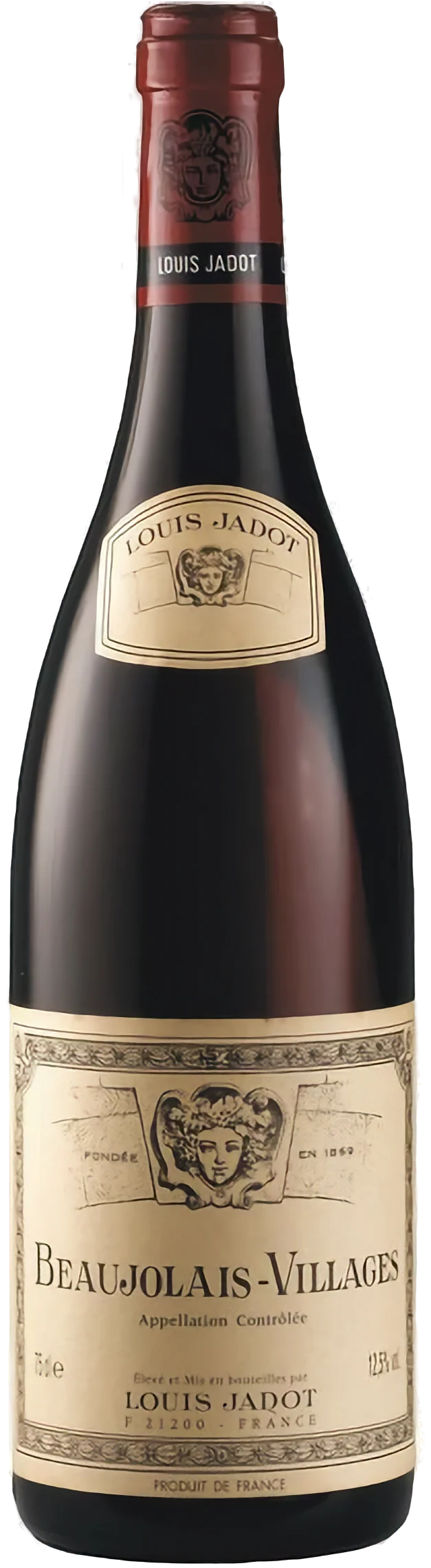
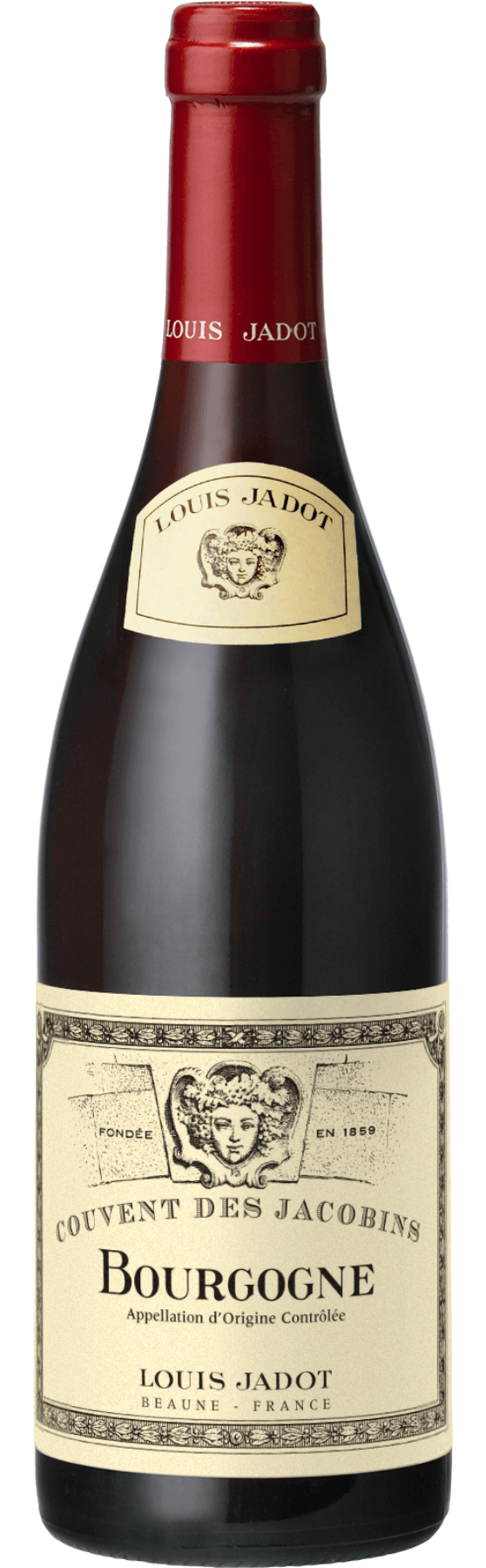
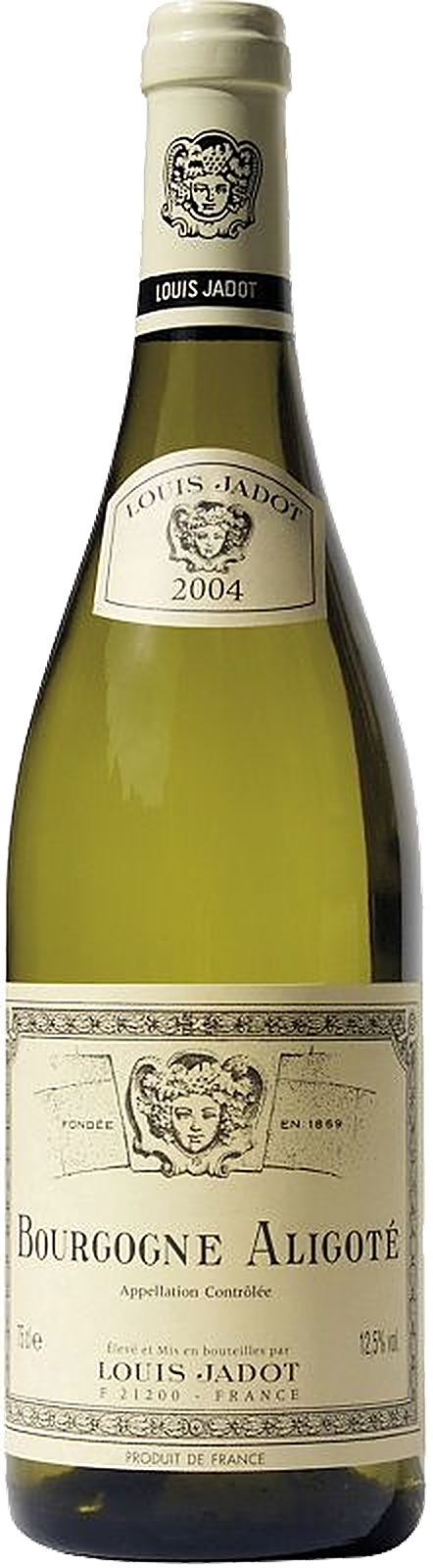
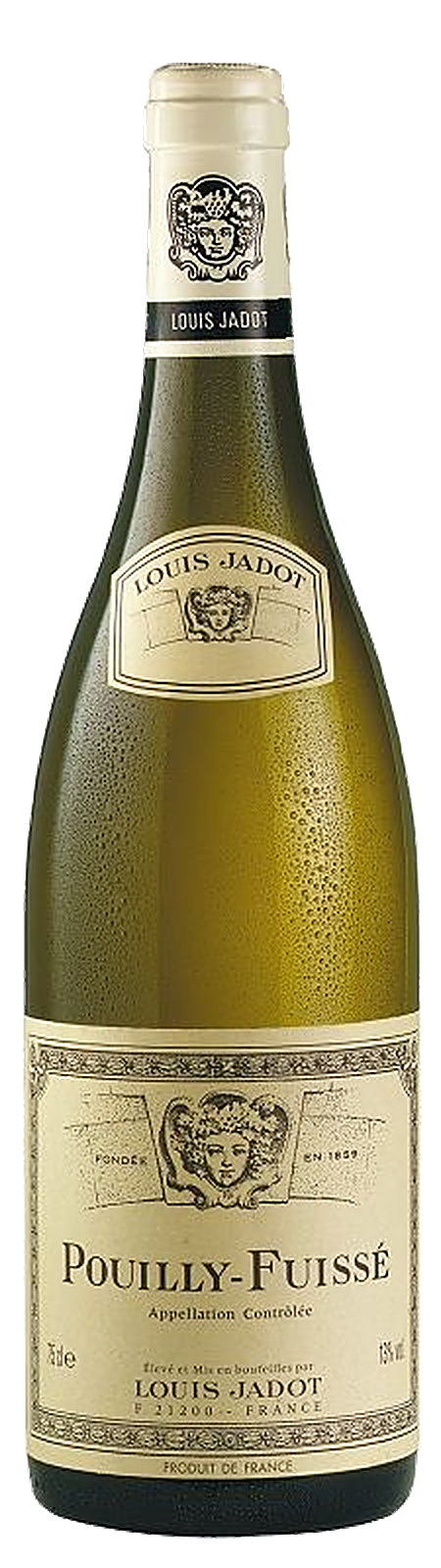
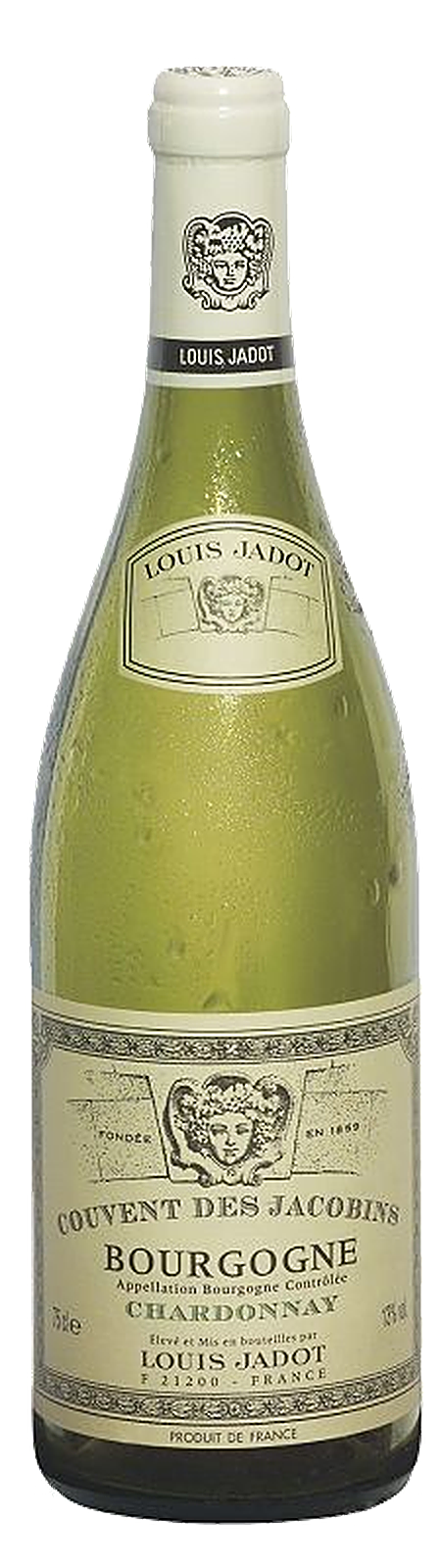
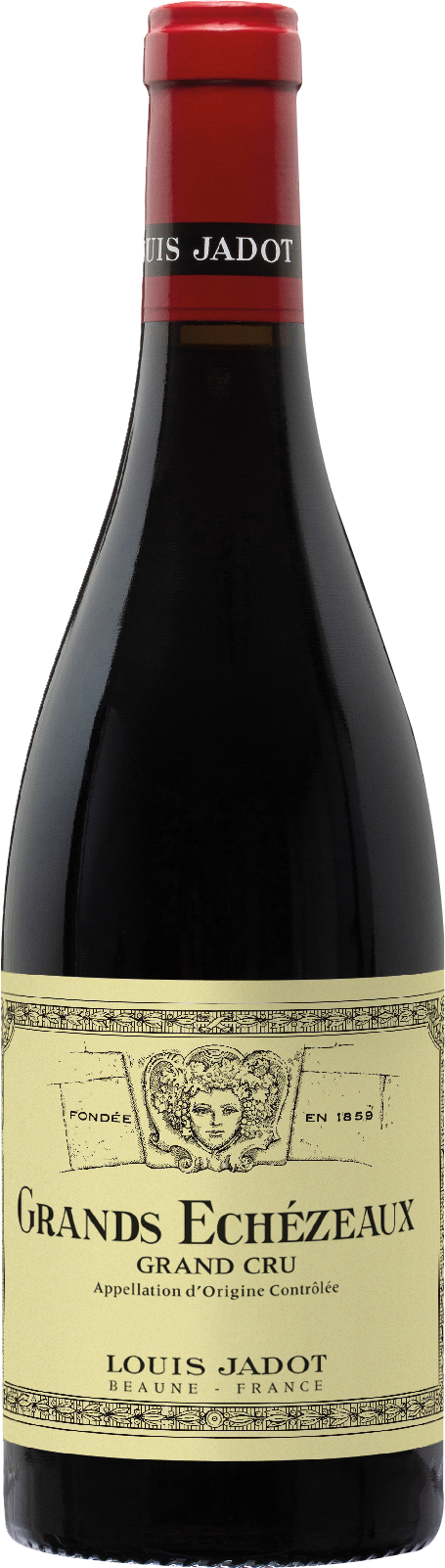
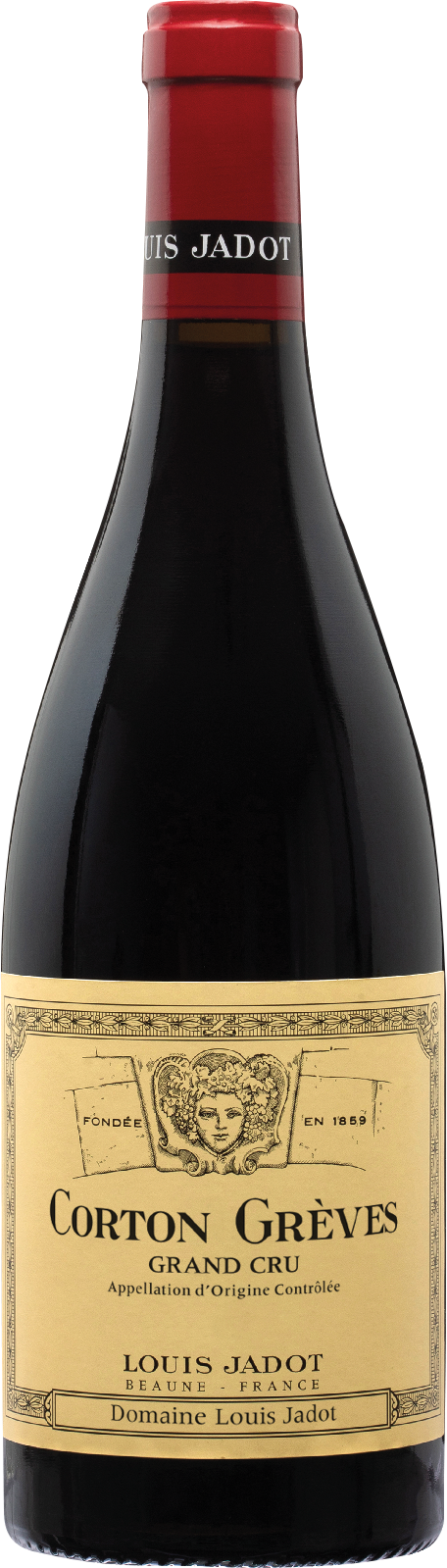
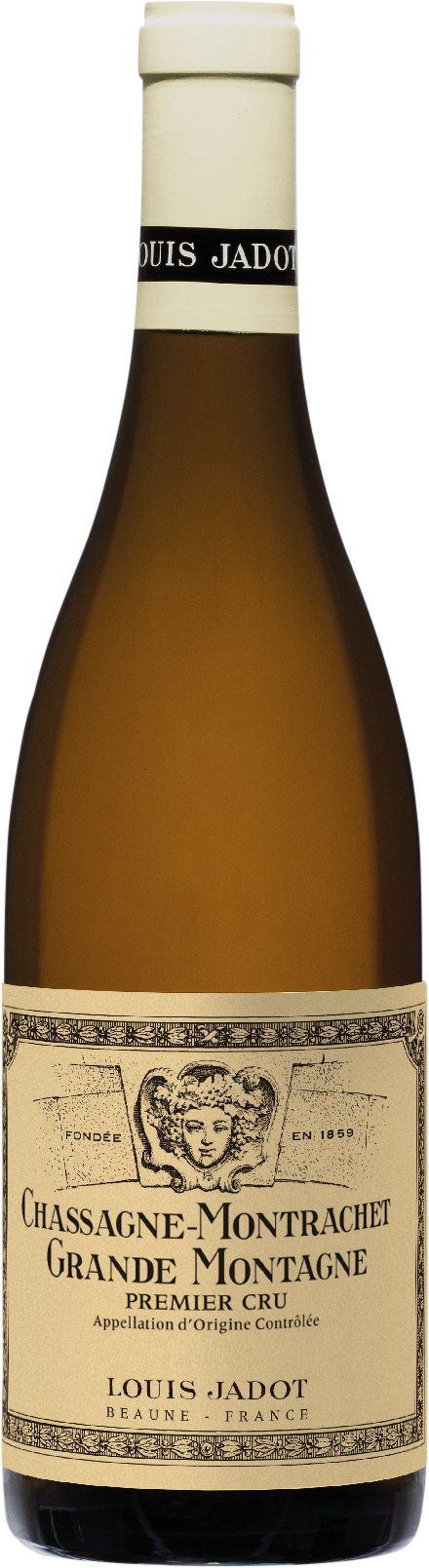
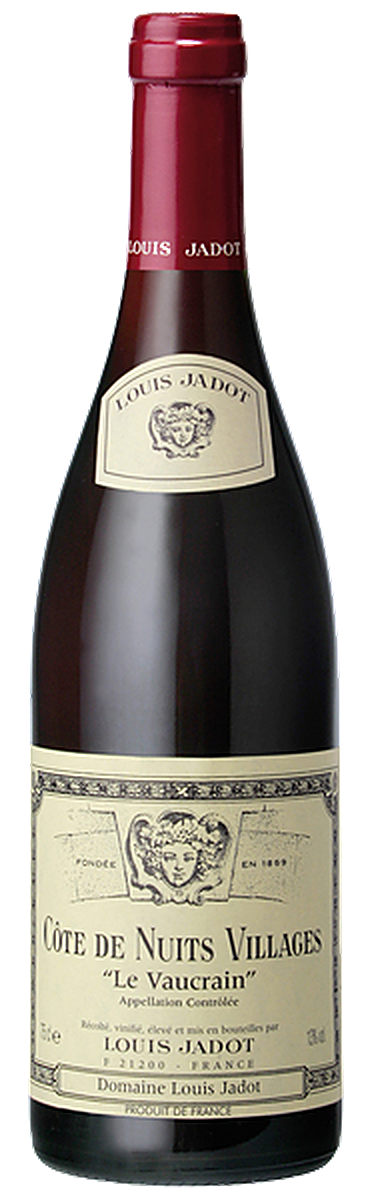
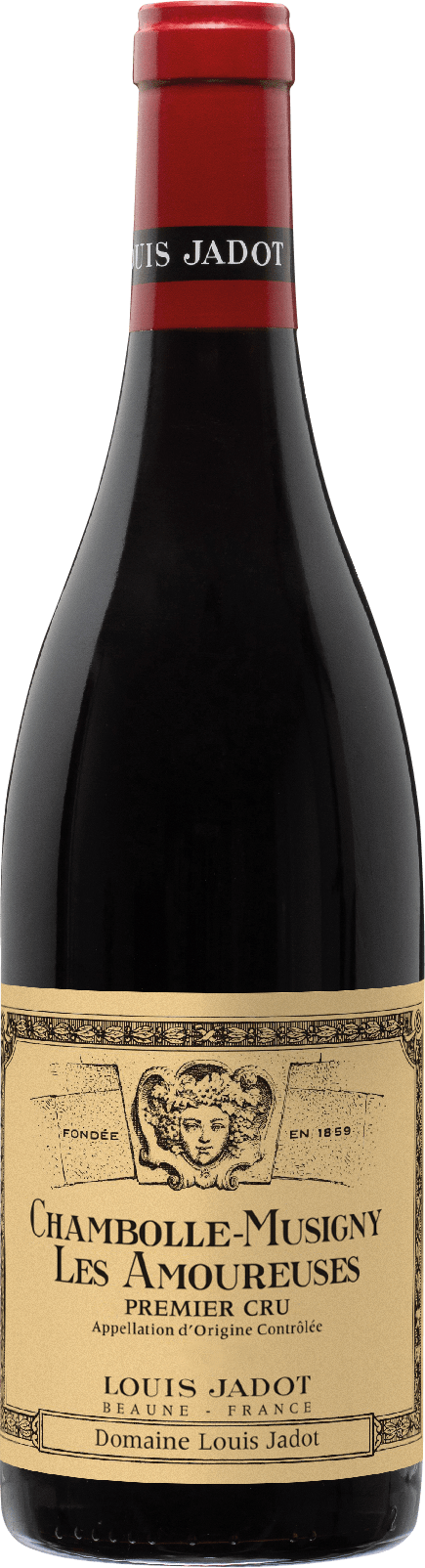
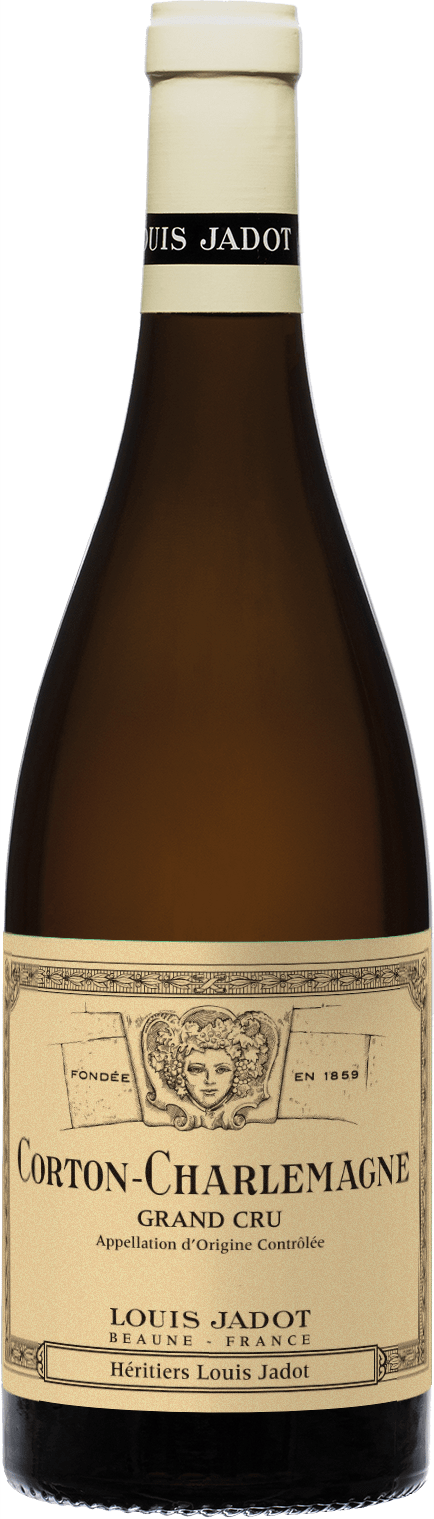
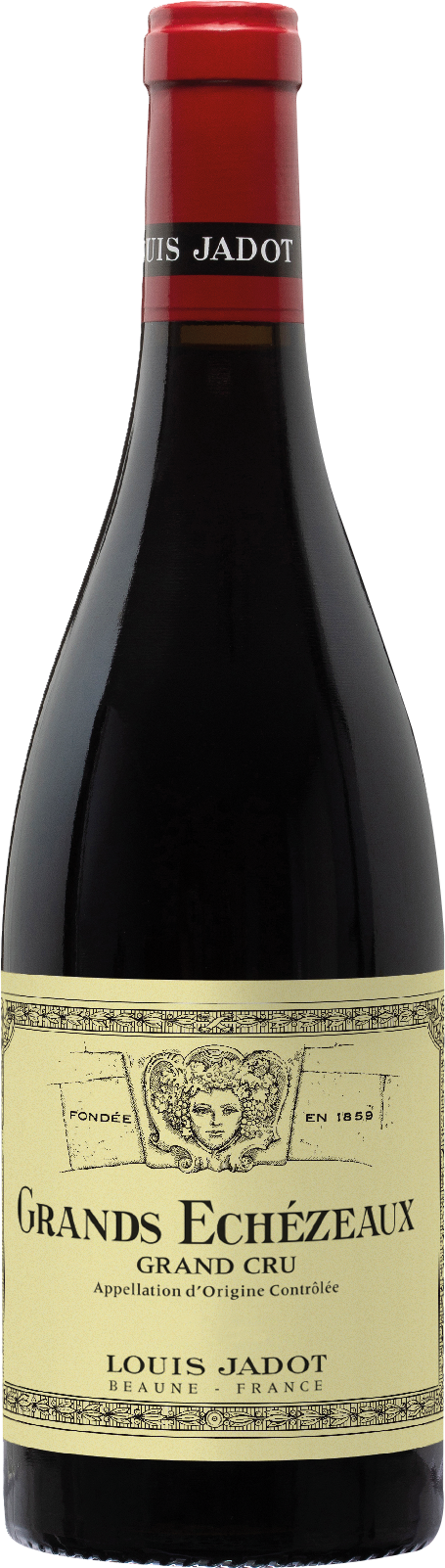
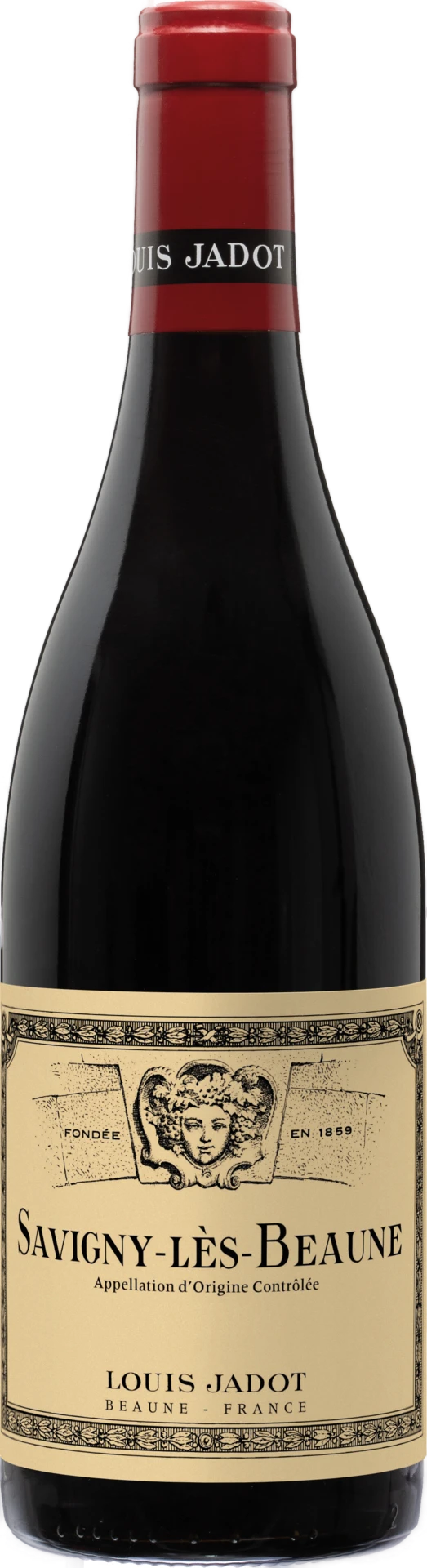
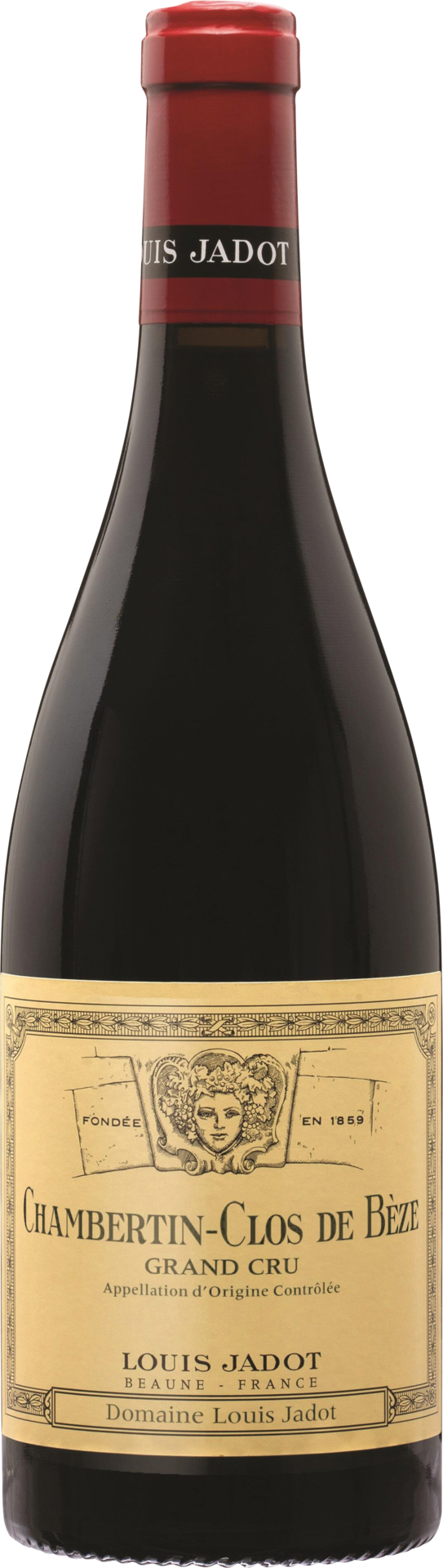
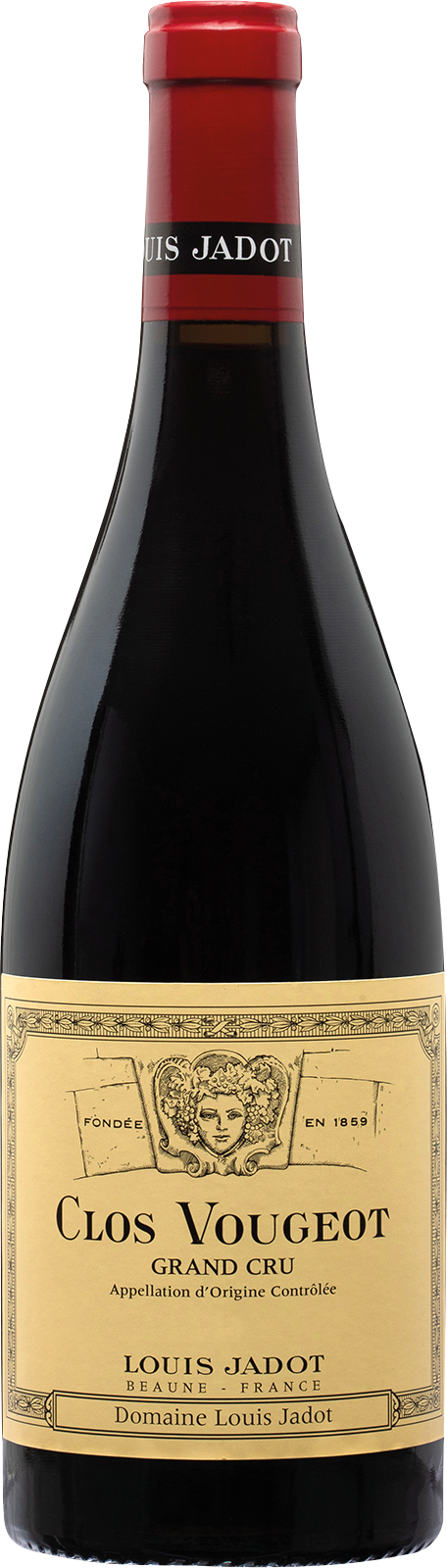
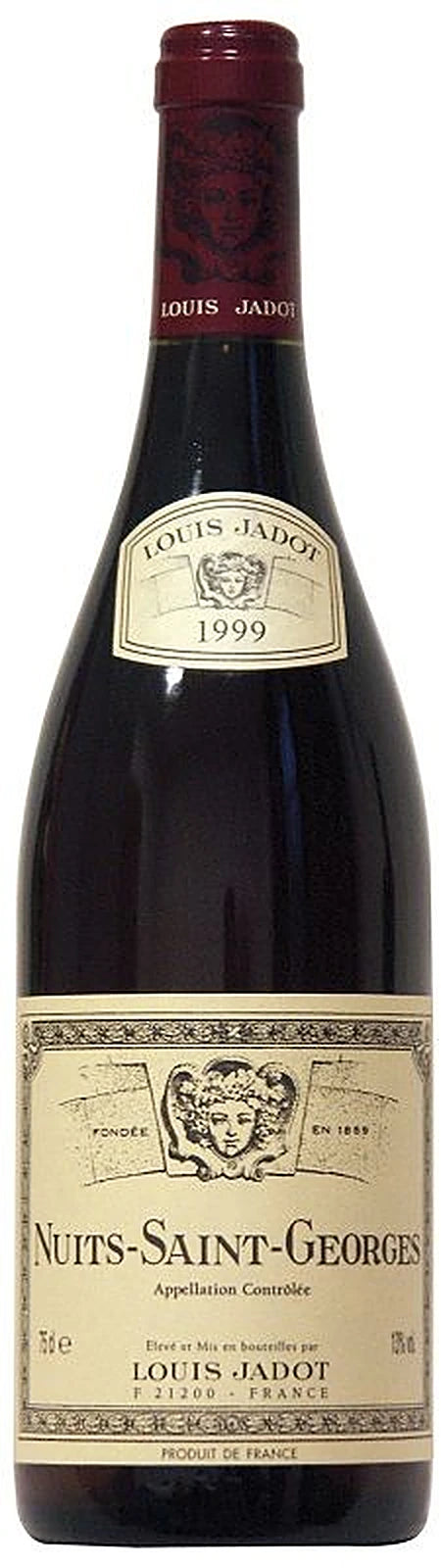
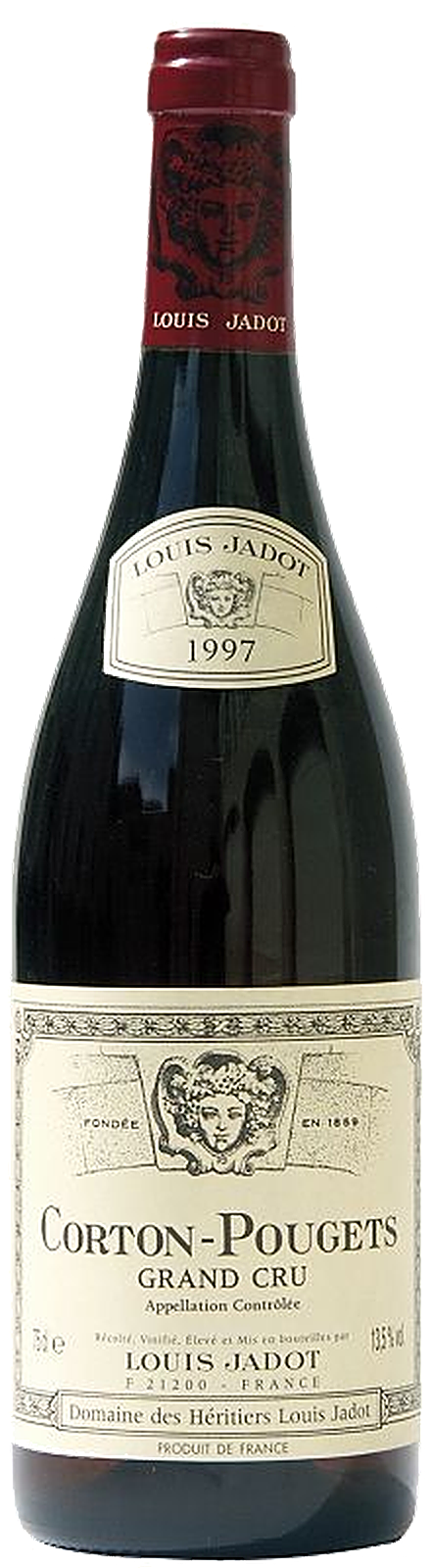
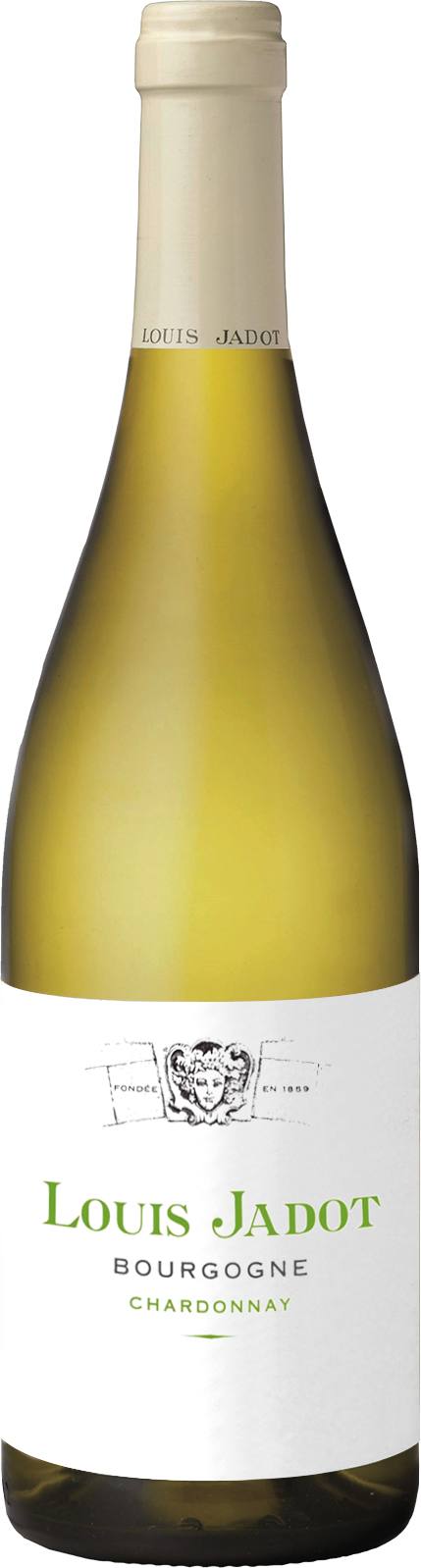
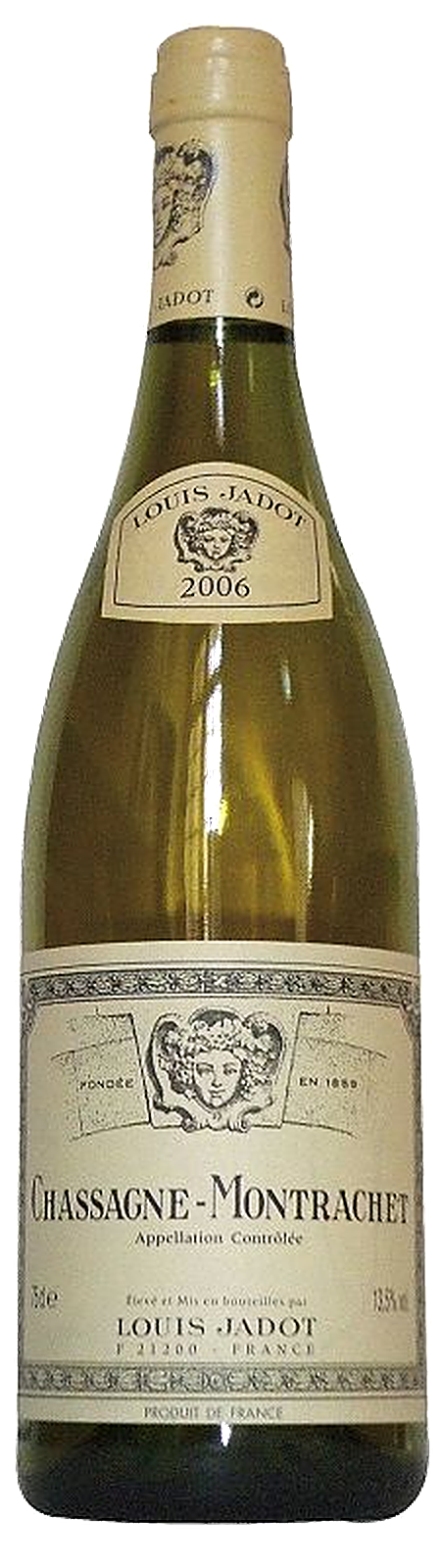
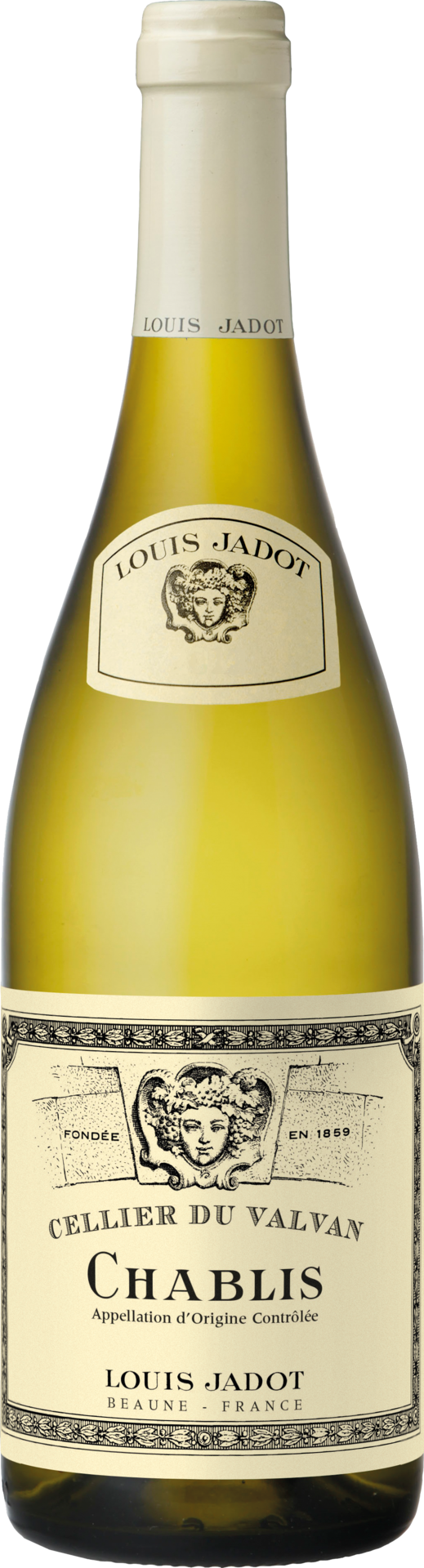
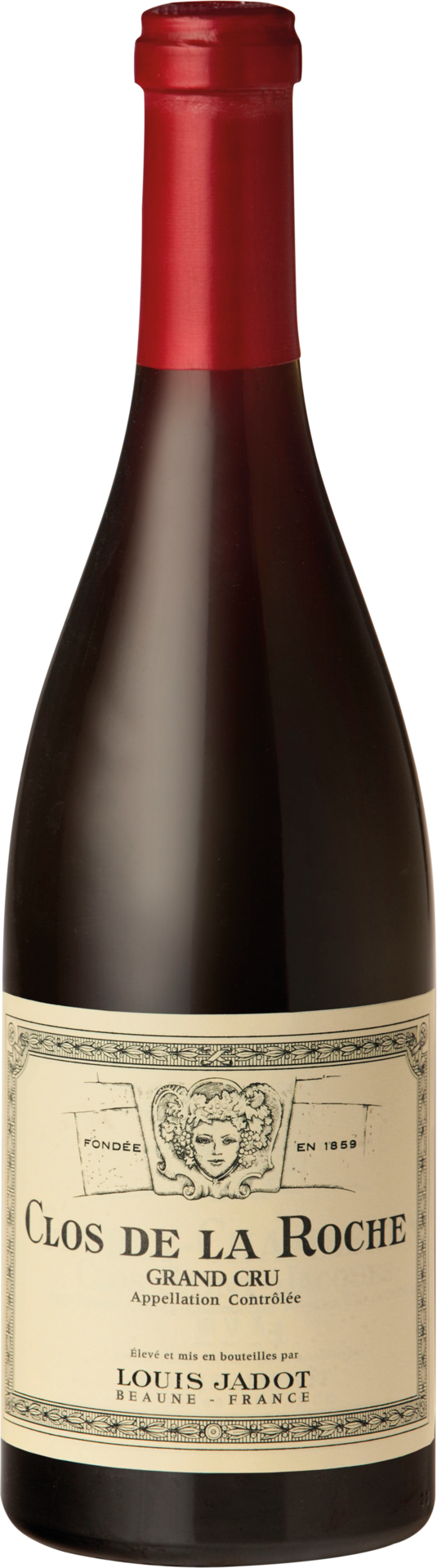
The range extends from the accessible Bourgogne Aligoté and the Chardonnay Couvent des Jacobins — whose name recalls the historic monastery cellars under the main building — to aged single-vineyard wines such as the Clos de la Roche Grand Cru or the Beaune 1er Cru Clos des Ursules as a monopoly of the Domaine des Héritiers Louis Jadot. In between, there are Chablis, Chassagne-Montrachet, and Beaujolais products from the Château des Jacques — a range that hardly any other house in Burgundy covers from a single source.
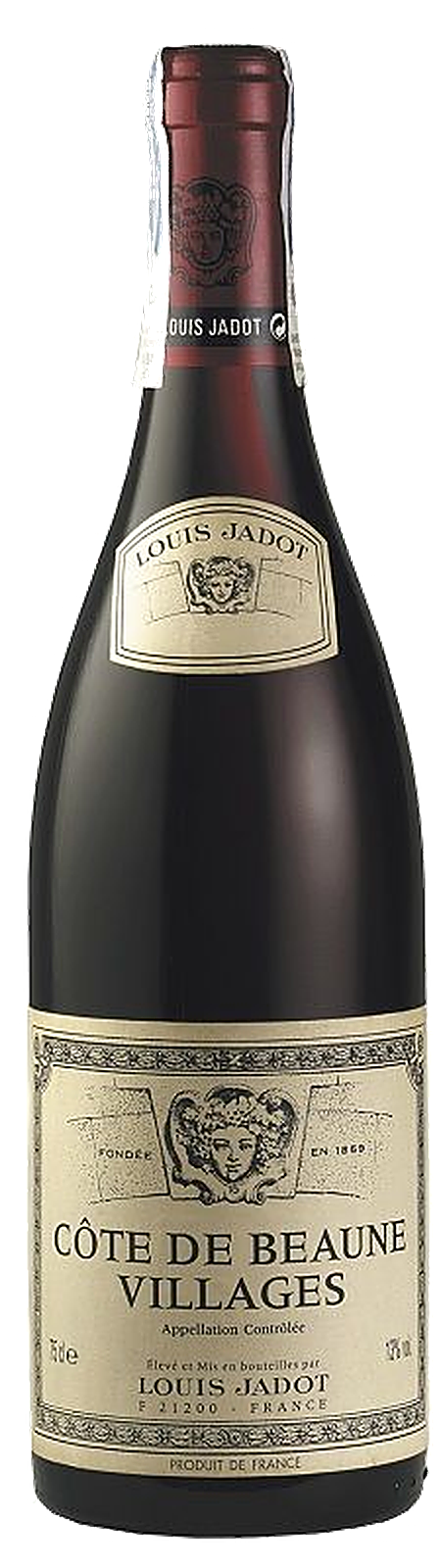
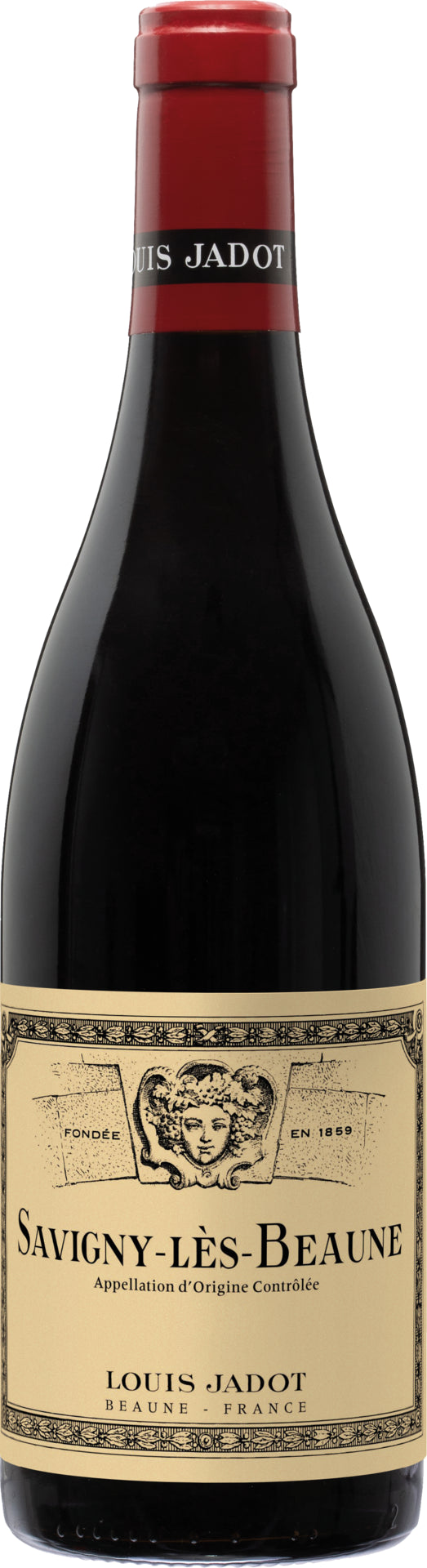
The style is classic and rather restrained: Pinot Noirs with long maceration time, clear fruit, fine tannin structure, and aging potential — village and regional wines benefit from a few years of bottle aging, Premier and Grand Crus from at least a decade. The white wines show Burgundian precision without heaviness: Chardonnay with acid tension, minerality, and the ability to continue developing over years. For drinking, the simpler bottlings should be served at 12–14 °C, while the great sites may be given more time in the glass.