From Amédée Rousseau to Maison Louis Jadot: a Beaujolais institution
Château des Jacques in Romanèche-Thorins has its roots in the early modern period of Beaujolais, but its modern identity began with a determined entrepreneur: Amédée Rousseau acquired vineyard parcels in Moulin-à-Vent from around 70 different families over three years, laying the foundation for a winery with Burgundian aspirations. His methods — destemming, parcel vinification, long aging in barrels, bottling at the estate — were considered revolutionary in the region. The Thorin family, who followed Rousseau, consistently adhered to this line: when the Beaujolais Nouveau wave swept the region in the 1950s and carbonic maceration (macération carbonique) became the norm, the Château remained true to the classic fermentation style — a decision that still defines the winery today. In 1996, the Thorin family handed over the Château to the Kopf family, owners of Maison Louis Jadot, which thus became the first major Burgundian merchant house to bring a significant Beaujolais estate into its possession. In 2001, sites in Morgon were added, and in 2008, both units were merged under the name Château des Jacques.
Burgundian precision on Beaujolais terroir
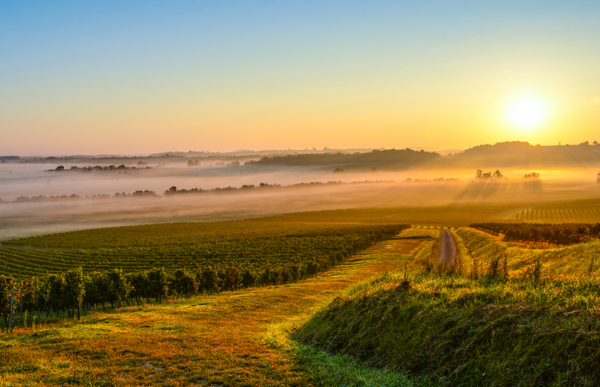
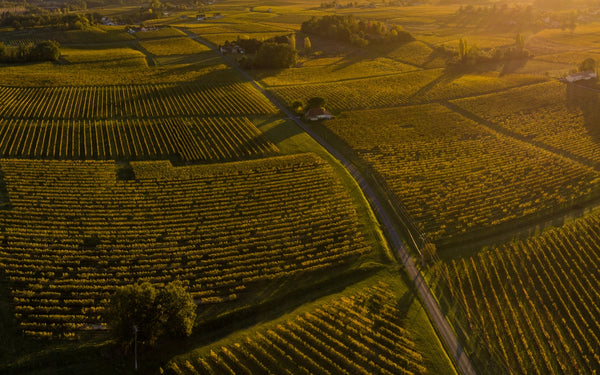
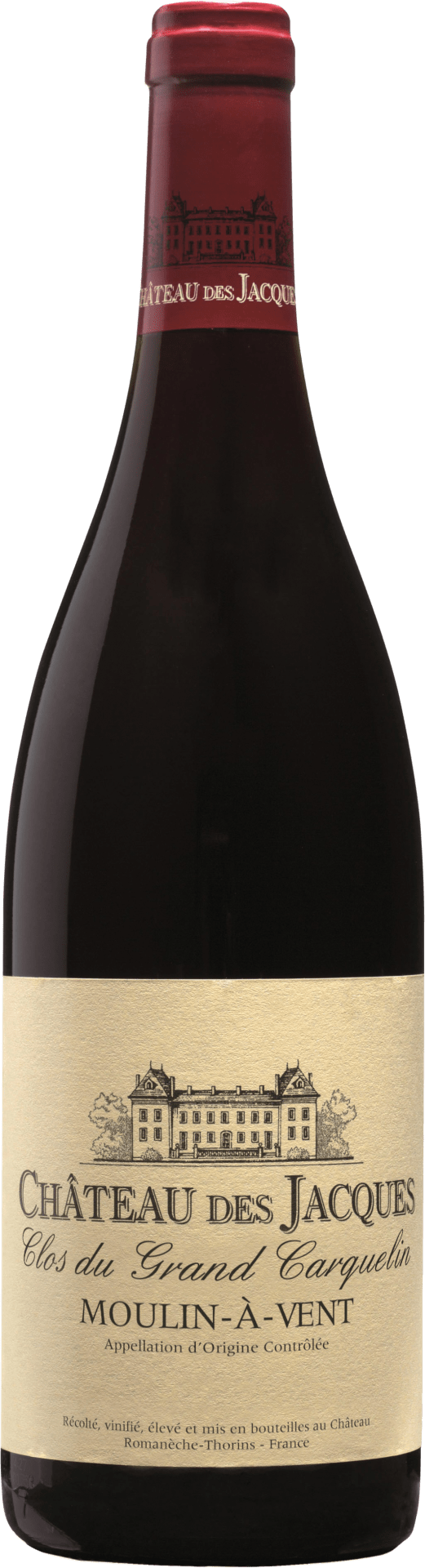
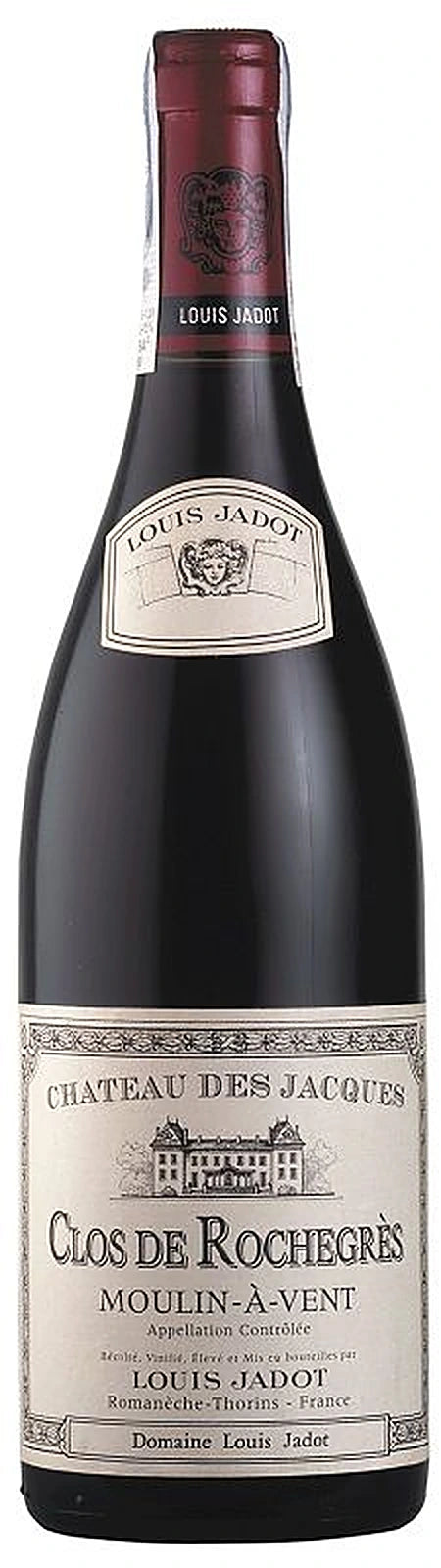
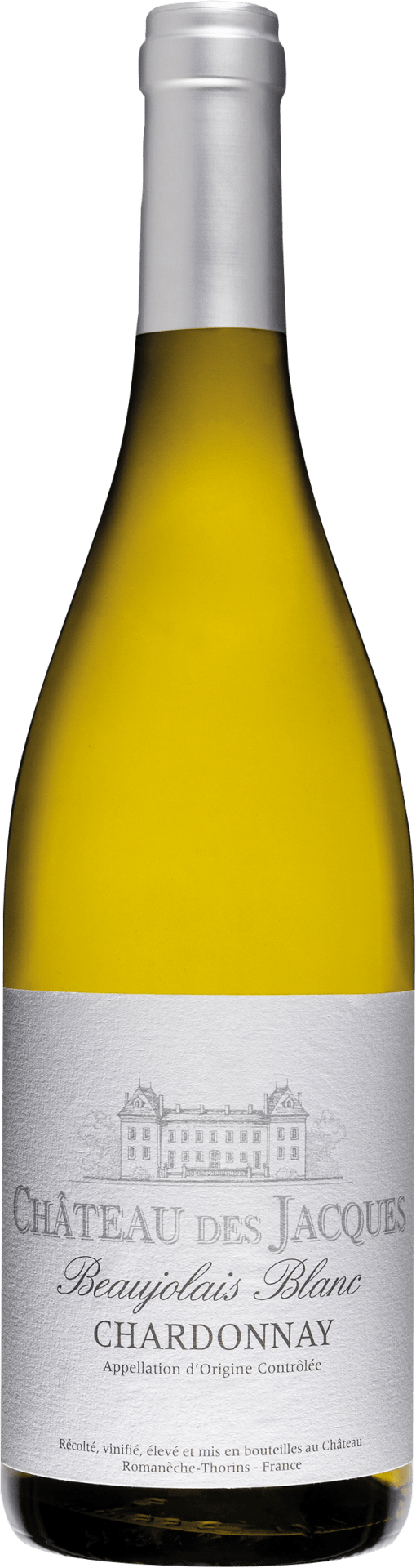
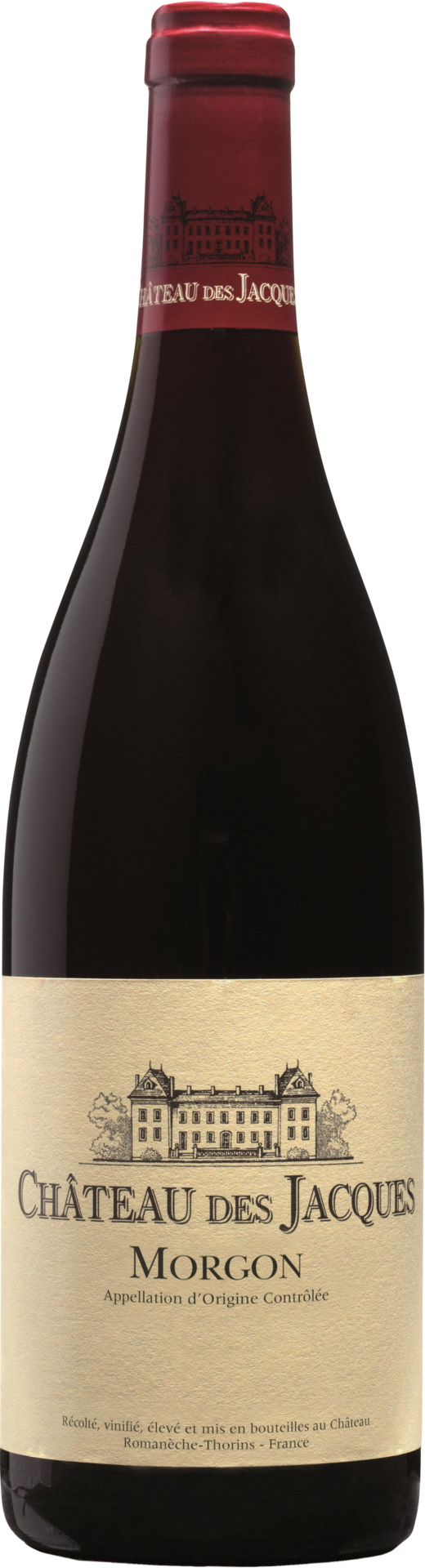
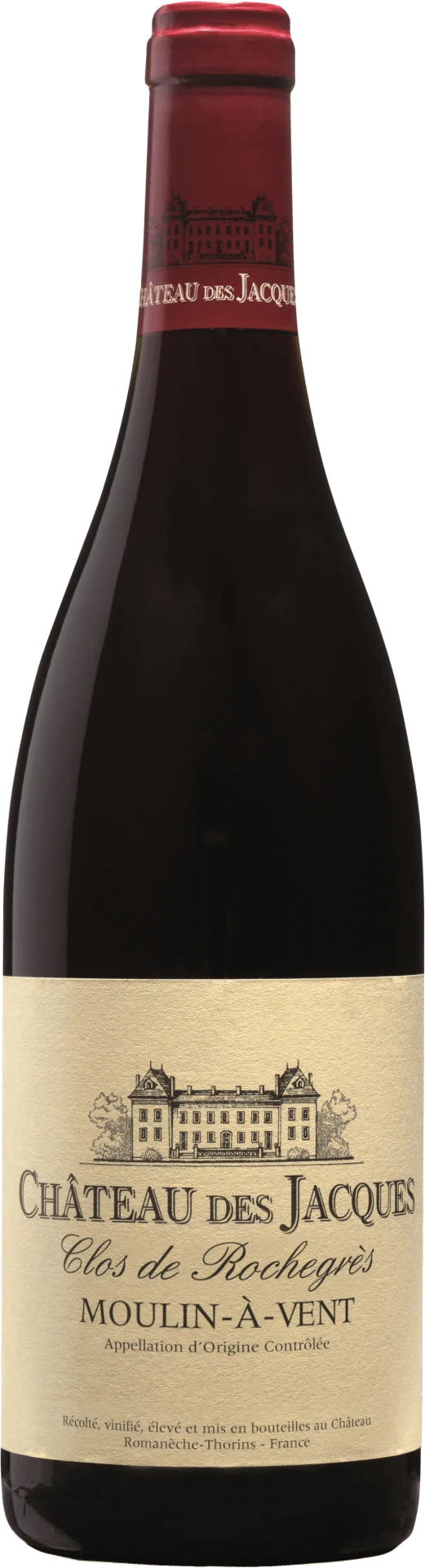
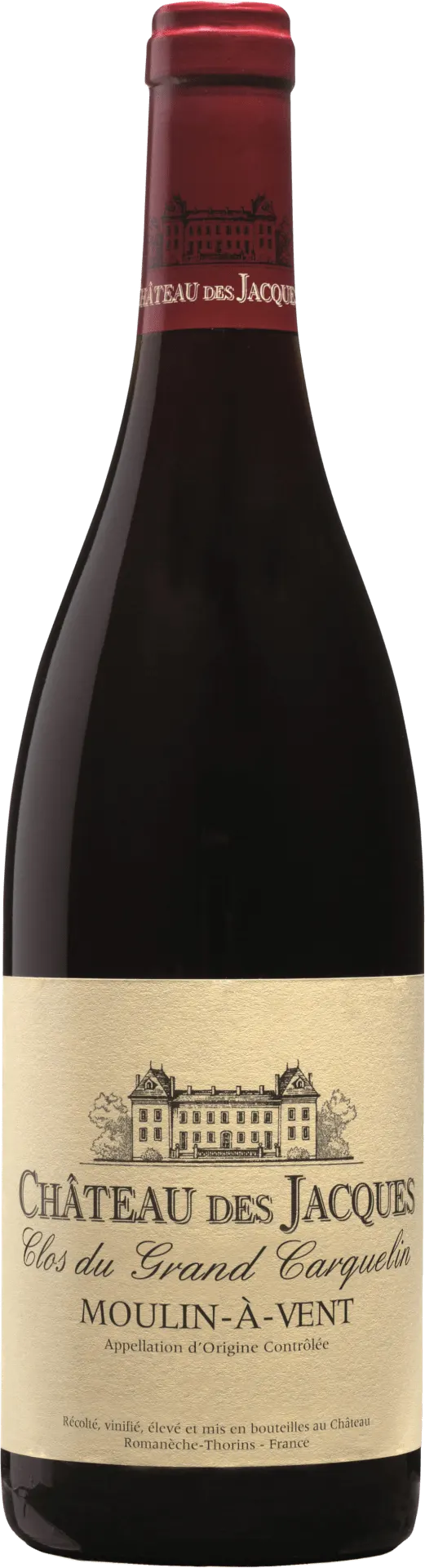
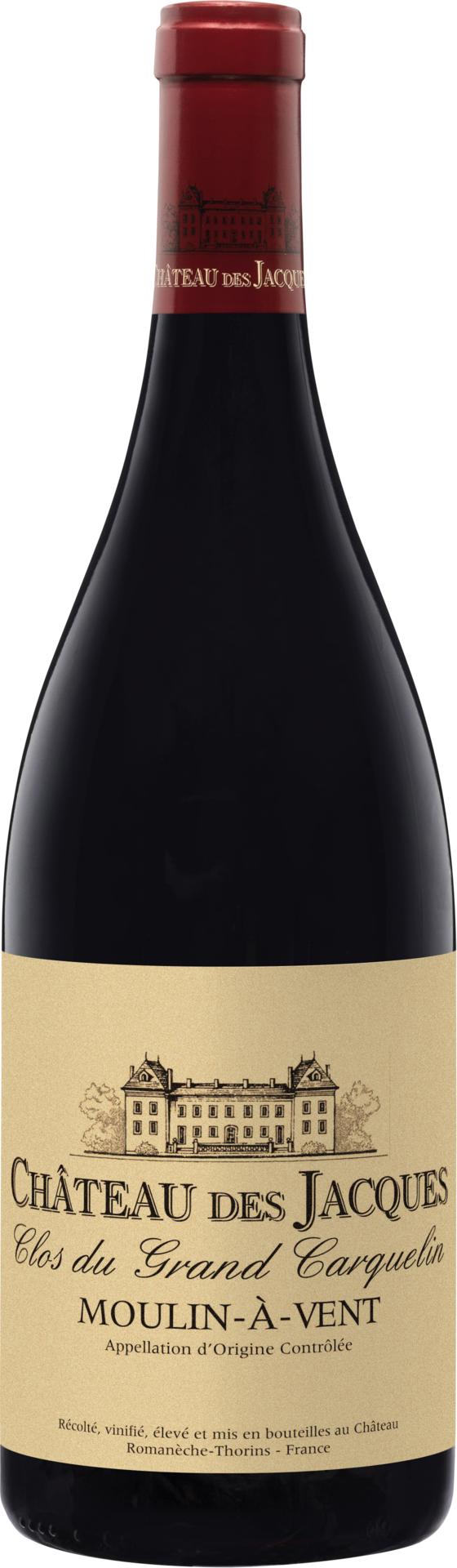
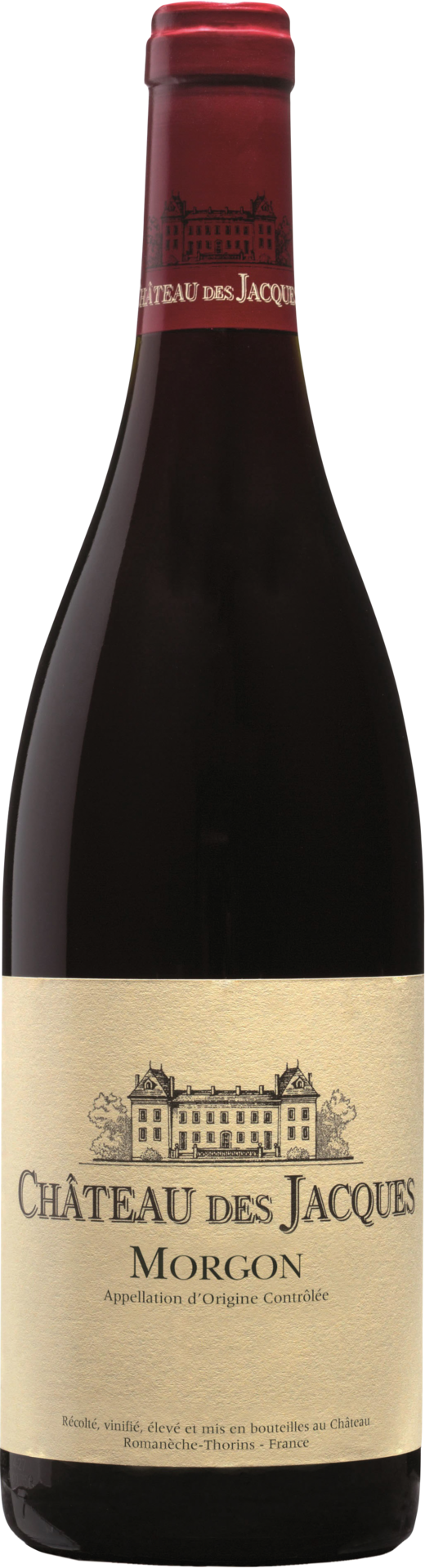
Today, the vineyards of Château des Jacques extend over around 69 hectares in the appellations of Moulin-à-Vent, Morgon, and Fleurie, as well as a Chardonnay parcel for the Beaujolais Blanc. The individual sites read like a cadastre of the best climats of the northern Beaujolais: Clos de Rochegrès, Clos du Grand Carquelin, Champ de Cour, and La Roche in Moulin-à-Vent, Corcelette and Côte du Py in Morgon. Since 1996, the winery has pursued a consistently environmentally oriented approach with the goal of organic certification; the vineyard is managed naturally, with cover cropping and soil cultivation by tractor instead of herbicides being standard. The harvest is carried out exclusively by hand, and the grapes are immediately brought to the cellar in small containers. There, a vibrating table selection and subsequent destemming follow — a technique that makes the Château one of the pioneers in the region. Each parcel is vinified and aged separately to represent the terroir with the greatest possible precision. In 2017, the cellar was completely modernized, which, according to the winery, enabled a further leap in quality in terms of finesse and precision.
Gamay with aging potential: Moulin-à-Vent, Morgon, and Fleurie
The stated goal of Château des Jacques is to vinify Gamay as Burgundy treats its Pinot Noir: as a terroir-sensitive red wine with storage potential, not as a fresh primeur wine. Carbonic maceration is generally not used at the Château. Instead, long maceration times, barrel aging, and parcel-by-parcel bottling define the style. The wines from Moulin-à-Vent, the house's flagship, stand for density, structure, and a spicy-mineral character, which the manganese-rich granite soils of the appellation help to shape. Morgon — especially the crus from the Côte du Py — brings deep fruity, earthy notes and a long finish. The Château's Fleurie wines show the floral-elegant side of Gamay. As a rule of thumb: these wines need time. Even in the Château's wine library, one can taste bottles that impressively demonstrate the aging capacity of Gamay over many years. Anyone who opens the Beaujolais Crus from Château des Jacques too early misses what the winery actually wants to demonstrate.