Nahe · Germany
Weingut Tesch
Read more Read less
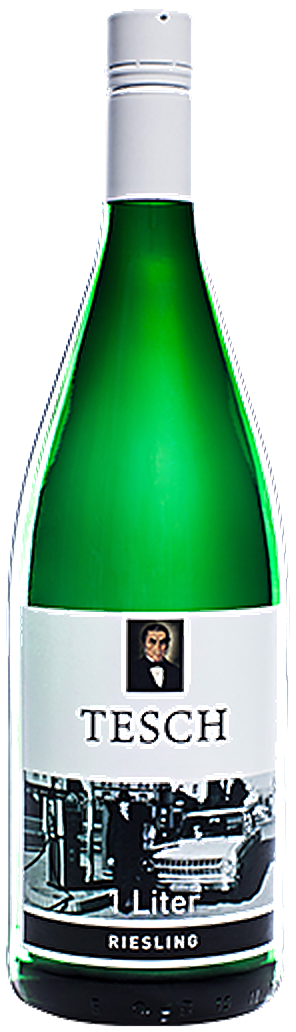
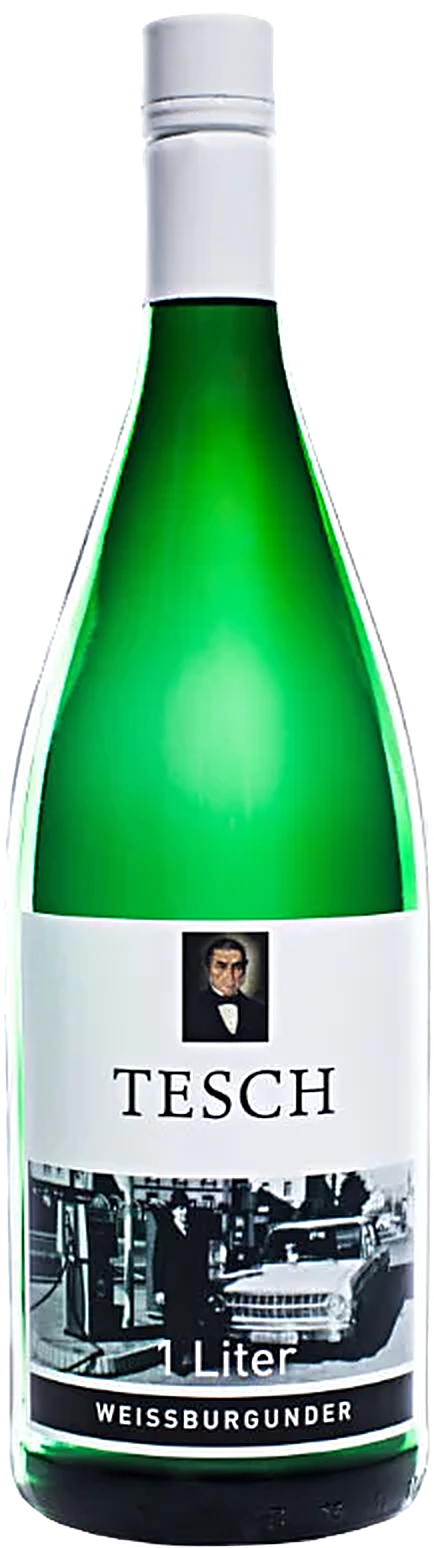
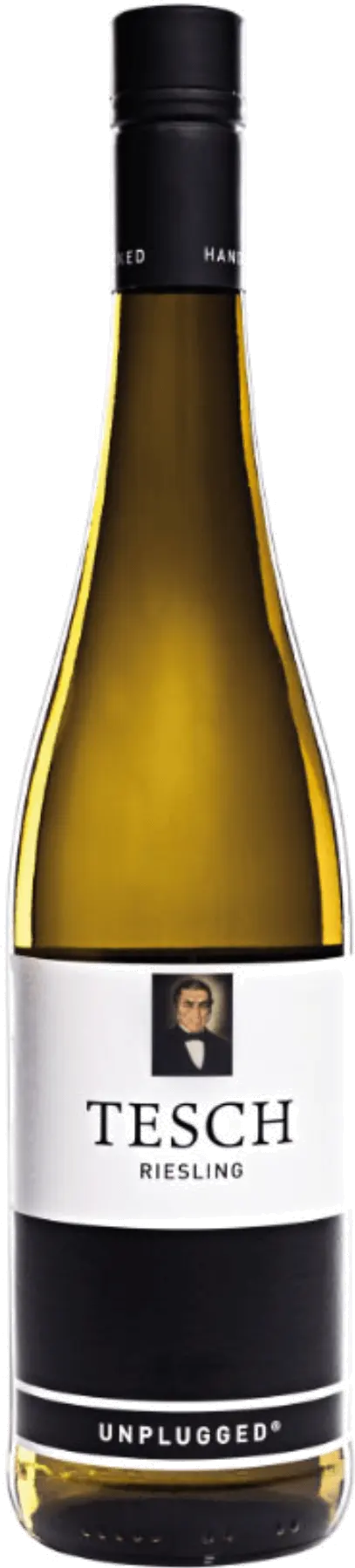
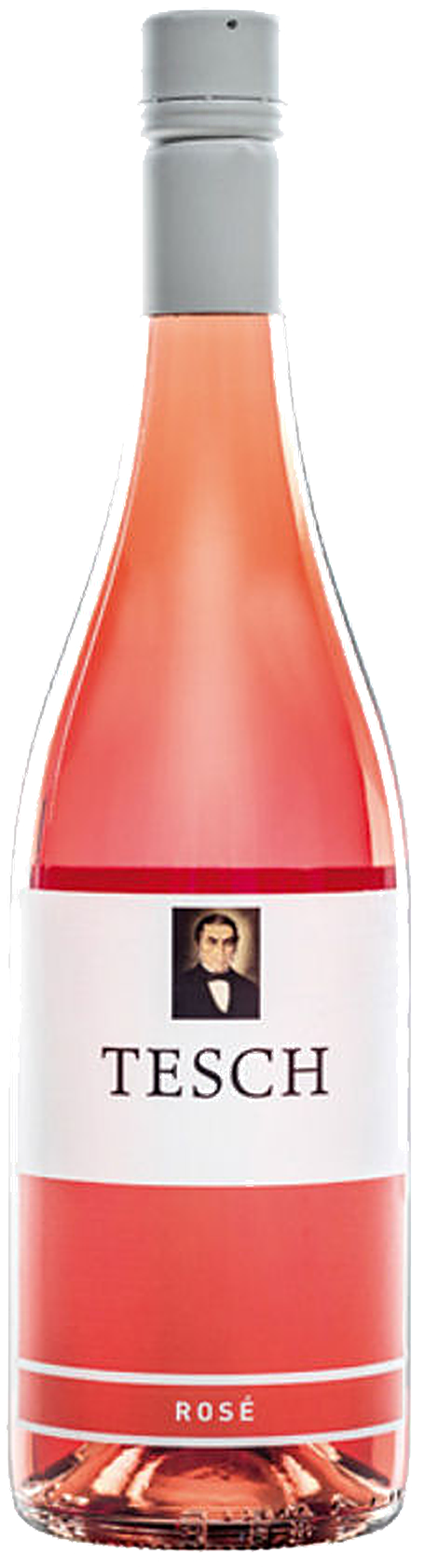
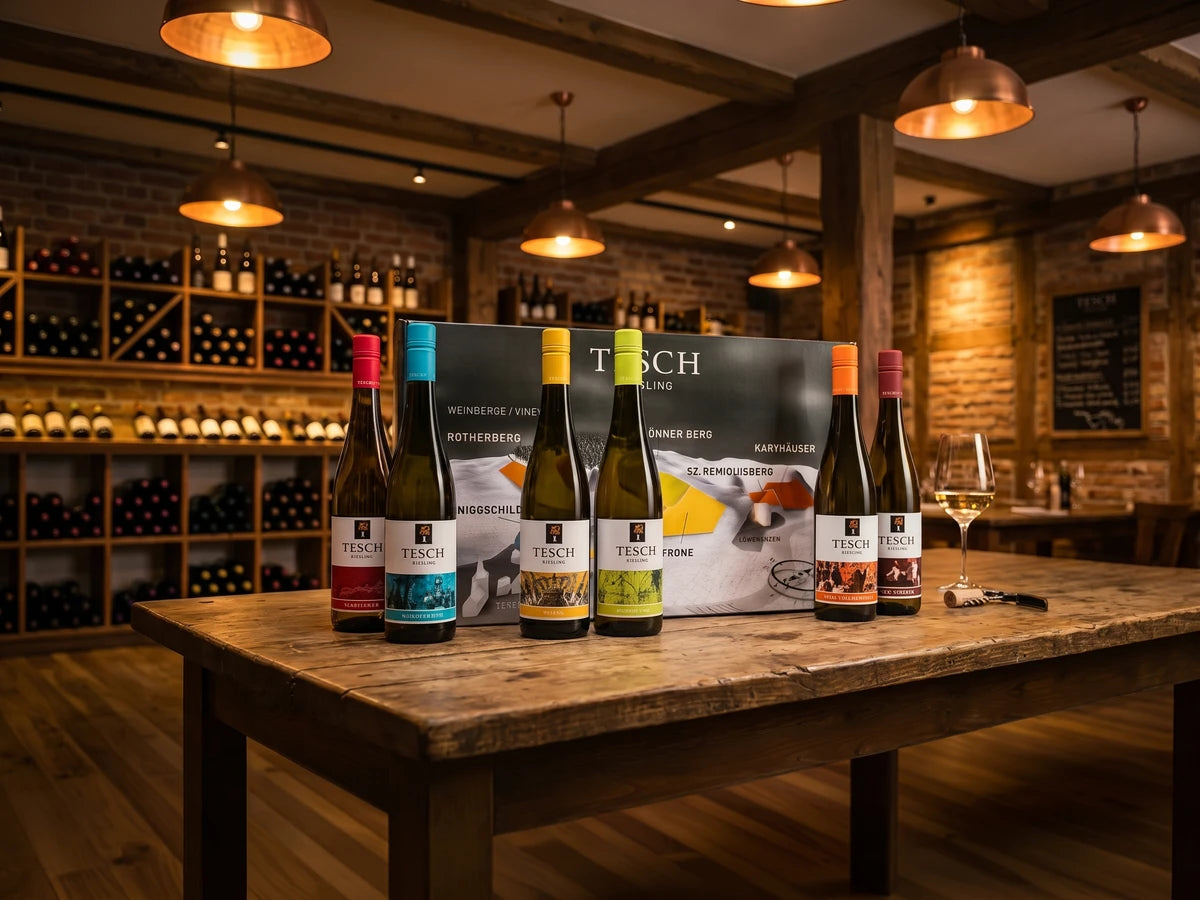
Tesch – the first rock 'n' roller among wineries. "Unplugged" has made the name famous in the rock scene. The range is small, tight, clear. Three varieties: Riesling, Pinot Noir, Pinot Blanc. All dry, all with screw caps. Environmentally friendly viticulture, hand-picking – a matter of course. The 1-liter classics give the first impression. And that makes you want more.
Filters
11 products



James Suckling 2022
Awarded by James Suckling
Jancis Robinson Bewertung 2023
Awarded by Jancis Robinson
About Weingut Tesch
On the Nahe since 1723 – and reinvented since 1997
The Tesch winery in Langenlonsheim is one of the oldest family businesses on the Nahe: since 1723, the property has been demonstrably in family hands, passed down through ten generations, twice through the female line. The Tesch family itself entered the history of the farm in 1905, when Johann Tesch married into it. Dr. Martin Tesch made the decisive break with the past when he took over management in 1997 at the age of 29 as a biologist – not as a classic winemaker. His father Hartmut had gradually concentrated the originally agriculturally diverse estate on viticulture; Martin Tesch radicalized this course. He reduced the vineyard area, cut varieties and quality levels, and reduced the range to a few, clearly defined wines. Today, he and his son Johannes run the winery together – tenth and eleventh generation, with an attitude that reaches further than family chronicles.
Hand-picking, old vines, no frills in the cellar
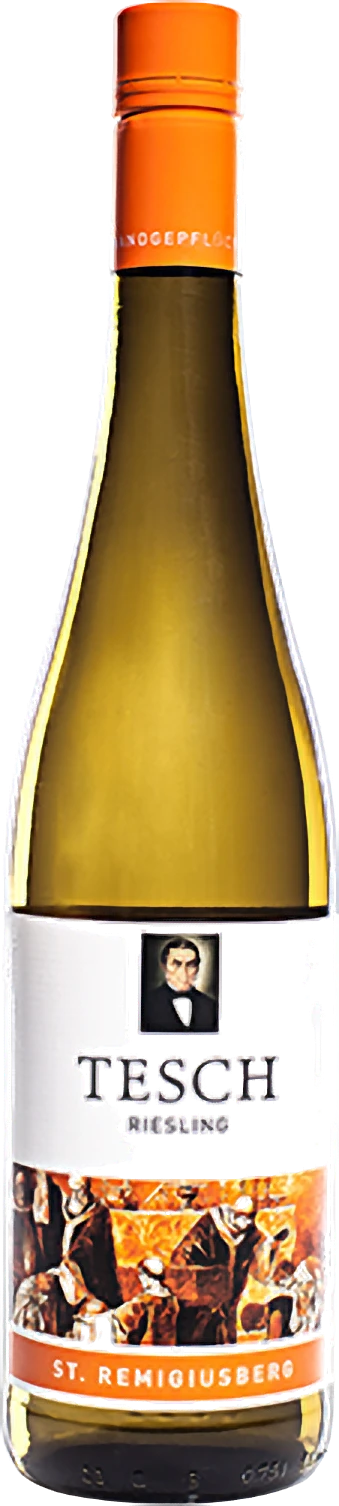
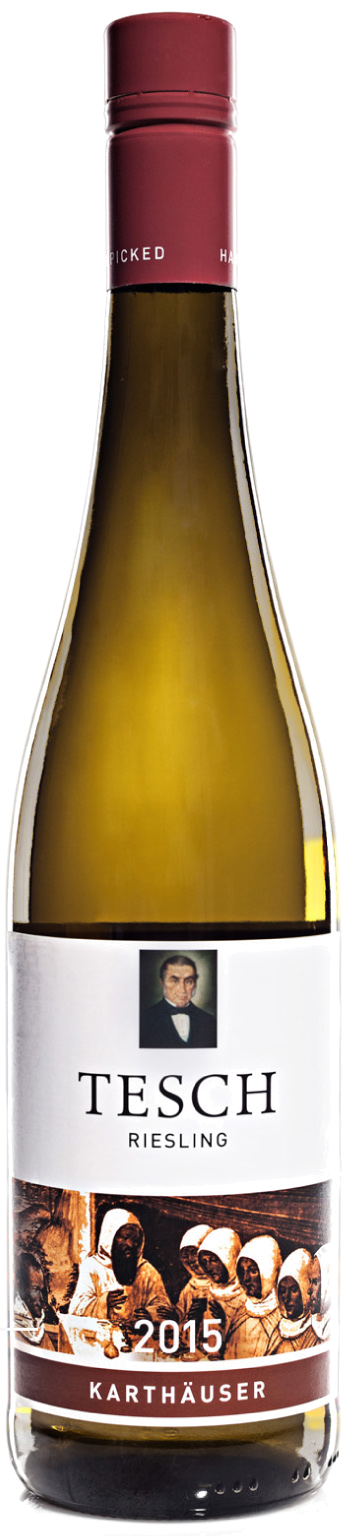
The approximately 21 hectares of vineyards are located in Langenlonsheim and the neighboring communities of Laubenheim and Dorsheim. The geological diversity of the Nahe – pebbles, loess, loam, red clay, shell limestone, iron-ore-permeated loam, weathered volcanic rock – is reflected directly in the single vineyards: the Karthäuser stands for cool minerality, the St. Remigiusberg for herbal, slightly smoky expression on iron-ore-permeated loam soil, the Löhrer Berg is considered one of the oldest Riesling sites on the Nahe at all. On all these areas grow vines, a large part of which are more than fifty years old; their roots reach deep, the yields remain low. The grapes are picked by hand. In the cellar, the same applies as in the vineyard: as little intervention as possible. No enrichment, complete fermentation, neutral yeasts to depict the terroir without a detour. Environmentally friendly viticulture without herbicides and insecticides is not a marketing message for Martin Tesch, but a matter of craftsmanship. All wines have screw caps – a decision Tesch made early and consistently when that still provoked frowns in Germany.
Riesling as a core statement – and two concepts that have cult status
The range is taut: about 90 percent Riesling, plus small proportions of Pinot Blanc and Pinot Noir. Dry vinification without exception. The single-vineyard wines – Karthäuser, St. Remigiusberg, and others – transport the respective geology directly into the glass. Alongside these are two concept wines that have made the winery known far beyond the Nahe: the Riesling Unplugged, in the range since the 2001 vintage, stands for the exact opposite of mechanization and sweetening – bone-dry, taut-mineral Riesling that hides nothing. The Deep Blue Blanc de Noir is white-vinified from Pinot Noir grapes and thus occupies its own niche between the camps. Tesch wines can be found in top restaurants and wine shops in more than twenty countries – and the winery's corporate design was the first winery in the world to receive the Red Dot Award. Anyone who starts with the Riesling Unplugged or one of the 1-liter classics immediately gets a feel for what makes this address special: precision, clear fruit, lively acidity, and a finish that asks for more.
Langenlonsheimweingut-tesch.de
Award-winning wines
James Suckling 2022
Awarded by James Suckling
Jancis Robinson Bewertung 2023
Awarded by Jancis Robinson
What our customers say
Not only usable as an excellent cooking wine. Due to the mild acidity, which stands in context with the aromas of this simple Riesling, it is also suitable for enjoyment as a light and digestible white in between. Although not particularly complex, but more than recommendable. Not only in this price segment. Also, only minor taste and quality differences are noticeable across the vintages.