From the steep sun of La Seca to the third generation: the Pariente family
The history of Bodegas José Pariente began in the 1960s, when winemaker José Pariente crafted artisanal white wines from the local Verdejo grape variety in his own vineyards around La Seca. After his death, his daughter Victoria Pariente — known by the family as Mariví — realized her long-held dream of owning her own winery in 1998: as a tribute to her father, she named her project after him. The business, now located at kilometer 2.5 of the Carretera de Rueda between the towns of Rueda and La Seca, grew with Victoria into a firm address within the D.O. Rueda. In the meantime, the third generation has taken the helm: Martina's role as cellar master and Ignacio's responsibility for operations and export continue what their grandfather began with a handful of old Verdejo vines.
In 2024, the family expanded their work with the acquisition of Vilerma in Galicia's Ribeiro region, confirming that the Pariente approach extends far beyond the Meseta — without ever losing sight of their origins in Rueda.
Vineyard, cellar, research: craftsmanship meets technology
The estate's own vineyards are spread across two zones: in the province of Valladolid with sites in Rueda, La Seca, Torrecilla de la Abadesa, and Tordesillas, as well as in the province of Segovia between Codorniz and Nava de la Asunción. The altitude between 700 and 800 meters shapes the rhythm of the vines: long, cold winters, short, hot summers, and strong day-night temperature fluctuations — exactly the amplitude that keeps sugar and acidity in balance in the Verdejo grape. The soils consist mainly of gravel with little organic matter and occasional limestone deposits at the highest points. Old, bush-trained vines are harvested by hand; more modern wire-trellis systems complement the mosaic of vineyard areas.
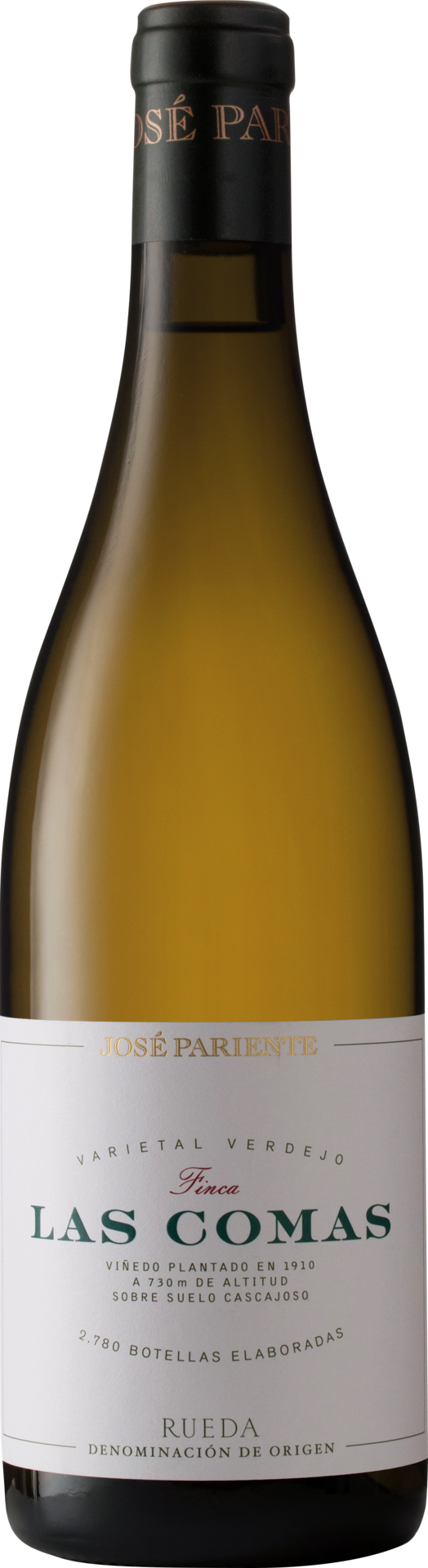
In the cellar, Bodegas José Pariente relies on a clear line: continuous research and development in both vineyard work and cellar technology, supplemented by projects with the University of Navarra to select their own yeasts from the estate. The winery building, completed in 2008, is continuously equipped with modern technology — including concrete eggs for wine aging. For the Finca wines, years of soil study went into a detailed classification and zoning of all vineyards: only from this did the site-specific bottlings Las Fincas, Finca La Medina, and Finca Las Comas emerge.
Verdejo as a program: freshness, depth, and single-vineyard character
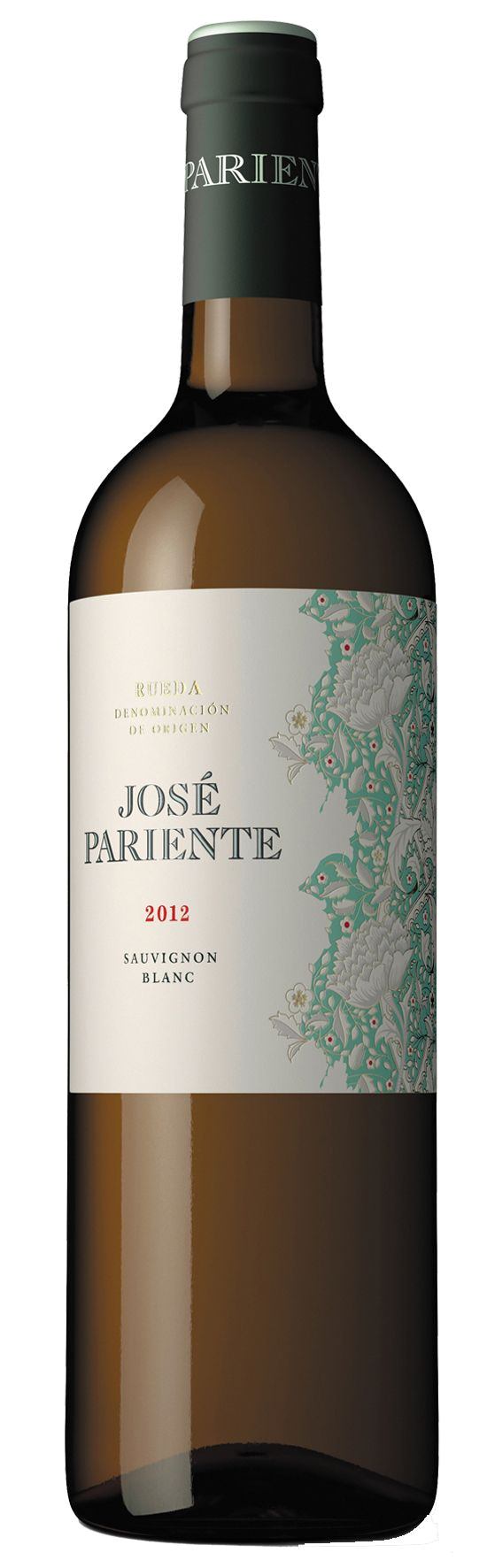
The core of the range consists of five varietal Verdejo wines — from the accessible Varietal Verdejo to the Finca line and the barrel-aged 25 Años en Barrica — as well as two Sauvignon Blancs, including the sweet wine Apasionado made from late-harvest grapes. The stated goal since the day of founding: to show that Verdejo is not only convincing in its freshness and aroma, but also tolerates aging and time. The flagship, the José Pariente Verdejo, stands for precise fruit, fennel spice, and a clear acidity structure — the result of the continental climate and rugged gravel soils. The Finca wines, including Finca Las Comas, go deeper: single-vineyard character that is only made legible through careful parcel work. Anyone looking for fresh, structured white wines from one of Spain's most reliable family addresses will find a winery at Bodegas José Pariente that does not see tradition and technical consistency as opposites.