Dry white wine: fresh, clear and versatile at the table
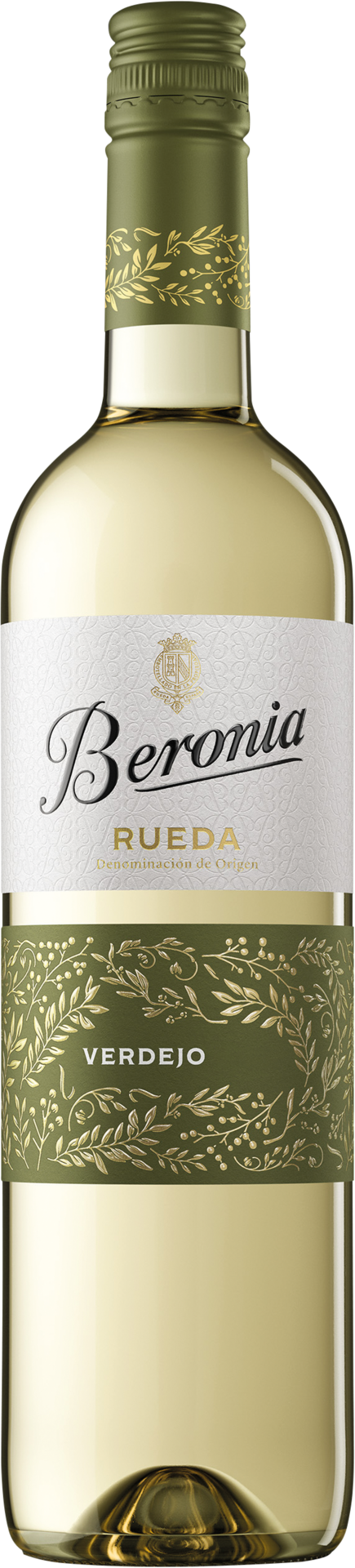
The dry white wine collection at Vinoscout includes over 1,400 available wines. It ranges from uncomplicated everyday wines to Große Gewächse. German wines from the Pfalz, Mosel, Nahe, Rheinhessen, Rheingau and Baden regions define the selection, complemented by wines from Italy, France, Austria, South Africa and Spain.
Style & Taste
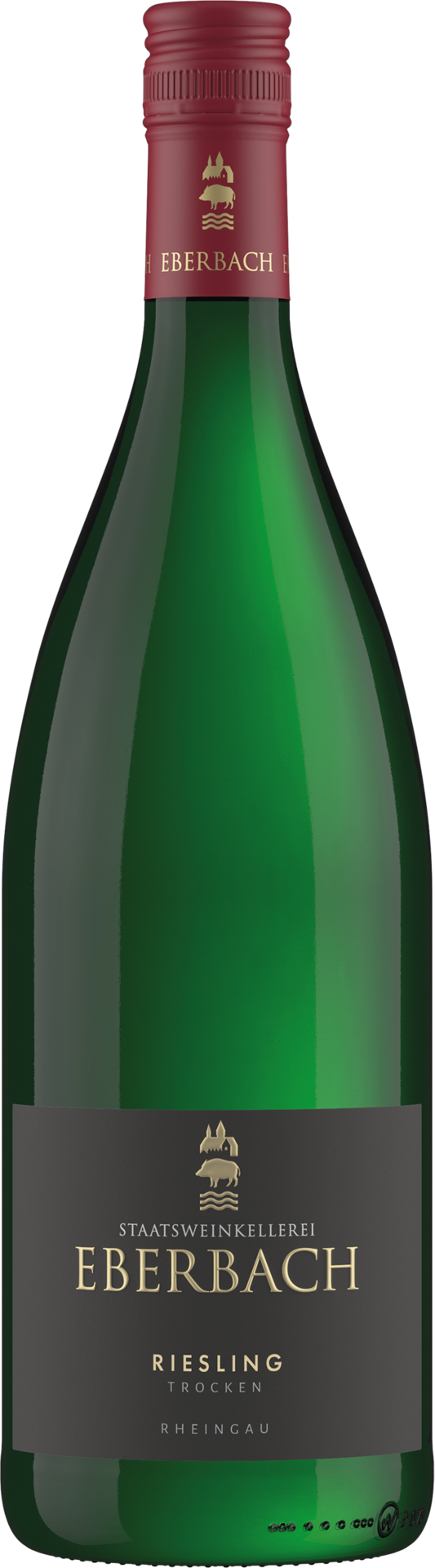
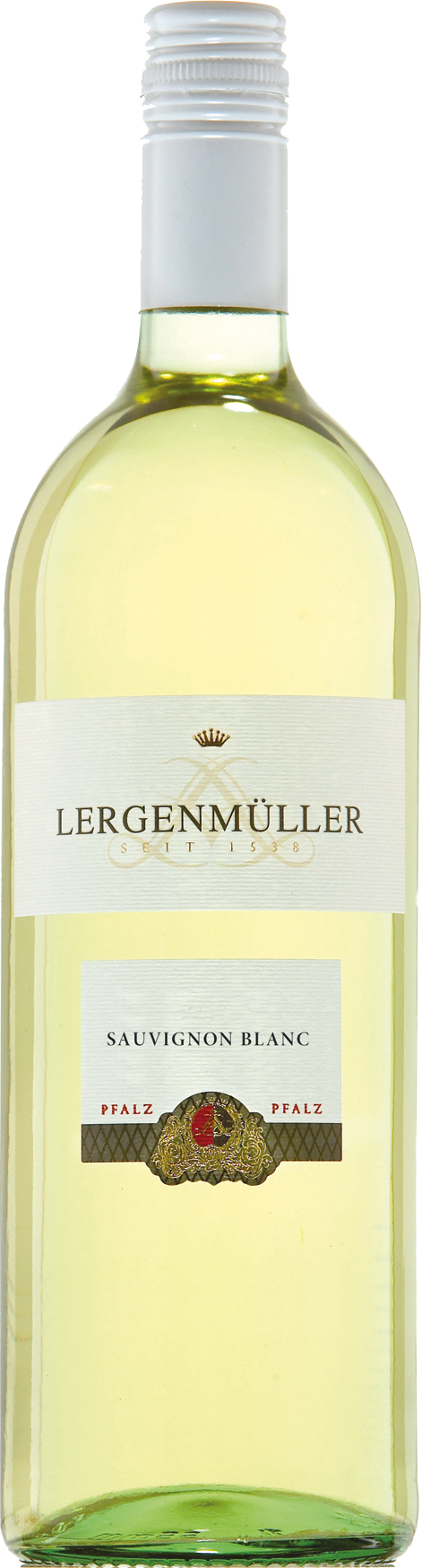
Dry white wines show little residual sugar and focus on fruit, acidity and structure. Riesling brings citrus, apple and a taut acidity. Chardonnay appears rounder and creamier, especially if it has been aged in wood or barriques. Sauvignon Blanc smells of gooseberry, grass and citrus zest.
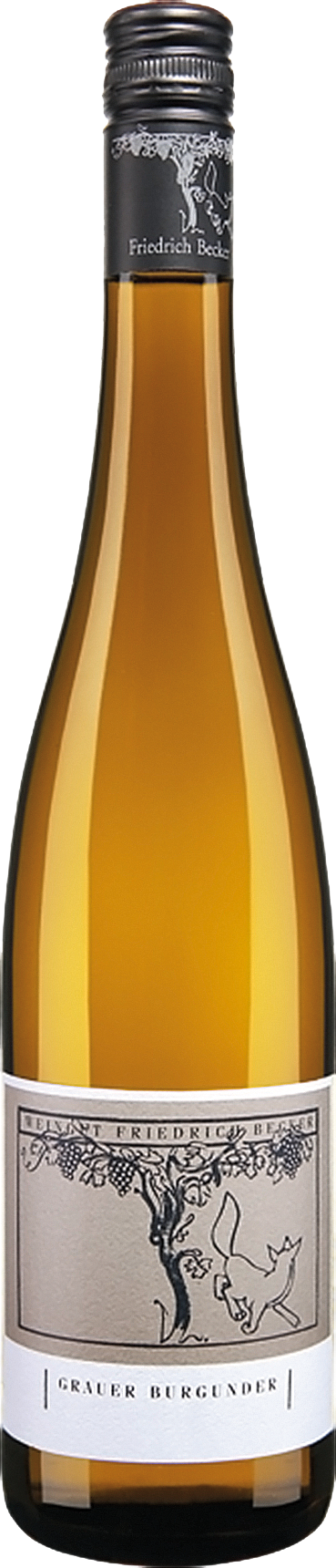
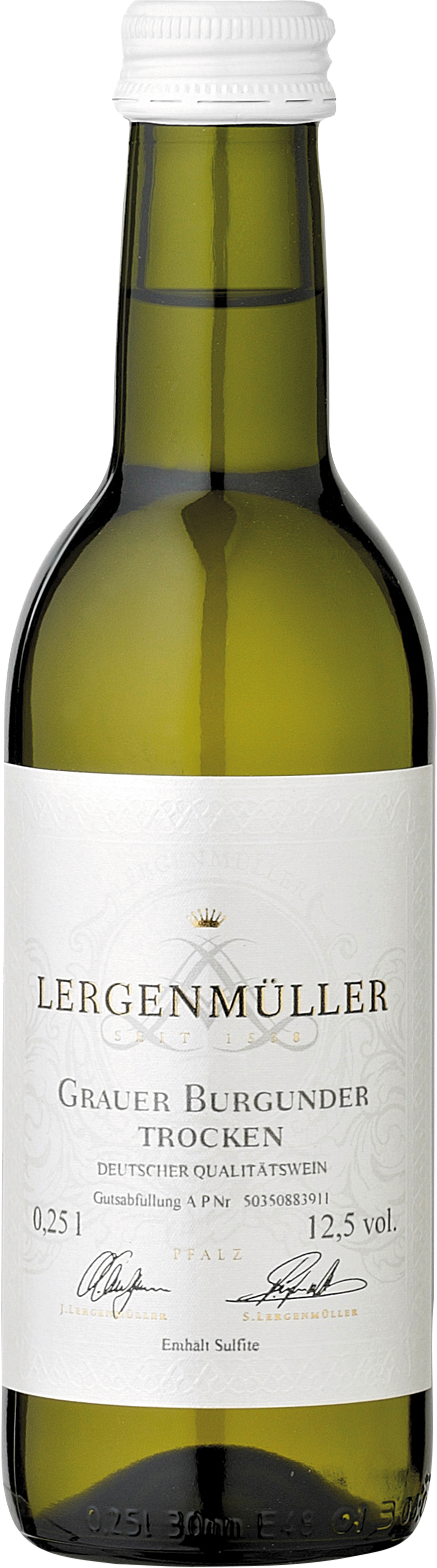
Pinot Blanc and Pinot Gris lie somewhere in between in terms of body. They taste of pear, nut and ripe apple while remaining soft and accessible. You can recognize the difference primarily by the aging process. The steel tank emphasizes freshness and fruit clarity. Wood and barriques provide texture, spice and more weight.
The assortment also includes wines aged via spontaneous fermentation or in concrete tanks. Organic wines make up about 8% of the selection.
Which dry white wine suits whom
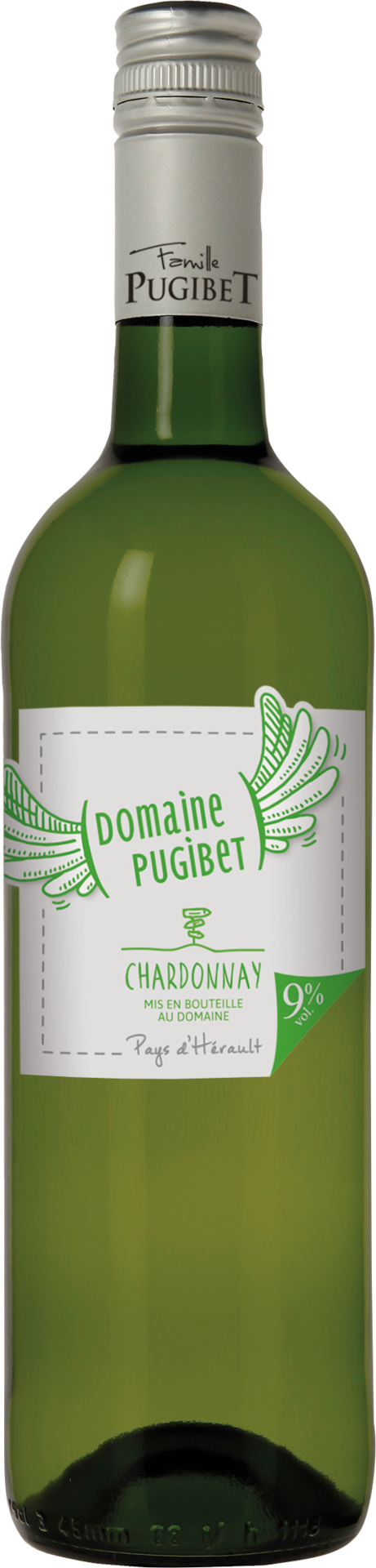
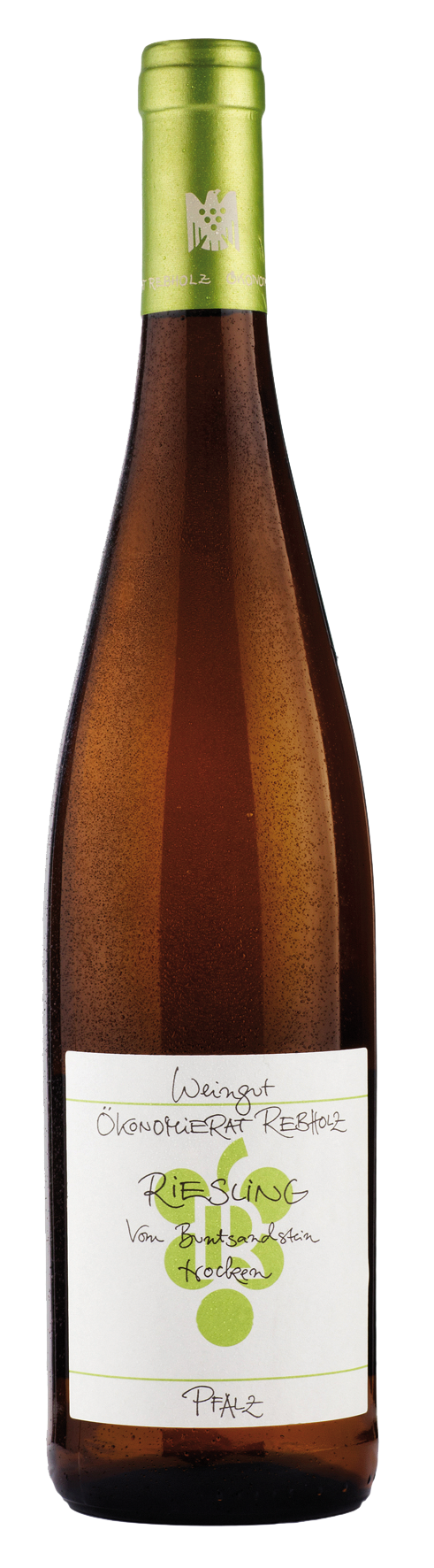
Entry level (under €10): This level is for you if you are looking for a fresh wine for everyday life. About a quarter of the assortment is in this category. The wines come from the Pfalz, Rheinhessen, Veneto and Abruzzo regions and carry designations such as Qualitätswein, DOC or IGT. Most are aged in steel tanks and taste fruity and uncomplicated. Producers such as Wachtenburg Winzer, Weingut Hammel & Cie, Karl Pfaffmann and Weingut Lukas Kesselring define this level.
Mid-range (€10–25): This level is suitable for meals with guests. Almost half of the assortment is in this category. The wines show a recognizable regional style from the Pfalz, Baden, Mosel or South Tyrol. The designations Qualitätswein, DOC and AOC provide guidance. You will find steel tank wines here as well as those aged in wood and barriques. Producers include Weingut Philipp Kuhn, Markus Schneider, Weingut Künstler and Kellerei Girlan.
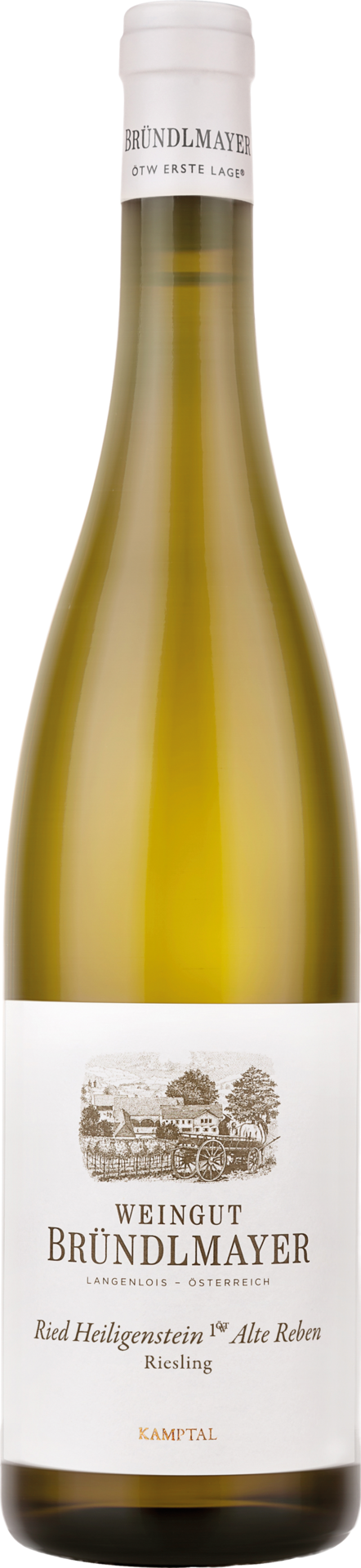
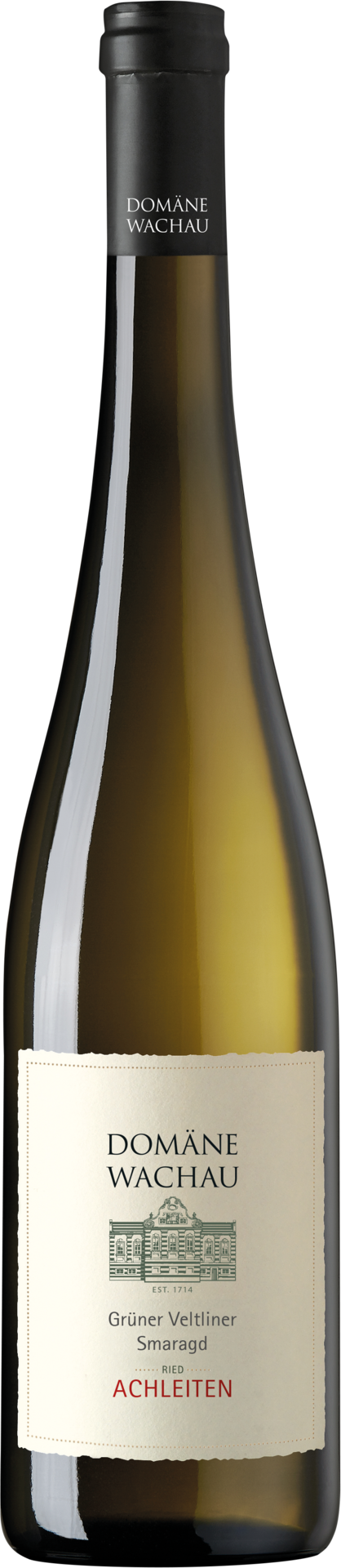
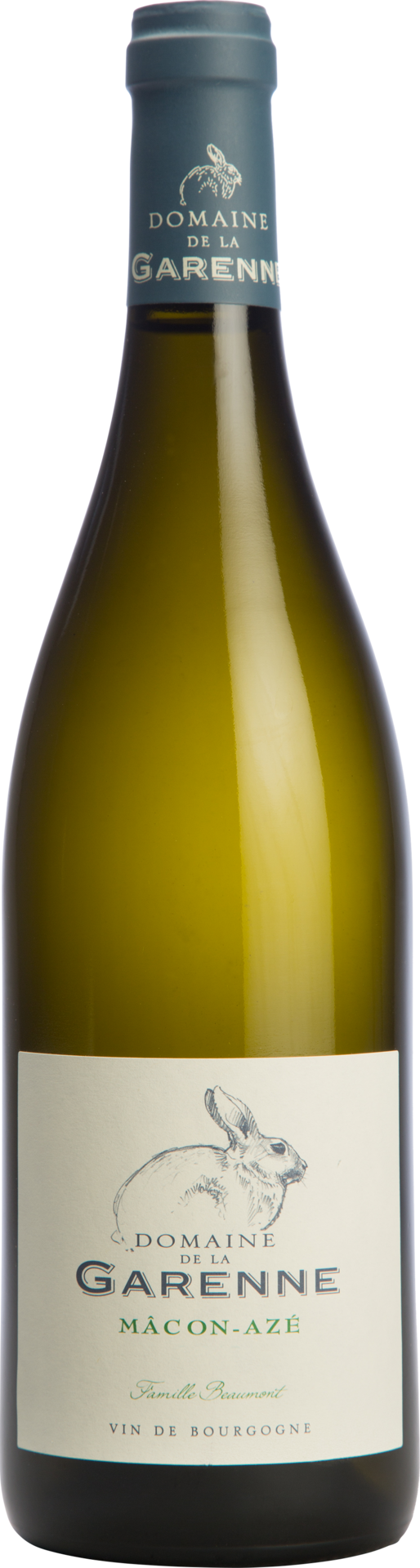
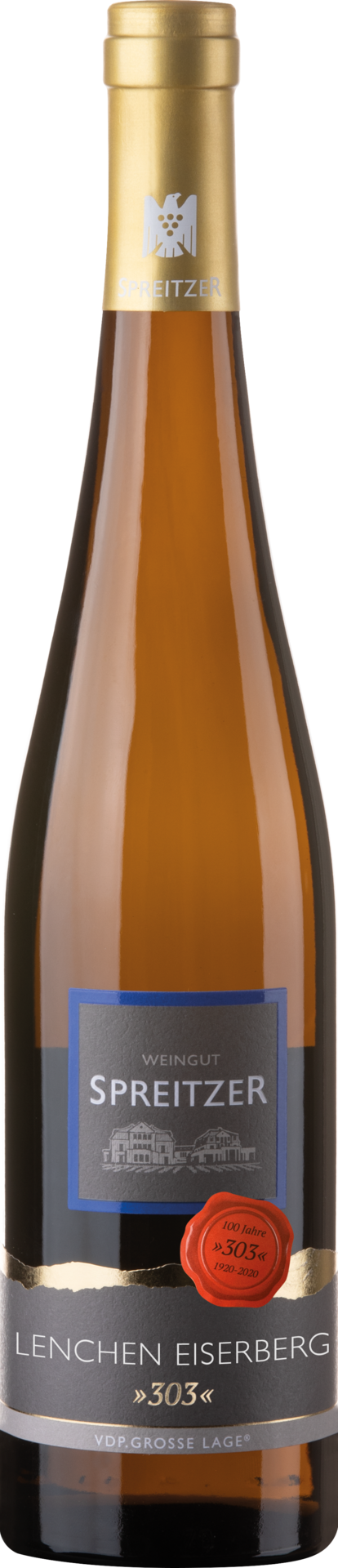
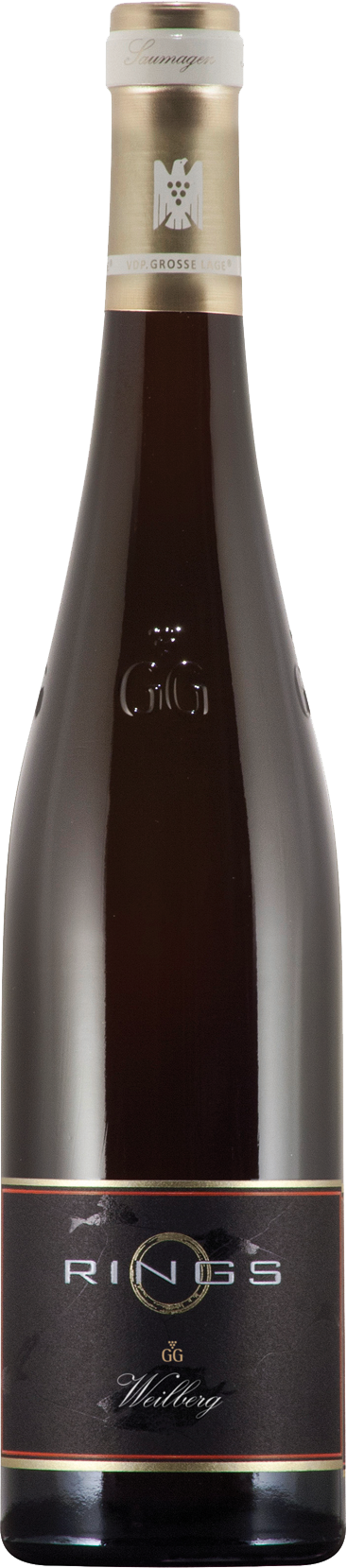
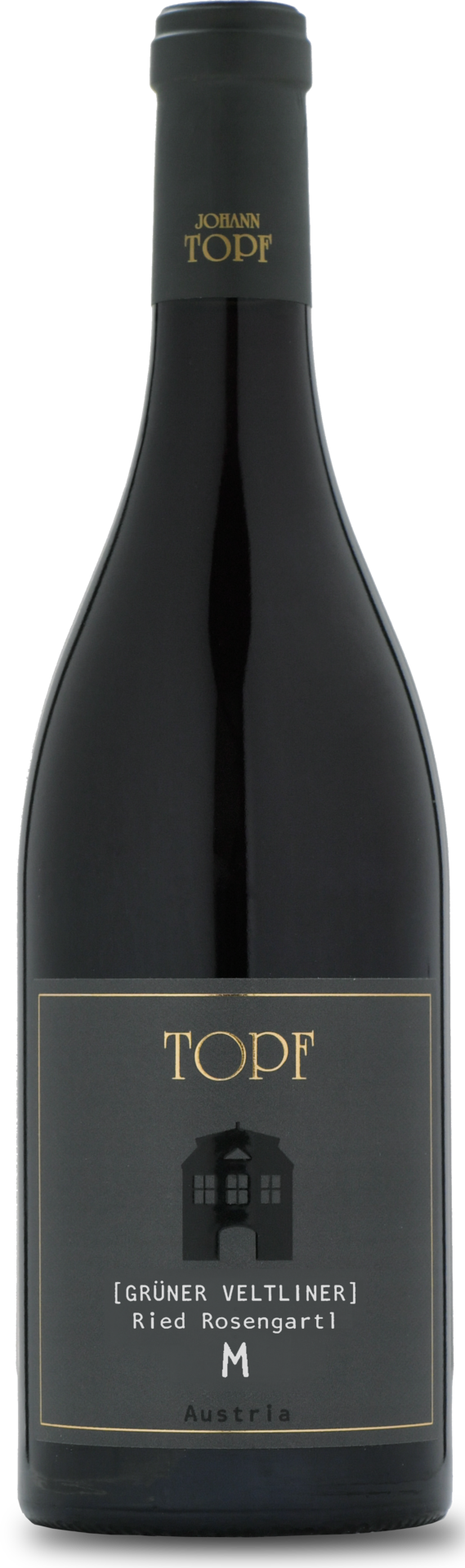
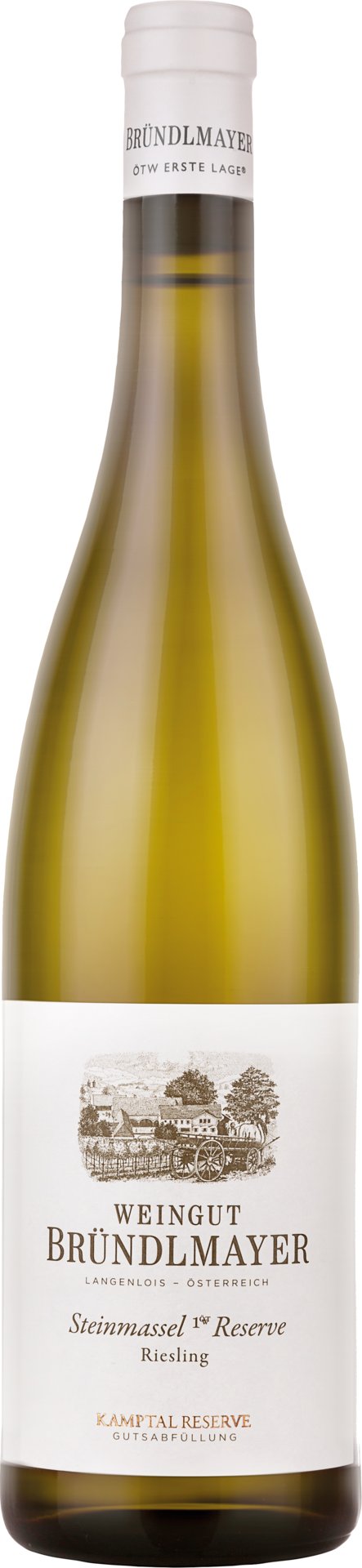
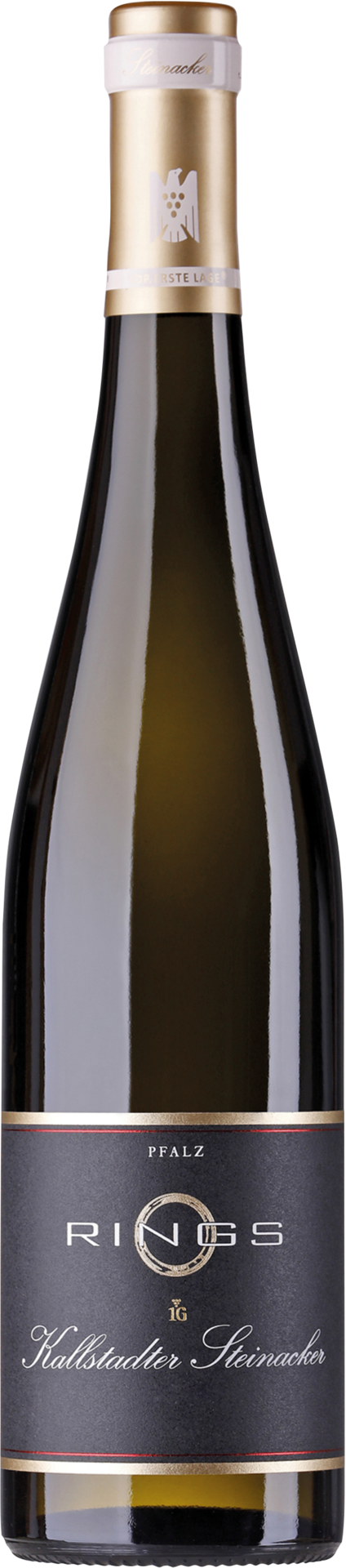
Premium (from €25): This level is aimed at anyone looking for a gift or planning a special evening. Almost a third of the assortment belongs here. Here, single-vineyard wines and Große Gewächse from the Pfalz, Mosel and Nahe stand alongside wines with AOC from Burgundy. Aging in wood and barriques gives these wines depth and structure. Producers such as Weingut Dr. Bürklin-Wolf, Louis Jadot, Bründlmayer and Domäne Wachau represent this class.
Origin & Subcategories
The largest origin is Germany. Riesling and the Pinot varieties dominate here, especially from the Pfalz, the Mosel, Rheinhessen, the Rheingau and Baden. You also have the Pfalz as a separate selection: Pfalz. Designations such as Qualitätswein and Großes Gewächs show you the quality level.
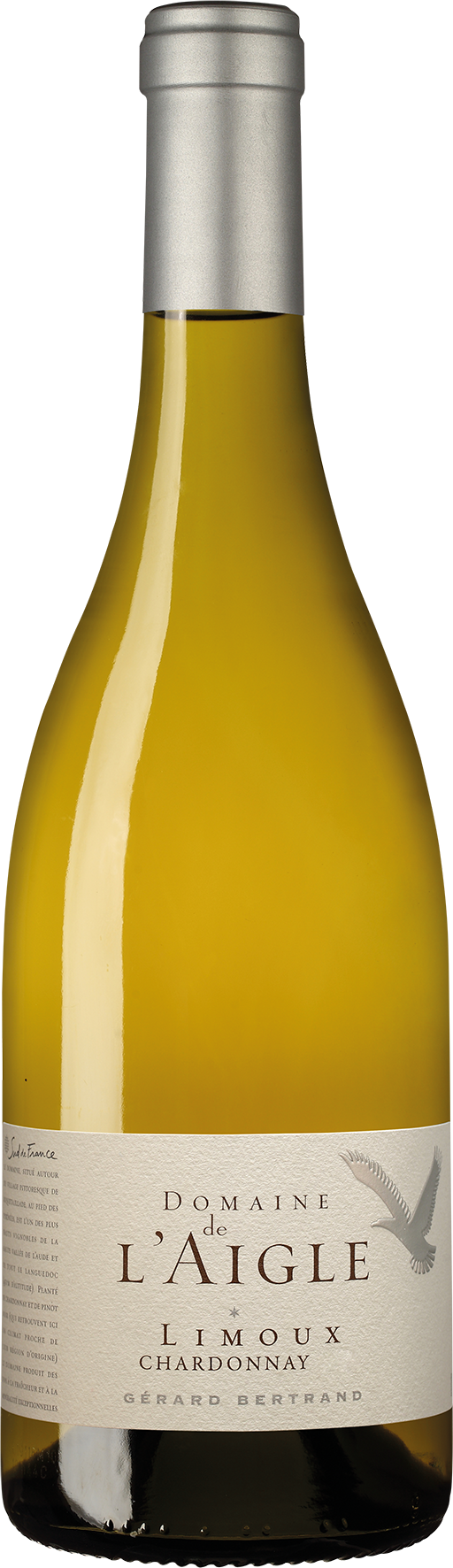
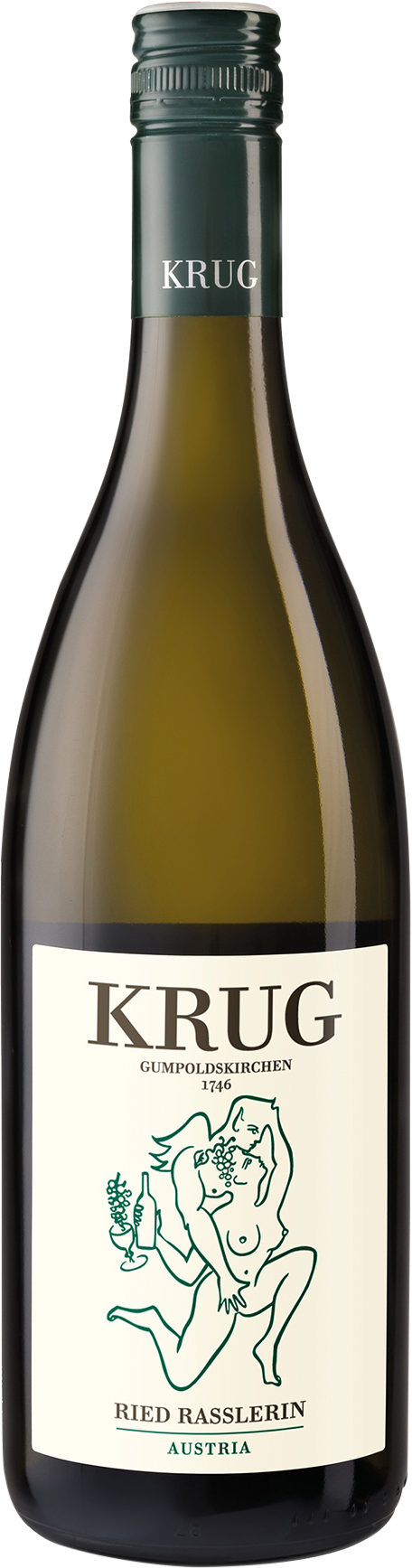
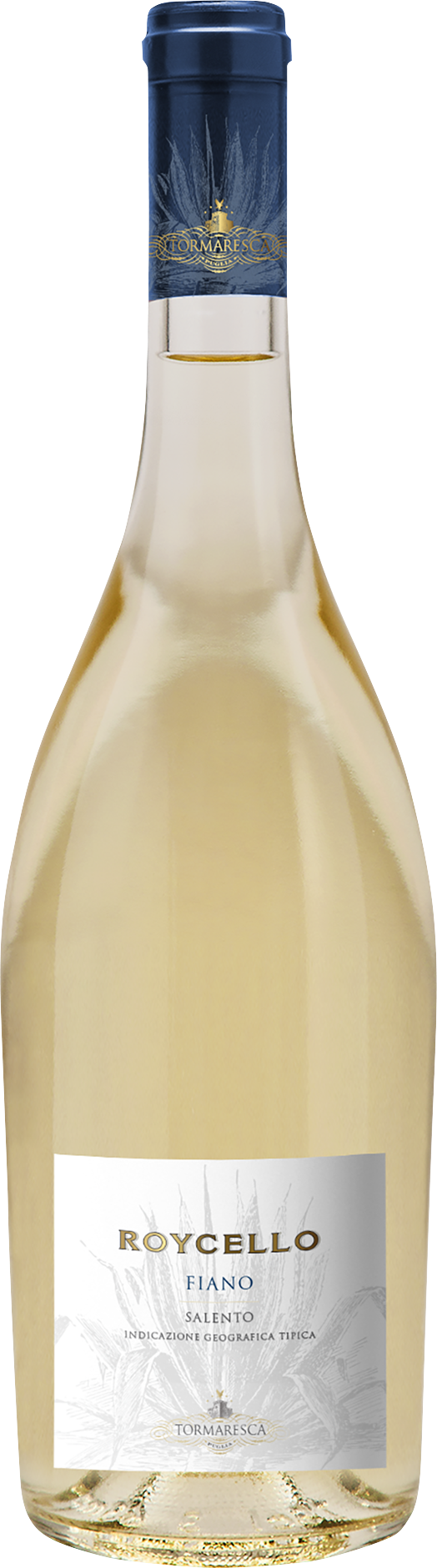
Wines from South Tyrol, the Veneto and Abruzzo come from Italy, mostly with DOC or IGT. France, with AOC wines primarily from Burgundy, stands for Chardonnay in a classic style. Austria brings wines with DAC origin and producers such as Bründlmayer and Domäne Wachau.
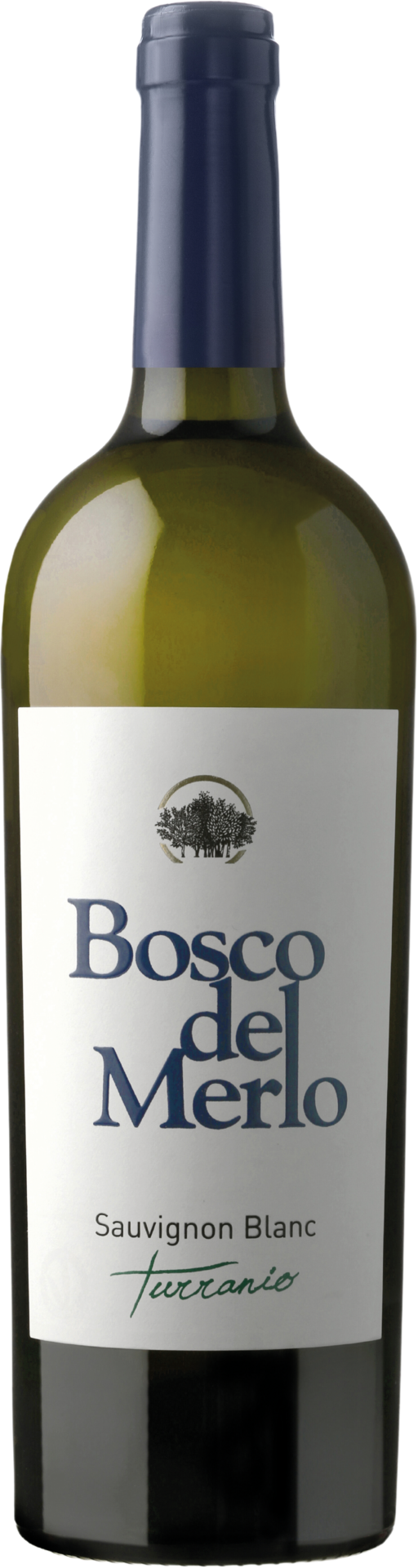
If you are looking by grape variety, you will find suitable selections for Riesling, Chardonnay, Sauvignon Blanc, Pinot Blanc and Pinot Gris.
Pairs well with
Dry white wine accompanies light to medium-heavy dishes. Fish and seafood go well with fresh wines from the steel tank. Asparagus, salad and soup harmonize with Riesling, Sauvignon Blanc or Pinot Blanc.
Poultry and veal can also handle wines with wood aging and more body. For Asian dishes, it is best to choose a fruity, lean wine. For everyday life, a wine from the entry level is sufficient. For guests and gifts, it is worth taking a look at the mid-range and premium levels.