More than five centuries of viticulture on the Ahr and Landskrone
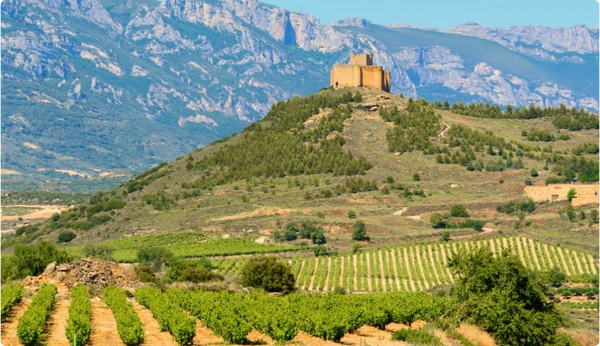
The history of the Nelles winery dates back to 1479 in documents: a tax register proves that Peter Nelis paid an unusually high tax rate for a vineyard on the Landskrone castle at that time — a hint at the extraordinary quality of this site, which remains a core part of the estate to this day. Over many generations, the family business in Heimersheim, located in the lower Ahr valley, developed into one of the most renowned wineries in the region. Since the early 1970s, Thomas Nelles has led the estate, having completed his apprenticeship as a winemaker at Adeneuer among others, and subsequently studied viticulture. Since 2012, his son Philip has been responsible for the cellar — with the next generation seamlessly continuing a family tradition spanning over five hundred years. Since 1994, the winery has been a member of the VDP (Association of German Prädikat Wine Estates), whose Ahr section Thomas Nelles helped co-found at the time.
Steep slopes, basalt, and a cellar that lets the wine breathe
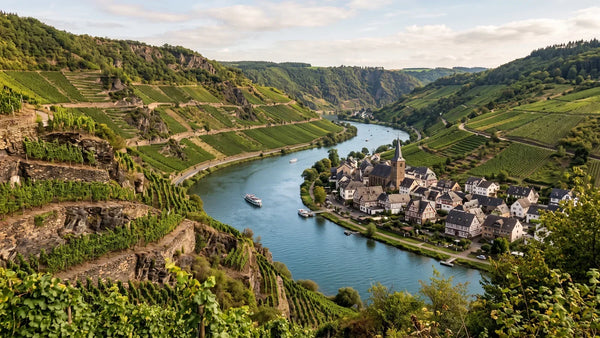
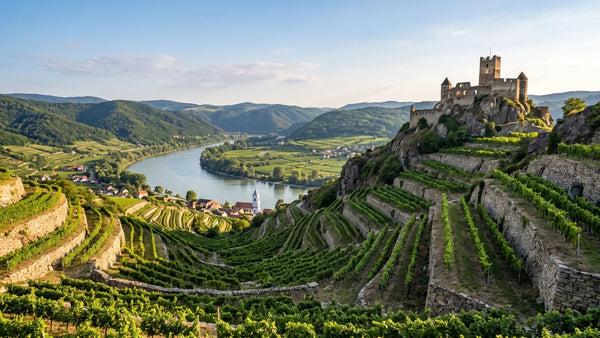
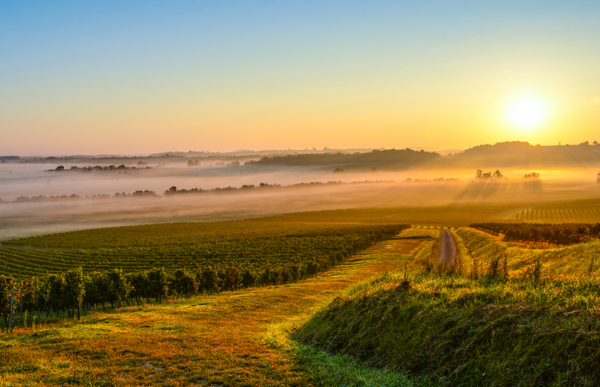
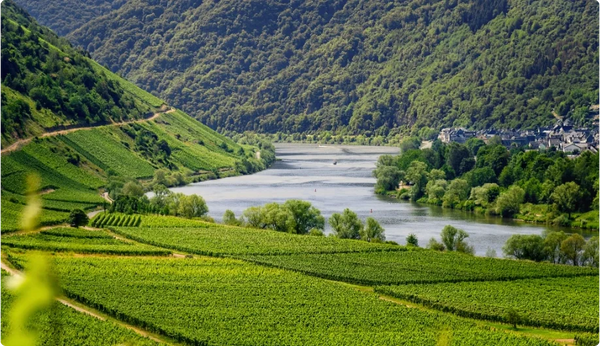
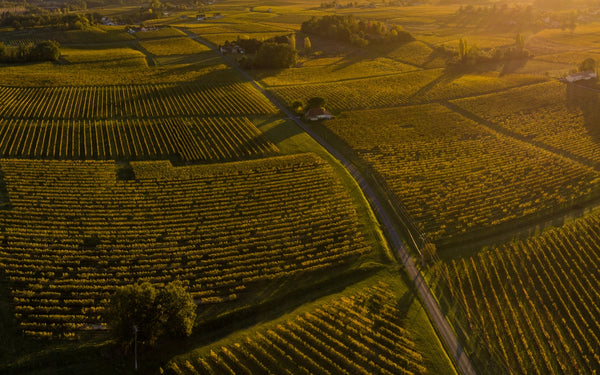
On 8.5 hectares, the Nelles family cultivates predominantly steep slopes with gradients of more than 30 percent — worked by hand, of course. The soils change depending on the site: Devonian slate and loess characterize the Schieferlay, while the Heimersheimer Burggarten lies on the only basalt cone in the entire Ahr valley, a spur of the Volcanic Eifel. This geology stores heat but at the same time brings the cool, lively acidity of the Ahr climate into the wines. The VDP.Grosse Lagen Landskrone, Burggarten, Schieferlay, and Sonnenberg form the backbone of the range.
In the cellar, a philosophy of controlled non-intervention applies: classic wooden barrel aging, minimal interference, filtration only in exceptional cases. All grapes are destemmed, which makes the tannins silkier from the start. Only ground rock flour is occasionally used for clarification. The Grosses Gewächs wines — the so-called B-wines — mature for at least two years in small barrique barrels. What the winery saves on technology, it invests in care: yield reduction in the vineyard and precise hand-harvesting are standard. Nelles also carries the FAIR'N GREEN certification.
Spätburgunder as a guideline — supplemented by Frühburgunder, Blanc de Noir, and Sekt
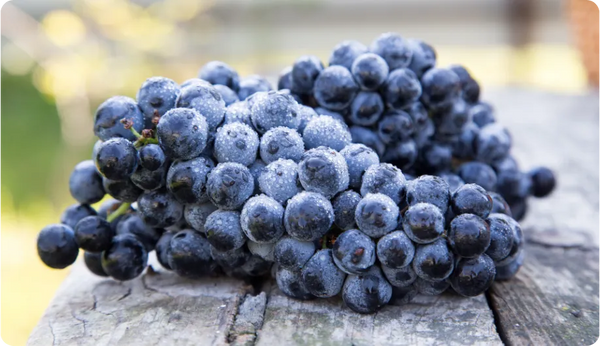
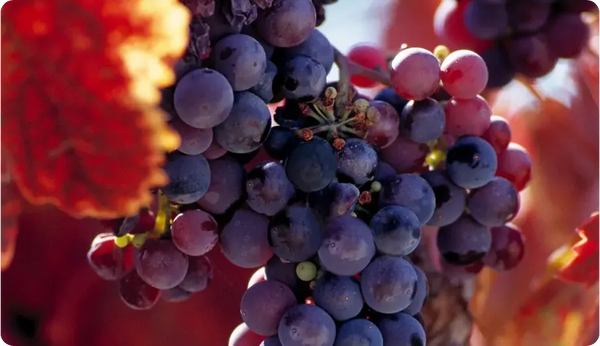
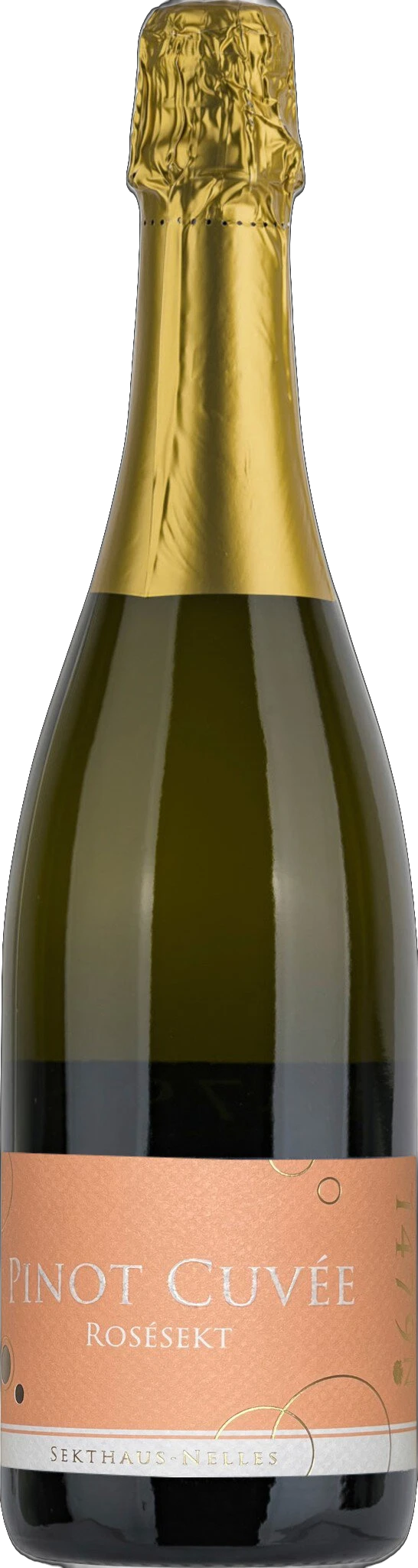
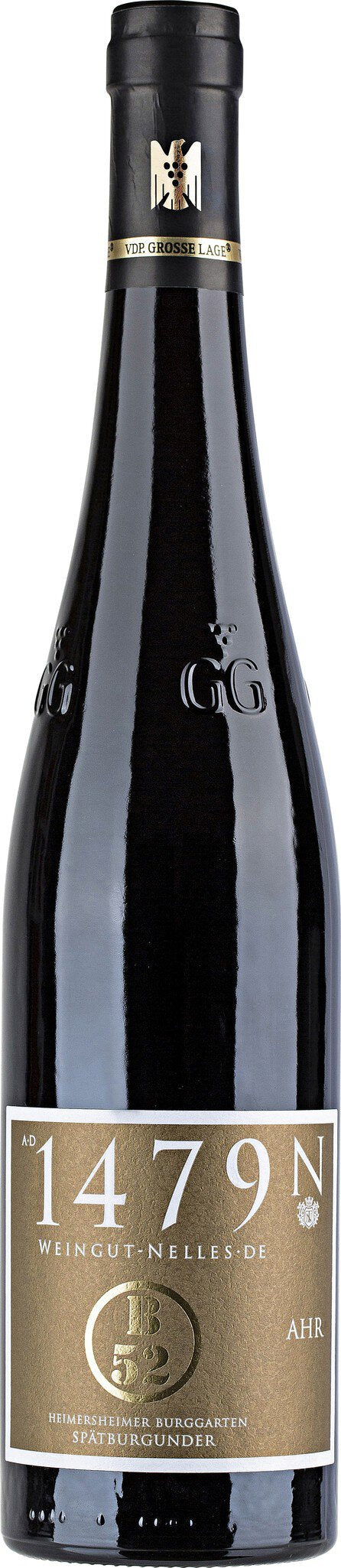
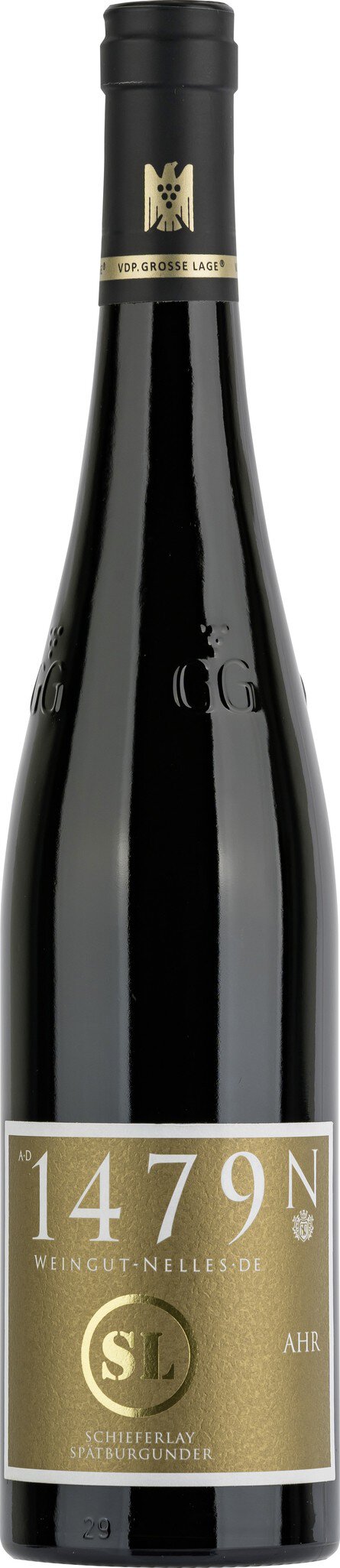
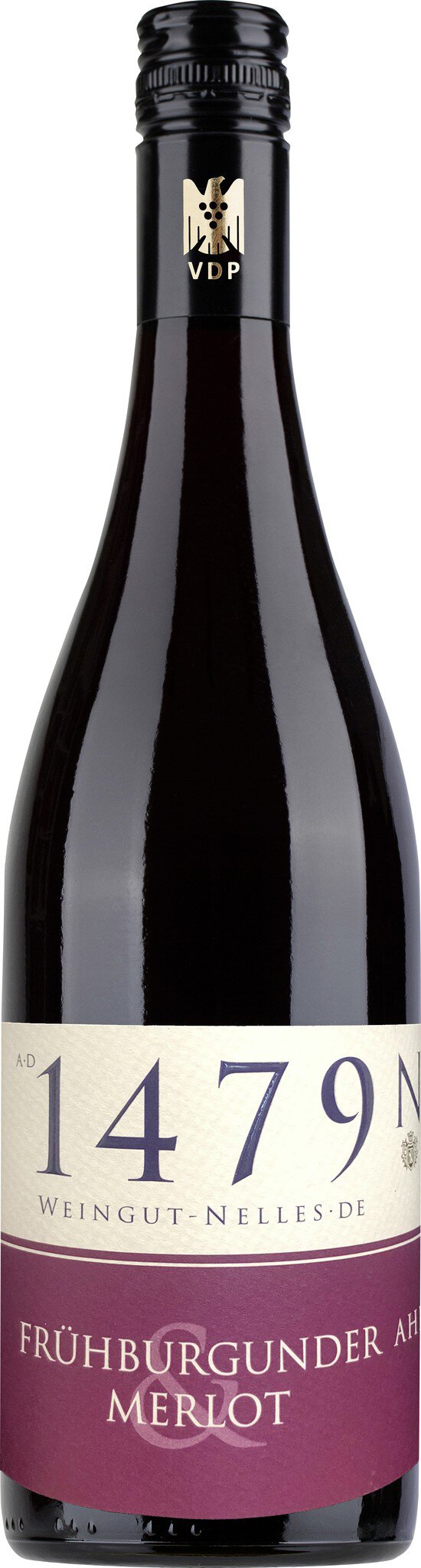
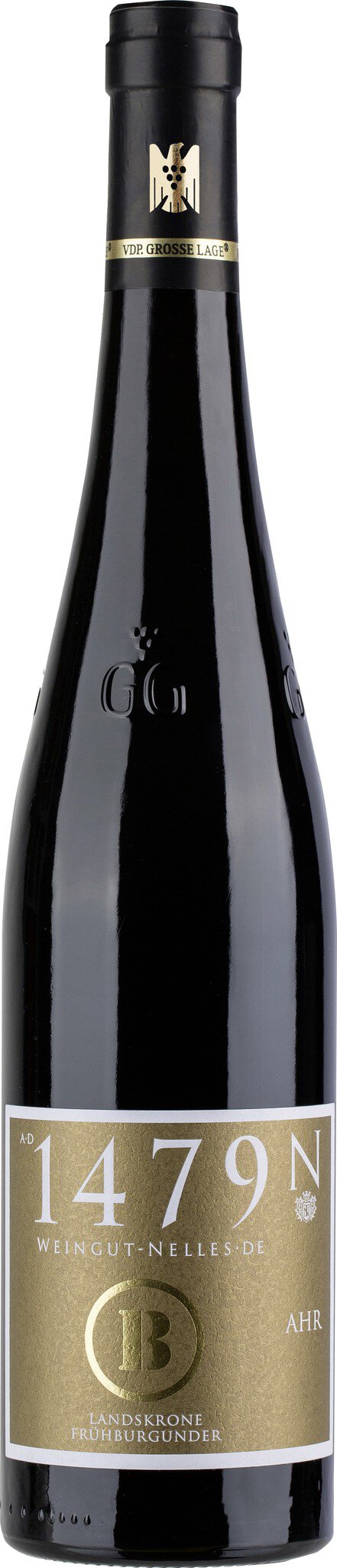
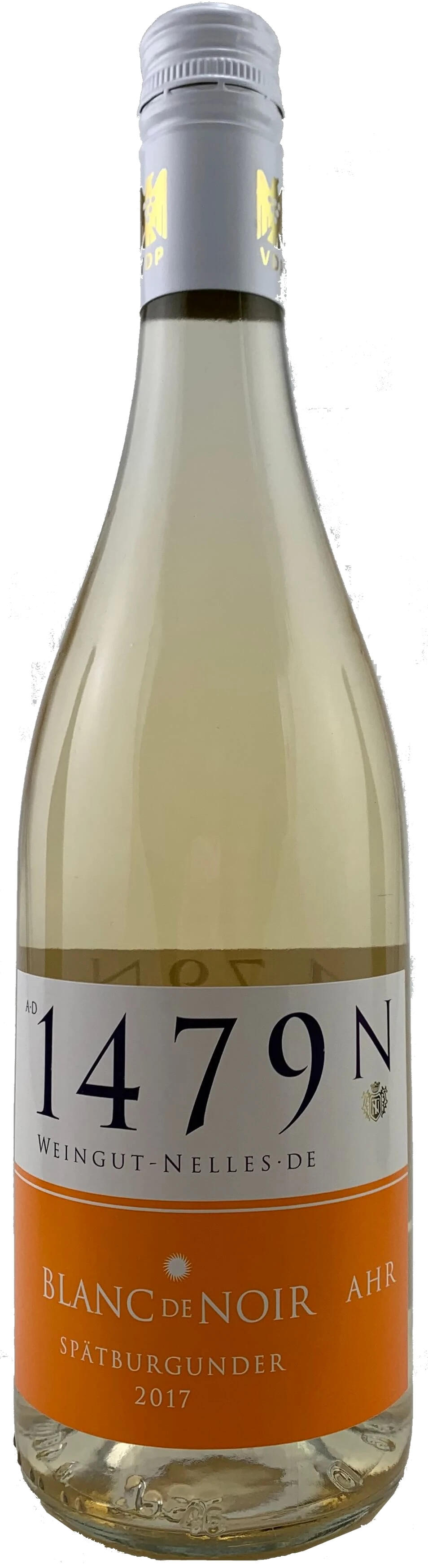
Around 65 percent of the vineyard area is dedicated to Spätburgunder — this is the clear commitment of an estate that has made the Pinot varieties of the Ahr its very own means of expression. At the top is the B-52 Burggarten GG: grown on basalt, aged for 15 months in barrique, with dark cherry, blackberry, elderberry, and fine roasted notes in tow — power and finesse in a glass that does not deny the cool-climate freshness of the Ahr valley. The Schieferlay brings a different type: more mineral, leaner, characterized by the Devonian slate. The Frühburgunder from the Landskrone shows why this grape variety finds its rarest and most convincing form on the Ahr — expressively velvety, with a characteristic spice that the Spätburgunder lacks. The portfolio is complemented by a Blanc de Noir, which vinifies the red grapes in a white wine style, a Frühburgunder-Merlot cuvée, and a traditional bottle-fermented sparkling wine — the Cuvée Pinot — which shows that the family's craftsmanship also has its place in sparkling wine.