From Willibald Näkel to the sisters: How a small Ahr winery wrote red wine history
The Meyer-Näkel winery was founded in 1950 through the marriage of Paula Meyer and Willibald Näkel in Dernau on the Ahr. At that time, Willibald farmed only about 1.5 hectares of vines — and focused on dry red wines, which were still largely uncommon in the region. The decisive leap came with Werner Näkel, who took over the business in 1982 as a career changer: The former high school teacher for mathematics and sports consistently repositioned the winery at the end of the 1980s, thereby creating a new stylistic term for Pinot Noir on the Ahr. The winery has been a member of the VDP since 1994. Today, Werner's daughters Meike and Dörte Näkel run the business in the fifth generation — as trained cellar masters and equal partners who continue to develop their father's legacy with their own signature.
Steep slopes, slate, and consistently low yields
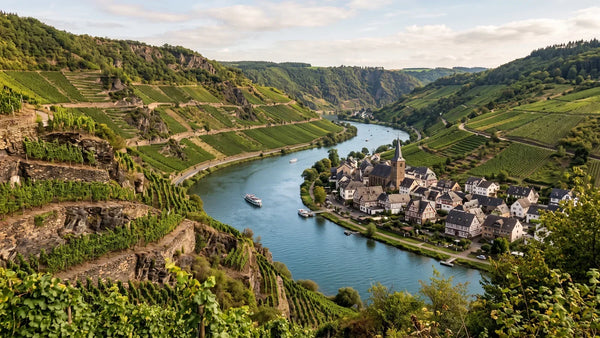
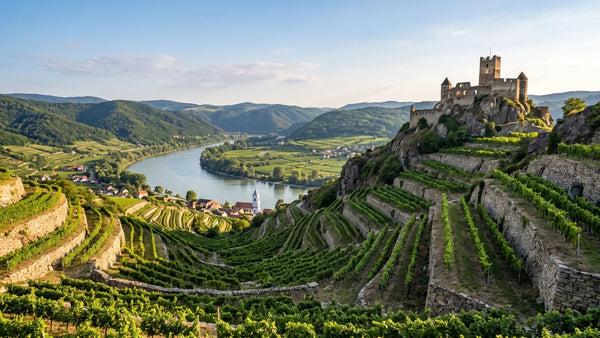
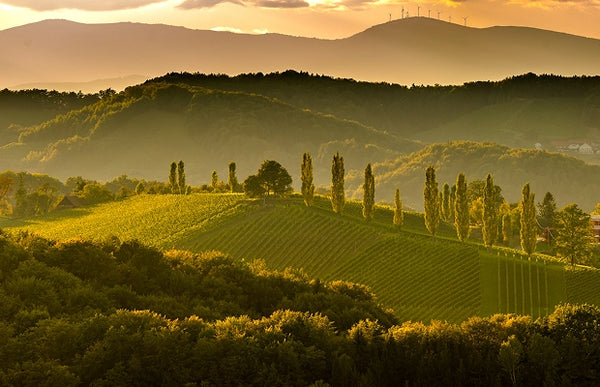
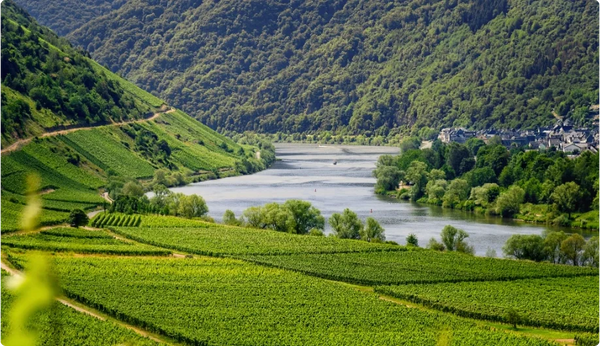
The winery farms about 20 hectares of vines, of which a good 90 percent are planted with Pinot Noir and Early Pinot Noir — almost exclusively in steep slate sites of the Middle Ahr. The slate soil stores heat, releases it slowly at night, and provides the vines with a skeletal, mineral-rich environment. Yield reduction and regional cover cropping are integral parts of vineyard work; herbicides and pesticides are avoided, and biodiversity is actively promoted. The winery is certified according to the FAIR'N GREEN standard for sustainable viticulture.
Manual labor dominates in the cellar: All grapes are harvested and selected by hand. Fermentation takes place primarily through spontaneous fermentation with natural yeasts; the red wines are partially fermented in open vats. Depending on the site and quality level, the wines mature in barriques or larger wooden barrels — gentle processing and long contact with fine lees are the cellar-technical constants behind the house's style.
Pinot Noir as the benchmark — from entry-level to the Grosses Gewächs
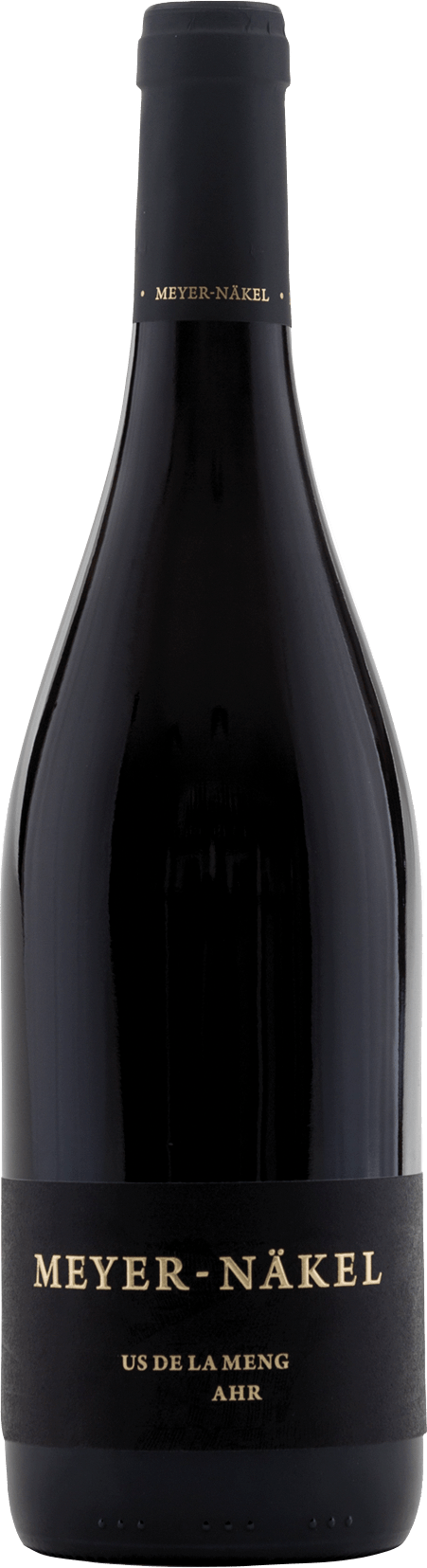
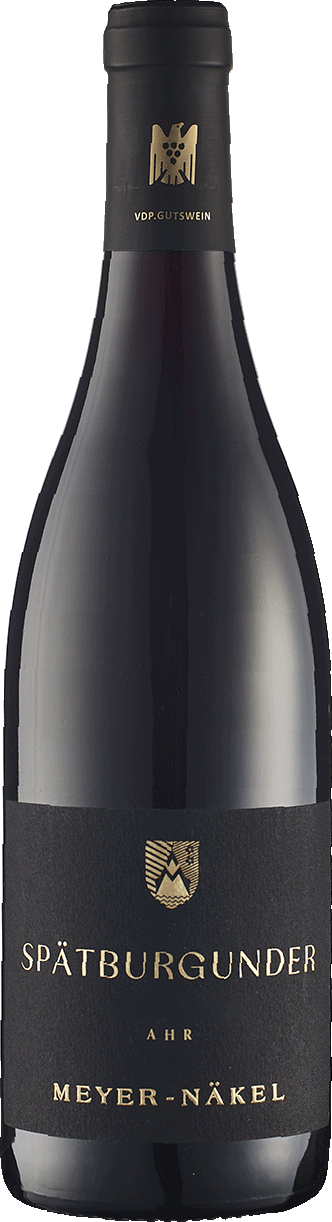
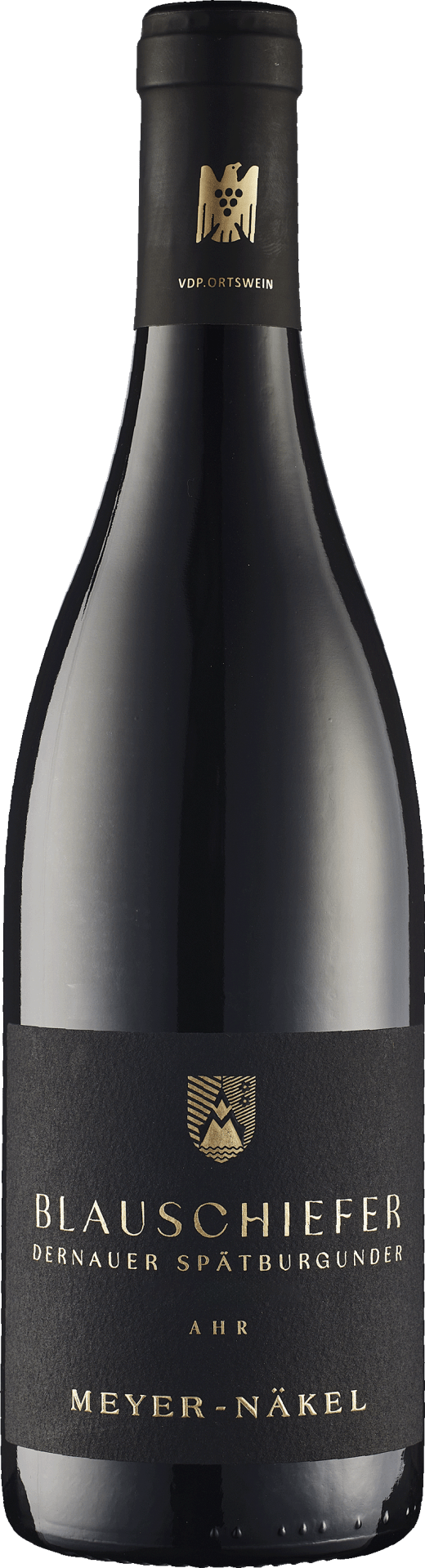
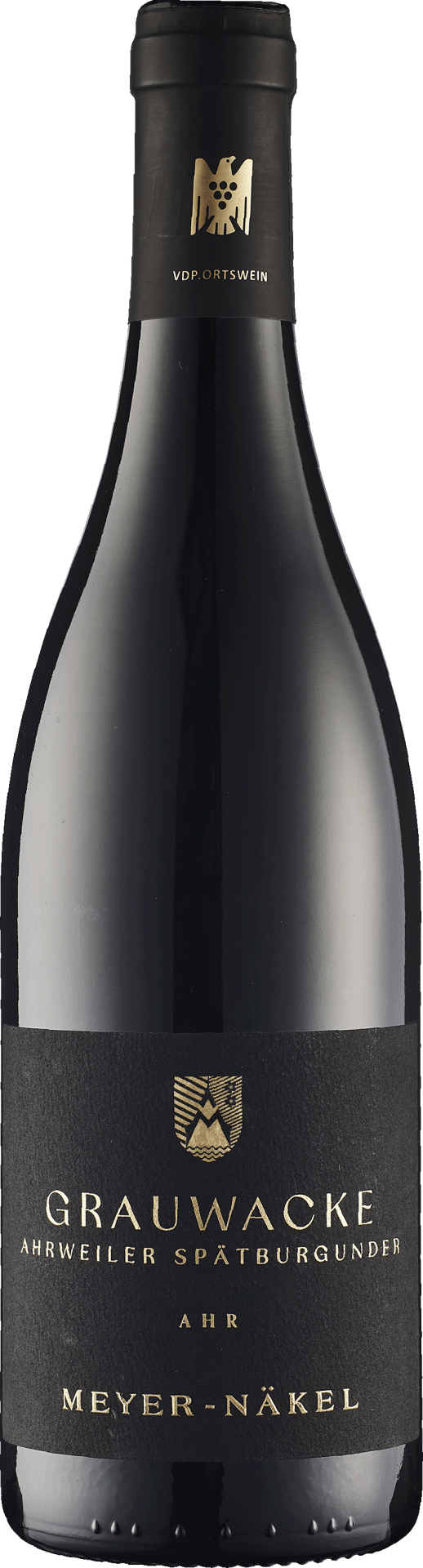
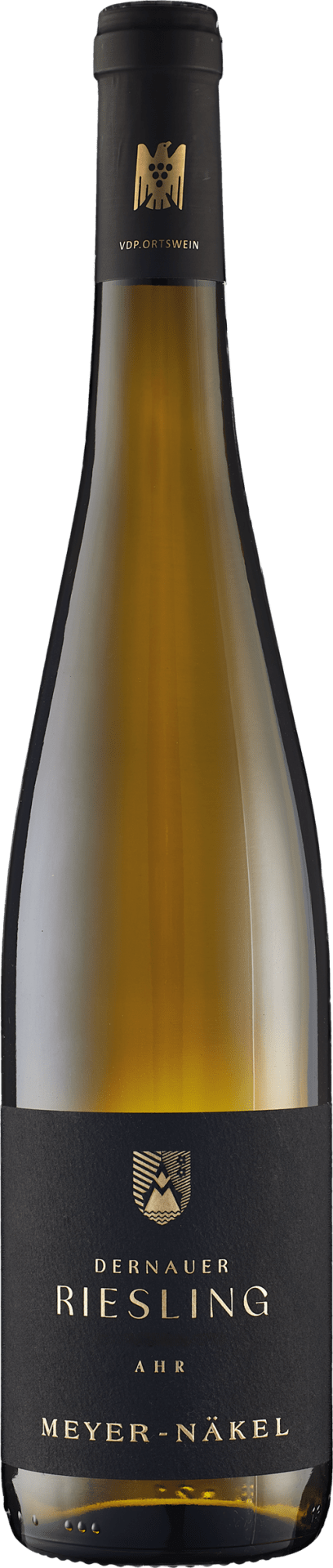
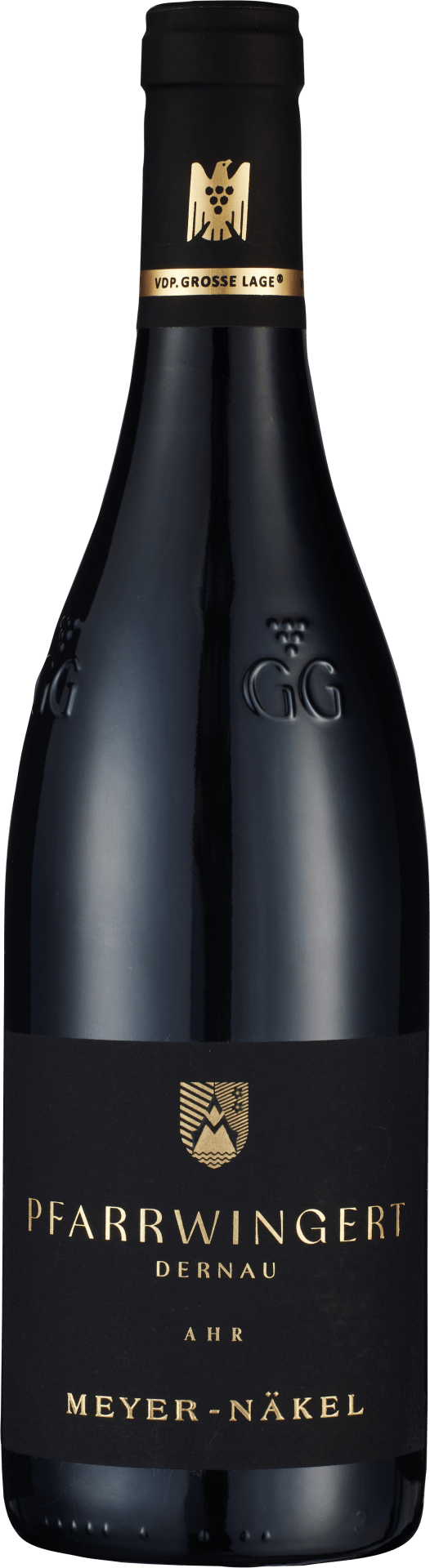
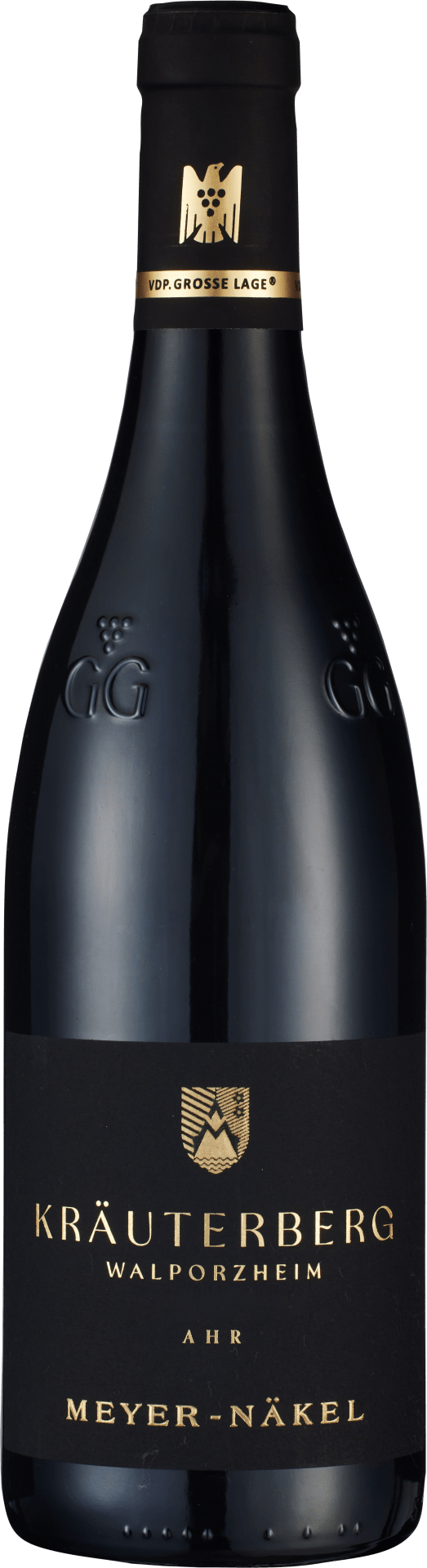
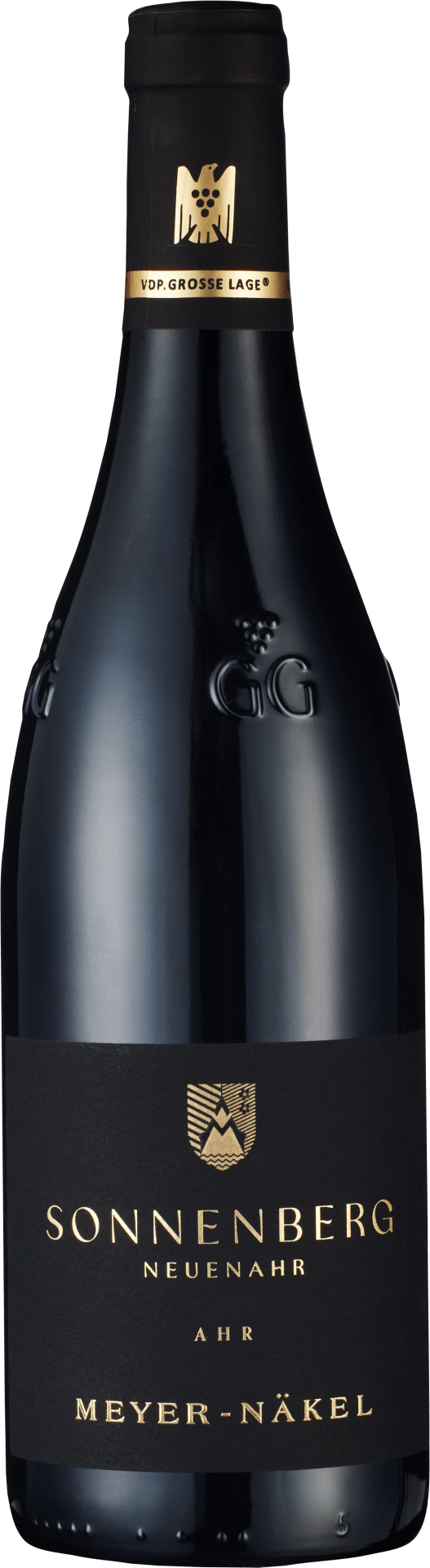
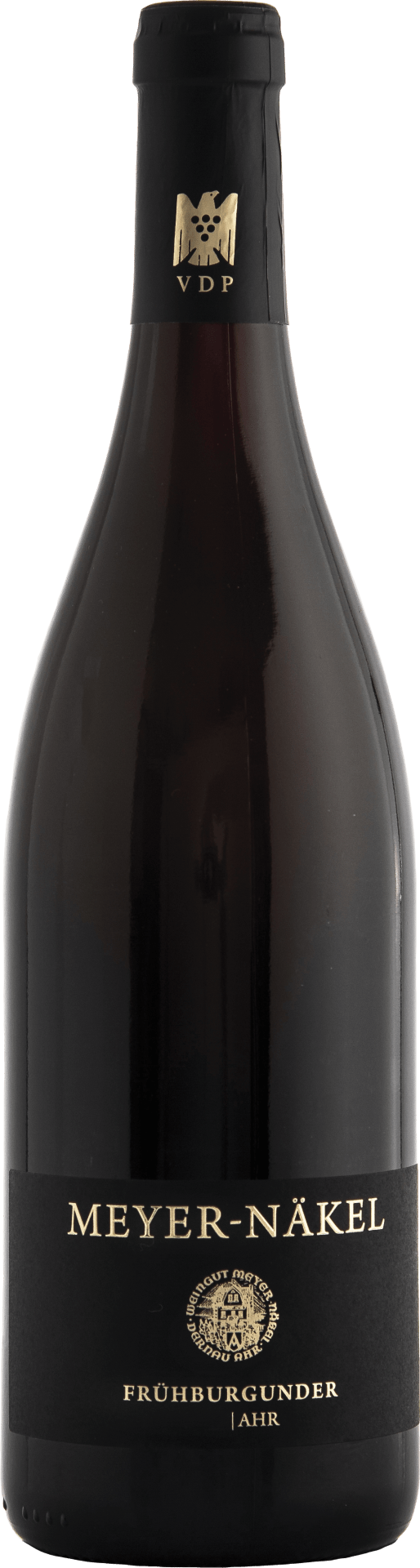
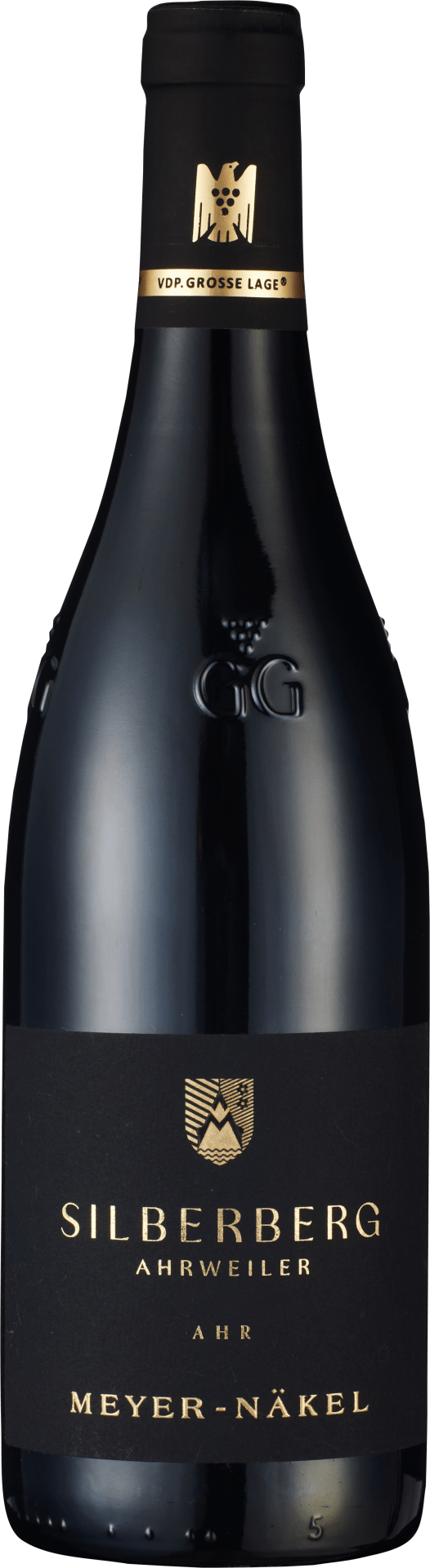
The focus is clearly on Pinot Noir, supplemented by Early Pinot Noir as well as, in smaller quantities, Riesling and Pinot Blanc. The range extends from site-typical estate wines — such as the "Blauschiefer" or the "Grauwacke", whose names refer directly to the Ahr's subsoil — to the Grosses Gewächs from four classified VDP sites: Dernauer Pfarrwingert, Neuenahrer Sonnenberg, Ahrweiler Silberberg, and Walporzheimer Kräuterberg. These sites produce red wines with dense red fruit, fine tannin structure, and a minerality that is directly shaped by the slate soil. The "us de la meng" — dialect for "out of the crowd" — stands as an accessible entry into the range without sacrificing site typicity. Those who delve deeper into the program will find in the Early Pinot Noir a rarely vinified rarity of the Ahr, which convinces with dark berry fruit and a spicy finish. All wines share a common aspiration: to make the terroir of the Ahr audible — not loudly, but precisely.