From Catalonia to the cool Green Valley
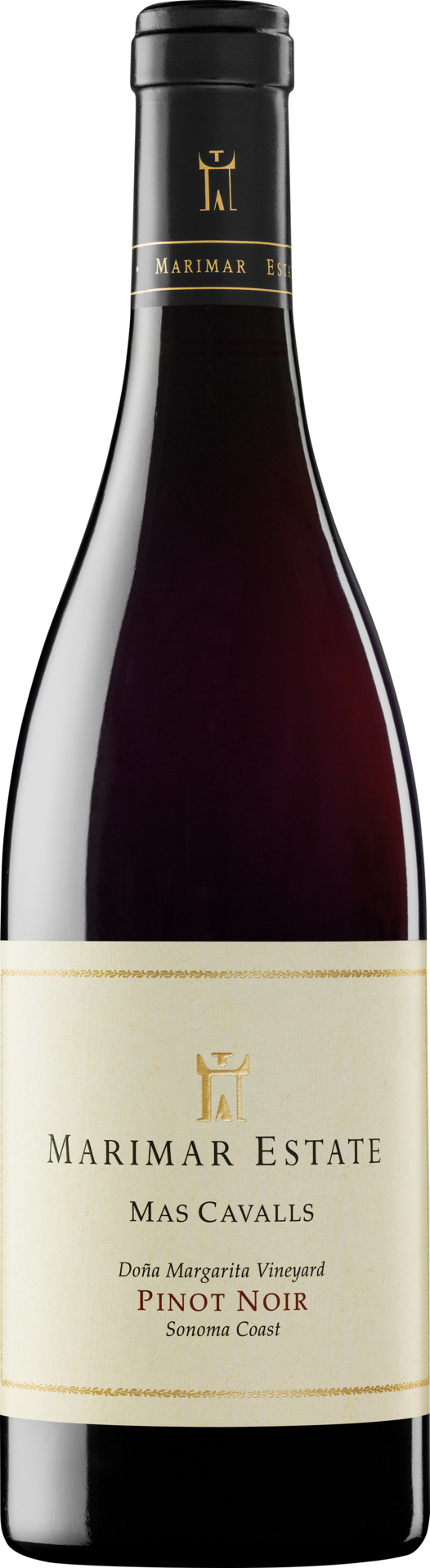
Marimar Torres grew up in one of Spain's most famous winemaking dynasties — the Torres family has been cultivating vines in Catalonia since the 17th century. But instead of remaining in the shadow of the family business, she first built up its export business in North America: she increased US sales of Torres wines from 15,000 to 150,000 cases annually. At the same time, she looked for a location of her own. After more than two years of intensive searching, she decided in 1986 against Napa Valley and for a plot of land in the cool Green Valley, shaped by Pacific fog — a sub-appellation of the Russian River Valley about ten miles from the coast. Soil reports confirmed what the climate promised: Goldridge sandy loam soils with a well-drained structure, ideal for Chardonnay and Pinot Noir. She christened the first vineyard Don Miguel, after her father. In 1992, the cellar was built with a capacity of 15,000 cases. In 2002, the Doña Margarita Vineyard was added — named after her mother, located on the windy West Sonoma Coast, and planted exclusively with Pinot Noir.
Today, Marimar Torres runs the winery together with her daughter Cristina, who joined the company in 2020 and took on the role of General Manager in 2023 — the first time in Torres history that mother and daughter have managed a winery together.
European planting method, Californian solar energy
What distinguished Marimar Torres from the regional standard from the beginning was the planting density: both vineyards are laid out in high-density European style with at least 2,000 vines per acre, and the vines are trained close to the ground. This significantly increases the workload, limits the yield per vine, and extends the lifespan of the vines — many of the original vines planted in 1986 still bear fruit today. The sustainability philosophy continued to develop over the decades: organic farming was introduced in the early 2000s, the estate has been 100% solar-powered since 2015, and it has held an official sustainability certification since 2017. In the vineyard, the team relies on regenerative methods: chicken farming for natural pest control, owl nesting boxes, beehives, and greened tractor paths promote biodiversity. A permanent vineyard team with deep site knowledge maintains both sites year-round.
Burgundy meets Catalonia — Chardonnay, Pinot Noir, and Iberian varieties
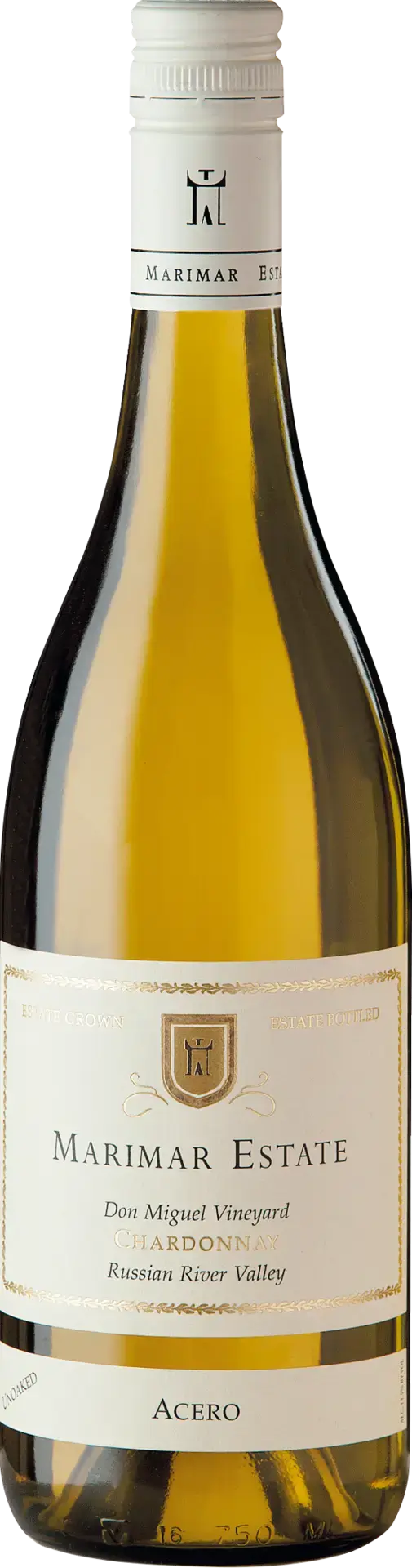
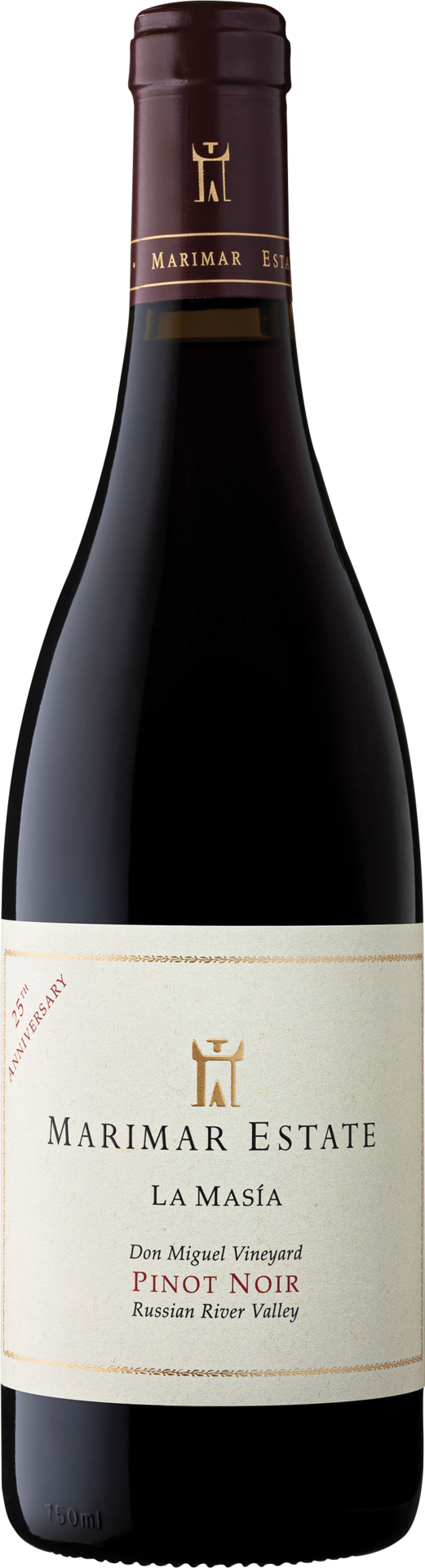
The stylistic core of the winery is Chardonnay and Pinot Noir, which ripen slowly in the cool Green Valley location and thus build up acidity structure and finesse. For the Acero Chardonnay, aging without new wood is the focus — the name refers to the stainless steel tank (Spanish: acero), which allows the fruit and the natural texture of the Goldridge soil to come through unadulterated. The La Masia Pinot Noir bears the name of the Torres family's Catalan manor house and stands for a medium-bodied, fruit-driven style with a fine tannin structure. In addition, the winery has been consistently growing Iberian grape varieties since the mid-2000s: Albariño, Godello, and Tempranillo grow on the Don Miguel Vineyard and show how Atlantic-influenced varieties from the Spanish northwest find a new form of expression in the cool Sonoma climate. Single-vineyard and Reserva bottlings are sometimes available exclusively through the in-house Club Marimar, as production numbers are between 100 and 200 cases.