From agriculture to the pinnacle of German Pinot Noir
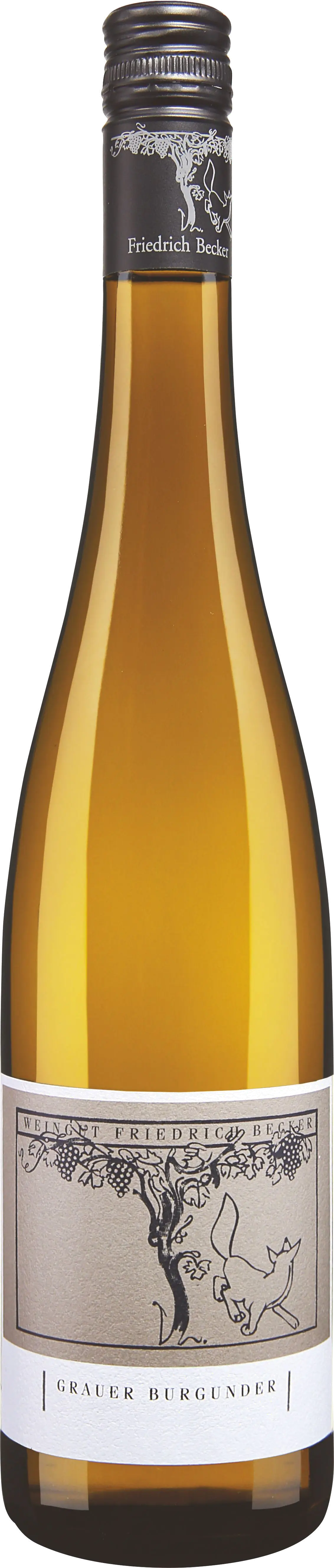
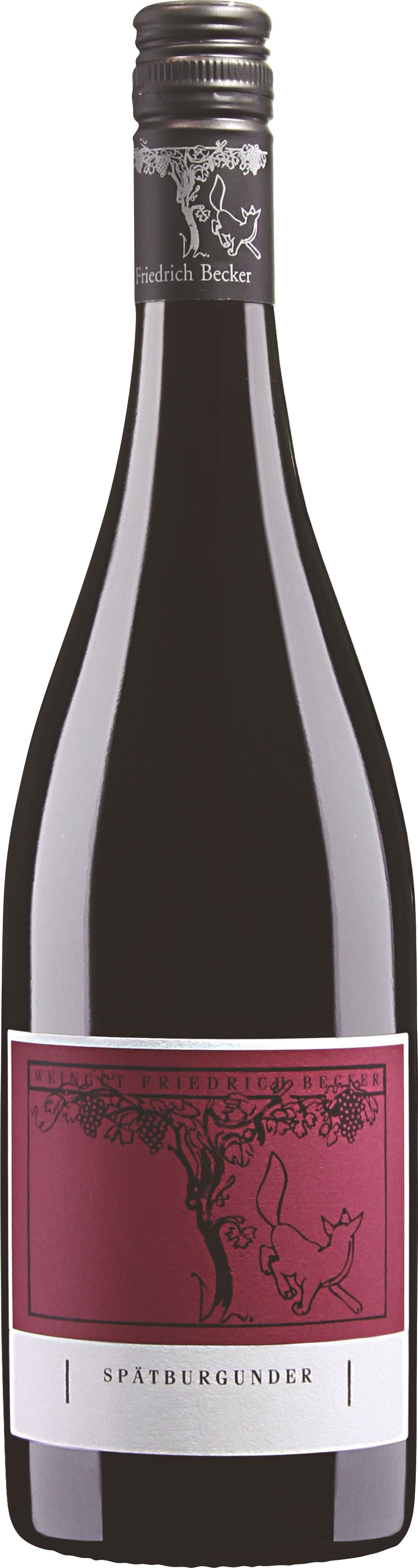
Like many farms in the southern Rhineland-Palatinate, the Becker family was a mixed agricultural business for generations—viticulture alongside arable farming and livestock. This changed in the mid-20th century when Friedrich Becker Sr. recognized the potential of the hillsides around Schweigen-Rechtenbach: limestone soils on the edge of the Palatinate Forest, right on the border with Alsace, with a terroir that is strongly reminiscent of Burgundy. A visit to the Domaine de la Romanée-Conti in 1968 sharpened his focus—and set the goal. In 1973, the first bottles were filled and labeled with the stylized fox, which has been the winery's trademark ever since. At the time, many professional colleagues doubted that Spätburgunder could even ripen in the Palatinate. Friedrich Becker Sr. was not deterred.
Today, father Friedrich Becker Sr. and his son Friedrich Wilhelm (Fritz) Becker run the winery together—in the seventh generation. The father is responsible for the work in the vineyard, Fritz Jr. for the vinification in the cellar. Since 2000, the estate has been a member of the VDP (Association of German Prädikat Wine Estates) and has been awarded four grapes by Gault Millau.
Border location, limestone soil, and a cellar that holds back
What distinguishes the Friedrich Becker winery geographically is its cross-border cultivation: the vineyards are located on both German and French soil, near Wissembourg in Alsace. Among the most important sites are the Sonnenberg, the Kammerberg, and the two monopoly sites Sankt Paul and Heydenreich—all classified as VDP.GROSSE LAGE®. Sankt Paul is a plot facing steeply south with extremely lime-rich soil that stores heat and produces mineral-dense, structured Pinot Noir. The Kammerberg is located on the French side and owes its reputation to a medieval Benedictine monastery, whose monks once stored the wines as chamber wines.
In the cellar, the principle of non-intervention applies: fermentation takes place without temperature control, nature determines the rhythm. Fritz Becker puts it directly—winemaking is a gut feeling, experience is a support, tradition is more important than trends. The red wines aged in barriques are generally not sold until four years after the harvest—a clear signal that the focus here is on structure and aging potential, not on quick marketing.
Pinot Noir as a core competence—and a growing range of white wines
Pinot Noir and Chardonnay are what Friedrich Becker Jr. calls his two favorite grape varieties—and the range reflects this conviction. The Spätburgunder form the backbone: dark fruit, fine tannin, a salty pull on the finish that reveals the mineral origin of the limestone soils. Aged in barriques, the great site wines show depth and length. In addition, Fritz Jr. has consistently worked on the white wines in recent years: Pinot Gris, Pinot Blanc, and Chardonnay from the same limestone soils—vinified dry, with fine fruit and clear structure. Riesling is also part of the program and benefits from the shell limestone terroir.
The entry-level range—including the Pinot Gris in the 0.375-l bottle and the Le Petit Pinot Noir—makes the Becker style accessible without compromising on craftsmanship. Anyone who gets to know the site-specific Pinots quickly understands why Schweigen-Rechtenbach has long since ceased to be an insider tip.