From Rivignano to the hills of Corno di Rosazzo — four generations of Collavini
The history of the winery begins in 1896 in Rivignano, a municipality in the province of Udine: Eugenio Collavini supplied local shops and the noble families of the region with wine there. His son Giovanni led the business through both world wars. The decisive step was taken by the third generation: Manlio Collavini moved the company headquarters to the hilly sites of Corno di Rosazzo and moved into a fortified villa from the 16th century — the Villa Zucco-Cuccagna — as the new heart of the winery. From there, one can overlook the sites of Rosazzo, the Collio, Ruttars, and Cormons at a glance. Today, Manlio's sons Giovanni and Luigi manage the winery, which is now in its fourth generation of Friulian viticulture.
Pioneering work in the cellar and on the market
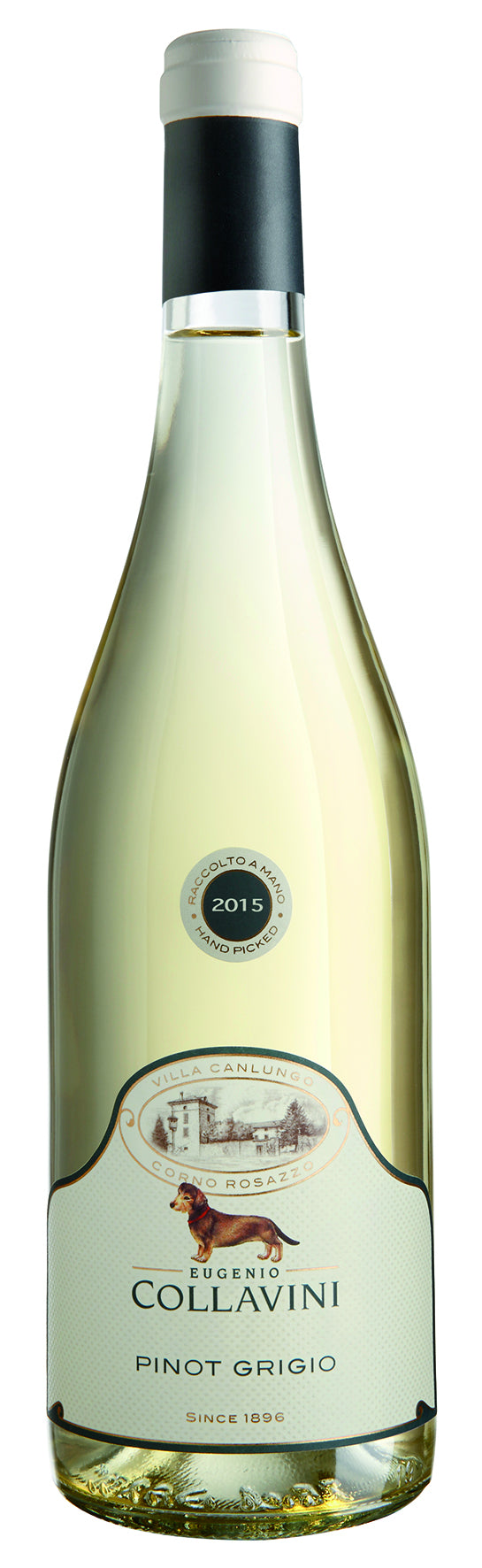
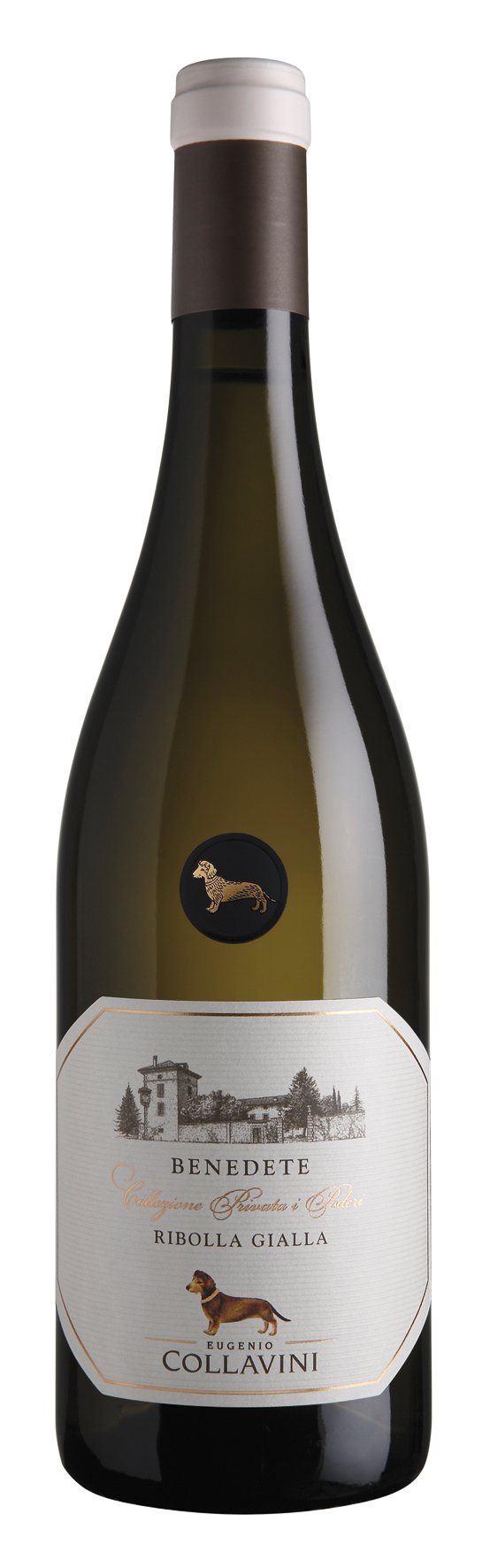
Manlio Collavini shaped not only the business but an entire region. He was among the first producers to vinify Pinot Grigio as a white wine — at a time when the variety in Friuli was still aged as a copper-colored wine in dark bottles, influenced by Austrian cellar tradition. Manlio filled his Il Grigio into transparent Bordeaux bottles to make the light, clear color of the wine visible, and thus set a standard for the entire region. 1971 followed the first sparkling wine from Pinot Grigio. Even more defining was what followed at the end of the 1970s: Manlio dedicated 4.5 hectares to the indigenous variety Ribolla Gialla and developed his own method for sparkling wine production with the so-called Collavini process — a combination of classic bottle fermentation and the Martinotti-Charmat method. Today, the family manages over 170 hectares of vineyard area in the two most renowned DOC sites of the region: the Collio and the Friuli Colli Orientali.
The soil of both appellations is characterized by Ponca — alternating layers of marl and sandstone of marine origin, which give the wines salinity and a subtle minerality. The climate is determined by the interplay of two forces: the cold Bora from the north preserves the natural acidity, while warm southern winds from the Adriatic Sea bring ripeness and volume.
White lead variety, Friulian depth — the Collavini assortment
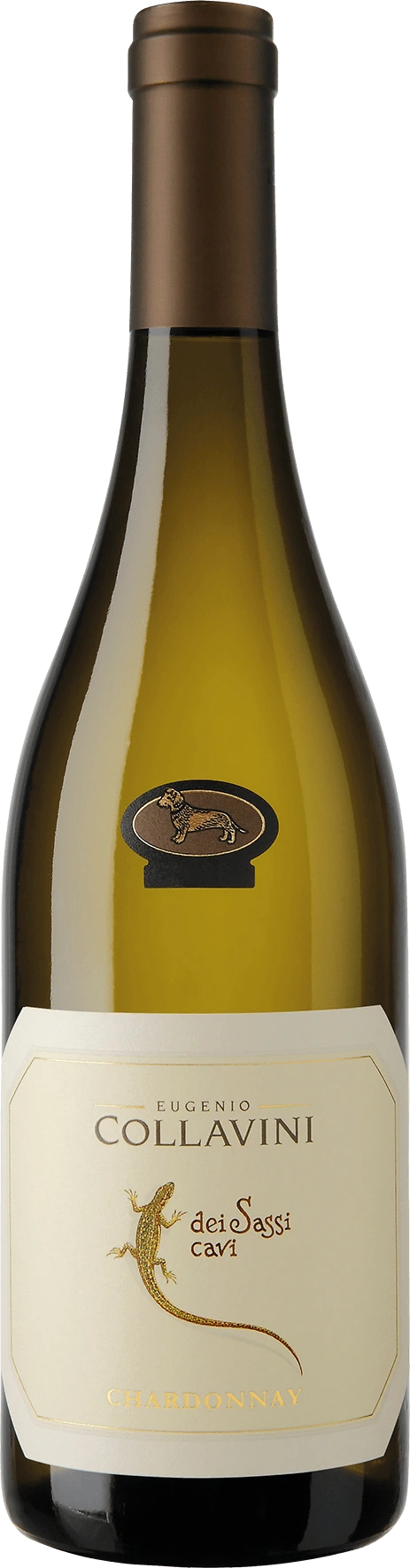
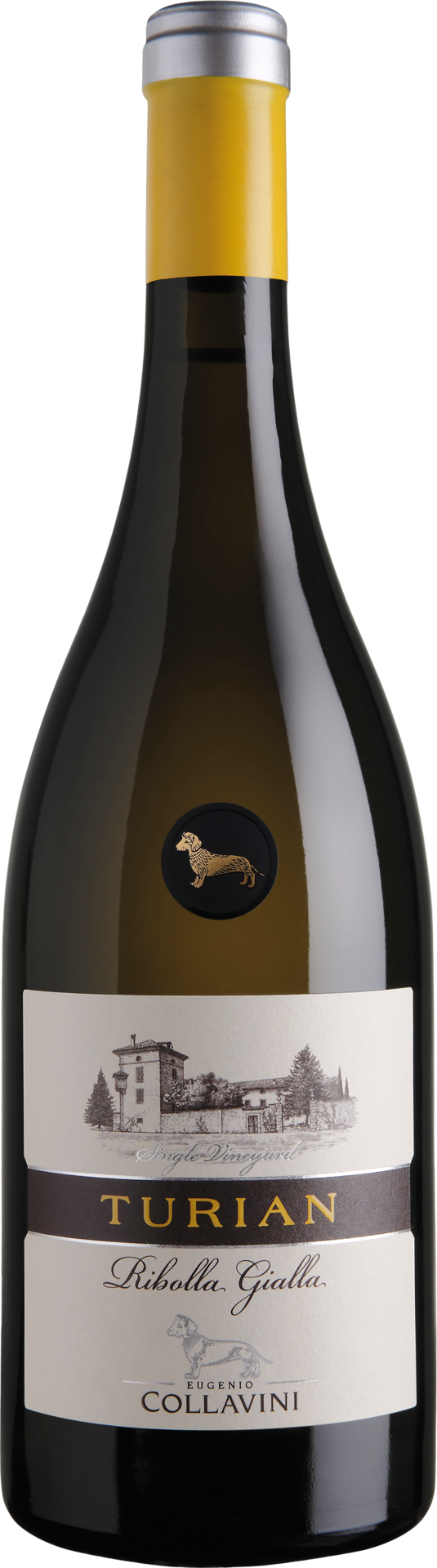
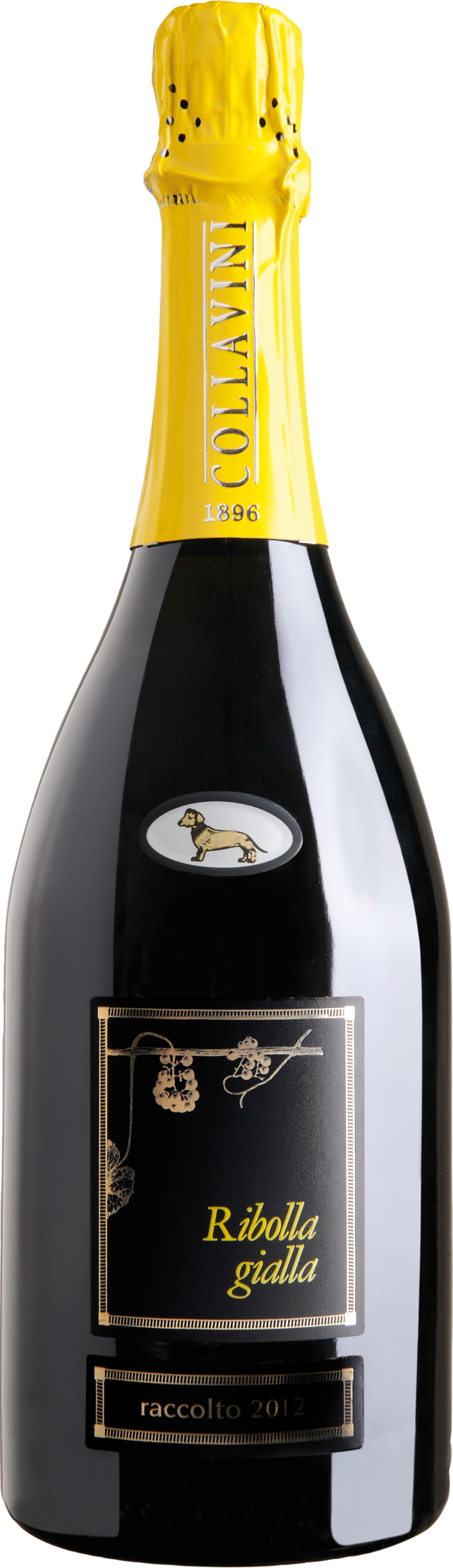
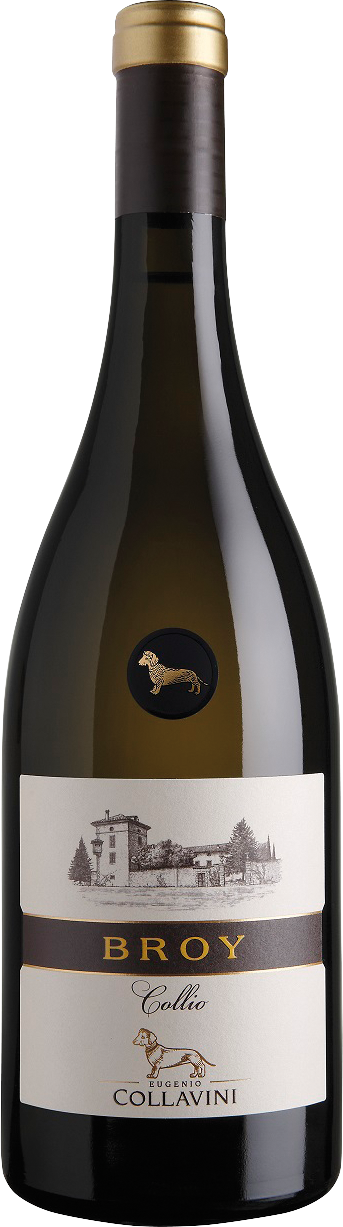
The assortment reflects the conviction that white wines rule in Friuli. Ribolla Gialla is at the center: as a still Turian from the historic vineyard on the Rosazzo hill — near the abbey of the same name, where Benedictine monks cultivated the variety as early as the late 13th century — and as a lively sparkling wine Ribolla Gialla Brut according to the Collavini process. Alongside this is Broy as the house's white cuvée, in which Friulano, Chardonnay, and Sauvignon Blanc show the characteristics of the Collio bundled together. The Villa Canlungo Pinot Grigio and the Sauvignon Blancfumat stand for varieties whose expressiveness here on slate and marl gets a clear, salty line. What connects the wines of Collavini: little to no wood influence, but rather the immediate expression of the terroir — fresh, precise, with recognizable origin from the northeastern tip of Italy.