From the oak forest to the Adriatic coast: the roots of the Paladin family
The name says it all: Bosco del Merlo — forest of the blackbirds — goes back to an old field name that is recorded in historical maps of the area and reminds of the oak forests that once covered this stretch of land. In 1977, Valentino Paladin founded the winery in Annone Veneto with the goal of creating wines that make the potential and identity of the terroir between the eastern Veneto and western Friuli visible. Based on this founding idea, his children Carlo, Lucia, and Roberto Paladin consistently expanded the estate. In the 1990s, about 50 hectares of vineyard area were added in the small municipality of Lison di Portogruaro — thus the winery grew to a total of about 100 hectares in the DOC area Lison-Pramaggiore. Today, the third generation, Francesca and her cousin Martina, continues to run the winery and carries the founder's idea into the present.
Reasoned viticulture: the 4V principle as a lived attitude
What distinguished Bosco del Merlo from many estates in the region from the very beginning was the consistently scientific view of the vineyard. Shortly after its founding, the estate worked with the Istituto Sperimentale per la Viticoltura di Conegliano to understand, through zoning analysis, which grape variety thrives best on which soil, parcel by parcel. For decades, renowned oenologists such as Franco Bernabei as well as experts from the agricultural and oenological faculties of the universities of Padua and Milan accompanied the cellar strategy.
The result of this long engagement is the in-house concept of Reasoned Viticulture — summarized in four principles: Vine (Vite), Green (Verde), Wine (Vino), Life (Vita). The vineyard is considered an ecosystem that should preserve biodiversity and ensure qualitative yields. Specifically, this means: no use of chemical agents, sulfur content significantly below legal limits, and soil cultivation geared towards long-term sustainability. Bosco del Merlo has been awarded the Equalitas certificate.
Two soils, one style: the range between Veneto and Friuli
The geographical dual nature of the winery directly shapes the character of its wines. On the Venetian side, the so-called Caranto dominates — a clayey-calcareous soil of fluvio-glacial origin with characteristic layering — which gives the red wines structure and depth. On the Friulian side, however, there is skeletal gravel and crushed stone soil at the foot of the Carnic Alps, which charges the white wines with minerality and aromatic precision. The climate between the Adriatic coast and the foothills of the Alps brings maritime thermals and cool mountain winds into harmony — a constellation that allows for long ripening times on the vine and secures the acid structure of the wines.
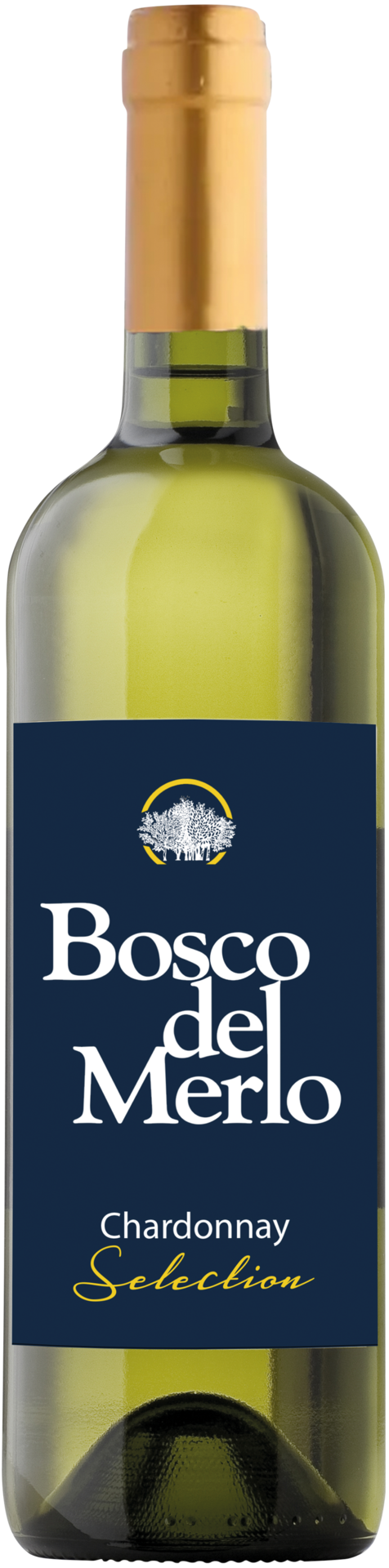
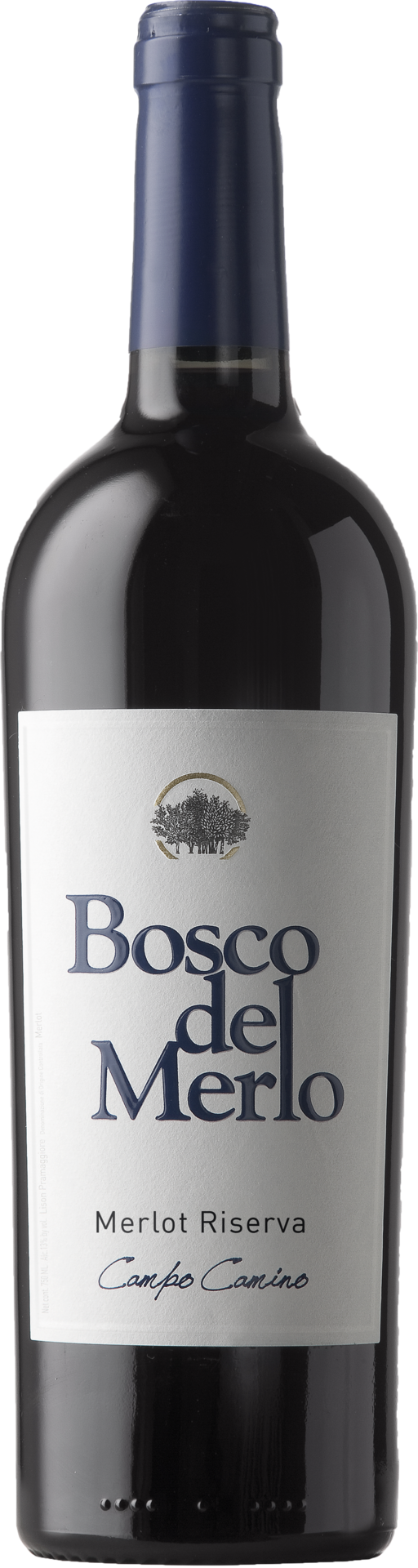
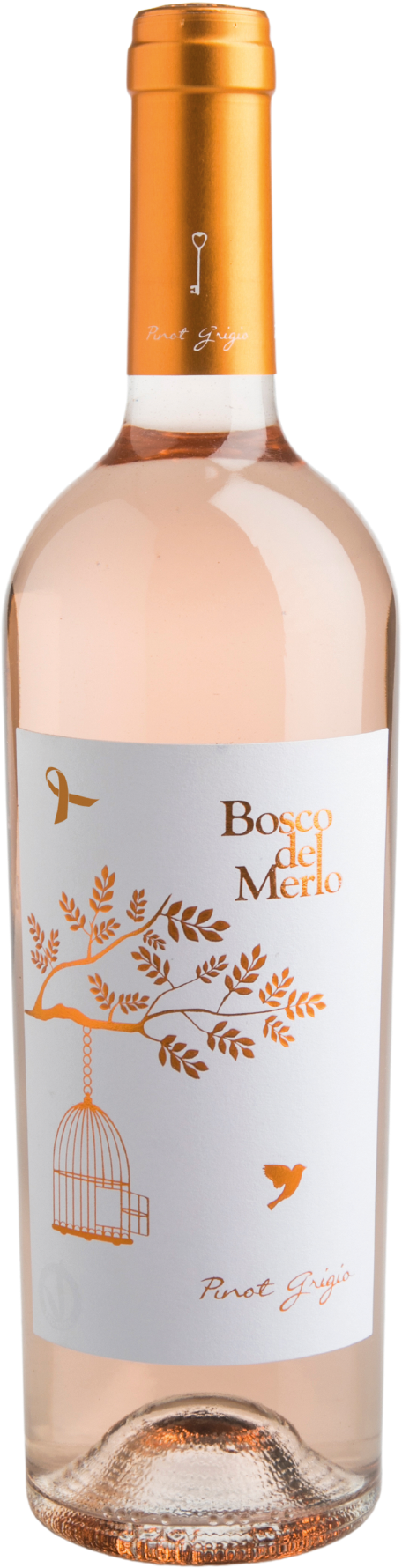
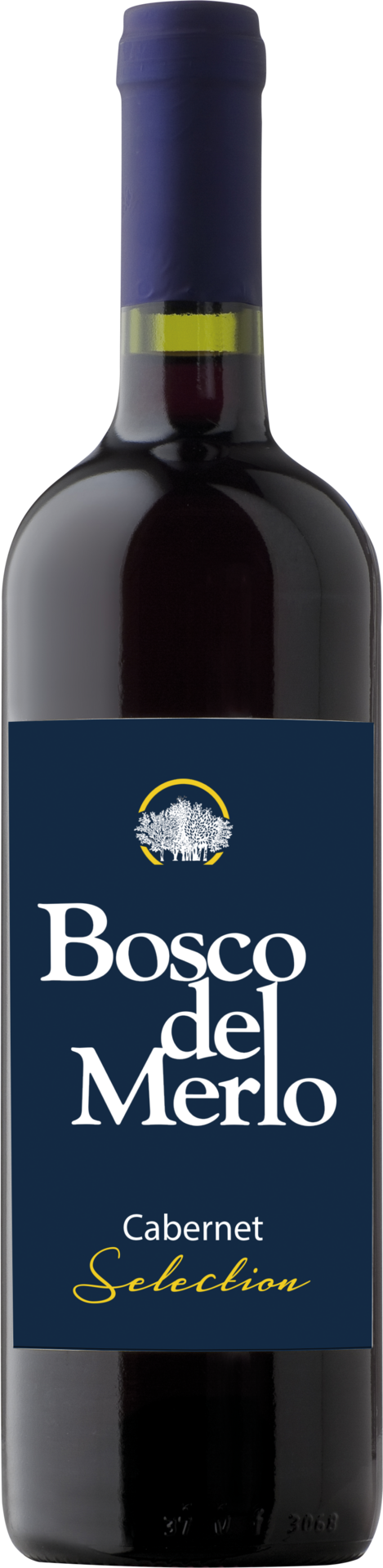
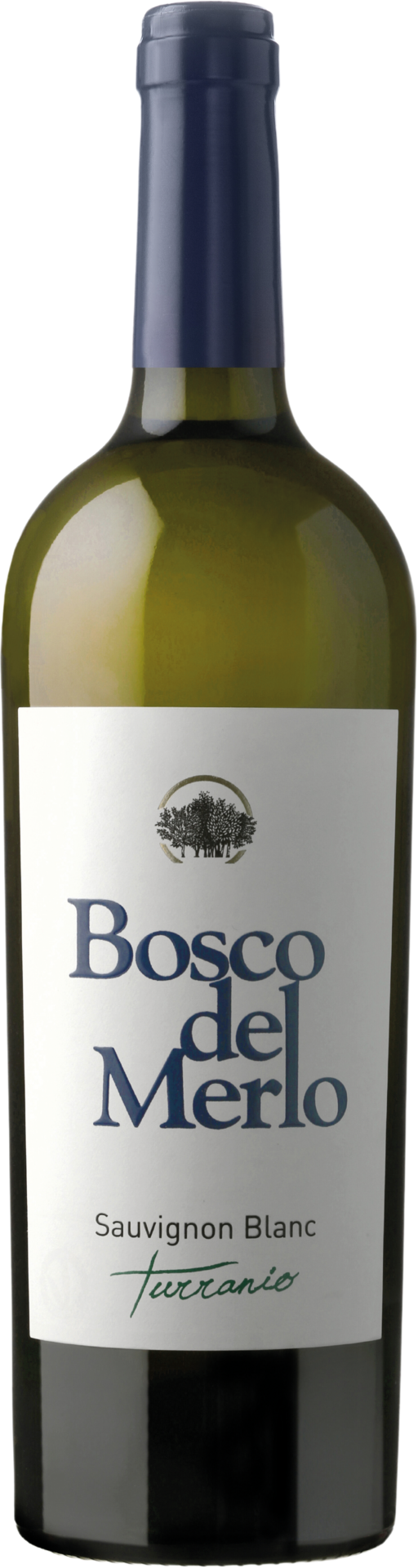
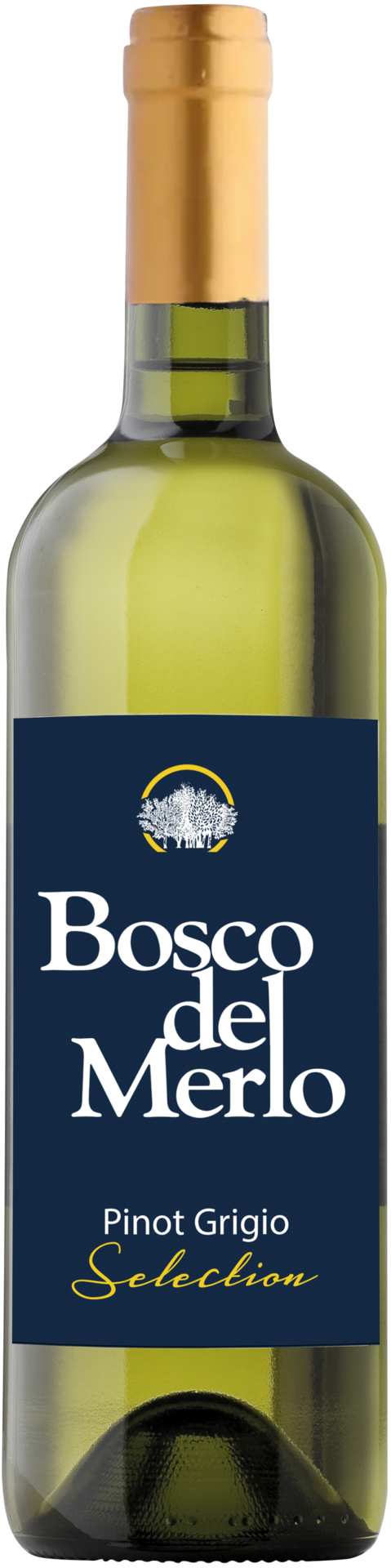
The range reflects this terroir diversity: from the Sauvignon Blanc Turranio DOC Friuli with its herbal freshness to the Pinot Grigio in both the classic and rosé variants, to full-bodied red wines made from Merlot and Cabernet Sauvignon — including the barrel-aged Merlot Riserva Campo Camino DOC Venezia. In the cellar, temperature-controlled stainless steel tanks and traditional oak barrels as well as barriques work side by side, depending on the grape variety and the desired wine style. What connects all labels is the house's interpretation: varietal typicity before accessibility, terroir before gimmicks.