In Gumpoldskirchen since 1746: One family, one region, one line
The history of the Krug winery dates back to 1746 — and has continued without interruption through Gumpoldskirchen, about 20 kilometers south of Vienna. What began as a small family farm is today one of the best-known wineries in the Thermenregion. Responsible for viticulture is Gustav Krug, who runs the business together with his wife Sabine: while she manages the traditional Heuriger tavern "Altes Zechhaus" — an ensemble with a core dating back to the 14th century — Gustav Krug focuses on wine production. 1998 marked a decisive turning point: the wine cellar was relocated, and a modern, functional facility was built in the middle of the vineyards — close to the raw material, close to the soil.
Natural cultivation on loam and limestone: What is decided in the vineyard
The Krug winery's assortment grows on 35 hectares of the best sites around Gumpoldskirchen. The soils of loam and limestone, the mild climate along the Thermenlinie — conditions that even the ancient Romans appreciated — form the basis for powerful, structured wines. Viticulture follows the guidelines of natural production: careful maintenance of the vineyards and strict selection of healthy, ripe grape material are the focus. Only what meets the quality standards reaches the press house. A total of eleven different grape varieties are cultivated, with the main focus on the varieties typical of the region.
A special feature of the cellar: selected rarities and specialties are bottled in large formats — from magnum to jeroboam and beyond — because the larger volume promotes more even maturation.
Rotgipfler, Zierfandler and more: The profile of Krug wines
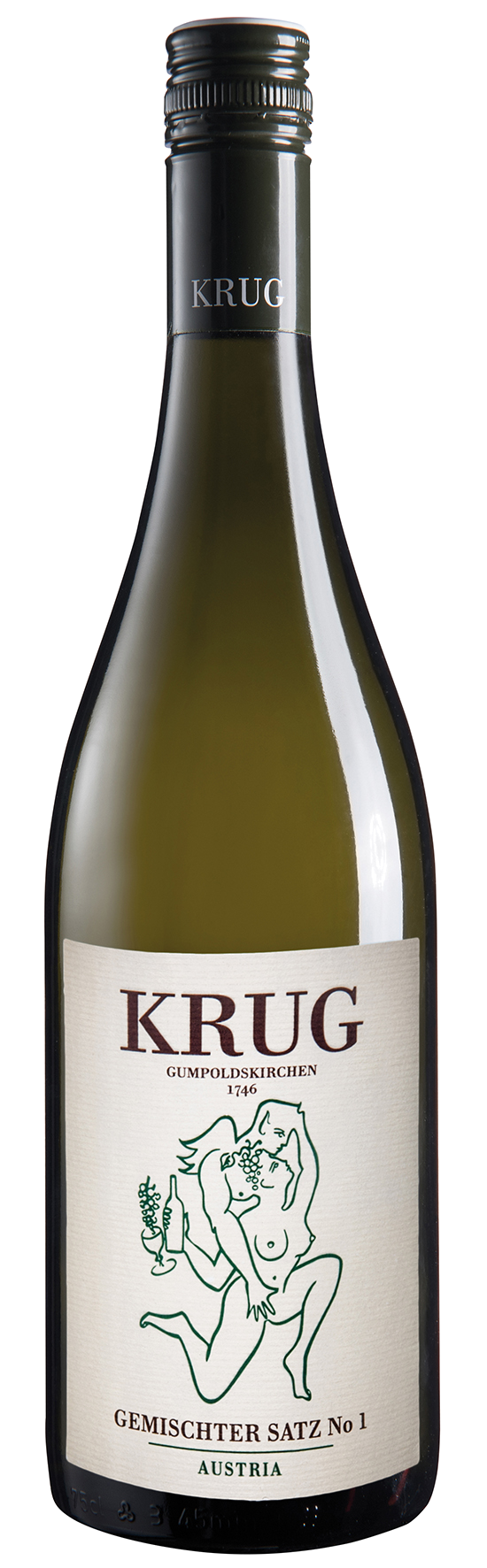
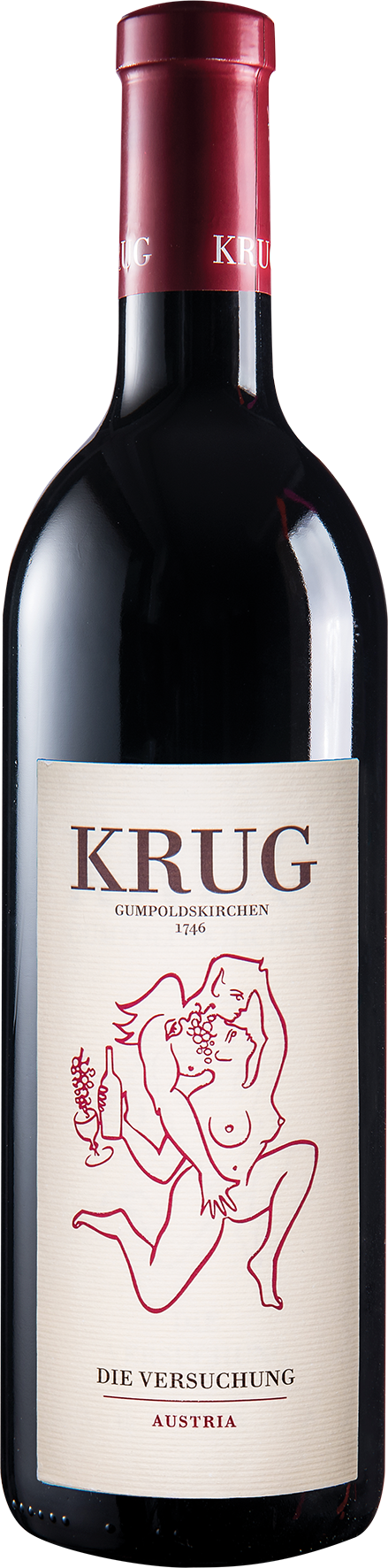
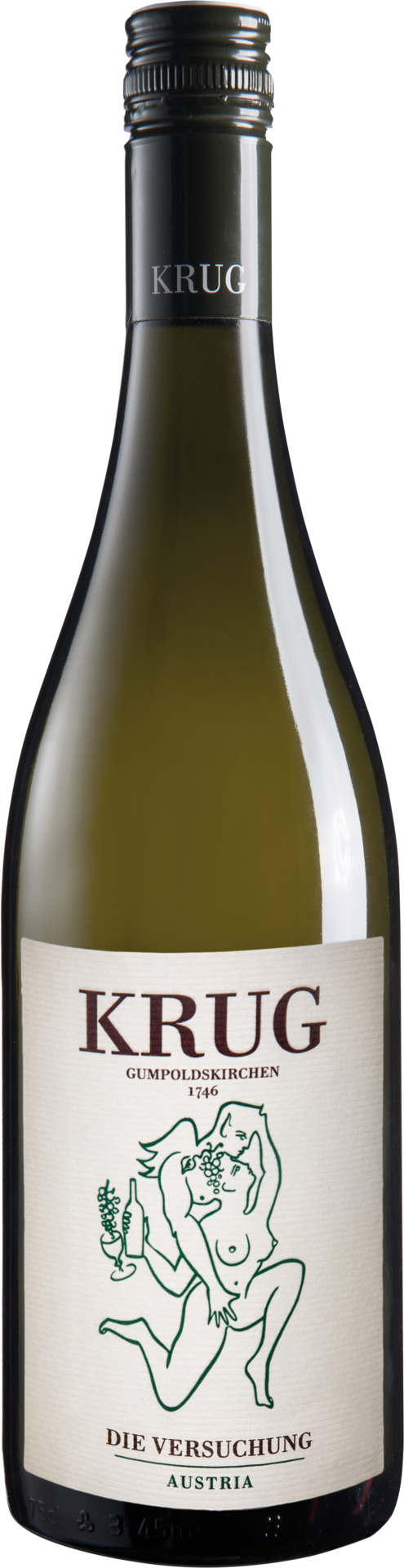
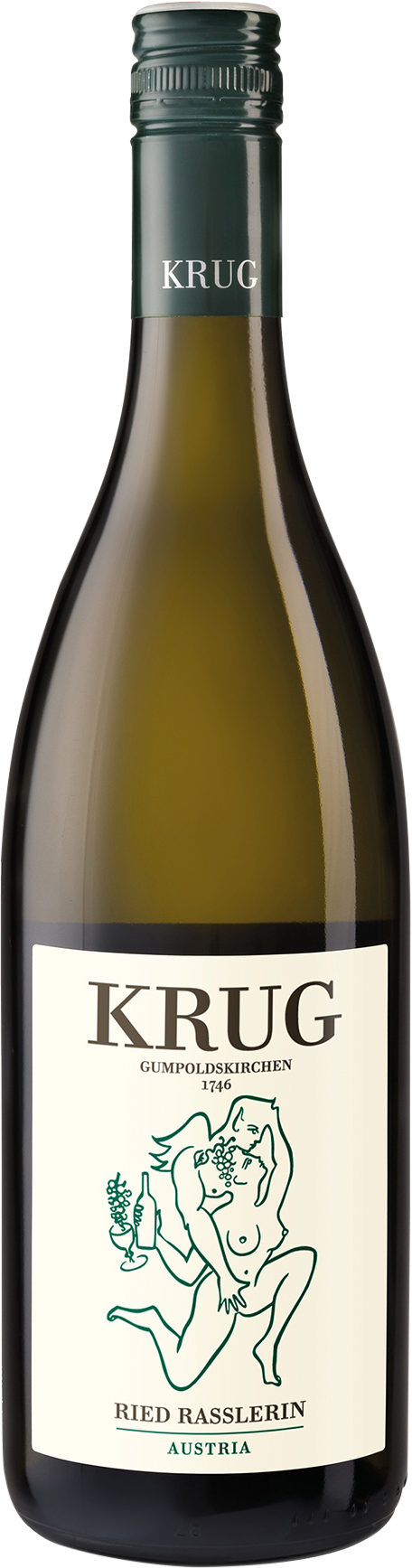
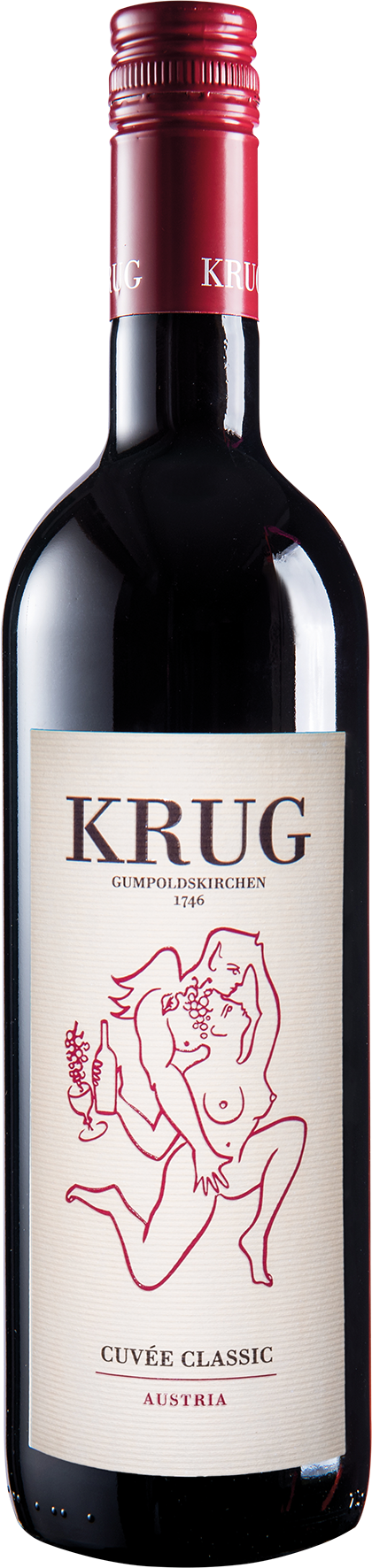
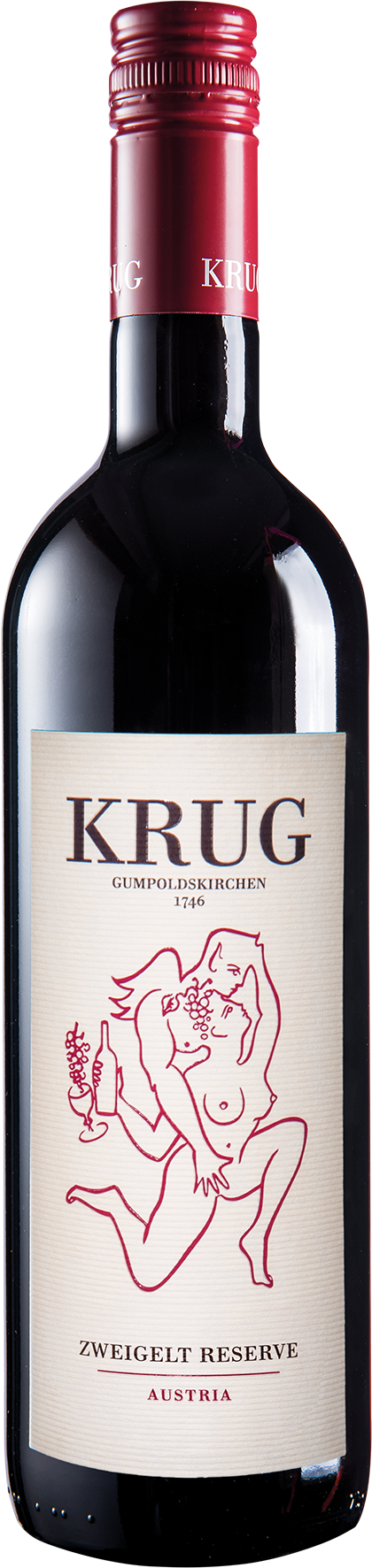
The heart of the assortment beats for the indigenous varieties of the Thermenregion: Rotgipfler — a natural cross between Traminer and Roter Veltliner — and Zierfandler. Both varieties deliver multi-layered, full-bodied white wines with distinct structure on the limestone-loam soils. Around 60 to 70 percent of production is accounted for by white wines. Alongside these are international varieties such as Chardonnay, Grüner Veltliner, Pinot Blanc, and Sauvignon Blanc, as well as red wines from Zweigelt, Merlot, Cabernet Sauvignon, and Pinot Noir. Among the most significant sites are the warm south-facing Ried Rasslerin and the Ried Kreuzweingarten. The ambition runs through the entire assortment: the wines should have aging potential and yet provide drinking pleasure even at a young age — not an either-or decision, but a craft-based goal.