From a medical practice to the heart of Australian wine history
Penfolds does not begin in the wine cellar, but in medicine. In 1844, English physician Dr. Christopher Rawson Penfold emigrated to South Australia with his wife Mary and bought land in Magill, a few kilometers east of Adelaide. He did not plant the first vines — cuttings from the south of France — primarily as an entrepreneur, but as a physician: the early wines were prescribed as tonics for patients. Since Christopher Penfold prioritized his medical practice, Mary Penfold quickly took over the management of the winery, laying the foundation for an operational philosophy that still characterizes the house today. Over the course of the 19th century, this family business became one of the largest wine producers in the Adelaide region. By 1903, Penfolds was already the highest-volume winery in the area, and between 1904 and 1912, vineyards in McLaren Vale and New South Wales were added.
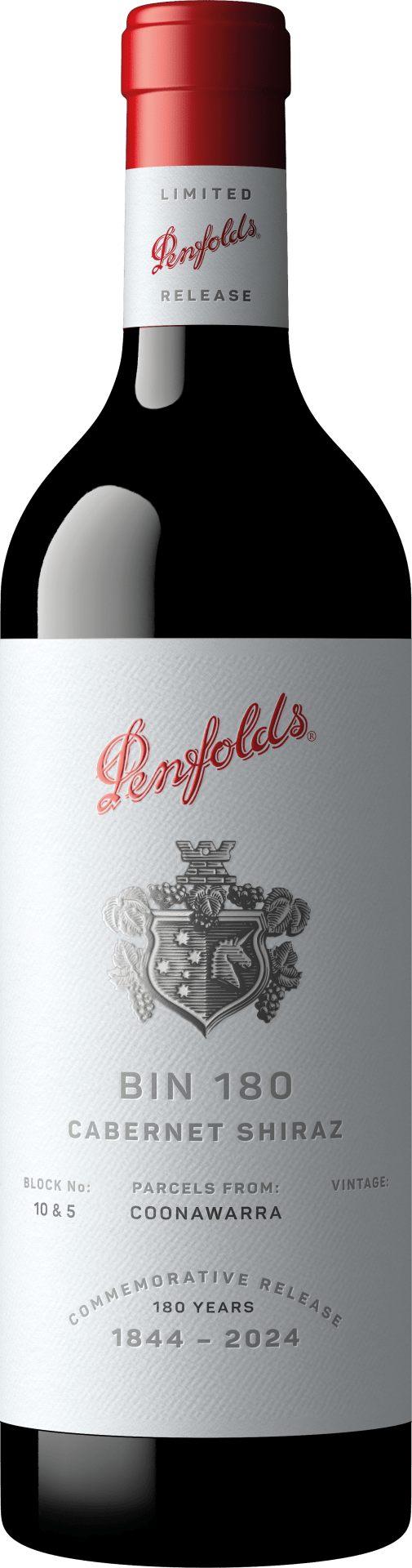
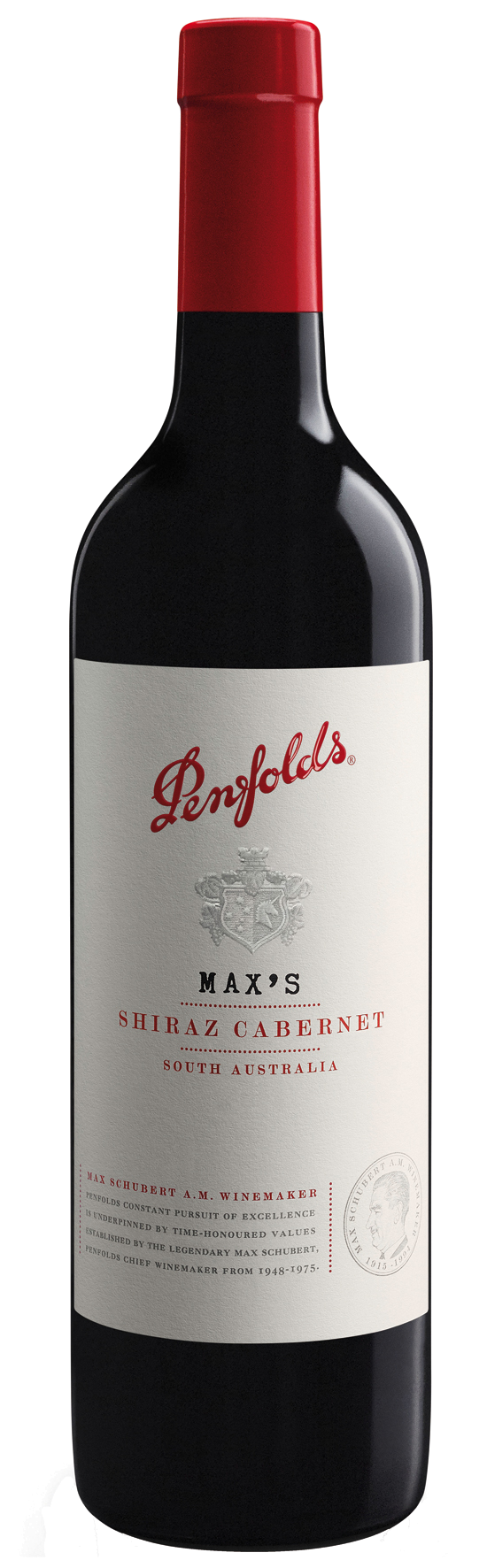
The next defining chapter was written by cellar master Max Schubert. After a study trip to France in 1950, he pursued a clear idea: to create an Australian red wine that could age for at least twenty years. In 1951, the first experimental vintage of the Grange Hermitage was created — named after the Penfolds' estate in Magill. When the Penfolds board stopped the project in the early 1950s, Schubert continued to produce the wines in secret. In 1960, Grange was rehabilitated, after which the gold medals poured in. Today, Grange is an officially recognized cultural heritage of the state of South Australia.
No limits for good grapes: the multi-regional philosophy
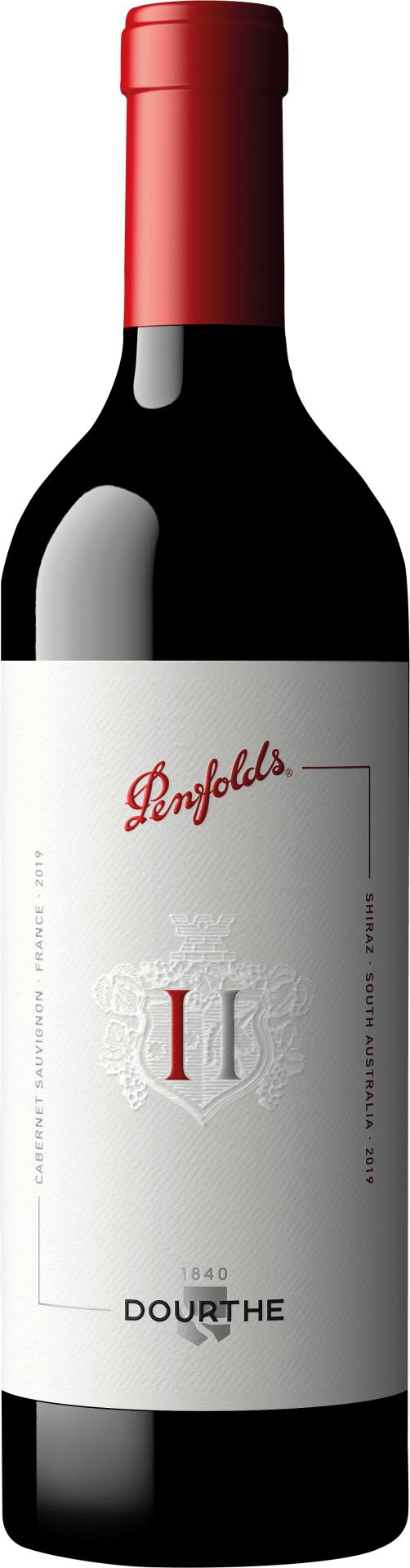
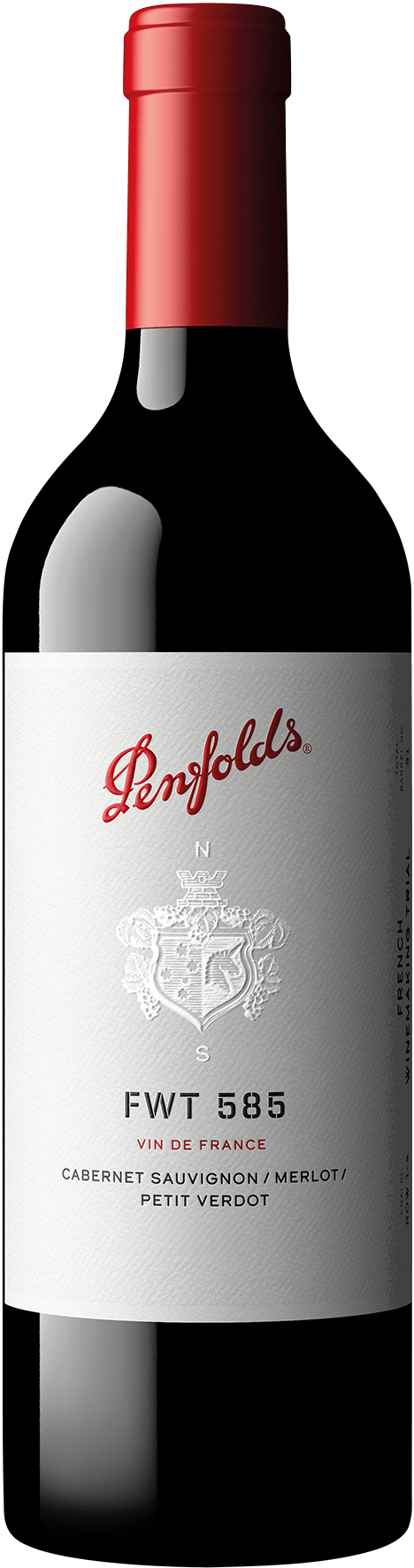
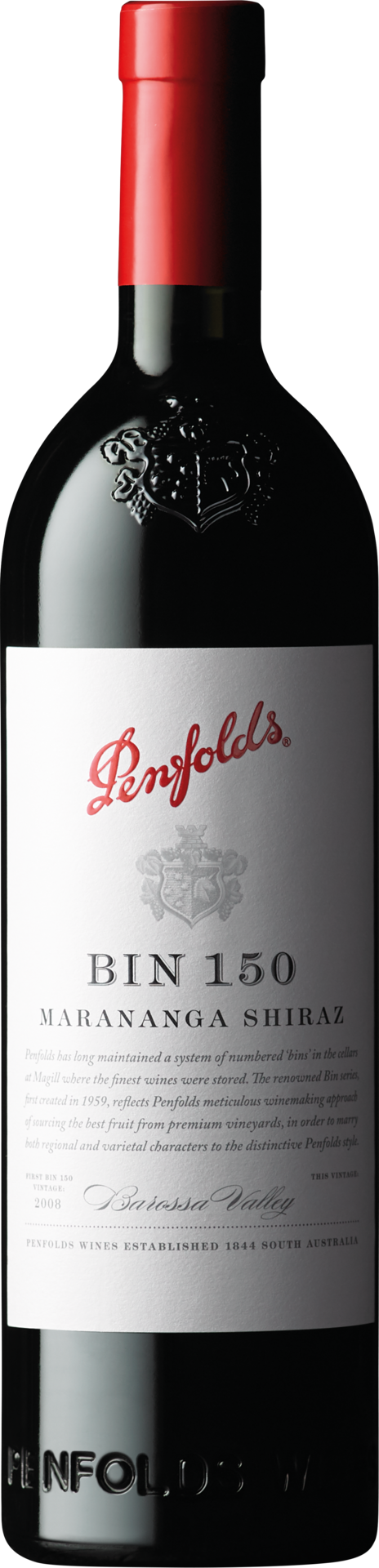
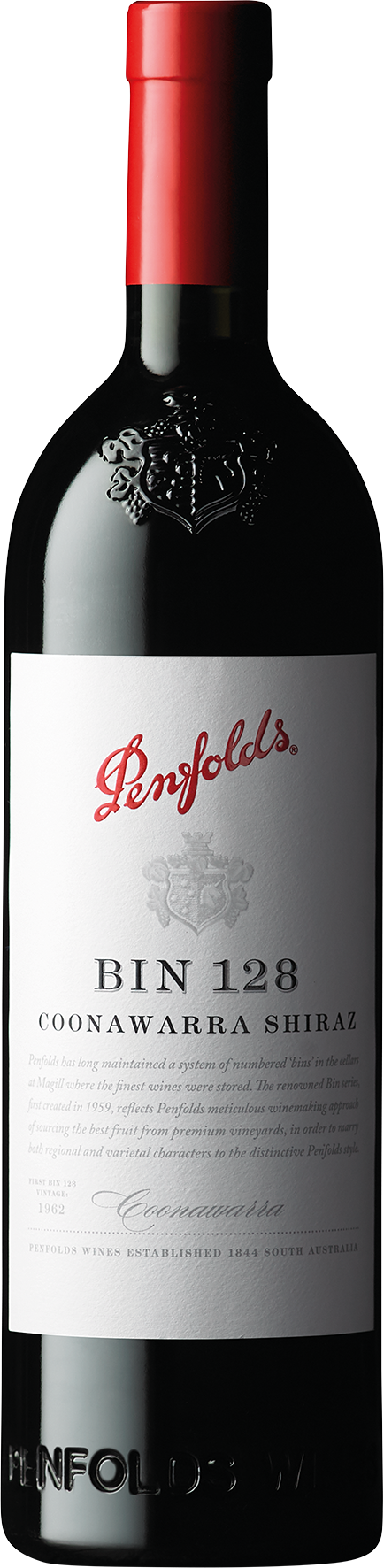
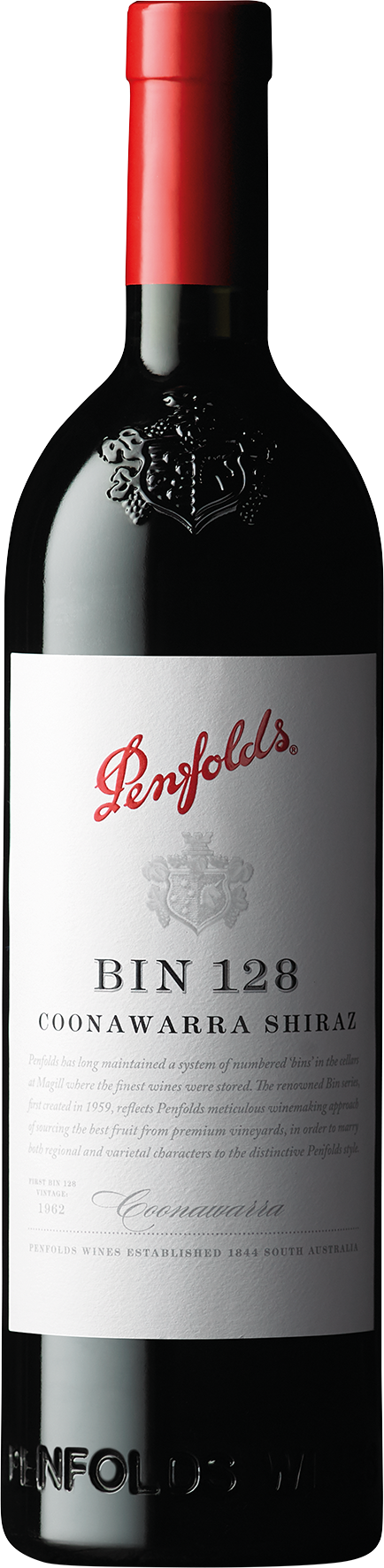
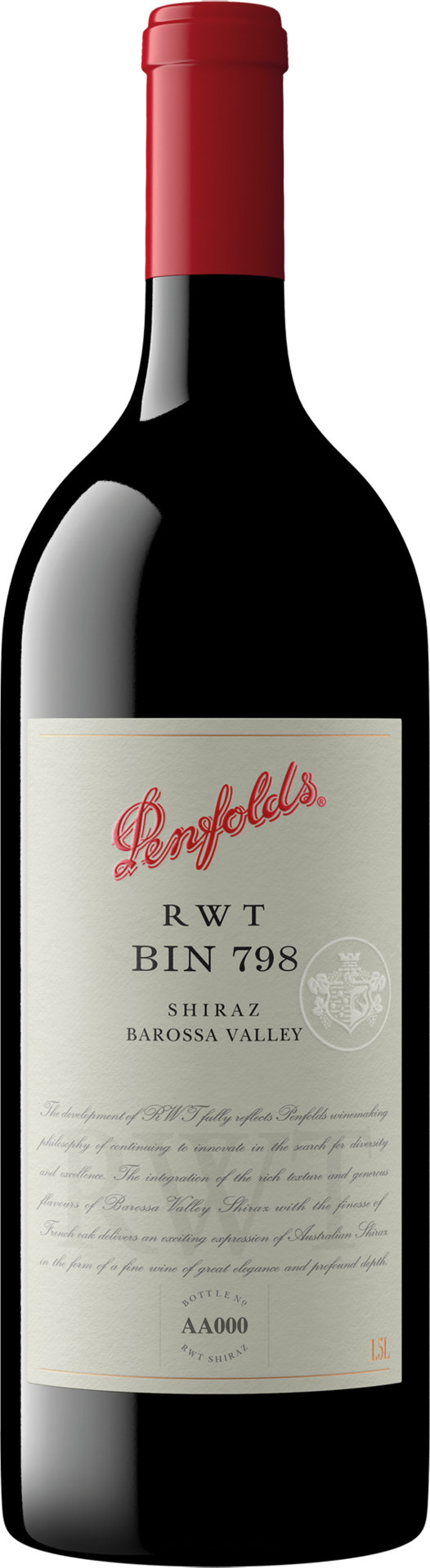
What fundamentally distinguishes Penfolds from most European wineries is its approach to fruit sourcing. Instead of highlighting the origin of a single site, grapes from different regions are specifically assembled into a consistent house style — multi-regional, multi-varietal blending as a core principle. It does not matter whether the fruit comes from the Barossa Valley, McLaren Vale, Coonawarra, the Eden Valley, or now from the Napa Valley: the only deciding factor is whether the fruit meets the requirements of the respective wine style. Since Australia does not have a state-regulated appellation system, Penfolds developed its own internal quality structure — the Bin hierarchy, the numbers of which originally go back to specific storage compartments in the Magill cellars.
The continuity of this approach is ensured by exceptionally long tenures in the cellar: since the Max Schubert era (starting in 1948), there have been only four chief cellar masters in the modern history of Penfolds. Peter Gago has led the house since 2002. This consistency in craftsmanship — combined with disciplined grape selection and barrel practice — is a key reason why the house style remains recognizable over decades and vintages.
Shiraz, Cabernet, and the power of assemblage
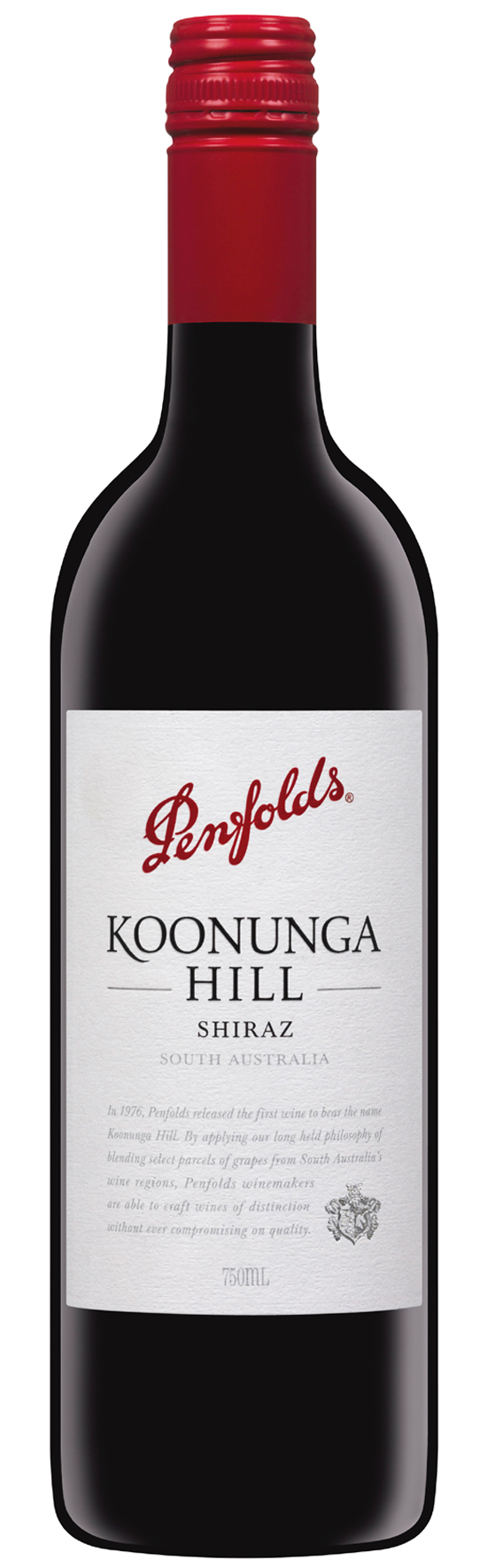
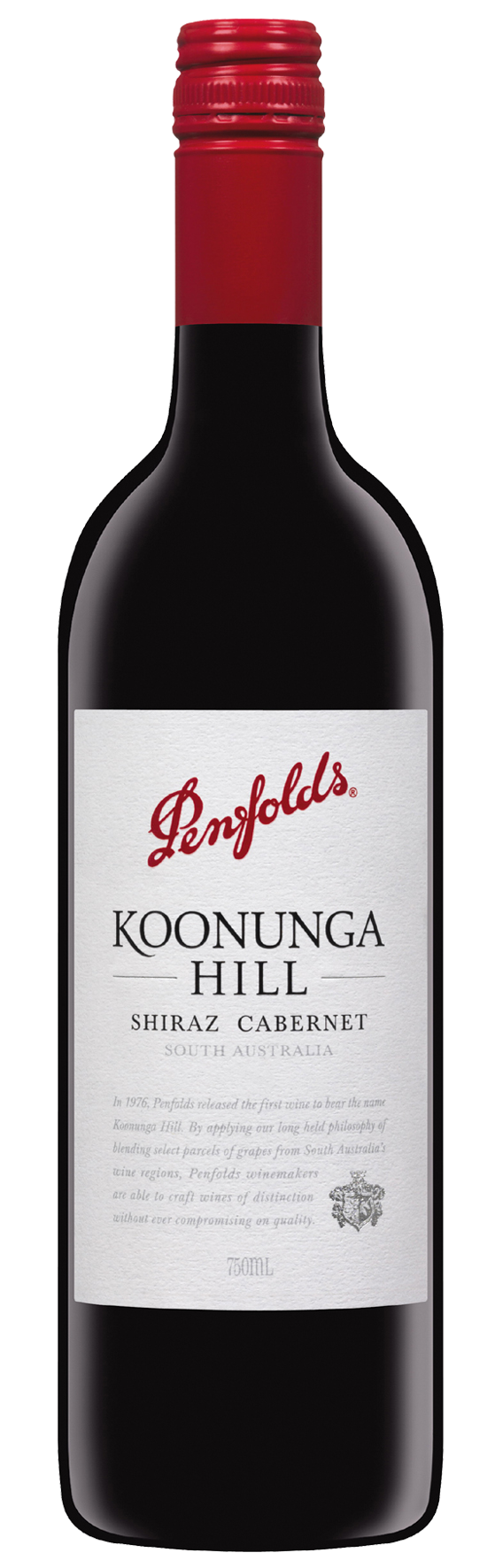
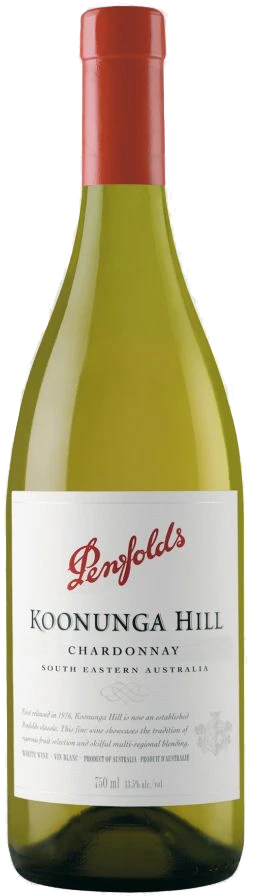
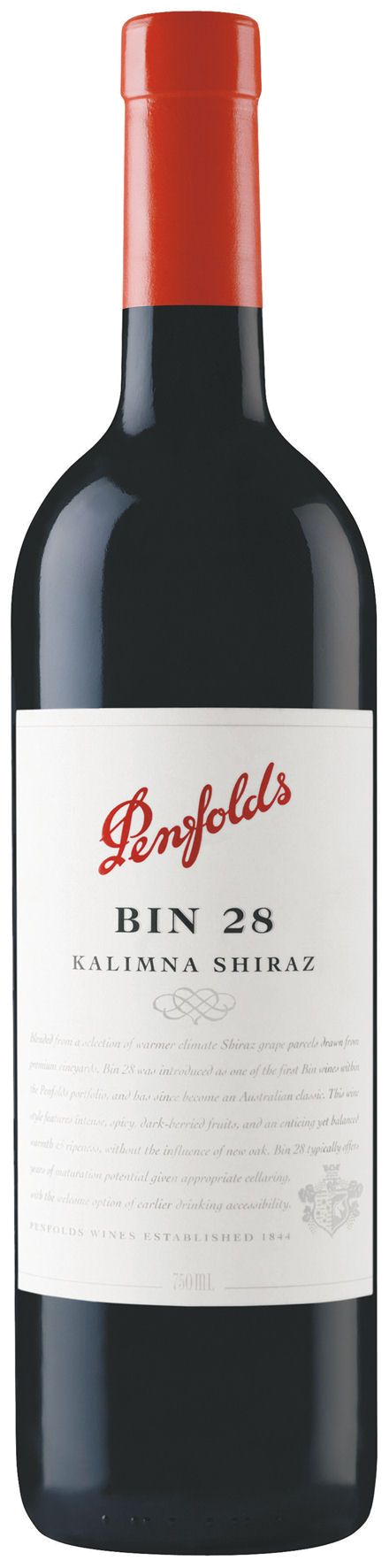
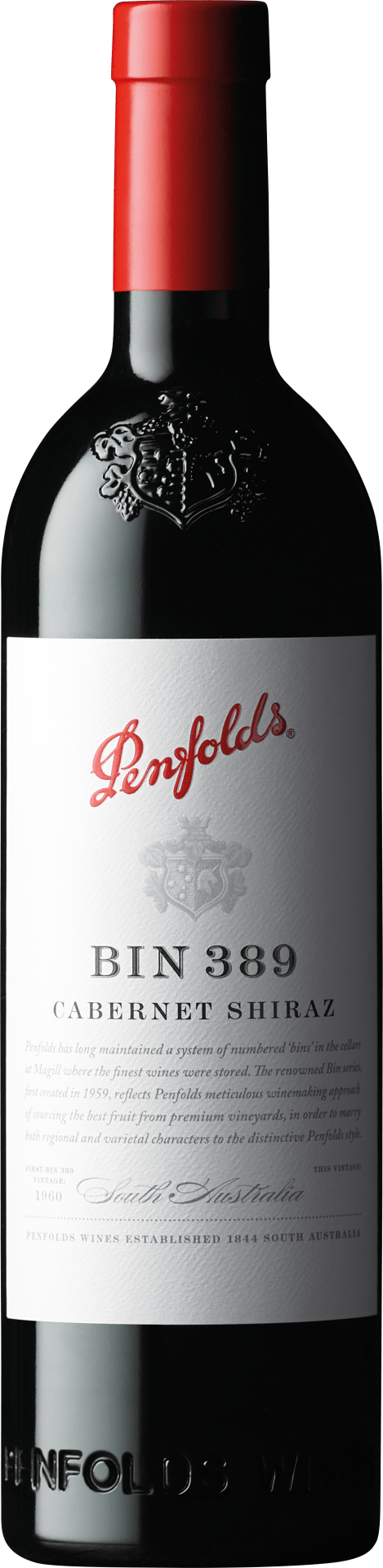
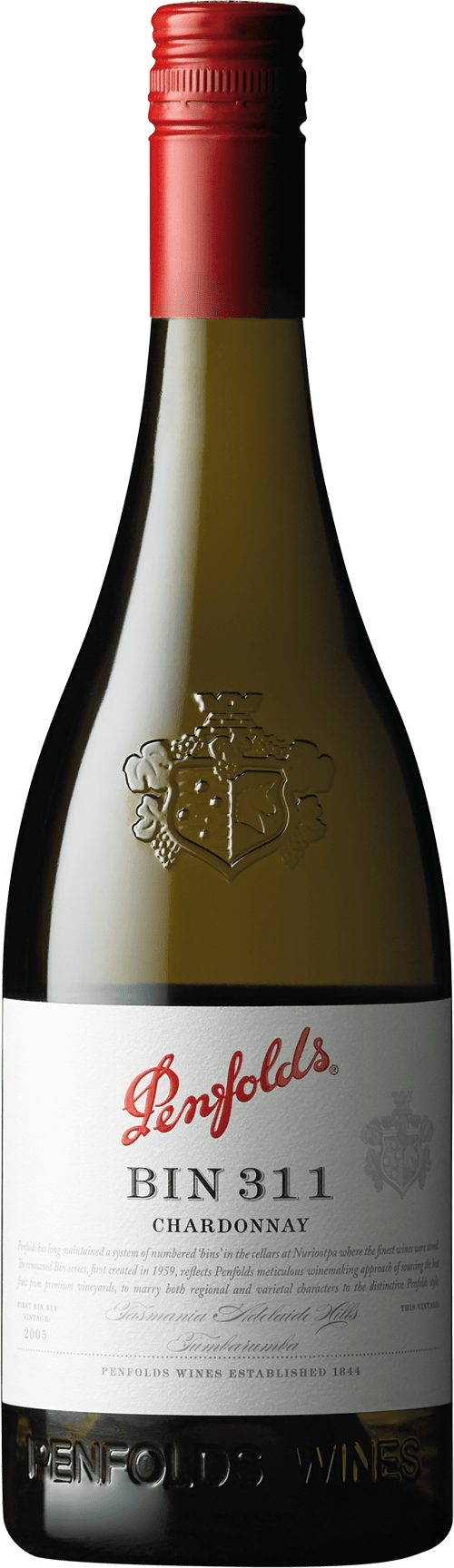
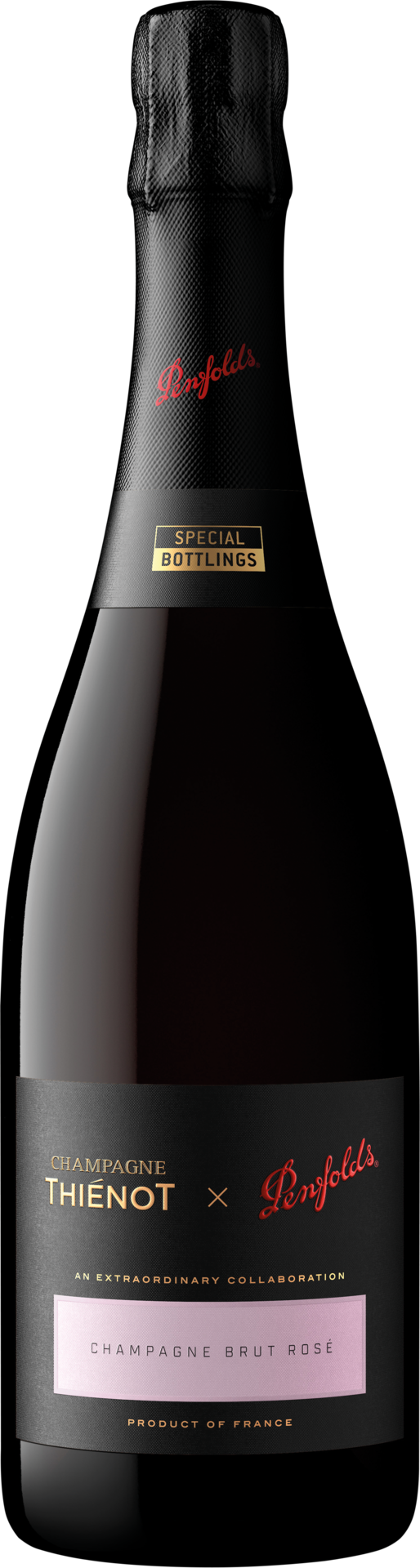
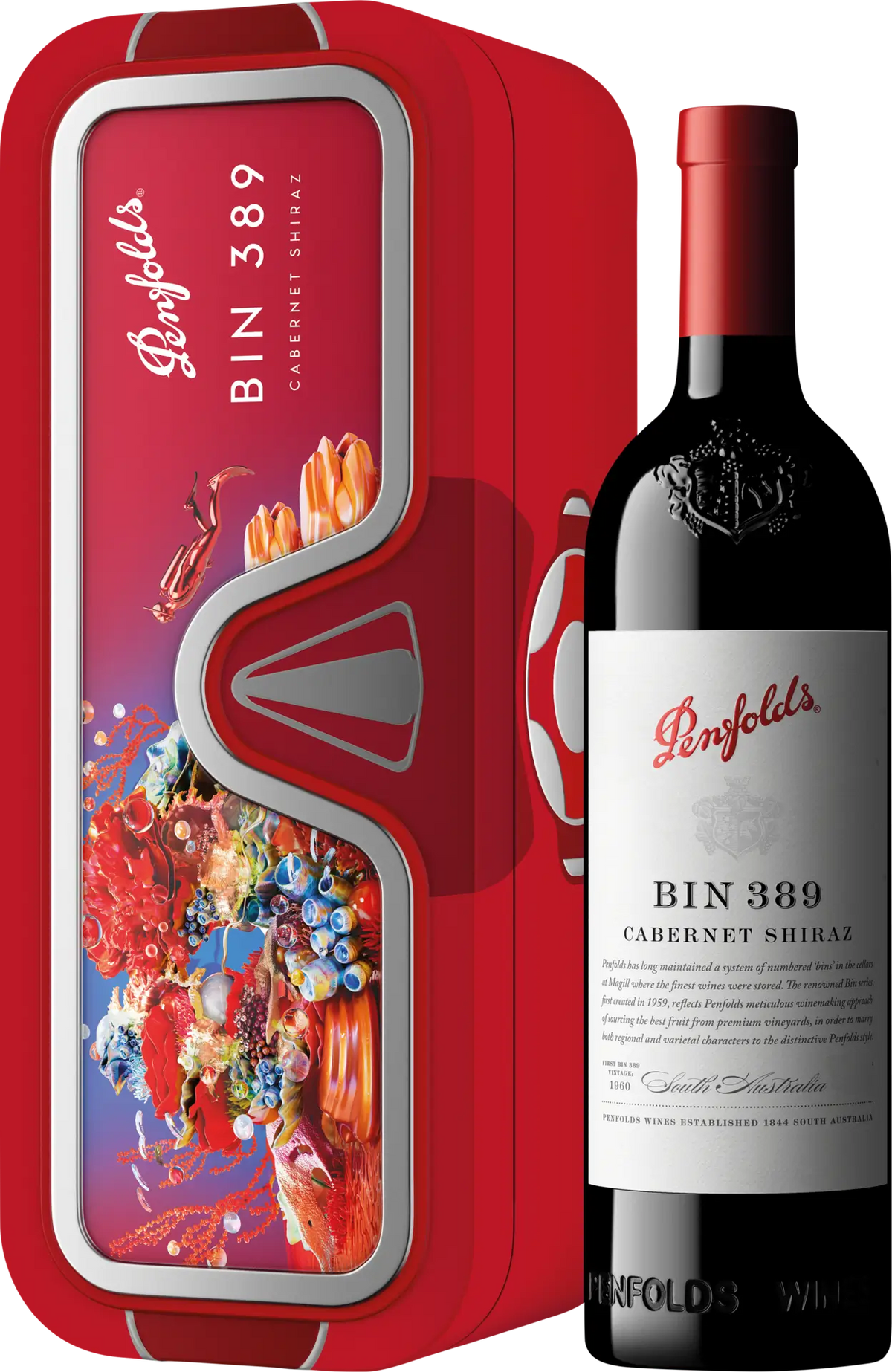
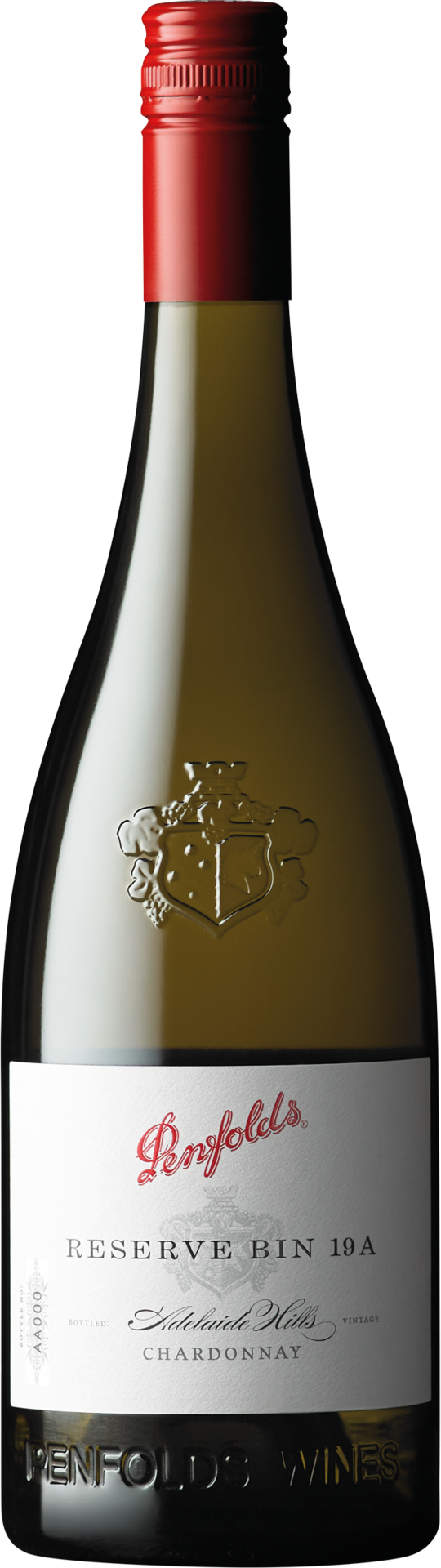
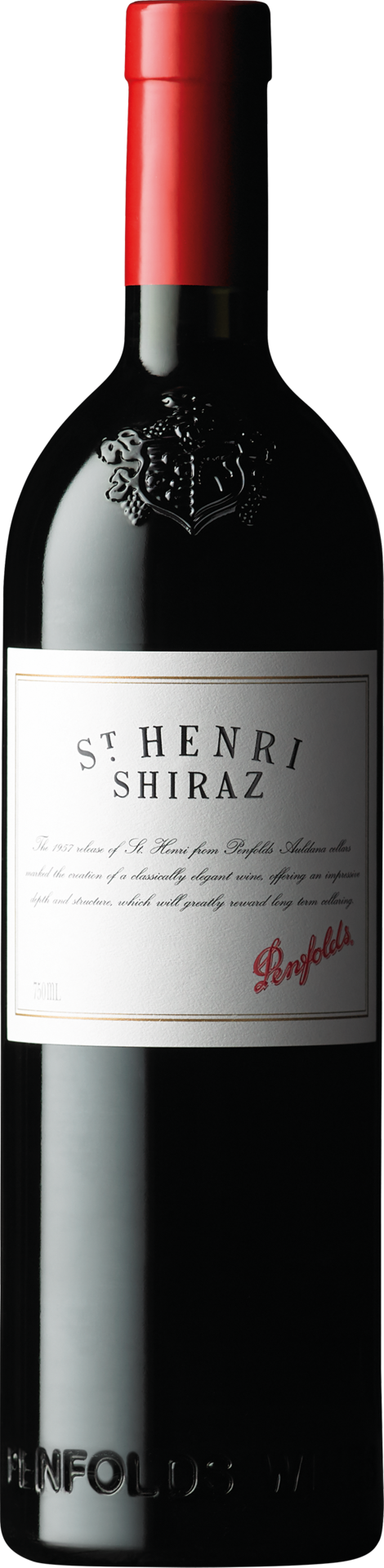
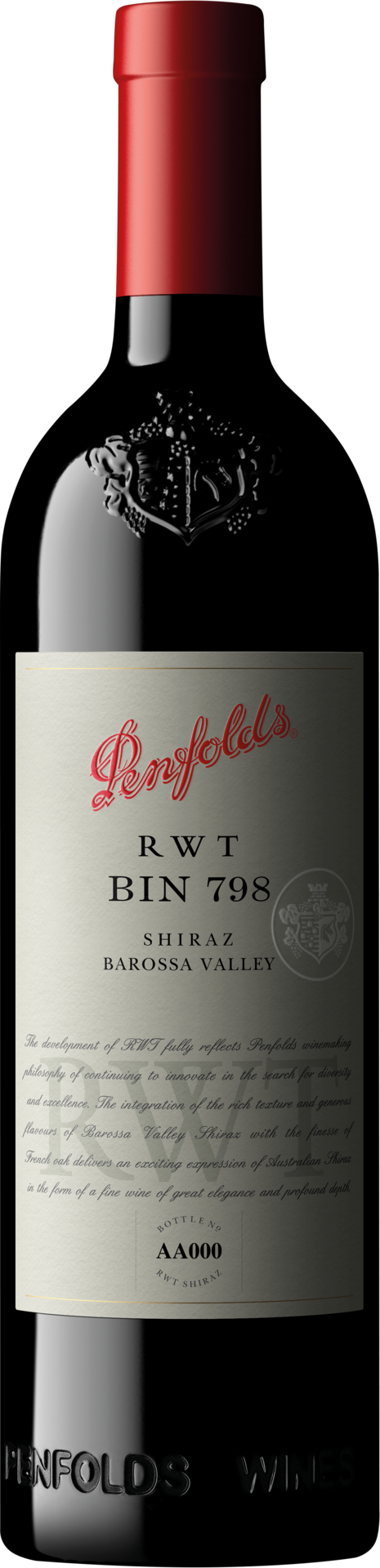
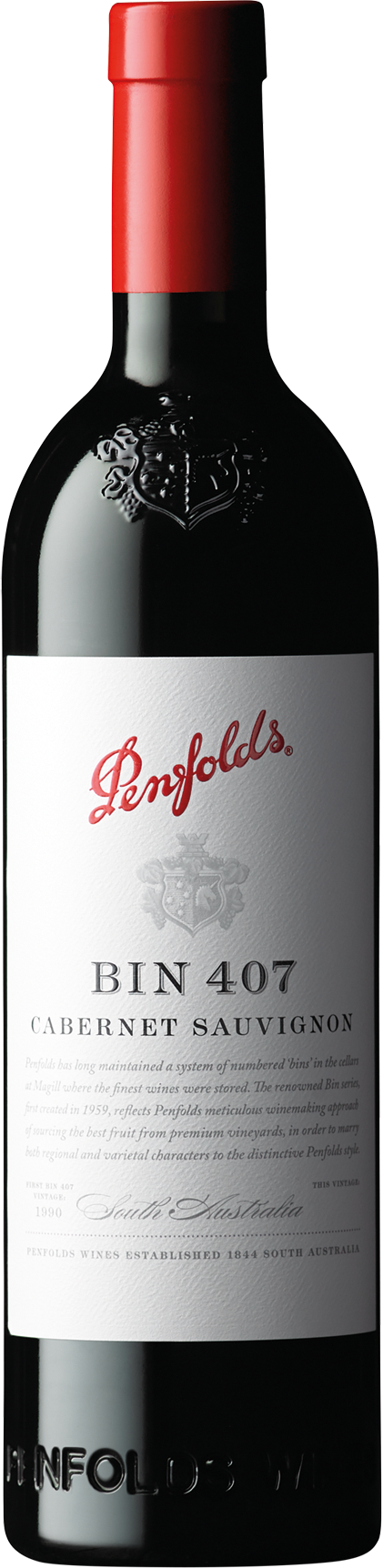
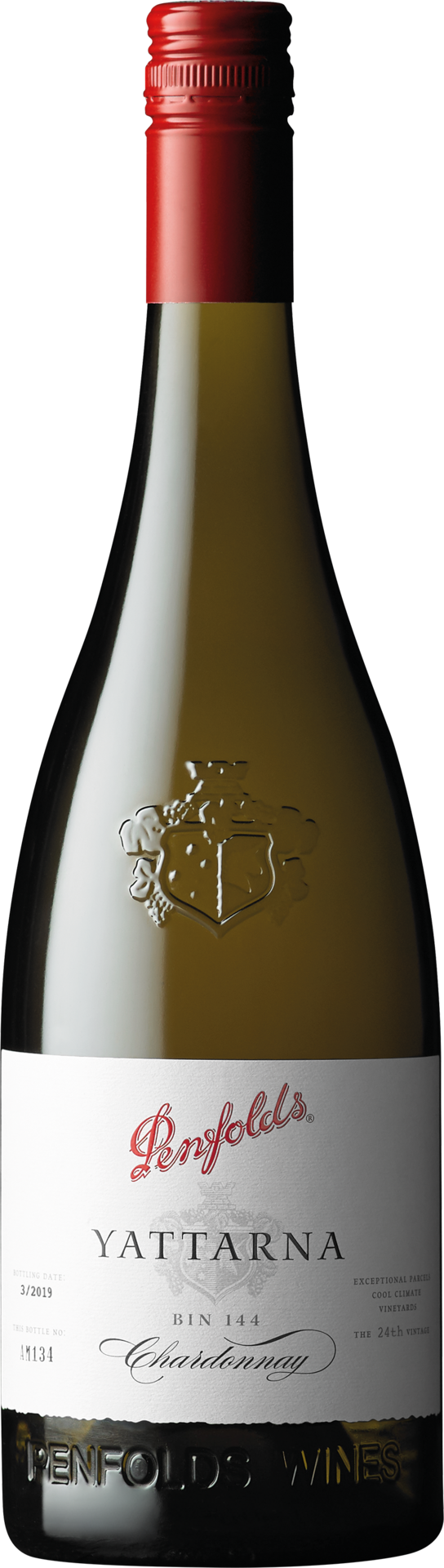
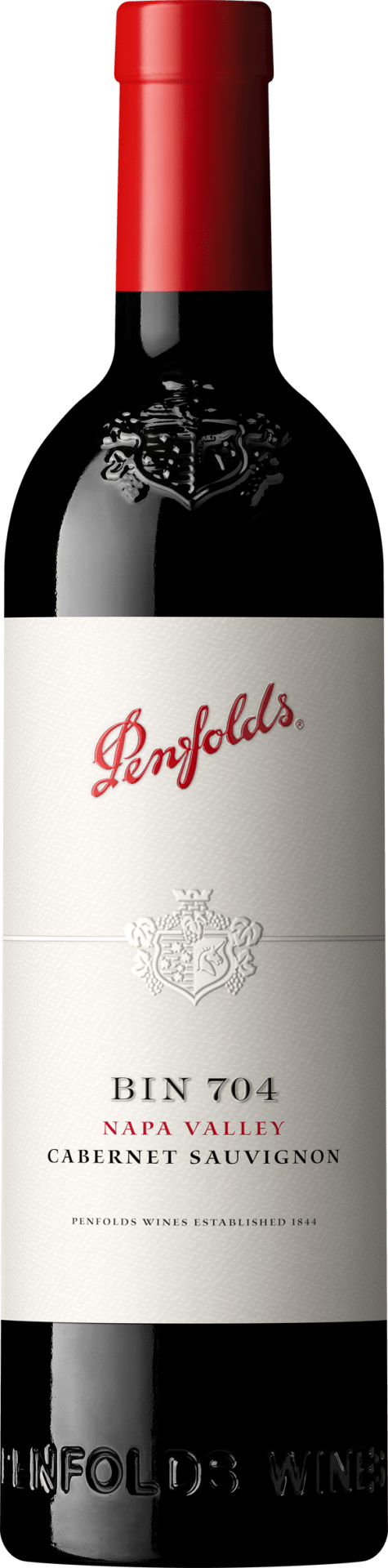
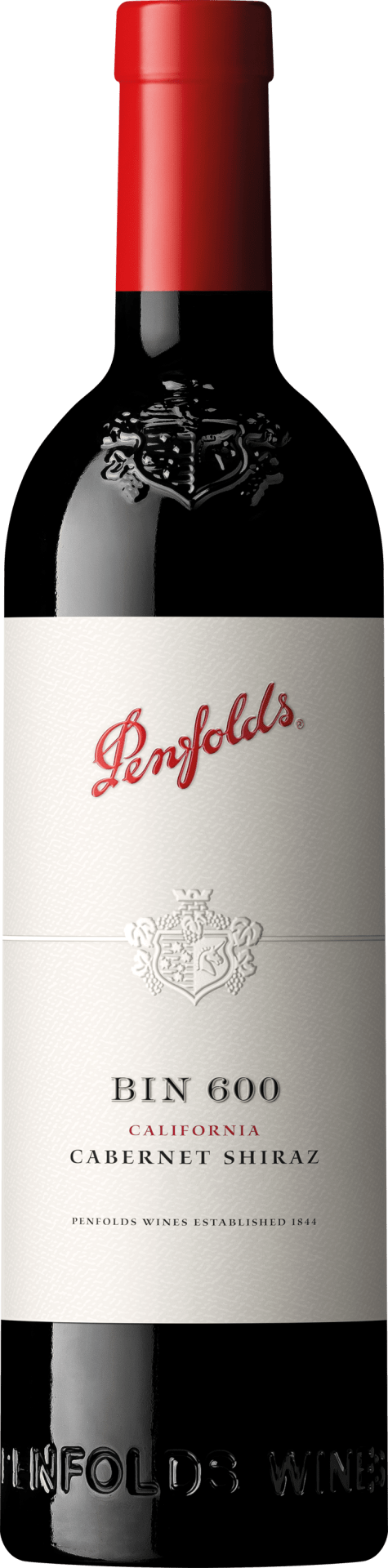
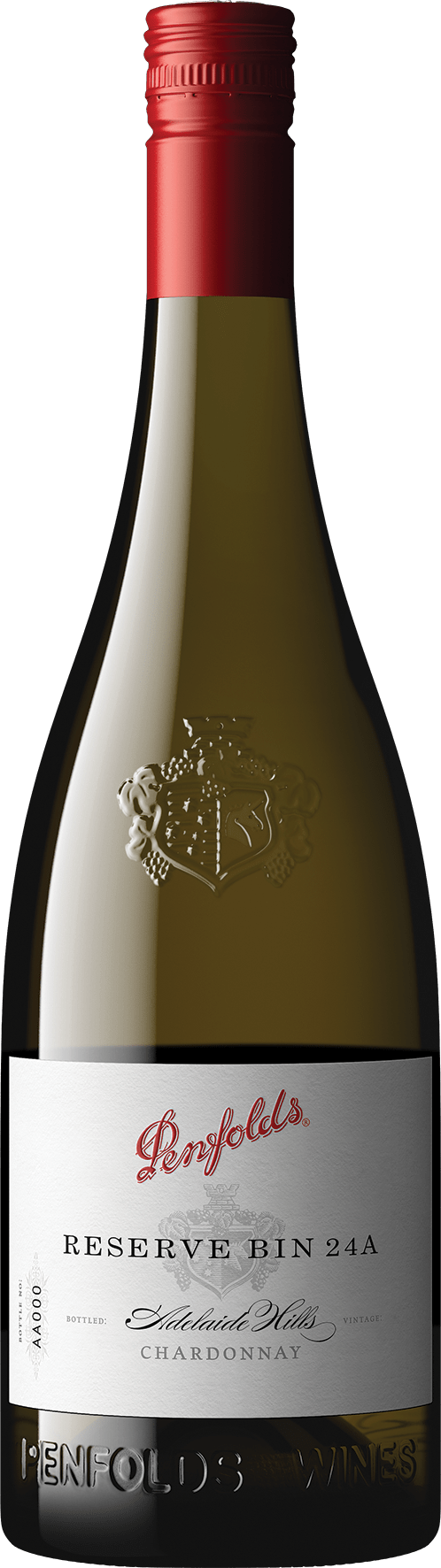
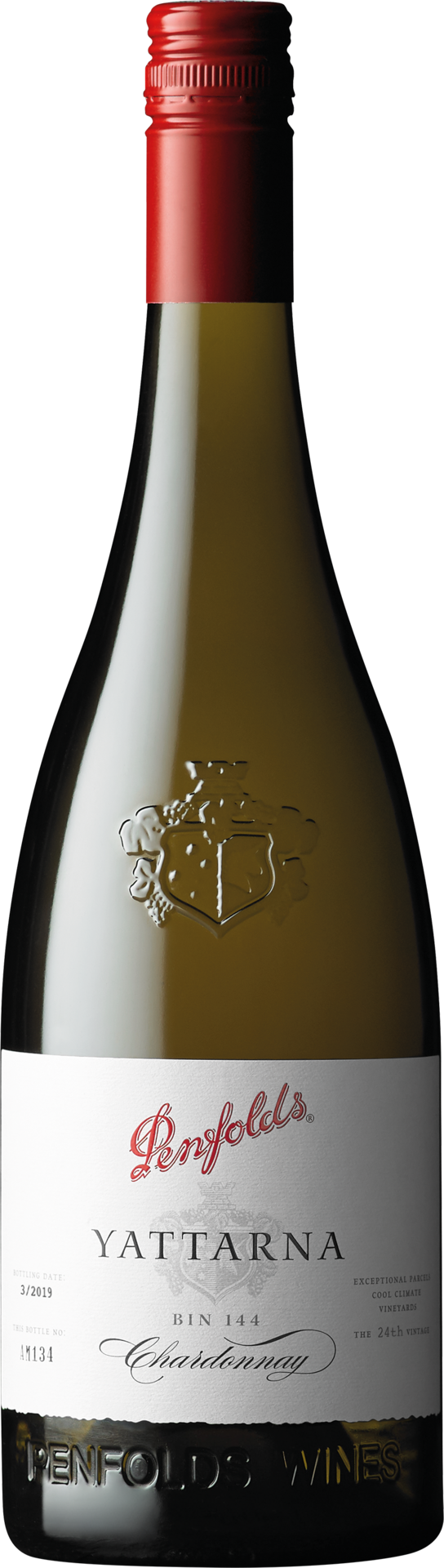
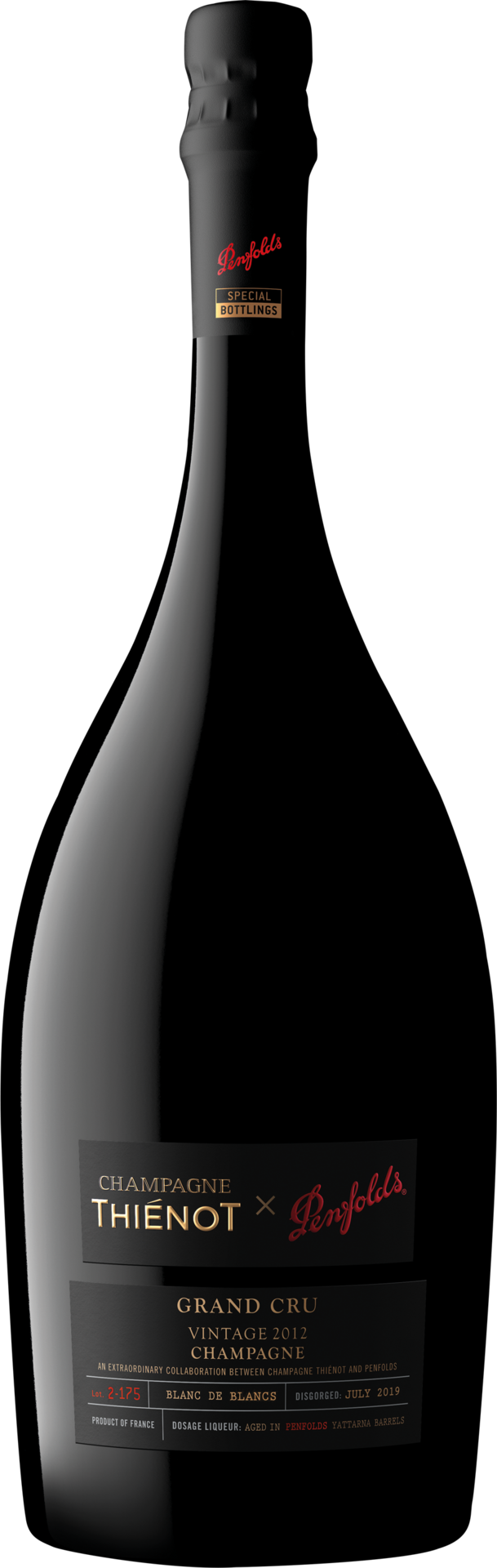
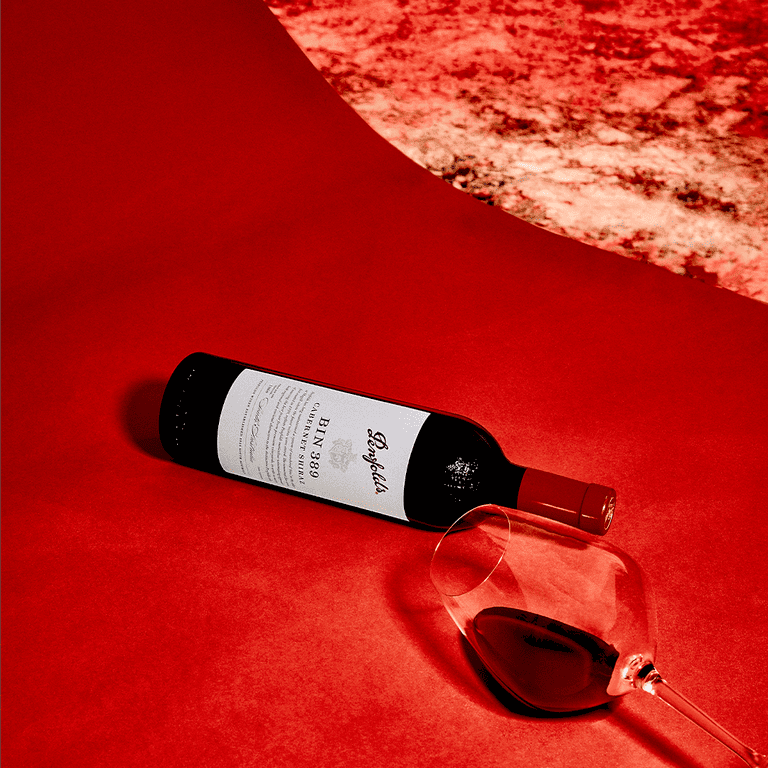
In the glass, the Penfolds style is revealed by what the house itself describes as its fingerprint: pronounced mid-palate ripeness, generous fruit, and aging potential. Shiraz is the dominant grape variety — from the warm, deep-fruited expression of the Bin 28 Kalimna Shiraz to the more structured Bin 389 Cabernet Shiraz, aged in Grange barrels, to the single-varietal Bin 2 Shiraz Mataro, which brings a more rustic spice into play with the Mataro component. Cabernet Sauvignon takes on the role of the structural builder in the range: tannin-rich, archival, and often capable of developing for decades. With the Bin 311 Chardonnay, Penfolds shows that the house style also works for white wines — cool origin sites, barrel influence with a sense of proportion, and freshness as the goal. The range now extends far beyond Australia: Bin 600 and Bin 704 combine South Australian and Californian fruit into cross-border cuvées, and the Champagne Penfolds x Brut Rosé proves that the house also accepts northern France as a playing field. Anyone who delves into this range follows a system — and with every wine, understands a little more about what the term house style means in practice.