From the Barossa heritage to Langhorne Creek: the Glaetzer story
The roots of Heartland Wines reach deep into Australian wine history. Ben Glaetzer comes from a winemaking family whose first generation immigrated from Brandenburg to South Australia in 1888 and settled in the Barossa Valley. His father, Colin, was a cellar master at Seppelt Great Western, and his uncle, John Glaetzer, became known as the mastermind behind the rise of Wolf Blass – and won the Jimmy Watson Trophy, Australia's most prestigious red wine award, multiple times with Cabernet Sauvignon from Langhorne Creek. It was precisely this knowledge of the region's quiet qualities that provided the impetus for Heartland.
In the late 1990s, Ben Glaetzer began to systematically explore the old vineyards of Langhorne Creek and founded Heartland in 1999 together with Scott Collett, cellar master at Woodstock Wines in McLaren Vale, as well as accountant Grant Tilbrook. The first vintage was released in 2001. Nick Keukenmeester, an Australian wine marketing expert with international experience, joined as a partner and Managing Director in 2012 and took on the mission of making Langhorne Creek known worldwide. Heartland is deliberately not an investor project: all founders are actively involved in the business.
Langhorne Creek in focus – vineyard, cellar, environment
Langhorne Creek is located about 60 kilometers southeast of Adelaide on the banks of Lake Alexandrina and is one of the oldest continuously managed wine regions in Australia. The region is home to the oldest registered Cabernet Sauvignon vines in the world. Heartland sources its harvest exclusively from this region and has consistently abandoned the cultivation of other regions of origin – a clear commitment to terroir-true work. The vineyards are located on old alluvial limestone soils with good drainage; every afternoon, a cool breeze from Lake Alexandrina blows over the sites, which noticeably lowers temperatures and extends the ripening time of the grapes.
The grapes are not pressed on-site, but in Tanunda in the Barossa Valley, where Ben Glaetzer works in the modern custom-crush facility Barossa Vintners – equipped with everything necessary for precise red wine production. The harvested grapes are transported there in climate-controlled trucks to maintain quality on the way. In the vineyard itself, Heartland focuses on sustainability: the estate's own property in Langhorne Creek is involved in the reintroduction of native plant species; indigenous trees, grasses, and shrubs have been planted to create habitat for native animals. The wines are certified by Vegan Australia.
Shiraz, Cabernet, and the signature of a winemaking classic
Heartland has focused entirely on red grape varieties. Shiraz and Cabernet Sauvignon form the backbone of the assortment, supplemented by cuvées and wines that highlight the cool-climate character of Langhorne Creek. The Director's Cut Shiraz was the first wine Heartland bottled and is still considered the brand's flagship – in 2025, the 2021 vintage won both the "Wine of the Year Australia" and "Shiraz of the Year" titles at the China Wine Competition. Robert Parker named Ben Glaetzer "Wine Personality of the Year" in 2005; in 2007, Glaetzer achieved the best result of any single winemaker in the history of the competition with ten gold medals at Mundus Vini in Germany.
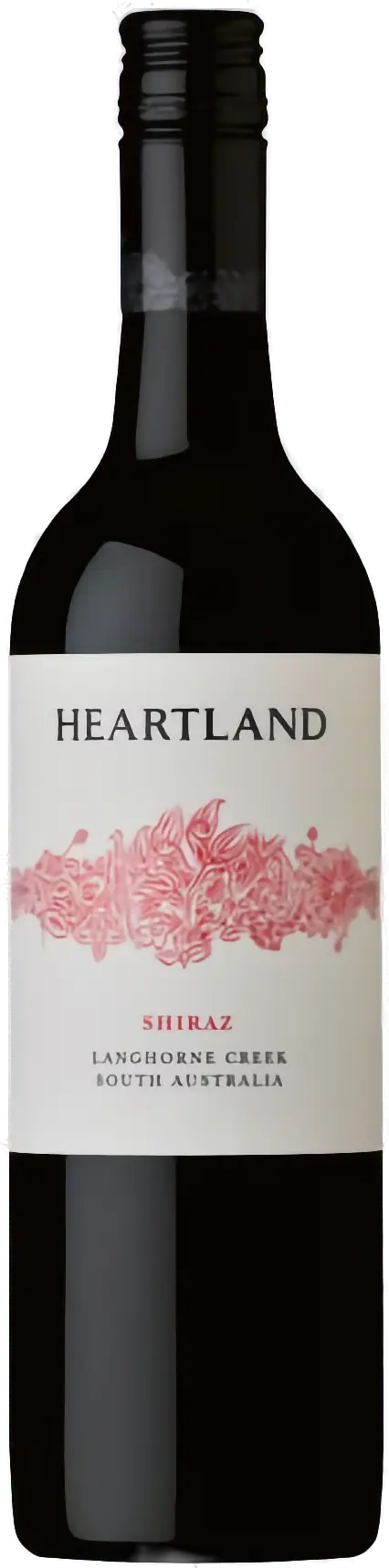
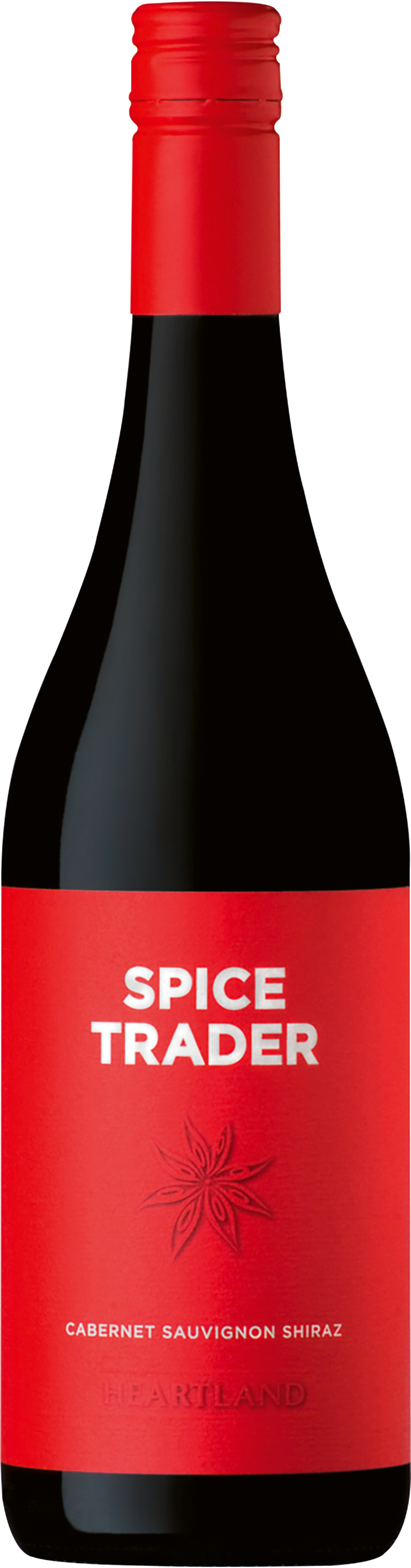
What stylistically defines Heartland wines is the combination of ripeness and freshness: old vines on mineral soils, slowed ripening due to the sea breeze, and careful selection in the cellar result in red wines with depth and structure that nevertheless do not feel heavy. In our assortment, you will find, in addition to the Director's Cut Shiraz, the more accessible Heartland Shiraz, the spicy cuvée Spice Trader, and the drinkable Stickleback Red – an assortment that ranges from everyday wine to serious cellar candidates.