Riesling: variety from bone-dry to luscious
Riesling is a white grape variety that finds its most defining form primarily in Germany. At Vinoscout, you will find over 550 wines, most from the Mosel, Palatinate, Rheingau, Nahe, and Rheinhessen. In addition, there are Rieslings from Austria, Italy, France, Australia, and Luxembourg. The assortment ranges from lean steel-tank wines to Grosses Gewächs from the wooden barrel.
Style & Taste
Riesling is characterized by lively acidity and clear fruit. Aromas of citrus, grapefruit, apple, and vineyard peach are typical. With more mature or sweeter expressions, honey and dried fruit are added. Many wines also have a mineral, stony note.
The taste profile determines the character most clearly. Dry Rieslings appear taut and precise. Semi-dry and off-dry wines combine fruit with a subtle sweetness. Luscious and sweet Rieslings are denser and more complex, with the acidity keeping them fresh. The alcohol content in the assortment is between 7 and 14.1% vol.
Aging also shapes the style. In the steel tank, the Riesling remains clear, fruity, and direct. Aging in wooden barrels brings more texture and depth. Spontaneously fermented wines and barrique aging are found primarily in the higher price levels. About 16% of the assortment is organic.
Which Riesling suits whom
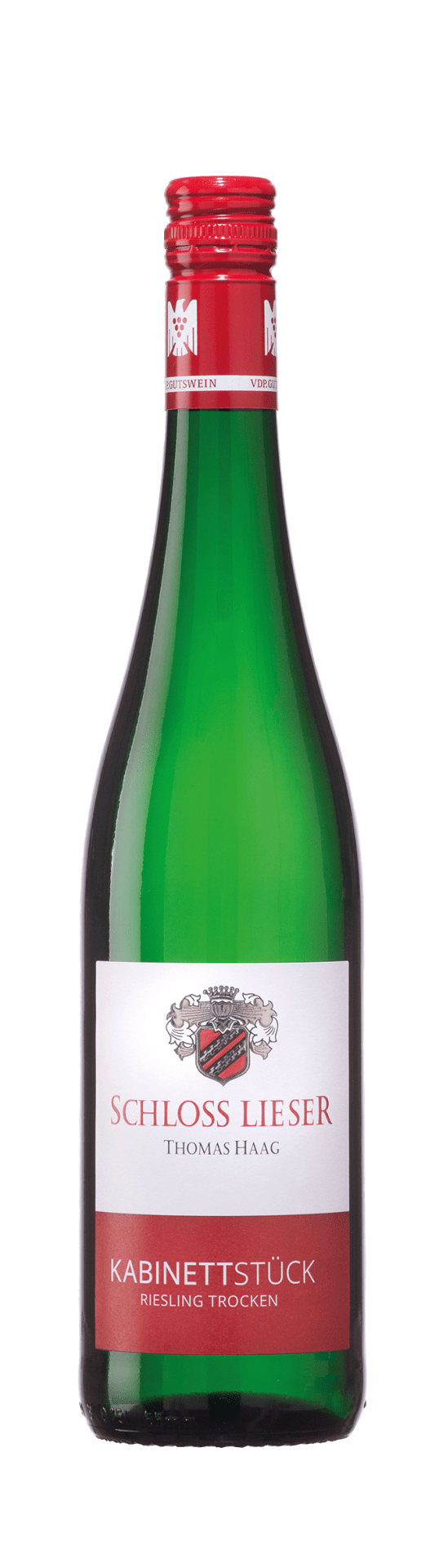
Entry-level (under €20): This level suits you if you want to get to know Riesling or are looking for an uncomplicated wine for every day. About a third of the assortment is here. The wines come from the Mosel, Palatinate, Rheingau, and Rheinhessen and usually bear the designation Qualitätswein, Prädikatswein, or QbA. They are predominantly aged in steel tanks, partly in wood. Producers like Wachtenburg Winzer, Weingut Künstler, Dr. Loosen, and Weingüter Geheimrat J. Wegeler stand for this fresh, accessible style.
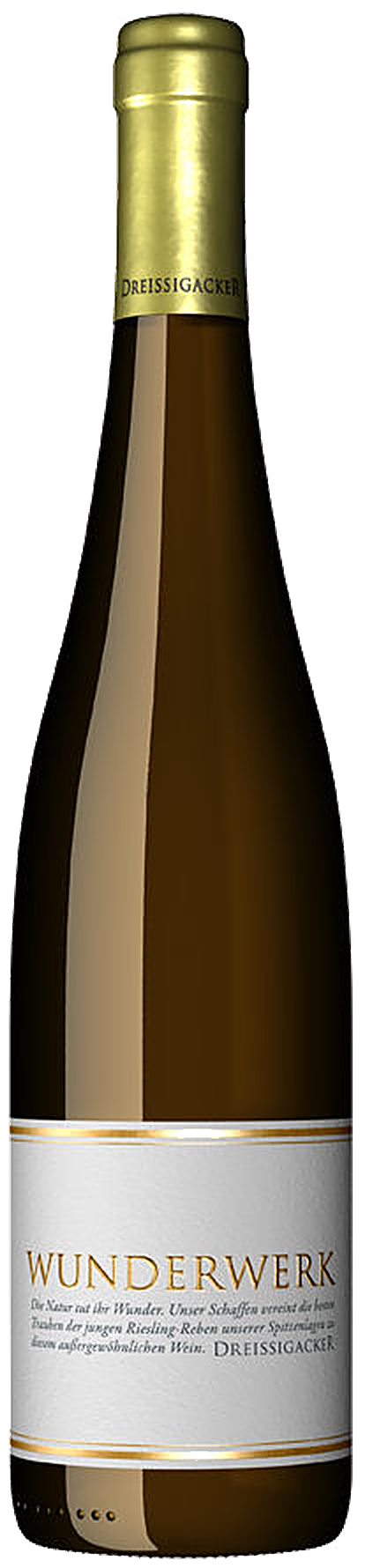
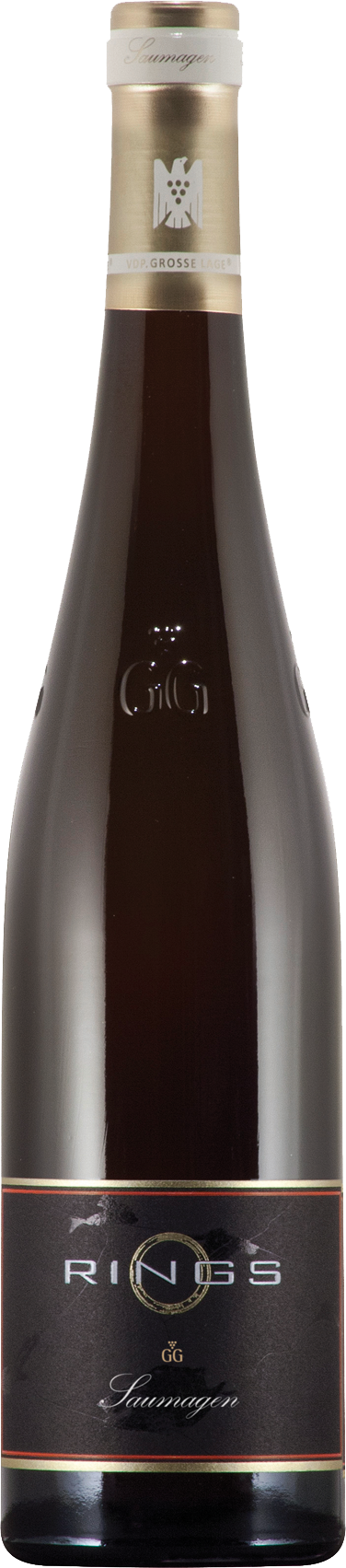
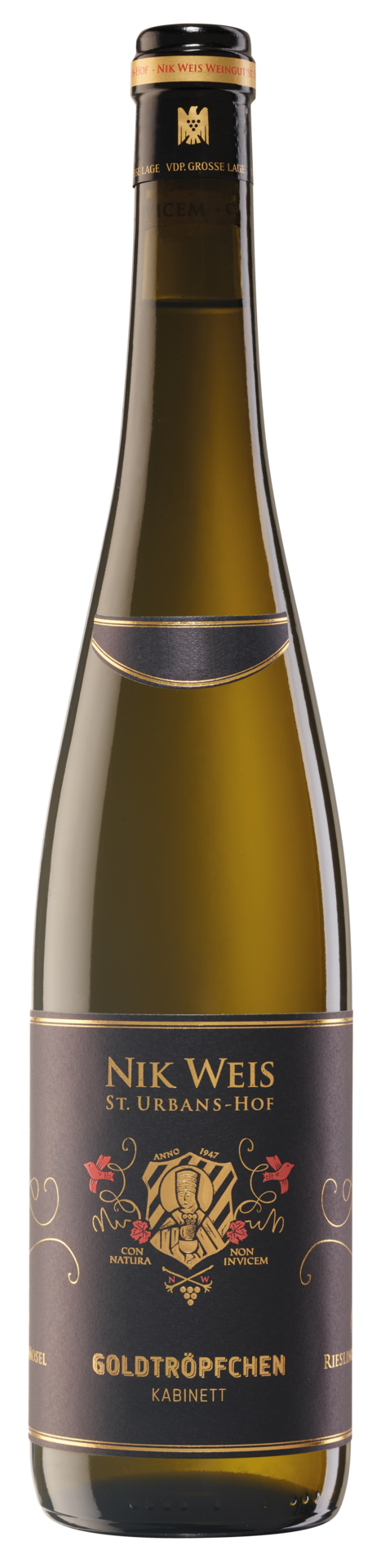
Mid-range (€20–€40): This level is aimed at everyone who wants more origin and expression in the glass. Also about a third of the assortment belongs here. In addition to the Mosel, Palatinate, and Rheingau, the Nahe is added. Alongside Qualitäts- and Prädikatsweine, the Grosse Gewächs appears. Wood aging and spontaneous fermentation give the wines more structure. Maximin Grünhaus, Weingut Dr. Bürklin-Wolf, Fritz Haag, and Karthäuserhof characterize this price class.Top-tier (€40 and up): This level is intended for collectors and special occasions. About a third of the assortment is here. The wines come from the Mosel, Palatinate, Nahe, and Rheinhessen. Grosses Gewächs and Prädikatsweine define the picture, aged in wood, steel tanks, or barriques. Producers like Weingut Dr. Bürklin-Wolf, Schäfer-Fröhlich, Egon Müller, and Joh. Jos. Prüm stand for this concentration and depth.Origin & Subcategories
The majority of Rieslings come from Germany, the home country of the grape variety. You can find all German wines under Germany. The origin changes the style significantly. Cooler sites provide lean, acidity-driven wines. In warmer regions, they become rounder and fruitier.
The Mosel stands for filigree, mineral Rieslings, often from slate soils. The Palatinate produces more powerful, fruitier wines. In the Rheingau, classic, structured Rieslings define the picture. From the Nahe come wines between Mosel elegance and Palatinate fullness. Rheinhessen provides Rieslings from accessible to demanding.
Outside of Germany, a look is also worthwhile. In Austria, the Kamptal produces powerful, spicy Rieslings that are classified as DAC. In addition, there are Baden and the French Alsace with AOC wines.
Pairs with
Riesling is a versatile food companion. Dry and off-dry wines pair with fish, seafood, asparagus, and salad. They also work well with soup, poultry, and veal. The acidity keeps the dishes fresh.
Semi-dry and off-dry Rieslings accompany Asian dishes because they balance heat and spice with their fruit sweetness. Luscious wines pair as the conclusion of a menu. A simple Riesling is suitable for a social evening, a Grosse Gewächs for a festive meal.