Sauvignon Blanc: Diversity between the Loire, South Tyrol and Marlborough
This collection brings together over 200 Sauvignon Blancs from France, Germany, Italy, South Africa, New Zealand and Spain. The range extends from uncomplicated stainless steel tank wines to site-specific cuvées from Sancerre and South Tyrol, with a few Cabernet Blanc and Chardonnay labels as additions to the white wine shelf.
Tasting & Serving
Sauvignon Blanc presents itself differently depending on the climate. In cooler regions such as the Loire or Marlborough, green bell pepper, gooseberry and freshly mown grass dominate, carried by an invigorating acidity. In warmer growing regions such as Franschhoek or Bordeaux, the aroma profile shifts towards ripe fruit, with hints of passion fruit and yellow melon.
The aging process shapes texture and depth. Stainless steel tanks preserve the clear fruit and crisp acidity, while barriques or wooden barrels give the wine more volume and a creamier structure. Designations of origin such as AOC, DOC or Qualitätswein signal controlled production, while IGP and IGT stand for simpler, often more fruit-forward country wines. The flavor profiles range from dry to semi-dry to luscious, for example in the Sauternes-style wines from Bordeaux.
Which Sauvignon Blanc suits whom
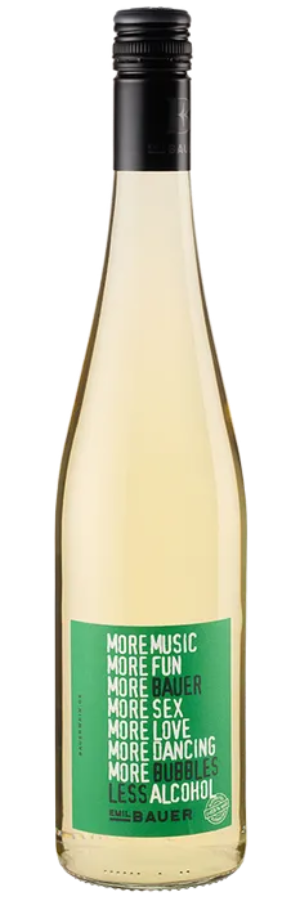
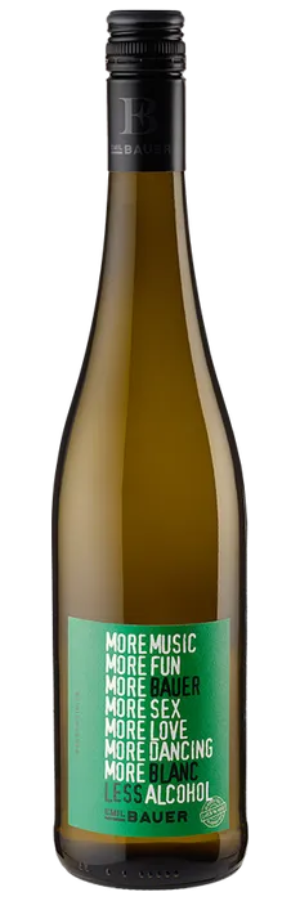
Entry-level (under €15): This level is suitable for anyone who wants to drink Sauvignon Blanc in an uncomplicated way in everyday life. The style is usually characterized by stainless steel tanks, clear and fruity, occasionally with a little wood. Producers such as Weingut Hammel & Cie, Paul Mas, Emil Bauer and Buitenverwachting define this price range, with origins from the Palatinate, Languedoc-Roussillon, Franschhoek and Bordeaux.
Mid-range (€15–€25): Here you will find wines with more profile and regional authenticity, intended for anyone who wants to specifically discover a region. The designations AOC, DOC and Qualitätswein stand for controlled cultivation, and the aging process varies between stainless steel tanks and barriques. Producers such as Villa Maria from New Zealand, Golan Heights Winery, Guy Saget from the Loire and Castel Châteaux & Grands Crus are defining, with origins from South Tyrol, Sancerre, Sauternes and Marlborough.
Top-tier (from €25): This level is aimed at connoisseurs looking for site-specific or particularly concentrated wines. Sancerre and the Loire provide the reference styles here, complemented by Bordeaux and South Tyrol. Producers such as Domaine Hubert Brochard, Pascal Jolivet, Domaine de la Poussie and Domaine de Chevalier stand for wines with depth, often with barrique or wood aging and great aging potential in the glass.
Origin & Subcategories
The grape variety has its roots in France, particularly in the Loire and Bordeaux, and is now also grown in Germany, Italy, South Africa, New Zealand and Spain. Each region sets its own priorities: the Loire and Sancerre stand for minerality and freshness, South Tyrol for alpine precision, and Marlborough in New Zealand for intense aromatics.
Within this collection, you can search further by origin: France, Germany, Italy, Palatinate, South Africa, Loire, Sancerre, Bordeaux, South Tyrol and New Zealand.
Pairs well with
Sauvignon Blanc pairs particularly well with light, fresh cuisine. Classic combinations include fish, seafood and oysters, whose salty note picks up the wine's acidity. Salads, asparagus and goat cheese also harmonize with the grassy, fresh aromatics.
For spicier dishes, such as those from Asian cuisine, the fruitier styles from warmer growing regions like Franschhoek or Marlborough are suitable. Poultry works well with the more structured wines from the mid-range and top-tier, especially if they have had some barrique aging.